Tourist Attractions & Things to Do in Canterbury
Canterbury, a busy market city located in the English county of Kent, has managed to survive centuries of history with much of its medieval character still intact. This beautiful city is also famous as the home of the Archbishop of Canterbury, head of the Anglican Church.
Regarded as the cradle of English Christianity, it was here that St. Augustine made his first converts among the pagan Anglo Saxons and where, in 597 CE, he became the fledgling English church's first bishop. His burial place in St. Augustine's Abbey, just outside the city walls, was a much-revered shrine until the building of neighboring Canterbury Cathedral.
Designated as one of Britain's Heritage Cities, Canterbury is also an important cultural and entertainment destination. It now boasts numerous fun things to do, along with a wide variety of historically significant attractions. Shoppers, too, are well catered for and will want to check out the historic streets of the King's Mile, with its specialty shops, galleries, and cafés, as well as the more modern Whitefriars Canterbury shopping area.
Must-dos include visiting the Canterbury Roman Museum, a fascinating look into the city's Roman roots, and taking a historic river tour on the Stour. Sports fans should check the schedule of the Kent County Cricket Club's Spitfire Ground, St. Lawrence, widely regarded as one of the most beautiful cricket grounds in the country.
To ensure your England travel itinerary is chock-full, be sure to read right through our list of the top attractions and things to do in Canterbury, Kent.
See England's Most Important Cathedral: Canterbury Cathedral

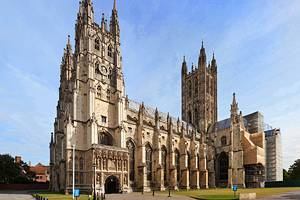
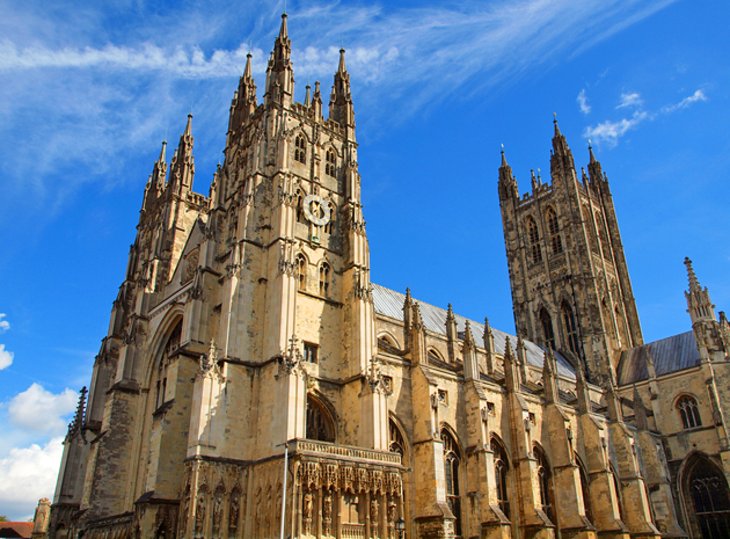
A UNESCO World Heritage Site, striking Canterbury Cathedral is known as the Mother Church of the worldwide Anglican Communion. It's also one of the country's most important (and oldest) Christian structures, and reflects components of various architectural styles from different centuries.
A must-visit when in Canterbury, this popular attraction is infamous for having been the place where Archbishop Thomas Becket was murdered in 1170. Becket had crossed paths with King Henry II, whose knights reputedly misinterpreted a comment he made wishing the Archbishop "gone" as an order to kill him. Nearly 900 years later, it's still chilling to stand in the exact spot in the Northwest Transept where this heinous crime was committed.
Another interesting spot to check out is the choir. Boasting a choir screen dating from 1411, the magnificent stone work is decorated with angels carrying shields and the crowned figures of six monarchs: Henry V, Richard II, Ethelbert of Kent, Edward the Confessor, Henry IV, and Henry VI. Be sure to also venture down to the crypt, notable for its fine decorative flourishes. And for souvenirs, visit the cathedral shop just around the corner on Burgate Street.
For a truly unique experience, plan a stay at Canterbury Cathedral Lodge Hotel. Owned by the cathedral, this splendid luxury hotel combines superb views overlooking beautiful gardens with wonderful views of the cathedral, as well as exclusive access to the Cathedral Precincts.
Another must-do is to take a guided tour. If available, opt for the longer 60-minute version covering the Great Cloister and Chapter House, as it's well worth the investment of time. The cathedral is also famous as part of the Pilgrim's Way, a route for pilgrimages from the cities of Winchester in Hampshire and Rochester in Kent.
Address: 11 The Precincts, Canterbury, Kent
Official site: www.canterbury-cathedral.org
Explore the Cathedral Precincts
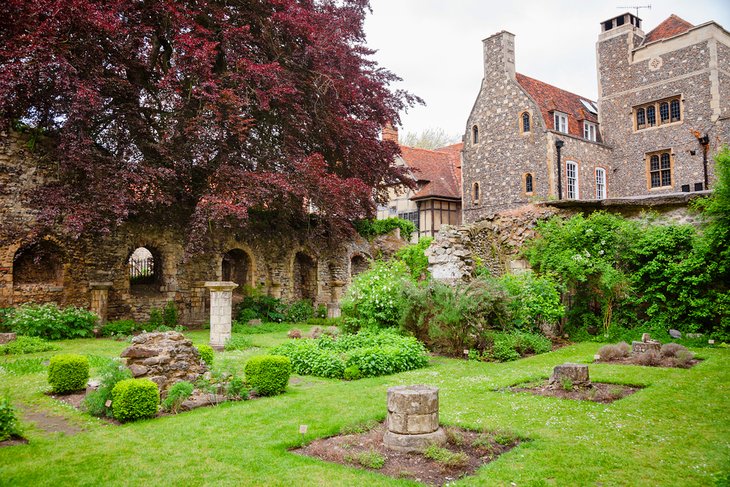
The area immediately surrounding Canterbury Cathedral, the Cathedral Precincts, is also worth exploring. The most interesting of the buildings lie to the north of the cathedral and are grouped around Green Court.
One highlight is the roofed Norman staircase leading up to King's School Hall. One of the oldest schools in the world, King's School was founded around 600 CE and spawned many a famous Englishman, including dramatist Christopher Marlowe and William Somerset Maugham.
Also of interest is the Norman Water Tower. It was once part of an ingenious water supply and sewage disposal system that ensured epidemics were virtually unknown in the Close.
Other points of interest include a healing garden, used to grow the herbs once used by monks for medicinal purposes; the Chapter House, once used as a meeting space; and the attractive Christ Church Gate, built in 1517 and now the main entrance to the Precincts and the cathedral.
Visit St. Augustine's Abbey
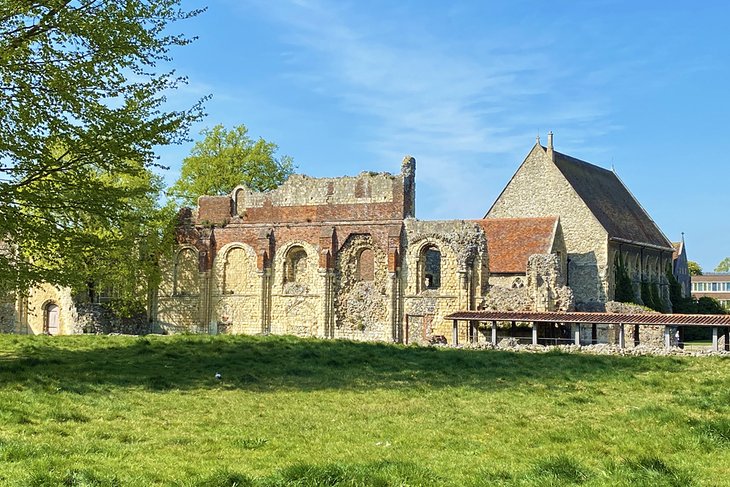
St. Augustine's Abbey, an English Heritage property located just outside the city walls, is home to the remains of the abbey founded by St. Augustine in 597. St. Augustine's Gate and the Cemetery Gate date from the 13th century, and are where the foundations of the old abbey church and the graves of St. Augustine, King Ethelbert, and his wife Queen Bertha have been found.
There are also excavated remains of the early Saxon Church of St. Pancras, including rare Roman artifacts. An interesting museum has been constructed on the site, featuring a great deal of informative displays, exhibits of artifacts, and virtual-reality recreations related to its long rich history. Audio guides are available with admission.
A fun addition for kids is the chance to don a monk's habit. A gift shop is located on the premises, as is a picnic area and pleasant gardens with views toward the cathedral.
Location: Longport, Canterbury, Kent
Official site: www.english-heritage.org.uk/visit/places/st-augustines-abbey/
Wander around the Old City of Canterbury
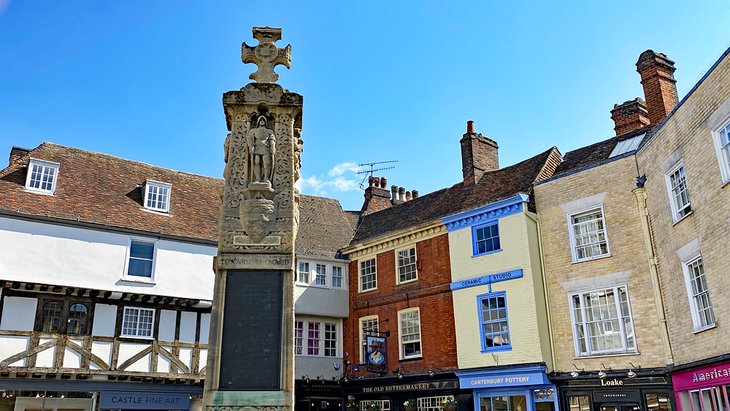
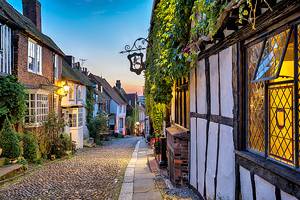
The pedestrianized area of Old City Canterbury is home to numerous historic timber-framed buildings. An unbroken row of particularly fine houses with typical overhanging upper floors can be seen in narrow Mercery Lane, many of them pre-dating Queen Elizabeth I. One remarkable survivor is the Tudor Queen Elizabeth's Guest Chamber, notable for its attractive plasterwork.
In the corner of Mercery Lane is The Chequer of the Hope, successor to the pilgrim hostel mentioned by Chaucer in The Canterbury Tales. Be sure to also pop into the 12th-century Eastbridge Hospital.
If you're thinking of spending time exploring the historic Old City Canterbury district, you should plan on making use of one of the city's three extremely handy Park & Ride parking lots. One low fee covers up to six passengers, and regularly scheduled buses will deposit you close by. Another good option is to forgo the bus and pick up a fun Park & Pedal bike to cruise the mostly car-free city center.
Location: Stour Street, Canterbury, Kent
Visit the Beaney House of Art and Knowledge
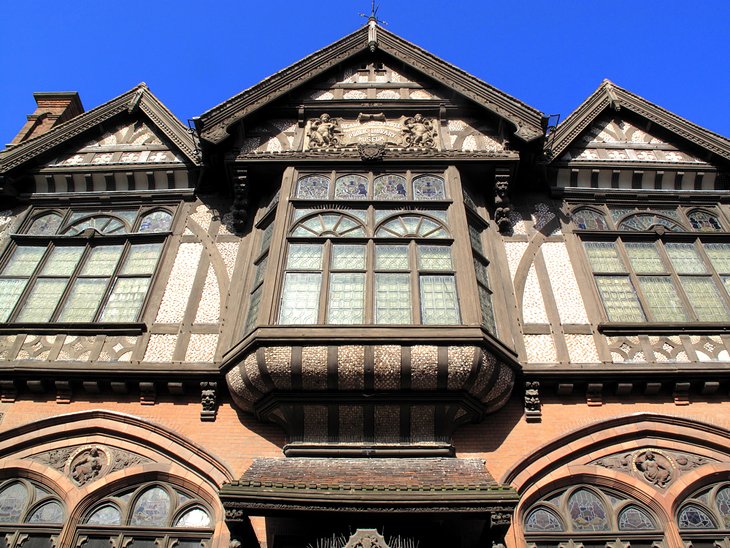
Those interested in cultural pursuits should also pop into the Beaney House of Art and Knowledge. Most often referred to simply as "The Beaney," this fascinating facility is part museum, library, and art gallery, and boasts an excellent collection of paintings, engravings, and prints, along with European ceramics, Asian porcelain, and Anglo-Saxon jewelry.
Completely refurbished and reopened in 2012 in what's become the city's cultural hub - the Marlowe Theatre is also located in the vicinity - the building itself is something of a tourist attraction, designed in an attractive Tudor-revival style and constructed in the late 19th century.
Notable exhibits include artworks by European Old Masters, including the likes of Van Dyck, along with important sculptures and English ceramics. In addition to its fun children's workshops and educational programs (which include the chance to dress up in period costumes), the museum houses an exhibit kids will love: a history of the beloved cat character, Bagpuss.
Guided tours are available, and there's a good café serving light snacks and lunches.
Address: 18 High Street, Canterbury, Kent
Official site: https://canterburymuseums.co.uk/beaney/
Explore Canterbury Castle & The City Wall Trail
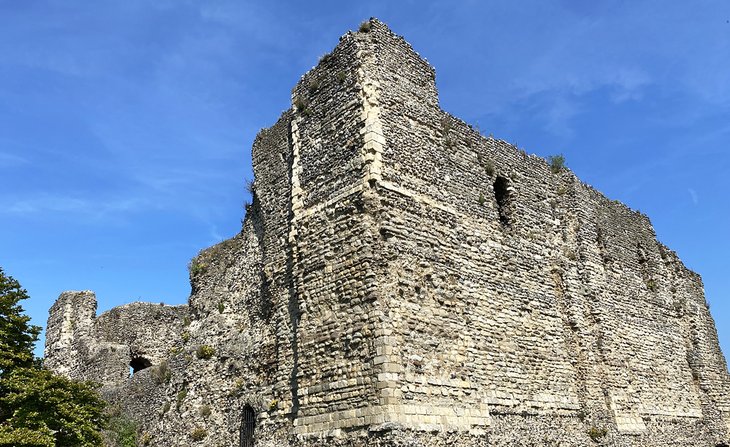
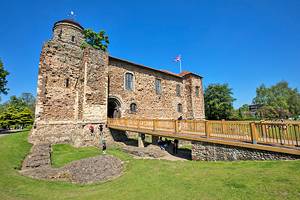
While only a small section of this once great fortification remains, the Norman-era Canterbury Castle is one of the oldest of Britain's old fortresses. Begun by William the Conqueror around 1070 as one of three "Royal Castles," it became a prison for a period before being abandoned.
You can enjoy good views over the ruins from a variety of vantage points, including from the nearby St. Mildred's Church.
The castle is a sightseeing highlight of the City Wall Trail, a pleasant three-mile route that takes in many of the city's top points of interest. The castle, in fact, makes a good landmark from which to begin and end your stroll.
While about half of the original city walls have been lost to war and ruin, a number of sections have been faithfully restored, and in places traces of the original Roman walls can still be seen. Those sections that do remain, including the Westgate tower, provide a sense of just how impressive these fortifications once would have been.
Address: Castle Street, Canterbury, Kent
Catch a Show at The Marlowe Theatre

While named after the Elizabethan-era writer, Christopher Marlowe, Canterbury's Marlowe Theatre is anything but old. Originally founded in the 1930s, the theater underwent a complete rebuild before re-opening in its present form in 2011.
Now one of England's top regional theaters, The Marlowe hosts an eclectic mix of West End musicals, plays, and concerts, including some of the largest names in pop and rock. Other performances to be enjoyed here include ballet and modern dance, opera, and classical music.
It has also gained a reputation for the quality of its children's programming, including shows put on by the Marlowe Youth Theatre. A highlight of the winter season is its popular pantomime at Christmas.
For a memorable night out, book a table at the on-site Green Room restaurant.
Address: The Friars, Canterbury, Kent
Official site: https://marlowetheatre.com
Take a Stroll through Dane John Gardens
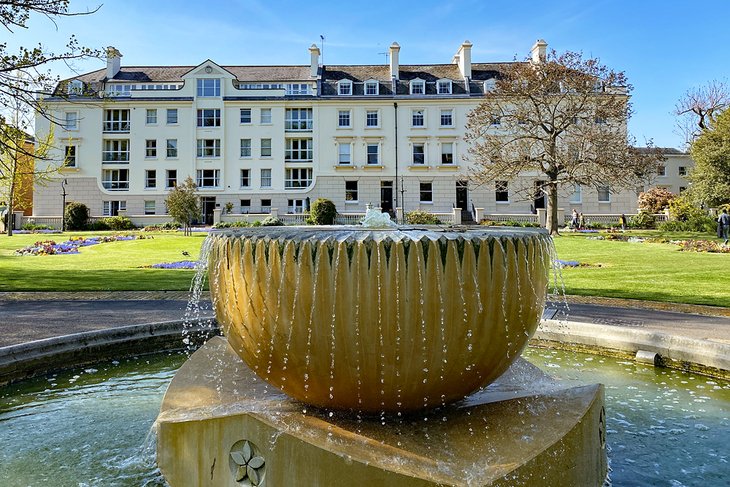
Attractive Dane John Gardens is another worthwhile place to visit when doing Canterbury's City Wall Trail. Established as a public green space in the 16th century, it in fact was known to have been of significance as far back as the 1st century, when the mound that still dominates the park was built here.
Today, the mound is something of a landmark for the city, and offers superb views over the surrounding historic homes and sections of the old city walls. The gardens were added later, around 1790, and are a delight to stroll through, especially during springtime when the first blooms appear.
There's also a lovely path that's lined by an avenue of lime trees, providing the perfect canopy for a break or a picnic. Other noteworthy features include a bandstand that's often used to stage concerts, a fountain, a children's maze, and a snack kiosk.
Address: Watling Street, Canterbury, Kent
Official site: https://explorekent.org/activities/dane-john-gardens/
See England's Oldest Church: St. Martin's Church
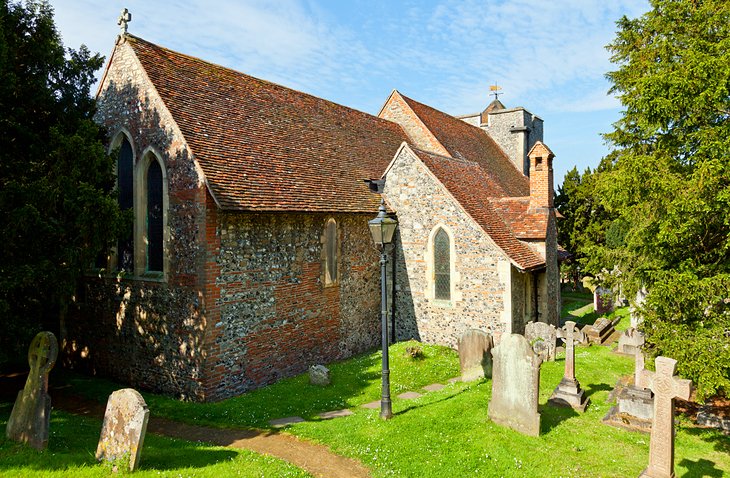
Just because you've seen the cathedral, doesn't mean you're through visiting Canterbury's many historic religious sites. Outside the city center and just a short stroll beyond St. Augustine's Abbey is St. Martin's Church. Considered the "mother church of England," it's not only the oldest surviving church in the UK, it's the oldest church in the English-speaking world.
Built as a private chapel for Queen Bertha in the 6th century, it contains numerous even older Roman bricks incorporated into the Anglo Saxon choir, including remnants of a Roman tomb. The graveyard is also of interest, and is where Mary Tourtel, creator of the iconic British fictional character, Rupert the Bear, is buried.
Location: 1 N. Holmes Road, Canterbury, Kent
Official site: www.martinpaul.org
Take Part in the Canterbury Festival
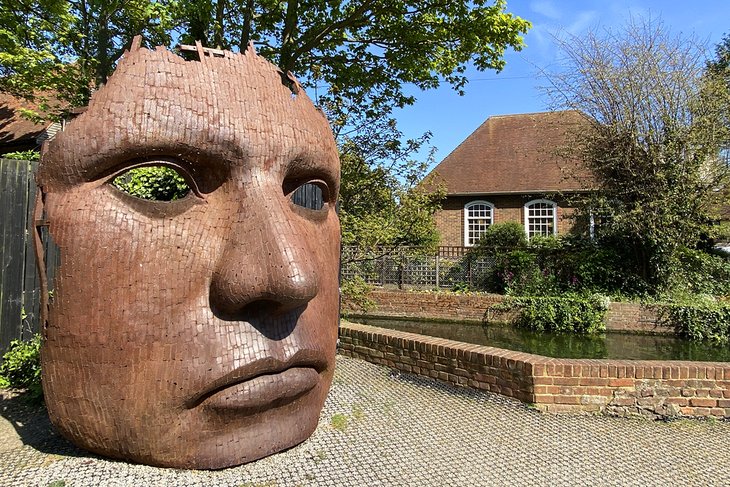
The annual two-week Canterbury Festival, held each October and billed as "Kent's International Arts festival," is one of the most important cultural happenings in South East England. Attracting audiences of up to 70,000 people, the festival crams in an impressive 200 things to do, including classical music, contemporary dance, comedy, world music, theater, lectures, and visual arts.
The venues are equally as impressive and certainly add to the experience. These include Canterbury Cathedral and the Marlowe Theater, as well as a huge marquee designed specifically for such events.
Another event worth visiting is Stour Music Festival. This popular 10-day event is held each June and incorporates opera, choral, and chamber concerts, as well as recitals.
Address: 8 Orange Street, Canterbury, Kent
Official site: www.canterburyfestival.co.uk
Canterbury Roman Museum
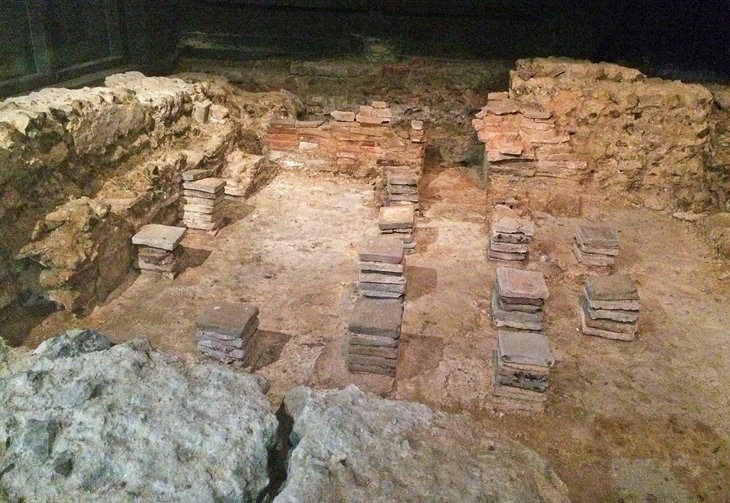
Built around the remains of an original Roman town house, Canterbury Roman Museum is a must for anyone wanting to learn about Britain's Roman past. In addition to an exquisite 2,000-year-old mosaic pavement discovered after the bombing of the city in WW2, the museum includes significant Roman finds, including a horde of silver.
There's also an interesting interactive timeline that tracks the journey back in time from present-day Canterbury to the original Roman settlement. Along the way, you'll learn how the town was built, visit an authentic reproduction Roman marketplace, and handle replica dishes in the recreated Roman dining room.
Guided tours are available for groups, and need to be booked in advance. Workshops and educational programs for kids are also available.
Location: Longmarket, Butchery Lane, Canterbury, Kent
Official site: http://canterburymuseums.co.uk/romanmuseum/
Westgate Towers Museum & Viewpoint
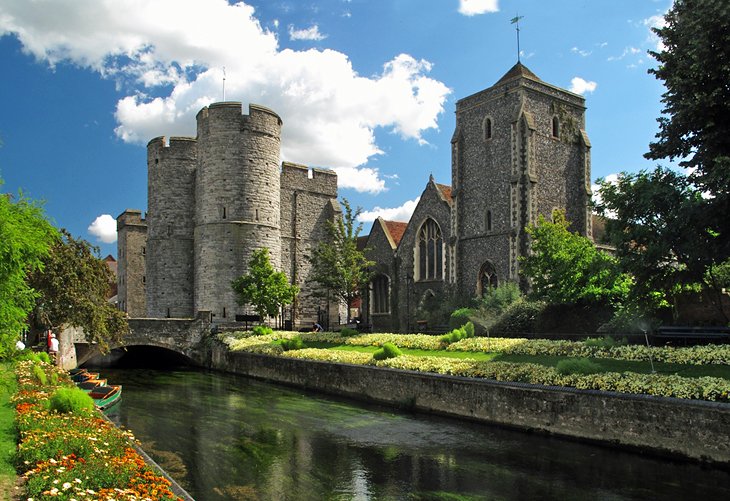
Situated, as its name suggests, at the westernmost point of the old city's boundary, Westgate Towers Museum & Viewpoint is housed in the country's largest surviving medieval gatehouse. Built in 1380 over the old London road, the Westgate was one of seven such structures constructed to defend the key access points into the city.
Today, this impressive building houses a fascinating museum showcasing the history of the city along with its own storied past, which included everything from a place to hang the bodies of convicts to collecting tolls from pilgrims. A highlight for most is the opportunity to visit an original "felon's" cell dating from the early 19th century. The building once served as a jail, police station, and military communications facility in WW2.
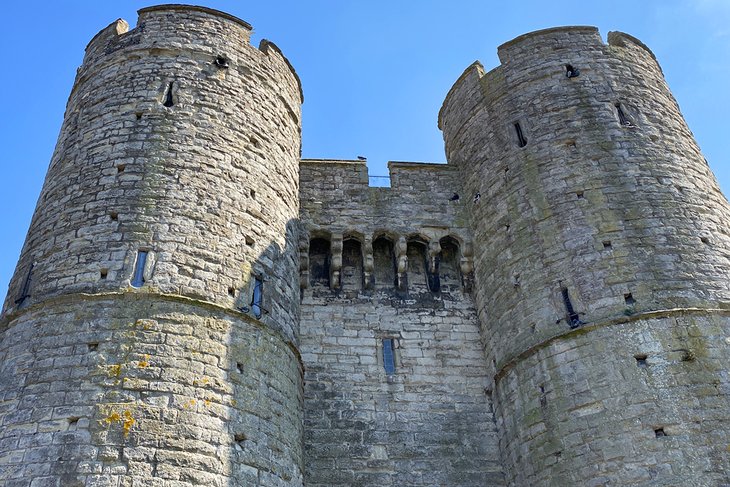
And, of course, there's the view. Standing more than 60 feet high, the battlements of the Westgate offer spectacular panoramic views across the historic city and its old medieval center, as well as the surrounding parks and gardens adjacent to the River Stour.
Other fun things to do include participating in the Westgate's 'escape room' attraction, or grabbing a bite of lunch or dinner in the restaurant set up in the former jail.
If time permits, be sure to wander the neighboring Westgate Gardens, one of the country's oldest public parks and home to a 200-year-old oriental plane tree, and the attractive Tower House, home of the city's mayoral offices.
Address: 1 Pound Lane, Canterbury, Kent
Official site: www.onepoundlane.co.uk/westgate-towers#the-guard-chamber-1-1
Eastbridge Hospital
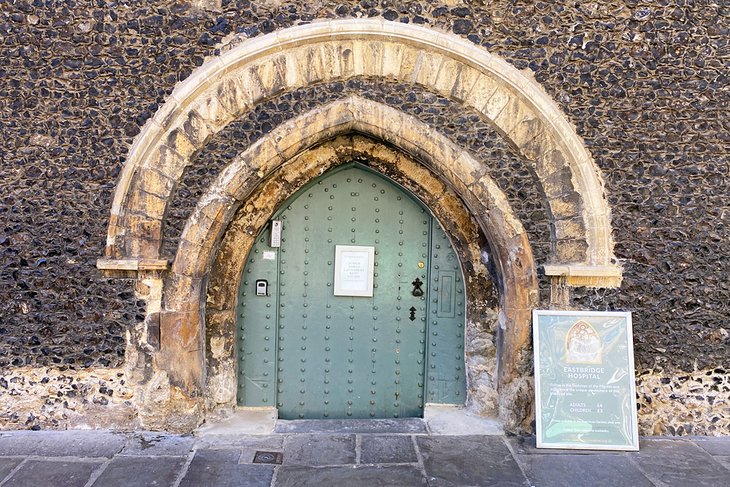
Located in the center of the Old City section of Canterbury, the Hospital of St. Thomas the Martyr, Eastbridge, now most often simply referred to as Eastbridge Hospital, offers a fascinating glimpse into the concept of medieval hospitality. Established in the late 1100s as a place of hospitality (the original meaning of the word "hospital"), the facility was said to have been built to house pilgrims visiting the city to pay homage to Thomas Becket.
Although still in use as an almshouse for the elderly, much of this remarkably well-preserved facility can be toured. Highlights include visiting its two chapels and the various exhibits housed in the Undercroft, some of which detail its use as a schoolhouse for a period where Christopher Marlowe studied as a young student.
Be sure to also spend time exploring the old Franciscan Gardens, part of the grounds of the order's original British settlement (open spring to fall), along with Greyfriars Chapel, built in the 13th century as a guesthouse for visitors.
Address: 25 High Street, Canterbury, Kent
Official site: www.eastbridgehospital.org.uk
Kent Museum of Freemasonry & Library

Another museum worth visiting is the interesting Kent Museum of Freemasonry. Located in St. Peters Place, it opened in 1933 and is located just steps away from the Westgate Towers. This fascinating museum features exhibits portraying the history of the movement from its earliest days.
It's marketed as one of the UK's largest collections of Freemason-related artifacts and research materials. Highlights include regalia and paintings, as well as rare glassware and porcelain associated with the Masons. A variety of historical documents are also on display, supported by interesting audiovisual displays that provide a look at the history of the group.
Other research material is available in the museum's library. A shop is also located on-site. Be sure to contact the museum in advance of your visit to check opening times and availability. Tours of the museum and the adjacent Lodge Room are also available with advance booking.
Address: 66 St. Peter's Place, Canterbury, Kent
Official site: https://kentmuseumoffreemasonry.org.uk
Take a Drive to the Village of Chilham and Chilham Castle
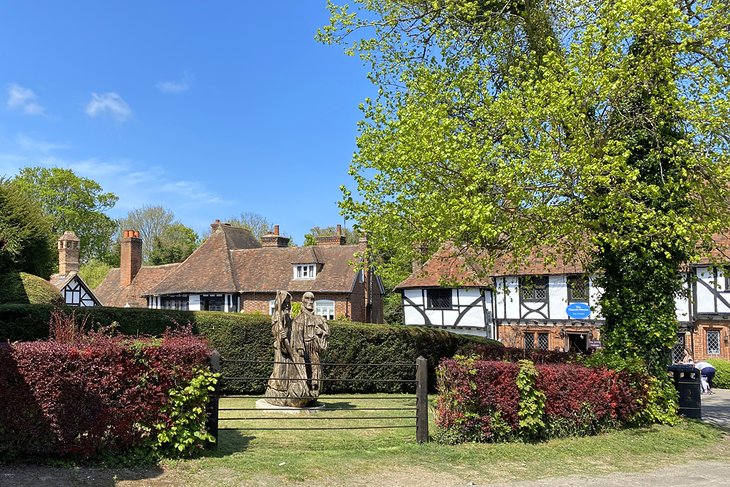
The delightful village of Chilham, just seven miles southwest of Canterbury, has one of the most picturesque village greens in England. Known as The Square, it's surrounded by numerous ancient timber-framed houses and is the site of the village's annual May Day celebrations, where you can experience traditional activities such as Morris Dancing. St. Mary's, the parish church, contains some magnificent tombs.
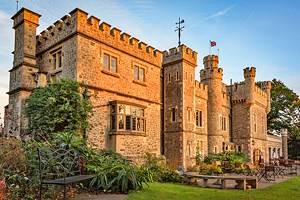
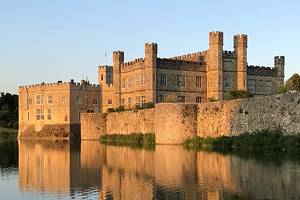
The grounds of 17th-century Chilham Castle, landscaped by Capability Brown, are well worth visiting. Highlights include a visit to the extensive terraces, the Elephant House, the bowling green, and its beautiful gardens.

If time permits, be sure to opt for one of the superb guided tours of the house (a garden option is also offered). Along the way, you'll get a chance to brush up on the castle's fascinating history, as well as take a peek into the sumptuously decorated main hall and staircase, study, library, and dining room.
Location: Chilham Park, Chilham, Canterbury, Kent
Official site: www.chilham-castle.co.uk
More Related Articles on PlanetWare.com

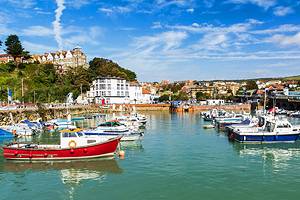
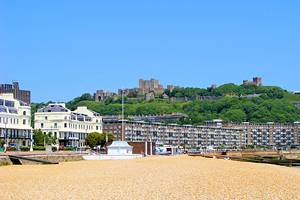
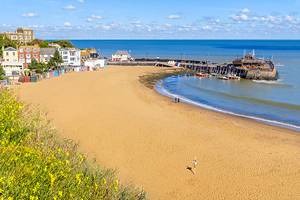
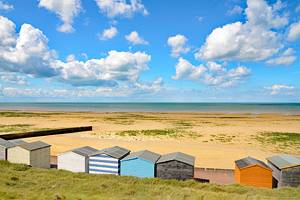
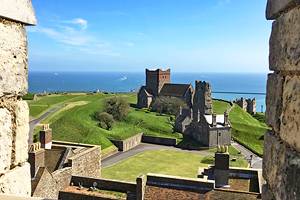
The Garden of England: Known as the "Garden of England," Kent is home to the town of Dover, famous for its White Cliffs, castle, and its proximity to France. The attractive former fishing town of Folkestone is just a short drive away, and features a great promenade and plenty of beachfront to enjoy. And in neighboring Sussex, the coastal town of Eastbourne offers plenty of fun things to do, from walking its coastal paths around Beachy Head to its popular pier.
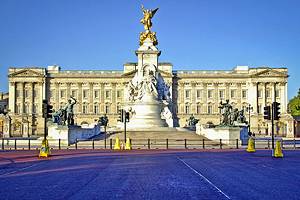
London Bound: It's easy to spend a full week or more of your UK travel itinerary in the capital city of London. Popular areas of London to explore include the historic naval center of Greenwich, and Trafalgar Square, while top attractions include spectacular Kew Gardens and Buckingham Palace.
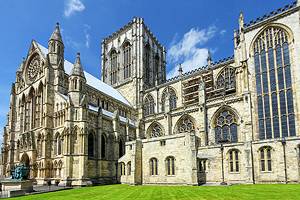
UK Vacation Ideas: If you can visit only one city in northern England, make it York, famous for its cathedral and winding old streets in the city's historic center. The university town of Cambridge is another great destination, featuring numerous points of interest including its many historic colleges and museums. To the west of London is beautiful Bath, famous for its well-preserved Roman Baths and splendid Georgian architecture.