

10 Egypt Attractions And Destinations For Adventurous Tourists
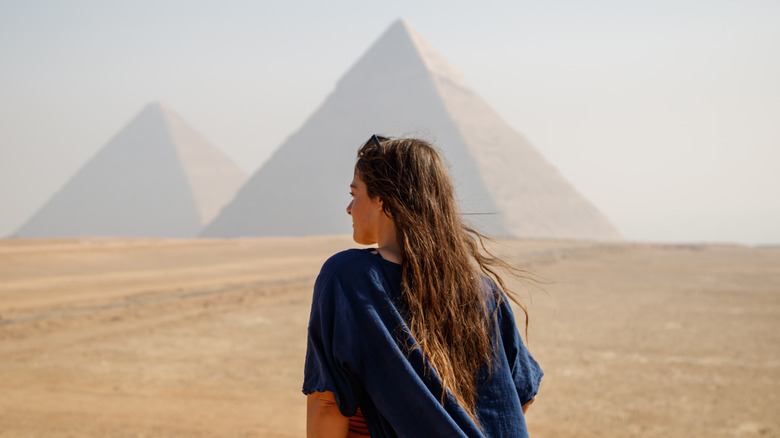
There's a mysticism surrounding Egypt that few destinations on Earth can rival. As one of the many African countries you need on your bucket list, this ancient land has everything from the final surviving Wonder of the World to adrenaline-pumping diving, and otherworldly deserts. For many travelers, myself included, the land of Cleopatra is a bucket-list destination.
That said, if you're looking for more than the average visit to the Sphinx with throngs of other tourists, this is the guide for you. Here, we'll explore 10 destinations and experiences in Egypt that are perfect for the most adventurous travelers. So if you're looking to experience Egypt on another level, you're in the right place.
Although some are familiar icons — like the iconic Pyramids of Giza and the Nile River — we'll also look at unique ways to see these must-visit sites. Ultimately, the goal of this guide is to help you experience each of these places in the most adventurous, unforgettable way possible. Because rather than merely teaching you about history when you visit Egypt, these spots will help you write your own incredible tale. With that in mind, let's dive in (literally, in the case of the Blue Hole).
The Pyramids of Giza
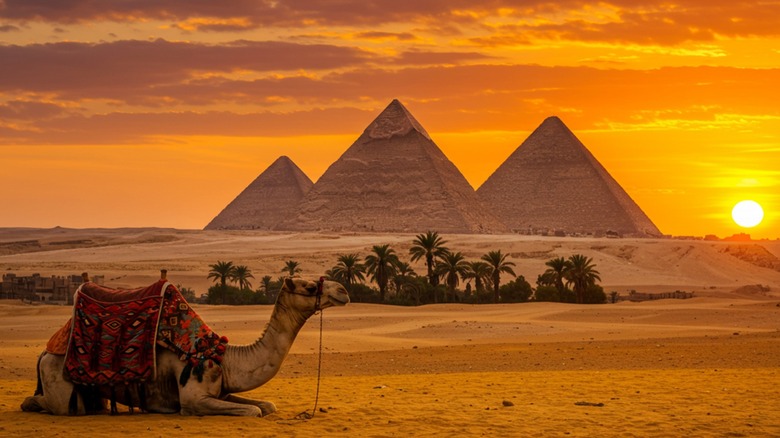
Although it's a rather mainstream attraction, even the most jaded traveler would be hard-pressed not to feel a sense of awe visiting the Great Pyramid of Khufu, the last surviving Wonder of the Ancient World. Originally standing at 480 feet, this tomb of the Pharaoh Khufu, who lived between 2589–2566 BC, was the tallest structure on Earth for nearly 4,000 years. The Great Pyramid is one of three main pyramids within the Giza complex, and the other two are the final resting places of the Pharaohs Khafre and Menkaure. There are also several other smaller structures within the complex.
Adventurous travelers should consider seeing the pyramids from above, as skydiving over the Giza Plateau is one of the most unique ways to experience this must-see site. For those who prefer to stay on the ground, running the Marakez Pyramids Half Marathon is another thrilling way to check out Giza's wonders.
If your adventurous spirit leans more toward the Indiana Jones-inspired, look into booking a private tour that allows you to explore the interiors of the Great Pyramid of Khufu, the Pyramid of Khafre, and some of the smaller tombs of queens and nobles. Many of these tours even allow travelers to enter the Giza complex before regular visiting hours, which makes the experience even more exciting. As for getting there, most travelers who visit Giza stay in the ancient city of Cairo, which is a short trip away by car. Whether you're chasing an adrenaline high or digging for archaeological knowledge, the bucket list-worthy Pyramids of Giza are surely one of the world's most iconic adventures.
Wadi al-Hitan
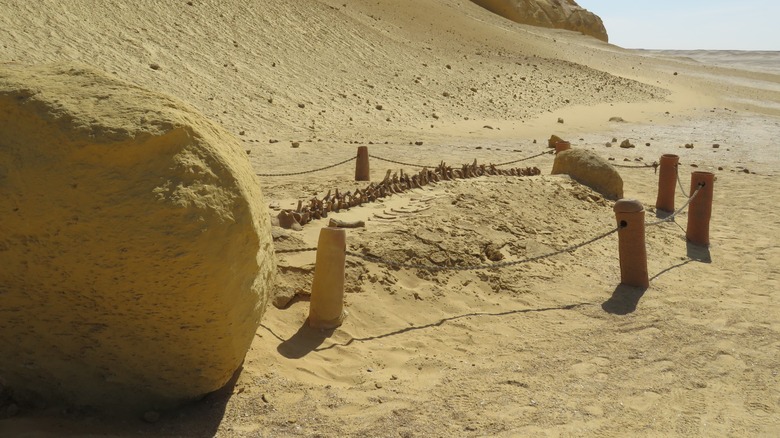
Wadi al-Hitan, or the Valley of the Whales, is one of Egypt's most unique wonders. This fascinating landscape was once submerged under a prehistoric sea, and today, it offers invaluable fossilized evidence of whales' transition from land to water. Originally discovered in 1902, many of the remains left in the Wadi al-Hitan valley are from an extinct whale subspecies known as archaeoceti, which still had hind legs.
Recognized as a UNESCO World Heritage Site, Wadi al-Hitan is a protected zone that lies within the larger Wadi El-Rayan Protected Area. Getting to this remote site isn't simple, but it is an adventurer's dream. Visitors generally opt to take a 4x4 journey on the rugged road into the valley, making the trek quite thrilling. Wadi al-Hitan is truly a once-in-a-lifetime experience, and only about 1,000 people per year visit this site — making it perfect for travelers who want to get away from popular tourist spots. In addition to whale fossils, those who make this journey will also see the remains of other creatures, including crocodiles, ancient sharks, and sea turtles. Walking among these fossils will transport you back to prehistory, if only for a little while. Wadi al-Hitan is truly Egypt at its most untouched.
There is, however, an important note for travelers considering this trek. According to a United States Department of State travel advisory, visitors should avoid independent travel in the Western Desert due to safety and security risks, and should only explore the region with a professional tour company.
The Dahab Blue Hole
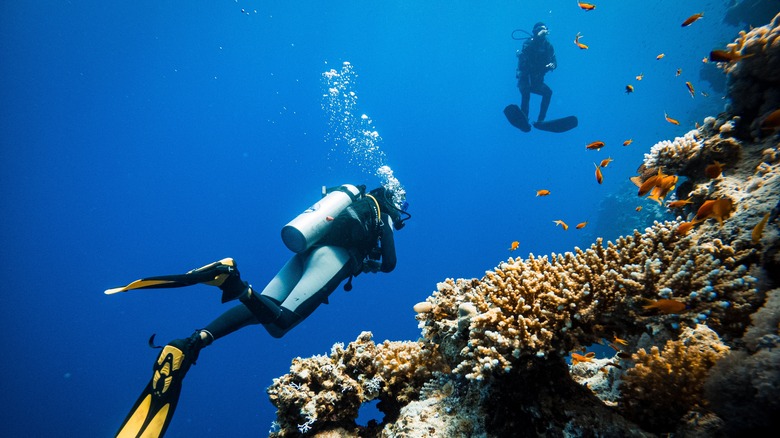
Few dive sites inspire as much awe, or demand as much respect, as the Dahab Blue Hole. This underwater sinkhole on Egypt's Red Sea coastline is considered a bucket-list destination for divers. Known for its allure, this underwater formation plunges 328 feet deep, and features a184-foot tunnel that stretches into open water.
Typically, divers enter one at a time via a narrow opening called "the Bells." Once inside, only experienced divers should venture past the arch. That said, recreational diving enthusiasts can still enjoy the array of marine life that lives here. In addition to coral formations, divers often see schools of tropical fish, lionfish, and, on occasion, sea turtles. The Blue Hole's beauty, though, comes with risk: It is known as one of the most dangerous dive spots on Earth. The arch is the most challenging part of this dive, and the place where the majority of deaths have occurred.
With an estimated 200 fatalities, the Blue Hole is often referred to as a "The Diver's Cemetery." For your safety, it is absolutely critical to prepare properly if you plan to attempt this dive site, no matter how adventurous your spirit is. Many deaths here are the result of nitrogen narcosis; under the high pressure at this depth, nitrogen can sometimes cause people to fall asleep, at which point divers can potentially drown. If you want to experience the Dahab Blue Hole without risk, or if you lack technical diving experience, consider snorkeling in shallower waters instead.
Sandboarding in the Great Sand Sea
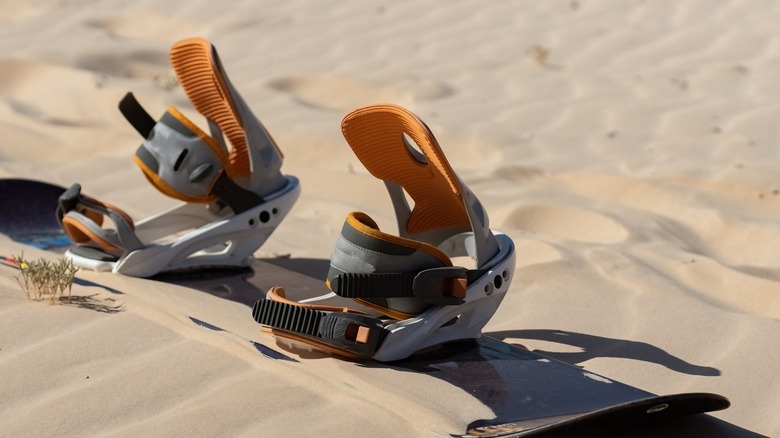
Imagine snowboarding, but instead of glistening white snow beneath you, you see stunning sand dunes as tall as 460 feet high. This experience is possible for travelers who decide to go sand boarding in Egypt's Great Sand Sea. Made up of long ridges that run in a north-to-south direction, this area of the desert is massive, clocking in at about 28,000 square miles. Specifically, the Bahariya and Swia Oases are two of the most popular places for sand surfing in this region.
At Siwa, board rentals can be arranged through local tour companies that also provide 4x4 transport to the dunes. According to legend, Alexander the Great saw the Oracle of Amun in the Siwa Oasis, which makes this a popular spot for history buffs. To add to the adventure, travelers can also choose to combine sand boarding with an unforgettable overnight camping trip. Considering Siwa is about nine hours from Cairo, an overnight stay feels almost like a necessity.
For something a bit closer to the city, the Bahariya Oasis also offers dramatic sand boarding terrain. Once there, travelers can also check out other nearby places, including the Valley of the Golden Mummies. To date, 233 burials have been discovered here, with at least one believed to have been of royal lineage.
The Black Desert
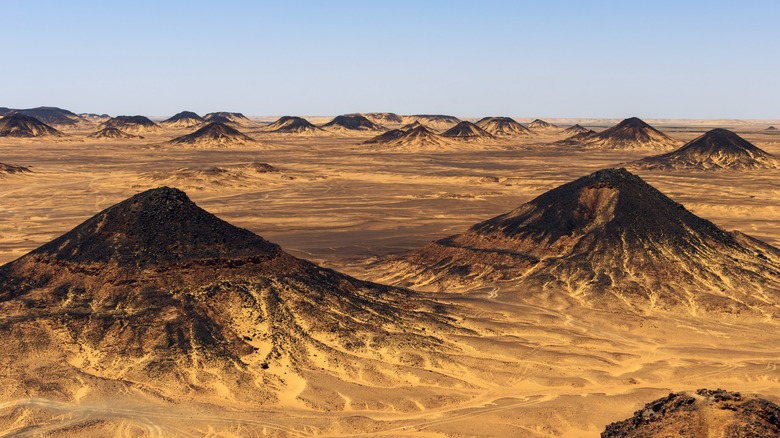
Just north of Egypt's better-known White Desert, travelers will find one of the nation's most intriguing and least-visited landscapes: the Black Desert. Here, the color of the sand shifts from gold to black, and the area is dotted with volcanic cones and other rock formations covered with black basalt powder. Visitors often say that the most fascinating aspect of the Black Desert is its total emptiness; the region is uninhabited, and most people only pass through on their way to the White Desert. Formed by ancient volcanic eruptions, the terrain of the Black Desert offers a stark contrast to the white chalk formations of it's nearby white counterpart.
For those seeking a taste of the Western Desert's extremes, there are few places in the world that can rival the contrast between the Black and White Deserts. The Black Desert, in particular, is nearly as untouched as anywhere on Earth — offering a once-in-a-lifetime experience to most travelers. That said, for a truly adventurous experience, we recommend you combine visits to both deserts into a multi-day safari. Guided tours typically include meals, lodging, and stops at notable locations that include filming spots for both "Star Wars" and "Dune."
Mount Sinai
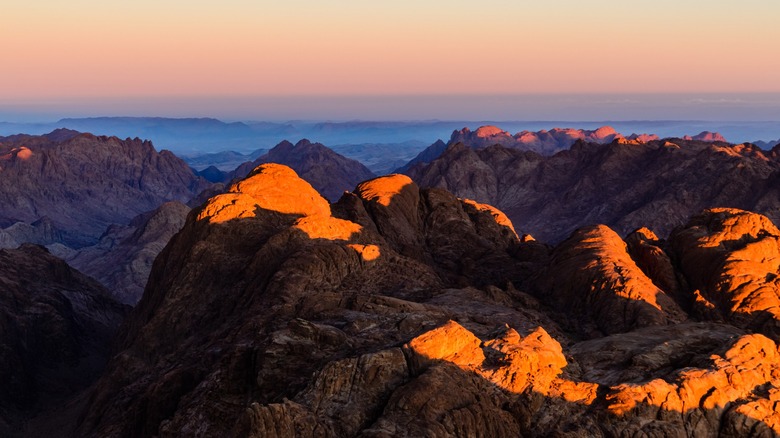
With its summit reaching 7,497 feet above Egypt's Sinai Peninsula, Mount Sinai is one of the most sacred places on Earth. According to Judeo-Christian beliefs, this is where Moses received the Ten Commandments from God. However, even for those who do not follow this faith, Mount Sinai remains a peaceful and reverent place to commune with nature.
If you wish to visit the mountain, your best options are to hire a Bedouin guide in St. Catherine township, or to arrange a hike with a tour company. Most visitors begin their ascent around 2 a.m. in order to reach the peak by sunrise, embarking on a roughly 3-mile hike that's steep and challenging. The strain on your legs, however, is more than worth it to see the sun come up from this magical site.
Near the base of Mount Sinai, travelers will find the Orthodox Monastery of St. Catherine. Built in the sixth century, this UNESCO World Heritage site is the oldest continuously operating Christian monastery in the world. According to tradition, it is also home to the Biblical Burning Bush, as well as numerous ancient manuscripts. If you wish to visit St. Catherine's, it is critical to check the daily schedule ahead of time, as the space is known to have extremely limited hours. It's also worth noting that shoulders and knees must be covered in order to enter this site. Similarly to the Western Desert, the United States Department of State also warns that visitors exercise increased caution while visiting the Northern and Middle Sinai Peninsula at this time.
Nile River Kayaking
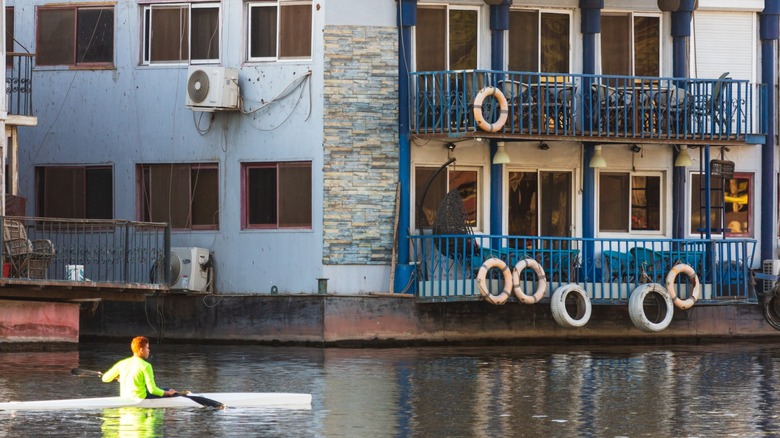
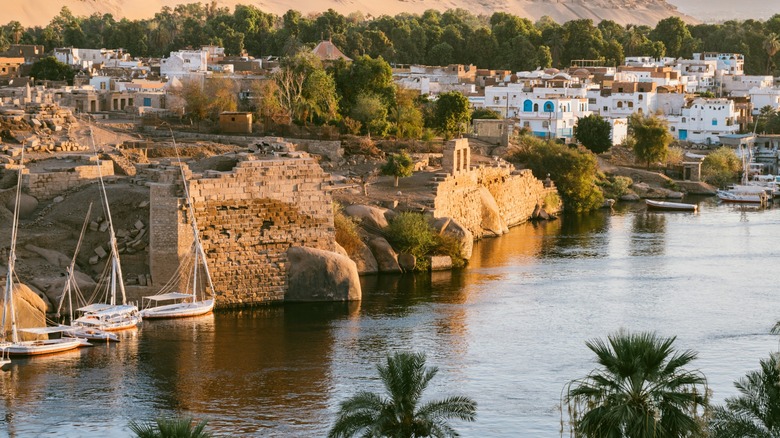
For travelers who want to experience the heart of Egypt, kayaking on the world-famous Nile River is a more adventurous option than the more relaxing traditional felucca cruises. At 4,132 miles, this is the longest, and arguably most storied, river in the world. From Moses being rescued by Pharaoh's daughter in the Book of Exodus to Cleopatra and Antony's river journey in the first century, the Nile has sustained life in Egypt for millennia. Generally, kayaking trips depart from Aswan or Luxor. Some last for a few hours, while others span three or four days and include lodging in riverside farming villages, interaction with local residents, and bonfire dinners. If you leave from Luxor, you may also want to spend a day exploring the temples and tombs throughout this city.
No matter which type of kayaking adventure you choose, you are likely to catch glimpses of colorful African birds like the Blue Water Polla and local fishermen carrying on generations of tradition. In rare cases, kayakers even have the adventure of a lifetime – a run-in with a Nile crocodile! For the most part, however, kayaking on the Nile River is a peaceful, yet simultaneously thrilling, experience. Since river conditions vary, especially during the rainy season, and portions of the Nile can be unpredictable, this is an adventure that travelers should undertake with professional guides or licensed tour groups that have familiarity with local wildlife and safety regulations.
Siwa Oasis
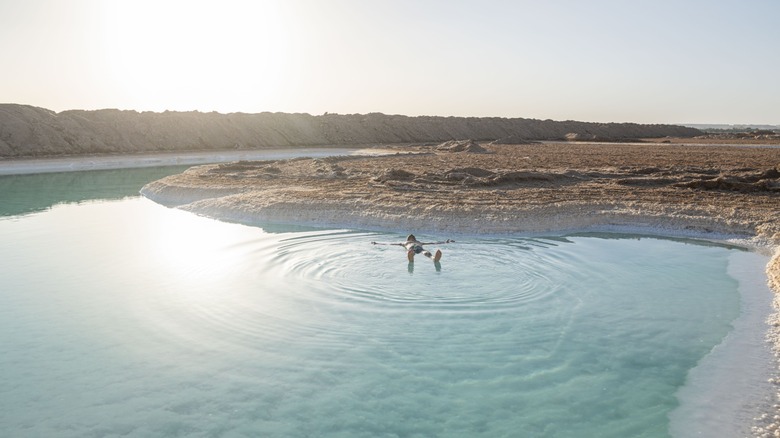
Situated deep in the Western Desert near the Libyan border, the Siwa Oasis provides a respite from sandboarding and other more active excursions. Although this is a literal oasis, with ancient date palm trees, salt lakes, and historical ruins, it is still the perfect choice for adventurous travelers due to its remote location. Long isolated from the rest of Egypt, Siwa has a culture unique from the rest of the country. It is heavily influenced by Berber traditions and remained nearly independent until just a few centuries ago. Today, travelers can enjoy a variety of sites, including Cleopatra's Bath, where local legend says the queen herself once took the waters.
Overlooking the town is the Shali Fortress. This, the most recent historical Siwan settlement, has been restored using traditional construction techniques like kershef (bricks made from salt rock and mud). Many visitors also take time to visit Siwa's Gebel al-Mawta, or Mountain of the Dead. Discovered in 1944, this burial site was used until the Roman age. Tombs carved into the mountainside have been categorized into four distinct cemeteries called "Crocodile," "Mesu Isis," "Niperbathot," and "Siamun." The journey to reach Siwa is lengthy but rewarding for travelers who choose to make the journey. Please note that, according to the United States Department of State's travel advisory, Egypt's Western Desert currently has elevated security risks, and Siwa lies close to a Level 4 "Do Not Travel" zone. Visitors should only travel with licensed tour professionals.
The Lost City of Heracleion
Long before Alexandria became the blueprint for ancient cosmopolitan cities, Thonis-Heracleion was Egypt's primary port. This coastal hub was the entry point into Egypt for ships from the Mediterranean Sea, primarily from Greece. Around 2,000 years ago, though, it mysteriously vanished underwater.
For centuries, Heracleion existed only in ancient accounts, like a document written by the Greek historian Herodotus. Then, in the year 2000, French archaeologist Franck Goddio made an incredible discovery: He and his team found remains of Heracleion in Aboukir Bay, not far from Alexandria. Nowadays, Heracleion is an active underwater archaeological site where divers and researchers continue to uncover new wonders almost daily. While it is estimated that only 5% of the ancient metropolis has been explored to date, the discoveries so far have been astounding. They include a bronze Osiris statue, a red granite statue of the deity Hapi, and the remains of the city's famous temple to Amun.
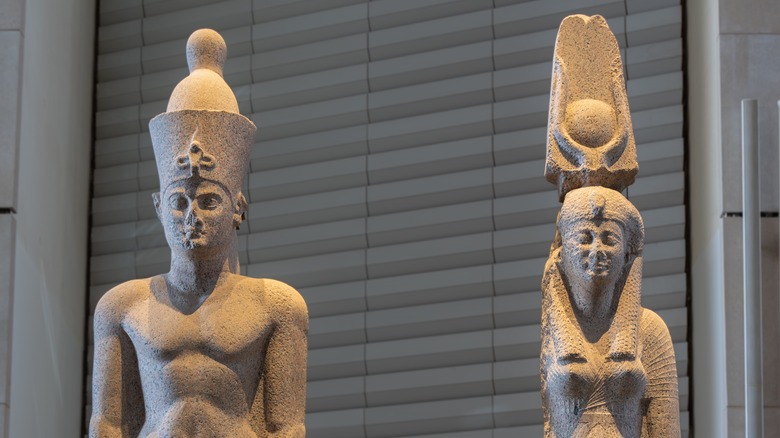
While recreational diving is not currently allowed due to ongoing excavations, travelers can still experience Heracleion's mysteries at various museums, not just in Egypt but around the world. The Alexandria National Museum, unsurprisingly, is where many of the city's artifacts are displayed. Additionally, the Grand Egypitan Museum in Cairo now houses two monumental statues from Heracleion. And, in the United States, patrons of the St. Louis Art Museum can see Heracleioneon artifacts in its "Sunken Cities" exhibit.
The Red Sea
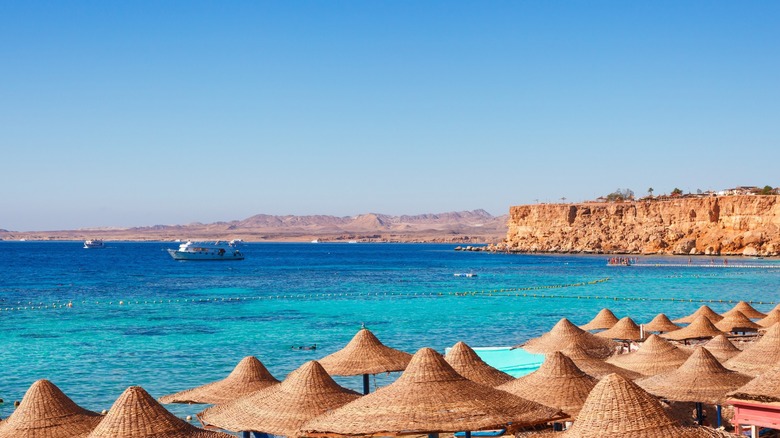
The Red Sea is Egypt's true adventure capital. This is a locale where travelers can experience stunning coral reefs, epic water sports, and amazing natural scenery all in one place. Located on the eastern side of Egypt, the Red Sea is home to two notable Egyptian resort towns: Sharm El-Sheikh and Hurghada. The former is more of a true beach town, with national parks, beachside bars, and plenty of sun. Meanwhile, the latter is more bustling, offering more nightlife options and trendier hotels.
Off the Sharm El-Sheikh coastline, scuba divers can also explore stunning coral gardens with colorful marine life, as well as shipwrecks, such as the famous World War II SS Thistlegorm. For those who prefer to stay closer to the surface, the Red Sea is also considered the top snorkeling destination in the Middle East. High above the shore, adventurers can also try their hand at kite surfing and windsurfing, both of which are excellent here thanks, in large part, to the Red Sea's consistent winds and deep, flat water. Ultimately, though, no matter what activities you choose to try, Egypt's Red Sea region captures everything that makes this country extraordinary — from historic towns to landscapes you won't see anywhere else.
Methodology
This guide is designed for travelers who aren't afraid to get off the beaten path to experience some of Egypt's most incredible wonders. From diving in the risky Blue Hole to climbing to the summit of Mt. Sinai, and trekking to Wadi al-Hitan, none of these experiences are for the timid.
To curate this comprehensive guide, we drew from multiple authoritative sources, including travel expert reviews from Lonely Planet, official tourism websites and government resources, specialized publications like Dive Magazine and National Geographic, and verified travel forums and community recommendations like TripAdvisor.
Our goal as to provide an authentic, well-researched perspective that goes beyond typical tourist guides, offering insights into Egypt's most extraordinary and awe-inspiring destinations.