Exploring Kom Ombo Temple: A Visitor's Guide
If you approach from the river, the soaring columns of the Great Temple of Kom Ombo rising dramatically above the Nile's bank are one of Egypt's iconic views.
Today Kom Ombo (47 kilometers north of Aswan and 168 kilometers south of Luxor) may be a sleepy agricultural backwater surrounded by sugar cane fields, but this temple dedicated to the gods Sobek and Haroeris is a reminder of this area's importance in Ancient Egypt due to its prime position along the Nile.
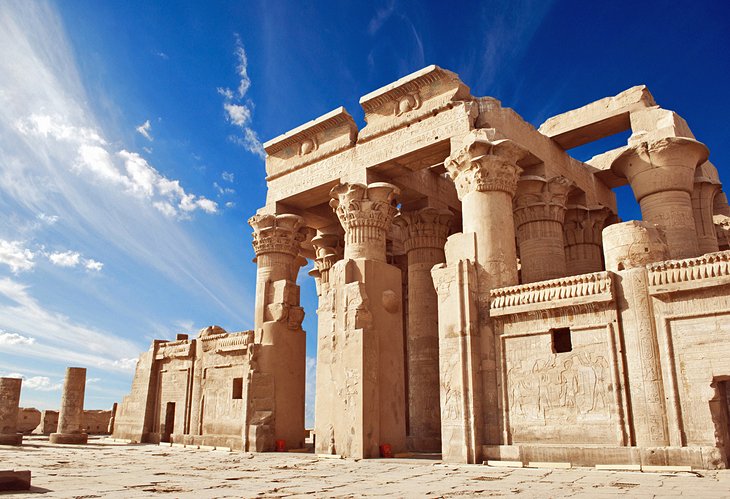
Stroll through the temple's colonnades, gazing up at scenes of pharaonic propaganda, and you'll capture the ambience of this glorious history for yourself.
Find out how to plan your visit with our guide to exploring Kom Ombo.
On This Page:
- Pylon: Kom Ombo's Regal Entrance
- Forecourt: The Courtyard of Sobek and Haroeris
- Vestibule: Entering the Inner Temple
- Hypostyle Hall
- Antechambers
- Sanctuary: The Domain of Sobek and Haroeris
- Inner Passageway
- Outer Passageway
- History of the Temple of Horus: A Temple Dedicated to the Gods of the River
- Around Kom Ombo Temple
- Getting to Kom Ombo
Pylon: Kom Ombo's Regal Entrance
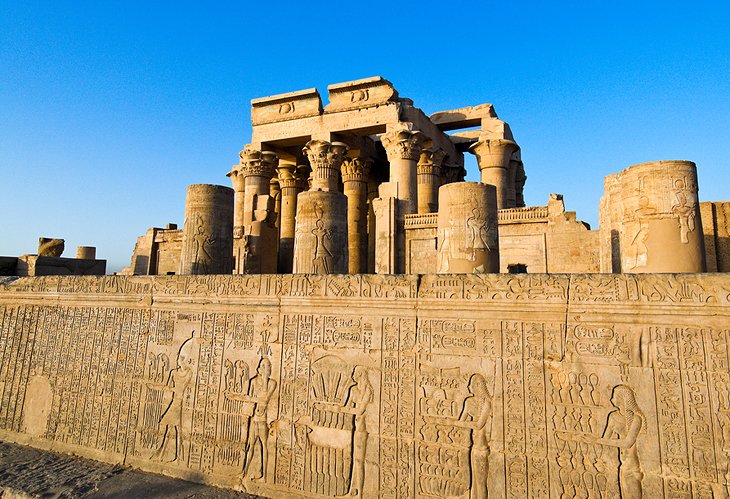
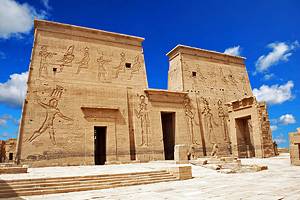
Kom Ombo's Pylon originally had two gateways, but the left-hand half has completely disappeared, and only the lower parts of the central pillar and the right wing survive.
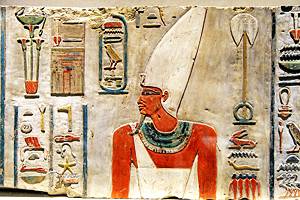
As you enter, look to the right-hand front wall to see (from left to right) the gods Sobek, Hathor, and Khons; a hieroglyphic text of 52 lines; and a relief of the Roman Emperor Domitian wearing the crowns of Upper Egypt.
Forecourt: The Courtyard of Sobek and Haroeris
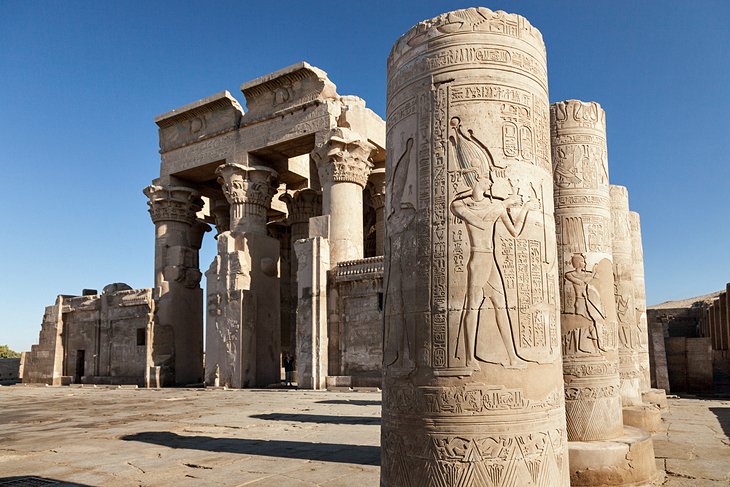
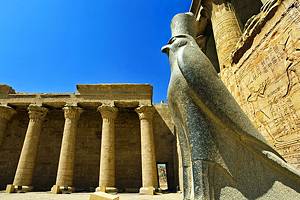
Just as at Edfu's Temple of Horus, the Forecourt here was originally surrounded on three sides by colonnades, but only the lower halves of the 16 columns remain today.
The reliefs here - depicting Tiberius making offerings - are remarkable for the freshness of their coloring. In the center of the courtyard is a square altar base, while along the far side are stone screens.
Dont Miss: The stone reliefs decorating the walls here are well worth stopping and admiring before continuing on to the inner temple.
The reliefs on the right-hand stone screen depict falcon-headed Horus and ibis-headed Thoth pouring consecration water over Neos Dionysos (Ptolemy XII), with crocodile-headed Sobek standing to the left.
On the left-hand screen, the same scene is depicted, but Sobek is swapped for Haroeris.
Vestibule: Entering the Inner Temple
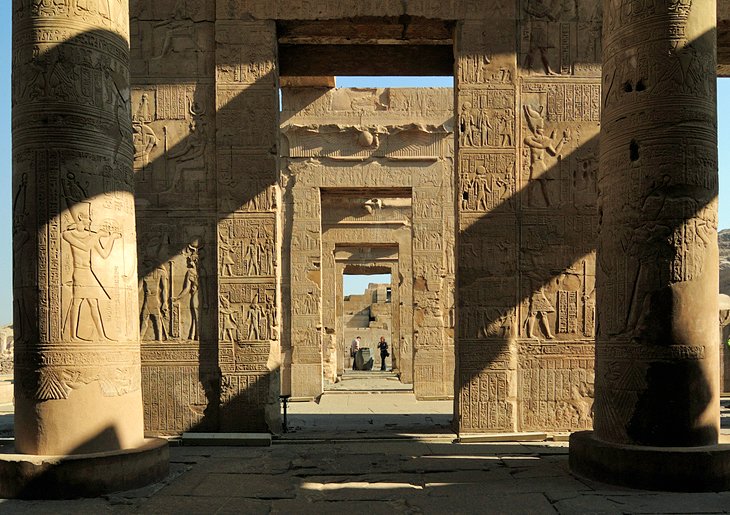
The Vestibule's 10 columns are richly decorated with palm capitals, while both the walls and columns are embellished with reliefs. Check out the ceiling over the main two aisles, with its paintings of flying vultures.
Don't Miss: Here you'll find yet more stone reliefs of particular fine artistry. Look for the mural left of the north doorway, which depicts Neos Dionysos in the presence of Haroeris being blessed by a lion-headed Isis.
Hypostyle Hall
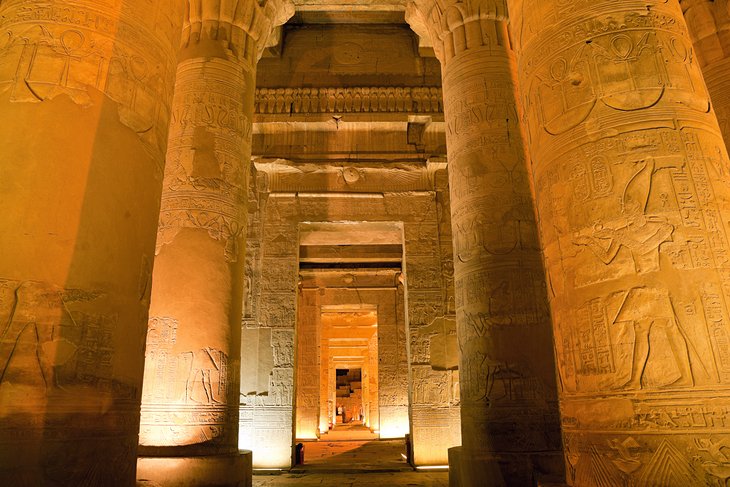
Two doorways lead you from the Vestibule into the Hypostyle Hall with its roof supported by 10 papyrus columns boasting floral capitals.
On the column shafts, Euergetes is depicted making offerings to various gods, while the reliefs on the walls show him in converse with the gods.
Between the doors from the vestibule is the sacred crocodile of Ombos. Between the doors leading into the rear part of the temple are reliefs of Euergetes II's elder brother, Philometor, making an offering to the falcon-headed Haroeris.
Don't Miss: Head to the northern side of the wall to examine the finest stone relief of the hall. Here, you can see the falcon-headed Haroeris presenting the Ptolemaic-era pharaoh with the curved sword of victory and the hieroglyph for eternal life. Just behind the pharaoh are his sister Cleopatra VII and his wife Cleopatra.
Antechambers
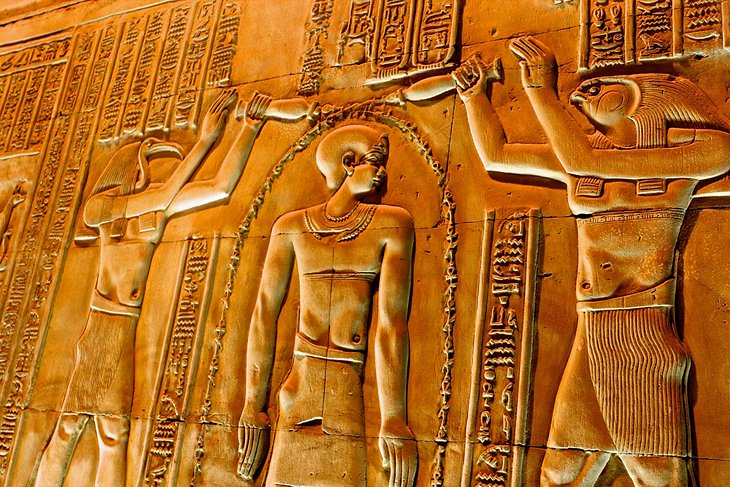
Three Antechambers lead off from the Hypostyle Hall, gradually leading you into the inner temple area.
All the walls here are covered with fine reliefs. As you walk through, notice how each antechamber is slightly higher than the one before.
The small rooms on the left-hand side of the Antechambers would have once served as temple store rooms.
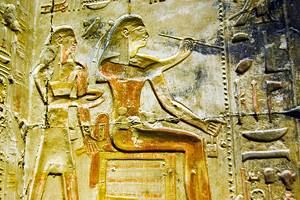
Don't Miss: Make sure to spend some time in the third antechamber rather than just passing through. On the rear wall here, look between the two doors to see a fine relief of Philometor in a long white mantle, with Cleopatra behind him, standing before the falcon-headed moon god Khons, who is writing the pharaoh's name on a palm branch with the symbol for a long reign. To the rear are the principal gods of Ombos, Haroeris, and Sobek.
Sanctuary: The Domain of Sobek and Haroeris
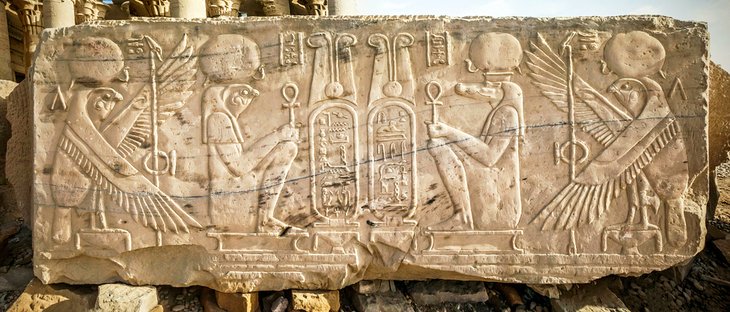
Enter through the two doors in the rear wall of the third antechamber to arrive in the temple's sanctuary area, split into two here to worship both Haroeris (to the left) and Sobek (to the right).
The black granite base in each sanctuary was for the sacred barque, which would have held the image of the god.
Around the chapels were a number of smaller rooms with crypts.
Inner Passageway
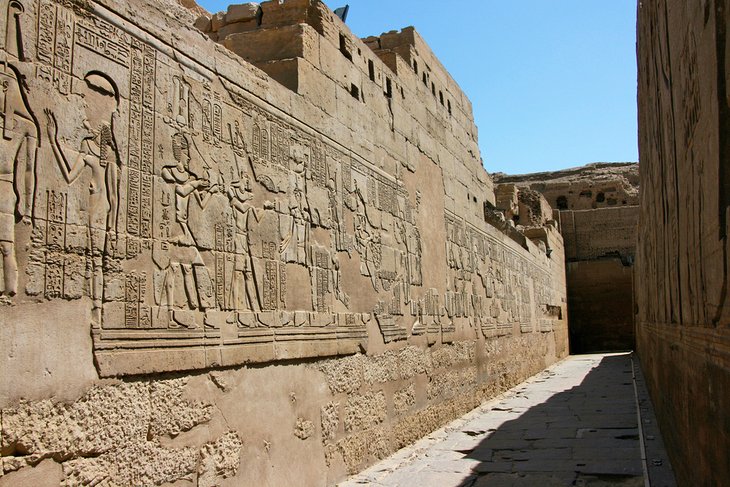
If you walk back to the Vestibule, you can enter the temple's Inner Passageway. At the far end are seven small chambers with unfinished reliefs, which show different stages of the artist's work and several inscriptions that were sketched out but never completed.
Outer Passageway
The east walls of the outer passage around the temple are covered with reliefs depicting the Roman Emperor Trajan making offerings to Egyptian gods.
At the northeast corner, he is shown kneeling before two deities; beside this scene is a set of medical instruments.
History of the Temple of Horus: A Temple Dedicated to the Gods of the River
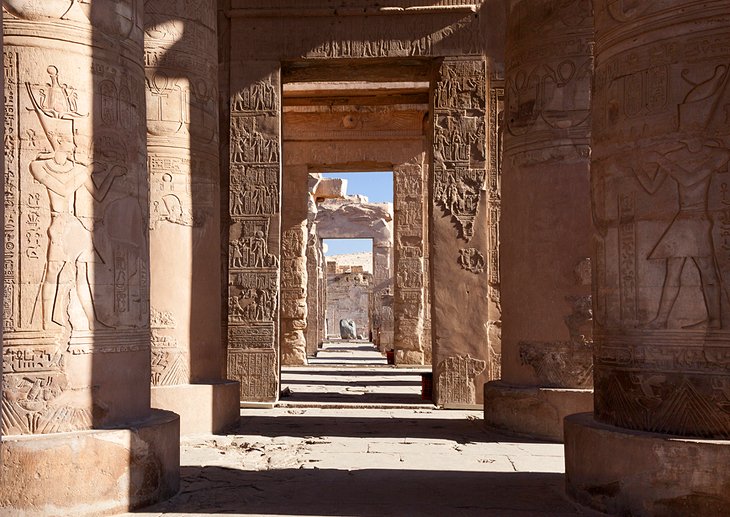
The ancient Egyptian town of Ombos probably owed its foundation to the strategic importance of its site, commanding the Nile and the routes from Nubia into the Nile Valley.
Its heyday, however, was in the Ptolemaic period, when it was made capital of the Ombite nome, and its magnificent temples were built. This makes its temples young by Egyptian standards.
The two principal gods of Ombos were the crocodile-headed Sobek (Suchos) and the falcon-headed Haroeris. Associated with Sobek were Hathor and the youthful moon god Khons-Hor; associated with Haroeris were Tsent-Nofret (the "Good Sister"); a special personification of Hathor; and Penebtawi, "lord of the Two Lands."
The remains of the ancient town, now buried in sand, lie at the northeast corner of the plateau. The temple complex, to the south, was excavated and restored by de Morgan in 1893.
The temple precinct would have been enclosed by a brick wall, entered on the south side through a massive gateway built by Ptolemy XII Neos Dionysos. The left hand (west) side of the gateway has been carried away by the Nile, but the right-hand half still stands.
Around Kom Ombo Temple
The Birth House & Crocodile Museum
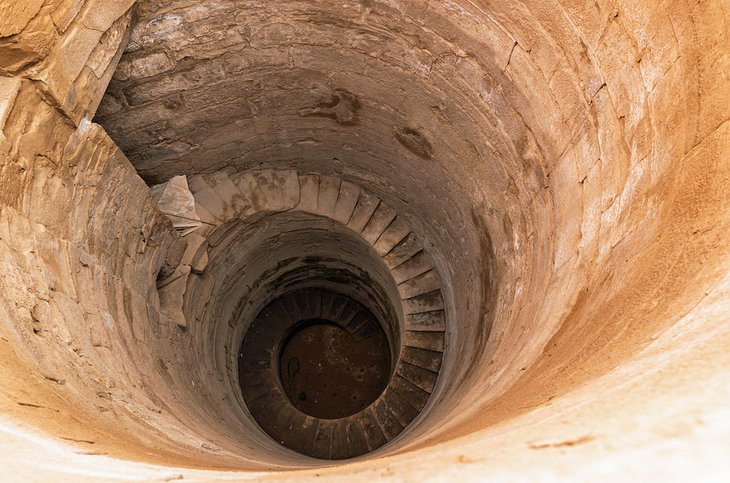
On the terrace in front of Kom Ombo Temple is a small, badly ruined birth house (mammisi), built or restored by Euergetes II.
In the open space east of the birth house and north of the temple are two large and handsome blocks from an architrave, one of them bearing the name of Neos Dionysos.
Here, you can also see the remains of several small structures, including a Roman doorway and a ruined chapel standing on a platform. Also here are two wells with a water channel leading to a small pool in which young sacred crocodiles may have been kept.
From here, it's just a short walk to Kom Ombo's Crocodile Museum, which has a collection of mummified crocodiles.
Don't Miss: On the western side of the birth house, look for the relief showing Euergetes and two gods sailing in a boat through a papyrus swamp swarming with birds, with an ithyphallic Min-Amun-Re standing on the left.
Temple of Hathor
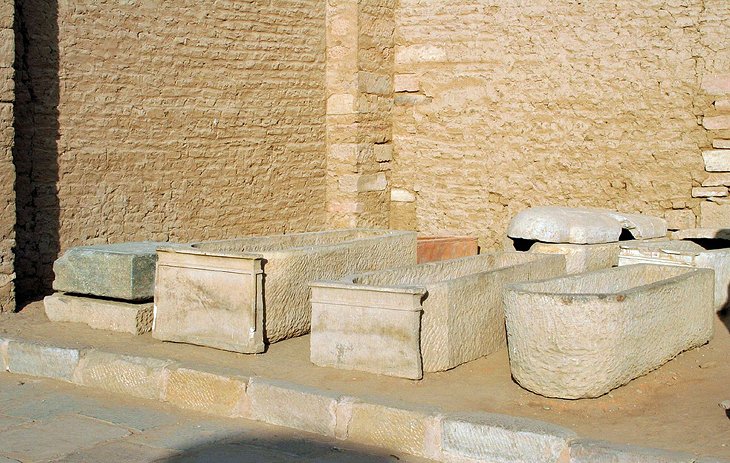
To the south of the temple is a small temple dedicated to Hathor, built of red sandstone.
Further Afield
Twenty kilometers north of Kom Ombo, the hills come close to the river in Gebel Silsila ("chain of hills"), forming a defile with many eddies and shallows, long a place of worship of the god of the Nile.
If you venture just south of Kom Ombo, you'll arrive at the small town of Daraw, which is home to the Nile Valley's twice weekly (Tuesday and Thursday) camel market.
Both can be added onto a Kom Ombo day trip from either Aswan or Luxor.
Quarries of Gebel Silsila, East Bank
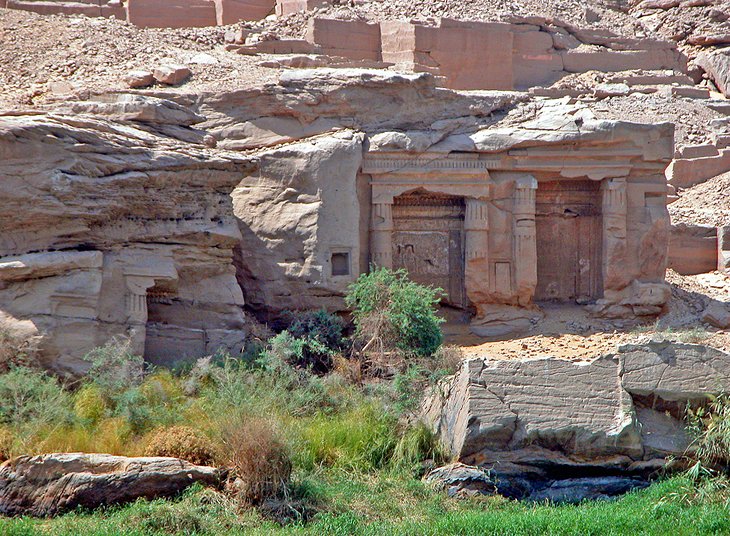
On the east bank of the Nile are the large Silsila Quarries, worked mainly under the New Kingdom.
In the reign of Ramses II, some 3,000 workers were employed here in quarrying stone for the Ramesseum alone.
At the north end of Gebel Silsila are the scanty remains of the ancient town of Khenit and its temple.
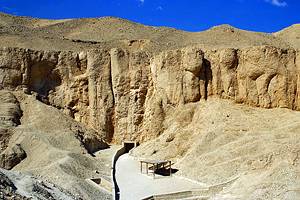
To the east, high up on the north side of the rock, is the Stela of Amenophis IV recording that he had caused an obelisk for Karnak's Temple of the Sun to be quarried here. To the right, lower down, are prehistoric rock engravings, and at the foot of the hill are a number of small rock cut tombs.
Rock Temples of Gebel Silsila, West Bank
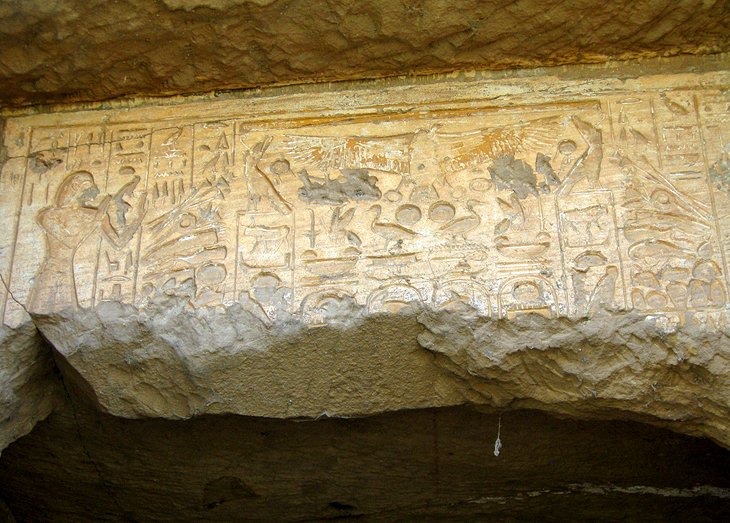
The more important Gebel Silsila monuments are on the west bank of the Nile, so if you're short on time, concentrate your visit here.
A well-beaten track runs along the Nile, past tomb recesses and memorial inscriptions and through quarries to a Rock Temple, built during the reign of Horemheb (18th Dynasty) and adorned in subsequent centuries with reliefs and inscriptions, some of them of high artistic quality and great historical interest.
The facade, with five doorways separated by pillars of varying width, is topped by a torus and cavetto cornice.
On the lintel of the central doorway, now the only entrance to the chapel, are a winged solar disc and the names of Horemheb.
The interior consists of a wide but shallow vaulted hall, with a smaller oblong chamber to the rear. All the walls are covered with reliefs and inscriptions.
Tips and Tours: How to Make the Most of Your Visit to Kom Ombo Temple
Tours from Aswan and Luxor:
- The section of the Nile between Luxor and Aswan is great for temple fans, and many travelers choose to travel this area on a tour, whether on a Nile cruise or with a driver on a day trip from either town.
Timing:
- Kom Ombo is one of the star tourist attractions of the Nile River cruise boat itineraries between Luxor and Aswan. From 10am to 4pm, the site tends to be busiest. If you're day tripping to the temples instead and can plan your own itinerary, try to time your visit for early in the day or after 4pm, so that you miss the Nile cruise boat crowds.
- Come on Tuesday or Thursday if you want to combine your Kom Ombo visit with a trip to the nearby town of Daraw and its famed camel market.
Tips:
- If you're peckish, there is a welcoming café near the temple that makes for a relaxing spot to put your feet up after a temple tour. It dishes up simple but wholesome Egyptian dishes and cold drinks in a shady garden just north of the temple.
- Wear decent walking shoes if you're planning on visiting Silsila as well as Kom Ombo.
Getting to Kom Ombo
- By Nile Cruise: All the cruise ships plying the river between Luxor and Aswan include Kom Ombo on their itineraries.
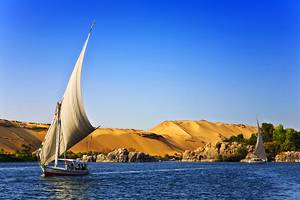
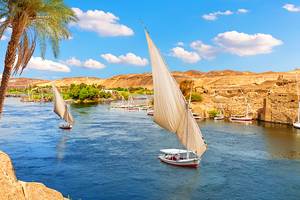
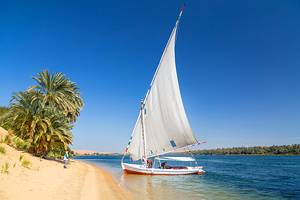
- By Felucca: A stop at Kom Ombo can be included on a two-day felucca sailing trip from Aswan.
- By Train: You can take the local train from either Luxor or Aswan.
- By Private Car: Taxis are easily arranged from Aswan and Luxor. Some travelers decide to hire a taxi for their transport between Luxor and Aswan and make the journey all about sightseeing, combining visits to Esna's Temple of Khnum, Edfu's Temple of Horus, and Kom Ombo Temple along the way.
More Related Articles on PlanetWare.com
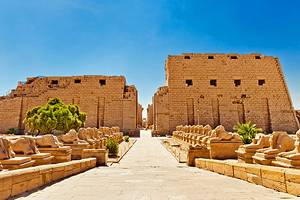
Temples: Explore some of Egypt's most incredible temples with our pieces on Edfu's Temple of Horus, Karnak Temple, Abu Simbel, and the Temples of Abydos. All of these are all worth checking out if you like temples, and our articles can give you the history and highlights.