Tourist Attractions in California
California is one of the top vacation destinations in the United States, both for Americans and international travelers. Vibrant cities, beaches, amusement parks, and natural wonders like nowhere else on Earth make California an intriguing land of possibilities for travel.
The gateway cities of San Francisco and Los Angeles are home to some of the state's most well-known sites, from the Golden Gate Bridge to Hollywood and Disneyland. This is also where many of the top cultural attractions can be found.
But the national parks, encompassing mountains, forests, deserts, coastal areas, and islands, offer their own outstanding experiences. The tallest and largest trees in the world, the largest alpine lake in North America, and the famous sites of Yosemite offer once-in-a-lifetime opportunities for outdoor adventure.
Whether you are interested in doing a road trip, taking a family vacation, enjoying a city escape, or just looking to do some sightseeing, begin with our list of the top attractions in California.
San Francisco and the Golden Gate Bridge
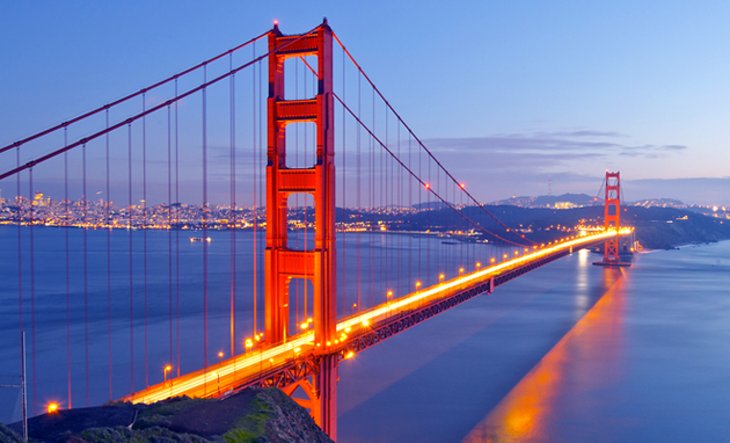
One of the most beautiful cities in America, San Francisco should be on everyone's must-see list. The ocean and hills provide a stunning natural setting, but the quaint neighborhoods, historic sites, green spaces, inspiring cultural institutions, and relaxed attitude are what truly make this city special.
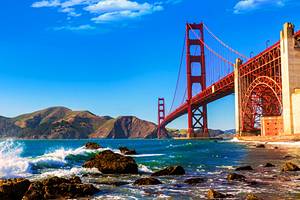
The iconic Golden Gate Bridge is one of the key sights and what many people call to mind when they think of San Francisco and even California. The orange frame against the blue water of San Francisco Bay, or rising out of the fog that often covers the area is an unforgettable sight. You can appreciate the bridge from afar or, for a more personal experience, drive over it, walk on it, or even bike across it.
Other popular tourist attractions include Fisherman's Wharf and the infamous Alcatraz Island. This former jail is now a national park and well worth a visit. Ferries leave for the island from Pier 33 near Fisherman's Wharf.
If you have time to explore the city and are up for a little exercise, see some of the sights on foot. Families traveling with children will find a world of activities to entertain youngsters and even older children with our article on things to do with kids in San Francisco.
Read More:
Yosemite National Park
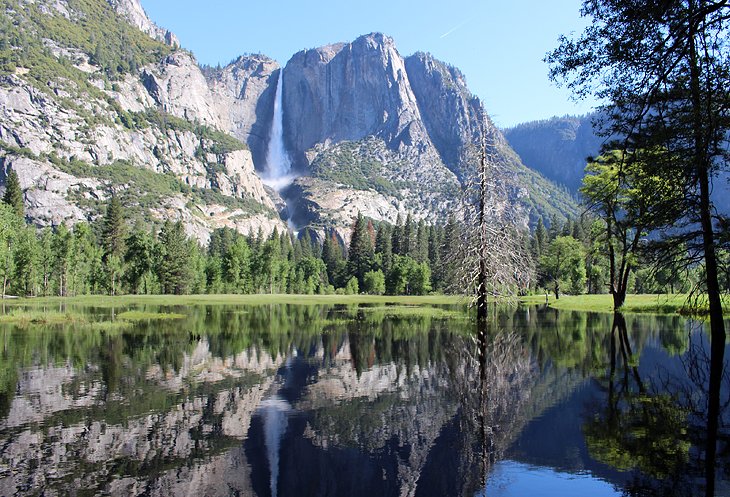
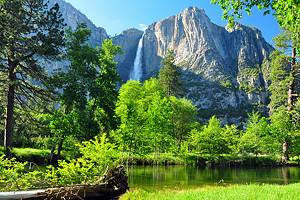
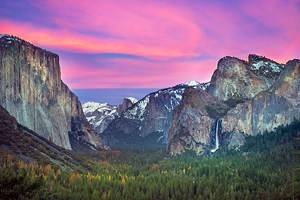
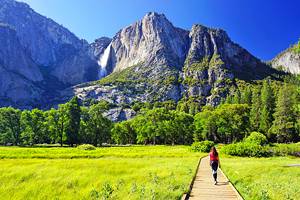
Yosemite National Park in Northern California is one of the United States' most scenic and most visited national parks. The mountains, valleys, rivers, and spectacular waterfalls have drawn tourists, artists, and athletes here for decades. For nature lovers, a visit here is one of the best things to do in California.
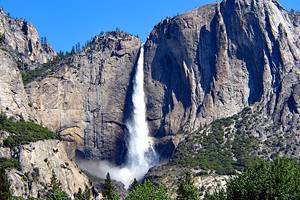
Most of the key sights and things to do in Yosemite National Park are in Yosemite Valley. Carved by glaciers during the last ice age, the granite walls and huge waterfalls are some of the most outstanding features in the park. This is where you'll find the big-name attractions, like Yosemite Falls, Half Dome, and El Capitan.
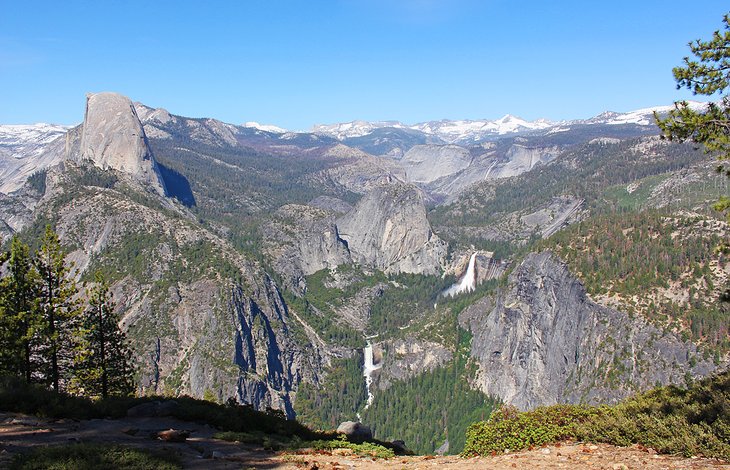
Beyond the Valley are the Tioga Road and the Glacier Point Road, both of which offer access to alpine areas, lookout points, and incredible views. Sometimes overlooked by tourists but also definitely worth seeing are the giant sequoias. The largest stand is located in Mariposa Grove, in the southern part of the park.
One of the best ways to explore Yosemite is to get out into the landscape on some of the incredible hiking trails. These range from easy walks along streams and lakes to life-altering trails that will take you to the tops of mountain peaks and to famous landmark sites. If you are spending a few nights and want to set up here for a while, you'll also find a number of outstanding campgrounds in Yosemite and the surrounding area.
Read More:
Disneyland
Disneyland, located in Anaheim, is California's premier family destination and one of the top family vacation destinations in the US. This massive amusement park is home to all kinds of rides, games, shows, and entertainment, complete with restaurants and hotels. The park is a combination of themed rides and recreated worlds and cultures. You can find shows and other entertainment designed for both children and adults.
Long line-ups and wait times have been reduced somewhat by the invention of FastPass+, which gives you the ability to book specific ride times, a hug with a character, and entertainment events. However, when kids are out of school, either for the summer, Christmas, spring break, or any other holiday, you can be sure that the park will be very busy.
Keep in mind, there is more to Disneyland than just the parks. The entire Disneyland resort experience features hotels, dining, shopping at the Downtown Disney District, and the Disney Adventure Park. Although the parks are definitely what your children are here to see, you'll find something fun for everyone in the family.
Official site: https://disneyland.disney.go.com/
Death Valley National Park
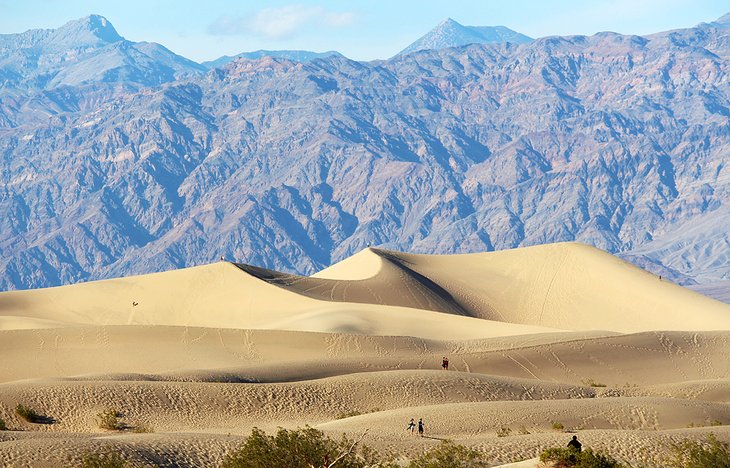
Death Valley National Park contains some of California's most inhospitable terrain, with extreme heat that has left this desert area strangely beautiful. Salt fields, dry parched land, sand dunes, mountains, unique rock formations, and a lake that lies below sea level create a unique landscape in this remote valley.
Some of the easiest to reach highlights in Death Valley are the sand dunes near Stove Pipe Wells, Badwater Basin, Zabriskie Point, and Dantes View. These and others are all easy to reach with a regular vehicle. If you have a 4WD vehicle, you can head out to more remote places like The Race Track.
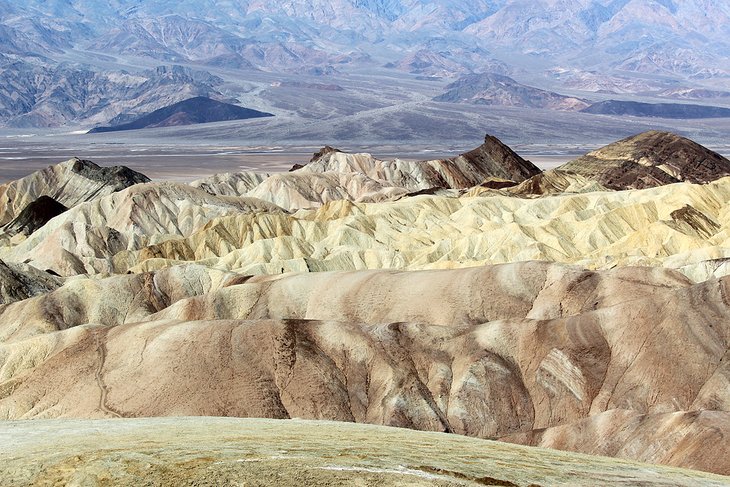
You can enter the park from various points on the east or west side. Death Valley is also commonly toured as a day trip from Las Vegas, Nevada, but there is so much to do here, you may want to plan on spending more time. You can drive through the park and stop at lookouts; hike short trails; see the ruins of the valley's former industry; and even paddle in the shallow Badwater Lake, if there is any water in the lake at that time.
Read More:
Big Sur
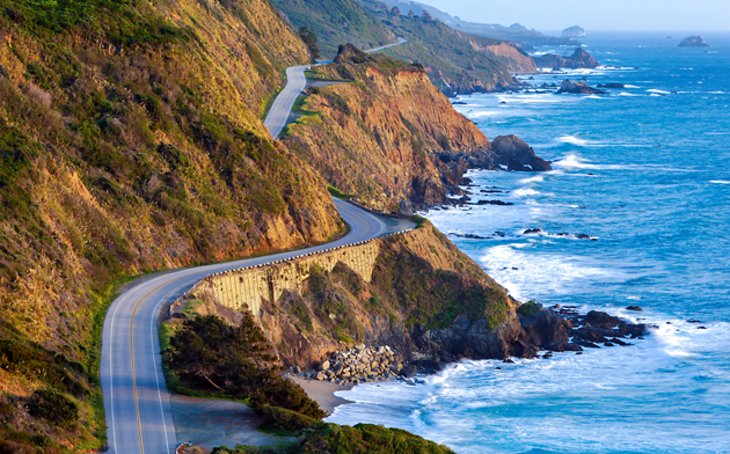
This beautiful stretch along the Central Coast of California offers a chance to get back to nature. Camping and hiking at Garrapata State Park and Pfeiffer Big Sur State Park are some of the best places for these pursuits.
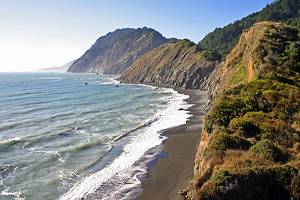
Big Sur begins about four miles south of Carmel in Yankee Point and stretches along Highway No. 1 as far as Salmon Cove, some 17 miles north of San Simeon. This scenic road offers splendid views over the picturesque coastline. To the east stretches a true wilderness - the Santa Lucia Mountains and Ventana Forests, with more than 220 miles of trails.
Pfeiffer Big Sur State Park is a great place for hikers, sunbathers, and those looking for a nature escape. The park has camping facilities and, for anyone looking for a little more comfort, the Big Sur Lodge offers a peaceful retreat in a superb location. One of the highlights in the park is Pfeiffer Falls, which is reached by the Valley View Trail. A branch off this trail leads to the Valley Overlook with views that extend to the ocean and the Big Sur River Valley.
Garrapata State Park is another popular area of Big Sur. The main attraction here is Garrapata Beach, a long, wide, crescent-shaped stretch of golden sand. Waves here can be big, and it may not be the best for swimming but it's great for taking a stroll and soaking up the sun. For those looking to get a little exercise, there are also day hiking trails in the park providing fabulous views of the coastline, mountains, and redwoods.
Lake Tahoe
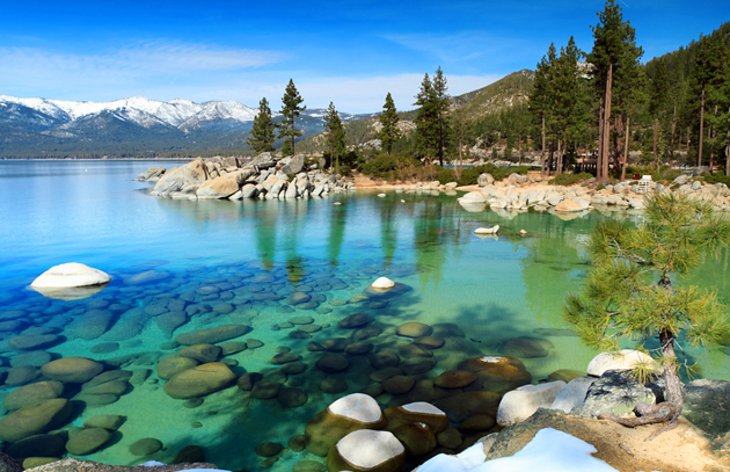
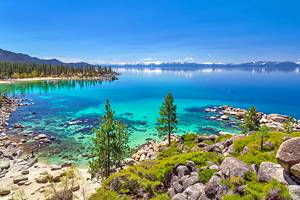
Stunning Lake Tahoe lies high in the Sierra Nevada mountain range and is a popular year-round vacation destination in California. Lake Tahoe is about more than just the lake, it's the forests and mountains, small towns, and multitude of activities the area offers that add to the allure.
The blue lake, with its turquoise coves and surrounding mountains, is a summer playground for boaters, beach goers, campers, and nature lovers. The beautiful beaches and shallow coves are some of the main draws for families visiting the area in summer. Places like D.H. Bliss State Park and Kings Beach State Recreation Area are popular beach destinations around Lake Tahoe.
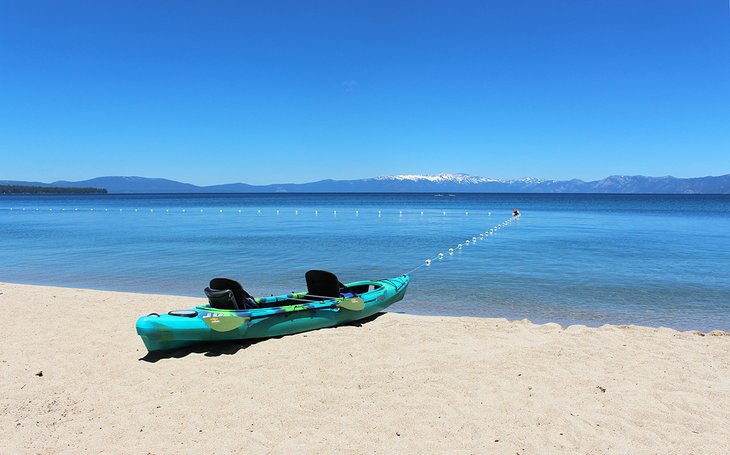
You'll find outstanding hiking trails for all abilities in the mountains and along the shoreline. Campgrounds in the area are also excellent, with many in beachfront locations or wooded areas. Much of the summertime action is centered around the beaches. In winter, the focus shifts to the ski resorts.
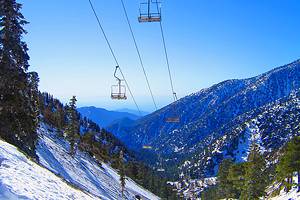
Lake Tahoe is also California's premier skiing destination, with several popular ski resorts, including Palisades Tahoe, Heavenly, and North Star, among others. During the winter, skiers from across the United States descend on the area to take advantage of the incredible terrain and great snow conditions.
- Read More: Tourist Attractions at Lake Tahoe
Sequoia and Kings Canyon National Parks
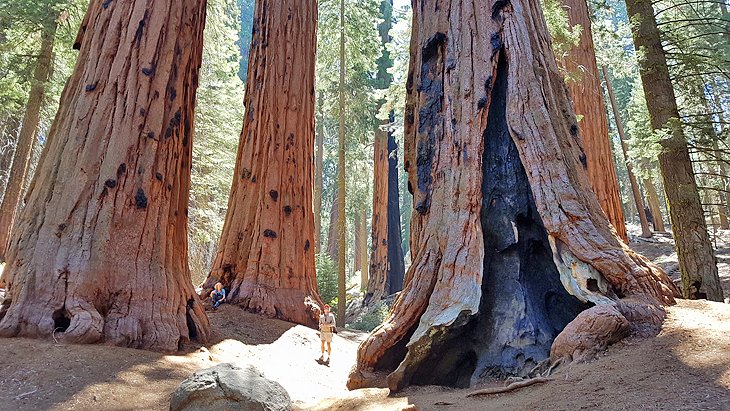
Home to the largest trees on Earth, Sequoia and Kings Canyon National Parks are bucket-list destinations. The sequoias here are the largest living things in the world, and many of them are more than 2,000 years old, with some even more than 3,000 years old.
These adjacent parks cover an area of mountains with majestic granite peaks, deep gorges, lakes, rivers, and forests, but they are quite different from each other. If you are planning on visiting both parks, you will need at least a couple of days.
Although both parks are home to the giant sequoias, Sequoia National Park is arguably the best place to visit these ancient wonders. Easy walking trails, many of them paved, meander through the trees and provide easy access to the major sites. This park is also home to Mt. Whitney, which at 14,495 feet is the highest mountain in the US (apart from Alaska).
You can find some beautiful campgrounds in Sequoia National Park, many of which are well-positioned for visiting the trees and other attractions, like Moro Rock, and the famous giant sequoia known as General Sherman Tree.
Kings Canyon National Park is more rugged and wild, with jagged peaks, roaring rivers, and remote sections where you can escape the crowds and enjoy nature. This is a popular park for hiking. You'll also find some incredible campgrounds in Kings Canyon, both close to the trees, in the Grant Grove area, and in the Cedar Grove area at the far end of the 26-mile Kings Canyon Scenic Byway.
Redwood National and State Parks
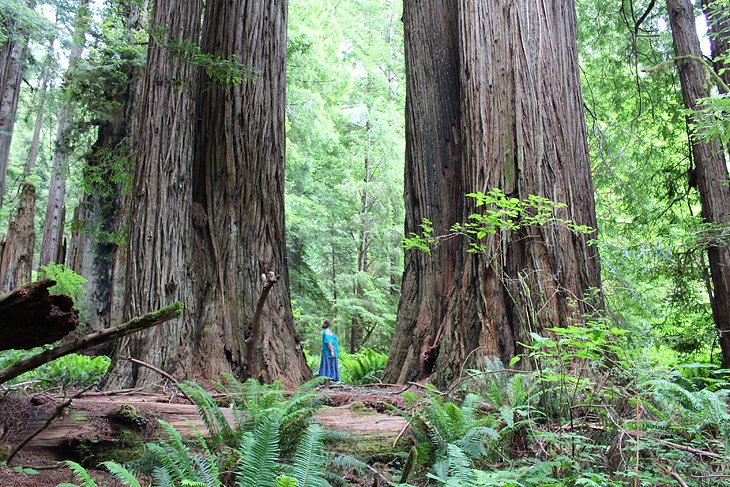
Walking through a forest of giant redwoods, towering more than 300 feet above you, feels like entering another era. Descendants of trees from the Jurassic Period, these are the tallest trees on the planet, and they are truly one of California's greatest treasures.
These jointly managed parks, which include Redwood National Park, Jedediah Smith Redwoods State Park, Del Norte Redwoods State Park, and Prairie Creek Redwoods State Park, stretch out along a spectacular portion of the Northern California Coast. Each offers something a little different, but in all of them, you can find great hiking trails and beautiful campgrounds.
Joshua Tree National Park
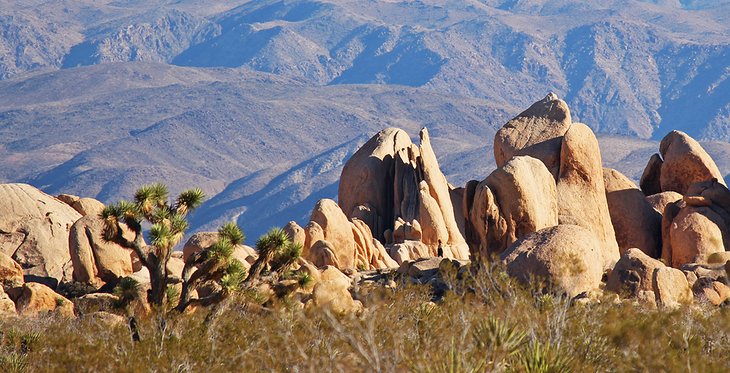
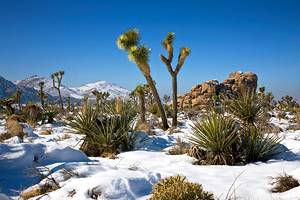
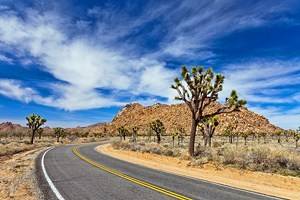
Joshua trees bring a type of magic to this otherwise lunar-like landscape, where giant boulders and rock formations create wild shapes that capture the imagination. The park covers 800,000 acres and offers a range of diverse sites that include much more than just the Joshua trees.
The Cholla Cactus Garden, where chollas stretch out endlessly along the hillside to the mountains beyond, the ruins of the historic Keys Ranch, the giant palms of the Lost Palms Oasis, and the vista from over 5,000 feet at Keys View are just some of the highlights. Also, don't miss Skull Rock, a huge rock resembling an alien skull.
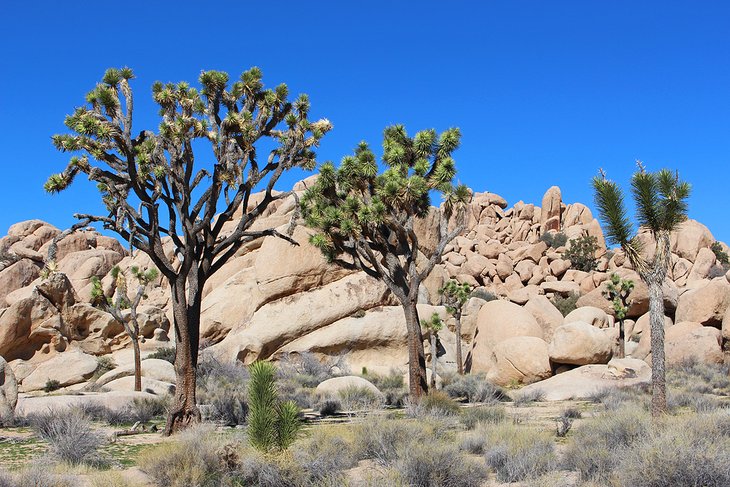
If you are going to stay awhile, you may want to consider spending a night under the stars and trees at one of the fabulous campgrounds in Joshua Tree National Park.
Joshua Tree National Park is less than a three-hour drive from Los Angeles and less than an hour from Palm Springs.
Read More:
Universal Studios Hollywood

This amusement park and movie studio is one of the most popular attractions in California, and the perfect place for families with older children and teens. Rides and sets are based on famous movies, with everything from shockingly realistic simulator rides to roller coasters, and much more.
You can tour huge sets on studio tours. Some of the most popular experiences in the park are The Wizarding World of Harry Potter, Fast and Furious - Supercharged, Jurassic World, Despicable Me Minion Mayhem, and The Walking Dead Attraction, among others. You'll also find dining, shows, shopping opportunities, and various events held throughout the year.
- Read More: Tourist Attractions in Los Angeles
Hearst Castle
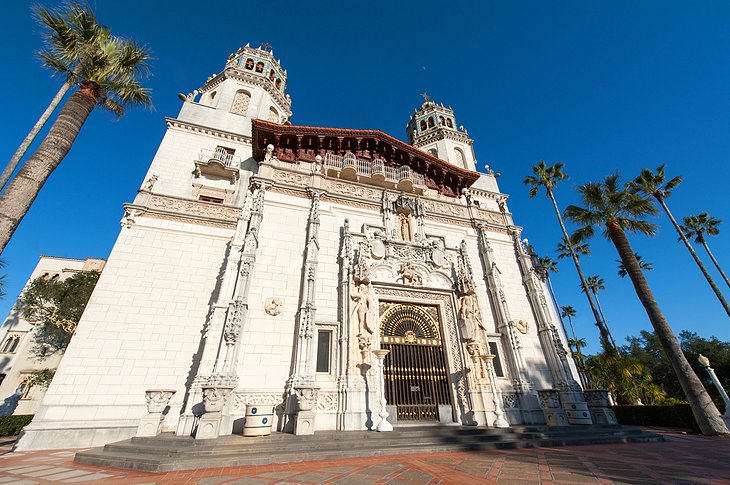
Hearst Castle, officially known as the Hearst San Simeon State Historical Monument, was started in 1919 and built over a 28-year period, resulting in a mix of architectural styles that make it quirky and stately all at the same time. Built by newspaper baron William Randolph Hearst, the 165-room castle was never completed.
It sits atop a hill at an elevation of 1,600 feet and offers fantastic views out over the Pacific Ocean and the Santa Lucia Range. One of the major attractions here is the immense collection of art. At one time, the castle was home to the world's largest private zoo, and to this day, zebras and other exotic wildlife can be seen wandering the grounds.
The castle is located almost exactly halfway between Los Angeles and San Francisco. Drive time from either city is approximately four hours.
Official site: http://hearstcastle.org/
Santa Catalina Island
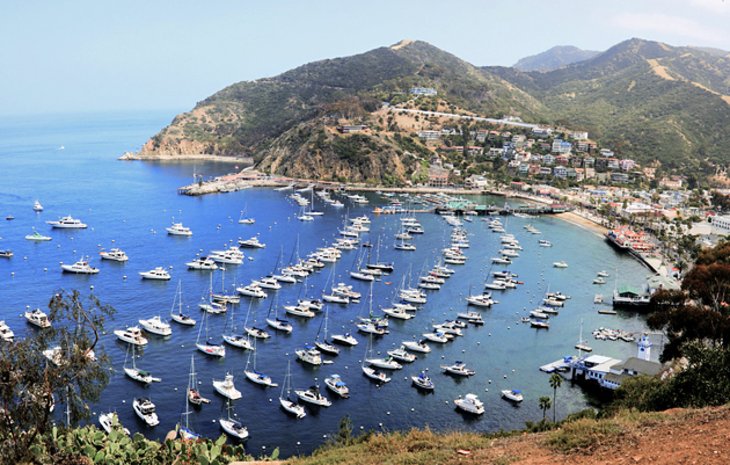
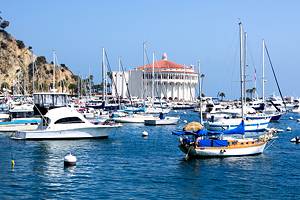
Part of the Channel Islands, Santa Catalina lies about 22 miles southwest of Los Angeles. The island is a popular destination with boaters and day trippers. Avalon is the main population center and where most of the action is centered. On the other end of the island is the much smaller village of Two Harbours.
While most people come to Santa Catalina Island to wander around and enjoy a day of leisure, other popular things to do include glass bottom boat tours, scuba diving, kayaking, and parasailing. You can reach the island by ferry from San Pedro, Long Beach, Newport Beach, and Dana Point.
- Read More: Tourist Attractions in Los Angeles
Channel Islands National Park
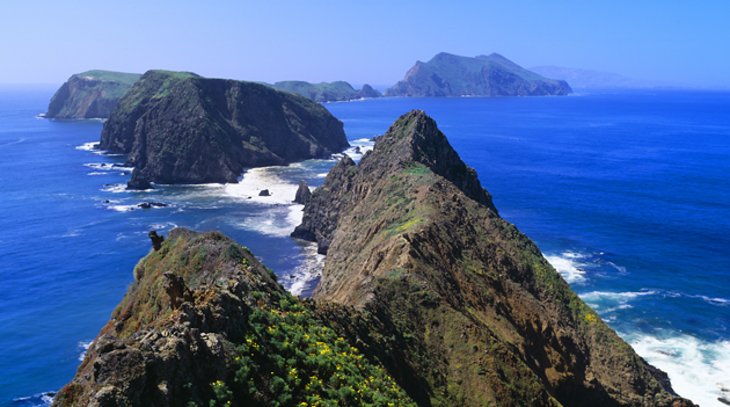
Channel Islands National Park, made up of five individual islands, is a great place to see wildlife and a little undisturbed nature. Having always been isolated from the mainland, the islands have developed independently, and as a result, have many endemic animals.
The islands are located off the Southern California coast and are only accessible by park concessionaire boats and planes, or private boats. You can learn about current conditions and arrange transport at the mainland visitor centers located in Ventura and Santa Barbara.
Read More: Things to Do in Channel Islands National Park, CA
The Getty Center Los Angeles
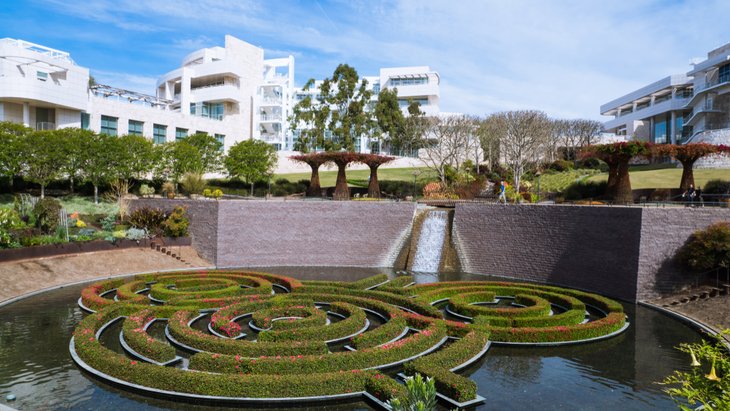
The Getty Center is one of the premier museums in the United States. The museum holds treasures by great artists like Monet and Van Gogh, along with sculptures and other beautiful forms of art prior to 1900.
A visit here is also about the architecture and grounds of the museum itself. The building flows and undulates in a shimmering curtain of white, while out front, intricate gardens and waterfalls complete the scene. Be sure to check out the amazing views over Los Angeles from one of the many patios.
Admission to the Getty Center is free.
Address: 1200 Getty Center Drive, Los Angeles, California
Official site: https://www.getty.edu/
Palm Springs' Aerial Tramway and Mid-Century Modern Architecture
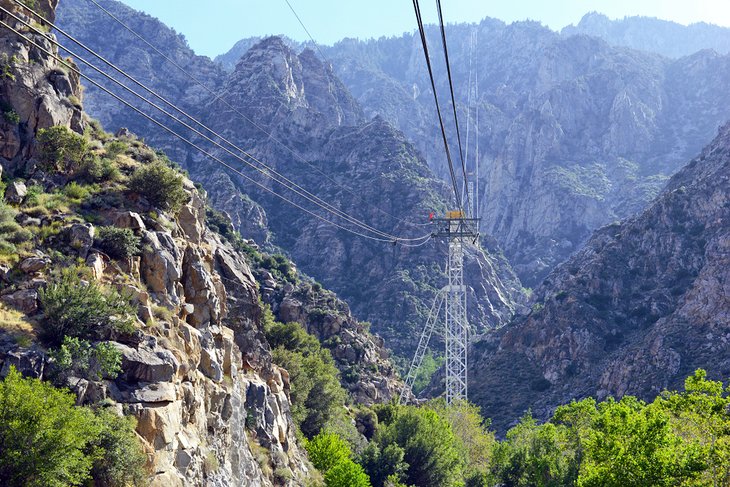
Palm Springs Aerial Tramway
If you've ever wanted to lie by the pool in the morning and make snow angels in the afternoon, put a ride on the Palm Springs Aerial Tramway on your list of California things to do. California's desert regions are all about elevation. The higher you go, the colder it gets. In the spring, the pool and snow combo is easily accomplished.
The tramway runs for two miles and ascends up to an elevation of 8,516 feet on the slopes of Mount Jacinto. The tramway is unique in its design; each of the trams rotates as they ascend, allowing for uninterrupted views across a 360-degree panorama. In fact, the Palm Springs Aerial Tramway is the largest of its kind in the world.
The area at the top of the tramway is an oasis of green with towering pine trees and verdant undergrowth. You can choose to be active by walking or hiking on the 50 miles of trails, or simply enjoy a spectacular view over lunch or dinner at one of the two restaurants. This area offers some of the best hiking around Palm Springs.
Mid-Century Modern Tours
Fans of mid-century modern architecture will be in their element in Palm Springs, home to the largest collection of this style of building in the world. The city has entire neighbourhoods of fascinating and beautifully preserved homes, some of which were once owned by famous people and iconic movie stars like Marilyn Monroe, Frank Sinatra, Kirk Douglas, and Bob Hope.
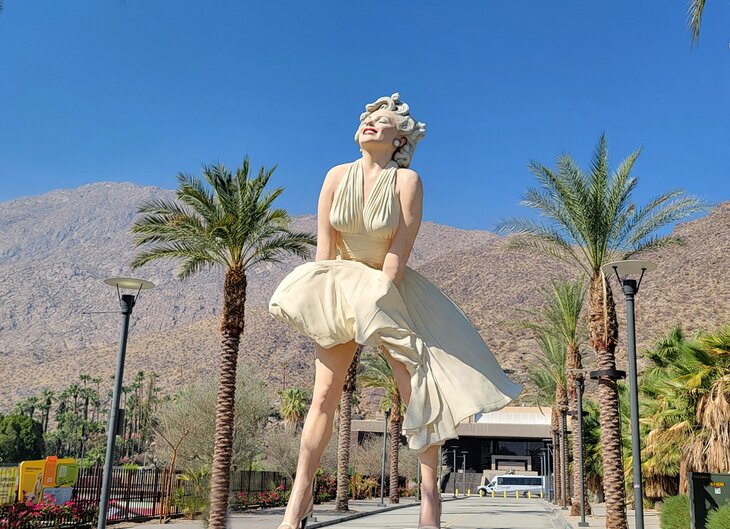
A tour of these architectural gems with their sleek lines, low rooflines, and expansive windows providing indoor/outdoor living is like a trip back to the 1950s and 60s when architecture was a fashion statement. You can take a guided tour that includes the interiors of some of these homes with Mod Squad, or do a walk or drive by these buildings on the self-guided route provided by Visit Palm Springs.
If you are here with a group or want to host an event, perhaps the best option is to rent the Shag House for an evening or even longer depending on your needs. This mid-century modern masterpiece has been painstakingly refinished based on a painting by The Artist Shag, and crafted into a fantasy home that you need to see to fully appreciate. You can also arrange private tours.
Read More: Tourist Attractions in Palm Springs
Griffith Observatory
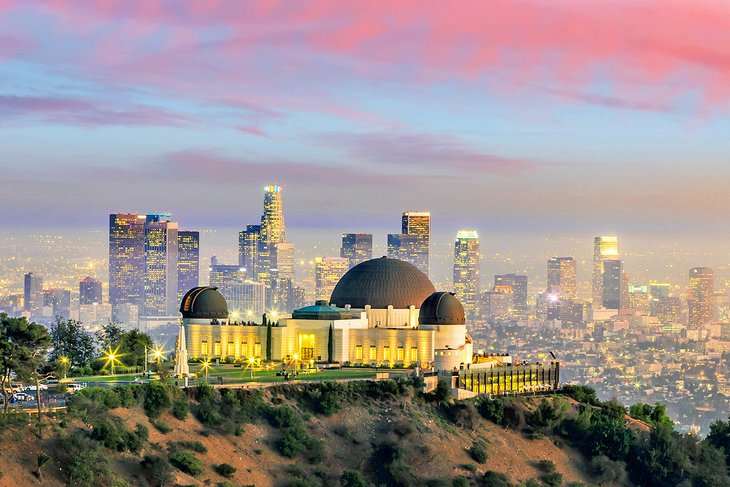
One of California's greatest free attractions is the Griffith Observatory. Perched high on Mount Hollywood and overlooking the city of Los Angeles, this iconic California attraction offers not only fantastic views out over the city but also the opportunity to learn about the heavens.
Inside the observatory are six galleries devoted to all aspects of space and how we observe it. In addition to the galleries are the public telescopes, allowing you to view the heavens in a way you've never imagined.
Even if all that doesn't interest you, the parking lot is an excellent spot to get a photo of the Hollywood sign.
Address: 2800 East Observatory Road, Los Angeles, California
Official site: https://griffithobservatory.org/
Mammoth Lakes
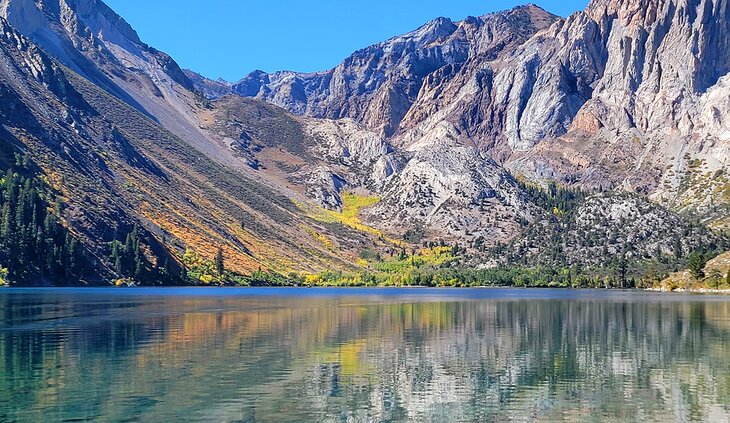
The delightful town of Mammoth Lakes should be on every outdoor adventurer's "to-do" list. Located up high in the Sierra Nevada Mountains, this quintessential mountain town has it all. In winter, this is a fantastic place for snow sports, and in summer it makes a great escape from the heat.
From November to May or June, skiers and boarders come here to enjoy one of California's best ski resorts, Mammoth Mountain Ski Area, located just minutes from town. This ski resort is legendary for huge dumps of fluffy powder when Pacific storms collide against the Sierra's peaks.
Summer sees an influx of campers, hikers, and mountain bikers enjoying the stunning mountain scenery of craggy peaks and huge pine trees, while anglers and pleasure boaters enjoy the crystal clear waters of the surrounding lakes, including Twin Lake, Mary Lake, Horseshoe Lake, and Convict Lake, among others.
An extensive mountain bike trail system winds its way through town and Inyo National Forest and surrounding areas, providing almost endless opportunities for exploration.
The town of Mammoth has a chilled-out mountain vibe that's easy to adapt to. Stroll Main Street and pop into any of the multitude of eateries serving everything from hearty mountain fare in a casual setting, right through to fine dining on white tablecloths. Accommodations range from standard hotel rooms to boutique hotels and mountain lodges.
USS Midway Museum

If you've ever wanted to explore a giant aircraft carrier and find yourself in San Diego, you are in luck. Moored right in the center of the action, the USS Midway Museum is a real-life WWII ship that has been converted to a hands-on museum.
An ideal family thing to do in San Diego, this is no boring museum. Here, you and your crew will be walking down narrow passageways, climbing ladders, and descending into the bowels of the ship. Throughout the ship are more than 60 exhibits, 29 restored aircraft, a theater, and flight simulators. Plan for three to four hours for your visit.
Address: 910 North Harbor Drive, San Diego, California
Official site: https://www.midway.org/