
New York's Largest Ski Resort Offers A Stunning, Family-Friendly Winter Getaway
With seven mountain areas and over 100 trails, there's something for every member of the family at this expansive Upstate New York ski resort.
Read More

With seven mountain areas and over 100 trails, there's something for every member of the family at this expansive Upstate New York ski resort.
Read More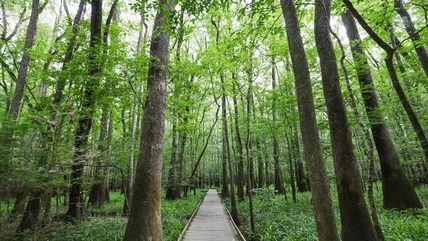
Nothing beats packing up the camper van and heading into nature, but watch out at this national park that has banned RVs and other camping vehicles.
Read More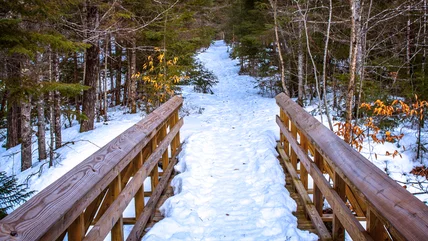
In the middle of the Adirondack Mountains, this New York village offers everything you need for a winter getaway, from holiday-themed hikes to ice fishing.
Read More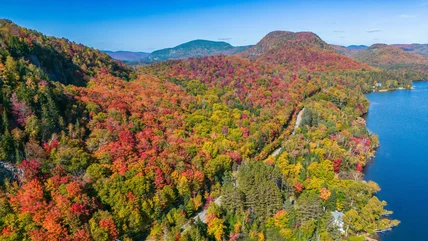
This fall, head to this Canadian national park, where you can ride a gondola over the foliage, hike stunning mountain trails, and refuel with poutine.
Read More
This overlooked California city has tons to do, from underground tours to State Capitol visits to food festivals celebrating the local farm-to-table culture.
Read More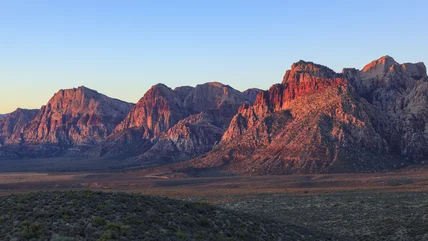
For a break from your days watching shows and playing cards in Las Vegas, head to this nearby scenic canyon and conservation area that is perfect for day hikes.
Read More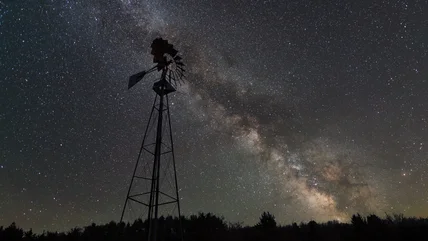
For those who love stargazing, make sure to stop by this gorgeous Pennsylvania state park that has designated stargazing zones complete with telescope pads.
Read More
From historic recording studios to vibrant honky tonks, and an incredible food scene, this bustling city is brimming with unforgettable experiences.
Read More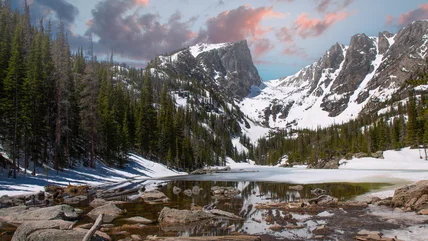
With stunning alpine scenery, epic hikes, wildlife sightings, and plenty more to enjoy, this Colorado national park is a must-visit gem for outdoor enthusiasts.
Read More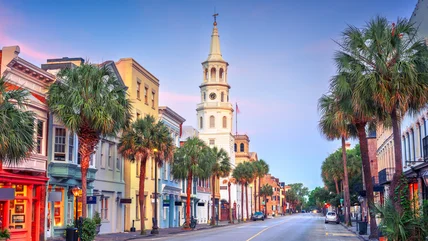
From Civil War landmarks to fresh seafood and lush gardens, this captivating South Carolina city offers a rich cultural experience in a picturesque setting.
Read More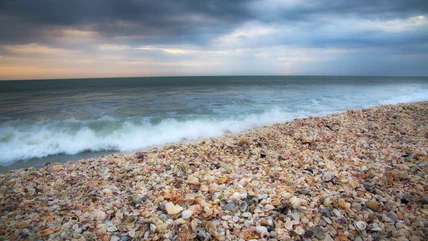
Discover a family-friendly coastal paradise where stunning beaches, abundant seashells, and outdoor adventures come together for the perfect getaway.
Read More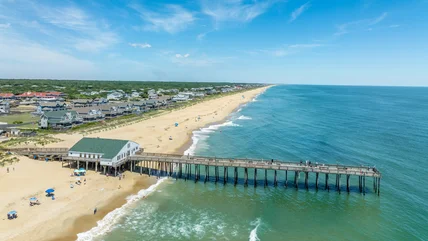
North Carolina is as diverse as it is beautiful, with show-stopping mountain ranges, world-class institutions, soaring sand dunes, and rich history.
Read More
Bordered by two lakes, this scenic capital city is both a bustling college town and a burgeoning foodie hot spot, not to mention a nature lover's paradise.
Read More
On the weekends leading up to Christmas, this Oregon town hosts numerous holiday events, from a parade to historical trolley tours and caroling.
Read More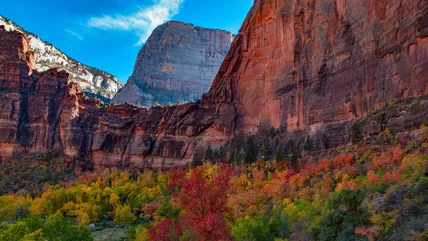
Home to one of the most dangerous hikes in the U.S., this national park is brimming with stunning scenery and untouched wilderness just waiting to be explored.
Read More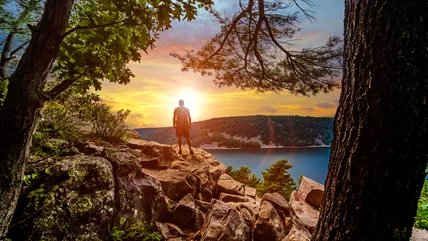
From outdoor adventures to cultural landmarks and cozy small towns, Wisconsin is packed with unforgettable stops that will keep you coming back for more.
Read More
Make the most of your winter vacation at this Utah ski resort, the largest of its kind in the U.S., boasting a variety of ski runs and other attractions.
Read More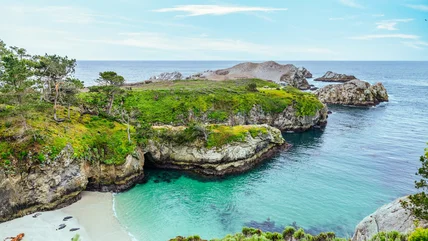
This renowned natural reserve is defined by hidden sea caves, jagged cliffs, coves, tide pools, and a protected underwater world brimming with marine life.
Read More
One of the most remote cosmopolitan cities in the world, this Hawaiian hot spot blends deep history with modern energy, all set against a stunning backdrop.
Read More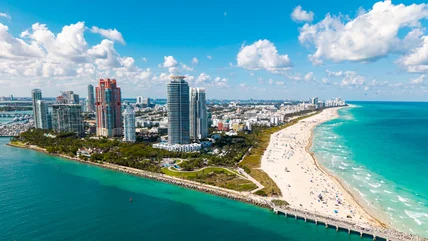
While you may expect a city in the northeast to be the rudest in the country, this popular Florida destination took the crown for bad behavior in a 2024 study.
Read More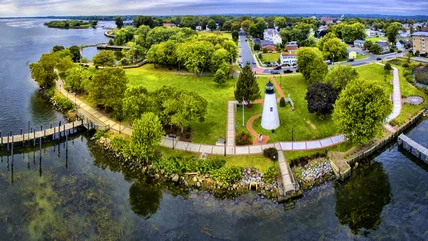
Perched on the Susquehanna River, this historic town known for its pleasant scenery, tranquil ambiance, maritime heritage, and excellent promenade.
Read More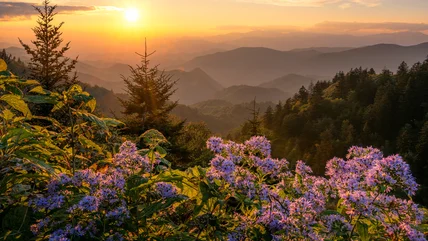
From the Great Smoky Mountains, to soulful blues music, to countless attractions, Tennessee offers an extraordinary welcome to first-time visitors.
Read More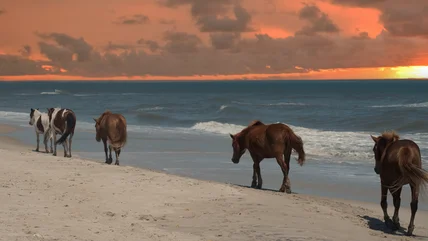
This windswept, unique stretch of land is ideal for relaxation, spotting birds and other wildlife, and taking in the glorious wild horses roaming the beach.
Read More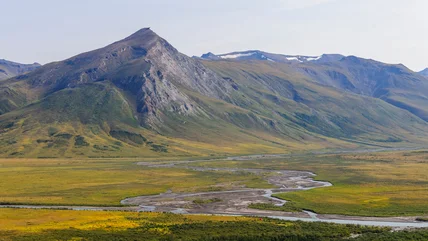
This remote wilderness destination receives fewer visitors than any other American national park and offers untouched beauty for brave adventurers.
Read More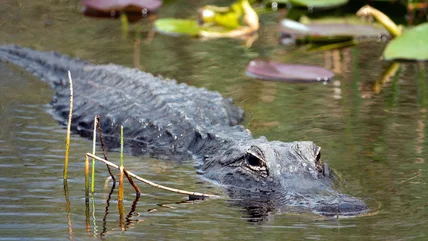
Home to more than 200,000 American alligators and over 36 endangered native species, this vast Florida park is a gem for outdoor and wildlife enthusiasts.
Read More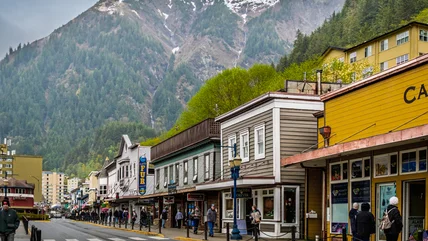
Surrounded by wilderness and accessible only by air or sea, this stunning capital city is brimming with epic hiking and wildlife watching opportunities.
Read More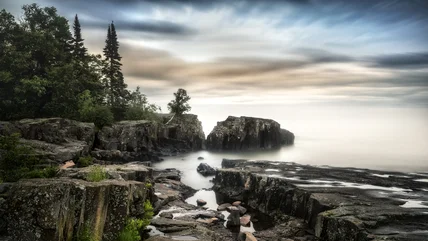
Celebrated for its pristine, pollution-free waters, this extraordinary lake is bordered by cliffs and old-growth forests, with sunken shipwrecks in its depths.
Read More