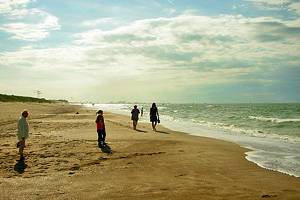
Tourist Attractions in Belgium
Belgium may be small, but it's packed full of sights. UNESCO-acclaimed sites in the capital city of Brussels range from 14th-century guildhalls surrounding the elegant Grand Place to the early 20th-century Art Nouveau townhouses of Victor Horta.
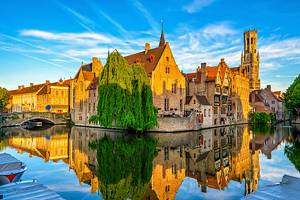
Bruges is a major attraction for tourists, with its perfectly preserved medieval streets rimming tranquil canals that lure flocks of travelers each year.
Although Bruges is by far Belgium's most popular place to visit, plenty of other towns in the country – particularly Ghent and Mechelen – retain excellent architectural examples from the Middle Ages as well.
This small nation has been right at the forefront of Europe's history, with many of the continent's most important events played out across its countryside.
It was in Belgium that Napoleon met his match at the battle of Waterloo, and during both the First and Second World Wars, Belgium found itself thrust into the frontline.
The World War I battlefields of Ypres are now important pilgrimage sites and today are among the country's top things to do.
Whether you're here for the ancient or modern history, Belgium provides a huge chunk of European heritage within a bite-sized piece of land.
Grand Place, Brussels
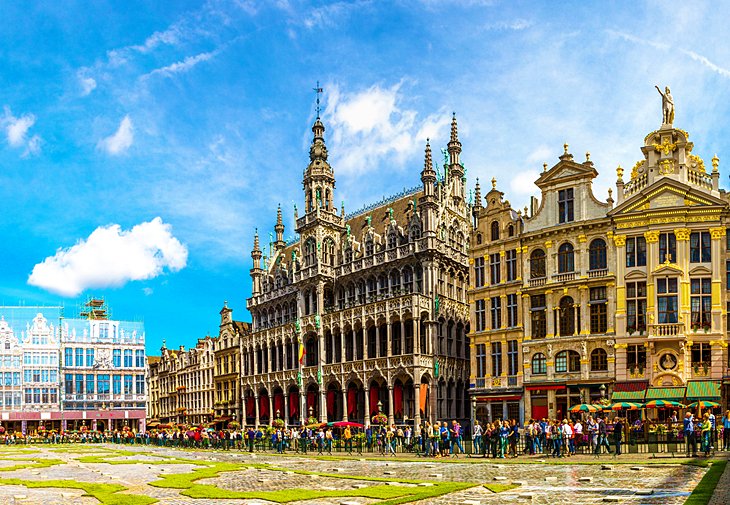
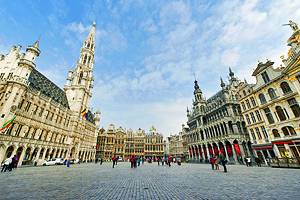
La Grand Place (also known as De Grote Markt), is rimmed by finely preserved guildhalls and other grand buildings that showcase Belgium's vernacular architecture at its best. One side is dominated by the ornate medieval town hall, a masterpiece of Gothic architecture.
Grand Place was named a UNESCO World Heritage Site for its outstanding representation of late 17th-century architecture.
The square is busy with tourists and locals at all times of year, but especially in August of alternate years, when the center is filled with the 75-by-24-meter flower carpet, made up of more than 700,000 cut begonias. 2026 will be the next time this happens. You'll get the best full view of the beautiful designs from the balcony of the town hall.
Opposite the Town Hall is the Breadhouse (Maison du Roi/Broodhuis), home to the Museum of the City of Brussels, offering a deep dive into Brussels' history, folklore, and the famous Manneken Pis.
- Read More: Tourist Attractions in Brussels
The Canals of Bruges
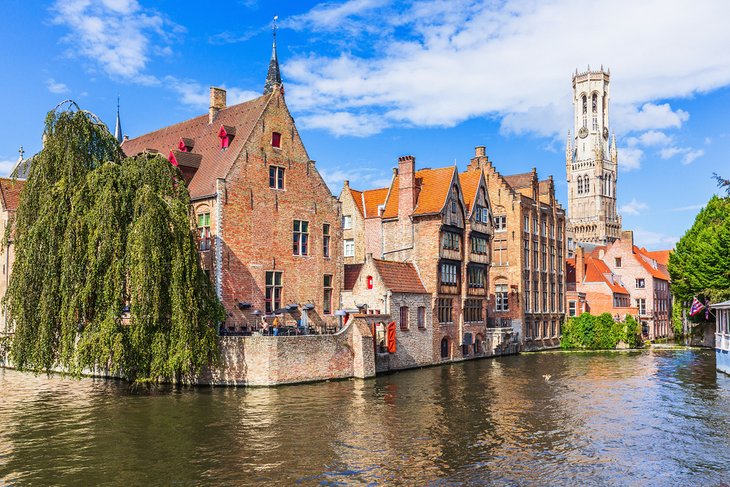
Bruges began on the banks of the river Reie, and as it grew, so did a series of waterways connecting it to the Zwin estuary and the North Sea.
Today, the canals are beautiful reminders of Bruges' history, and taking a sightseeing cruise along them is one of the most popular ways to explore the city.
Sightseeing boat trips, departing from five docks, dotted along the main canal in the central city, run half-hourly from March to November (and less frequently in the depths of winter) with trips winding down the length of the main canal.
This is one of the best opportunities to get photos of both Bruges' famous canal-side terraced house architecture and some of its finest buildings.
Tours run rain or shine, and umbrellas are provided by the tour boat operator when it's raining. No reservations are taken for the public sightseeing boat tours – you simply turn up at the dock and buy your ticket as you board.
- Read More: Tourist Attractions in Bruges
The Battlefields of Flanders
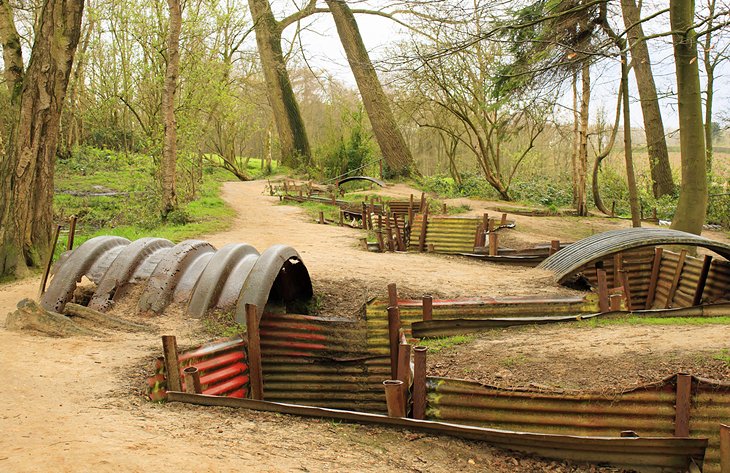
For many visitors, Belgium's role on the front line of World War I, and in particular the Battlefields of Flanders around Ypres, are the main reason for a journey here.
Not only important historically, the battlefields are also a major pilgrimage site. The preserved trenches run for kilometers around the town of Ypres, while this area is also scattered with vast cemeteries for the thousands of soldiers who died here.
The Tyne Cot Cemetery (British) and Langemark's German War Cemetery are both solemn reminders of the brutal fighting that took place here during the Great War.
These fields were made famous by the poem 'In Flanders Fields,' written by a soldier named John McCrae. The poppies that inspired his writing still grow here, becoming a worldwide symbol of remembering those who bravely fought and died.
Each evening at 8:00pm, the Last Post Ceremony takes place under the Menin Gate in Ypres. This is a tribute, performed by buglers, to honor the British and Commonwealth soldiers who died in the Ypres Salient during World War I and have no known grave.
- Read More: Tourist Attractions in Ypres
The Belfry of Bruges
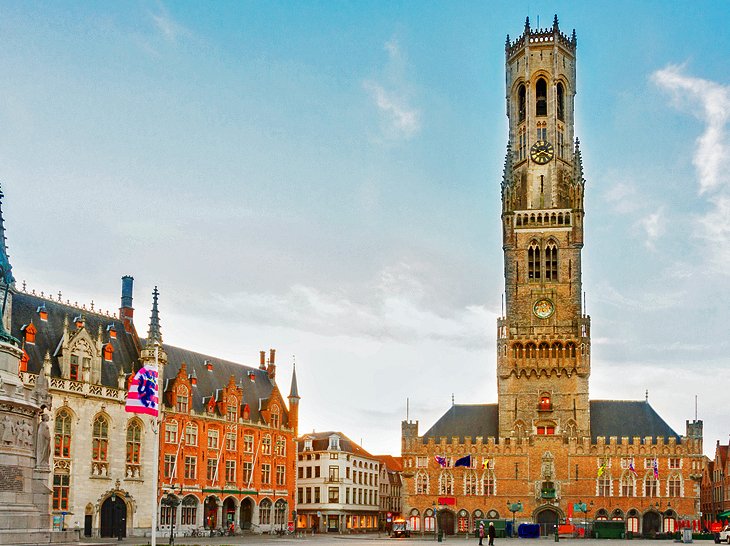
Among the most recognizable sights in Belgium, this beautiful belfry (officially known as Belfort met Beiaard) dominates the main square of Bruges.
Dating from the 13th century, this medieval era tower is attached to a building that once functioned as the main town market hall and has been wonderfully preserved, allowing visitors a real taste of the architectural might of the Middle Ages.
Climbing the 366 winding and narrow steps of the belfry to the observation deck, which sits at 83 meters high, is one of the most popular things to do for tourists in Belgium.
Once at the top, the views of church spires and steeple-roofs provide one of the country's best-known panoramas.
Official site: https://www.museabrugge.be
Ghent's Gravensteen and Old Town
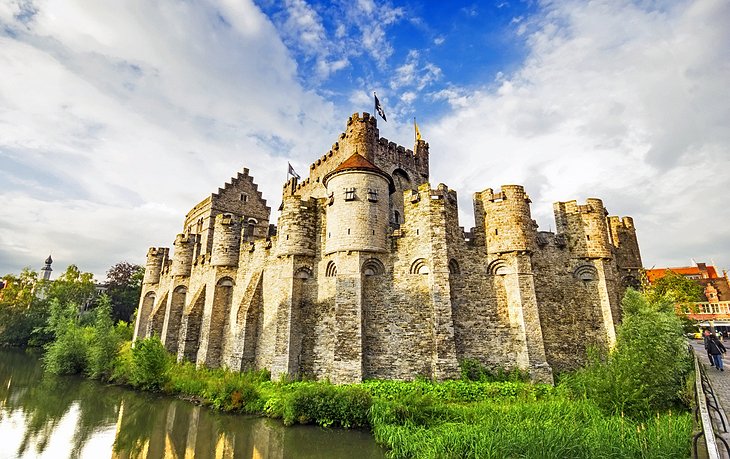
This hugely impressive fort was once the grand home of the counts of Flanders, who took their inspiration for castle-building from the bulky castles the Crusaders built in Syria.
Today, Gravensteen is one of Europe's best surviving examples of a moated fortress and has been incredibly well-preserved.
Its strong and impressively thick and high walls soar up from the waters of the river Lieve right in the middle of the old town of Ghent, rising above the rooftops of the surrounding streets.
Inside, the vast arched halls and chambers contain exhibits of medieval life, but it's the castle's architecture itself that is the real star of the show. Climb up the staircase to the roof for panoramic views across town before strolling through Ghent's charming stone-paved streets.
- Read More: Tourist Attractions in Ghent
Basilica of the Holy Blood, Bruges
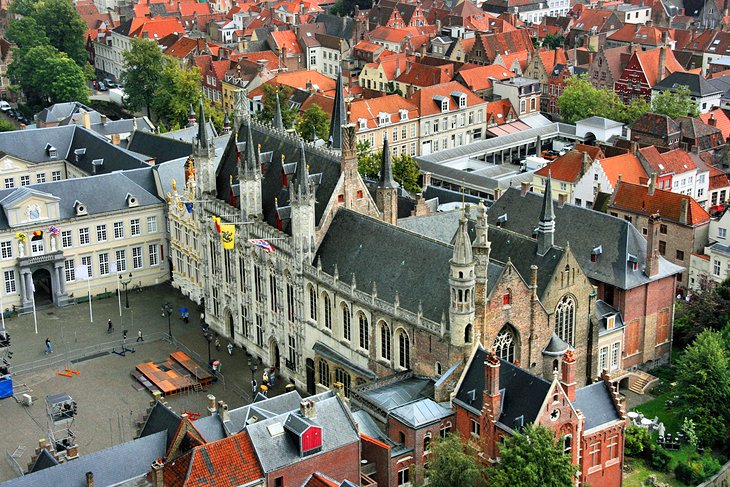
If you're only going to visit one church in Bruges make it this one. The Basilica of the Holy Blood is not only impressive for its blending of Romanesque and late Gothic architecture but also for the sacred relic kept inside.
The upper chapel is home to the famous vial for which the church takes its name; said to contain a drop of Jesus Christ's blood that was brought back to Belgium after the Second Crusade.
The interior of the church is a dazzling riot of gild work that was completed in the 16th century and provides ample reason for a visit even if you're not interested in holy relics.
- Read More: Tourist Attractions in Bruges
Meuse Valley
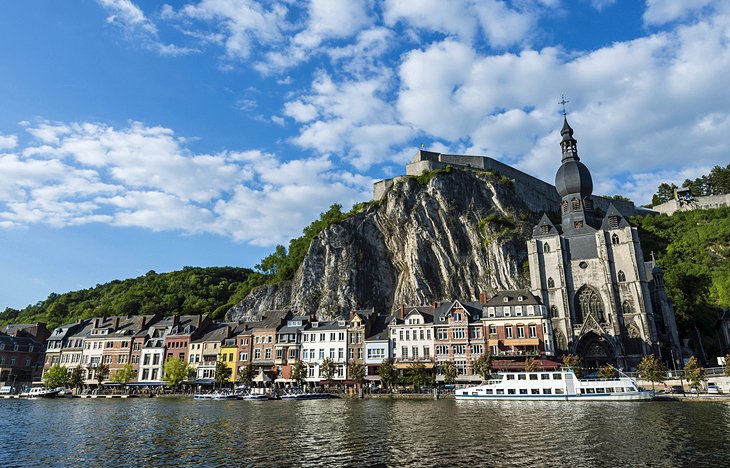
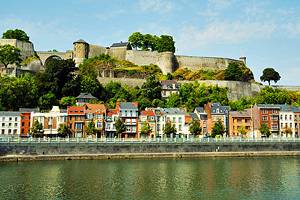
The Meuse Valley, south of Brussels, is one of the best places to get a feel for Belgium's rural heartland.
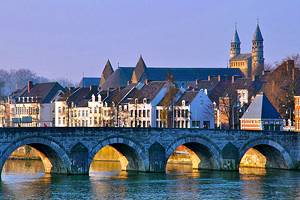
The Meuse River offers Belgium's most scenic river trip opportunities, with dense forest countryside interspersed with hilltop craggy castle and fortress ruins, and little waterfront towns backed by limestone cliffs.
Head to either the towns of Namur or Dinant. Both these small centers act as gateways to this region. For those seeking a deeper dive into military history and stunning vistas, the Citadel of Namur is one of Europe's largest fortresses, with extensive underground passages and panoramic views. Similarly, the Citadel of Dinant, perched dramatically above the town, offers a look at centuries of defense, complete with a cable car ride and an immersive World War I exhibit. From these towns, you can also plan your river trip.
The Meuse Valley is also home to a host of hiking and cycling trails for travelers who want to add some activities to their holiday.
Mechelen Old Town
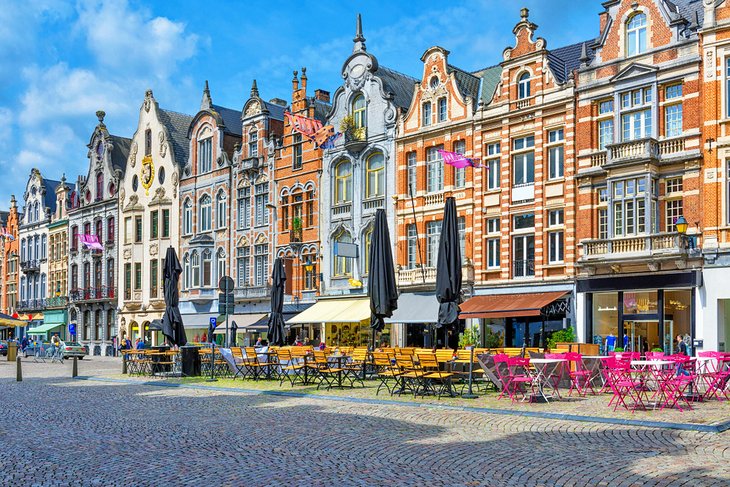
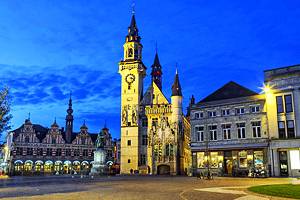
Its monuments may not be as famous as those in visitor favorite Bruges, but Mechelen's old town area is a great place to capture a sense of medieval Belgium, with plenty of gabled architecture and fine old buildings still in situ.
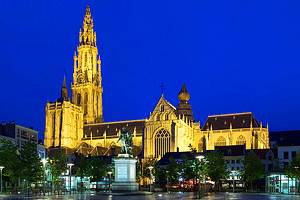
The central Grote Markt is bordered by some exceptionally fine buildings, including the Town Hall and Lakenhall, while the impressive Sint-Rombouts Cathedral with its tall clock tower rises up just behind.
Away from the main square, a stroll through the center will also reveal plenty of typical guild house architecture that history fans are sure to want to see.
- Read More: Tourist Attractions in Antwerp
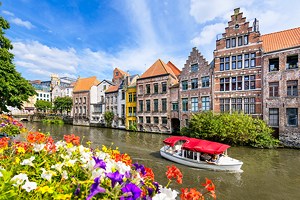
Ghent's Canals
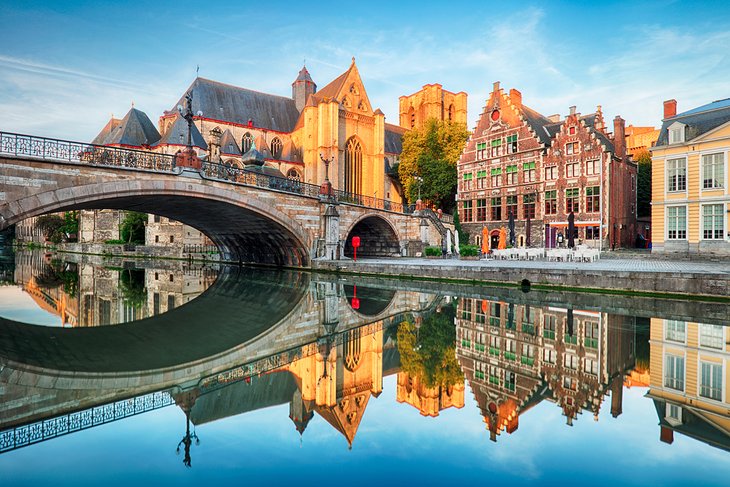
For easy sightseeing while in Ghent, simply take to the water.
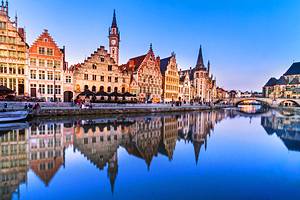
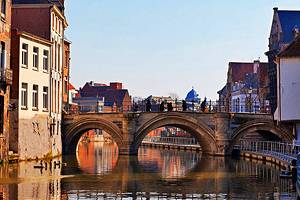
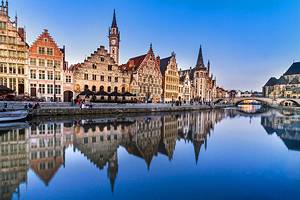
Several companies offer sightseeing trips (both public and private options) upon Ghent's waterways, which wind through the city's medieval old town district, passing by the famed guildhall facades that line the canals, its medieval harbor, and some of Ghent's monasteries and churches.
Most canal cruise options are either 40 minutes or one hour. Departures are regular throughout the day, from approximately March through November, with fewer departures during winter.
As well as the sightseeing cruises, a couple of companies offer kayak rental, so you can explore the canals at your own speed.
Waterloo
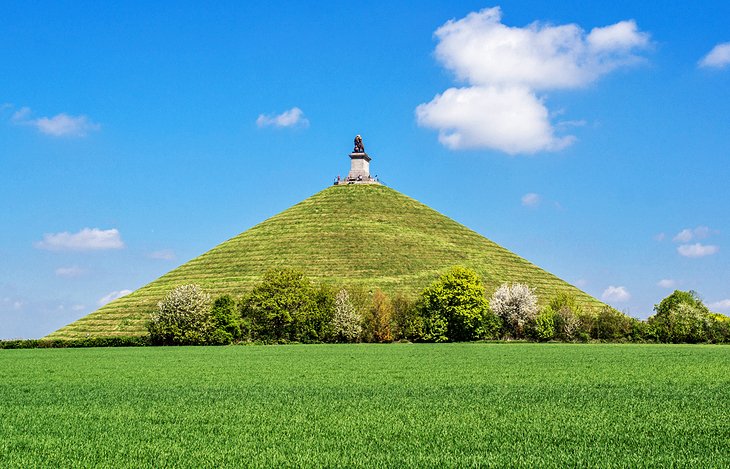
Yes, history fans, it is that Waterloo; the place where Napoleon was defeated in the famous battle.
Today, the countryside where the battle once roared is a bucolic landscape of agricultural fields, an artificial hill rises up from the surrounding flatlands with a memorial lion sculpture atop the summit; the iconic landmark known as Lion's Mound. It commemorates the day when Napoleon's army was finally stopped.
From the top, there are excellent views across the countryside. For anyone interested in the history of Belgium and of greater Europe, Waterloo remains an important stop on the itinerary.
Beyond Lion's Mound, you can explore the immersive Memorial 1815 museum, which recounts the events of the battle. Don't miss Hougoumont Farm, a pivotal stronghold whose defense by Allied forces was key to the outcome of the battle, and is now a compelling memorial in itself.
Grand Place (Grote Markt), Antwerp
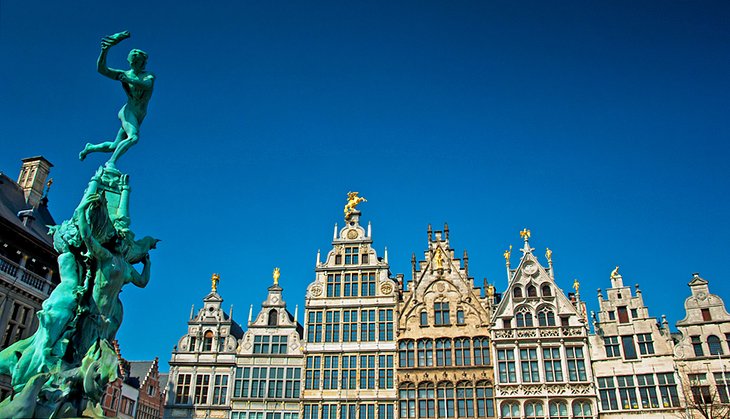
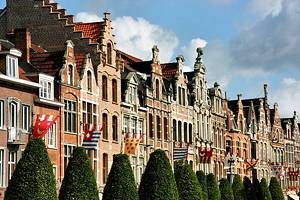
Right in the core of Antwerp, sits the town's wonderful Grand Place (also known as the Grote Markt), which contains some of Belgium's finest examples of guild house architecture with their typical steeple-roofed shape.
The Town Hall here is a well-preserved example of 16th-century construction, and the interior is worth viewing for its collection of paintings that show Antwerp's history.
The guild houses that still rim the plaza are the major reason to visit the Grote Markt.
Among the best facades are the Coopers' House and Grocers' House, but all of them are well-preserved examples of this Belgian style of architecture.
- Read More: Tourist Attractions in Antwerp
Semois Valley National Park
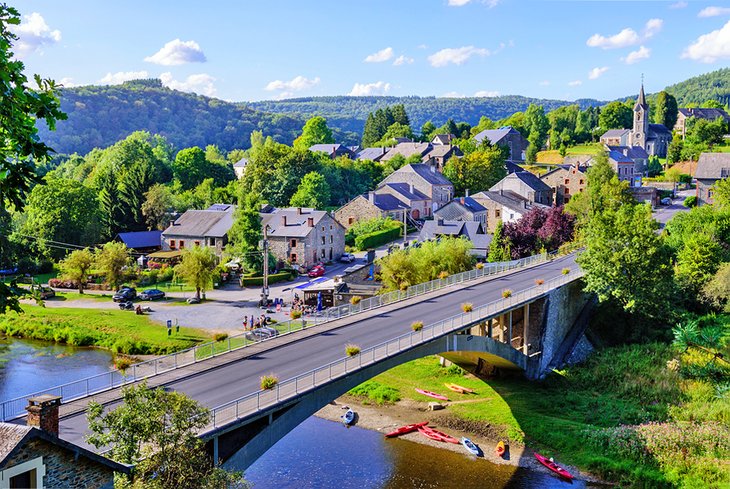
A nature-lover's delight, the Semois Valley provides a needed dose of lush countryside after all that historic rambling through Belgium's cities and towns. Semois Valley National Park was founded in 2022.
Here, in the southern corner of the country, the winding Semois River cuts through farmland overlooked by gently undulating forest-clad hills. It's Belgium's prime hiking territory and also a good place for riverboat trips following the sinuous curves of the river.
Villages such as Membre, Laforet, and Alle offer good accommodation options, from mid-range guesthouses to camping within the region.
To see the valley at its prettiest, come in spring, when the wildflowers bloom.
Mons Old Town
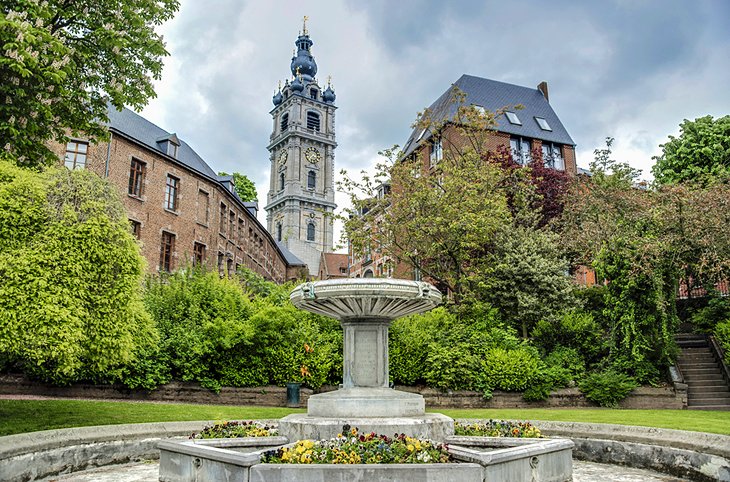
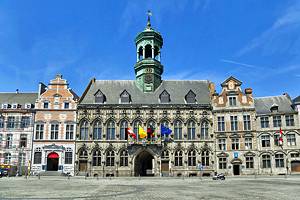
The old town of Mons is a delight to explore.
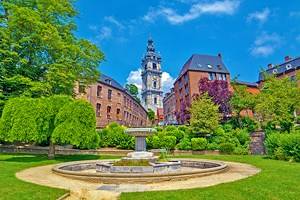
At the center is the Grand Place, a main square graced by a variety of typically ornate buildings that span a 400-year period, dating from between the 15th and 18th centuries, yet still retain a sense of symmetry.
In particular, the Toison d'Or House (1615) and the Chapel of St. George (1604) are architectural highpoints.
Away from the Grand Place, the old town hides many more sightseeing opportunities.
The UNESCO-listed bell tower on the hill above town and the Church of Sainte-Waudru with its interior crammed full of artistic and religious relics are two of the most important attractions.
- Read More: Tourist Attractions in Mons (Bergen)
St. Peter's Church, Leuven
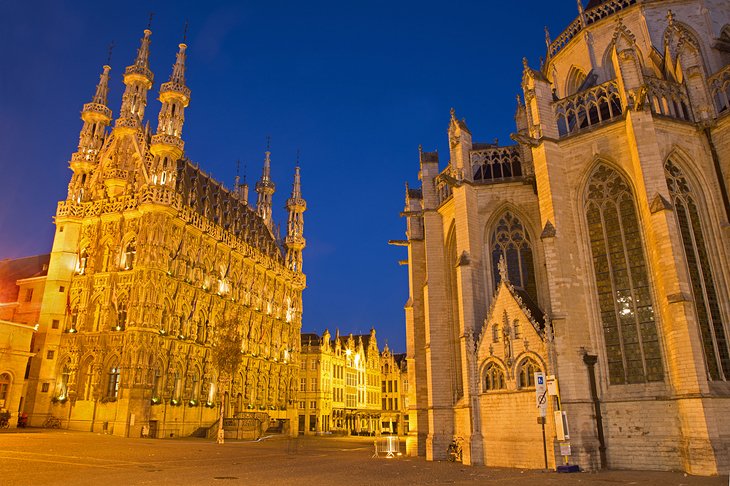
With its pointed arch windows and sheaf pillars, St. Peter's Church is one of Belgium's best preserved examples of Brabant Gothic style.
The church sits right in the heart of Leuven on the town's main square, or Grote Markt.
As well as the church's splendid 15th-century architecture, inside, art lovers will find an extra treat. The choir and the ambulatory are home to a museum dedicated to religious art, where some of the finest Flemish paintings illustrating biblical scenes are shown.
In particular, the Baroque carved pulpit and Dirk Bouts' painting of the Last Supper are worth a visit.
- Read More: Tourist Attractions in Leuven
Castle of Vêves
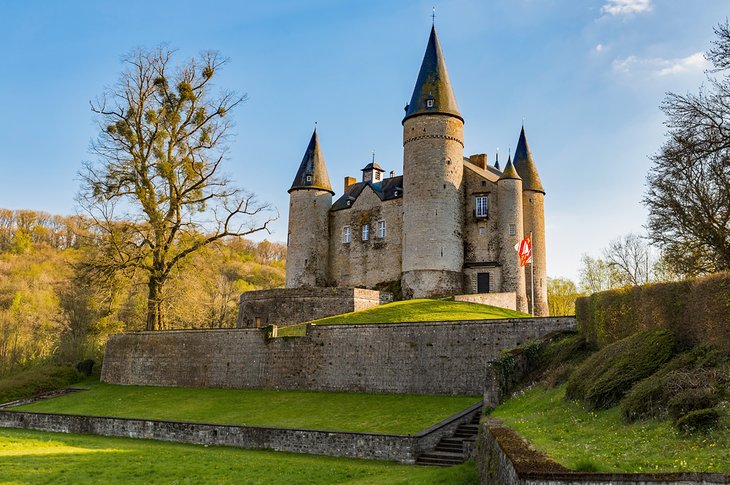
This fairy-tale-style medieval castle, flanked by round towers and with interiors decorated in a sumptuous 18th-century style, is one of the Namur province's top tourist attractions.
The architecture of the present-day Castle of Vêves (Château de Vêves) dates back to the 15th century, as the previous 12th-century castle was destroyed by fire. This hilltop position, though, which easily guarded the main route between Dinant and Rochefort, has been the site of a fortified building since 670 CE.
The castle is renowned as Belgium's most well-preserved example of medieval castle architecture.
The castle is on the edge of the village of Celles and is easily accessed from both Dinant and Namur. Remarkably, it has remained in the same family for over 800 years.
Official site: https://chateau-veves.be/en/
Raversyde Atlantikwall
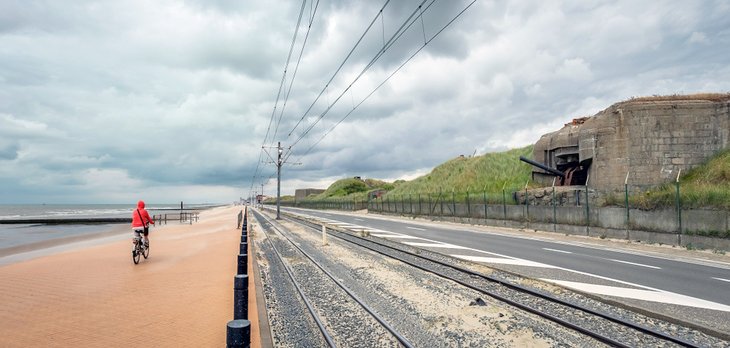
In Ostend, the historic site of Raversyde Atlantikwall is set amid a large nature park of woodland, grassland, and coastal dunes.
Inside is the Atlantikwall war bunker complex. It is one of the best preserved segments of the German defensive line, which ran along the coast of occupied Belgium during WWI and WWII.
The Atlantikwall complex here consists of the WWI Aachen Battery and the WWII Saltzwedel-neu Battery with a series of tunnels, passageways, and artillery positions set amid the coastal dunes.
Also within Raversyde Atlantikwall is the archaeological site of Anno 1465, which includes reconstructed houses from the medieval fishing village of Walraversijde and a museum about the history of the site.
Official site: www.raversyde.be
Cathedral of Saint Bavo, Ghent
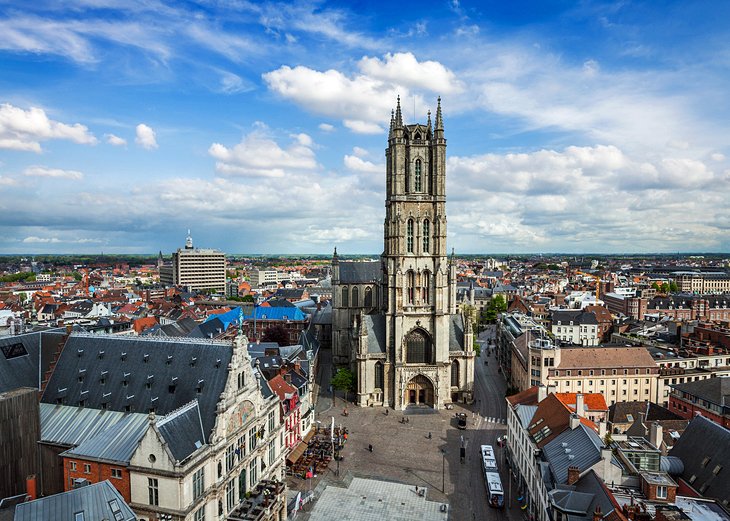
This majestic cathedral with its high Gothic choir and Romanesque crypt showcases the best of religious architecture in Belgium and is Ghent's most outstanding tourist attraction.
Although the soaring building, with its harmonious stained glass windows, is a highlight in itself, most people come here to see the famous artwork that graces the interior; specifically the Flemish masterpiece known as The Altar of Ghent.
Once you've viewed the painting though, don't miss the mammoth crypt under the cathedral, which contains important tombs and some beautiful wall paintings.
- Read More: Tourist Attractions in Ghent
Antwerp's Art Museums
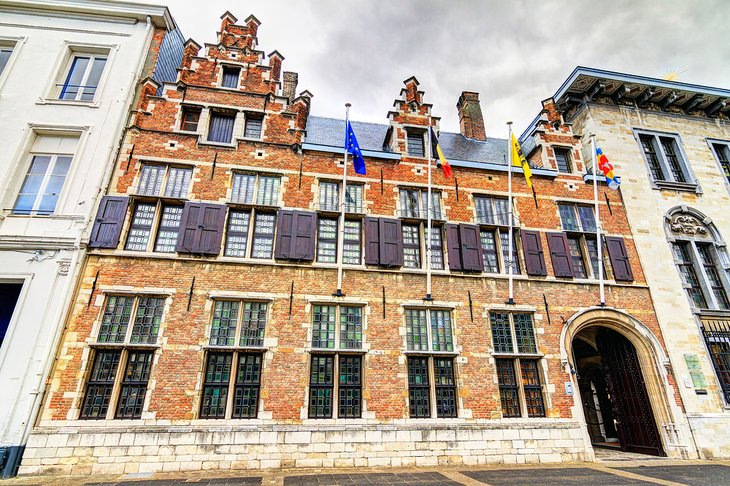
Once home to the acclaimed painter Peter Paul Rubens (1577-1640), the port city of Antwerp is a major destination for art fans.
The palazzo-style house where Rubens lived and worked from 1610 onwards is now the Rubenshuis museum, which contains both a large collection of paintings by the artist and exhibits on his life (which also included several stints of serving as a diplomat) and his artistic style.
The house is a tourist attraction itself with its tranquil manicured garden; courtyard; and ornate Italianate facade.
As well as the permanent Rubens collection, the Rubenshuis also hosts a program of temporary exhibits.
The Antwerp Museum of Modern Art is also in the city and holds a world-class collection of contemporary art from both Belgian and international artists.
Horta Museum and Town Houses
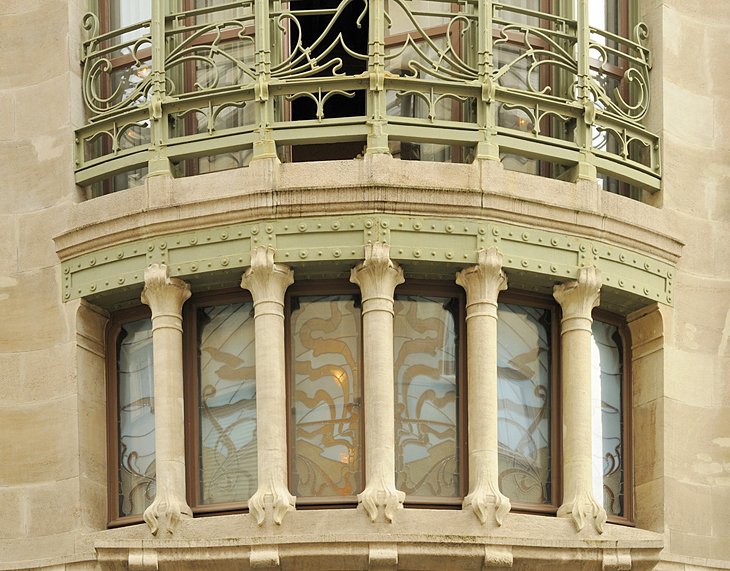
Victor Horta was the most influential architect and designer of the early 20th-century style known as Art Nouveau.
Several of his stunning buildings survive in Brussels and now constitute a UNESCO World Heritage Site.
Begin at the Horta Museum, located in his former home and studio, which has been preserved as he designed it, with the original stained glass, mosaics, woodwork, and decorations.
Horta was a pioneer in this artistic revolution that maximized and diffused natural light and incorporated themes from nature in its sinuous curves. Horta's aesthetic included attention to every detail of construction and decoration, from the design of the house to its furniture and even the decoration on hinges and doorknobs.
The two joined buildings of his house and studio show Art Nouveau at its height, and his four major town houses – Hôtel Tassel, Hôtel Solvay, Hôtel van Eetvelde, and Maison & Atelier Horta – are also included in the UNESCO site.
Address: 23-25 rue Américaine, Saint-Gilles, Brussels
Official site: www.hortamuseum.be/en