Tourist Attractions in Kenya
Kenya — the name is almost synonymous with the word "safari." Few other places on the planet conjure such a spirit of adventure and romance. The diversity of tourist attractions in Kenya dazzles all who visit, and viewing the country's abundant wildlife tops the list of things to do.
See throngs of wildebeest thundering across the savanna during the Great Migration in the Maasai Mara; come eye-to-eye with elephants in Amboseli; or marvel at Lake Nakuru, flecked with thousands of flamingos. In these sun-soaked lands, ancient tribes, such as the Maasai, Kikuyu, and Samburu, retain their traditional customs, living in relative harmony with the natural world.
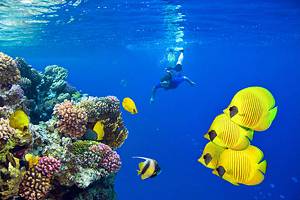
Beyond the world-famous safari parks lies a trove of coastal treasures. You can snorkel and dive fish-rich coral reefs, relax on pearly beaches, experience the melting pot of cultures and cuisines in Mombasa and Malindi, and explore tropical islands steeped in Swahili history.
Topographically, Kenya is stunning. Surrounded by calderas and mountain ranges, the Great Rift Valley divides the country. To the east of this sweeping valley, you can climb the peaks of Mount Kenya and fish for trout in crystal-clear streams. Hell's Gate National Park harbors obsidian caves, and hisses with natural geysers and hot springs.
To experience Kenya's colorful colonial history, captured in the film Out of Africa, head to Nairobi. Discover more places to visit in this fascinating country with our list of the top tourist attractions in Kenya.
Maasai Mara National Reserve
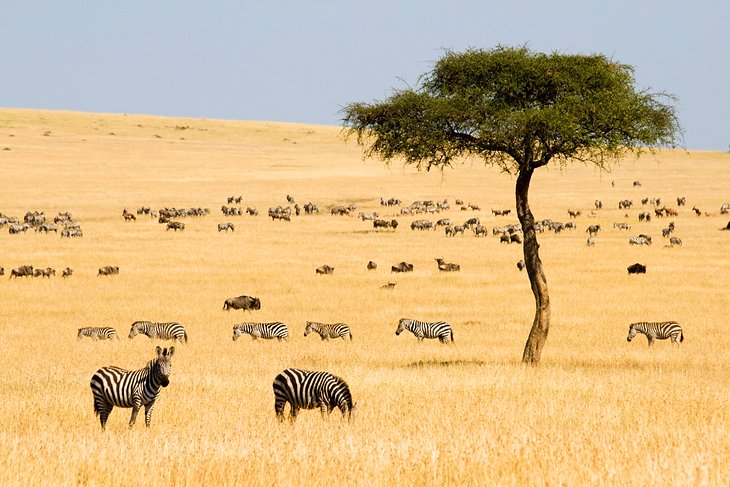
Maasai Mara National Reserve (also "Masai Mara") is one of Africa's most magnificent game reserves. Bordering Tanzania, the Mara is the northern extension of the Serengeti and forms a wildlife corridor between the two countries.
It's named after the statuesque, red-cloaked Maasai people who live in the park and graze their animals here, as they have done for centuries. In their language, Mara means "mottled," perhaps a reference to the play of light and shadow from the acacia trees and cloud-studded skies on the vast grasslands.
The park is famous for the Great Migration, when thousands of wildebeest, zebra, and Thomson's gazelle travel to and from the Serengeti, from July through October.
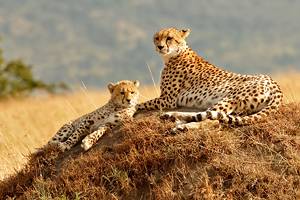
In the Mara River, throngs of hippos and crocodiles lurk. The park is also known for providing excellent predator sightings, thanks to its relatively large populations of lion, cheetah, and leopard - especially in the dry months from December through February.
Thanks to the park's altitude, the weather here is mild and gentle year-round.
Amboseli National Reserve
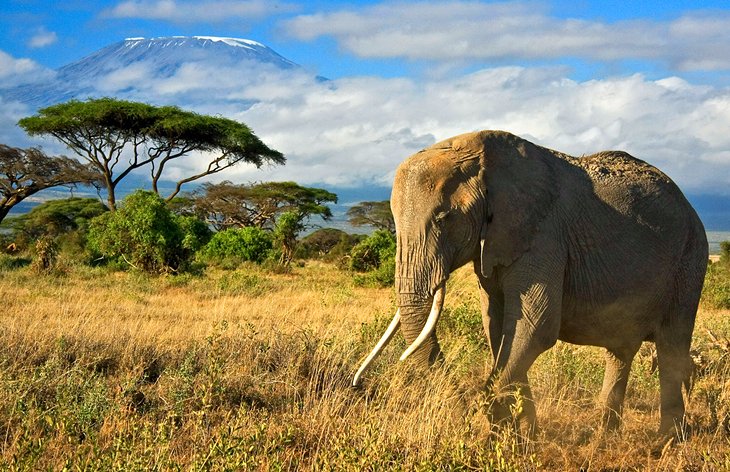
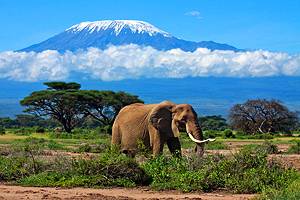
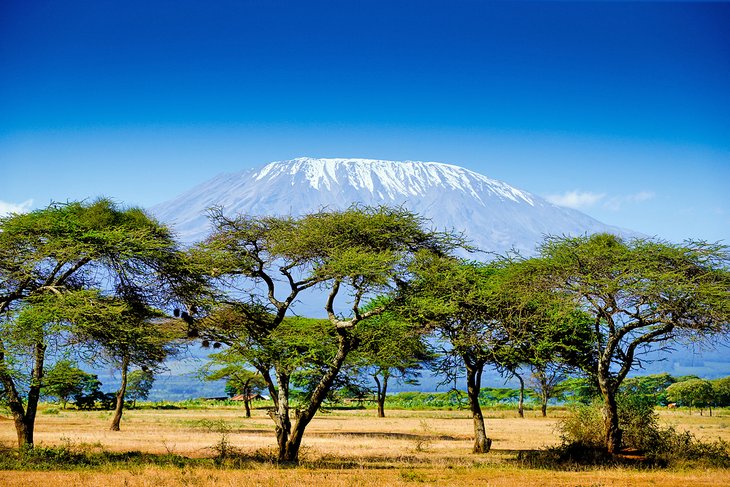
Crowned by Mount Kilimanjaro, Africa's highest peak, Amboseli National Reserve is one of Kenya's most popular tourist parks. The name "Amboseli" comes from a Maasai word meaning "salty dust," an apt description for the park's parched conditions.
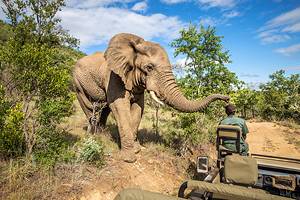
The reserve is one of the best places in Africa to view large herds of elephants up close. Other wildlife commonly spotted in the park includes big cats, such as lion and cheetah, as well as giraffe, impala, eland, waterbuck, gazelle, and more than 600 species of birds.
Nature lovers can explore five different habitats here, ranging from the dried-up bed of Lake Amboseli, wetlands with sulfur springs, savannah, and woodlands. Look for the local Maasai people who live in the area around the park.
Tsavo National Park
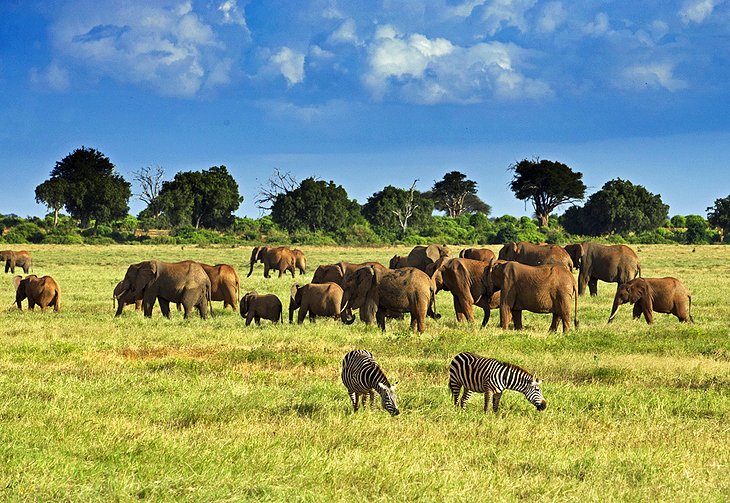
Kenya's largest park, Tsavo, is sliced in two: Tsavo West and Tsavo East. Together these parks comprise four percent of the country's total area and encompass rivers, waterfalls, savannah, volcanic hills, a massive lava-rock plateau, and an impressive diversity of wildlife.
Midway between Nairobi and Mombasa, Tsavo East is famous for photo-worthy sightings of large elephant herds rolling and bathing in red dust. The palm-fringed Galana River twists through the park, providing excellent game viewing and a lush counterpoint to the arid plains.
Other highlights here include the Yatta Plateau, the world's longest lava flow; Mudanda Rock; and the Lugard Falls, which spill into rapids and crocodile-filled pools.
Tsavo West is wetter and topographically more varied, with some of the most beautiful scenery in the northern reaches of the park. Highlights here are Mzima Springs, a series of natural springs with large populations of hippos and crocodiles; Chaimu Crater, a great spot for seeing birds of prey; and Ngulia Rhino Sanctuary.
Wildlife is not as easy to see in Tsavo West because of the denser vegetation, but the beautiful scenery more than compensates.
Samburu, Buffalo Springs, and Shaba National Reserves
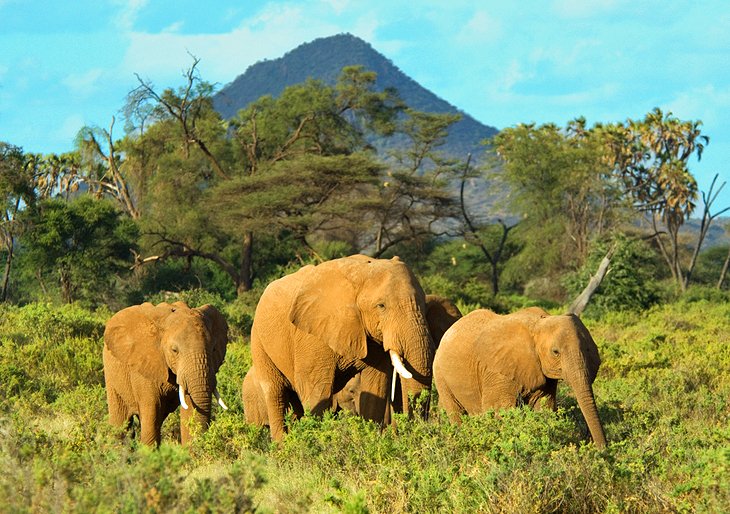
On the banks of the palm-lined Ewaso Nyiro River, Samburu, Buffalo Springs, and Shaba Reserves lie in an arid region in the remote north of Kenya.
Shaba National Reserve is one of two areas where George and Joy Adamson raised Elsa the lioness, made famous in the film Born Free.
The wildlife in all three reserves depends on the waters of the river to survive, and many species are specially adapted to the parched conditions. These include Grevy's zebras; Somali ostriches; and gerenuks, the long-necked antelope that stand on two rear legs to reach the fresh shoots on upper tree limbs.
A top attraction in Samburu National Reserve are the Sarara Singing Wells, local watering holes where Samburu warriors sing traditional songs while hauling water for their cattle to drink. You might also be rewarded with sightings of big cats and wild dogs.
Lake Nakuru National Park
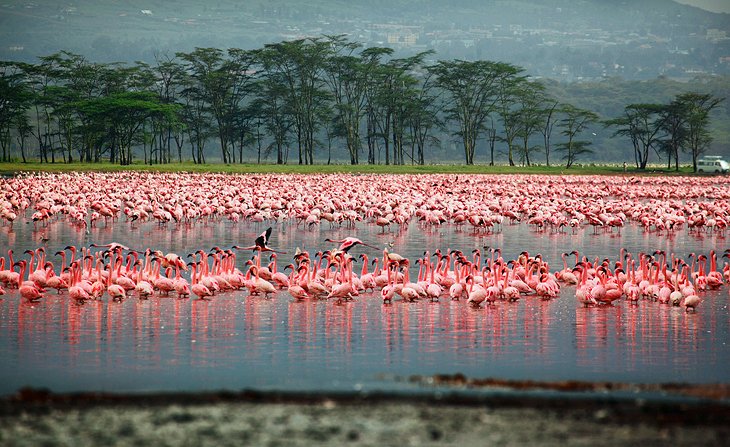
Lake Nakuru National Park, in Central Kenya, is famous for its huge flocks of pink flamingos. The birds throng on Lake Nakuru itself, one of the Rift Valley soda lakes that covers almost a third of the park's area.
The park was established in 1961, and more than 450 species of birds have been recorded here, as well as a rich diversity of other wildlife. Lions, leopards, warthogs, waterbucks, pythons, and white rhinos are just some of the animals you might see, and the landscapes range from sweeping grasslands bordering the lake to rocky cliffs and woodland.
The park also protects the largest euphorbia candelabrum forest in Africa. These tall, branching succulents are endemic to the region and provide a bold textural element to the arid landscapes.
Read More: Lakes in Africa
Lamu Island
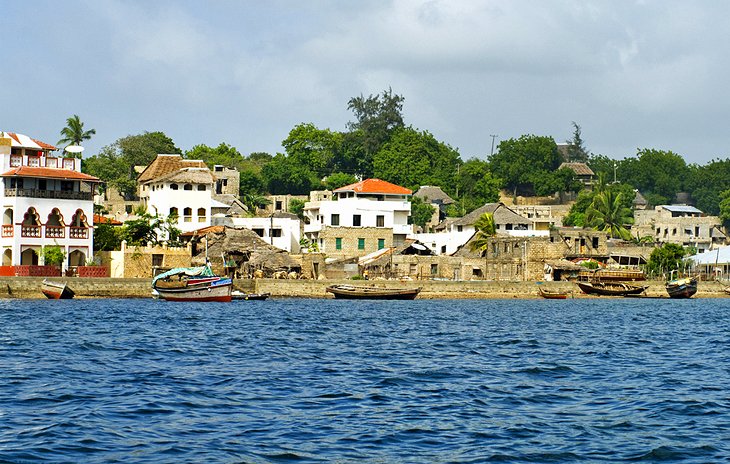
The small island of Lamu, northeast of Mombasa, oozes old-world charm. A UNESCO World Heritage Site, Lamu Old Town is Kenya's oldest continually inhabited settlement, with origins dating back to the 12th century.
Strolling the labyrinthine streets is one of the top things to do here. You can see the island's rich trading history reflected in the buildings. Architectural features from the Arab world, Europe, and India are evident, yet with a discernible Swahili technique. Intricately carved wooden doors, coral stone buildings, hidden courtyards, verandas, and rooftop patios are common features.
Sightseeing here is like stepping back in time. Dhows plow the harbor, few if any motorized vehicles exist here, and donkeys still rule the streets as they have done for centuries. Most of Lamu's population is Muslim, and both men and women dress in traditional attire.
Top attractions on the island include Lamu Museum, with displays on Swahili culture and the region's nautical history; Lamu Fort; and the Donkey Sanctuary.
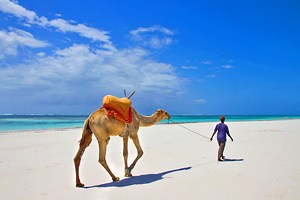
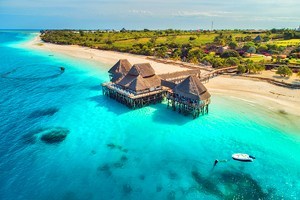
Lamu Island is also home to Shela Beach, one of the best beaches in Africa. You can bask in the sun or plan for more adventure. Over the past number of years, the island has become a hot spot for kitesurfing. Wide-open spaces with little kite traffic and shallow warm water is perfect for learning near the village of Shela.
Lake Naivasha
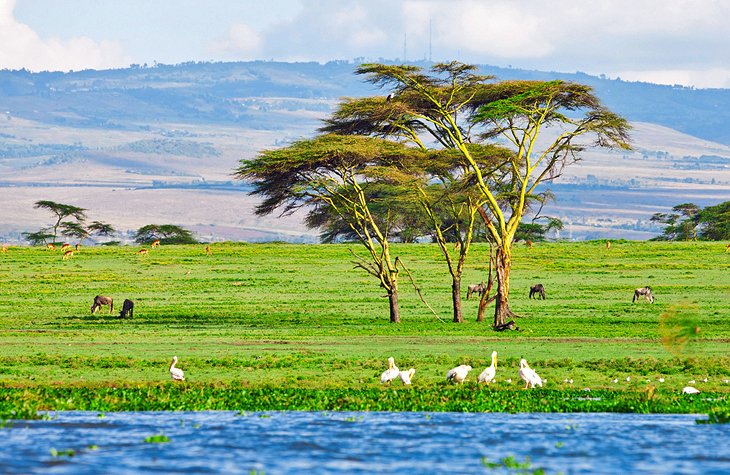
A haven for birders, Lake Naivasha lies at the highest point of the Great Rift Valley. More than 400 species of birds have been spotted here, including African fish eagles, jacanas, white-fronted bee-eaters, and several species of kingfishers.
One of the best ways to view the wildlife is by boat. Hippos slosh in the water, and giraffes, zebras, buffaloes, and eland graze around the edges of the lake. Keep a lookout for colobus monkeys in the canopies, too.
Near Lake Naivasha, the Crater Lake Game Sanctuary features a wildlife-rich nature trail.
Just south of Lake Naivasha, the relatively affordable Hell's Gate National Park protects a wide variety of wildlife and offers excellent climbing opportunities, with two extinct volcanoes and the red cliffs of Hell's Gate Gorge.
On the southern shore of Lake Naivasha, you can pop in for a cup of tea at the Elsamere Conservation Centre, the former home of the late Joy Adamson, author of Born Free, and her husband George.
Note that Lake Naivasha has been known to shrink considerably in times of extreme drought, and a flourishing floriculture industry in the area is also impacting water levels and quality. But the lake is typically lush and full of life.
Nairobi
If you're looking for things to do in Kenya other than a safari, you'll have plenty of choices in the country's capital and largest city. Nairobi is legendary for its colorful colonial history. It was once the capital of British East Africa, luring settlers who came here to stake their fortune in the coffee and tea industries. Today, you can explore the city's famous historic sites and excellent wildlife-related attractions.
Craving some cultural attractions in Kenya? You'll find several worthwhile places to visit in Nairobi. The Nairobi National Museum is a great one-stop spot to see exhibits on Kenya's history, nature, culture, and contemporary art. Green thumbs will also enjoy the botanic gardens on the grounds.
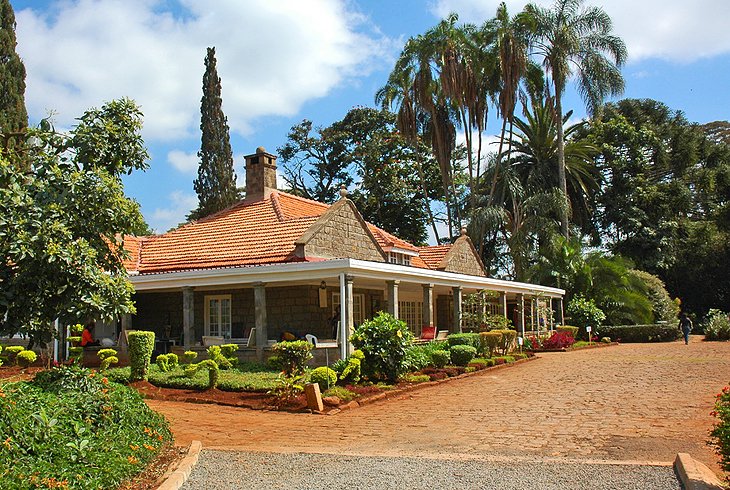
Another popular tourist attraction is the Karen Blixen Museum, the restored residence of the famous Danish author of the book Out of Africa, also known by her pen name, Isak Dinesen.
To see wildlife without venturing far from the city center, visit Nairobi National Park, now a black rhino sanctuary and also home to a diversity of other African wildlife.
Read More: Cities in Africa
Nairobi National Park
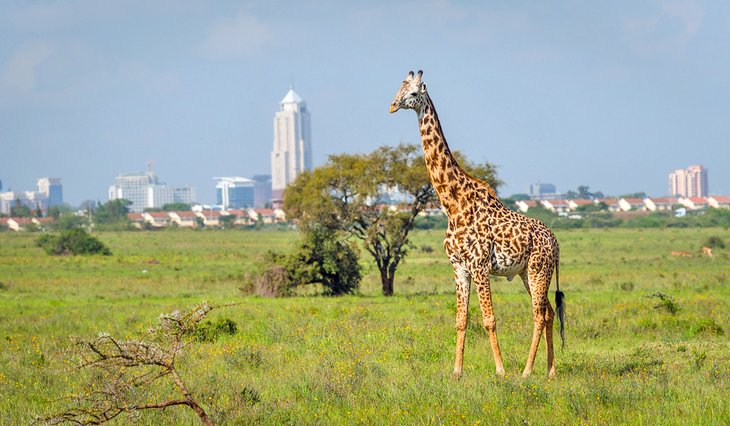
Who says you need to go far from Nairobi to enjoy a safari? A mere 15-minute drive from the clamor of Kenya's capital, you can gaze at a snoozing pride of lions or a graceful giraffe strutting through the golden grass at Nairobi National Park.
Visiting this wildlife-rich park is one of the top things to do if you're staying in Nairobi, and it makes a rewarding day trip - especially if you can't make it to one of the larger game reserves.
All the classic safari stars here, including buffalo, leopard, zebras, wildebeest, hippos, elephants, and cheetah, and you can also see some of the planet's most endangered species at the park's rhino sanctuary.
The Nairobi Safari Walk provides a rewarding opportunity to spot wildlife on foot, and birders will be happy to know that more than 400 species of birds also inhabit the park, including the beautiful grey crowned crane.
And no visit to the park would be complete without popping into the David Sheldrick Wildlife Trust Elephant Nursery at the park's main gates.
Official site: http://www.kws.go.ke/parks/nairobi-national-park
David Sheldrick Wildlife Trust Elephant Nursery
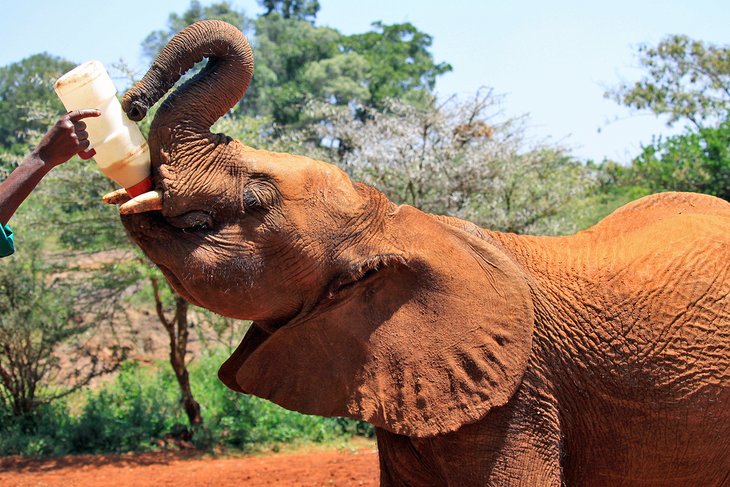
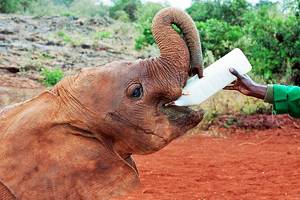
Who can resist a baby elephant? At the David Sheldrick Wildlife Trust, you can mingle with impossibly cute baby pachyderms and feel good about supporting an important conservation organization at the same time.
This famous wildlife sanctuary rescues and rehabilitates orphaned elephants and offers you the chance to see these lovable creatures up close. This is where the youngest elephants are hand-reared until about two or three years of age, and you can watch the keepers bottle-feed the babies.
From the sanctuary, staff relocate the elephants to a reintegration center in Tsavo East National Park before they are eventually released back into the wild.
Watching these playful pint-sized pachyderms wallow in the mud or nudge a soccer ball around is something you will never forget. If you want to do more to help these magnificent animals, consider adopting an orphaned elephant, giraffe, or rhino before you go, and you'll receive regular updates on its progress.
Conveniently, the nursery sits right at the main gates of Nairobi National Park, so you can visit both of these famous tourist attractions in the same day.
Giraffe Centre
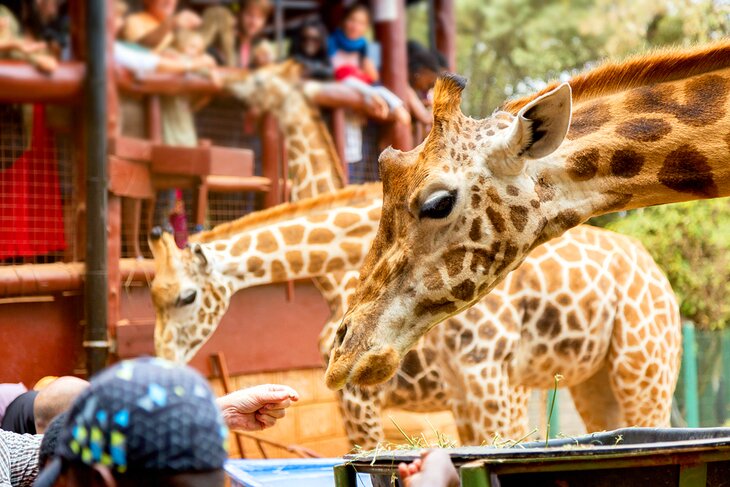
Located near the David Sheldrick Wildlife Trust Elephant Nursery, the Giraffe Center is a must-visit attraction near Nairobi National Park. The center is devoted to the rehabilitation and reintroduction of the Rothschild Giraffe to the wildlife parks of Kenya. As part of a visit, the staff explain their work during a 15- to 20-minute overview.
A visit here allows you to get up close and personal with these gentle giants. Equipped with your very own bowl of giraffe food, you'll be able to feed these curious creatures. The feeding area is on a raised platform, which puts you close to head height of the giraffes, who will stoop down slightly and extend their giant blackish, grey tongues to scoop up what you have on offer.
Although perhaps not as beautiful as the giraffes, several warthogs also roam the property and are also willing to eat the giraffe food should you be inclined to share with them.
Malindi
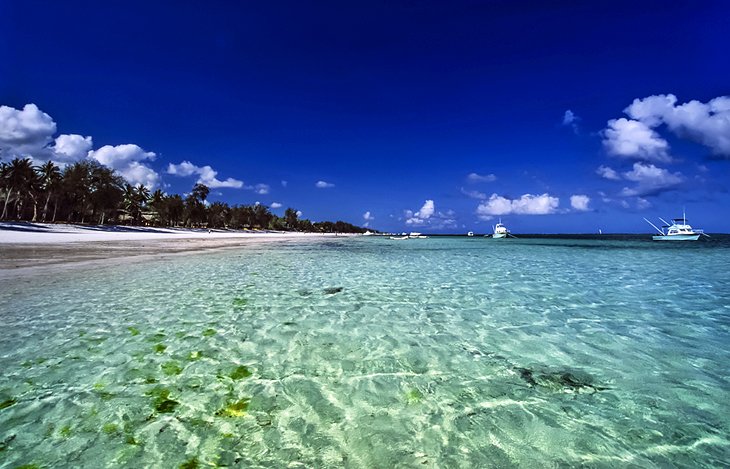
North of Mombasa on the Kenyan coast, Malindi has a split personality. This popular beach town is part historic old town, part modern tourist hub. Thanks to its rich trading history, it is also a melting pot of cultures and cuisines.
Travelers, many from Europe, come here to sun on the white sands of Watamu Beach and dive the coral reefs of the Malindi and Watamu Marine National Parks. If you're looking for free things to do in Kenya, you can do worse than bask on a beautiful Malindi Beach.
You can also soak up a dose of Swahili history in the historic town, which dates from the 12th century. Here, you can visit the Jami Mosque; two pillar tombs from the 14th century; and the Church of St. Francis Xavier, one of East Africa's oldest churches.
On the promontory, the Vasco De Gama Cross is one of the oldest standing monuments in Africa.
Another popular tourist attraction is the Falconry of Kenya, a rehabilitation center for sick and injured birds.
Also worth visiting, about 30 kilometers northeast of Malindi is the Marafa Depression. Also called Hell's Kitchen or Nyari this set of sandstone gorges sculpted by the wind and rain is like a mini Grand Canyon.
Mombasa
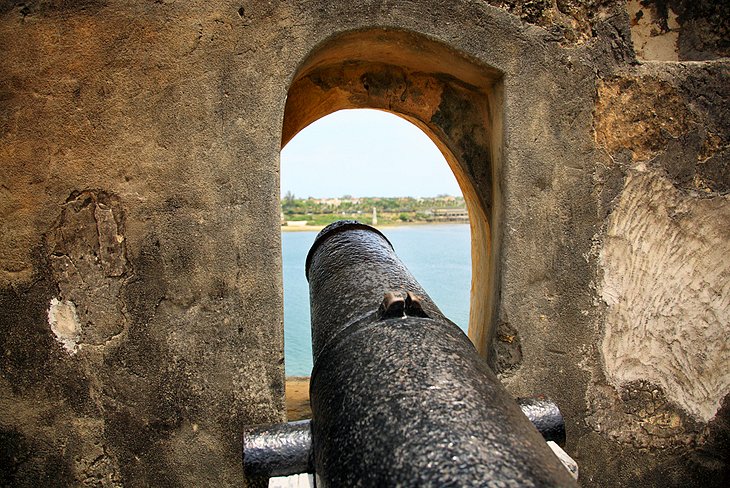
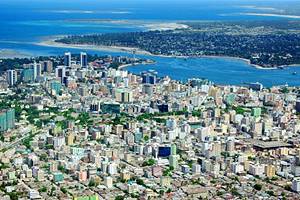
Mombasa is a multicultural tourist magnet. It's also Kenya's second largest city and biggest port. British, Portuguese, Arab, Indian, and Asian immigrants add to the rich cultural mix, and their influence is evident in the architecture, as well as the many different types of cuisine.
Mombasa is actually an island connected to its mushrooming development on the mainland by a causeway, bridges, and ferries. Coral reefs fringe the coast for 480 kilometers, providing fantastic snorkeling and diving opportunities, especially at Mombasa Marine National Park and around Wasini Island. Dolphin watching and deep-sea fishing are also popular things to do in Mombasa.
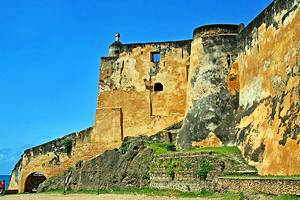
You'll find plenty of tourist attractions along the Kenyan coast here. History buffs will enjoy exploring the 16th-century Fort Jesus and Old Town with its narrow streets, ancient Swahili dwellings, markets, and souvenir shops.
Other Mombasa tourist attractions cram the city's north shore, including Mombasa Go-Kart, cinemas, sports, and a cornucopia of restaurants.
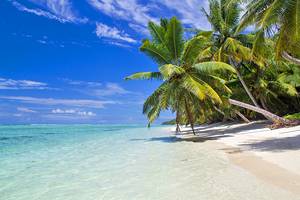
This being a coastal hub, beach lovers will find some worthy strands nearby. North of the city, Nyali and Bamburi Beaches are favorites, while the white strands of Shelly, Tiwi, and Diani Beaches are popular spots south of Mombasa.
Mount Kenya National Park
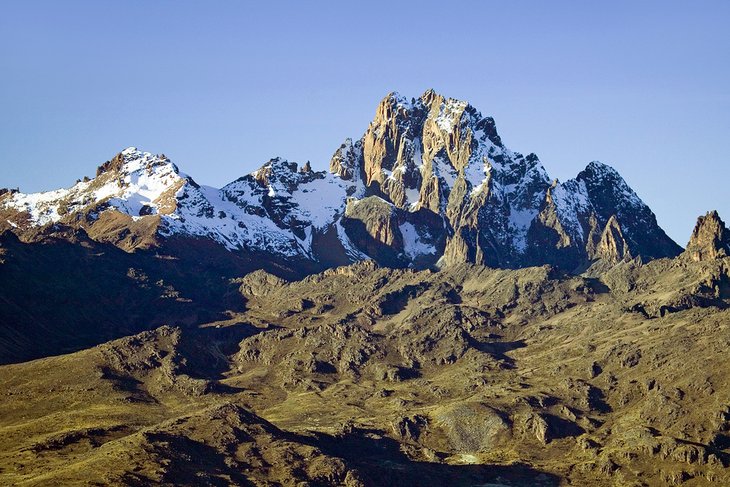
In the Central Highlands, east of the Great Rift Valley, Mount Kenya National Park is a UNESCO World Heritage Site that provides the rare spectacle of equatorial snow. It encompasses the country's namesake highest mountain at 5,199 meters.
Formed by a series of volcanic eruptions, Mount Kenya is actually comprised of three glacier-cloaked peaks. The highest is Batian, although Nelion, the next highest, is a tougher climb. The lowest peak, Lenana, is considered the easiest climb, although unpredictable weather can pose challenges.
Bring your camera. The striking scenery varies from glaciers, lakes, and mineral springs to alpine forest and dense pockets of bamboo.
The diversity of flora and fauna provides rewarding opportunities for safaris. Among the wildlife here, you may spot black and white colobus monkeys, buffalo, elephant, tree hyrax, leopard, and hyena.
Planning to spend a few days here? Nestled in the foothills, the famous Fairmont Mount Kenya Safari Club is a luxury retreat with trout fishing, golf, and tennis.
Hell's Gate National Park
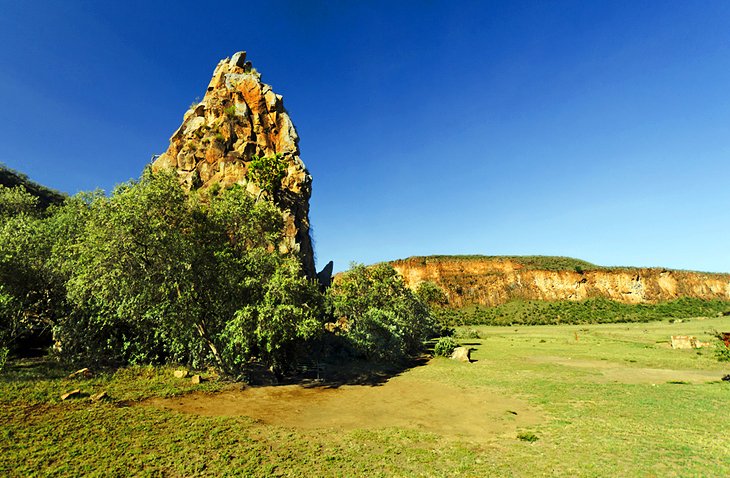
A hot spot for climbers, Hell's Gate National Park is one of the few parks in Kenya that allows camping and enables you to explore on foot or bicycle.
Hell's Gate offers excellent climbing and hiking opportunities, with two extinct volcanoes; the red cliffs of Hell's Gate Gorge; ObsidianCaves; and the pointed column of rock known as Fischer's Tower, a former volcanic plug.
Geothermal features include hot springs and natural geysers hissing steam through vents in the earth's crust. The park also protects a wide variety of wildlife, including leopards, baboons, hartebeest, eland, ostriches, gazelles, and more than 100 species of birds. Eagle and vulture breeding grounds also lie within the park.
The Oloor Karia Maasai Cultural Centre within the park is also worth a visit, with Maasai singing, dancing, and jewelry-making demonstrations.
Interestingly, Olkaria Geothermal Station lies within Hell's Gate National Park. It generates power from heated, pressurized water underground and is the first of its kind in Africa.
Ol Pejeta Conservancy
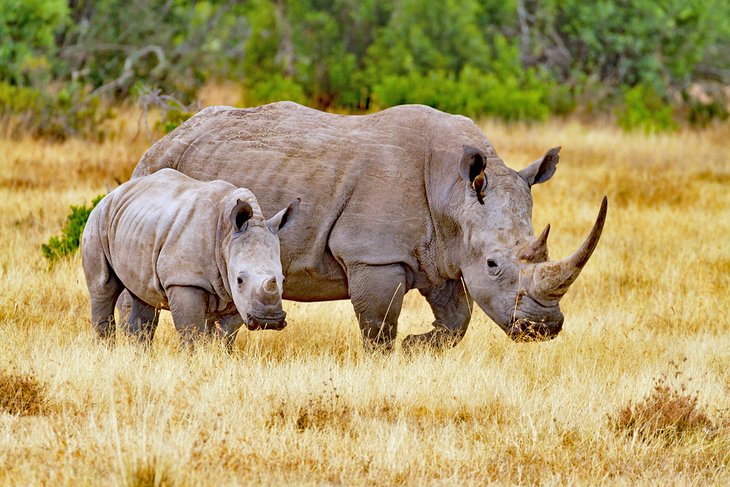
About 200 kilometers north of Nairobi, near Mount Kenya National Park, Ol Pejeta Conservancy is a prime place for close-up wildlife encounters.
Conservation and sustainability are key at this 90,000-acre private game reserve, where you can view the Big Five (lion, leopard, rhino, elephant, and buffalo), as well as other animals such as cheetah, hyenas, zebra, and hartebeest - all set against the breathtaking backdrop of snowcapped Mount Kenya.
The conservancy is perhaps best known for its northern and southern white rhinos, including Baraka, a blind black rhino, who lucky visitors might have the chance to feed.
You can view the wildlife on self-drive or guided tours, and entry includes a visit to the chimpanzee sanctuary. Day visitors are welcome, and if you want to extend your wilderness adventure, you can stay overnight in accommodations that range from bush camps and safari cottages to a charming colonial ranch house.
Official site: http://www.olpejetaconservancy.org/