Attractions & Things to Do in St. Andrews
St. Andrews in Scotland is best known as the home of golf. It was here in 1754 that the world famous Royal and Ancient Golf Club was founded, and every two years, the world famous British Open is held at one of St. Andrews' seven courses.
St. Andrews is the key town on the Fife Peninsula, an area of land extending from the broad Forth Estuary in the south to the Firth of Tay in the north. Where once the Picts held sway and where trade with the Friesians, Flemings, and Normans flourished in the Middle Ages, tourists — in particular, golfers — now keep the locals busy year-round.
In addition to its reputation for great golf, this picturesque little town also boasts numerous historic buildings, including Scotland's oldest university, which are well worth exploring. And given its location in relation to Scotland's major airports — it's just 50 kilometers northeast of the capital of Edinburgh — it's easy to get to and makes for an ideal day trip for any Scotland travel itinerary.
St. Andrews is also surprisingly popular for its excellent beaches, widely regarded as some of the best beaches in Scotland. These include the lovely West Sands Beach, a pristine two-mile stretch of sand and dunes that backs onto the Royal and Ancient Golf Club of St. Andrews.
Whatever you intend to do when you get here, plan your sightseeing adventures in this beautiful part of Scotland with our list of the top things to do in St. Andrews.
Play a Round on St. Andrews Links Golf Courses
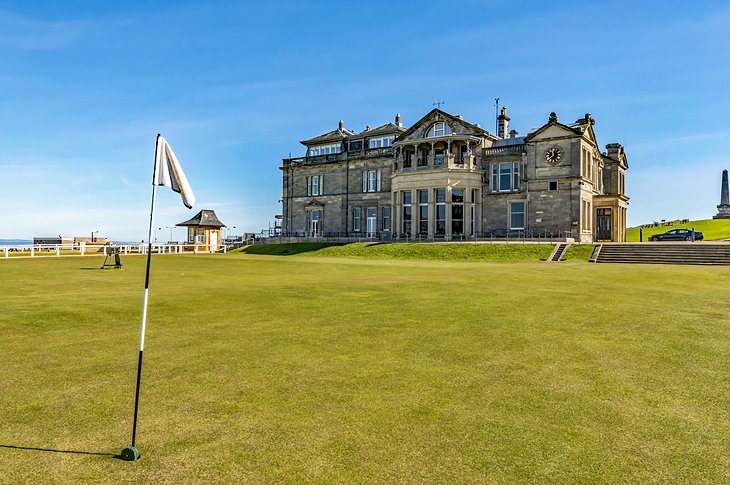
Thanks largely to its golfing heritage, St. Andrews has for decades been one of Scotland's most important tourist and sporting destinations. The modern version of golf as we know it was in fact invented here in the 15th century, so it's not surprising that the area should also be home to the world's oldest golf club: the much revered Royal and Ancient Golf Club of St. Andrews, established in 1750.
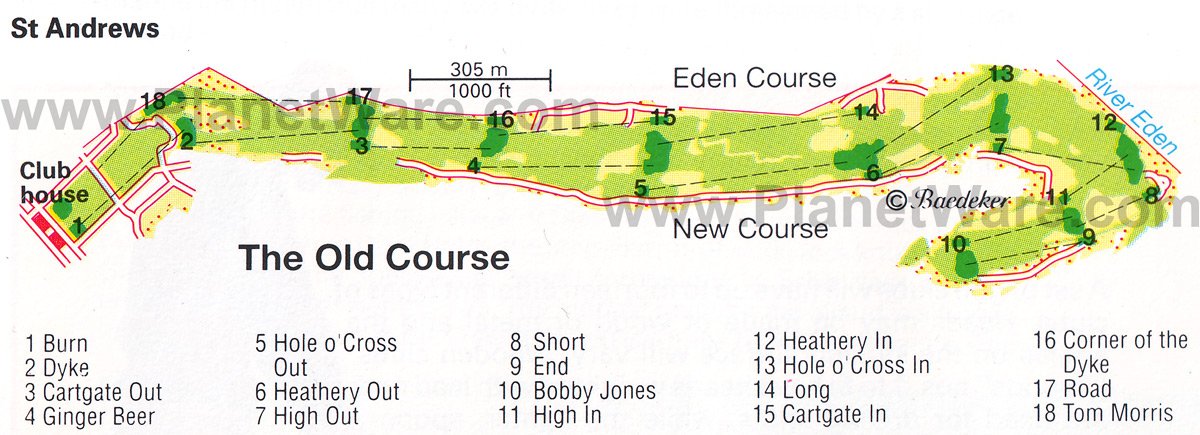
While the club's members have access to the course it overlooks, St. Andrews' seven famous courses are in fact owned and operated by the non-profit St. Andrews Links. It's this group that also manages the best-known of the St. Andrews links courses, the famous Old Course, the oldest golf course in the world.
Although the sport has been played here since the early 1400s, it wasn't until the mid 18th century that it was established as a par-72, 18-hole course. It's this format that has since become the norm. The course remains open to the public, though due to its immense popularity, advance booking is advisable.
Address: Beach House, Golf Place, St. Andrews, Fife, Scotland
Official site: www.standrews.com
Learn about the Golf Greats at the British Golf Museum
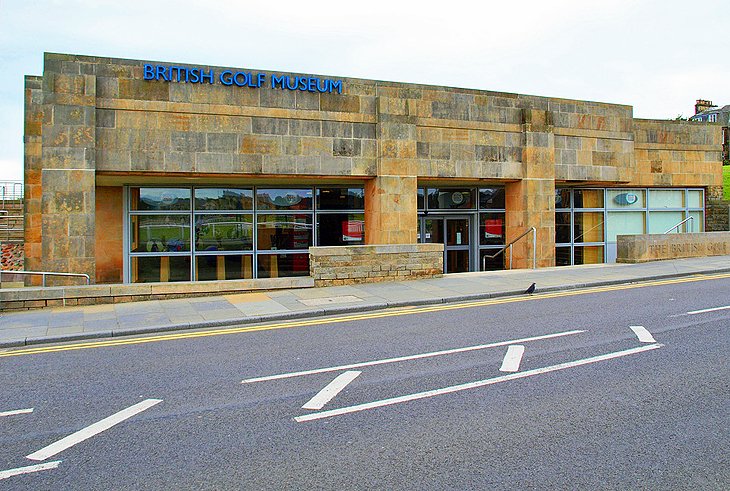
Golfing enthusiasts shouldn't skip the British Golf Museum while in St. Andrews. Visiting this fascinating tourist attraction is one of the most popular things for golfers to do in St. Andrews (apart from spending time on the links, of course). It documents the history of the sport from the Middle Ages to the present day.
As well as its many interesting historic exhibits, the museum shows the development of the sport's equipment — in particular the golf ball and golf clubs — as well as the game's rules and techniques. Detailed information is also provided on famous championships and golfing celebrities, including Old Tom Morris and his son Tom Morris Jr., both of whom won the Open four times each in the 1800s. It also shares the remarkable Lady Margaret Scott, a three-time Ladies Champion in the late 19th century.
The museum also benefits from its location adjacent to the Royal and Ancient Golf Club of St. Andrews, so leave the car here afterwards (it's public parking) and explore the area on foot. You can also access the lovely West Sands Beach from here, too. Finish your fun visit with a stop at the museum's pleasant rooftop café, which offers great views over the Old Course.
Address: Bruce Embankment, St. Andrews, Fife, Scotland
Official site: www.britishgolfmuseum.co.uk
Wander the Ruins of the Cathedral of St. Andrew
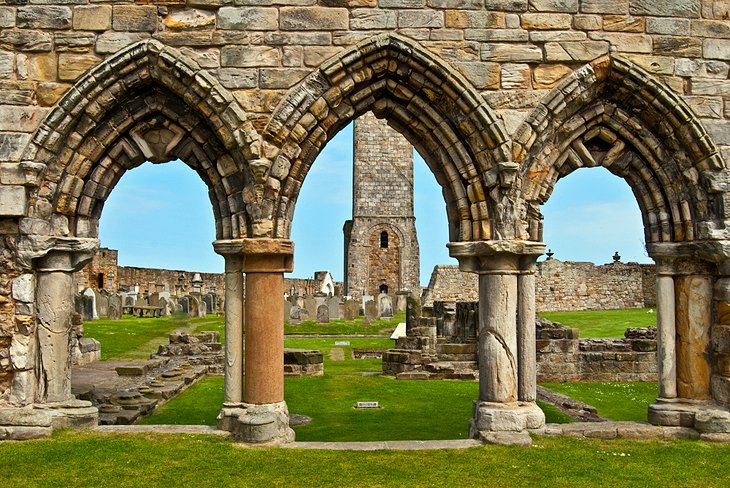
St. Andrews has long played an important part in Scottish ecclesiastical history, a fact that's evident from the wealth of churches and monuments in the city. According to legend, St. Regulus landed here in the 4th century with the bones of St. Andrew. By 1200, several churches had been constructed, as well as the huge cathedral and St. Andrews Castle.
By the 15th century, the Cathedral of St. Andrew — nowadays most commonly referred to simply as St Andrews Cathedral — was once the center of religious and spiritual power in Scotland, and in 1472 it became the seat of the archbishop.
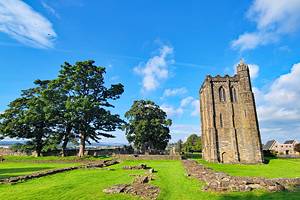
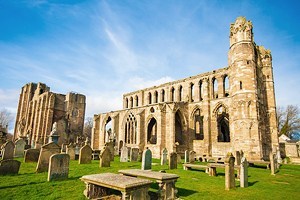
Some 335 feet in length and 160 feet wide, the cathedral was built between 1160 and 1328 and was once the largest church in Scotland. Among its most illustrious guests in its heyday were Robert I and James V. Now mostly ruins, the cathedral's stonework was plundered in 1559 and now only parts of the late Romanesque east front, a section of the west front, the southern side aisle, and a gatehouse remain.
One of the top things to do here is climb the neighboring 108-foot-tall St. Rule's Tower. You'll be rewarded for your efforts with stunning views over the coastline and town center.
Address: The Pends, St. Andrews, Fife, Scotland
Official site: www.historicenvironment.scot/visit-a-place/places/st-andrews-cathedral
Visit St. Andrews University's Museums
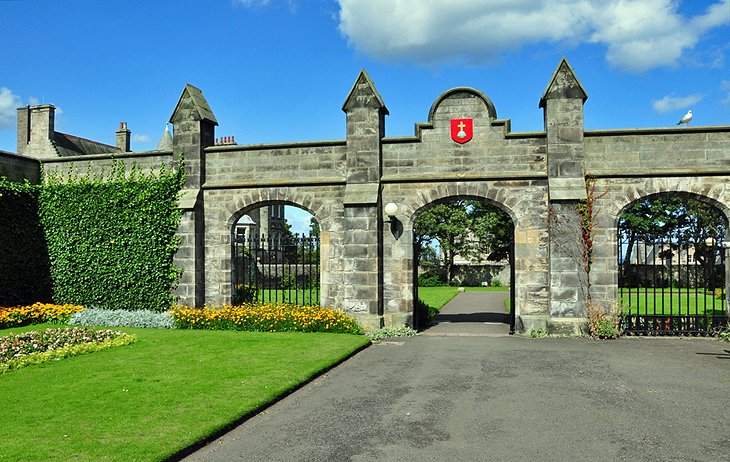
Founded in 1411, St. Andrews University is both the smallest and oldest of Scotland's seats of learning and makes for a fun walkabout thanks to its well-preserved old architecture. The Colleges of St. Salvator (1450) and St. Leonard (1511) were combined in 1747 and are devoted to Arts and Sciences, while St. Mary's College, opened by Cardinal Beaton in 1538, serves as the theology faculty.
The College Chapel in St. Salvator contains the pulpit from Holy Trinity Church, where reformer John Knox first preached. St. Leonard's Chapel houses some fine tombstones from the 16th and 17th centuries and is certainly worth a visit.
A rose bush that Mary Stuart is supposed to have planted near St. Mary's College still flowers, and the house in South Street where she stayed is now St. Leonard's College library. Also of note are its excellent museums. These include The Bell Pettigrew Museum, notable for its natural history collections, the contemporary art exhibits in the Gateway Galleries, and the Wardlaw Museum with its large collection of historic and art-related artifacts.
The university also offers a variety of affordable accommodation choices for those visiting while students are off for the holidays. Be sure to check their website for details of these fun on-campus experiences.
Address: North Street, St. Andrews, Fife, Scotland
Official site: www.st-andrews.ac.uk
See St. Andrews Castle
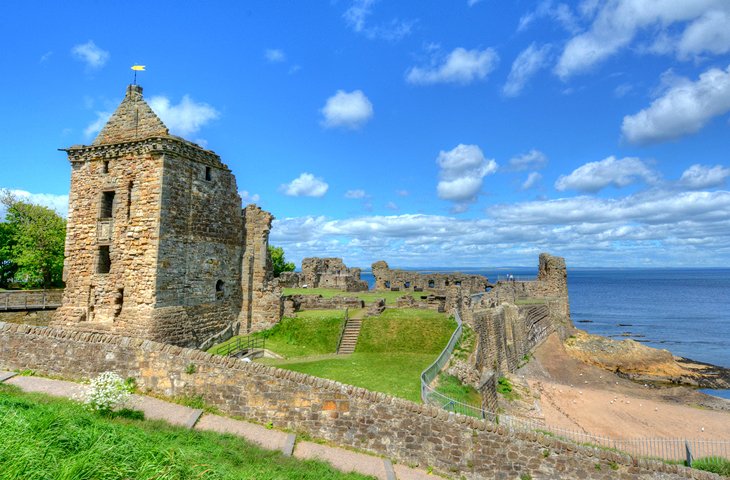
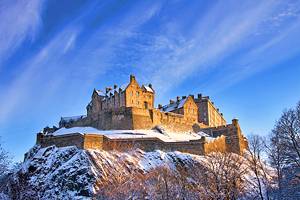
Like the town's old cathedral, St. Andrews Castle is now mostly ruins but nevertheless remains one of the top must-see tourist attractions. Starting life as a former bishop's palace at the time the cathedral was built in the late 100s, this once impressive structure saw numerous sieges and also spent time as a prison before falling into disrepair. What's left, though, provides a clear picture of just how imposing and formidable a structure the castle would once have been.
In addition to its battlements, other notable features include the remains of the old medieval tunnels dug during the year-long siege started after the murder of Cardinal Beaton in 1546, parts of which can be explored. The dungeon where the Cardinal was imprisoned can also be seen.
Be sure to also pop into the interesting visitor center, with its informative displays relating to the castle and the conservation efforts that have preserved its history. Audio guides are also available.
Address: The Scores, St. Andrews, Fife, Scotland
Official site: www.historicenvironment.scot/visit-a-place/places/st-andrews-castle/
Enjoy a Visit to St. Andrews Aquarium

Few marine attractions can boast as impressive a setting as St. Andrews Aquarium. Perched overlooking the coast and St. Andrews Bay, the views alone are quite stunning and are undoubtedly part of the draw for tourists, well, along with the sea creatures on view here.
As the town's top family attraction, kids of all ages will be intrigued by such wee beasties as insects and reptiles, as well as countless fish species — including sharks and piranhas — and other local marine life such as seals and crabs, to name but a few. There's even a great display of crocodiles.
Other animals include meerkats, which can also be seen up-close through participation in a fun animal feeding experience. Other animals kids can interact with through the feeding program include penguins and seals, while some of the more docile reptiles and insects (including spiders) can be handled. In addition to a gift shop, the aquarium also has a café on-site.
Address: The Scores, St. Andrews, Fife, Scotland
Official site: www.standrewsaquarium.co.uk
Take a Stroll through St. Andrews Botanic Garden
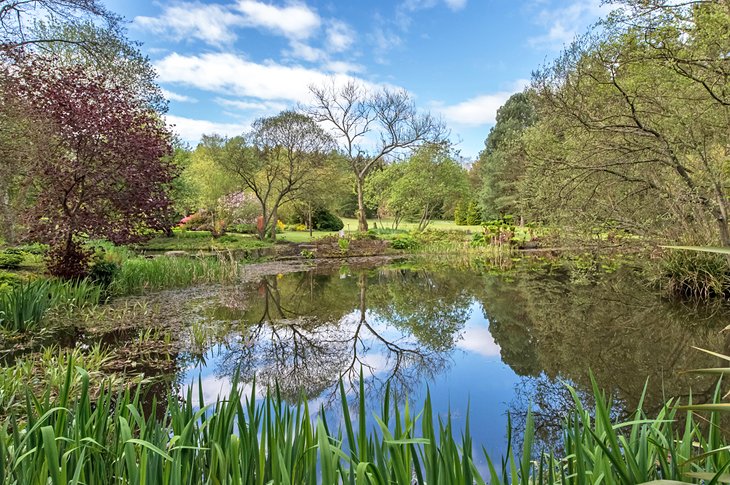
Located in a lovely 18-acre site on the south side of town, St. Andrews Botanic Garden certainly warrants a visit for its fine gardens, numerous plant species, and attractive riverside setting. It was established in 1889 by the university of St. Andrews. Highlights of a visit include its impressive collection of some 8,000 different exotic and native plant species, laid out to ensure a pleasant few hours can be enjoyed here.
As you stroll, you'll encounter a number of "zones" dedicated to particular species, including a pleasant meadow, a woodland area, a rockery, and attractive ponds and waterfalls. You'll also find what's regarded as one of the country's top collections of rhododendrons.
Those with green thumbs will want to focus on the more formal garden areas, which include herb and vegetable gardens. In addition to a number of tropical greenhouses, the attraction has added a butterfly house, an especially popular spot for kids, who never seem to get bored of these fascinating and colorful creatures.
There's also a great tea room located on site, with patio seating in good weather. Those wanting to enjoy a picnic on the property are encouraged to do so. Guided walks and tours are also available.
Address: Canongate, St. Andrews, Fife, Scotland
Official site: www.standrewsbotanic.org
Take a Drive to Craigtoun Country Park
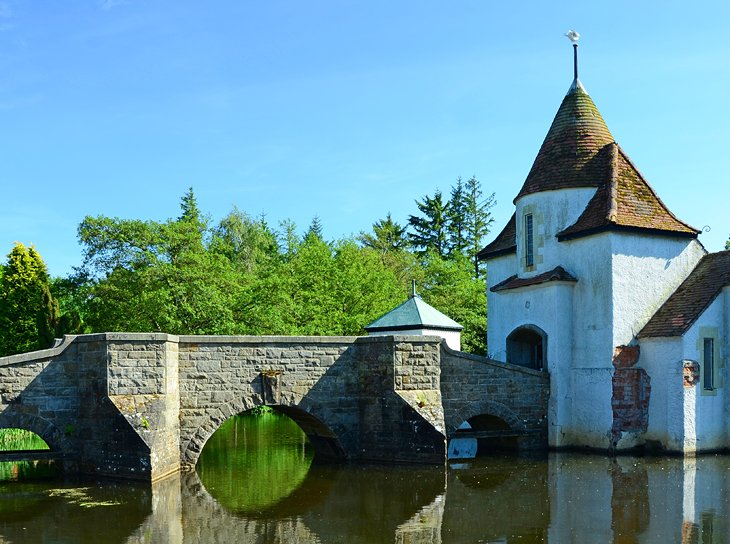
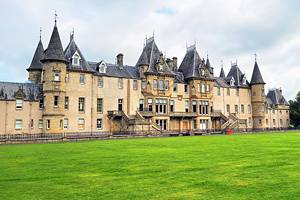
Just four miles to the south of St. Andrews is Craigtoun Country Park. Built on grounds that were once part of a 17th-century manor house, this newer construction saw the light of day in the early 20th century and was designed and built in a village-style reminiscent of that found in the Netherlands.
The huge grounds themselves are a delight to explore, not just for their park-like setting, but for the many fun things to see and do here. Starting with the gardens, you'll have a chance to explore traditional estate features, including a walled garden, rose garden, a lovely avenue lined by cypress trees, numerous ponds, a boating lake, and walking trails.
There's plenty for kids to do here, too. Kid-friendly fun includes having a family picnic to hopping aboard the heritage narrow-gauge railway, and enjoying a ride on a tractor. There's also crazy golf and an adventure play area, including a bouncy castle, and an on-site café.
Address: Mount Melville, St. Andrews, Fife, Scotland
Official site: http://friendsofcraigtoun.org.uk/home/
St. Andrews Museum & Preservation Trust Museum
The townsfolk have done a fine job of preserving St. Andrews' rich history. This is particularly true of the must-visit St. Andrews Museum. One of the top free things to do in the town, the museum is located in a lovely old Victorian-era mansion in Kilnburn Park and features a large exhibit exploring every facet of the town's history, from its legendary golf courses to its acclaimed university.
In addition to its many exhibits and artifacts, there's also a gallery displaying local artwork that's worth checking out. Regular events such as concerts and workshops for kids are also held here, and a well-stocked shop and a café are located on the premises.
Also worth a visit, the St. Andrews Preservation Trust Museum is located close to both the cathedral and castle, both of which feature extensively in this attraction's exhibits and displays. Be sure to also spend time in the property's delightful garden.
Address: Doubledykes Road, St. Andrews, Scotland
Official site: www.onfife.com/venues/st-andrews-museum/
Map of Attractions & Things to Do in St. Andrews
More Related Articles on PlanetWare.com
Great Scenery: Scotland is famous for its dramatic scenery, especially in the Highlands region with its stunning mountains, fertile valleys, and magnificent lochs, making it a popular destination for sightseers and hikers alike.
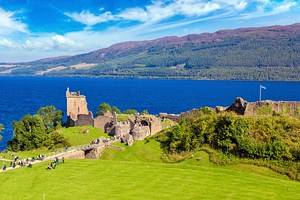
Other must-visit locations for those wanting some great snapshots to show off back home include Loch Ness, famous for its dramatic backdrop of Urquhart Castle; and the equally attractive Loch Lomond, a nature lovers' paradise with its national park and endless trail network.

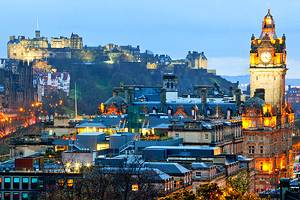
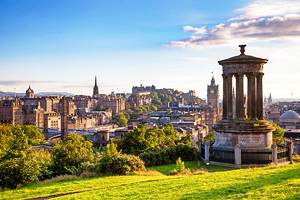
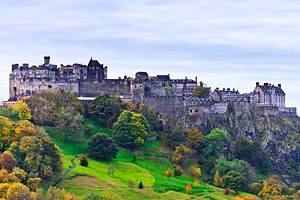
Slick Cities: The capital city of Edinburgh should feature highly at the top of your Scotland travel itinerary, with popular attractions including the famous Edinburgh Castle and the Royal Mile. Scotland's largest city, Glasgow is another great place to visit, especially for its many cultural attractions, including a number of world-class museums and art galleries.
Another city worth visiting, Aberdeen has a well-deserved reputation for its lovely architecture, as well as its extensive parklands and public gardens.
Scotland's Best Bridges: Some of Scotland's best scenery includes bridges, one of the best examples being found in Dundee. As much fun as the old city is to explore, those arriving in the city from St. Andrews to the south will get to travel across the spectacular Tay Rail Bridge, two-miles long and considered one of the most impressive train journeys in the world.
Those interested in getting a taste of rural life on Scotland's islands would do well to visit the Isle of Skye, popular for its scenic road bridge to the mainland, or head a little south to Fort William, home to the Jacobite Steam Train, also known as the Hogwarts Express from the Harry Potter movies, and which travels over the iconic Glenfinnan viaduct (which also appears in the films about the boy wizard).