Must-Do Day Trips from Barcelona
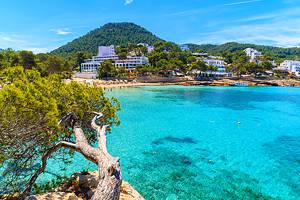
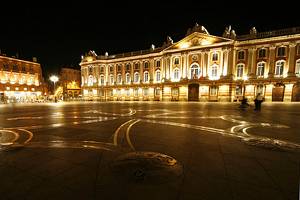
The sunny Mediterranean region surrounding Barcelona beckons visitors with its beautiful beaches, quaint fishing villages, and charming medieval towns. In this area of Catalonia, just a short drive or train ride from Barcelona, tourists can escape on day trips to another world. The choices range from upscale seaside retreats to a legendary hilltop monastery.
Most of the day trips combine cultural and natural attractions and things to do. In the same day, tourists can sunbathe on the golden beach of El Vendrell and visit an archaeology museum, or enjoy water sports and then tour a medieval castle in Castelldefels.
In the countryside, the historic towns of Vic and Manresa inspire visitors with majestic churches, while the quaint village of Sant Cugat del Vallès offers pastoral charm and splendid Romanesque architecture.
Farther north, and shared with neighboring France, are the majestic mountain peaks of the Pyrenees and the tiny principality of Andorra, one of the best places to visit in Europe for skiing and hiking.
Plan your excursions with our list of the best day trips from Barcelona.
Montserrat Monastery
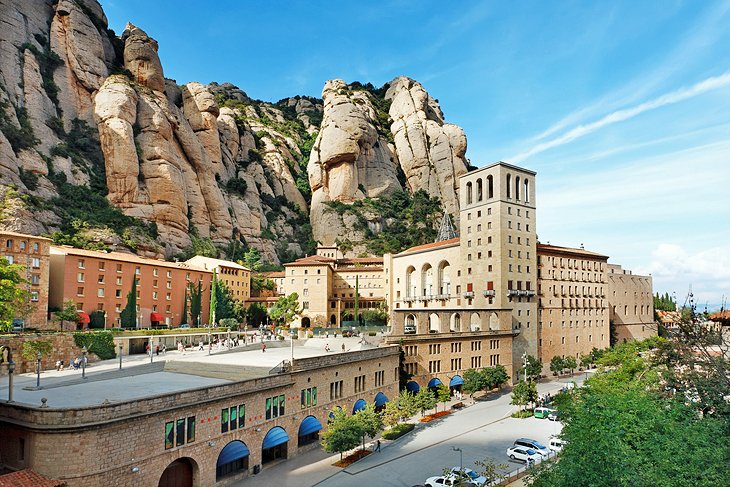
About 50 kilometers northwest of Barcelona, the Montserrat mountain peak makes a stunning impression. In its isolation, Montserrat is a dramatic sight, with steep rock faces on every side and fantastically eroded crags that appear to be crenellations of a medieval fortress.
Montserrat translates to "jagged mountain," which perfectly describes the serrated peaks, while in Catalan, it's called Mont Sagrat, the "sacred mountain."
Perched in this otherworldly setting, Montserrat Monastery (Abadia de Montserrat) is one of Spain's major tourist attractions. The legendary monastery dates back to the 11th century and today is home to a community of around 80 Benedictine monks who are devoted to a life of prayer; hospitality; and work, including publishing books and magazines and the study of theology.
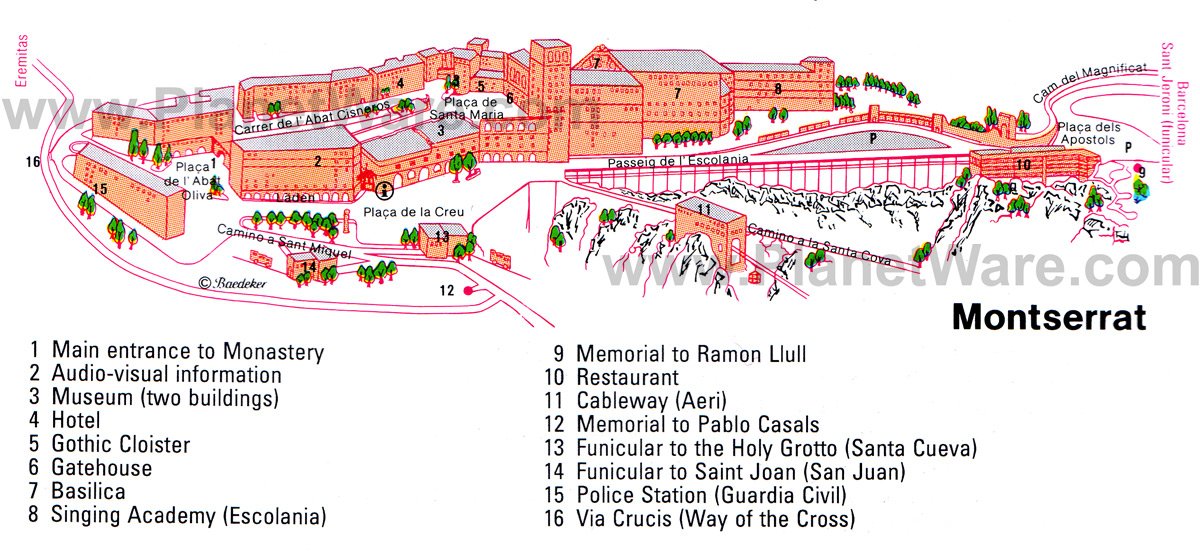
This remote spiritual destination is like a small city on its own. The site has an 11th-century Romanesque church, a 12th-century library, an exceptional museum of fine arts and archaeology, restaurants that serve Catalan and Mediterranean cuisine (one is in a 16th-century building, the other is a modern building that features panoramic mountain views), a casual cafeteria, shops, a food market that sells local products, and hotel accommodations.
The monastery complex includes an affordable hostel for backpackers and solo travelers; the three-star Hotel Abat Cisneros, housed within a historic pilgrims' hostel; and fully equipped rental apartments.
To reach Montserrat Monastery, visitors can take a 15-minute Cremallera railway train ride from Monistrol de Montserrat to Montserrat. Travelers coming from Barcelona should take the FGC train from the Barcelona-Plaça Espanya Station to Monistrol de Montserrat.
Another option from Monistrol de Montserrat is the Aeri de Montserrat, which offers breathtaking bird's-eye views. The state-of-the-art German-made cable cars travel on a cable system high above the ground. The Aeri de Montserrat leaves every 15 minutes, and the 1,350-meter ride up the mountainside to the monastery takes five minutes.
Alternatively, tourists could take an organized excursion from Barcelona that includes bus transportation and a guided tour of Montserrat Monastery.
Sitges: An Upscale Beach Resort
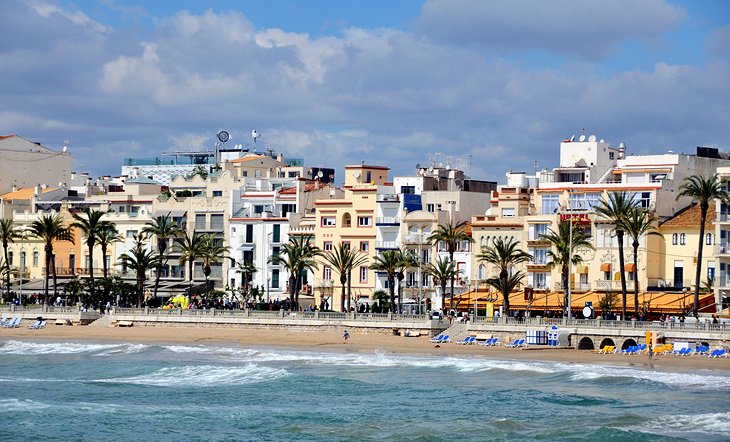
An old fishing village that's been transformed into a seaside resort, Sitges enjoys an alluring location 42 kilometers from Barcelona. The town nestles along the Mediterranean Sea in the Catalonia region, with verdant mountains as a backdrop.
During summertime, the beaches are the main tourist draw of Sitges. Vacationers can choose from over a dozen sandy beaches. Most of the beaches have excellent amenities, including restrooms, showers, rentals of lounge chairs and umbrellas, snack bars, and lifeguard supervision. There are also sailing clubs and surfing schools. Swimmers will appreciate the Blue Flag designation beaches, awarded this label for water safety and cleanliness.
The historic center of Sitges is also worth visiting, with two noteworthy churches, the Iglesia de Sant Bartomeu and the Iglesia de Santa Tecla.
Other important buildings include the Casa de la Vila, a 19th-century Neo-Gothic mansion, and Palau Maricel, a palace that blends medieval, Renaissance, and Baroque architectural elements.
The Modernist influence of the 19th and 20th centuries can be seen throughout the town; one excellent example is the Cau Ferrat that was the house of famous Spanish author and artist Santiago Rusiñol. In 1891, Rusiñol turned his house/studio into a Bohemian gathering place that attracted artists and intellectuals.
Besides beaches and architecture, Sitges is equally renowned for its gastronomy. The city boasts a wonderful selection of gourmet restaurants. The local cuisine includes hearty Catalan dishes such as pa amb tomàquet, toast topped with garlic and olive oil seasoned tomatoes (similar to Italian bruschetta); xató, a salad of endive served in a spicy sauce; and fideuà, a seafood dish made with noodles.
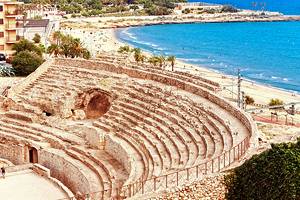
Not far from Sitges is the seaside city of Tarragona, which features the ruins of the ancient Roman city of Tarraco: the forum, amphitheater, and a portion of the defensive fortifications that surrounded the ancient city.
The Costa Brava
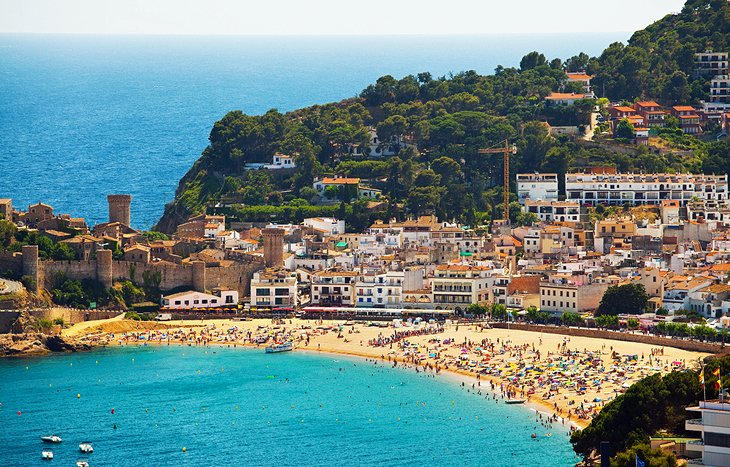
Of all Spain's coastal stretches, perhaps the most sublime is the Costa Brava, a 1,240-mile stretch of cliff-backed beaches. One of Europe's favorite seaside destinations, the coast has plenty of cultural attractions and things to do. It has also long been a favorite haunt of artists.
Santa Susanna's historic town center has watchtowers built from the 15th to 18th centuries to protect against pirates, but most tourists head straight to one of its three beaches: Platja de Llevant is the busiest, Platja de les Caletes is quieter, and Platja de les Dunes has a yacht club and is ideal for sailing, windsurfing, and scuba diving.
Another popular resort town, Tossa de Mar is renowned for its pristine natural environment. The main beaches have excellent facilities, and the sheltered coves offer peaceful ambience.
Calella de Palafrugell has the inviting atmosphere of an old fishing village. Its sandy beach is nestled in a picturesque, sheltered cove with calm waters, rated Blue Flag for safety.
Girona
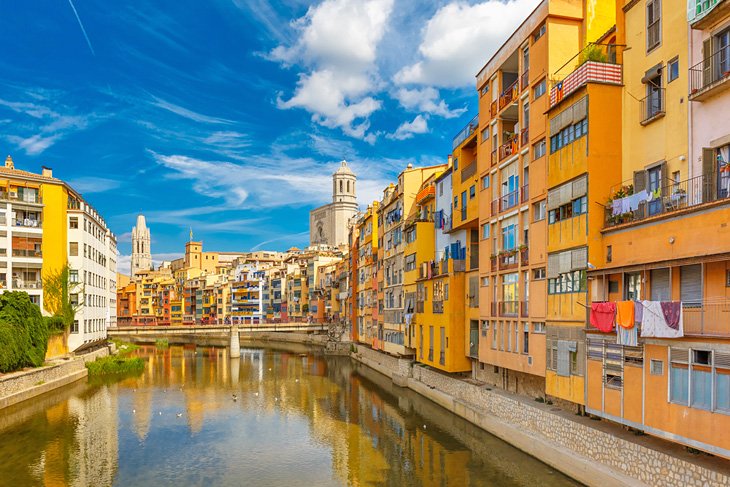
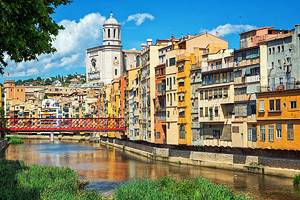
The cultural heritage of Girona includes reminders of its Roman, Moorish, Catholic, and Jewish past, often superimposed on one another. Ancient Roman walls (La Força Vella) enclose its medieval quarters, where a maze of narrow, winding cobblestone streets lead to hidden courtyards; a Romanesque cathedral; and the 15th-century synagogue (now the Museum of Jewish History).
Visitors can walk on a path on top of the ramparts, the Passeig de la Muralla, to take in amazing panoramic views of the city and the surrounding landscape. The outlooks include the Pyrenees Mountains in the distance.
Girona has one of the best-preserved medieval Jewish quarters in Spain; its Arab baths are now part of a Capuchin convent; and the Catedral de Santa María de Girona (built in the 11th century and completed in the 18th century) boasts a rare masterpiece of Romanesque textile art.
More recently, Girona has become familiar as a filming location for the Game of Thrones drama series. Girona's medieval streets are pictured in scenes of "the city of Braavos" and "King's Landing" on the show, while the Cathedral of Santa Maria's 90-step Baroque staircase serves as a dramatic set for the "Great Sept of Baelor."
Fans of the Game of Thrones can follow in the footsteps of the show's main characters on the "Game of Thrones" Tour in Girona. On this organized day trip from Barcelona, you will wander through Girona's cobblestone alleyways, see the city's ancient Roman walls, enjoy lunch at a small family-run Mediterranean restaurant, and visit six filming locations.
Dalí Theatre-Museum in Figueres
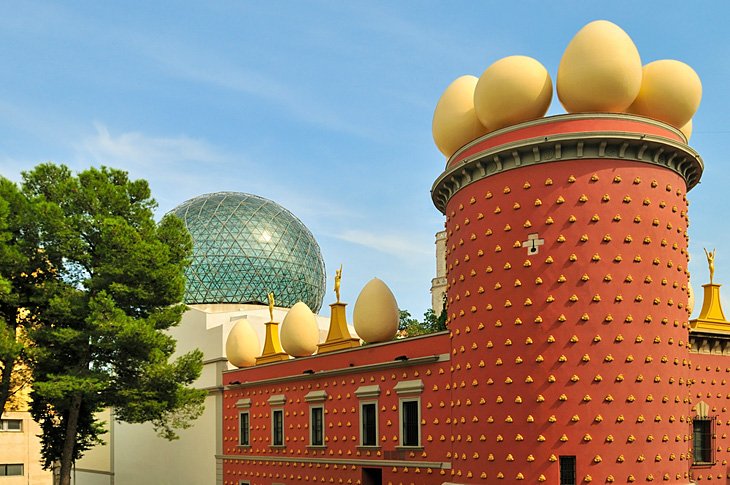
The Spanish surrealist painter Salvador Dalí was born in Figueres, and the Dalí Theatre-Museum is one of Europe's most popular museums. The entire building and its artworks (paintings, sculptures, and installations) were created by Dalí.
The building itself celebrates surrealism, with its giant rooftop egg sculptures. The museum provides insights into the full range of Dalí's art in all its forms and periods, and displays some of his greatest masterpieces. Here, you'll find some of his later surrealist works, including Galatea of the Spheres, and the famed Mae West Room.
Dalí later lived in Cadaqués, a town near the Cap de Creus Natural Park that has been a favorite with artists for nearly a century. It's easy to see why they found this Mediterranean port appealing, with its historic quarter of whitewashed houses clinging to the hillside above the harbor. Beautiful little beaches hide in coves along the rocky shore, and the town is known for its art galleries and festivals.
Medieval Town of Vic
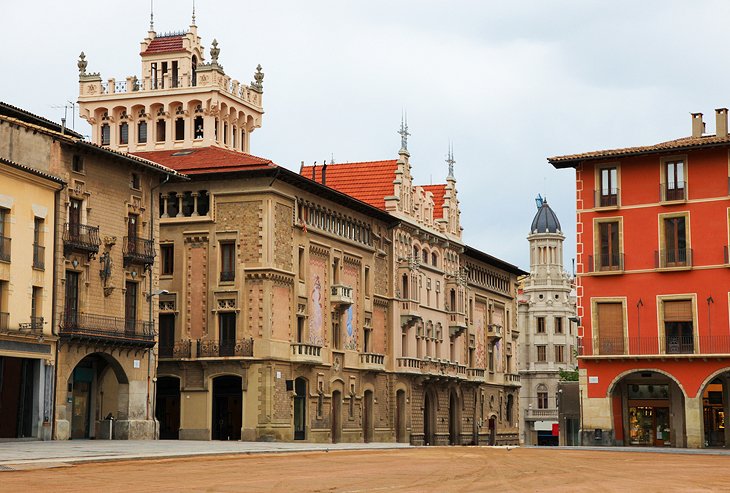
This charming medieval town is 72 kilometers from Barcelona in a tranquil setting along the Mèder River. Vic has two historic quarters that date back to the Middle Ages: the area around the Castillo de Montcada and another old quarter that surrounds the cathedral. At the center of the town is the Plaza Mayor, an elegant arcaded main square.
The impressive neoclassical cathedral dominates the town, although it's a relatively recent addition, built in the late 18th century. Visitors are awed by the glorious sanctuary featuring exquisite murals by Josep María Sert.
A top cultural attraction, the Episcopal Museum houses a superb collection of religious art. The museum displays masterpieces of painting and sculpture from the Romanesque and Gothic eras as well as precious textiles, glassware, and ceramics.
Other important religious monuments include the Convento de Sant Domènec, a Franciscan convent built in 1567, and the Iglesia de La Pietat, a beautiful 17th-century Baroque church.
Andorra
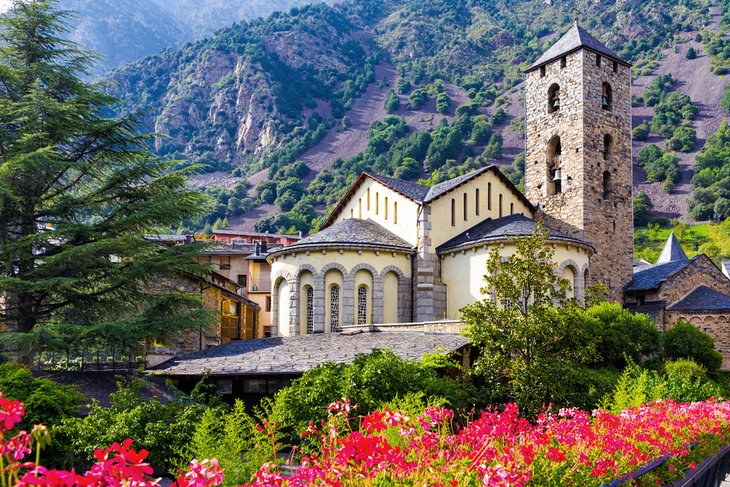
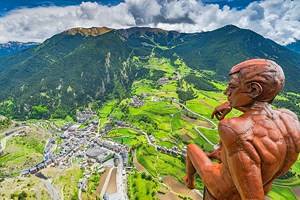
A lush mountainous landscape just a 2.5-hour drive from Barcelona, the tiny principality of Andorra sits high in the eastern Pyrenees. Its capital of Andorra la Vella is the highest capital in Europe at an altitude of 1,029 meters.
Duty-free shopping; the 30,000-square-meter Centre Termolúdic Caldea, the largest spa complex in Southern Europe; and the Església de Sant Esteve, a church dating to the 12th-century that has retained its Romanesque apse and bell tower are the city's main attractions. The dramatic glass tower of the Caldea spa is a striking contrast set against the 2,317-meter Pic d'Enclar mountain in the background.
Among its many tourist attractions, Andorra is known for its Romanesque chapels, the finest of which is the 11th-century chapel of Sant Joan de Caselles, near the village of Canillo, a stone building with fine frescoes.
During wintertime, Andorra is a top destination in Europe for skiing and other winter sports such as sledding and snowshoeing. The rest of the year, visitors come here to go hiking, mountain biking, and fishing.
A wonderful place for nature walks and mountain hikes, the UNESCO-listed Madriu-Perafita-Claror Valley features trails through meadows, forests, valleys, and rocky crags.
The Churches of Manresa
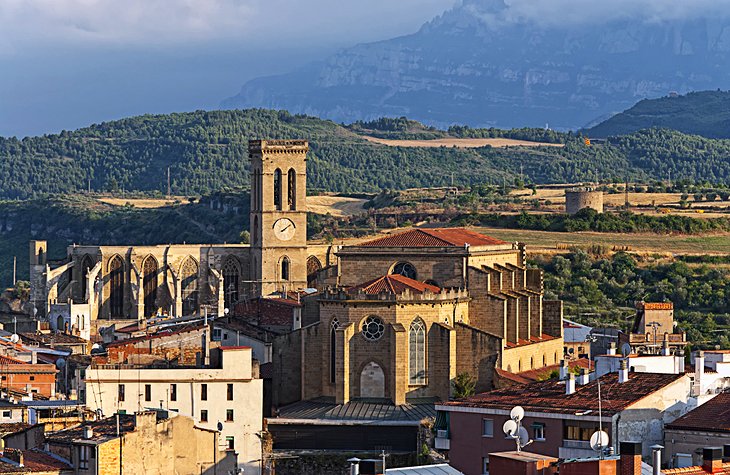
An idyllic country town, Manresa lies in a rural landscape 58 kilometers from Barcelona with the Mountains of the Montserrat Nature Reserve in the distance.
A focal point of the town is the Basílica Colegiata de Santa María de Manresa (La Seu), around which old houses are clustered. This ancient basilica is mainly Gothic in style but also combines architectural features of the Romanesque (early medieval) and Renaissance eras.
Upon entering the basilica's sanctuary, visitors are struck by the serene interior with its impressive medieval reredos, which is considered one of the finest examples of Gothic Catalan painting.
Other noteworthy monuments are the Ayuntamiento de Manresa (City Hall), the Pont Vell (bridge), and the spectacular Iglesia de San Ignacio de Loyola that stands majestically on a hilltop. This 16th-century church was where Saint Ignatius founded the Society of Jesus, the Jesuit community that is now found all over the world.
Manresa is a historic town that has also entered the modern era, with many interesting Modernist buildings scattered throughout the town. Most of the beautiful Modernist buildings were designed by the local architect Ignasi Oms i Ponsa.
Cardona
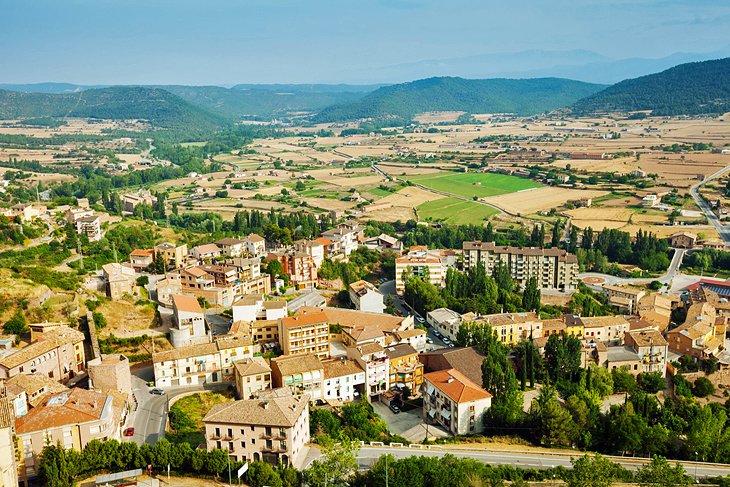
Cardona is a charming medieval town tucked into a valley on the banks of the Cardoner River, about 90 kilometers from Barcelona. The town has an impressive past dating back to the eighth century, and its ancient ramparts were built in the ninth century.
Must-see sights include the Collegiate Church of San Vicente, a lovely Romanesque church of the 11th century, and the Calle Mayor, the town's elegant main street.
Typical of towns built during the Middle Ages, Cardona has a castle that stands on a hilltop surrounded by immense fortifications. With its austere lines and foreboding high walls, the Castell de Cardona is an excellent example of Catalan Romanesque architecture.
The Castell de Cardona has been renovated and converted to the luxurious Parador de Cardona hotel, offering guests the magical experience of princely living and medieval ambience. An outdoor terrace and the expansive castle grounds afford sweeping panoramas of Cardona and the surrounding countryside.
El Vendrell
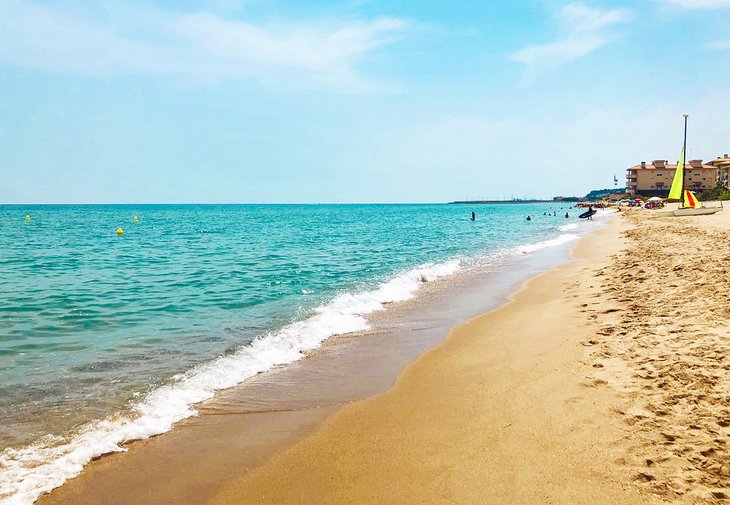
Steeped in history dating back to the ancient Roman era, El Vendrell is 67 kilometers from Barcelona on a site where the Augustan Way passed through. Significant Roman remains have been found here and are displayed in the town's Archaeological Museum.
El Vendrell continued to be an important urban center throughout the centuries, and its heritage is seen in several impressive monuments. The Parròquia de Sant Salvador is a lovely Baroque church with an opulent altar and an impressive organ used to play sacred music.
Other interesting sights are the old hospital of Santísimo Salvador and the Ermita de Sant Salvador, a Romanesque hermitage. More modern 19th-century buildings are around the Plaza Nueva town square.
El Vendrell is found along the Costa Daurada in an area with gorgeous beaches. During summertime, vacationers flock to Sant Salvador Beach. This superb sandy shoreline extends for almost three kilometers and has calm waters. Amenities include lifeguard surveillance, showers, sun bed and umbrella rentals, and a promenade for seaside walks. Sant Salvador Beach was awarded a Blue Flag certification for its water safety and cleanliness.
El Vendrell's quaint fisherman's neighborhood, Sant Salvador, is also worth visiting to take in the atmospheric seafaring ambience.
Sant Cugat del Vallès
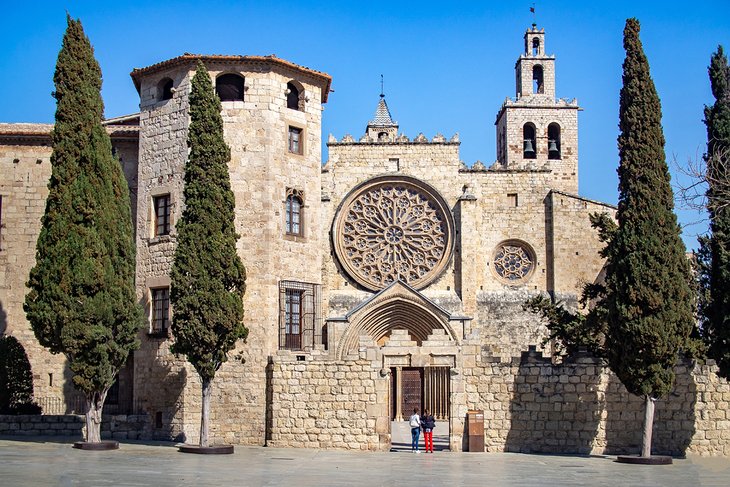
The historic village of Sant Cugat del Vallès lies 28 kilometers from Barcelona in a verdant valley. This site has been occupied for millennia; archaeological artifacts from 2000 BC to 1500 BC have been found here. The town boasts interesting remains from the ancient Roman era, most notably the Castrum Octavianum fortress.
Later, Sant Cugat became an important religious center with the Benedictine Monasterio de Sant Cugat del Vallés founded in the 12th century. The monastery has a beautiful church with a splendid cloister, considered one of the best-preserved Romanesque cloisters in Europe. It features colonnaded arcades with 144 columns that reveal exquisitely sculpted capitals.
In the countryside surrounding Sant Cugat are many ancient farms and hermitages, including the 14th-century Can Rabella farm and the Ermita de Sant Adjutori. The ruins of the Castell de Canals, a medieval fortress, shows the feudal heritage of this rural area.
Medieval Castle and Seaside Scenery in Castelldefels
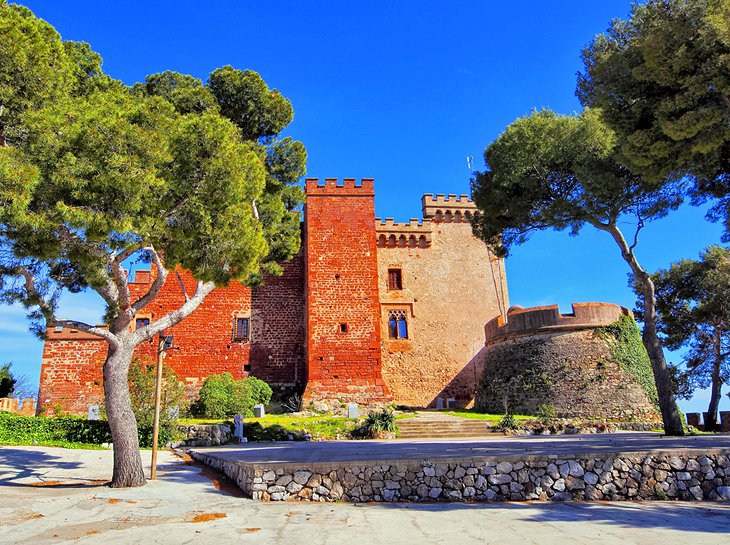
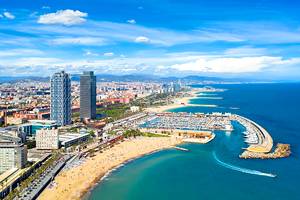
Boasting beautiful scenery and perfect weather, the seaside town of Castelldefels is only 10 minutes (25 kilometers) away from Barcelona along the Costa del Garraf. This stunning coastline is sandwiched between the mountains and the Mediterranean Sea.
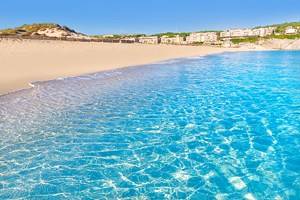
Fine beaches extend for more than five kilometers in this area, attracting many sunbathers from Barcelona during summertime. The beaches are also popular with swimmers and water sports enthusiasts.
The marina features an Olympic Canal built for the 1992 Olympics that is used for canoeing. For those in search of culture, the ancient Castillo de Castelldefels that gave the town its name is a must-see site. This ancient castle dominates the town, standing high above the coastline.
Another relic of the Middle Ages are the town's towers, including the Can Ballester Tower and Barona Tower that once provided defense against invaders.
Arenys de Mar: A Quaint Fishing Village and Beach Resort
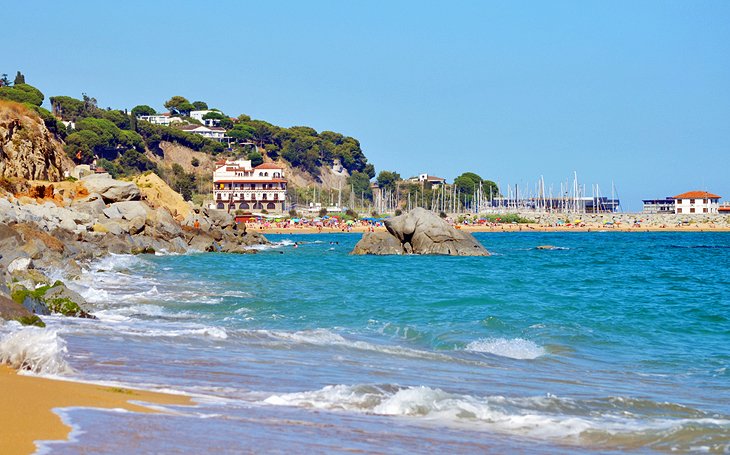
Dating back to the 14th-century, this charming fishing village is now a popular summer beach resort. The seaside promenade and sandy shores are the main tourist draws. The yacht marina is also popular for water sports.
Arenys de Mar is conveniently located only 47 kilometers from Barcelona, making it an easy day trip. The town was a wealthy fishing port in the 16th century and still has defense towers from that era.
At the center of Arenys de Mar is the Rambla where locals gather for the evening paseo (stroll). Along this avenue is the Iglesia de Santa María. This church has an exquisite Baroque facade and a stunning reredos created by local Catalan artists.
For an interesting insight into the town's artisan craft heritage, visit the Museu Marés de la Punta. This unique museum is dedicated to the art of lacemaking, one of the traditional crafts of the village.
Medieval Villages near Besalú
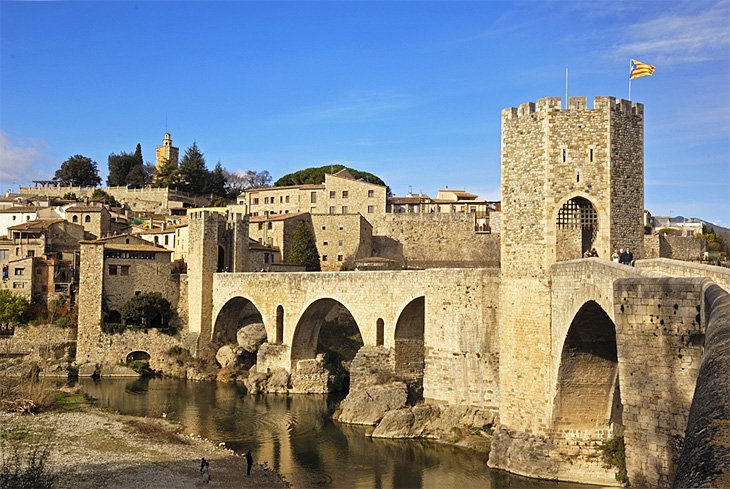
In the hills west of Figueres, near La Garrotxa Nature Reserve, is a cluster of picturesque medieval towns.
Like many Catalonian towns, Besalú has a mixture of Jewish and Christian sites, which include medieval Jewish baths and synagogues in an old Sephardic quarter, the 10th-century Benedictine monastery of Sant Pere, and the 10th-century chapel of Santa María.
Highlights of nearby Rupit include ruins of a castle and the Baroque Church of Sant Miquel.
Along with dozens of well-preserved houses from the 16th and 17th centuries, Tavertet is known for the 11th-century Romanesque Church of Sant Cristòfol.
Vilanova i la Geltrú
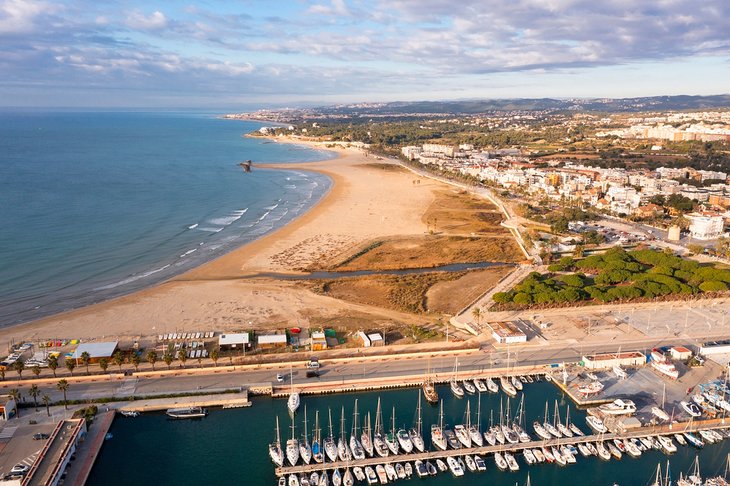
Less than 10 kilometers from Sitges, the seaside town of Vilanova i la Geltrú (Villanueva y la Geltru) on the Costa del Garraf is a popular summertime vacation destination. The sandy beaches are the main tourist draw, but the wide array of shops and restaurants makes Vilanova i la Geltrú a lively place to visit.
Besides beaches and a gorgeous yacht marina, Vilanova i la Geltrú offers cultural attractions including its walled Old Town; an innovative Railway Museum, which displays steam locomotives at the original train depot and presents exhibits about the historical heritage of Catalan railways; and the Biblioteca-Museu Víctor Balaguer, a fine arts museum founded in 1884 by Catalan politician Víctor Balaguer.