Attractions & Places to Visit in Mexico
Mexico is a country that will take your breath away. It's a country that has something to please absolutely everyone, from endless sunshine to stunning scenery, beautiful sandy beaches, gourmet cuisine, culture, art, festivals, mountains, and so much more.
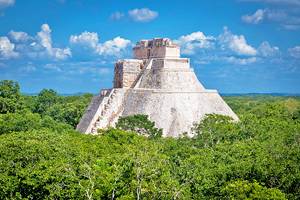
So important are Mexico's ancient Aztec and Mayan sites and historic colonial cities that many have been designated as UNESCO World Heritage Sites, ensuring they'll remain unchanged for generations to come. Interestingly, these Mayan ruins – including places like Guanajuato, Chichén Itzá, and Uxmal – are often as popular as traditional beach vacation spots like Cancún, Puerto Vallarta, and Playa del Carmen.
Of course, Mexico has some of the most modern and vibrant cities in the world, too, from its capital, Mexico City to smaller urban hotspots like Guadalajara, Guanajuato, and Monterrey.
Topping the whole experience is the country's rich culture, a fascinating mix of native people, as well as colonial influences from Spain, that shows up in everything from the country's culinary creations to its vibrant music and dance traditions. It's also a country rich in flora and fauna, as it is spread across climate zones that encompass everything from arid deserts to lush tropical rainforests.
To ensure you plan the very best Mexican travel itinerary possible, check out our list of the best places to visit in Mexico.
Cancún and the Mayan Riviera
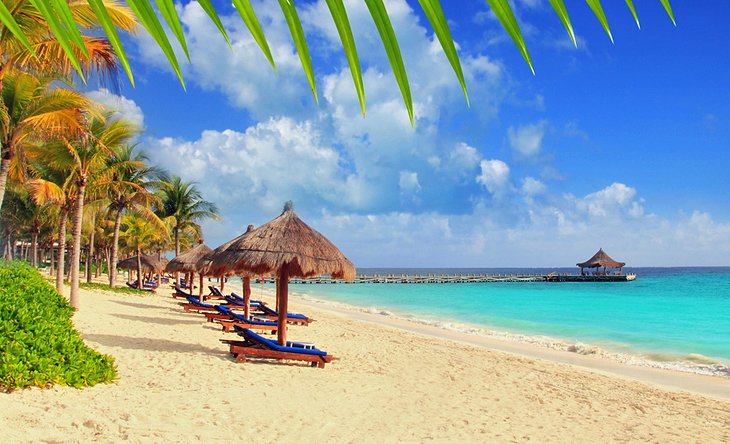
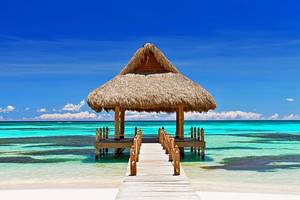
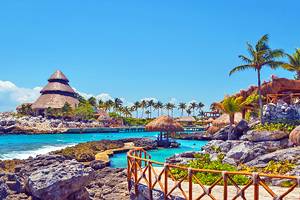
For most first-timers to Mexico, their first stop will be Cancun or the surrounding beach towns up and down the coast of what is called the Mexican Caribbean, or the Riviera Maya. Cancun's airport is the second busiest in the country and it's all because tourists are flocking to the powder-white beaches, all-inclusive resorts, and endless activities.
The top destinations in the Mexican Caribbean are Cancun, Playa del Carmen, Tulum, and the island of Cozumel. But you'll find many other smaller destinations worth a visit, too, like the small village of Puerto Morelos, the tiny island of Isla Mujeres, and the magnificent turquoise-colored lake, Laguna de Bacalar.
My favorite things to do in the Riviera Maya are to pop in and out of the small coastal towns to escape the business of the main cities. Puerto Morelos is a must for its white-sand beaches, sandy streets, outdoor cafes, and small boutique shops. I also really love the village of Bacalar that sits overlooking the lagoon. Go here for raw, unspoiled nature, epic sunsets over the lake, and a rising boutique hotel scene.
But Cancun, Playa del Carmen, and Tulum are positively brimming with fun things to do, such as dolphin and stingray swims; snorkeling among reefs and tropical fish; as well as scuba diving in the world's largest underwater museum, a spectacular collection of sculptures submerged at depths of up to eight meters.
Then, of course, the region has many ancient Mayan ruins, with some of the closest sites within walking distance of the beaches, while the largest and most impressive – Chichén Itzá and Tulum – are just a few hours away.
- Read More: Tourist Attractions in Cancún
Puerto Vallarta
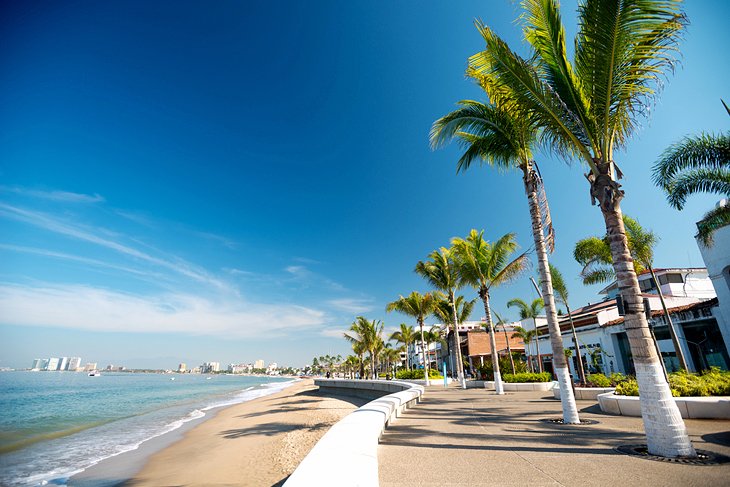
Puerto Vallarta started as a small fishing village, drawing visitors with its broad beaches and misty, jungle-covered mountains. Today it's one of the largest and fastest-growing coastal cities in the country, expanding at lightning speed and catering to every type of traveler. Still, Puerto Vallarta has protected pockets of untouched architecture, cobblestone streets, and historic homes, so you'll still be able to catch a glimpse of its fishing village vibes. I loved it so much that I now call it home and spend about three to six months there every year.
Nowadays, thanks to the many things to do in Puerto Vallarta, the city is as likely to attract an older cruise ship audience looking to swim with the dolphins as it is younger travelers looking for adventure, found here in activities as diverse as paragliding and jet skiing.
The best introduction to Puerto Vallarta begins in the Zona Romantica, the oldest part of the city. Here you'll find narrow, cobblestone streets that zig-zag up into the mountains. Walking the streets of the Zona Romantica, be sure to drink in the gorgeous colors, from the purple bougainvillea blossoms to the burnt orange of the terracotta tile roofs.
Other great neighborhoods to explore include Centro for the famous crown-topped Church of Our Lady of Guadalupe, Cinco de Diciembre for the shopping and beaches, and Versalles for its thriving restaurant scene. You'll also have the marina and Hotel Zone for more high-end shopping and fabulous resorts.
Of course, like any good resort destination in Mexico, you can't leave the city without visiting the best beaches in Puerto Vallarta. The beaches in the Zona Romantica are the busiest, thanks to a long string of open-air restaurants that runs along the length of the coastline. For quieter beaches, head north along the bay back towards the airport and the marina. Beaches like Playa Camarones, for example, are much quieter and cater to a local crowd.
Cabo San Lucas, San Jose del Cabo, and the Los Cabos Corridor
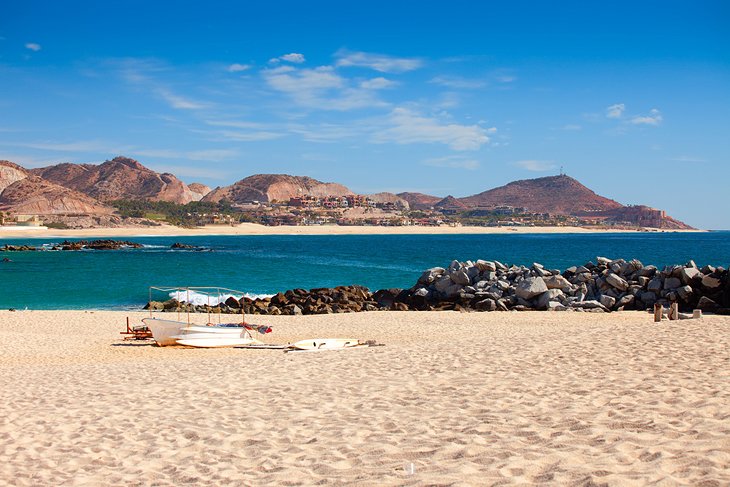
At the southern tip of the beautiful Baja Peninsula, Los Cabos – often referred to simply as "Cabo" – is one of Mexico's top beach destinations. Consisting of a large stretch of coastline that extends from the towns of Cabo San Lucas and San José del Cabo and known as the Los Cabos Corridor (Corredor Turistico), this 30-kilometer stretch of pristine beaches attracts visitors the world over for its clear waters, diving, snorkeling, and fishing (it also hosts the world's largest marlin contest).
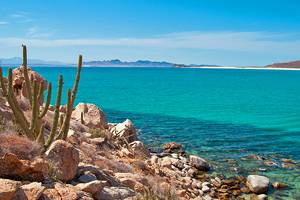
What I love most about Cabo is its landscape. The drive from the airport down the corridor towards Los Cabos is one of the most beautiful stretches of natural beauty, with endless views of saguaro cacti, red rock desert mountains, and crashing cobalt-colored sea.
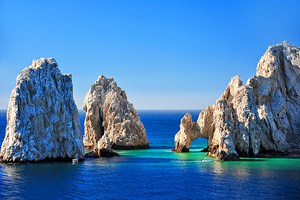
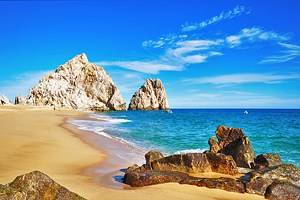
Cabo has so many fantastic things to do, as well, from visiting the natural rock formations at El Arco de Cabo San Lucas, to swimming and snorkeling on its calmer beaches. Keep in mind, many of the beaches around the peninsula are not safe for swimming. But a handful of beaches are renowned for their warm, calm, cove-like waters and fantastic snorkeling conditions. Playa Chileno is one of my favorites.
For some of Los Cabos' history and culture, the city of San Jose del Cabo is perfect. Its downtown has cobblestone streets, a massive main square, and dozens of art galleries, restaurants, and boutiques. San Jose del Cabo is my favorite place to visit when I'm visiting the Los Cabos destination, particularly for its farm-to-table food scene at places like Flora Farms, Acre, and Tamarindos.
Numerous resorts have sprung up that cater to all tastes and budgets, from luxurious spas to golf-centered properties offering some of the best courses in North America. For the most part, however, Los Cabos most appeals to big-budget travelers. It is one of the luxury capitals of Mexico.
Read More: Baja Road Trip: Driving from San Jose del Cabo to Rosarito
Copper Canyon: Mexico's Grand Canyon
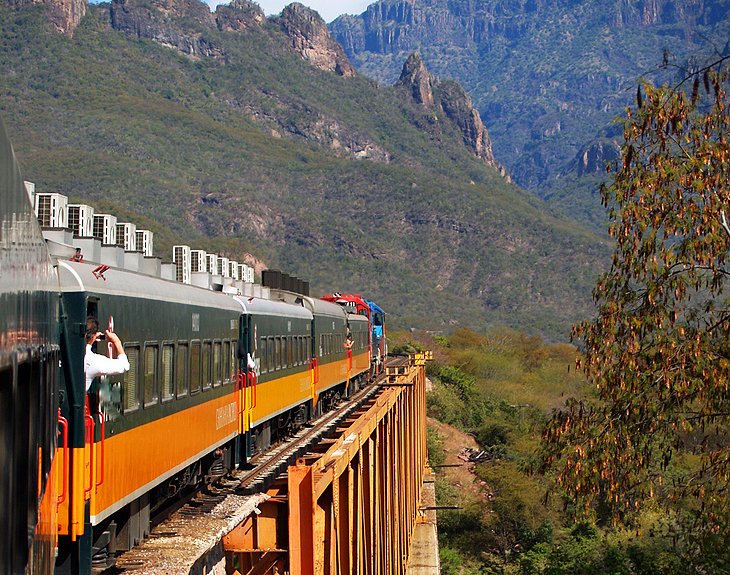
Chihuahua, one of Mexico's most northerly states – it shares the border with New Mexico in the US – is home to one of the country's most visited natural attractions, the stunning Copper Canyon (Barranca del Cobre).
Located in a region known as the Sierra Madre Occidental and consisting of a spectacular group of deep canyons, Copper Canyon is in fact larger and deeper than its better-known cousin, the Grand Canyon. Taking its name from the distinctive copper-green coloring along its steep canyon walls, these amazing natural structures were formed by six rivers that converge in the Rio Fuerte before draining into the Gulf of California.
Thanks to the area's increased popularity as a travel destination, there are numerous options available to those wanting to explore this area of outstanding natural beauty, from scenic rail trips aboard the Ferrocarril Chihuahua al Pacífico to more adventurous excursions by bike or even on horseback.
Mexico City's Historic Center
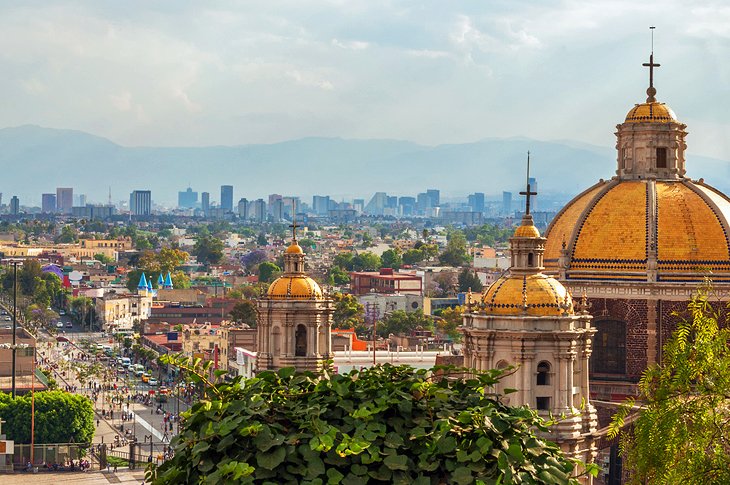
Mexico City is one of my favorite cities in the world. I'd argue that Mexico City can compare with some of the world's most famous and iconic historic capitals like Paris, Rome, and London. This thriving, ancient city is stunningly beautiful, rich with history and culture, and buzzing with some of the world's best restaurants and hotels.
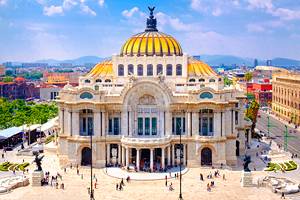
Mexico City (Ciudad de México) is not only the capital of the country and the seat of government, but it is also one of the country's most popular alternative travel destinations thanks to its many world-class museums, art galleries, and attractions. Don't be put off by its size. Instead, focus your efforts on the historic city center (Centro Histórico de la Ciudad), a 15-square-kilometer UNESCO World Heritage Site boasting more than 1,400 important colonial buildings from the 16th to the 19th centuries.
It's here, you'll find most of Mexico City's major highlights, many within walking distance of Constitution Square (Plaza de la Constitución, or the Zocalo), the city's bustling main plaza, including the National Palace, the Metropolitan Cathedral, and the Templo Mayor with its Aztec relics. Adding to the whole experience are the huge volcanic mountains overlooking the city, Popocatépetl and Iztaccíhuatl, each over 5,000 meters tall and offering a perfect excuse to get out and explore the stunning scenery in this part of the Mexican Highlands.
Tip: Head to the rooftop restaurant at the Gran Hotel Ciudad de Mexico for one of the best views over the Zocalo. At night, you'll have a front-row seat for the colorful lights that cast an impressive glow over the centuries-old buildings.
Chichén Itzá: The Mayan Metropolis
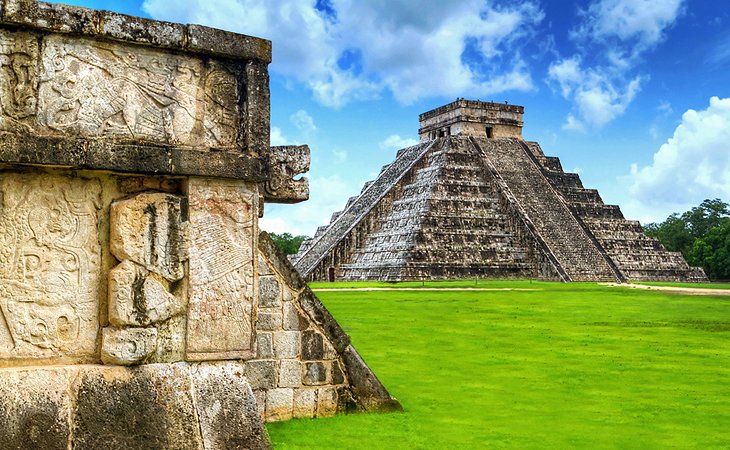
A popular day trip for those visiting Cancún and Playa del Carmen or the Yucatán capital of Mérida, the magnificent Mayan city of Chichén Itzá is one of Mexico's most visited archaeological sites, as well as one of the biggest and best restored. Highlights of a visit to this UNESCO World Heritage Site are numerous. A must-see here is the massive El Castillo, also known as the Pyramid of Kukulkán, and at 30 meters high, the site's tallest structure.
Another noteworthy point of interest here is the magnificent Caracol, an almost 1,000-year-old observatory that stands a testament to just how advanced the Mayans were. The building is notable for the narrow slits in its walls allowing the sun to penetrate twice per year, so priests could accurately determine the date. Also of interest are the site's numerous statues, including many examples of the famous Mayan Chacmools holding their sacrificial vessels as they continue to protect these old temples.
Guanajuato
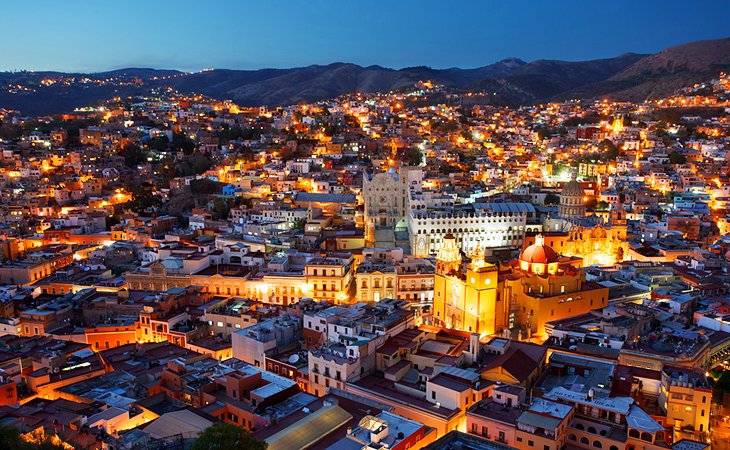
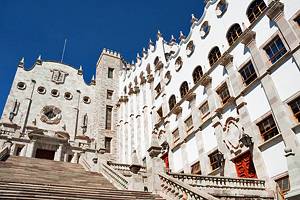
Designated a UNESCO World Heritage Site thanks to its many old colonial buildings, winding lanes, and narrow alleys, Guanajuato is a city that just begs to be explored on foot. A particularly pleasurable experience is visiting its many plazas, including the delightful Jardin de la Union, the city's main square with its splendid old architecture. It's here, you'll find the beautiful old San Diego Church and the majestic Juárez Theater, along with fountains and flower beds, cafés, and restaurants.
Afterward, head underground to the city's subterranean streets, part of a network of tunnels that once carried a river but are now used by cars and pedestrians wanting to get around the city quickly.
Known as an art city, Guanajuato is home to many fine galleries, as well as interesting museums, none more so than the Museum of Quixote, dedicated to the works of Spanish writer Miguel de Cervantes. The city also hosts Latin America's most important festival in honor of the writer, the International Cervantino Festival. And if you've got the stomach for it, check out the city's famous Mummies of Guanajuato exhibit, with its many naturally mummified remains of locals who died during an outbreak of cholera in the mid-19th century.
- Read More: Tourist Attractions in Guanajuato
Ixtapa and Zihuatanejo
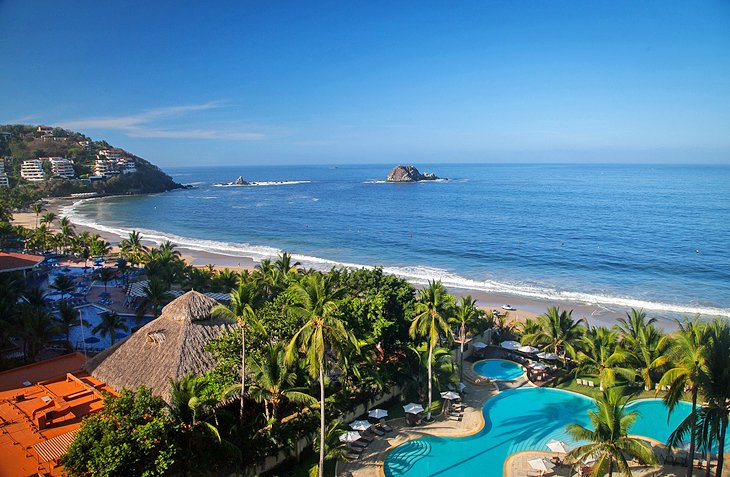
While there's no denying the appeal of Mexico's larger beach resorts, there's much to be said for paying a visit to some of the country's many smaller vacation destinations. Two of the very best are the towns of Ixtapa and its neighbor, the much smaller former fishing village of Zihuatanejo on the country's Pacific coast.
Although the larger of the two, the former coconut and mango-producing town of Ixtapa has been carefully master-planned as a tourist hub to good effect – its streets and beaches are uncluttered and easy to get around. Be sure to book one of the best all-inclusive resorts in Ixtapa.
The contrast to traditional beach resorts is even greater in beautiful Zihuatanejo, which has worked hard to keep its small-town feel. Still, the town offers a lengthy list of things to do. Lying along a small, well-protected bay, it's a delightful and safe town to explore, home to a number of fine hotels and restaurants. Fun activities include shopping in its fish market or, better still, taking a fishing excursion to catch something of your own.
The Ancient Fortress of Tulum
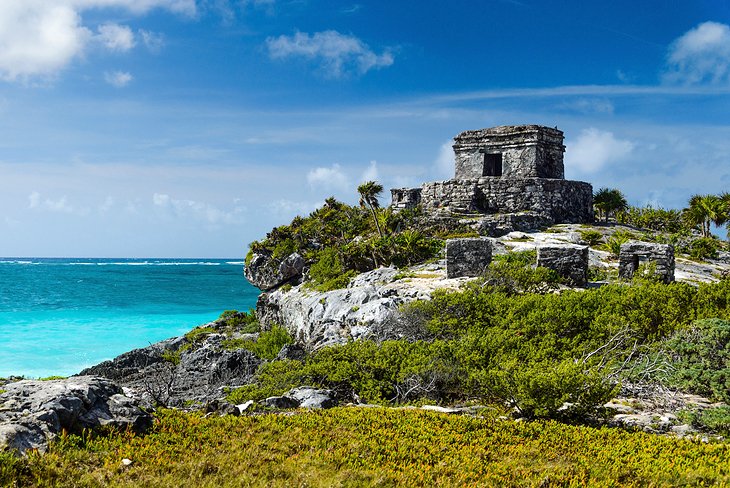
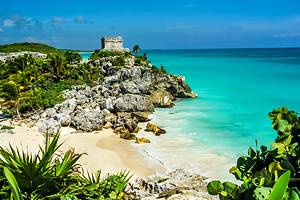
Famous as the only fortified Mayan settlement located on the coast, the ancient city of Tulum is one of the Yucatán Peninsula's most visited attractions. In the Mayan Riviera and within easy reach of the beaches of Cancún, Playa del Carmen, and Cozumel, the site's well-preserved ruins can be seen for miles around due to their location atop 12-meter-high cliffs overlooking the beautiful Caribbean Sea.
Tulum is also famous for its tall walls, giving the site the feel of a fortress and suggesting a military, as well as religious significance. Dating from the 13th century, the town was inhabited up until the Spanish arrived in 1544 and contains many other important archaeological finds, including the Temple of the Frescoes (Templo de los Frescos), with its sculptures and reliefs, and the Castillo, the site's largest building, famous for its cliff-side location.
- Read More: Visiting Tulum's Attractions
Cozumel: Island Life
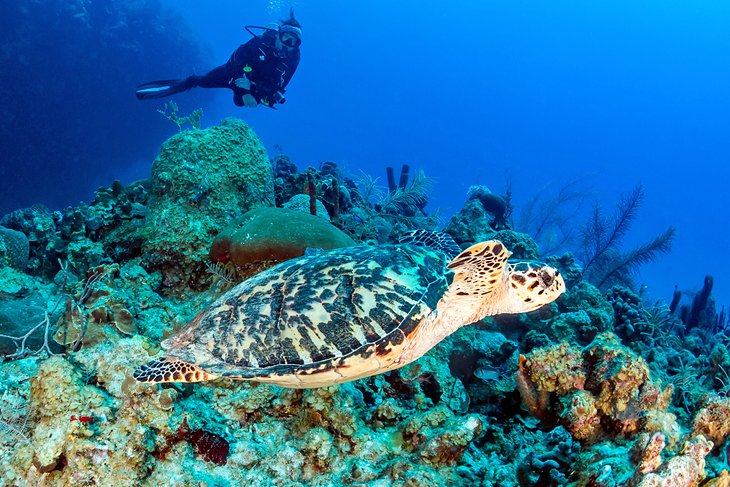
The island of Cozumel has pretty much everything needed for a perfect Mexican getaway. Located 20 kilometers from the Yucatán Peninsula, this lush tropical paradise takes its name from the ancient Mayan, "Ah-cuzamil," which translated means "land of the swallows," and has long been inhabited. And while the first visitors to the island were reputedly Mayan pilgrims, followed by European smugglers and pirates, modern-day travelers are drawn here by the promise of endless sunshine. The top beaches for these sun-seekers are Playa San Juan, Playa San Francisco, and Playa Santa Rosa, to name but a few.
Many are attracted to Cozumel by the superlative diving experiences to be enjoyed around its coral reefs. These beautiful locations are rich with fish and other marine life, and it's relatively easy to include at least a little underwater activity by booking a diving experience through your resort (or ahead of your travel), or simply grabbing a pair of flippers and a mask when you get here.
If you're into serious diving, head to the Palancar Reef on the southwest tip of the island. Here, you'll be rewarded with an undulating seabed that plunges from its shallow spots to depths of 80 meters. A relatively new experience includes diving around man-made landmarks, including sculptures and bronze figures, as well as structures deposited to encourage coral growth.
Be sure to drag yourself away from the island's crystal-clear waters long enough to see at least a little of the island's capital, San Miguel de Cozumel. Here, you can grab a ferry for a day trip to either Playa del Carmen or Cancún, or explore top tourist attractions such as the Island Museum with its fascinating displays relating to the island's history, or partake in some shopping or dining.
- Read More: Attractions & Places to Visit in Cozumel
Guadalajara
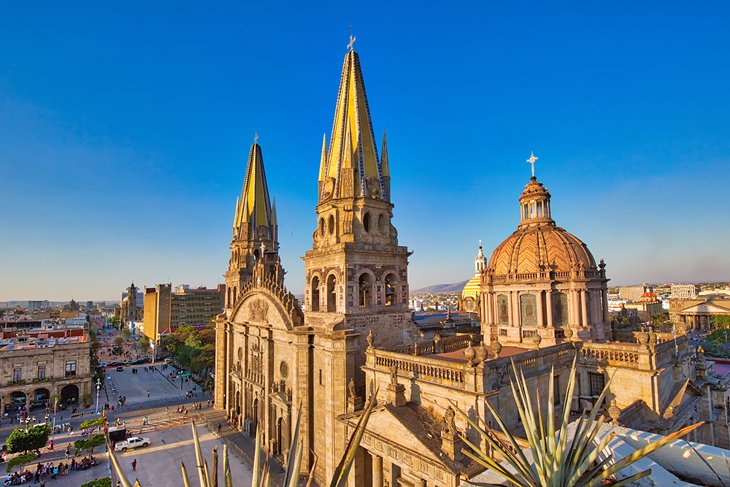
Second only to Mexico City in size, Guadalajara, the capital of the state of Jalisco, has successfully conserved its unique mix of colonial and native Tapatíos influences. Famous for its broad avenues flanked by picturesque parks and fine old buildings notable for their European flair, Guadalajara is a hotbed of traditional Mexican culture, from the mariachi music that seems to emanate everywhere, to its fascinating Charreadas, a type of rodeo that is usually accompanied by festivities such as dancing, singing, and plenty of great food.
It's a fun city to explore on foot due to the four large squares that together form the shape of a cross and comprise the old city center. The best of them, Plaza de Armas, is the perfect place to begin a sightseeing tour and includes such notable buildings as the 17th-century Government Palace (Palacio de Gobierno) and the beautiful Baroque Guadalajara Cathedral (Catedral de Guadalajara), built between 1558 and 1616.
Whenever I visit Guadalajara, I like to explore the Colonia Americana neighborhood, which is within walking distance of Centro. Its leafy, tree-lined streets are flanked by great restaurants and galleries, and it has some of the best hotels in the city. Villa Ganz Boutique Hotel is a personal favorite, housed in a 1930s villa with a beautiful and tranquil backyard.
- Read More: Tourist Attractions in Guadalajara
Mérida: Yucatán's White City
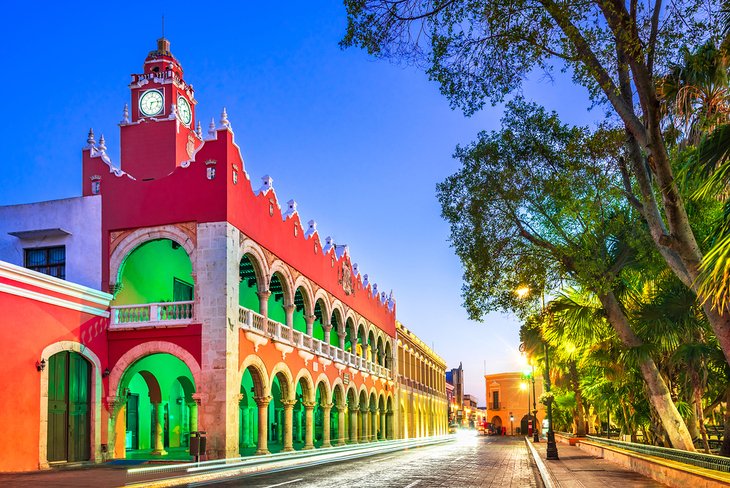
The capital of Yucatán, Mérida is one of Mexico's finest old colonial cities and is perfectly located to serve as a base from which to explore the region's many fine Mayan sites, including Chichén Itzá and Tulum. It's an equally popular day trip or overnight stopover from the resorts of the Mayan Riviera. Established in 1542 by the Spanish, Mérida is laid out on a grid pattern, making it easy to explore its numerous attractive parks and fine old buildings.
European influences are everywhere, particularly in the old city squares and plazas where evidence of French architecture can still be seen. It's also a remarkably neat and tidy city, something of a badge of honor for its citizens who like to dress in white, giving the city its long-standing nickname of Ciudad Blanca, the "white city."
My favorite place to hang out in Merida is near the Parque de Santa Lucia. Not far from the broad and historic Paseo de Montejo Boulevard, and close to the shopping and restaurants of Calle 59, Parque Santa Lucia is in the heart of the action and a nice, shady spot to escape the infamous Merida humidity.
- Read More: Attractions & Places to Visit in Mérida
Oaxaca: A Taste of Real Mexico
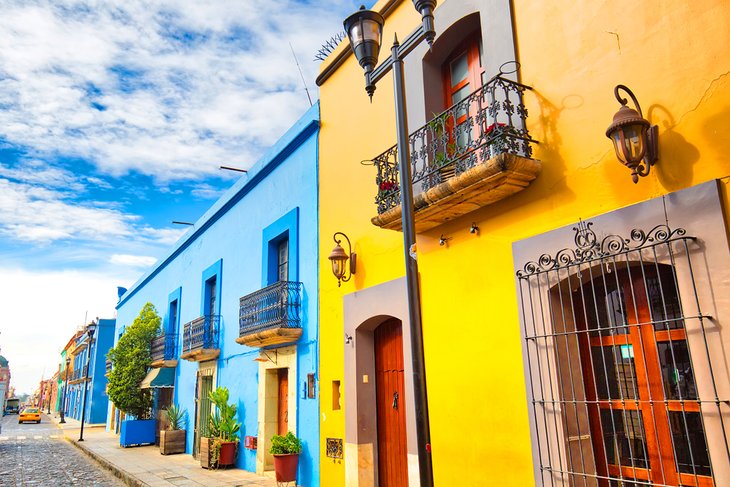
Capital of the state of the same name, Oaxaca is one of the most popular city destinations for travelers interested in sampling a taste of the real Mexico. An interesting mix of native indigenous and Spanish elements, the city has remained largely untouched by the kind of large developments that have sprung up in some of the country's other popular destinations, and as a consequence, it has been declared a UNESCO World Heritage Site.
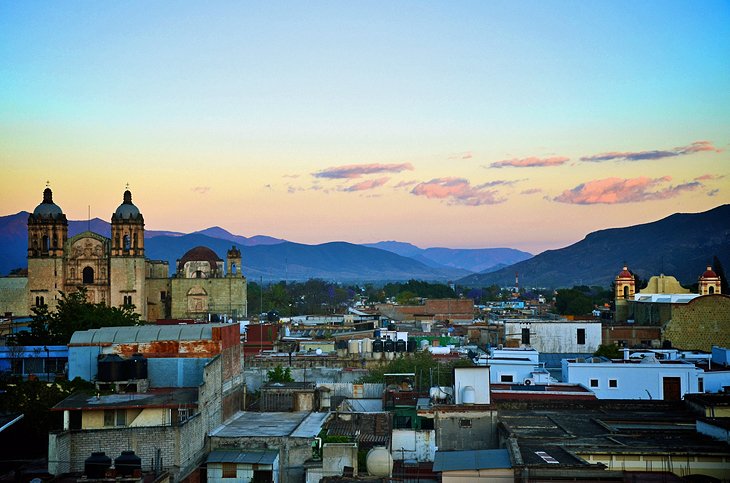
In addition to its unspoiled city center and old architecture, the city has become a cultural hub that draws crowds for its numerous events and festivals, including the spectacular Guelaguetza, an indigenous festival that takes place each July and includes traditional dancing, costumes, music, food, and crafts. The city also makes a great jumping-off point to explore the splendid surrounding scenery, along with numerous ancient ruins such as those of the Monte Alban.
One of my favorite things to do in Oaxaca is to take a trip to the magical Hierve El Agua natural mineral pools. These beautiful clifftop pools, which are open to the public for swimming, have spectacular views out over the surrounding valley and mountains. Even more impressive, from a distance, the spillage from the pool has calcified to the cliff below, creating the illusion of a waterfall frozen in time.
If you happen to extend your stay in Oaxaca, it's worth a trip down the mountains to the coast to experience some of the state's very best beaches.
Historic Morelia
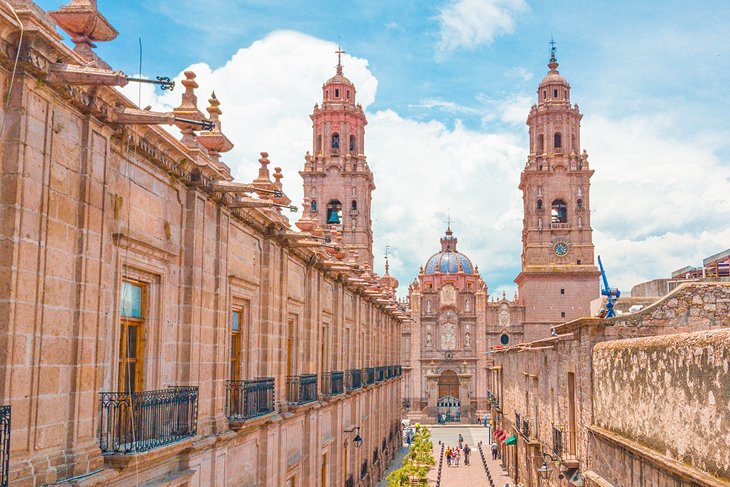
A gem of a city, the colonial-era Morelia is a delightful place to linger in Mexico, whether you're here for a few days or longer. Little change has been made to the layout of this historic city, founded in 1541, and thanks to the more than 200 well-preserved buildings that date back many hundreds of years, the entire downtown core has been designated as a UNESCO World Heritage Site.
A highlight of a visit is spending time in the magnificent Plaza de Armas. Laid out nearly 500 years ago, this large public square is perfect for those who like to explore on foot. In addition to its many great cafés, restaurants, and shopping opportunities, here you'll find everything from statues of revolutionary heroes to attractive stretches of gardens and pleasant fountains, making for one of the prettiest cityscapes in all of Mexico.
Nearby attractions you'll want to visit include the attractive Morelia Cathedral, built from local stone over a period of 100 years, starting in 1640, and still dominating the skyline to this day. Be sure to pop inside, too, and spend time examining interesting features, including its amazing artwork. A short walk from here is another must-see: the Morelia Aqueduct. Completed in 1789 and featuring over 250 arches, it, too, was built of local stone, and for years was the city's main source of drinking water.
- Read More: Tourist Attractions in Morelia
Riviera Nayarit
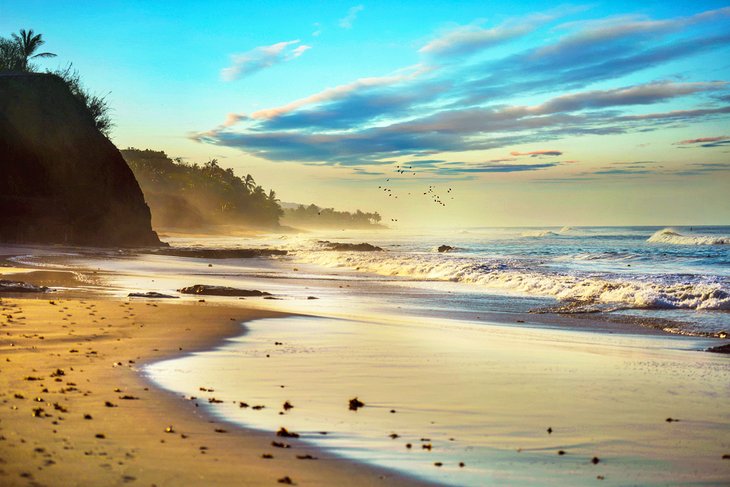
If you haven't heard of it yet, chances are you will very soon. Riviera Nayarit is the stretch of coastline north of Puerto Vallarta that begins in the neighboring state of Nayarit. Familiar towns that stick out might include Sayulita, or the luxury enclave peninsula that is Punta Mita. But Riviera Nayarit has so much more to explore and is practically overgrown with natural beauty.
While Puerto Vallarta was building and expanding, surfers for decades have been flocking to the jungle-beaten paths and virgin beaches to the north. The picture is a little different these days, as once-fishing villages have turned to sleepy boutique hotel towns. Five-star resorts and villas dot the hillsides, and former surf towns have been reinvented as havens for yoga retreats and boho-chic galleries. The ultra-high-end luxury is well on its way.
Still, the more north you go up the coast, the more you'll be traveling back in time to a simpler time of Mexico beach beauty – complete with rolling, emerald-colored peaks, craggy cliffs that plummet into the ocean, and nothing but a string of shady palapas along golden-colored sand, as far as the eye can see.
A personal favorite along the Riviera Nayarit is the small village of San Pancho. It neighbors Sayulita, but receives a fraction of the tourists and is geared much more toward travelers "in the know." Things are changing, and soon San Pancho will be less of a well-kept secret, but for now, it's one of those coastal gems that makes you feel like you have the entire place to yourself.
Mazatlan
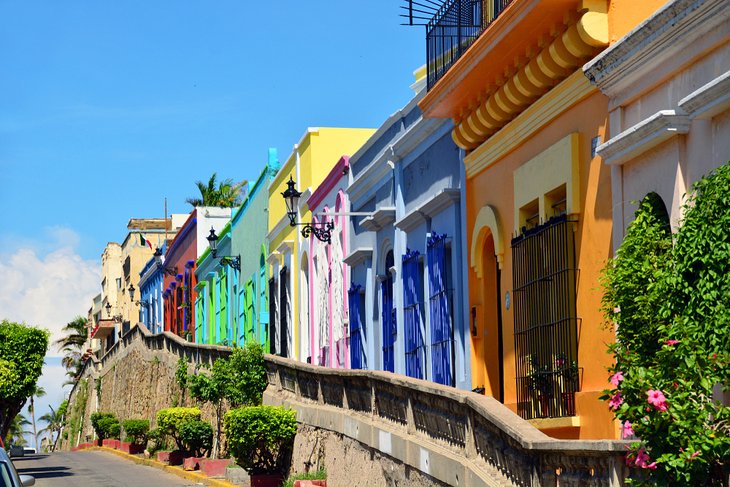
I adore Mazatlan. In my opinion, it is one of the most underrated places to visit in Mexico. It's one of the only historic cities on the sea, which means visitors to Mazatlan have the best of both worlds. Starting from the Centro Historico, you can walk the cobblestone streets of Mazatlan's history. The Spanish colonial architecture reveals beautifully decorated cathedrals, broad plazas, and buildings bathed in bright, almost vibrating, colors.
The Centro Historico is where you'll find the charming, boutique hotels of Mazatlan, as well as its best restaurants. Directly across the main street from the historic downtown is a stretch of beautiful shoreline, which is a rarity in Mexico's historic cities.
Be sure to explore the Plaza Machado, surrounded by historic buildings, and home to the beautiful Angela Peralta theater. A walk around the square will get you to the heart of the city, and it's one of the most vibrant places for street performers, arts and crafts fairs, murals, and much more.
Up the coast is where the beach resorts can be found. These all-inclusive beachfront resorts have beautiful pools, rooms with strong air-conditioning, and sweeping views out to the Pacific. Mazatlan is also a wonderful home base for outdoor activity, from surfing and hiking to ATVing on the beach.
Read More: Things to Do in Mazatlan
Cenotes, Yucatan Peninsula
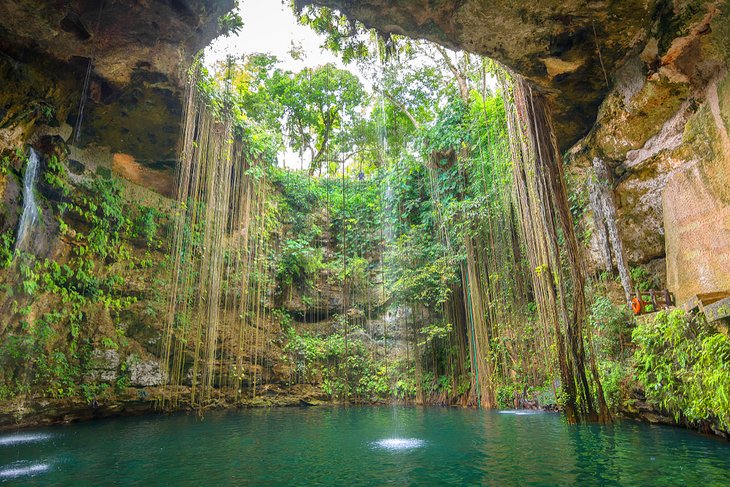
One of the best things to do in Mexico is to head underground into its mysterious world of cenotes. Most prevalent on the Yucatan peninsula, Cenotes are large sinkholes in the earth that give entrance to a web of underground rivers and caves carved out of the ancient limestone bedrock. You can find more than 6,000 cenotes in this part of Mexico.
The Mayan people believed that cenotes were the entrance to the underworld, and are still considered to be sacred spots. Many of them are on privately owned land and are protected, but visitors can explore them through organized tours. The gorgeous, crystal-clear pools of water are mesmerizing and can be wonderful places to visit for snorkeling or scuba diving.
Exploring the caves underneath the earth's surface is another popular activity, with centuries-old stalactites and stalagmites that give these cavernous spaces an eerie, other-worldly vibe.
Costa Oaxaquena
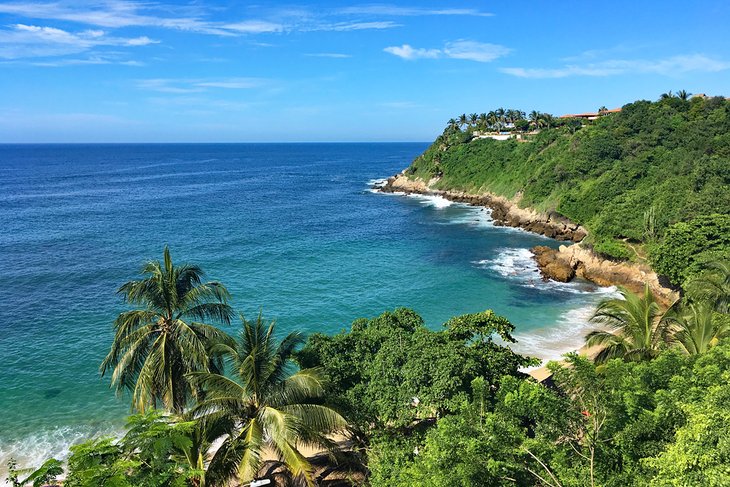
Down from the mountains of Oaxaca City – a 10-hour bus ride, to be exact – the elevation descends rapidly towards the stunning coast of Oaxaca. This stretch of the Pacific is one of the last wild coasts of Mexico. Over the years, it has managed to evade mass development, remaining one of the truest, raw, and wild places to experience undeveloped beaches.
The main town along the Oaxacan coast is Huatulco, a series of nine bays carved out of the coastline. Here is where you will find the majority of hotels and restaurants, as well as a port. As you go farther north, things become much more rugged and remote. You'll pass through the hippie beach havens of Mazunte and Zipolite, before you reach the surf mecca of Puerto Escondido.
Puerto Escondido, or "Puerto" to the locals, is my favorite spot along the entire Oaxacan coastline. Stroll along Playa Zicatela, the main beach in Puerto. This is where the famous Mexican Pipeline crashes just offshore, and is the best place for surfing in all of Mexico. The beach is strewn with lively restaurants, swimwear boutiques, and spots for a fresh juice or acai bowl.
Today Puerto Escondido is seeing a flurry of hotel and restaurant development, and before long it will probably become one of the many Tulums of Mexico, with boutique hotels, trendy restaurants, and shopping. But the spaces in between these hives of activity are where you truly get lost in the craggy, mountainous splendor of the Oaxacan coast.
Read More: Things to Do in Puerto Escondido
Palenque, Chiapas
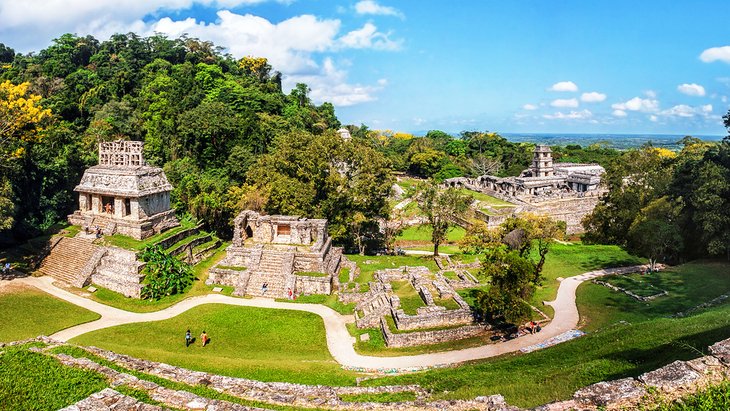
The beauty of Mexico's Mayan ruins is that many remain tucked away in thick, lush jungle. Coming upon them only helps to set the tone of these "lost" cities. Palenque, located in the jungles of the southern state of Chiapas, is one of the most magical Mayan archaeological sites. And seeing as it's not as easy to get to as Tulum or Chichen Itza, you'll feel like you've stepped into another world when you visit.
The ruins of Palenque date back more than 1,000 years and are thought to be one of the rival cities with other Mayan cities like Calakmul and Tonina. The site is most famous for its Temple of the Inscriptions, a pyramid temple with hieroglyphics that have been integral in helping archaeologists interpret the Mayan language.
A huge portion of the city remains unexplored, the rest shrouded in the surrounding jungle. Still, what has been uncovered is breathtaking to explore.
Isla Holbox
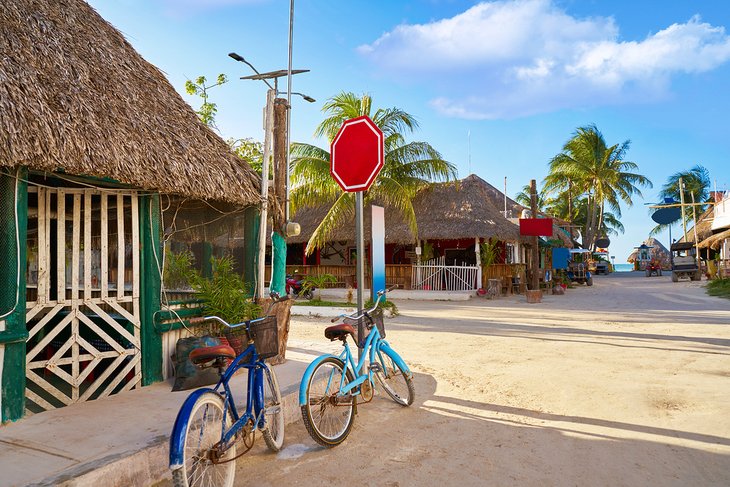
Flecked off the northeastern corner of the Yucatan peninsula, Isla Holbox is about as close as Mexico gets to its own Caribbean island. The car-free, skinny barrier island is accessed via a very quick ferry ride from the port town of Chiquila.
Once on-island, visitors will find the pace slows way down. Sandy roads run the length of the island, from the small main town all the way to the farther, palm-fringed reaches. This island is all about taking it slow, from the daily yoga activities to the laid-back beach restaurants and boutique hotels.
Barefoot and casual, this island has long been on the backpacker and digital nomad trail. It started to gain serious traction in the last few years, and more brand hotels are taking interest in it. But for now, it still remains one of the best-kept secrets along the Mexican Caribbean.
Huasteca Potosina, San Luis Potosi
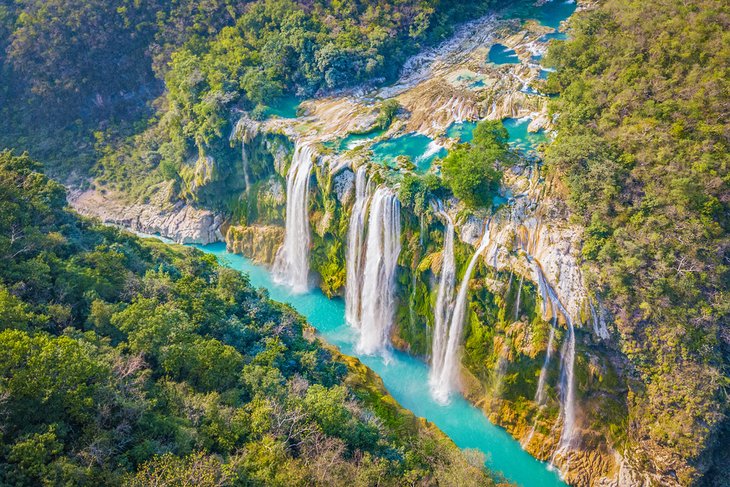
Mexico has many deep canyons and raging rivers, but none is as beautiful as the La Huasteca Potosina region. The Huasteca region of Mexico is the area home to the Indigenous Huasteca people, and it spans many states. But the region in the state of San Luis Potosi is particularly known for its epic waterfalls.
This hot and humid jungle is simply bursting with tropical flowers that explode from the thick, green foliage. Its veins are coursing with bright blue water, which give way to beautiful ribbons of gushing falls – and swimming holes to go along with them.
Huasteca Potosina is not terribly convenient to get to, but it is particularly appealing to adventure travelers who want to see a side of Mexico that few international travelers get to experience.