Things to Do in Haifa
Modern Haifa is a bustling port town, but unlike many industry-focused cities, its landscape of steep cliffs rolling down to the shore gives it a beautiful setting.
For travelers who want a base with both good access to the sights of the north and plentiful city buzz, with a thriving café and dining scene, this is one of the best places to visit.
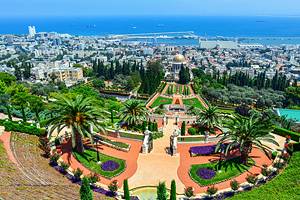
Haifa's hillside location is enhanced by the Baha'i Gardens, which are the central city's dominating feature. These cascading terraces of manicured lawns are Haifa's number one tourist attraction.
As well as being a center of the Baha'i faith, which brings Baha'i pilgrims from across the world to the city, Haifa is the base for visiting the sites upon Mount Carmel and is within day-tripping reach of important ruins such as Caesarea.
Discover the best places to visit with our list of the top things to do in Haifa.
Tour the Baha'i Gardens
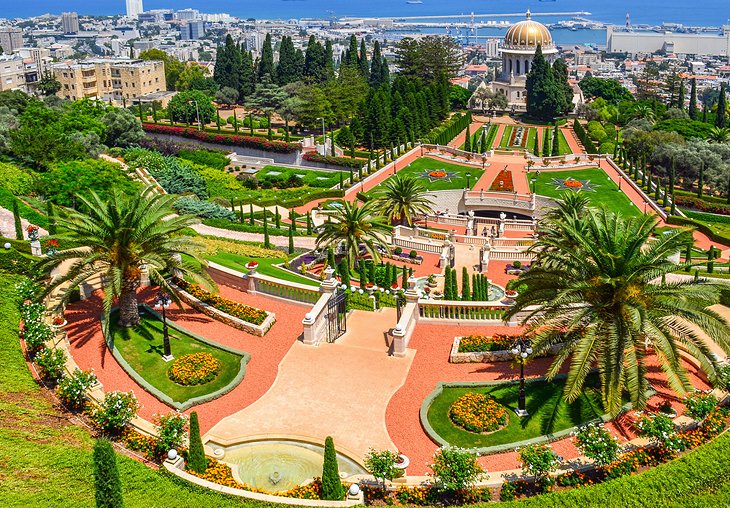
The extraordinary Baha'i Gardens are top of the things to do list in town, and the Baha'i Shrine, with its golden dome, is the city's landmark monument.
The Baha'i faith began in Iran when, in 1844, Iranian Mirza Ali Mohammed declared himself "Bab" (gateway to God) and founded the faith.
When he was assassinated in Tabriz in 1850, his successor, Mirza Hussein Ali (who later was known as Bahá'u'lláh), fled into the Ottoman Empire. In 1868, when he declared himself Imam, he was held in captivity at Akko for 24 years, up until his death in 1892.
After the death of Mirza Hussein Ali, Baha'i devotees secretly brought the remains of his predecessor, Mirza Ali Mohammed, from Iran to Haifa and built his tomb, the Shrine of the Bab, here.
Today, the terraced gardens and shrine are an incredibly tranquil and beautiful memorial, as well as an immaculate example of garden landscaping.
UNESCO has declared them a World Heritage Site for their cultural value, as well as natural beauty. For those of the Baha'i faith they are also an important place of pilgrimage.
Free tours, in a selection of languages, are offered throughout the day. The access road to the entrance, Yefe Nof Street, offers commanding vistas down over the garden terraces and Mediterranean beyond.
Address: Off Yefe Nof Street, Central Haifa
Official site: www.ganbahai.org.il
Stella Maris Carmelite Monastery
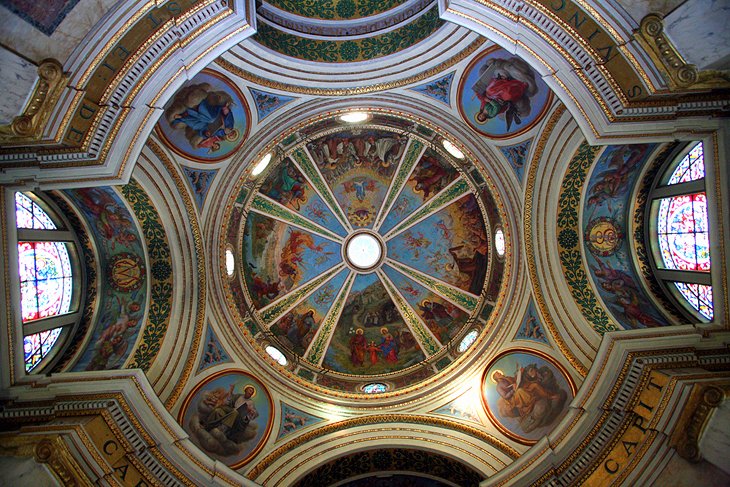
The present Stella Maris Carmelite Monastery was built in 1836 and is noted for its lush frescoes portraying St. Elijah.
The interior also contains paintings of scenes of the lives of the prophets Isaiah and Ezekiel and has a cedar figurine of the Virgin known as the Madonna of Mt. Carmel.
The Carmelite order was founded on Mount Carmel in 1150 as a hermetic Catholic sect. When the order sided with Napoleon during his battle against the Ottoman Turks in 1799, the Carmelite monasteries were destroyed. In front of the building is the tomb of the French soldiers who were killed during the battle.
Afterwards, the monastery was rebuilt but was again razed in 1821 by the pasha of Akko (Acre).
Many people come here simply for the views alone, which stretch across central Haifa below, out to the sea.
From the monastery, a trail leads down to the grotto known as Elijah's cave, believed to be either the one-time dwelling place or tomb of Elijah.
Address: Off Tchernikovsky Street, West Haifa
Ride the Haifa Cable Car
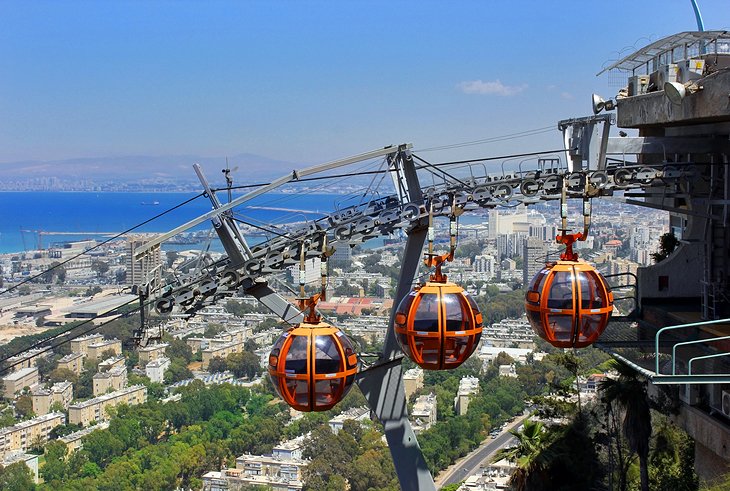
The Haifa cable car is the easiest way to get up the steep hill to the Stella Maris Carmelite Monastery and by far the most fun.
There are excellent panoramic vistas over the city and its major points of interest all the way up, making this an excellent activity for photographers.
Note, that it is a very short ride, and even if you're not interested in visiting the monastery itself, the views from the lookout point at the top of the hill, across the sprawl of Haifa and out to the Mediterranean, are usually judged well worth taking the cable car for if you don't fancy the walk.
There's a small cafe selling refreshments at the summit.
Address: Entry from HaHaganah Street, Galshanim Beach
Elijah's Cave
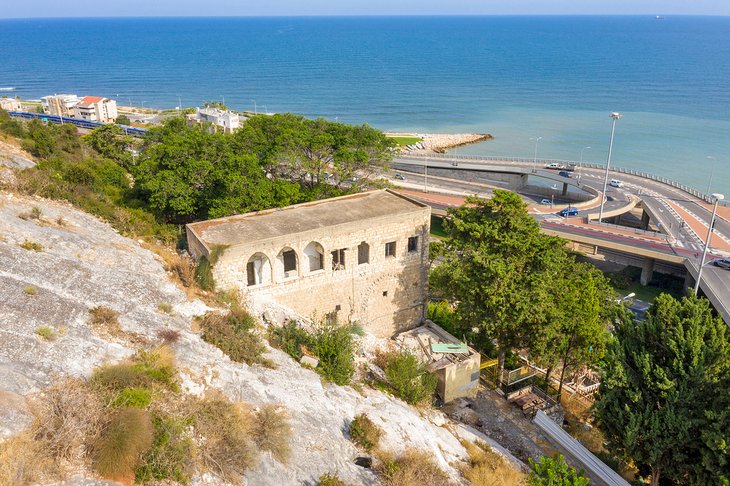
Opposite the Stella Maris Carmelite Monastery a path leads down to Elijah's Cave at the foot of the cape. Visitors that don't fancy the trek down the hill can access the cave off Allenby Street.
Believers hold that Prophet Elijah hid here after killing the priests of Ba'al.
It is an important pilgrimage site for Jews, Muslims, and Christians alike who all hold Elijah in high regard.
If you're going to visit, remember to dress modestly to respect the pilgrims who might be visiting the site at the same time.
Until 1948, the site was a mosque.
Day Trip to Caesarea
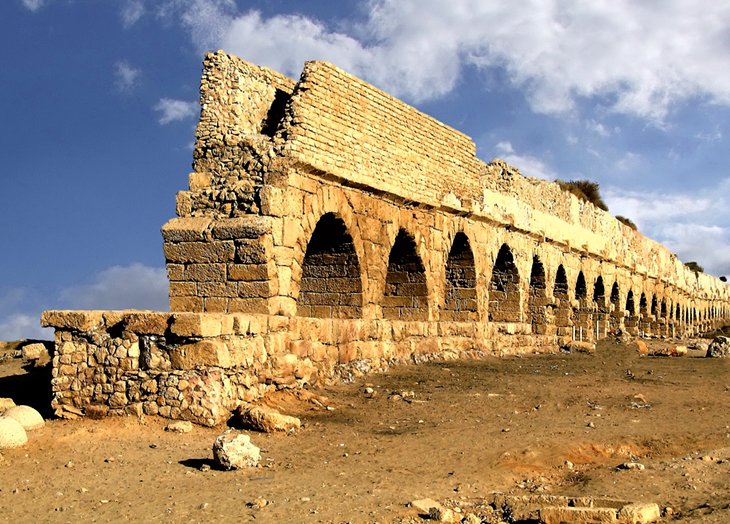
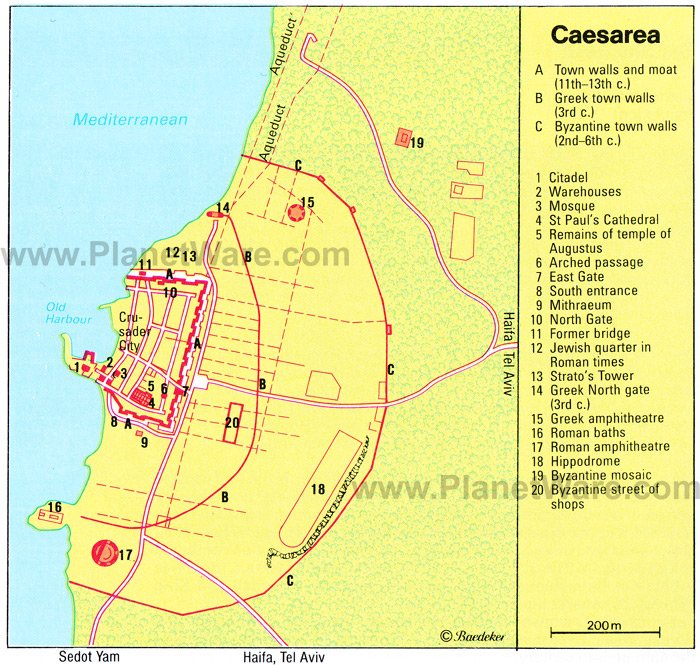
Halfway along the coast, between Haifa and Tel Aviv, Caesarea is home to one of Israel's most fascinating ancient sites.
The site has been occupied since the 4th century BCE, when the Phoenicians used it as a strategic port, but it was Herod I (Herod the Great) in 22 BCE who went on to build the harbor city here, with its temples, a theater, and hippodrome. He named the town Caesarea in honor of the Emperor Augustus.
The city's heyday was from the 1st century CE to the 6th century CE, first as capital of the Roman province of Judea, which later became the Roman province of Syria Palaestina, and later as an important center of early Christianity. St. Paul and St. Peter both spent time here.
During the Byzantine era, it continued to be a provincial capital up until the Arab conquest in 637 CE, after which it still remained but lost its importance. It was only during the Crusader era that the site's strategic location caused a flurry of building works, with further fortifications added.
Archaeological investigation of the site continues, and a number of important finds from the site, including a figure of Artemis of the third century BCE and an important Byzantine mosaic, are now in the Israel Museum in Jerusalem.
The Crusader-era city remains and Roman theater (within the archaeological park itself) and the gorgeously melancholy remnant of the ancient aqueduct (upon the beach), that was part of the city's Herodian period, are the three highlights of a visit here.
Stroll around Downtown Haifa
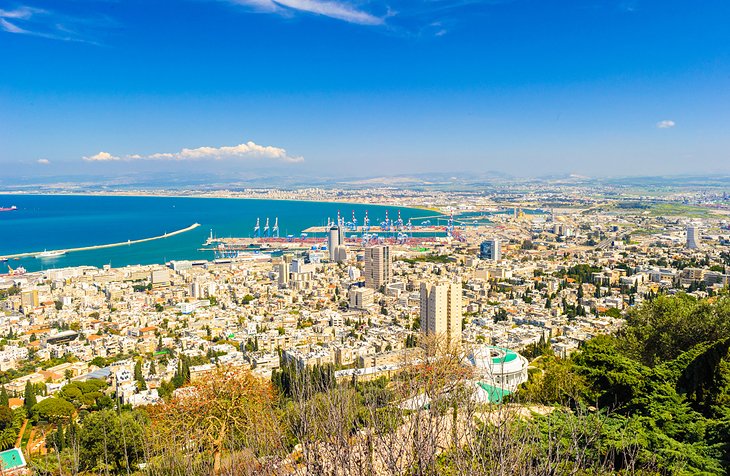
Ben-Gurion Street is the old main street of the German Protestant colony founded here in 1868 by members of the Society of the Temple, who believed that settling in Palestine would bring about the Second Coming. The society continued to exist until the Second World War.
The old houses, with their tiled roofs, have all been spruced-up and are very characteristic of their period. The street is now home to Haifa's best dining and shopping.
The cemetery of these zealot settlers lies to the northwest, at 150 Jaffa Street, next to a British military cemetery of the First World War.
Take a Road Trip to Mount Carmel's Sights
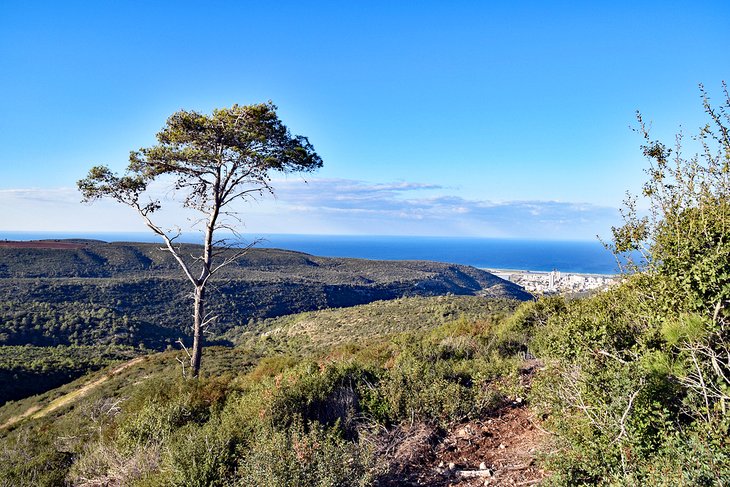
If you have your own wheels, tooling around the slopes of Mount Carmel makes an excellent day trip from Haifa.
The big historic sightseeing attraction here is the Carmelite Monastery of St. Elijah where, according to tradition, Elijah set up an altar during his conflict with the priests of Baal.
The small settlements that speckle the slopes of the mountain are just as interesting as the church, if not more so.
Make sure to stop off at Ein Hod, an artists' village riddled with galleries. Bet Oren, on the lower slopes, is where the remains of the "Carmel Man" (a Paleolithic skeleton unearthed in caves six kilometers west of the actual village) was found. The remains, and other finds from the site, are now in Jerusalem's Rockefeller Museum.
Hang Out on Haifa's Beaches
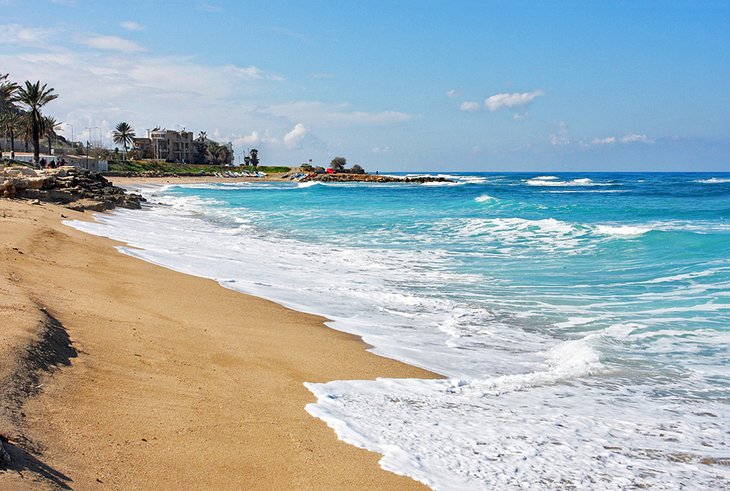
Haifa has three main beaches for visitors who want to add some sand and sea into their stay.
Bat Galim Beach, at the city's northern tip, is a favorite spot with local water sports enthusiasts. Windsurfers and kiteboarders take to the waves on sunny days, and you'll find water sports operators here who rent equipment and give lessons.
Carmel Beach, on Haifa's western shoreline, is more about laid-back sunbathing and general lounging and is a favorite haunt for local families on sunny weekends.
Just to the south of Carmel Beach is Dado Beach, which is known for its surfing.
All three beaches have excellent facilities, with cafés along the shore and sun shades and sun loungers for rent.
Walk the Suspension Bridges of Nesher Park
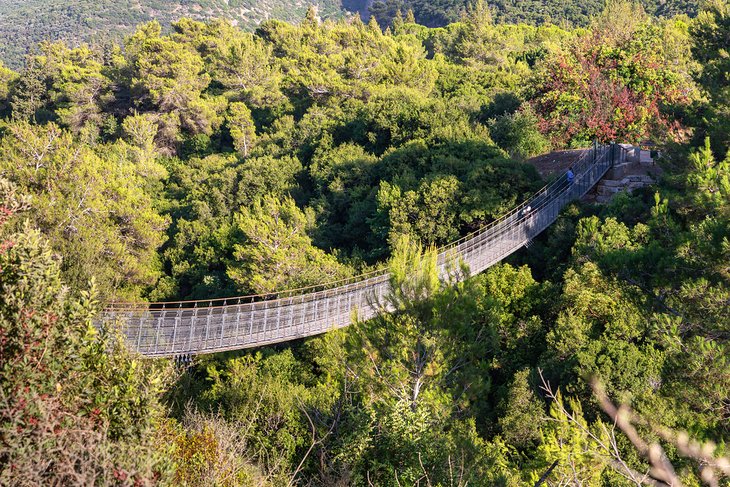
In Nesher, right at the southern edge of Haifa on Mount Carmel's northern slope, Nesher Park's dense evergreen forest is a good place to visit for a quick hike if you need a break from the city.
The circular trail here is most famous for its two 70-meter-long steel cable suspension bridges strung over a deep gorge, which are great photography spots for scenic vistas.
There are also various panoramic lookout points along the trail for more views of the lush surrounding countryside.
The easiest and shortest trail is less than two kilometers in length and is a non-strenuous walk that is suitable for children. The only issues would be with tackling the suspension bridges for walkers who don't have a head for heights.
There's a picnic area at the starting point of the trail, which is often busy with local families taking a nature break on sunny weekends.
Explore Jewish History at Beit Shearim
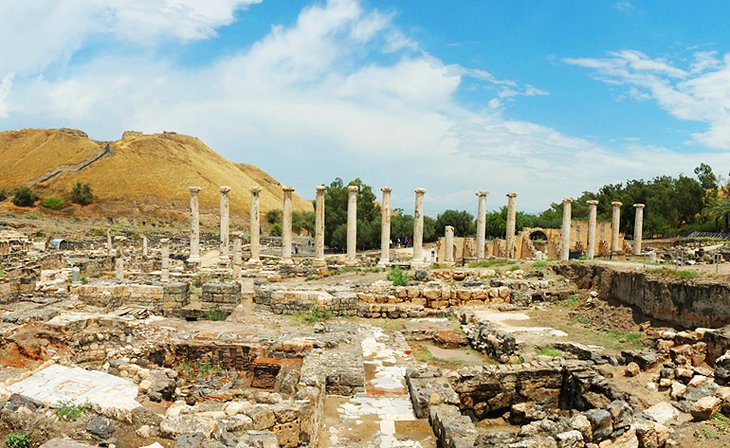
This fascinating archaeological site, recently declared a UNESCO World Heritage Site, is particularly notable for the impressive catacombs excavated by B. Mazar in 1936, and later, by N. Avigad.
Although the site has been dated back as far as the Iron Age, most of the ruins that can be seen today date from the 2nd century CE, when the town enjoyed a heyday as an important rabbinical city.
Archaeology buffs will find exploring the Jewish necropolis here, only 20 kilometers southeast from Haifa, an engrossing half-day trip from the city.
Visit Atlit Immigration Camp
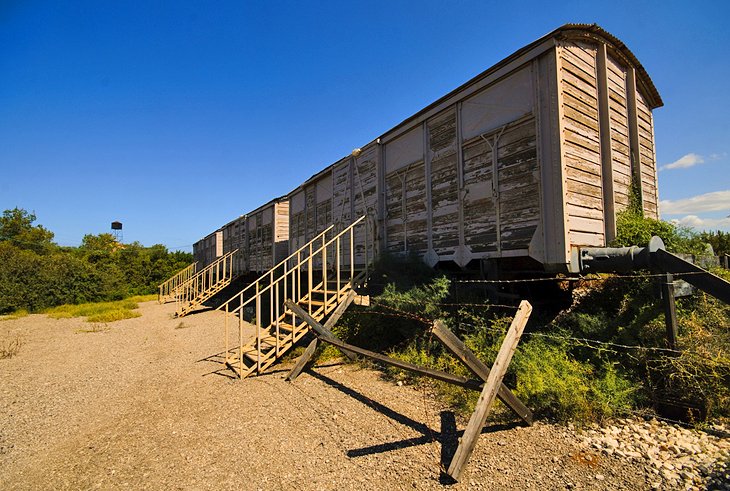
Atlit, 20 kilometers south of Haifa, is home to two historical sites.
Atlit Crusader Castle dates from 1200, when it was known as Castrum Peregrinorum or Chateau des Pelerins (Castle of the Pilgrims). Unfortunately, these days you can't enter it, as it is on military land, but you can get a good view of the ruins from Atlit Beach.
Much more recently, Atlit was the destination where Jewish refugees from Europe were detained when they arrived in British Mandate Palestine after World War II.
The Atlit Immigration Camp which was built by the British to hold them, has been preserved as a museum, with excellent guided tours available.
Mane Katz Museum
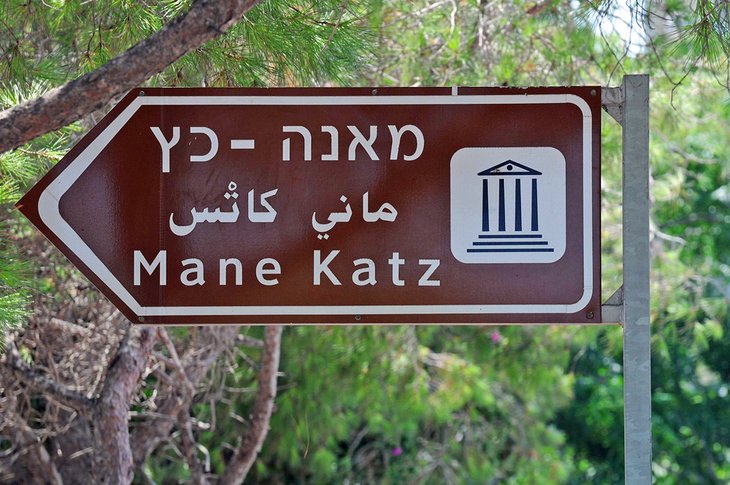
This excellent, well-curated museum is a must-stop for any art enthusiast. It contains the paintings and sculptures of Mane Katz, who was an influential 20th century Jewish artist.
As well as his Expressionist art, Katz was a great collector, and his personal collection of Judaica and antique furniture are on display here.
There are great Haifa views from the on-site café.
Just down the road is the Tikotin Museum of Japanese Art (89 Hanassi Avenue), which features exhibits of Japanese artistry from the 14th century right up to the present day.
Address: 89 Yefe Nof Street, Carmel Center
Ursula Malbin Sculpture Park
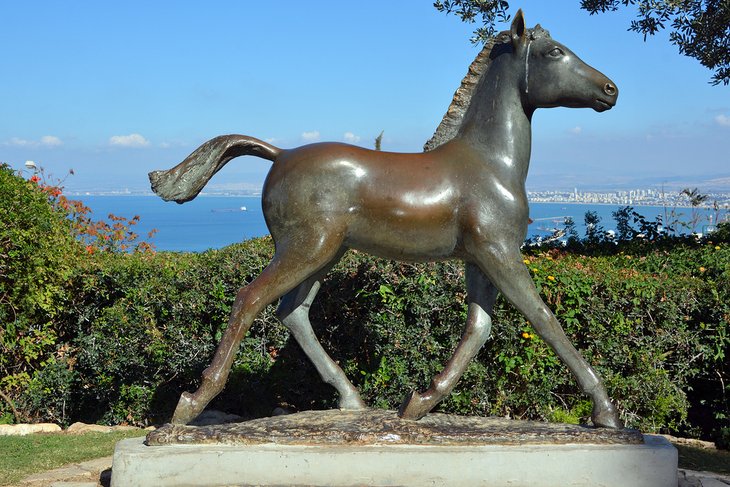
This lovely public park is full of gorgeous bronze statues and is a great place to relax after a morning of sightseeing.
The statues were all made by German-born artist Ursula Malbin who lives part of the year in Israel.
If you're traveling with children, they'll love exploring the well-maintained trails through the park and peering at the quirky monuments.
In the early evening, plenty of Haifa locals come here for a stroll so it's a great place for a spot of people watching and to check out local life.
Hecht Museum
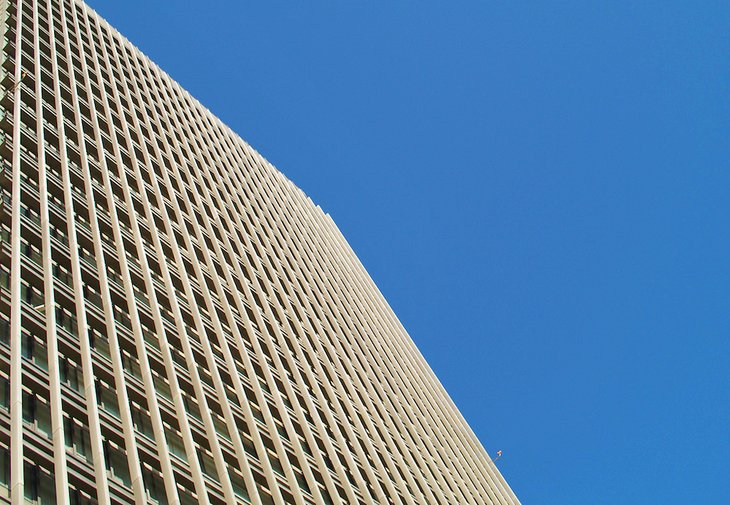
Haifa's large university complex, 2.5 kilometers south of the central city, is well worth the short hop from the center if you're interested in ancient history because it's home to the Hecht Museum.
The Hecht Museum collection ranges from the Chalcolithic era up to the Byzantine period and was built around the personal collection of Dr Reuben Hecht, who gifted it to the university.
Its most famous artifact on display is the wreck of 5th-century BCE Ma'agan Mikhail Ancient Ship, which was discovered in 1985.
There are also well-displayed and themed exhibits on Phoenician seafaring history and culture, Jewish coins, Biblical-era seals, and ancient crafts, including mosaic and glasswork.
Address: University of Haifa, 199 Aba-Hushi Avenue
Official site: https://mushecht.haifa.ac.il
Keep the Kids Busy at Madatech
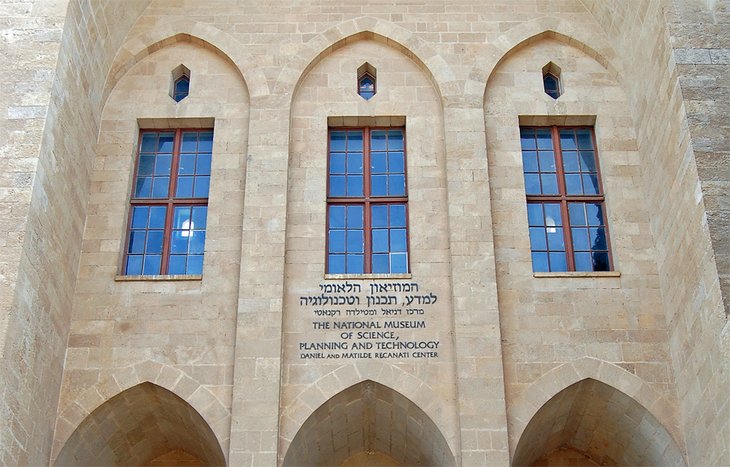
If you have kids in tow, make a beeline for this interactive science museum that will keep kids - both big and small - thoroughly engrossed and amazed.
The museum's stately building was once the base for Israel's Institute of Technology and was erected in 1913.
Inside, there are all manner of science-based exhibits, from zany and colourful chemistry displays to exhibits explaining aviation and green energy. It's a great example of how to make science fun and accessible for all ages.
Address: 25 Shermaryahu Levin Street, Hadar HaCarmel
Official site: www.madatech.org.il
Get Some Beach Time in Dor
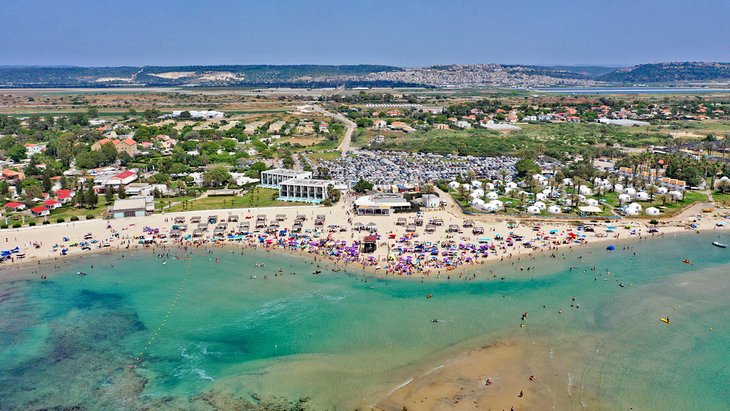
A favorite weekend hangout for stressed out city folk from Haifa, Dor is home to one of the most picture-perfect beaches in the area. It's only 29 kilometers south of the city, so is easily visited as a day trip.
Although today people mostly travel here for the pleasures of sun, sand, and sea, Dor has a rather illustrious history.
Excavations here, just to the north of the modern town, have brought to light remains of the old harbor, a Crusader era castle, and a 6th century Byzantine church. If you can manage to drag yourself away from the beach, the ruins are well worth a look.
National Maritime Museum
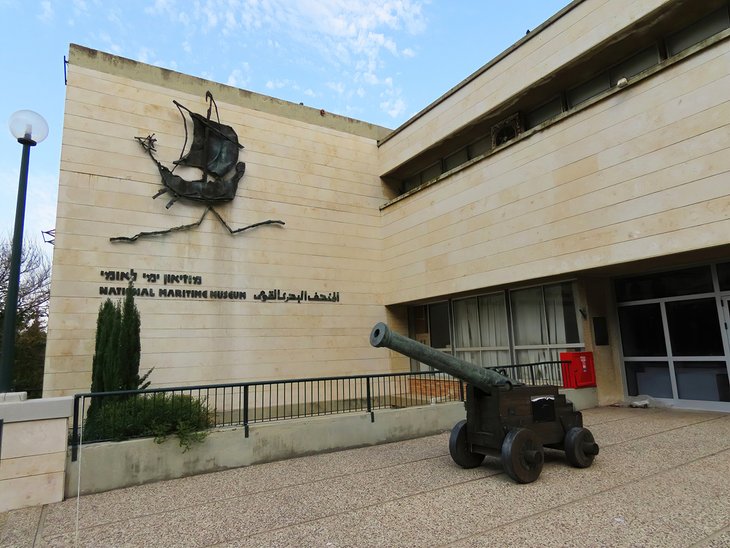
The National Maritime Museum holds a collection of model ships, maps, and charts that illustrate the history of seafaring in the Mediterranean region.
Anyone with an interest in maritime history and in the leading role the Mediterranean played in shaping the centuries of human history in this region will enjoy a visit.
Just down the road is the Clandestine Immigration and Naval Museum which documents the Zionist movement's efforts to get Jewish refugees into Palestine during the British Mandate period.
Address: 198 Allenby Road, Central Haifa
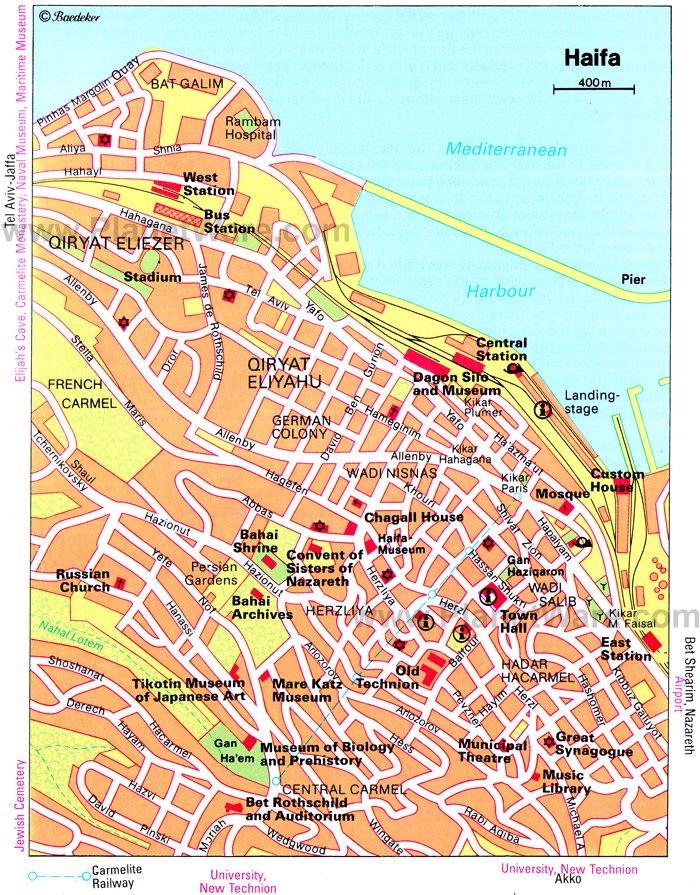
Map of Things to Do in Haifa
History
Although it was destroyed in the 7th century, Haifa was famed in the 11th century for its shipbuilding and its Talmudic college.
In 1099, it withstood a six-month-long siege by the Crusaders, but was finally destroyed. In 1187, Saladin captured it from the Crusaders, but in 1191 it was recovered by Richard Coeur de Lion.
The Crusaders were finally expelled from the town by Sultan Baibars. The monasteries of the Carmelite order, which was founded in Haifa in 1150 by a monk named Berthold, were destroyed after the fall of Acre in 1291, when the monks returned to Europe.
Under the Mamelukes (from 1517) and the Ottomans, Haifa was an insignificant fishing village. In 1740 Daher el-Amr, lord of Galilee, took the place and founded a new settlement, the present Old City, between Kikar Paris (Paris Square) and the Head Post Office. He also developed the harbor for the export of grain to Egypt.
Under Ahmed el-Jazzar, who succeeded Daher in 1775, the Carmelites were able to re-establish themselves near Elijah's Cave. In 1799, during Napoleon's advance on Akko (Acre), their monastery was used as a military hospital, but after Napoleon's withdrawal, the French wounded were killed by Ahmed el-Jazzar.
The importance of Haifa increased with the coming of steamships, for which the nearby harbor of Akko was too small.
In 1868, the population was increased by the arrival of German settlers, members of the Society of the Temple. When the German Emperor, William II, visited Haifa in 1898, a jetty was constructed, and thereafter the development of the port continued.
The emperor promoted the idea of linking Haifa with the Hejaz railroad and thus opening up the town's hinterland. The upswing in the economy led to the expansion of the Old City to the northwest, in the direction of the German Colony.
As the city grew, Christian Palestinians from the surrounding area moved into the town, as well as Mizrahi Jews. The first Jewish school was established in 1881. Two faiths that had broken away from Islam, the Baha'i from Iran and the Ahmadiya from India, also made Haifa their headquarters.
In September 1918, British forces occupied the town. Thereafter, a new railroad line was built, linking Haifa with Egypt by way of Gaza. New industrial installations came into being. This development continued in spite of conflicts between the Jewish and the Palestinian populations.
The modern deep-water harbor was completed in 1933, followed in 1934 by the development of the oil terminal at the end of the pipeline from Iraq.
In 1936, following further outbreaks of violence, the Jewish population left the eastern part of the lower town and concentrated in the Hadar HaCarmel district. Haifa was thus, for all practical purposes, divided into two.
During the Second World War, the German members of the Society of the Temple were evacuated. After the war, there was continuing conflict between the Jewish underground organization Haganah, the British naval base, and the Palestinians – a conflict from which Haganah emerged victorious.