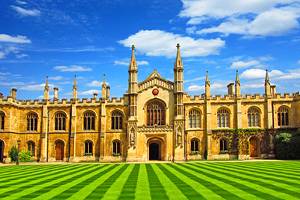
Tourist Attractions in London
Author Bryan Dearsley has visited London many times, most recently on an extensive tour of England. Author Shandley McMurray lived in London and always enjoys returning.
London is one of the world's most mesmerizing cities. Modern architectural marvels like the Shard line medieval laneways peppered with historic monuments, high-end shops, and award-winning theaters. Picturesque streets and avenues connect renowned attractions like Buckingham Palace, Westminster Abbey, and St. Paul's Cathedral, causing visitors to gape at their beauty and exhaust their phone's photo storage.
With so many impressive tourist attractions and captivating things to do, it's no wonder London is one of the most popular places to visit in the world, attracting over 20 million tourists each year. Britain's bustling capital offers something for everyone, including shopaholics, foodies, adventurists, historians, and kids, making it tough to choose what to do first.
Should you hit one of the top museums, many of which are free to enter, or enjoy a picnic in one of the city's expansive parks? Maybe tour a royal palace, or wander around a breathtaking garden? Perhaps you'd prefer to take in a show; enjoy a horseback ride; see the city views from atop the London Eye; or enjoy a traditional afternoon tea in Harrods, the world's poshest department store?
Use our list of the best attractions and things to do in London to help decide what to see and do in this phenomenal city you'll want to visit again and again.
Visit Buckingham Palace and Watch the Changing of the Guard
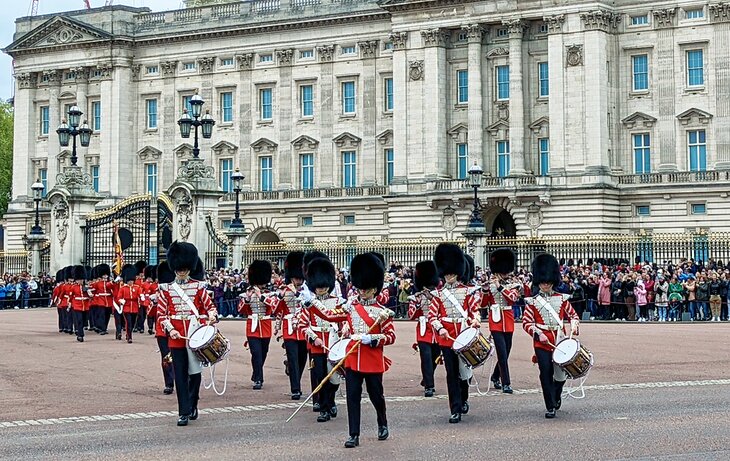
One of Britain's most iconic buildings, Buckingham Palace is also the scene of London's most popular display of pomp and ceremony: the Changing of the Guard.
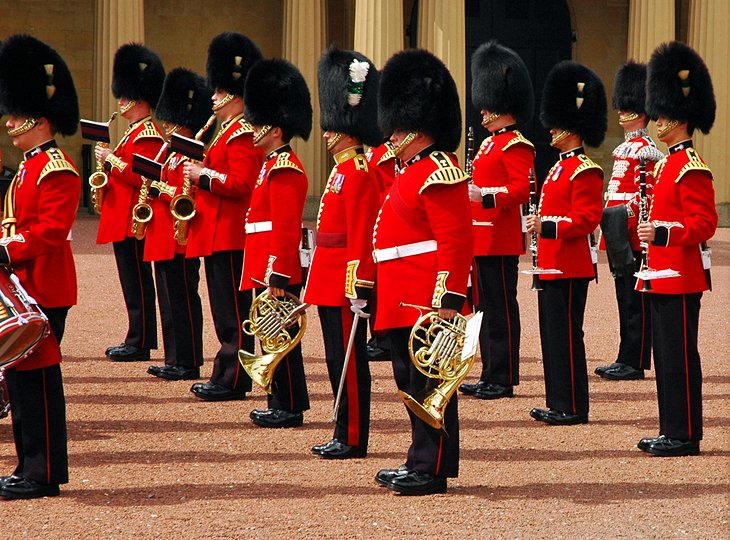
Drawing crowds at 11:30am most days regardless of the season, this colorful display of precision marching and music also takes place at St. James's Palace. One of the top free things to do in London, you can then follow the band along The Mall as they march between sites.
Buckingham Palace was built in 1837 and has been the London residence of the Royal Family since Queen Victoria's accession. If you're wondering whether the King is in, look at the flagpole atop the building: if the royal standard is flying day and night, he's at home. On special state occasions, he and members of the Royal Family may even emerge on the central balcony.
When the King's away at the Royal Family's summer residence in Balmoral Castle, Scotland, visitors can purchase tickets for tours of the State Rooms, the Queen's Gallery, and the Royal Mews.
See the Crown Jewels at The Tower of London
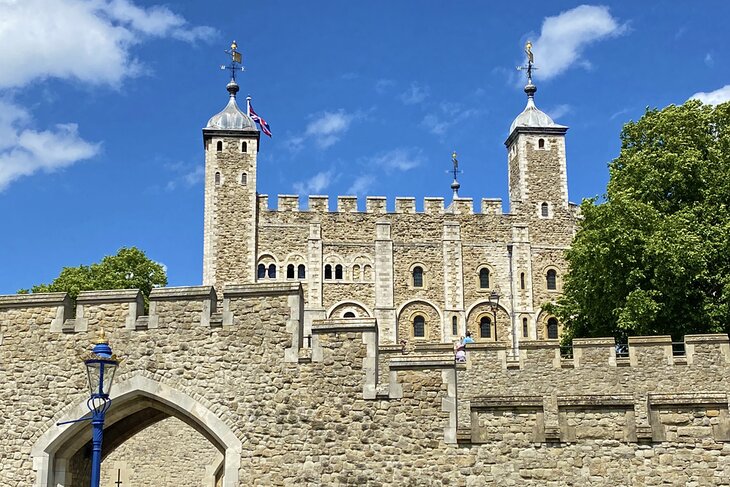
From prison to palace, treasure vault to private zoo, the magnificent Tower of London has fulfilled many different roles over the centuries. One of Britain's most iconic structures, this spectacular World Heritage Site offers hours of fascination for visitors curious about the country's rich history, so much of which happened here.
Inside the massive White Tower, built in 1078 by William the Conqueror, is the 17th-century Line of Kings with its remarkable displays of royal armaments and armor. Other highlights include the famous Crown Jewels exhibition, the Beefeaters, the Royal Mint, and gruesome exhibits about the executions that took place on the grounds.
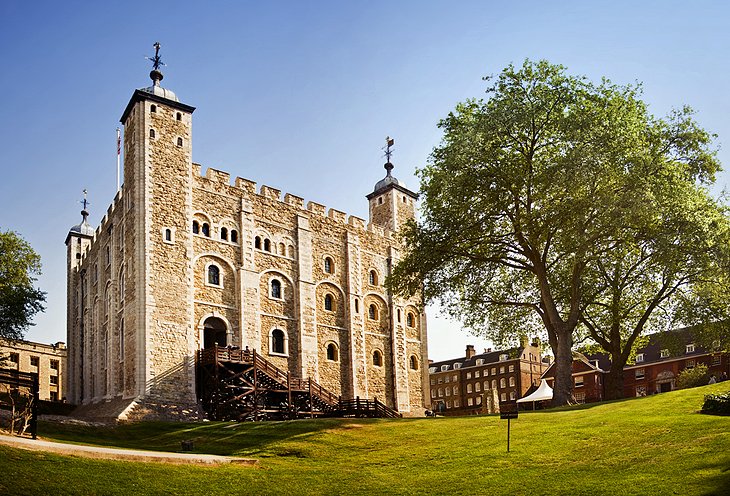
The Bloody Tower is also worthy of a visit. Here you'll find stories of ancient torture, and you can learn about the mystery of two princes who disappeared many years ago.
For the best use of your time, especially during the busy summer season, consider a skip-the-line tour.
Beat the Crowds: Take a Morning Stroll across Tower Bridge
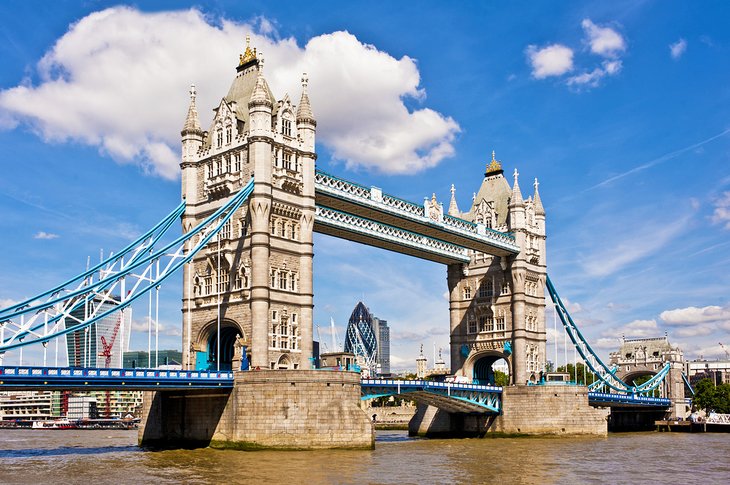
Located adjacent the Tower of London, Tower Bridge features two huge towers rising 200 feet above the River Thames.
This is one of London's best-known and most photographed landmarks. While fascinating behind-the-scenes tours are available, you can easily walk across the bridge from the Tower of London.
For the best Tower views, as well as a glimpse of HMS Belfast and London Bridge (which many mistakenly believe Tower Bridge to be), find a spot mid-way across. While it can be crowded, especially around sunset, an early morning arrival before the throngs of tourists get there is well worth the effort.
Afterwards, head over to the renovated Butlers Wharf district on the bridge's south end for a unique twist on the classic "full English" breakfast at WatchHouse Tower Bridge. This now ritzy area is fun to wander and is home to a funky selection of restaurants, luxury housing, and shops.
Address: Tower Bridge Road, London
Official site: www.towerbridge.org.uk
Get Cultured at the British Museum
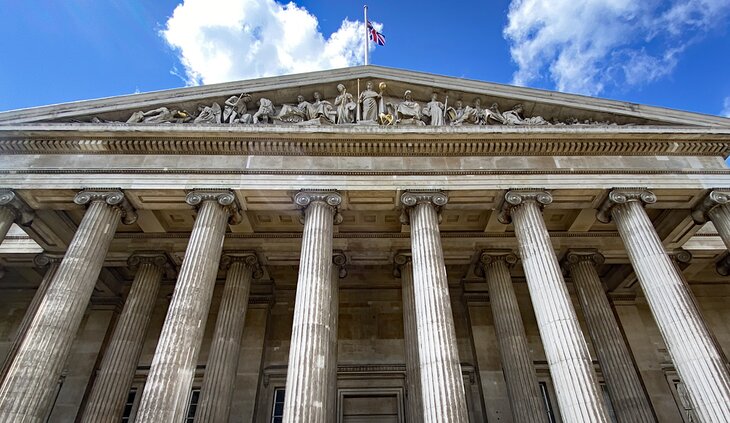
Displaying one of the world's finest collections of antiquities, the British Museum contains more than 13 million artifacts from the ancient world. With priceless objects from Assyria, Babylonia, China, Europe, and elsewhere, it's hard to know where to begin in this expansive attraction.
Most tourists head first for the museum's most famous exhibits: the controversial Elgin Marbles from the Parthenon, the Rosetta Stone, the colossal bust of Ramesses II, the Egyptian mummies, and the spectacular hoard of 4th-century Roman silver known as the Mildenhall Treasure.
In addition to a well-stocked, on-site bookshop boasting an exhaustive array of titles on ancient history, archaeology and art history, there's a shop selling kids' games and souvenirs, along with one that sells replica sculptures and jewelry.
For those able to linger longer, the museum offers a variety of lectures and workshops, plus a restaurant and café.
Address: Great Russell Street, Bloomsbury, London
Official site: www.britishmuseum.org
Big Ben and the Houses of Parliament
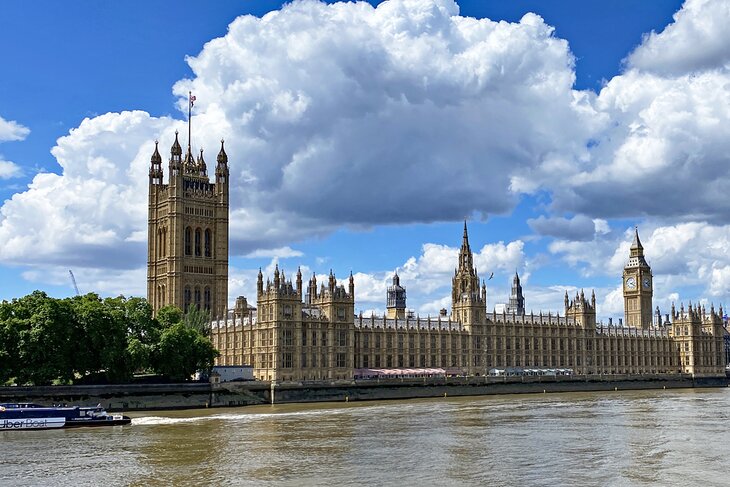
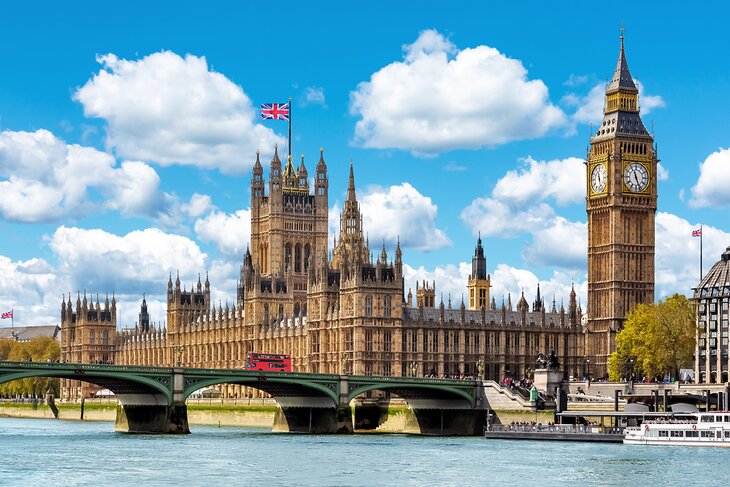
Nothing screams "London" more emphatically than the 318-foot tower housing the giant clock and its resounding bell known as Big Ben. It's as iconic a landmark as Tower Bridge, and the tolling of Big Ben is known throughout the world as the time signal of the BBC.
Below it, stretching along the Thames, are the Houses of Parliament. The seat of Britain's government for many centuries, it was also once the site of the royal Westminster Palace occupied by William the Conqueror.
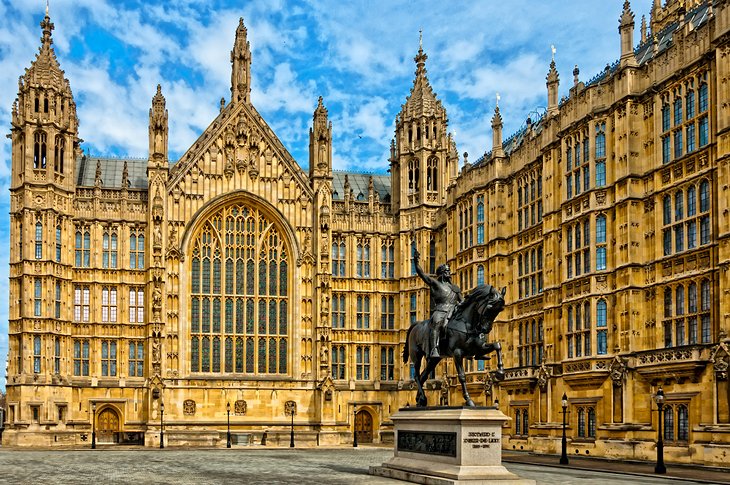
The best view of the parliament buildings can be had by crossing Westminster Bridge and looking back. Or, turn left after crossing the bridge and walk along the path towards the SEA LIFE London Aquarium (a fun spot to take kids). Gather your crew along the wall for a perfect photo with Big Ben in the background.
Tours of the Houses of Parliament offer a unique chance to see real-time debates and lively political discussions. From Parliament Square, Whitehall is lined by so many government buildings that its name has become synonymous with the British government.
Official site: www.parliament.uk/bigben
Get Creative at the National Gallery
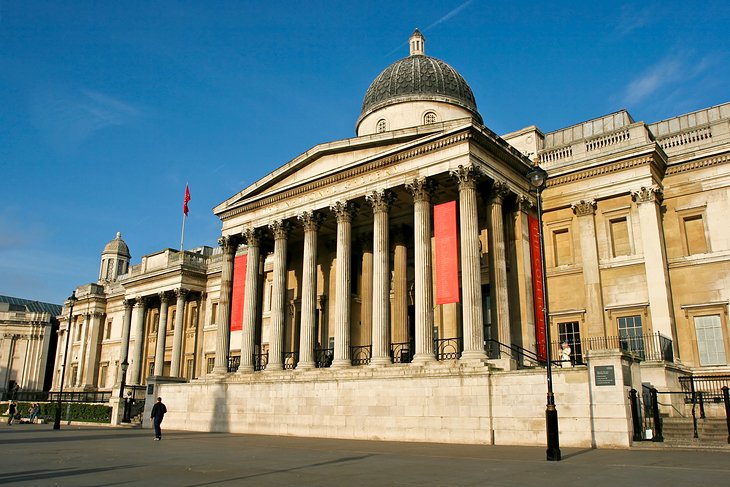
It's almost impossible to visit London without catching a glimpse of the impressive National Gallery. This iconic, columned museum is set at the edge of Trafalgar Square, home to incredible masterpieces that make it one of the best attractions in London.
Ranking among the top art museums in the world, London's National Gallery represents an almost complete survey of European painting from 1260 until 1920. The museum's greatest strengths are in its collections of Dutch Masters and Italian Schools of the 15th and 16th centuries.
Among its highlights are a cartoon (preliminary sketch) of the Madonna and Child by Leonardo da Vinci, Michelangelo's The Entombment, Botticelli's Venus and Mars, van Gogh's Sunflowers, and The Water-Lily Pond by Monet.
Address: Trafalgar Square, Charing Cross, London
Official site: www.nationalgallery.org.uk
Tour the Art Displays at the Victoria and Albert Museum
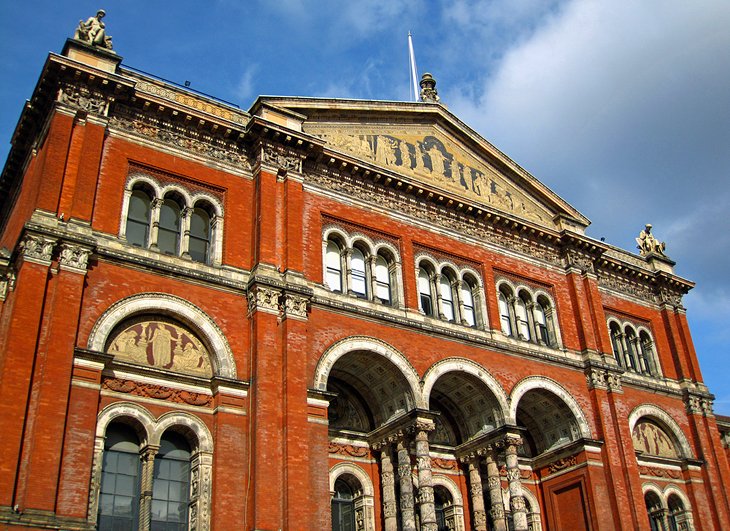
The Victoria and Albert Museum (aka the V&A) is part of a South Kensington-based group of museums that includes the Natural History Museum and Science Museum. Founded in 1852, the V&A covers close to 13 acres and contains 145 galleries spanning some 5,000 years of art and related artifacts.
Exhibits include ceramics and glass, textiles and costumes, silver and jewelry, ironwork, sculpture, prints, and photos, and are conveniently arranged into four main categories: Asia; Furniture, Textiles, and Fashion; Sculpture, Metalwork, Ceramics, and Glass; and Word and Image.
It's impossible to get around this vast museum in a single visit, so the best plan to tackle it is to decide in advance which sections you most want to see. Taking a V&A tour is highly recommended, and often free, with options including everything from daily introductory tours to specific gallery or themed tours.
The Main and Garden Cafés are more impressive than any museum eatery you've seen. The intricate detailing on everything from the floor to the columns to the ceiling make them worthy pieces of art themselves. Plus, the food is quite tasty. Also, don't miss an opportunity to luxuriate in the John Madejski Garden, which is so beautiful and serene, you'll forget you're in the center of one of the world's largest cities.
If you're around, check into one of the fun "Friday Late" programs held on the last Friday of the month (except for March and December). These fun events are popular for their food and drink experiences, along with late-night exhibition openings.
Address: Cromwell Road, Knightsbridge, London
Official site: www.vam.ac.uk
Wander around Piccadilly Circus and Trafalgar Square
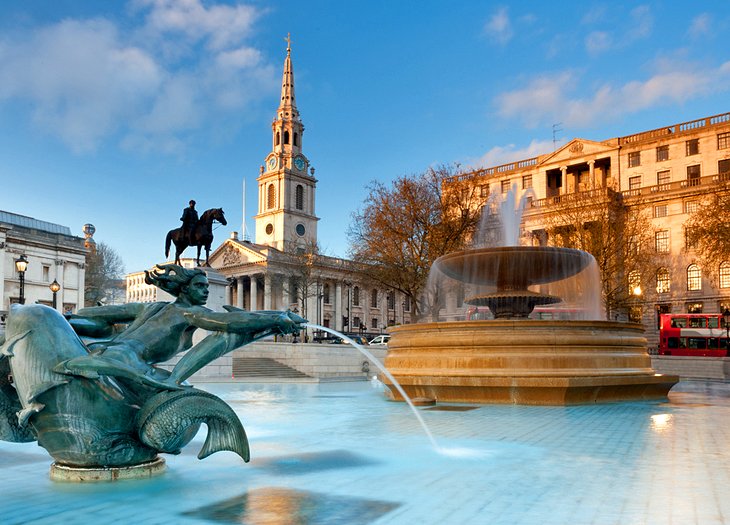
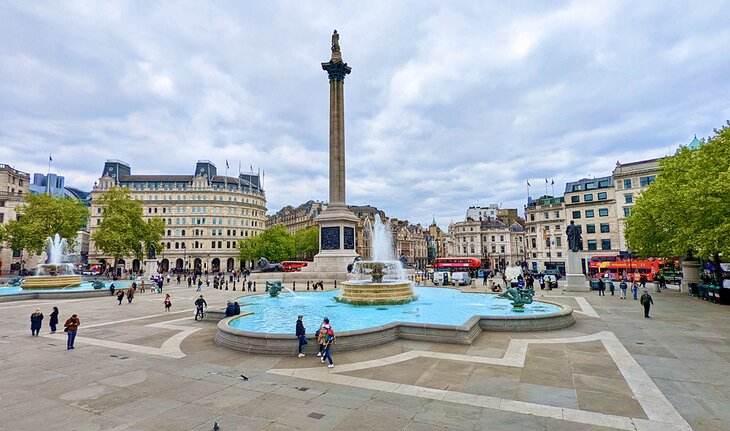
Two of London's best-known tourist spots, Piccadilly Circus and Trafalgar Square lie not far apart and mark the gateway to Soho, London's lively theater and entertainment district. The walk from one to the other is truly enjoyable, lined with eclectic boutiques, tasty cafés, ice-cream shops, and winding laneways evoking a bygone era when only horses and buggies traipsed through these historic streets.
Trafalgar Square was built to commemorate Lord Horatio Nelson's victory over the French and Spanish fleets at Trafalgar in 1805. Nelson's Column, a 183-foot granite monument, overlooks the square's fountains and bronze reliefs, which were cast from French cannons. Admiralty Arch, St. Martin-in-the-Fields, and the National Gallery surround the square.
Piccadilly Circus marks the irregular intersection of several busy streets, including Piccadilly, Regent, Haymarket, and Shaftesbury Avenue. Overlooking this somewhat untidy snarl of traffic stands London's best-known sculpture, the winged Eros delicately balanced on one foot, bow poised.
"It's like Piccadilly Circus" is a common expression among Londoners to describe a busy and confusing scene.
Journey to the Top of the Shard
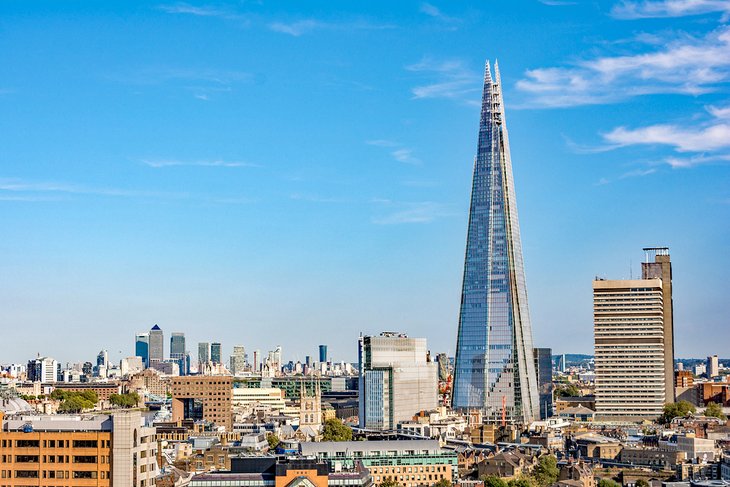
Since it opened in 2012, The Shard has taken its place as one of the most-recognizable and most-visited landmarks in London.
Standing 1,016 feet tall and encompassing some 95 stories, this remarkable structure is so-named for its resemblance to a shard of glass. Yet, while it dominates the skyline south of the River Thames, its pleasing design doesn't seem at all out of place when seen next to neighbors such as Tower Bridge.
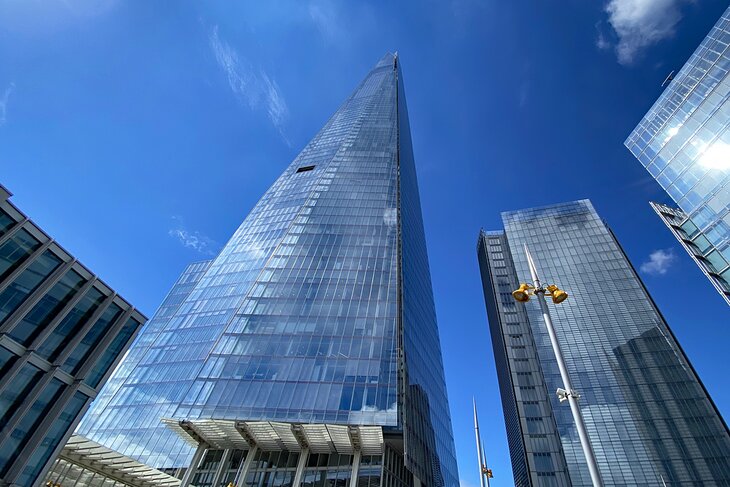
In addition to its office space on the lower levels, The Shard is home to a stunning Shangri-La Hotel and three superb restaurants, all boasting some of the most incredible views over London. For those not staying here, the upper-most levels consist of a choice of viewing platforms: indoor and outdoor.
Another London skyscraper that's worth a visit is the "Walkie Talkie" with its popular Sky Garden attraction. Located around the corner from the Tower of London and set on the building's 34th to 37th floors, the garden's terraces offer some of the best views over the city. If you've got the time, reserve a table at one of the restaurants here in order to enjoy the views while you dine.
Address: 32 London Bridge Street, London
Official site: www.the-shard.com
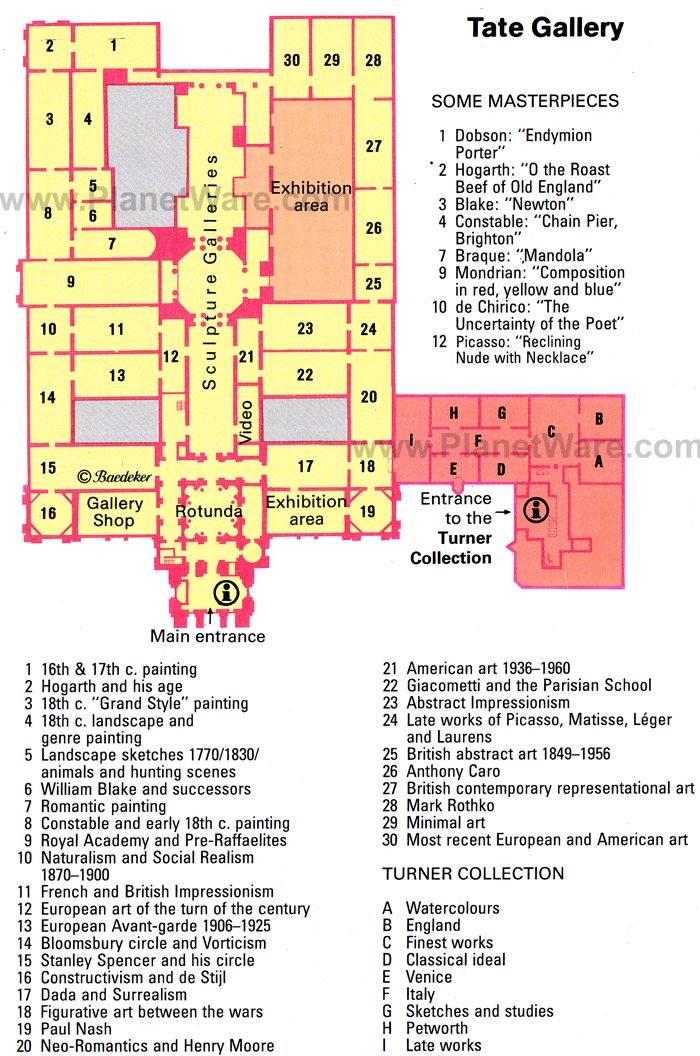
Get Your Art Fix at Tate Britain and Tate Modern
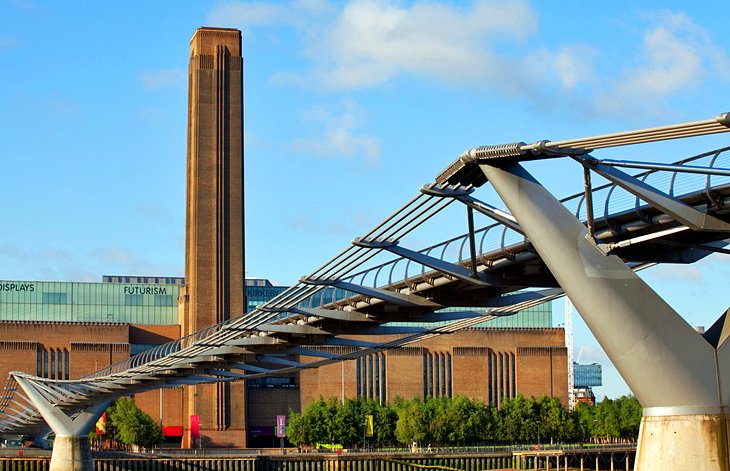
Art lovers cannot visit London without touring its most impressive art museums: the two Tates. Located on opposite sides of the Thames, Tate Britain and Tate Modern together comprise one of the world's most important art collections.
The original gallery opened in 1897 as the basis of a national collection of significant British art, and continued to make acquisitions, needing more space to properly display its collections. The end result was the establishment of Tate Britain, in Millbank on the north side of the Thames, as home to its permanent collection of historic British paintings.
A superbly transformed power station across the Thames became home to the modern art collections. Art lovers can spend a whole day viewing both sites, conveniently connected by high-speed ferry. Better still, walk across the Millennium Bridge, a footbridge that connects the two banks of the river close to the Tate Modern. The views are spectacular.
Tate Britain
- Address: Millbank, London
- www.tate.org.uk/visit/tate-britain
Tate Modern
- Address: Bankside, London
- www.tate.org.uk/visit/tate-modern
Walk the Hallowed Halls of Westminster Abbey
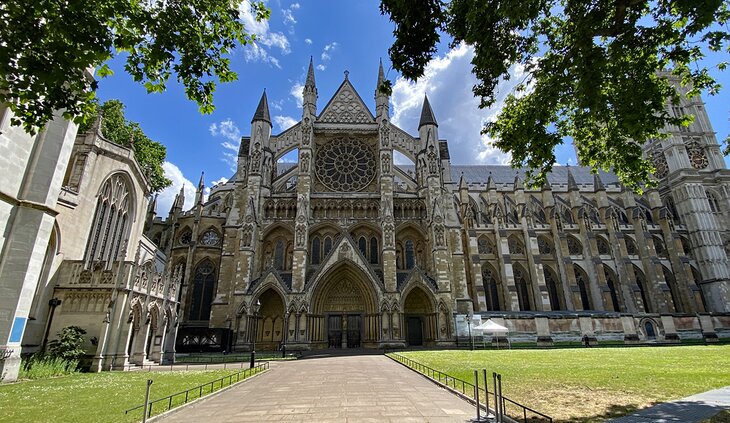
Another location with a long association with British royalty, Westminster Abbey stands on a site that's been associated with Christianity since the early 7th century. Officially known as the Collegiate Church of St. Peter in Westminster, Westminster Abbey was founded by Edward the Confessor in 1065 as his place of interment.
From his burial in 1066 until that of George II almost 700 years later, most sovereigns were not only crowned here but were buried here, too. More recently, it's become famous as the preferred location for Royal Weddings.
This masterpiece of Gothic architecture not only has the highest Gothic nave in England (102 feet), it's also one of London's most popular tourist attractions, drawing well over a million visitors each year.
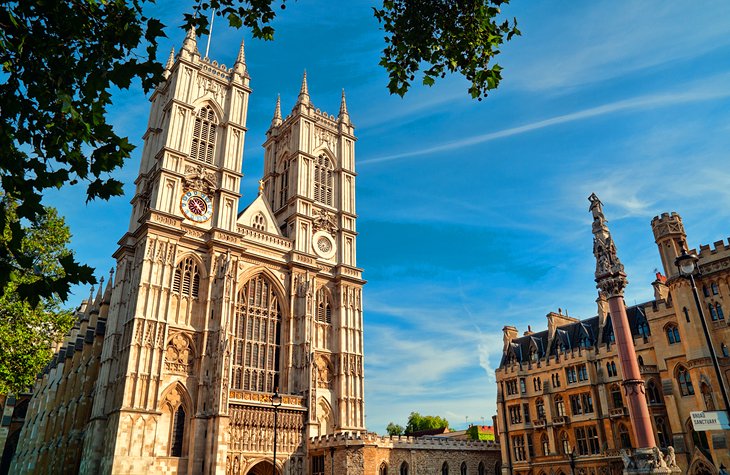
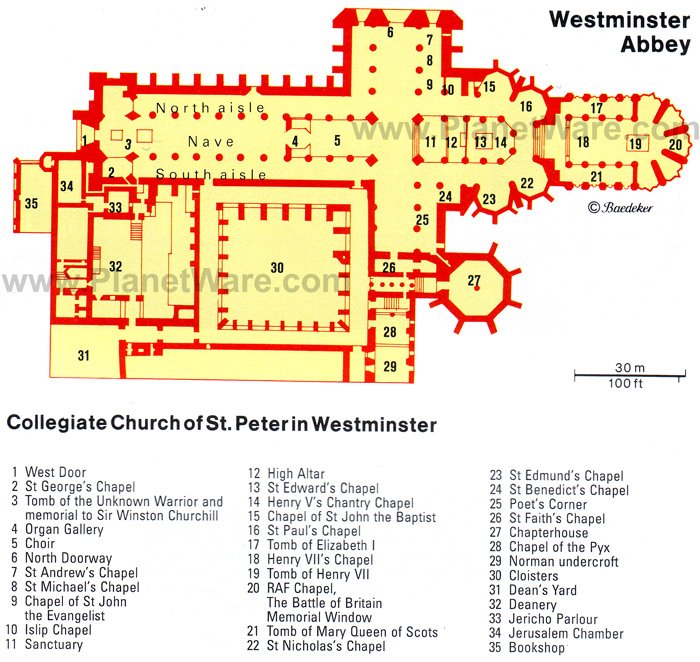
Highlights of a visit include seeing the more than 600 memorials in the Nave, including the Tomb of the Unknown Warrior; Poet's Corner in the Transepts, with its memorials to the likes of Shakespeare, Chaucer, and Dickens; the Westminster Abbey Museum; and the attractive gardens.
Address: 20 Dean's Yard, Westminster, London
Official site: www.westminster-abbey.org
Head Underground to the Churchill War Rooms
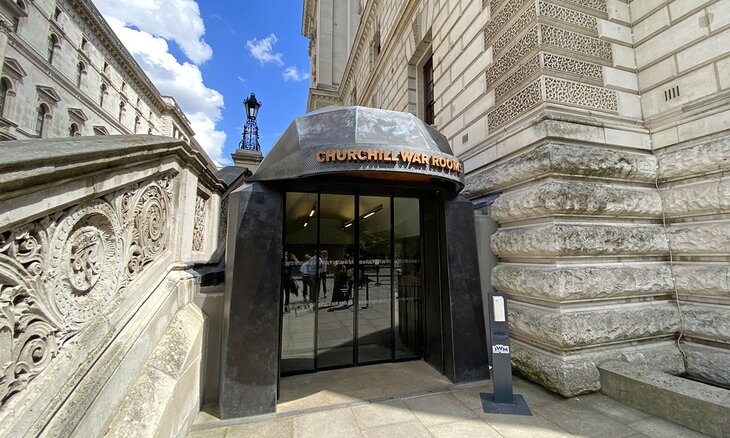
Among the most fascinating and evocative of London's historic sites are the perfectly preserved Churchill War Rooms.
The nerve-center from which Prime Minister Winston Churchill directed British military campaigns and the defense of his homeland throughout World War II, their simplicity and cramped conditions underline the desperate position of England as the Nazi grip tightened across Europe.
You'll see the tiny cubicle where Churchill slept and the improvised radio studio where he broadcast his famous wartime speeches. Simple details, such as Clementine Churchill's knitting wool marking the front lines on a map of Europe, bring the era to life as no other museum could possibly do.
Audio guides are available (a thorough self-guided tour takes about 90 minutes), and a café and bookshop are located on the premises.
Address: Clive Steps, King Charles Street, London
Official site: www.iwm.org.uk/visits/churchill-war-rooms
Walk with Dinosaurs at the Natural History Museum
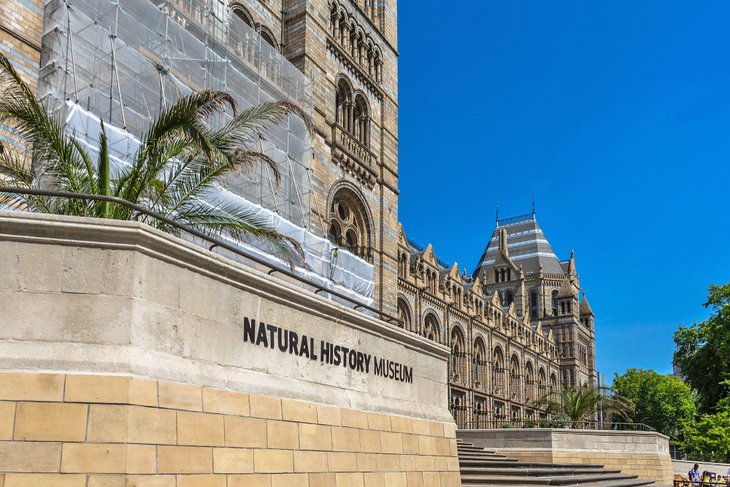
Established in 1754, London's spectacular Natural History Museum remains one of the most-visited such attractions on the planet. It's easy to spot for its huge Romanesque façade, and a visit is something you'll not want to rush. Arrive early as it can get quite crowded.
Many of the museum's original exhibits are still on display centuries later, and together comprise a massive collection of more than 80 million items showcasing everything from botany to zoology, plus pretty much everything in between. A highlight of a visit is seeing the preserved specimens that Charles Darwin collected on his epic journeys.
If you're not in a hurry, start your visit by joining one of the formal guided tours on offer, ranging from 30 to 50 minutes. You'll be introduced to highlights you may wish to return to at a later date to explore in greater detail.
A variety of fun events are held regularly, from workshops for kids to late night openings. Shopping opportunities are located on-site, along with a number of dining options.
Address: Cromwell Road, South Kensington, London
Official site: www.nhm.ac.uk
Enjoy a Picnic in Hyde Park
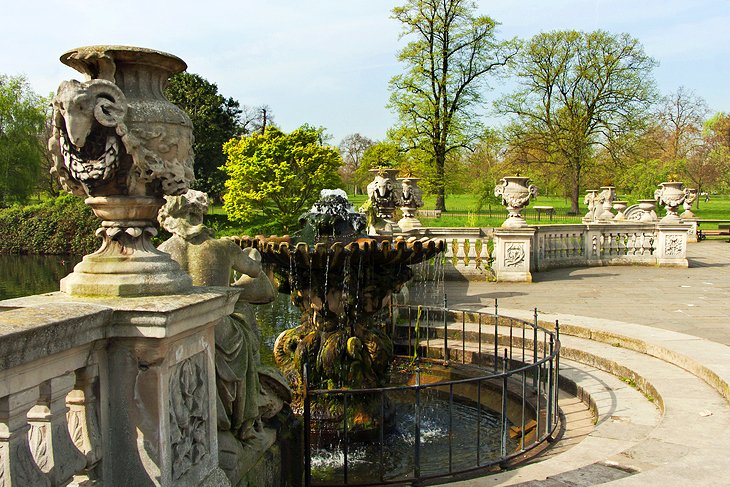
Covering 350 acres, Hyde Park is London's largest open space and has been a destination for sightseers since 1635. One of the park's highlights is the Serpentine, an 18th-century man-made lake popular for boating and swimming. Hyde Park is also where you'll find Speakers' Corner, a traditional forum for free speech—and heckling.
Another Hyde Park landmark is Apsley House, former home of the first Duke of Wellington and purchased after his famous victory at Waterloo. Now a museum, it houses Wellington's magnificent collections of paintings, including Velázquez's The Waterseller of Seville, along with gifts presented by grateful European kings and emperors. England's greatest hero is also commemorated at the Wellington Arch.
Another lovely London green space to explore is Regent's Park. Just a short walk away from Westminster, this 410-acre attraction is a delight to stroll around. If you're traveling with kids, be sure to visit London Zoo, located within the grounds of the park and one of the most popular things to do for families visiting the city.
- Read More: Attractions around Hyde Park
Climb the Dome of St. Paul's Cathedral
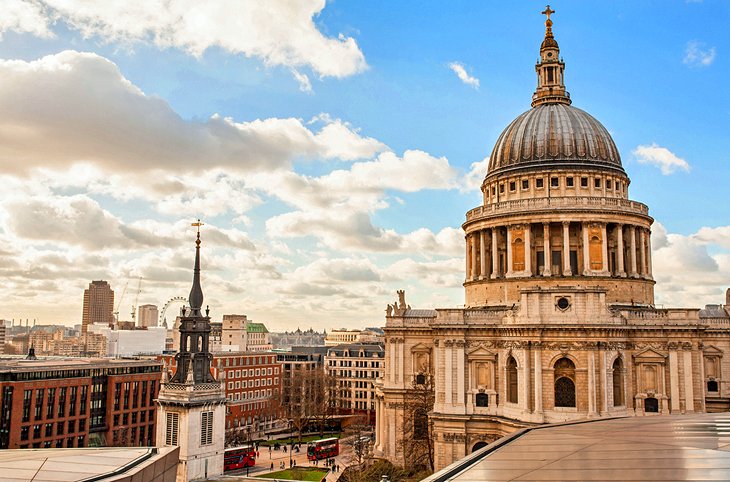
The largest and most famous of London's many churches, and undoubtedly one of the most spectacular cathedrals in the world, St. Paul's Cathedral sits atop the site of a Roman temple. The previous church structure was destroyed in the Great Fire of 1666, and Sir Christopher Wren designed the rebuild.
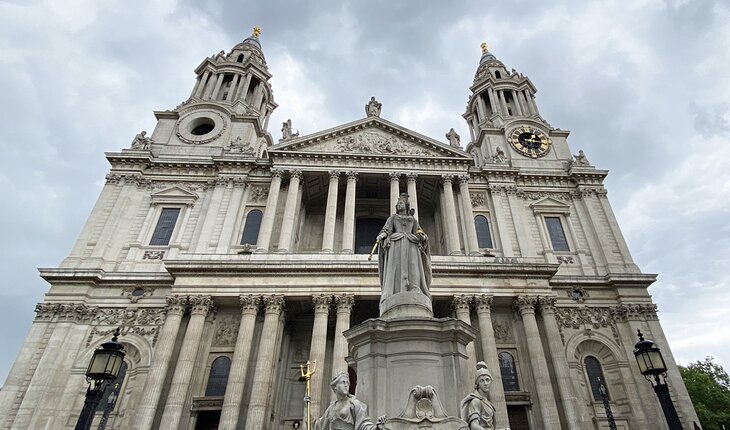
Today, the twin Baroque towers and magnificent 365-foot dome of St. Paul's are a masterpiece of English architecture. If you're up to it, be sure to walk the stairs with their spectacular views of the dome's interior, including the Whispering Gallery, undoubtedly one of the top things to do in London.
Shop at London's Best Markets
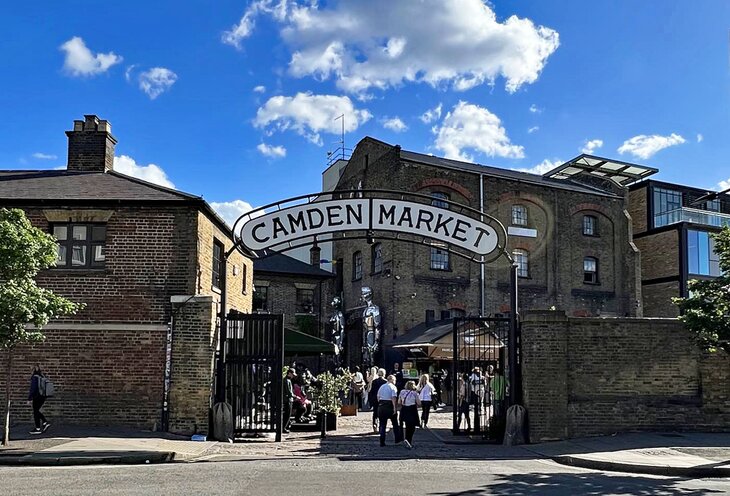
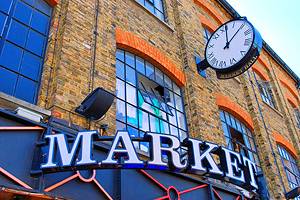
Whether you're a fan of food, flowers, art, or clothes, you'll find something to love in London's best markets. While most open only on weekends (Fridays included), some of the most eclectic venues, like the vibrant Camden Market in North London, welcome shoppers daily.
Camden Market is home to over 100 stalls, shops, and eateries offering everything from gluten-free goodies to hand-made jewels to bohemian clothing. If you're looking for a distinct urban feel, you'll find it here.
Borough Market is a must-visit for foodies in central London. This popular venue, which is situated near London Bridge, is so busy on weekends, you'll have to fight your way through crowds to nab the best produce or mouthwateringly good sample of giant paella.

Arrive early (we'd suggest no later than 10am) to enjoy a little more elbow room. The line for coffee can extend for blocks, so head there first. While some stalls are open during the week, most don't unveil their goods until Friday morning.
Old Spitalfields Market is another beloved spot offering some of the city's most gorgeous flowers, interesting antiques, art, jewelry, and more. Built in 1876, this is one of the best examples of a Victorian Market Hall.
Other popular markets include, Maltby Street Market, Brick Lane Market, and Portobello Road.
Read More: Places to Shop in London
Be Entertained by Buskers at Covent Garden
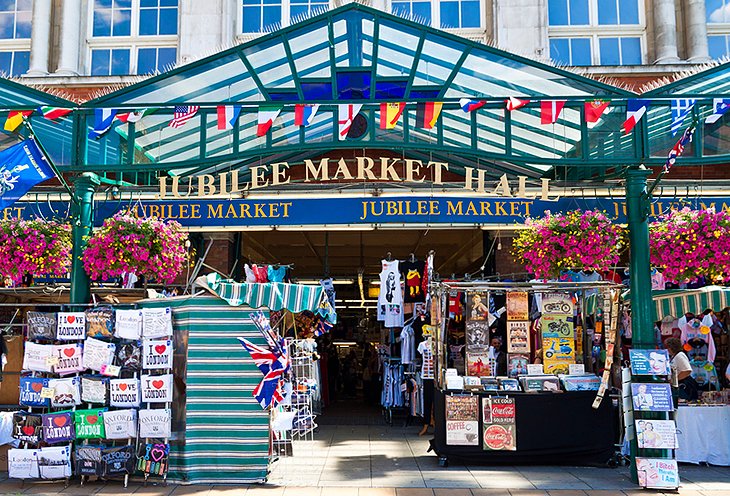
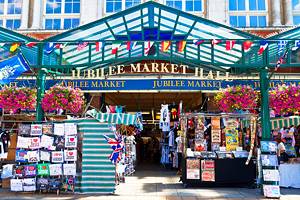
The market halls of Covent Garden are only the beginning of the neighborhood, which encompasses the shops and restaurants of Long Acre and other adjacent streets, those of Neal's Yard and Seven Dials, as well as the Central Square with its incredibly talented, and unique, street performers.
The halls and arcades of Covent Garden Market are lined with specialty shops and kiosks selling everything from teas to fine handcrafts to tacky souvenirs. A few restaurants are sprinkled in as well, some offering patios for you to enjoy a tasty treat while people-watching.
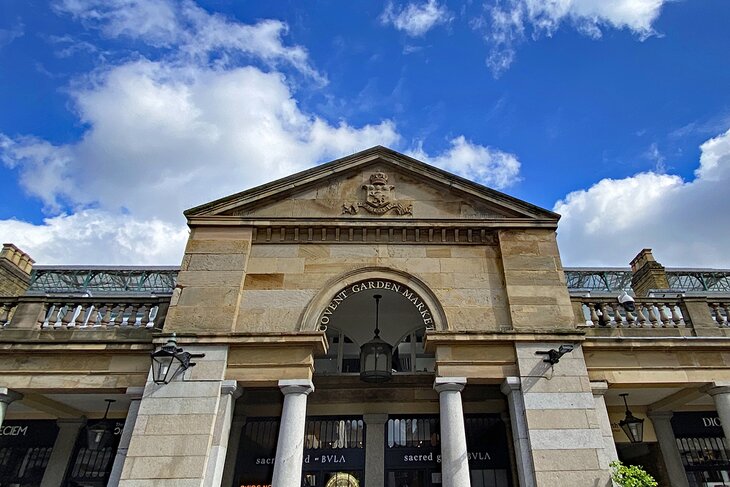
Housed in the former flower market, you'll find the London Transport Museum, a kid-centric haven for those who love all things vehicular. Filled with historic buses, trolleys, and trams, children and adults alike will love this interactive transportation hub. "Drive" a London bus, pilot a tube train, or sit on an ancient trolley.
This area is also where you'll find the Royal Opera House and a variety of other leading London theaters.
Take Flight on the London Eye
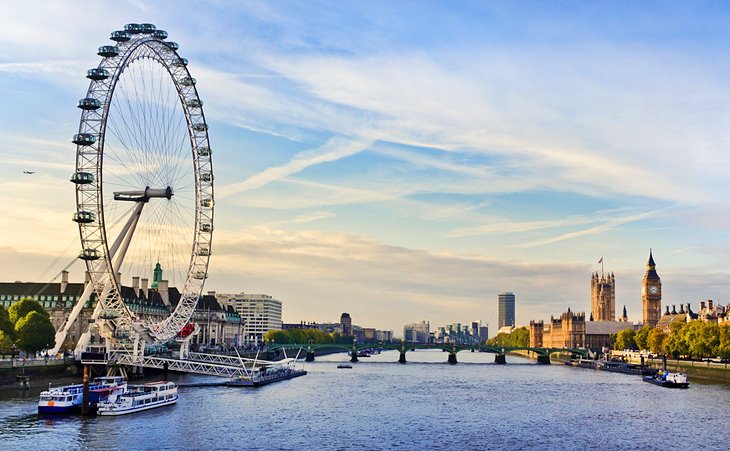
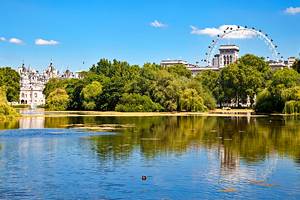
Built to mark London's millennium celebrations in 2000, the London Eye is one of the world's largest observation wheels. Its individual glass capsules offer the most spectacular views of the city as you embark on a circular tour rising 443 feet above the Thames. The journey lasts close to 30 minutes, often quicker than the time spent lining up for your turn.
If you can, reserve your time in advance. Better still, skip the line completely with a skip-the-line ticket. This advance ticket allows you to take a flight at any time on the day you plan to visit. If you can afford it, rent one of the private capsules and share the experience with friends and family.
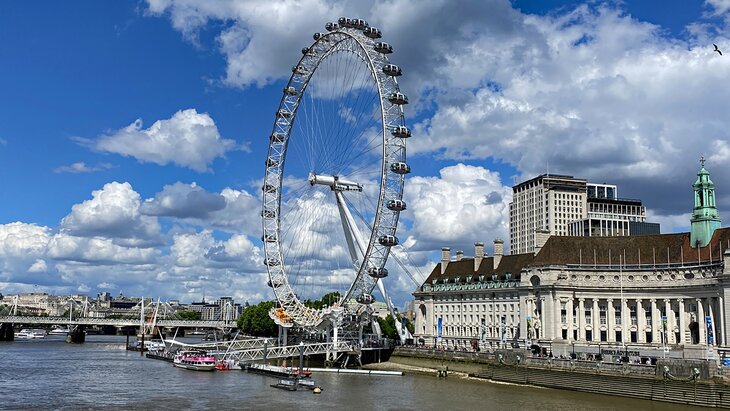
Another fun way to view London for above is aboard the Emirates Air Line, a cable car system that crosses the Thames between Greenwich and the Royal Victoria Dock. The journey travels one kilometer and lasts 10 minutes, long enough to enjoy spectacular views and grab a few memorable selfies.
Official site: www.londoneye.com
Meet Henry VIII at Hampton Court Palace
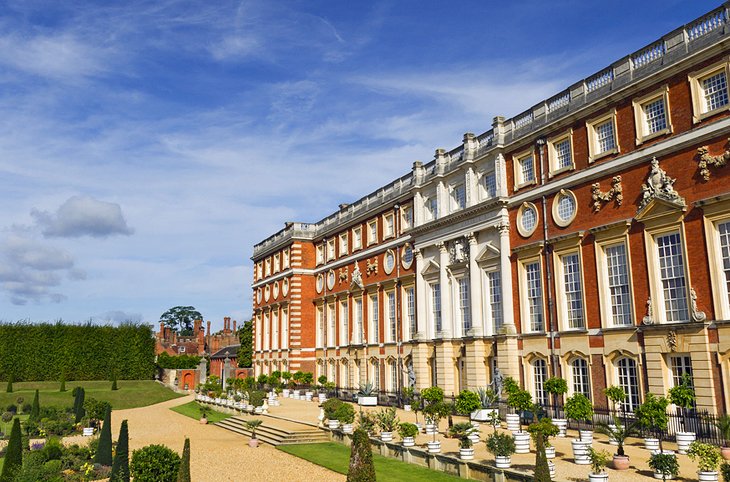
Another great Thames-side attraction, Hampton Court is one of the world's most famous and grandest of royal palaces, and a truly remarkable place to visit in London. Its Great Hall dates from Henry VIII's time (two of his six wives supposedly haunt the palace), and it's where Elizabeth I learned of the defeat of the Spanish Armada.
Meet Henry VIII himself or have a chat with Anne Boleyn, both of whom wander the grounds and involve guests in their interesting antics at random points throughout the day. Depending on the time and date you visit, you may even be asked to participate in a session in court.
Grab an audio guide upon your arrival and choose a velvet cloak to wear as you tour the grounds, if you're hoping to feel a bit more authentic. Get lost in the palace's famous Maze, or grab a bite in the on-site café,
Other interesting features include the Clock Court with its fascinating astronomical clock dating from 1540, the State Apartments with their Haunted Gallery, the Chapel, the King's Apartments, and the Tudor tennis court. Don't miss the Tudor Kitchens and their massive fireplaces.
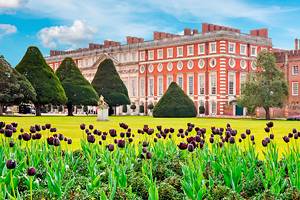
The gardens are also worth visiting, especially in mid-May when in full bloom. Highlights include the Privy Garden, the Pond Garden, the Elizabethan Knot Garden, the Broad Walk, and an area known as the Wilderness.
Although a little farther outside the city center, Hampton Court is a must-do sightseeing trip when visiting London. It's a bit of a haul on the tube, but taking a taxi, renting a car, or even grabbing a car service will make this trip more than worthwhile.
- Read More: Visiting Hampton Court Palace: Attractions
Straddle the Meridian Line at Greenwich
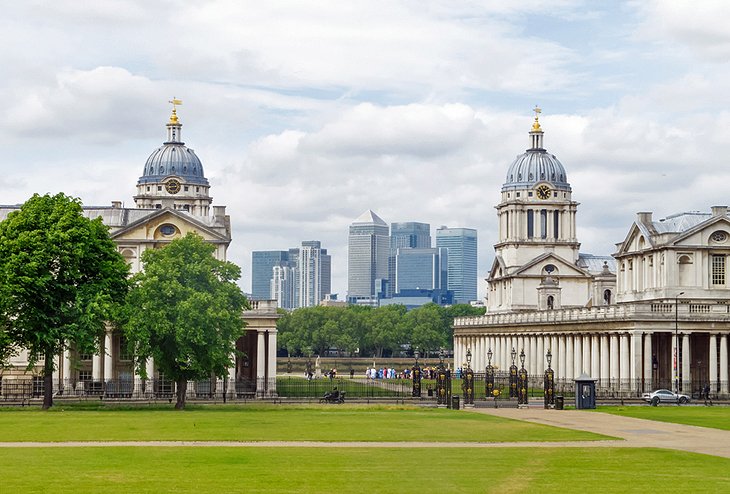
For centuries the hub of Britain's naval power, Greenwich is best known to tourists as the home of the Cutty Sark, the last of the 19th-century tea clippers to sail between Britain and China. The ship is located adjacent to the Discover Greenwich Visitor Centre with its exhibits showcasing more than 500 years of maritime history, and the Palladian mansion known as Queen's House.
The impressive collections of the National Maritime Museum, the largest of its kind in the world, illustrate the history of the Royal Navy. And one of the most unusual things to do in London is standing with one foot in each hemisphere, astride the Meridian Line in the Meridian Building in the Royal Observatory.
Read More: Attractions in Greenwich & Docklands Districts, London
The Imperial War Museum & HMS Belfast
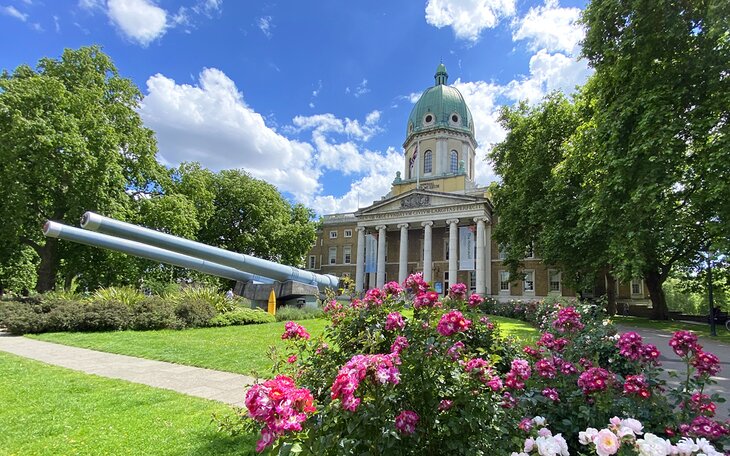
If you've time in your travel itinerary, two other military attractions related to the Churchill War rooms are also worth visiting: The Imperial War Museum and HMS Belfast.
Located a short distance from the popular Southbank cultural district, the Imperial War Museum London can easily occupy the best part of a day with its fascinating exhibits and collections of military vehicles, weapons, and aircraft.
Set in chronological order, displays portray the very real experiences of participants and victims in the world's major conflicts, with many hands-on exhibits allowing unique incites into their place in history. The Holocaust Galleries are particularly sobering.
A shop and café are located on-site, and before leaving, grab a selfie standing next to the huge shells and guns located out front.
The other must-see under the Imperial War Museum umbrella, HMS Belfast is a well-preserved WWII-era cruiser that served during D-Day. Located on the River Thames opposite the Tower of London, this historic vessel can be explored as part of a guided or self-guided tour.
For a truly memorable experience, consider booking a fun family tour. A gift shop is located on the premises.
Explore the London Docklands & Canary Wharf
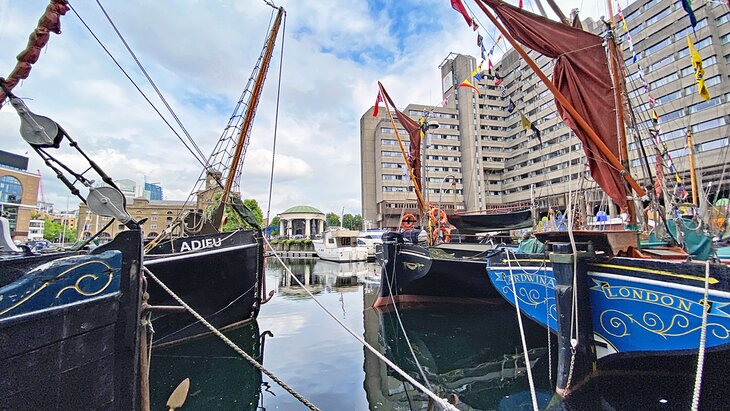
The revitalized Docklands area of East London has been transformed into an international place of business and recreation, filled with some of London's smartest new restaurants and entertainment experiences.
The revitalized Docklands area also includes Canary Wharf. This important financial and business hub offers a variety of fun things to do, including shopping and dining.
The excellent Museum of London Docklands is the place to visit to learn more about the area. Located in a series of old Georgian warehouses on Canary Wharf, it brings to life the river, port, and its people from Roman times to the present through hands-on displays that are especially interesting for children.
A little closer to the Tower of London, St. Katherine Docks is fun to explore, too. Redeveloped as a mixed commercial and residential area, here you can spend time wandering the marina or enjoying a great meal or respite while watching the world go by.
Visit Picturesque Richmond Park
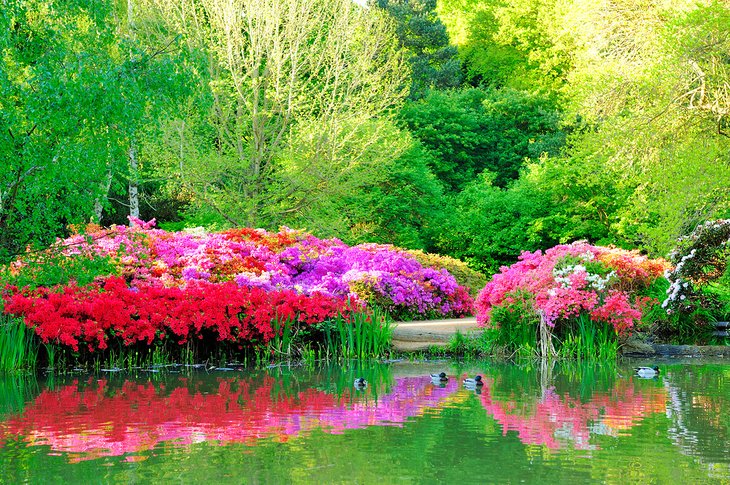
It's hard to believe you're in London (well, technically just outside London) when on a visit to Richmond Park. One of the most captivating of the eight Royal Parks, this lavish natural wonderland has everything you'd look for in an English park: winding paths, verdant woodland, sparkling lakes, horse stables and trails, bike lanes, and multiple picnic spots.
Enjoy unparalleled views of St. Paul's Cathedral from King Henry's Mound, a picturesque hilltop surrounded by wild deer. Luxuriate in a warm tea and traditional scones at the Pembroke Lodge Tea Room, or rent a bike and cycle through this spectacular 2,500-acre nature reserve.
If visiting during spring, particularly late April or early May, make your way to the Isabella Plantation, a remarkable Victorian woodland garden set within the park. Its vibrant 40 acres are filled with colorful rhododendrons, azaleas, and camellias so resplendent, you'll think you're walking through a fairy tale.
Official site: https://www.royalparks.org.uk/parks/richmond-park
Ogle the Flora and Fauna at Kew Gardens
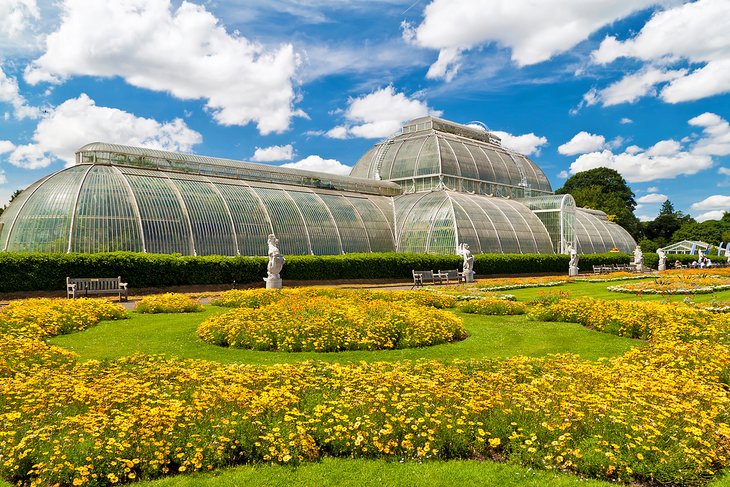
Spending at day at Kew Gardens is one of the best things to do in London. A UNESCO Heritage Site, this phenomenal spot is home to over 50,000 living plants and some of the most majestically manicured gardens in England.
Officially called the Royal Botanic Gardens, Kew is situated in southwest London on the south bank of the Thames and offers visitors a serene escape from the hustle and bustle of central London, and a welcome breath of fresh air. Located on a flight path, you'll spot multiple jumbo jets, but these add to the allure for little ones.
Also family-friendly is the expansive indoor and outdoor playground, which comes complete with a zipline. Visit on a sunny day, and you should prepare to jostle for a picnic spot on the lush lawns, as this is a popular spot for families to enjoy a lunch out. Didn't pack snacks? Visit one of the on-site restaurants for a tasty treat-they even offer dairy and gluten-free options.
Laid out in 1759, the gardens became government property in 1841. In 1897, Queen Victoria added Queen's Cottage and the adjoining woodland. A variety of tours are available free with admission, and many musical and cultural events are held here throughout the year.
Don't miss the towering Pagoda; Japanese gardens; Treetop Walkway; and the remarkable Palm House, an indoor rainforest with an aquarium in the basement. The impressive Rhododendron Dell is a breathtaking treat popping with vibrant blooms during spring.
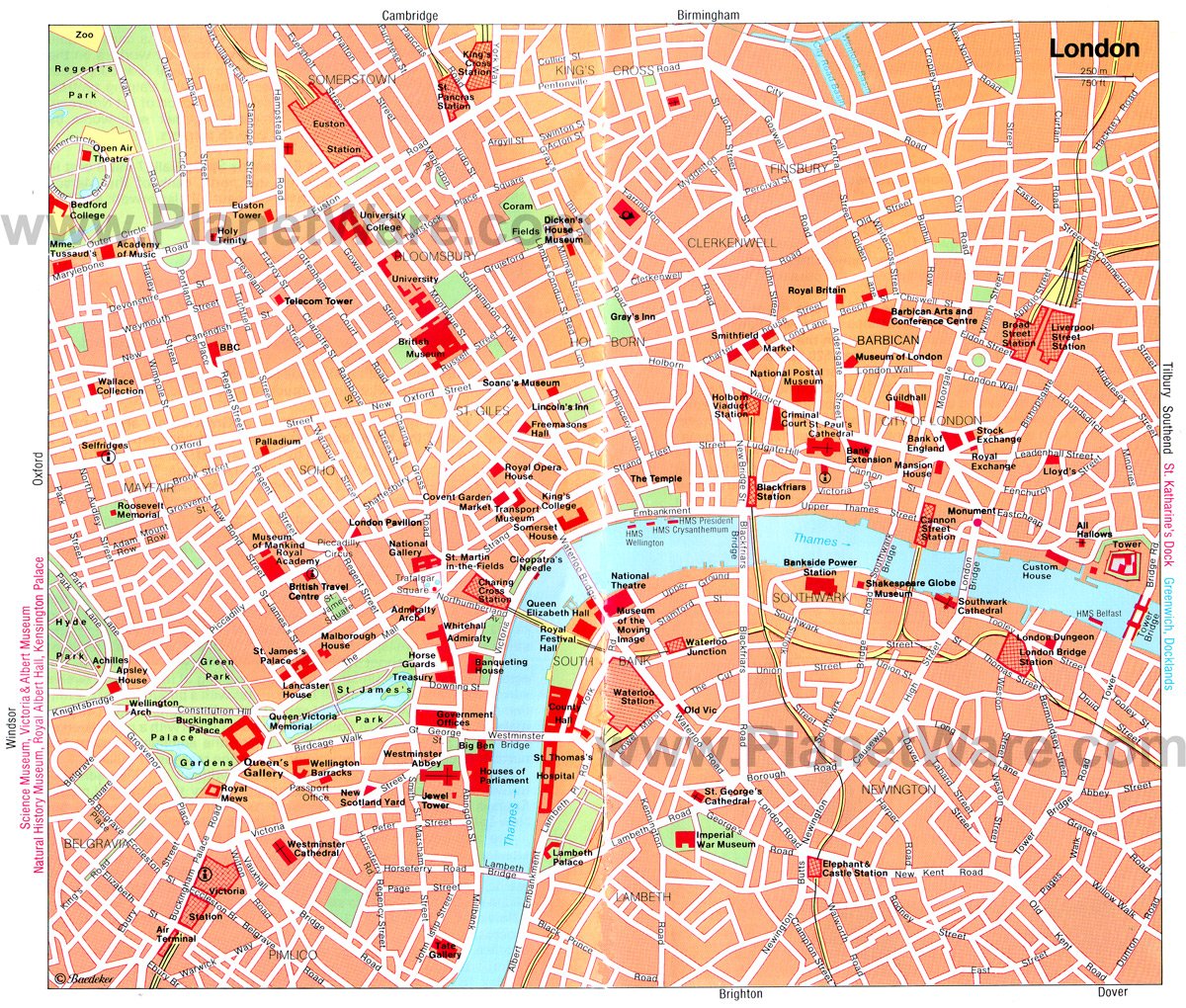
Map of Tourist Attractions & Things to Do in London
Best Time to Visit London, England
Let's be honest: no one travels to London for its weather. Frequented by cloudy skies that release smatterings of mist and rain, the UK's epic capital city is best visited with an umbrella in hand.
That said, London receives less annual rainfall than its tarnished reputation would have us believe, and less than many European cities. And rather than heavy rainfalls, the norm is "little and often." Yes, you'll likely run into a sprinkle or two during your visit, but a little rain never ruined a vacation, especially when touring a historic metropolis with so much to offer.
When those beautiful, bright sunny days do appear, visitors receive front row seats to the city's remarkable transformation. Locals smile more easily, the city's best parks and gardens fill with sun worshippers and picnickers, and a sparkling hue adds another level of magic to the city's most magnificent buildings. There's nothing better!
London is a tourist hot spot throughout the year. In other words, there's never a bad time to visit. If you're looking for a better chance of glimpsing the sun and avoiding masses of tourists, however, the best time to visit London is from March through May. That said, if you don't mind rubbing elbows with a zillion other tourists, a good time of year to travel to London is during the summer months from June to September.
More Related Articles on PlanetWare.com
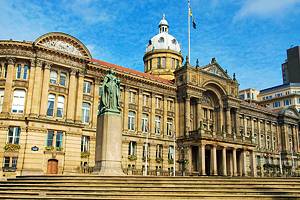
Other English City Destinations: Given its relatively small size, it's easy to travel from London to other great English cities, including lovely Liverpool, famous as the birthplace of The Beatles. The industrial city of Manchester is also within easy reach and is popular for its historic canal network and fine museums. Birmingham is another northern city worth visiting and celebrates both its rich industrial past along with modern museums, art galleries, and other cultural attractions.

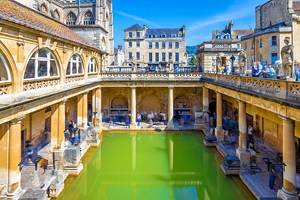
Easy Escapes: From London, you're only a short train ride away from the idyllic countryside of the Lake District, a popular walking destination and known for the stunning scenery around Lake Windermere. The historic city of Bath, named after its well-preserved Roman baths, is another great escape, whether for a weekend or a week. So, too, is the cathedral city of Durham, which is also home to one of the most-visited castles in England.
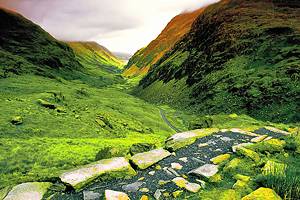
Top UK Vacation Ideas: Scotland makes for an excellent UK vacation, and is where you'll find the spectacularly beautiful city of Edinburgh, recognizable the world over for its lovely castle. The tiny nation of Wales, too, is worth exploring, especially its capital city of Cardiff and the stunning scenery of Snowdonia in North Wales.