Day Trips from Prague
The beautiful city of Prague, capital of the Czech Republic, is a great springboard for adventure. Whether you're looking for historic castles and quaint medieval streetscapes, cultural experiences at art galleries and museums, or a chance to simply explore the scenery, you'll find plenty of things to do outside the city.
From the old churches and crypts in Kutná Hora and Sedlec to lovely old palaces and bizarre natural rock formations, there's no end of possibilities for day trips from Prague. And the other great European cities of Vienna and Dresden are within reach, as well. Be sure to read about these and other places to visit from this historic city with our list of the top day trips from Prague.
Cesky Krumlov
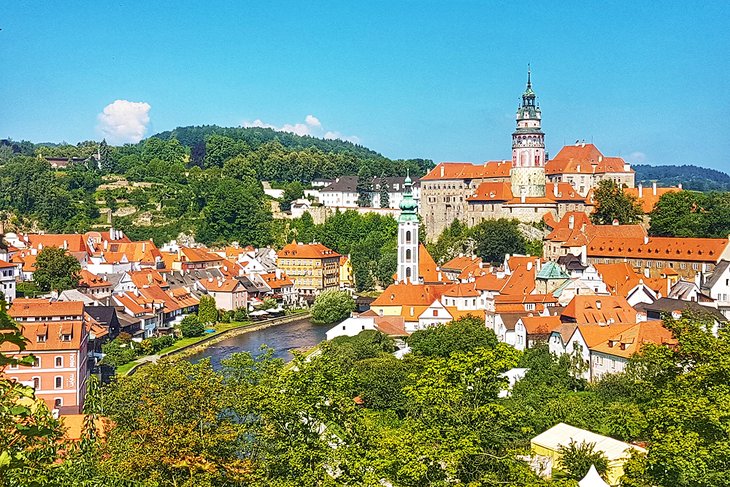
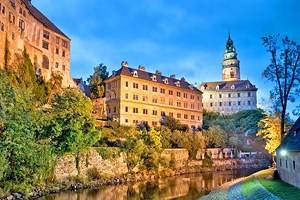
One of Eastern Europe's most perfectly preserved walled towns, Cesky Krumlov is second only to Prague in attracting tourists to the Czech Republic. It's so perfect, in fact, that the entire Old Town center has been named a UNESCO World Heritage Site for the many beautifully preserved 14th-century buildings that line its narrow streets.
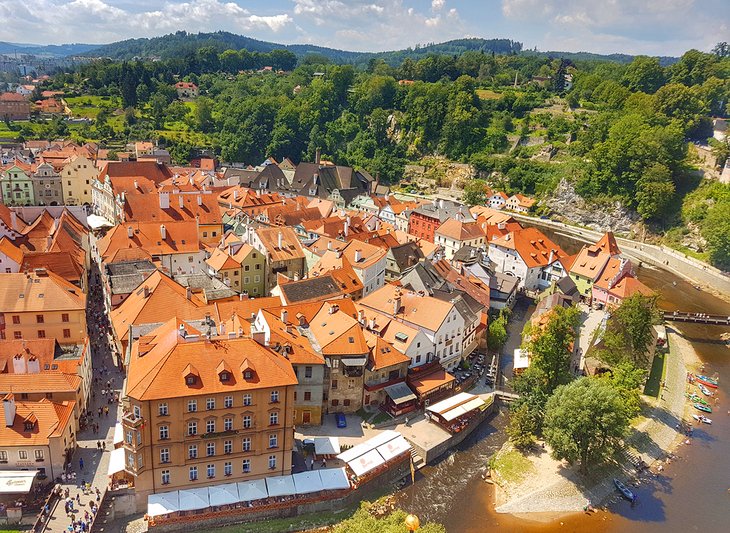
Cesky Krumlov Castle, set on a rock promontory high above the River Vltava, is even older, dating back to 1240. The castle complex, which includes 40 palaces and other buildings, plus five courts and a splendid original Baroque theater, is also surrounded by attractive gardens.
The Old Town of Kutná Hora
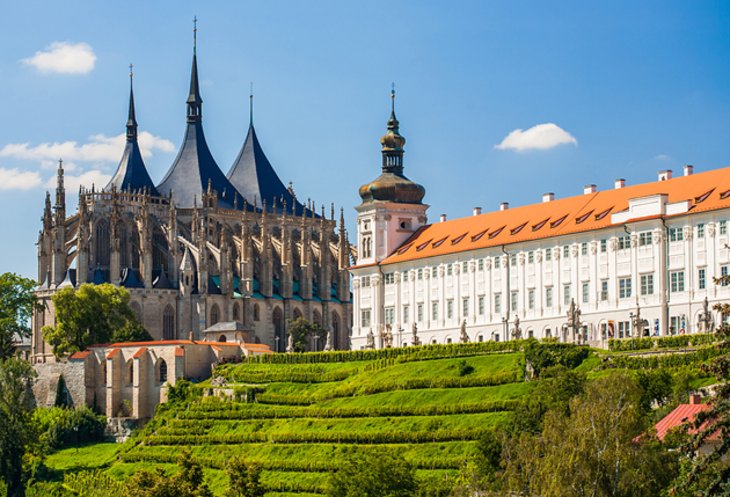
About 80 kilometers east of Prague, the town of Kutná Hora is filled with spectacular architecture. A highlight is the Baroque St. Barbara's Cathedral, a UNESCO World Heritage Site that was built in 1338.
The cathedral's extravagantly decorated interior has unusual frescoes featuring minting and mining (the silver mine here was once the largest in Europe), along with a mural of the Vision of St. Ignatius. Also worth seeing is the Italian Court (Vlassky dvur), whose old mint once produced much of Europe's coinage, and the former residence of Bohemian King Vaclav IV.
A few minutes' drive outside Kutná Hora is Kacina Chateau, built in 1822 and housing a private theater, pharmacy, library, and picture gallery, as well as a beautiful park laid out in the English style.
One of the country's most unusual attractions is on the outskirts of Kutná Hora. Known as the "Bone Church," the Gothic All Saints Chapel is home to the remains of some 70,000 people who died during the plagues that started in 1380, or who fell victim to the Hussite Wars of the 15th century (look carefully, and you'll see evidence of injuries on some bones).
By 1526, overcrowding in the church cemetery was so severe that a local woodcarver, Frantisek Rint, was granted permission to remove bones and use them to create this astounding display of curious (if not a little macabre) arrangements including coats of arms, a functioning chandelier, bells, and even chalices.
Several options for getting from Prague to Kutna Hora exist, particularly if you only want to do a one-way trip.

Bohemian and Saxon Switzerland National Parks
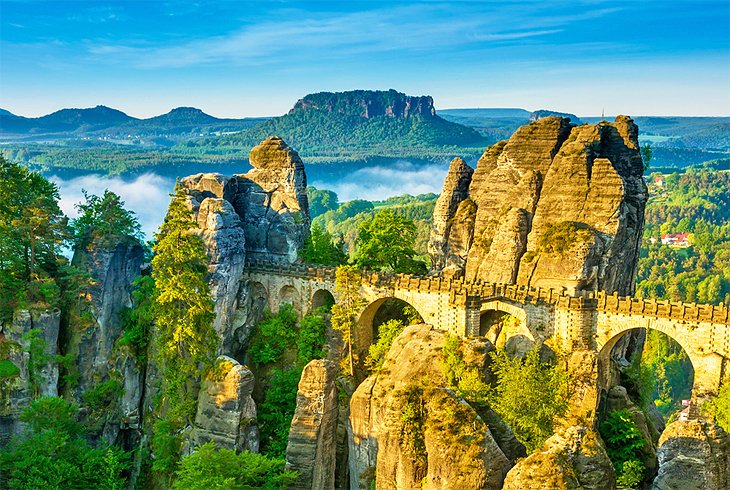
Two national parks, one in the Czech Republic and one in the eastern German state of Saxony, protect the vast, scenic region along the Elbe River. Towering above the Elbe are huge sandstone pillars, carved by wind and water into fantastic shapes.
A network of hiking trails through the forested hills reveal waterfalls, viewpoints, and deep gorges. The highlight of the Saxon park is the Bastei Bridge, a 76-meter-high stone arched bridge that connects the rock formations. You can walk across this remarkable structure to stand on the summit of an eroded cliff and look straight down onto the Elbe River. The Pravcicka Brana is the biggest sandstone arch in Europe and the symbol of the Czech national park. The Kamnitz (Kamenice) River has carved a dramatic narrow gorge, which you can travel through in a small boat.
Depending on which experiences you choose, you can sail on a gondola-style boat down the river, walk along the Elbe, take a boat ride through Gorges of Kamenice, or take a seven- or 15-kilometer guided hike. You can even experience the parks in winter to see the frozen icefalls.
Official site: www.npcs.cz/en
Karlovy Vary (Karlsbad)
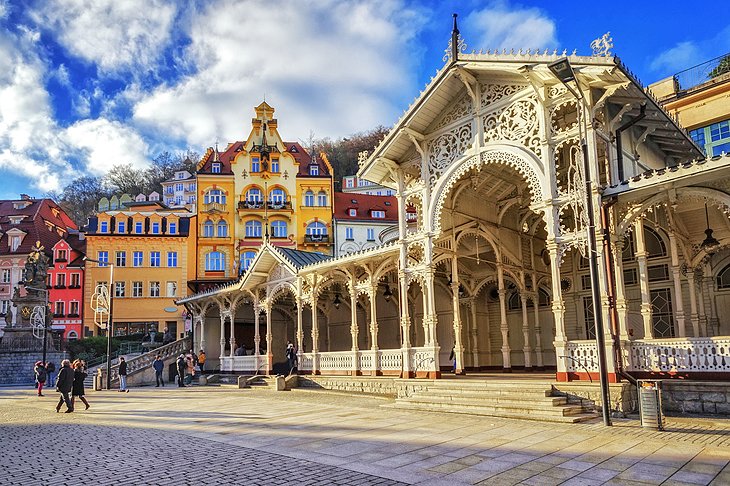
More than a dozen powerful hot springs, some shooting jets of water 14 meters into the air, have made Karlsbad, Karlovy Vary's more commonly used German name, a health resort for many centuries.
It was in fact Holy Roman Emperor Karl, IV, who discovered and popularized these impressive springs in 1358. But there is more to do here than simply soaking in its famed mineral waters. The city is awash in spectacular Neoclassical and Art Nouveau spring houses, colonnades, and fountains built at the spa's heyday in the late 19th and early 20th centuries.
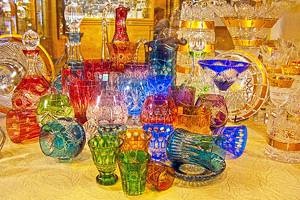
It's also well-known for the Karlovy Vary International Film Festival, one of Europe's oldest such festivals, and only one of the town's many cultural attractions. Centuries of wealthy spa-goers needed other activities and amusements, too, so Karlovy Vary now has an active performing arts center, along with numerous art galleries and museums. At the Moser glass factory, you can see artisans creating beautiful art objects in Bohemian crystal.
Highlights include a visit to the Moser factory to watch as the crystal masterpieces are created, then having time to stroll through the spa town and admire the colonnades and other buildings and fountains and sample the waters.
- Read More: Attractions & Things to Do in Karlovy Vary
Dresden
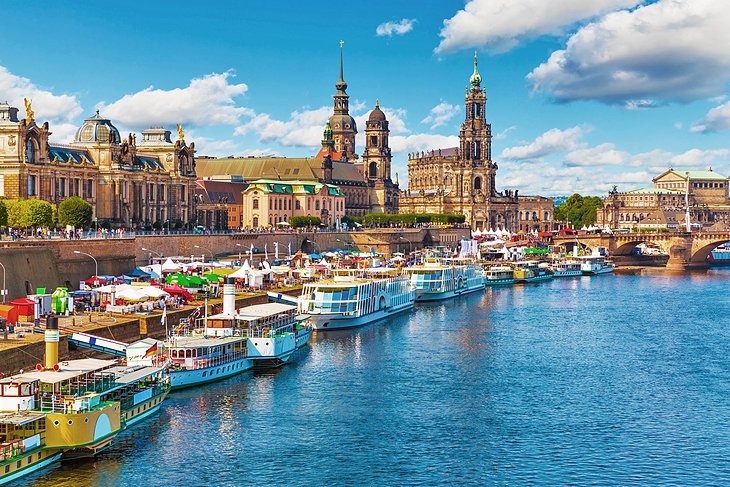
The magnificent Baroque churches, palaces, and other buildings of Dresden's Old Town have been meticulously restored after the devastation and destruction of World War II followed by 40 years of neglect when the city was behind the Iron Curtain. The soaring dome of the Frauenkirche, for many years nothing more than a pile of rubble, stands once more above the city, and the Dresden Royal Palace once again houses its famed Green Room and other treasures of the Dresden State Art Collection.
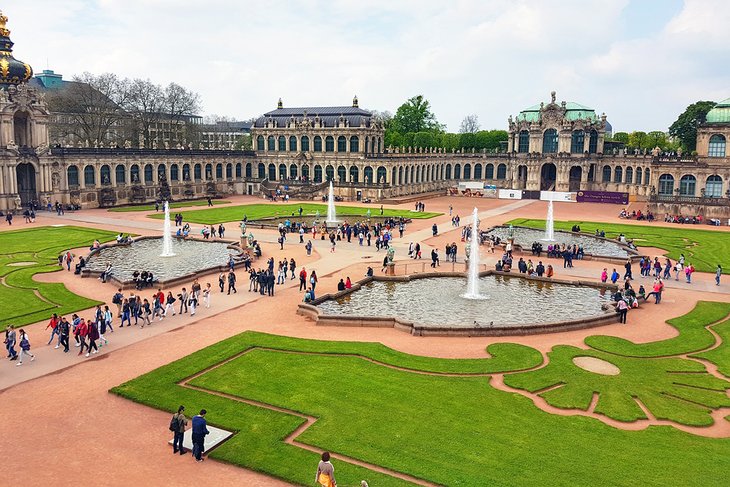
Other top places to visit in this German city are the Zwinger Palace and Semperoper (Semper Opera House), along with the lovely Brühl's Terrace overlooking the Elbe and its riverboats.
Vienna
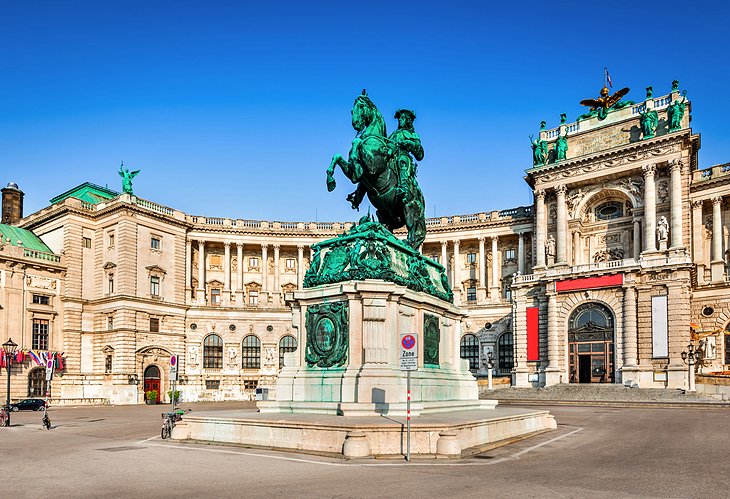
Vienna, the historic capital of the Hapsburg Empire, boasts no end of elegant palaces and impressive art collections, making it a must-visit for serious art lovers.
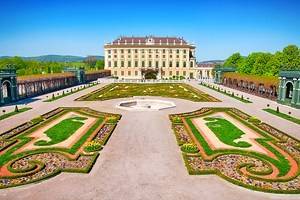
Three imperial Hapsburg palaces top the list of the best places to visit in Vienna: the royal Hofburg Palace in the heart of the city, their summer retreat at Schönbrunn Palace and its gardens, and the Belvedere Palace. Each of these buildings are works of art in themselves and house priceless collections.
Also worth visiting, St. Stephen's Cathedral is a masterpiece of Gothic architecture, enhanced by centuries of additions. The Vienna Staatsoper is among Europe's finest opera houses, part of the historic center of the city that's listed as a UNESCO World Heritage site.
If you want to do this trip on your own or are just looking for transportation options, there are a number of good ways to get from Prague to Vienna.
The Bohemian Paradise
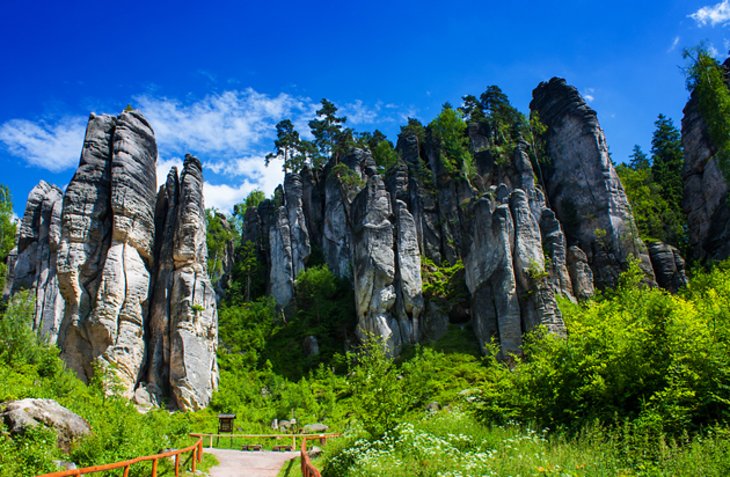
Located in Eastern Bohemia, the spectacular Bohemian Paradise (Ceský ráj) is a unique area characterized by numerous unique rock formations, splendid old castles, and countless historical buildings. Declared a UNESCO Geopark in 2005, this area of outstanding natural beauty is famed for its many sandstone hills and natural bridges, as well as its tall basalt columns and outcroppings, all of which draw sightseers from across Europe.
A highlight of a visit is exploring the park's 180 square kilometers via its superb network of hiking trails. If you're more inclined to drive, you can take any one of its pretty scenic driving routes, including those that travel past its superb old fortresses such as Trosky and Kost castles. A good place to begin your exploration of the area is from the historic town of Turnov, notable for its fine old churches and architecture.
Address: Antonína Dvoráka 335, 511 01 Turnov
Official site: www.cesky-raj.info/en/
The Terezín Ghetto Museum
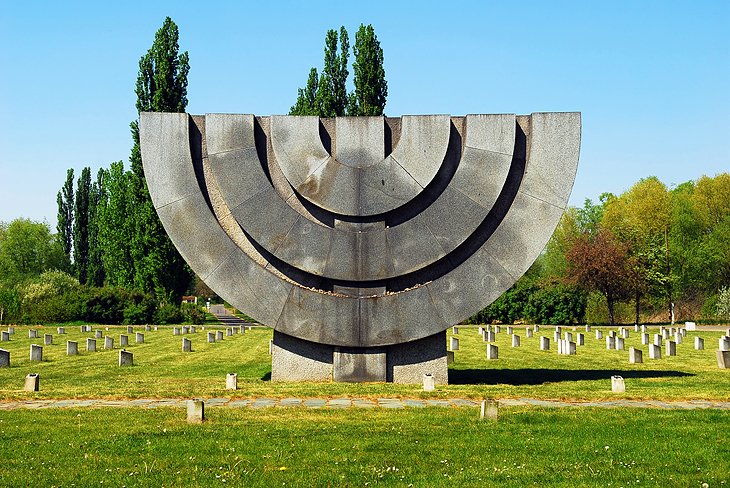
Terezin was a concentration camp north of Prague, where more than 150,000 Jews were sent and held before being sent to extermination camps. Inside the walls of the fortress Theresienstadt, built by Emperor Joseph II of Austria in the late 1700s, it was originally a resort for Czech nobility. In 1940, Nazi Germany had the Gestapo turn Terezín into a Jewish concentration camp for Czech Jews and those deported from countries occupied by the Nazis.
Today, the camp is preserved as the Terezín Ghetto Museum, and serves as a memorial to the 33,000 who died from the terrible conditions here, as well as the 88,000 people sent from here to die in extermination camps.
Official site: www.pamatnik-terezin.cz/ghetto-museum
The Catacombs of Klatovy
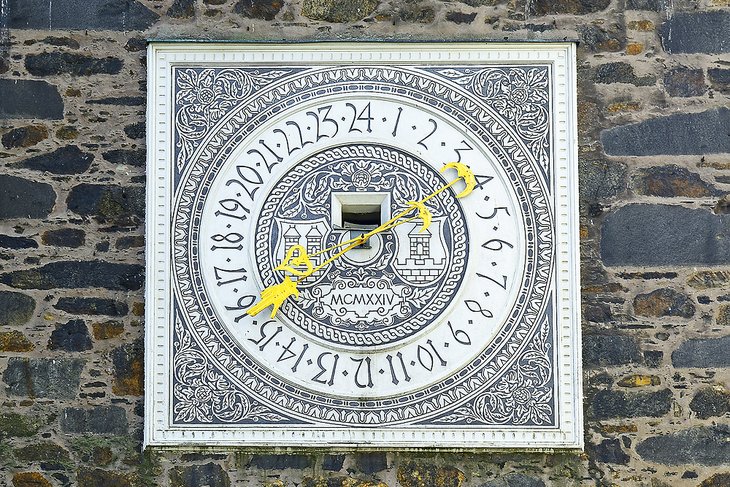
Despite being some 130 kilometers southwest of Prague, the 13th-century town of Klatovy is well worth a visit. A highlight of this fortified old town is the 81-meter-tall Black Tower (Cerna vez), built in the mid-16th century at the height of the town's influence (it was an important place of trade and commerce).
The tower is most notable for the astronomical clock added in the 18th century. Also of interest is the Old Town Hall dating from the 16th century; the white towers of the 17th-century Jesuit Church; and the Klatovy Pharmacy, an old apothecary that has remained unchanged, along with its original equipment and furnishings, since the 18th century.
Perhaps the best places to visit in Klatovy, however, are the catacombs. Built in the 17th century by Jesuits constructing the Church of Immaculate Conception and St. Ignatius, they were designed to hold the bodies of Jesuit priests and to serve as protection during times of war. It was only later that they became the final resting place of nobility and other important people from Klatovy, many of whose remains can still be seen in various states of preservation.
Mining Museum Príbram
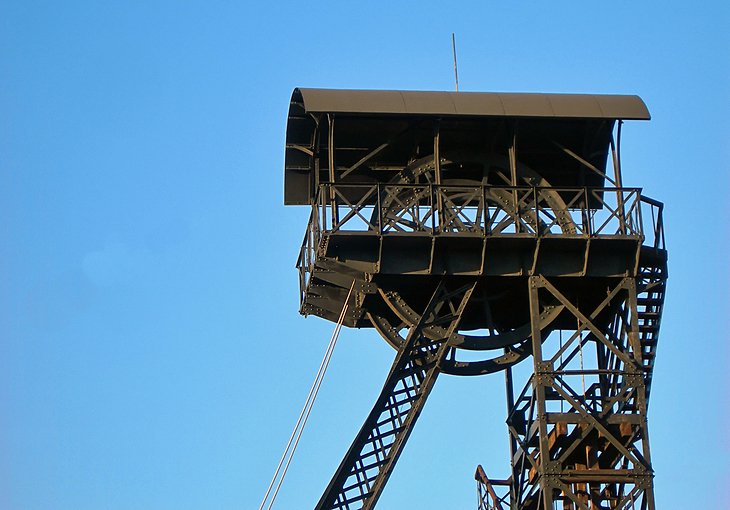
The town of Príbram, about 63 kilometers southwest of Prague, has a long tradition of mining. Historical records indicate that mineral extraction in the region began as far back as the 10th century when it became an important source of silver and iron ore, and more recently, uranium. While the mines are now closed, the town is home to a fascinating tourist attraction: Mining Museum Príbram (Hornické muzeum Príbram).
One of the country's largest and oldest museums, it was established in 1886 on the site of a 16th-century mining pit. The museum showcases the mining techniques and history of mining in the region and includes numerous original buildings and machinery. It also provides the unique opportunity to travel underground as part of a guided tour in order to see firsthand the often difficult conditions faced by miners.
Plzen
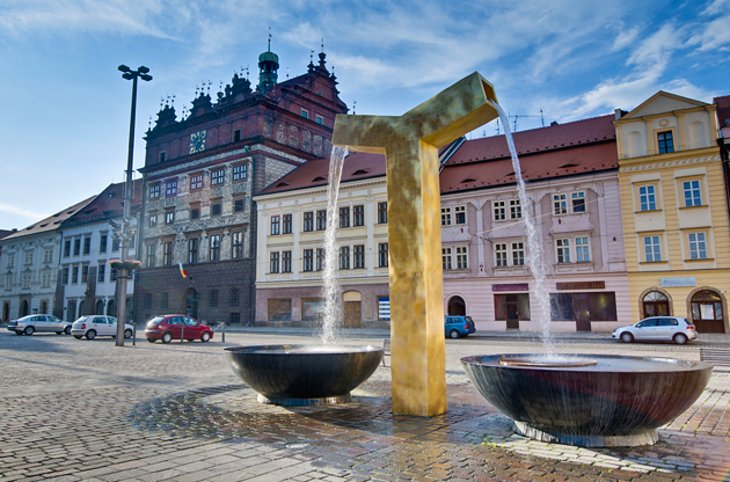
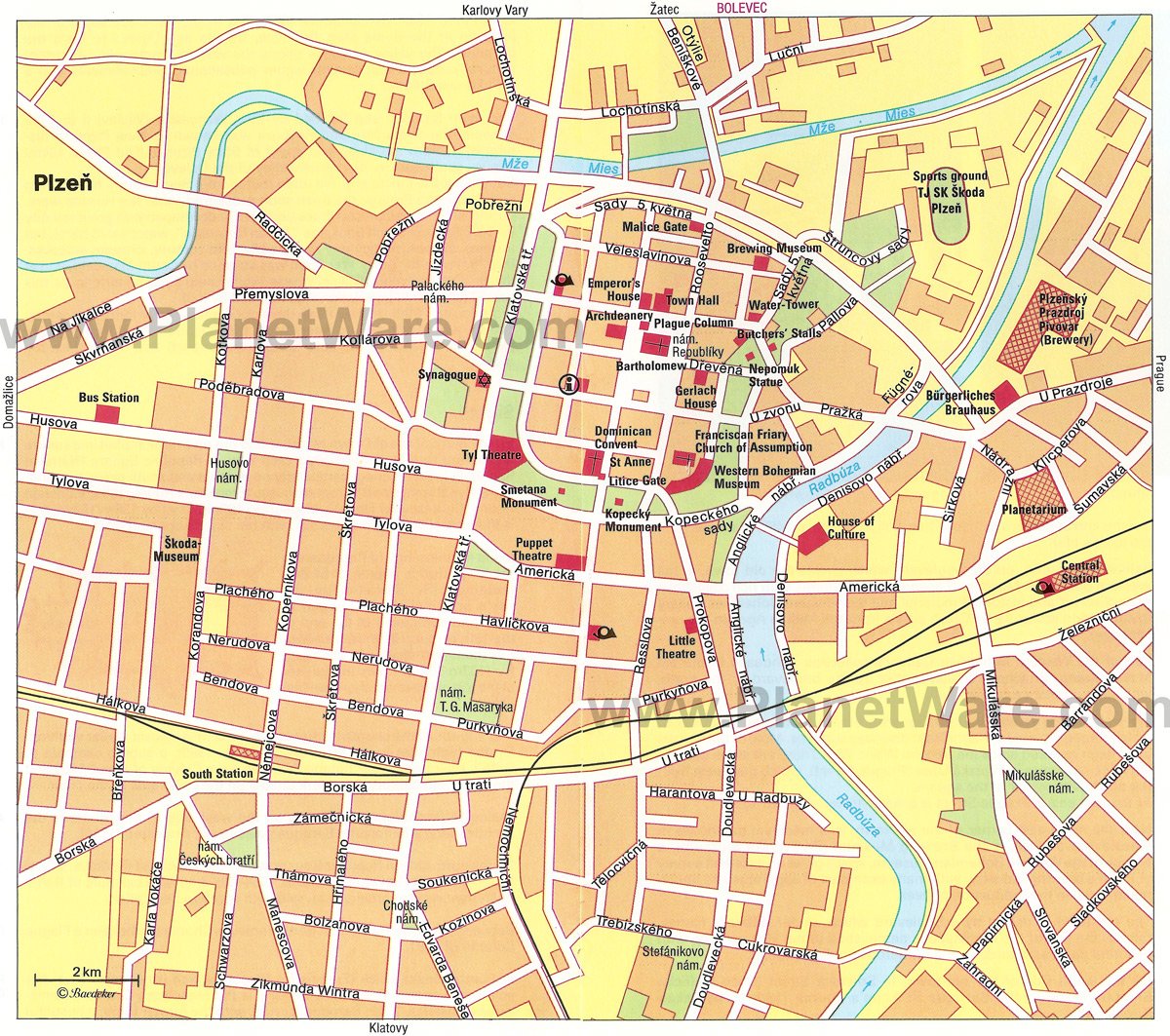
Established in the late 13th century, the town of Plzen (also known as Pilsen), 90 kilometers southwest of Prague, serves as the main administrative center of Western Bohemia. Notable highlights of a visit include the large main square, Square of the Republic (Námestí Republiky). Here, you'll find the Cathedral of St. Bartholomew (katedrála sv Bartolomeje), famous for its 100-meter-tall spire, the tallest in the Czech Republic, as well as the Renaissance Old Town Hall.
Also of interest is the Great Synagogue, built in the 19th century and the third largest synagogue in the world. Another highlight of a visit to Plzen is to take a tour of the town's historical network of underground cellars and galleries, many of which date from the 13th to 19th centuries.
Krkonose National Park
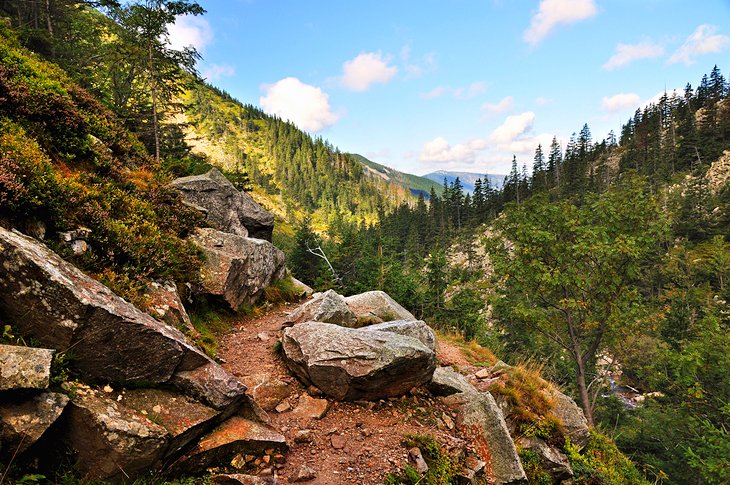
Although it lies a two-hour drive northeast of Prague on the border with Poland, Krkonose National Park (Krkonosský národní park) is well worth a visit. Home to the Krkonose (Giant Mountains), the highest peaks in Bohemia, this national park was established in 1962 to protect the numerous bird species and extensive flora, including many species of rare trees, that inhabit the area.
Now listed as a UNESCO Biosphere Reservation, the park's highlights include visiting the quaint spa town of Janské Lázne. When the snow flies, the ski resorts of Spindleruv Mlýn and Pec pod Snežkou are busy with winter sports enthusiasts. In addition to skiing, the park is also a popular area for hiking and offers plenty of opportunities for bird-watching. The most popular hike in the mountains is the Harrach Path, which traverses a diverse landscape of rounded mountains, peat bogs, cliffs, and waterfalls.
Address: Dobrovského 3, 543 01 Vrchlabí
Official site: www.krnap.cz/en/
Kromeríz Castle and the Titan Gallery
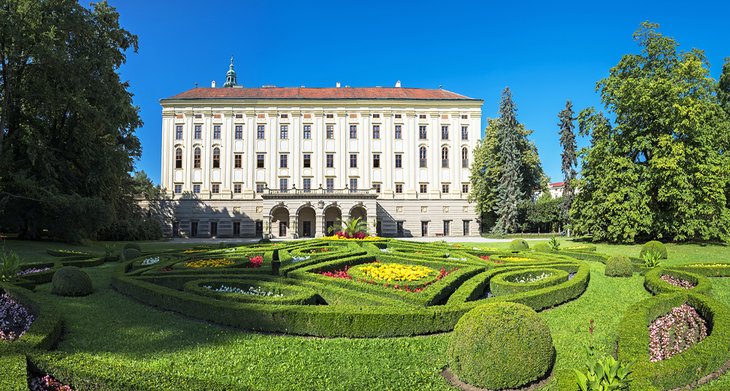
Considered the most extravagant palace in the Czech Republic, Kromeríz Castle – a UNESCO World Heritage Site – should be on every visitor's must-see list. Built as a Bishop's palace in 1686, it was almost completely rebuilt following damage sustained in the Thirty Years' War. Today's structure is largely of early Baroque style and is notable for its extensive library of more than 50,000 titles, along with a musical archive containing original scores by Mozart and Haydn.
Another highlight is the famous Titan Gallery, one of the largest art collections in the country. Highlights include numerous religious paintings including Veronese's Apostles, and Titian's The Flaying of Marsyas by Apollo, along with works by Jacopo Bassano, Jan and Pieter Brueghel, and Anthony van Dyck. Set along the banks of the Morava River, the large palace grounds are also worth exploring. English language guided tours are available.
Address: Snemovní námestí 1, 767 01 Kromeríž
Official site: www.zamek-kromeriz.cz/en/
The Skoda Auto Museum
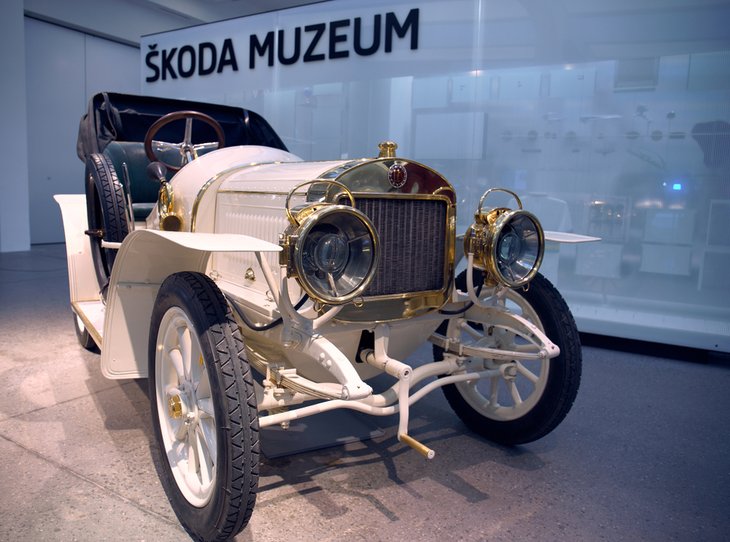
The Skoda Auto Museum in Mladá Boleslav, a 50-kilometer drive from Prague, makes for a fun day trip and celebrates the achievements of one of only four car manufacturers worldwide with an unbroken track record of more than 100 years.
This fun museum consists of a number of interesting exhibits, including a look at the decades of vehicle production that has taken place here, along with a gallery showing engine development from the early 20th century to the present day.
Other highlights include a chance to see how Skoda's cars are assembled, as well as seeing numerous classic cars on display and a variety of old machinery in action.
Also worth visiting while in Mladá Boleslav is the 17th-century Chateau Mnichovo Hradiste, notable for its chapel where Albrecht von Wallenstein (Valdstejn), a famous warrior of the Thirty Years' War, was buried, along with displays of Delft pottery and porcelain miniatures of Japanese and Chinese origin.
Address: trída Václava Klementa 294, 293 60 Mladá Boleslav
Official site: https://museum.skoda-auto.com
Karlstejn Castle
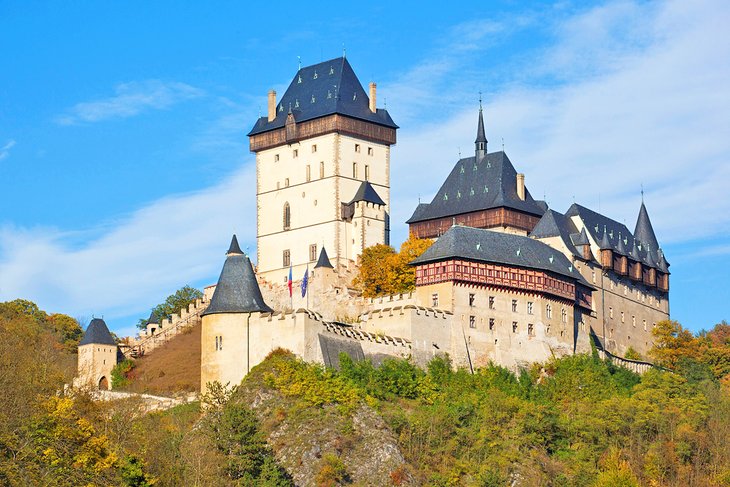
Located just 30 kilometres southwest of Prague, Karlstejn Castle is one of the country's most famous and most visited castles. Built in the 1300s as a place of safekeeping for the Bohemian Crown Jewels, the Gothic castle has been restored, and visitors can now tour the historical interiors and visit the royal bedroom, the Hall of Ancestors, the former castle prison, and the Hall of Knights with the chapel of St. Nicholas.
While Karlstejn castle is certainly the main attraction here, the tiny market town of the same name (just 900 people live here year-round) has plenty of small treasures to offer on its own. If you arrive in town via train, the street leading through the village and up to the castle is filled with small stores offering vintage glass, second-hand treasures, and plenty of souvenirs. In winter, Karlstejn has a vibrant Christmas market selling plenty of local handicrafts.
The town is also home to a Clock Museum (with a collection of over 1,000 pieces from around the world) and a Museum of Nativity Scenes, featuring old Czech nativity scenes made of wood, wax, and even sugar. There's also the small Wax Museum Karlštejn close to the castle.
The area behind the castle is a popular hiking destination filled with thick forests, whispering streams, cliffs, and the famous Velka Amerika abandoned quarry.
Brno
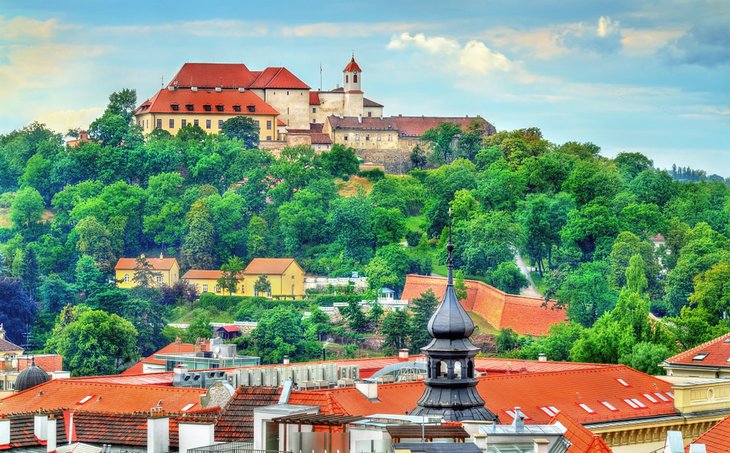
The Czech Republic's second-largest city has plenty of historical sights, fun attractions, and interesting places to discover – but because it's so much smaller than Prague, you might be able to pack a bunch of them into a one-day trip.
Regardless of how long you have in Brno, a good place to start is always the 13th-century Špilberk Castle, which overlooks the city from the top of a hill, and houses the City Museum. Continue down towards the Cathedral of St. Peter and Paul to admire its splendid Baroque architecture, then visit The Moravian Gallery and its massive collection of paintings, drawings, photography, and sculptures.
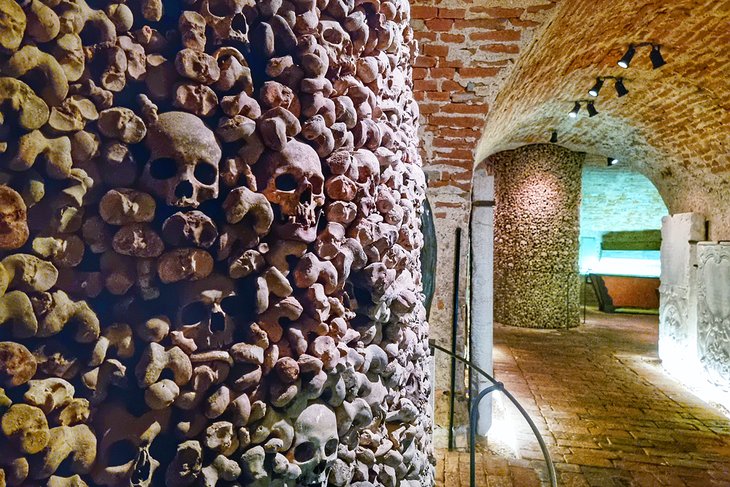
For a spine-tingling experience, stop by the second-largest ossuary in Europe (after the Paris Catacombs), where skeletal remains of victims from the plague, cholera epidemics, and a number of war conflicts have their final resting place.
Then visit the underground 10-Z nuclear bunker, built during World War II in case of a potential attack from American and Soviet bombs. Other interesting places to check out in Brno include the Church of St. James; the underground labyrinth under the historical vegetable market; and Menin Gate, the only remaining gate from the historical city walls.
České Budějovice
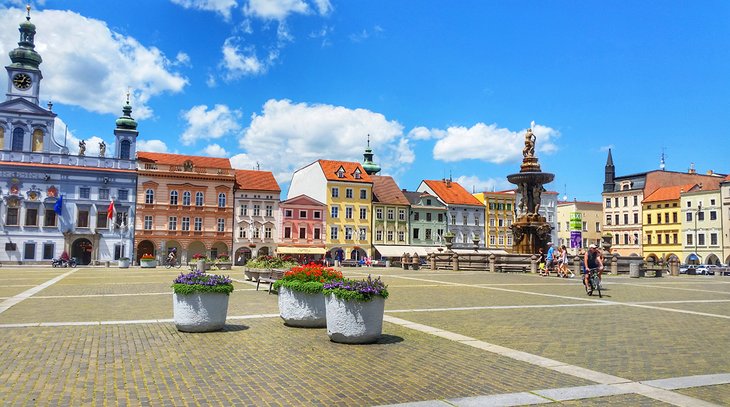
Despite being the provincial capital of South Bohemia, České Budějovice is a relatively small town, and many visitors just stop here on their way to more popular Cesky Krumlov. But České Budějovice has a lot of charm to offer and deserves a day to be fully explored.
Most of the city's attractions and major landmarks are located near the Přemysl Otakar II main square, so that's a good place to start. The square is home to the ornate 18th-century Samson's Fountain and is surrounded by colorful Baroque buildings, including the striking Town Hall and the 72-meter-tall Black Tower, which offers the best views over the square and the town. Make sure you walk the historic riverfront – with the city sitting on the confluence of the Vltava and Malse rivers, there's plenty of stunning photo opportunities here.
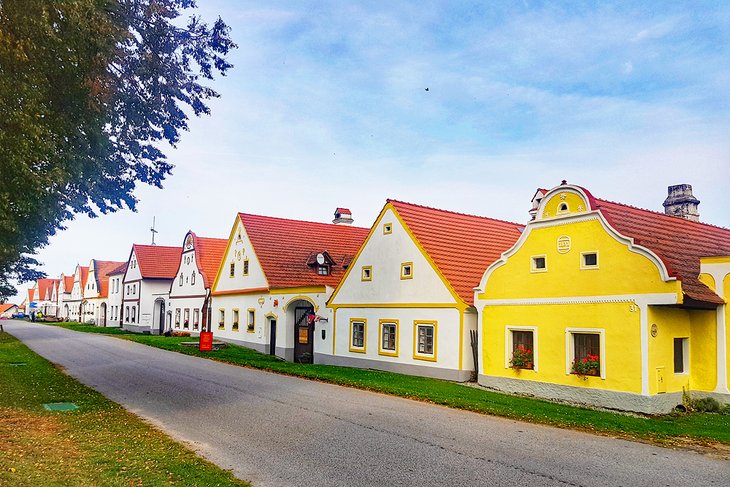
Not far outside town, there are two major attractions you shouldn't miss. One is the Hluboká nad Vltavou castle, a mix of Baroque and Romantic elements and one of the most stunning royal monuments in Europe. The tiny historical village of Holašovice -- which consists of 23 brick farmsteads-- is also nearby. A unique example of South Bohemian Folk or Rural Baroque style, the village has been designated as a UNESCO World Heritage Site.
Map of Day Trips from Prague
More Related Articles on PlanetWare.com
More Places to Visit from Prague: The Czech Republic offers no end of fun things to do. In addition to the destinations already mentioned, the city of Bratislava, capital of Slovakia, is another excellent option, and is popular for its charming setting on the Danube. Many people are also pleasantly surprised that it's easy to get from Prague to Budapest, another beautiful destination that straddles the mighty Danube river.