15 Top-Rated Attractions & Things to Do in Brno
The Czech Republic's second largest city after Prague and the capital of the state of Moravia, Brno has a long and rich history that dates back as far as prehistoric times. While evidence of the communist era still dominates the city's outskirts, dig deeper, and you'll be rewarded with a number of splendid historical sites and attractions, including the 13th-century Spilberk Castle; the Dietrichstein Palace; and the Cathedral of St. Peter and Paul, widely considered one of the country's most important historic buildings.
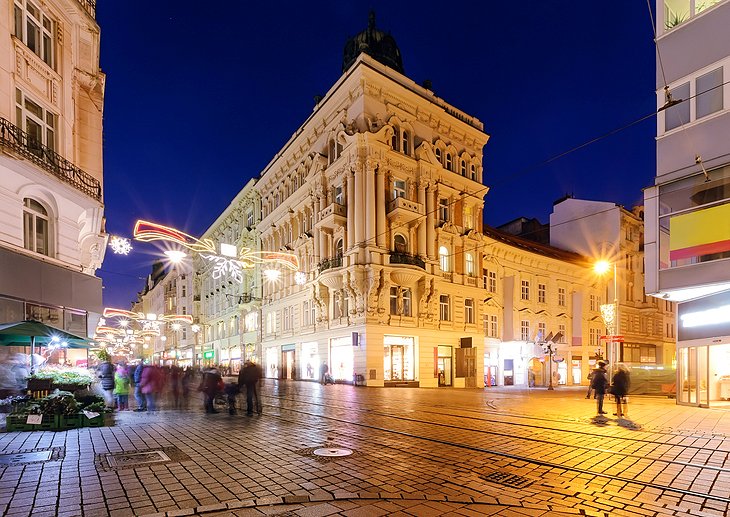
Home to many of the country's principal government institutions, Brno - a university city with numerous educational establishments - is also an important convention, entertainment, and cultural center, boasting many fine concert venues; sports halls; and racetracks, including the famous Masaryk Circuit.
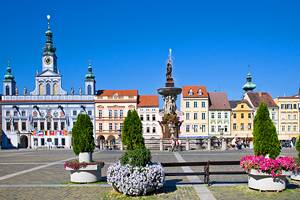
Fun things to do in Brno include wandering its many delightful public spaces, in particular the historic Zelný trh square in the oldest part of the city, popular for its markets, cafes, restaurants, and boutique shops and galleries. The square is also home to the city's most attractive monument, the Baroque-styled Parnas Fountain, which dates from the 17th century and makes for a great selfie-backdrop.
Other notable public spaces that are pleasant to while away the time include the city's largest park, Lužánky; the university's arboretum (Botanická zahrada a arboretum); and the area around the Brno Reservoir, which includes fun things to do such as swimming and, come winter, skating.
Finally, historians will want to visit the grounds of the nearby Peace Memorial (Mohyla míru), located on the site of the Battle of Austerlitz, a decisive confrontation between Napoleon and a combined Russian and Austrian army. Plan your trip with our list of the top attractions in and around Brno.
See also: Where to Stay in Brno
- 1. Stop by the Cathedral of St. Peter and Paul
- 2. Explore the Špilberk Castle and the Brno City Museum
- 3. Go Deep Into the Moravian Karst and Caves
- 4. Tugendhat Villa
- 5. Discover the Past at the Dietrichstein Palace and the Moravian Museum
- 6. Explore the Church of St. James and the Brno Ossuary
- 7. Visit Veverí Castle
- 8. The Moravian Gallery in Brno
- 9. The Capuchin Church and Crypt
- 10. Explore Nature at the Brno Zoo
- 11. See the Treasures at the Old Town Hall
- 12. Walk the Underground at The Labyrinth & Mint Master's Cellar
- 13. Join the Kids at the VIDA! Science Center
- 14. Visit the Museum of Romani Culture
- 15. Take a Day Trip from Brno
- Where to Stay in Brno for Sightseeing
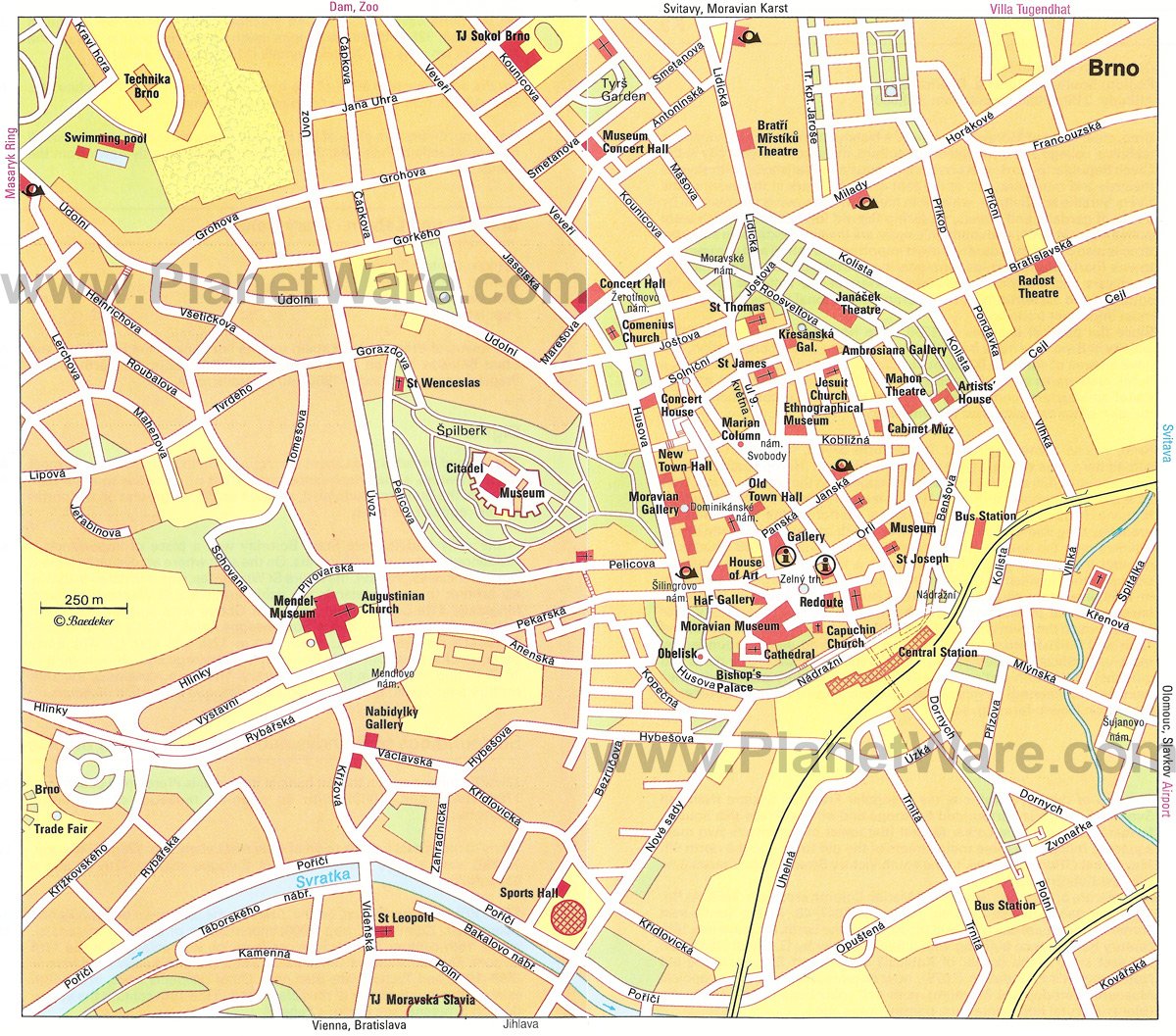
- Map of Attractions & Things to Do in Brno
- Brno, Czech Republic - Climate Chart
1. Stop by the Cathedral of St. Peter and Paul
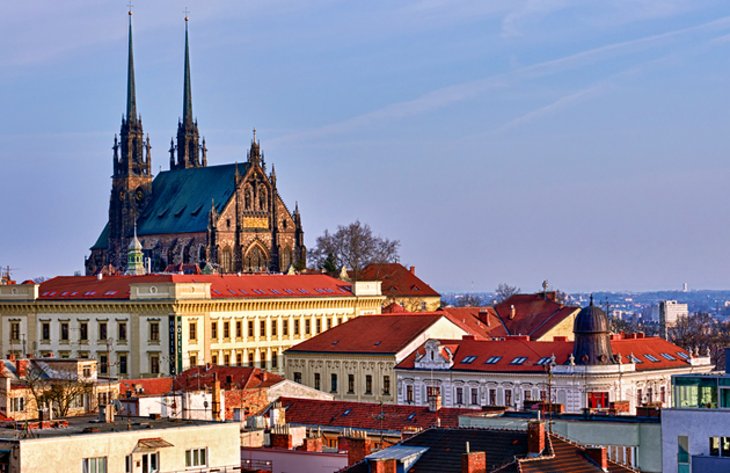
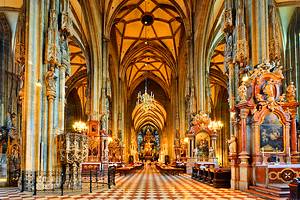
Perched atop Petrov Hill in the very heart of Brno, the Cathedral of St. Peter and Paul (Rímskokatolická farnost u katedrály sv. Petra a Pavla v Brne) is hard to miss. Considered one of the most important Czech cultural monuments, this imposing Catholic cathedral remains one of the city's most important attractions due to its splendid architecture. Highlights include its exquisite Baroque interior, as well as the 84-meter-tall twin towers that were added at the start of the 20th century (the main part of the building dates from the mid-1700s).
If possible, try to time your visit to coincide with the ringing of the midday bells, which in fact sound at 11am (legend has it the early peel successfully tricked attacking Swedes into ending their siege). Another highlight is a chance to see the remnants of the original city walls buried underneath the cathedral, as well as its interesting old crypt. Visitors are always welcome at the regular daily mass services.
Also worth visiting is St. Thomas's Abbey (Königskloster), famous for being where geneticist (and Abbot) Gregor Mendel experimented in the property's garden in the early 19th century. An interesting museum, the Mendel Museum, has been set up here to commemorate the man and his work.
Address: Petrov 9, 602 00 Brno 2
2. Explore the Špilberk Castle and the Brno City Museum
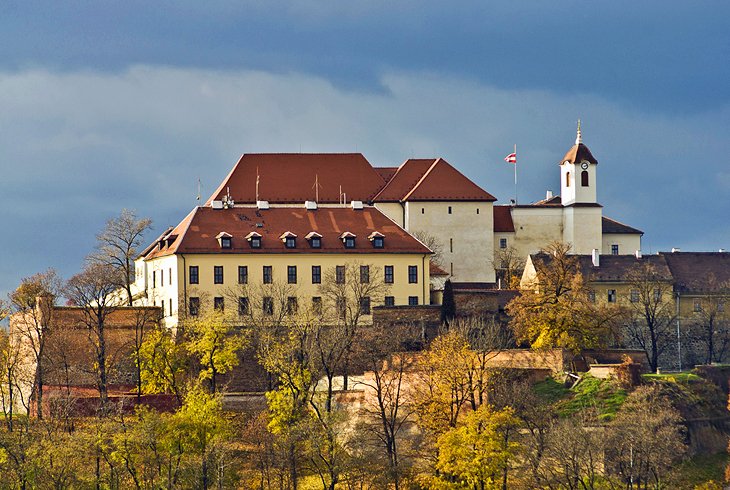
Dating from the 13th century, Špilberk Castle (hrad Špilberk) was built on a commanding hill by Czech King Pøemysl Otakar II and has served many roles over the years, including those of royal castle, fortress, and prison. Today, the castle is home to the Brno City Museum, established in 1904 and home to many excellent permanent (and frequent temporary) exhibitions. Permanent exhibits focus on the architectural history of the castle and its role as a prison, as well as the history of Brno.
Concerts, theatrical performances - including a popular Shakespearian festival - and other cultural events are held in the castle's courtyard throughout the summer, and visitors are also encouraged to climb the lookout tower for its fine views over the old city.
Address: Špilberk 210/1, 662 24 Brno
Official site: www.spilberk.cz/en/
3. Go Deep Into the Moravian Karst and Caves
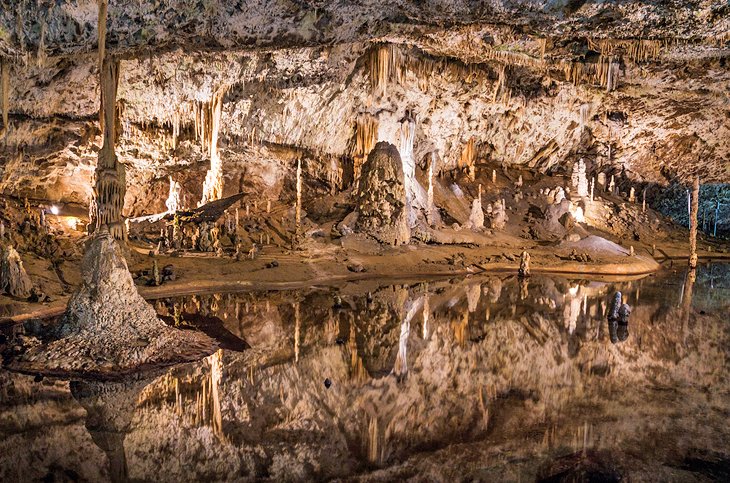
Famous for its cool air and stunning caverns, the Moravian Karst and Caves (Moravský kras) are a must-visit when in Brno. Located 25 kilometers northeast of Brno, the Karst area covers some 100 square kilometers and contains more than 1,000 known caves and gorges, five of which are open to the public for self-guided tours (trails are clearly marked indicating their level of difficulty). For the truly adventurous, a number of less-traveled caverns can be visited with a qualified spelunker as a guide.
Highlights include numerous interesting stalagmites and stalactites easily viewable from the well-lit passageways, as well as an excellent boat tour along an underground river. Also of note is the Macocha Abyss, a deep chasm overlooked by viewing platforms and footbridges, with numerous excellent hiking and biking trails. The caves are always popular with tourists, so be sure to book your visit in advance.
Address: Skalní mlýn 65, 678 25 Blansko
Official site: www.moravskykras.net/en/moravian-karst.html
4. Tugendhat Villa
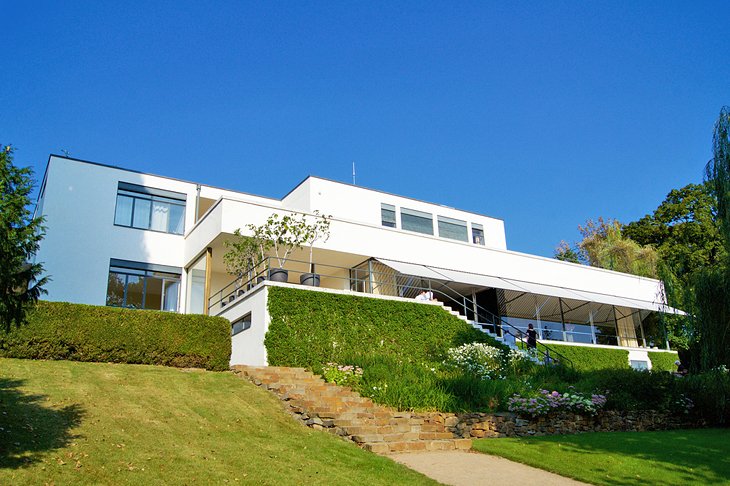
Built by architect Ludwig Mies van der Rohe, Tugendhat Villa is considered one of the most extraordinary examples of modern architecture from the early 20th century. In a posh residential area, it was constructed in 1930 for Fritz Tugendhat and his family, after whom the building is named, and is now listed as a UNESCO World Heritage Site.
Incorporating some of the most modern technology and concepts from that time period, the villa - the first masterpiece of modern architecture to be built on Czech soil - is famous for its unique open-plan structure and use of materials such as onyx, chrome, travertine, and ebony. English language guided tours are available but due to the Villa's popularity, tickets should be booked well in advance (the attraction itself suggests three to four months, minimum).
If you can, try to squeeze in a visit to other notable architectural landmarks, such as Stiassni villa. Built for a wealthy textile mogul, this impressive mansion was completed in 1929 and is notable for its attractive interior and enchanting gardens. Also worth seeing is Löw-Beer Villa, which houses a local museum, library, and café (guided tours available).
Address: Cernopolní 45, 613 00 Brno
Official site: www.tugendhat.eu/en/
5. Discover the Past at the Dietrichstein Palace and the Moravian Museum
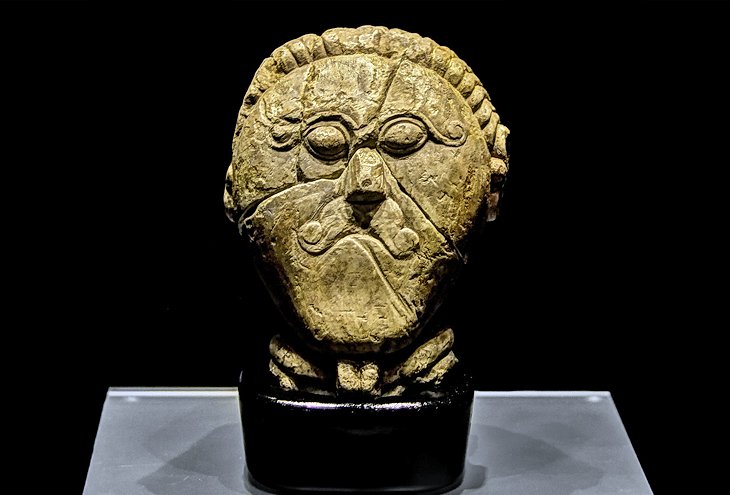
The Dietrichstein Palace (Dietrichstinsky Palac), built in the early 17th century for Cardinal Dietrichstein, is typical of Brno's splendid Baroque architectural style. Today, the palace houses the excellent Moravian Museum (Moravské zemské muzeum), the country's oldest museum - and one of the largest - and home to more than six million historical artifacts.
The museum's permanent exhibits cover a wide range of topics and time periods, including a Moravian village in the Middle Ages, and minerals and mining, as well as offering a comprehensive overview of the region's more recent history, including fascinating displays relating to WWI and WWII.
Of particular interest is the Anthropos Pavilion, which covers the earliest known period of human habitation in the area. The Moravian Museum also administers a number of interesting smaller museums, too, including the historic Bishop's Courtyard, near the cathedral, and the Palace of Noble Ladies, which houses a fun children's museum.
Address: Zelný trh 6, 659 37, Brno
Official site: www.mzm.cz/en
6. Explore the Church of St. James and the Brno Ossuary
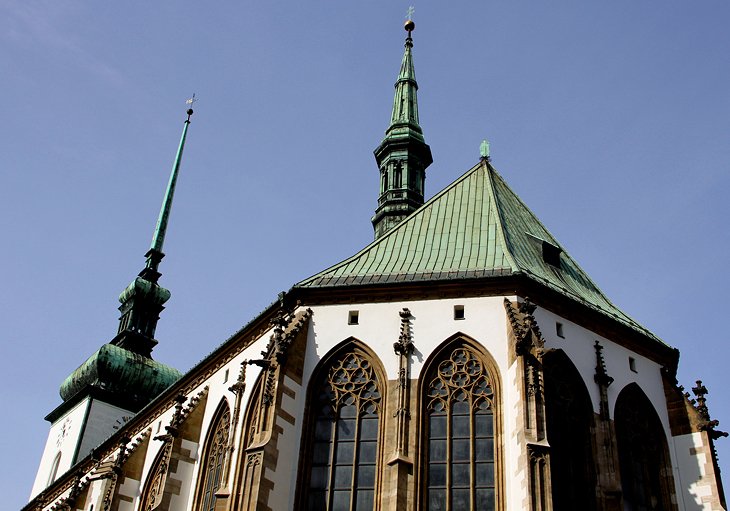
After the Cathedral of St. Peter and Paul, Brno's other most important religious structure is the pretty 14th-century Church of St. James (CzechKostel svatého Jakuba). Now a National Cultural Landmark due to its important architecture and historical artifacts, the church features an old Gothic crucifix; early 16th-century reliefs, including one of the crucifixion of Christ and a number of interesting tombstones; and a Baroque organ.
One of the most startling features is the Brno Ossuary. Revealed during an archeological survey of St. James Square (Jakubské námestí) in 2001, this vast collection of human bones is as chilling in scale as it is in the unusual way the collection is displayed, including collections heaped in archways and used as decorative displays and ornamentation.
Estimates suggest the remains of around 50,000 people were found, making it the second largest after the famous Catacombs of Paris. Equally interesting is the cause of death for most of those interred here, including plague, warfare, and starvation due to city sieges.
Address: Jakubské námestí, 602 00 Brno
7. Visit Veverí Castle
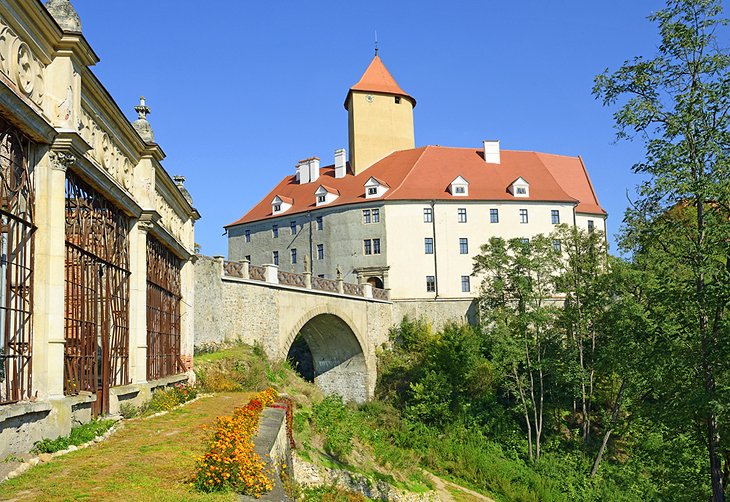
Located just 12 kilometers northwest of Brno's city center and easily accessible by public transit, Veverí Castle's (Hrad Veverí) good looks are enhanced by its commanding position high above the River Svratka. Founded in the 11th century, this stunning structure's present appearance features numerous additions and changes made up until the medieval period.
After changing hands and nationality many times - the castle was once even owned by wealthy English landlords, and hosted Winston Churchill in his younger years - the castle lay dormant for decades, but thanks to recent renovations is now certainly worth a visit.
Fun things to do include exploring the castle's impressive interior as part of an English language guided tour, taking in such highlights as the palace building with its vast loft and dining room, its fine frescoes, and large collections of furniture. The castle also makes an impressive backdrop for musical concerts and festivals, too (check the website below for details).
The castle is also accessible by a number of excellent and well-marked hiking trails that take in the beautiful surrounding scenery. For a great view of the castle and another fun way to explore the area, hop aboard one of the regular ferries that travel the River Svratka.
Address: Hrad Veverí 1, 66471 Veverská Bítýška
8. The Moravian Gallery in Brno
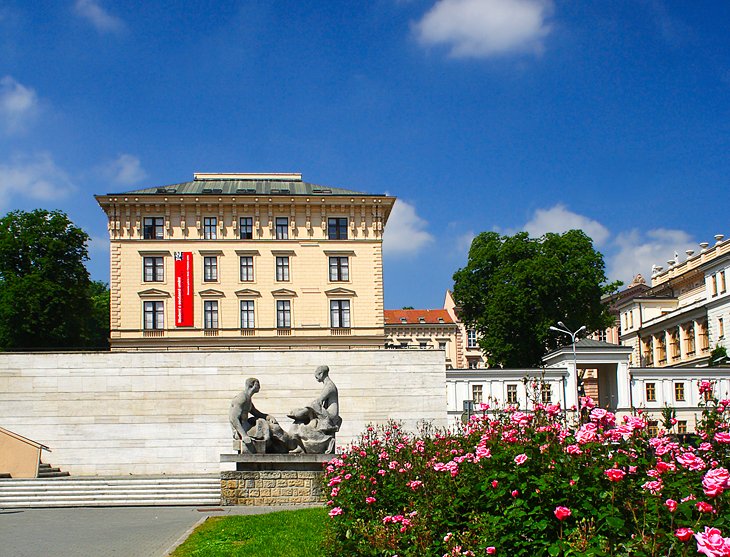
Widely regarded as one of the most important art galleries in the Czech Republic (it's also the second largest), the Moravian Gallery in Brno (Moravská galerie v Brne) was founded in 1961 and is spread among a number of the city's most important historical buildings, including Pražák Palace, the Museum of Decorative Arts, and the Governor's Palace.
The museum houses an eclectic mix of visual arts including paintings, drawings, and sculptures. Other highlights include a large display of photography and applied arts, as well as graphic design (the museum has hosted an international graphic design contest since 1963).
An important satellite museum that's well worth visiting is located in Jurkovic House. Built in 1906, this stunningly attractive former home was designed by leading architect Dušan Jurkovic and contains exhibits and displays relating to his life and work.
Also of interest to fans of great architecture is the Josef Hoffmann Museum, which likewise pays tribute to its namesake architect, who was born here in 1870. Shops and cafes are located in a number of the Gallery's locations - check their website for details, as well as the availability of English Language guided tours.
Address: Husova 18, 662 26 Brno
Official site: www.moravska-galerie.cz/?lang=en
9. The Capuchin Church and Crypt
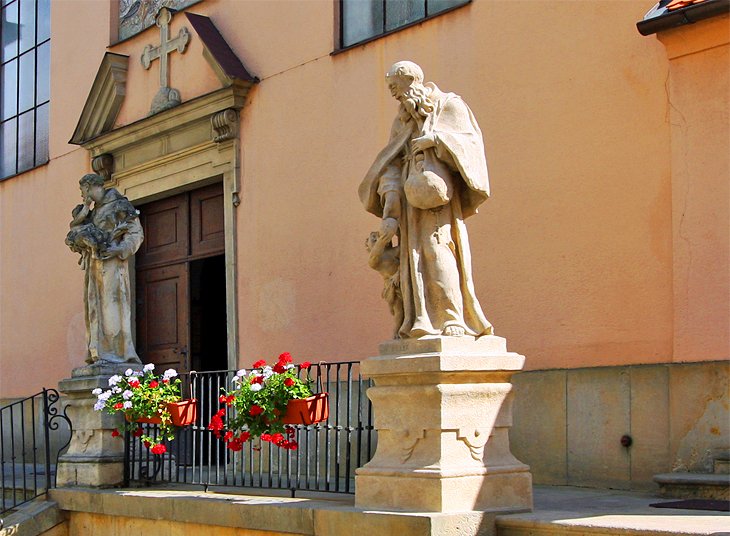
While one of the smallest of Brno's churches, the lovely old church in Capuchin Square was built as part of the Capuchin Monastery. Featuring fine Baroque statues made by Jan Adam Nessman around 1765, as well as a number of important 17th-century frescos, the church is also famous for its crypt, established in the 17th century and another of the city's unusual collections of human remains.
Upon entering, you're faced with the bodies of numerous monks who, after being laid to rest, were naturally mummified by a combination of the site's unique soil and ventilation system. Although a little eerie, it's a fascinating display, and one that's explained in detail through a series of interesting exhibits.
Also of interest is an exhibit displaying the open casket of Franz Baron von Trenck, an 18th-century officer and later mercenary who became something of a regional legend, and who was, for a time, imprisoned at Špilberk Castle. For more details of this fascinating story, be sure to pick up one of the useful English language guidebooks available with the purchase of your admission ticket (tours are also available).
Address: Kapucínské námestí 303/5, 602 00 Brno-stred
Official site: http://hrobka.kapucini.cz/subdom/hrobka/index.php/en/
10. Explore Nature at the Brno Zoo
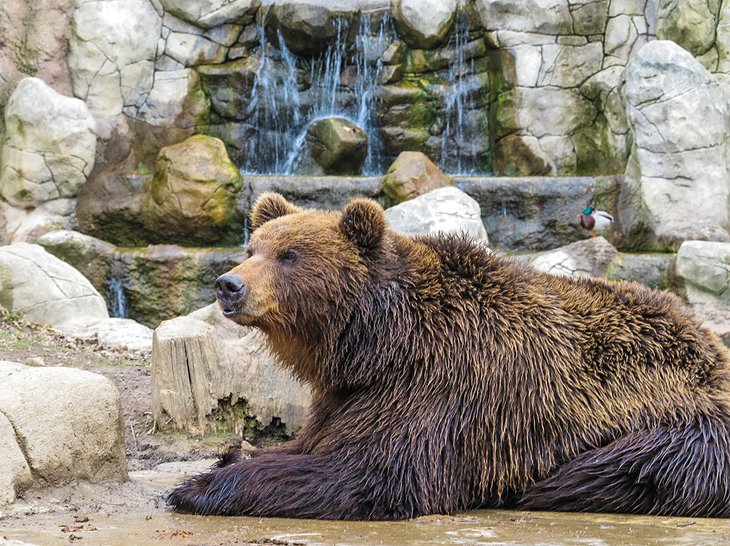
A must-see tourist attraction for families, Brno Zoo was established in 1953 and is home to some 1,800-plus animals from nearly 400 different species. In addition to the larger predators on display here, including polar bears, grizzly bears, and tigers, there are plenty of other fascinating creatures to learn about, from monkeys to lemurs and fish and reptiles. Of special interest are the many native animals to Eastern Europe and Siberia, including Kamchatka brown bears and Arctic foxes.
Well-regarded for its breeding programs, the zoo offers a variety of fun educational programs for kids, some including animal care and handling. For those traveling with youngsters, fun things to do at the zoo include hopping aboard the zoo train or spending time in the petting zoo (pony rides are also available), along with an adventure playground and trampolines.
Address: U Zoologické zahrady 46, 635 00 Brno-Bystrc
Official site: https://www.zoobrno.cz/en
11. See the Treasures at the Old Town Hall
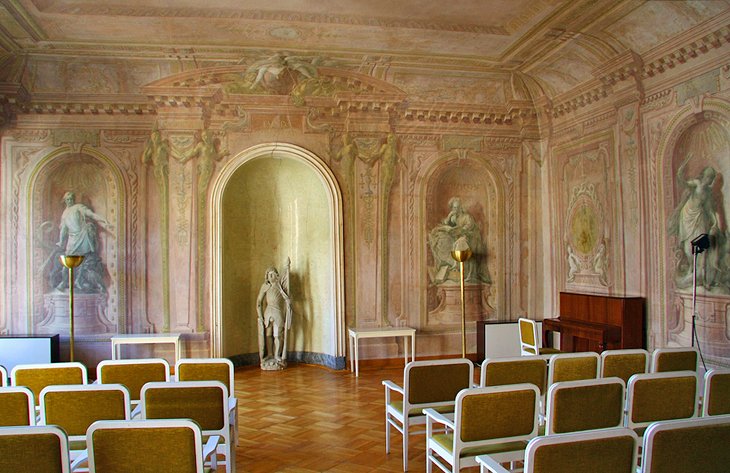
One of Brno's most important historic buildings, the Old Town Hall (Stara Radnice) dates back to the early 13th century and is notable for its many fine architectural flourishes. The building was home to the city's administrative offices until 1935, and one of its oldest highlights is a Late Gothic gate, an elaborately decorated masterpiece created by Antonín Pilgram in 1510.
Another highlight, the courtyard, was added later in the 16th century; come summer it, along with interior rooms such as the Crystal and Fresco Halls, as well as the old Treasure House, can be toured (the courtyard is also used for concerts and festivals).
During your tour, be sure to ask for the stories behind the town's two symbols, a dragon (or crocodile... you decide!) and a wheel, references to which can be seen in various locations in the town hall. If you're able, be sure to make the climb up the 63-meter-high tower with its panoramic views over Brno. The city's tourism information office is also located here.
Address: Radnická 8, 602 00 Brno-stred
12. Walk the Underground at The Labyrinth & Mint Master's Cellar
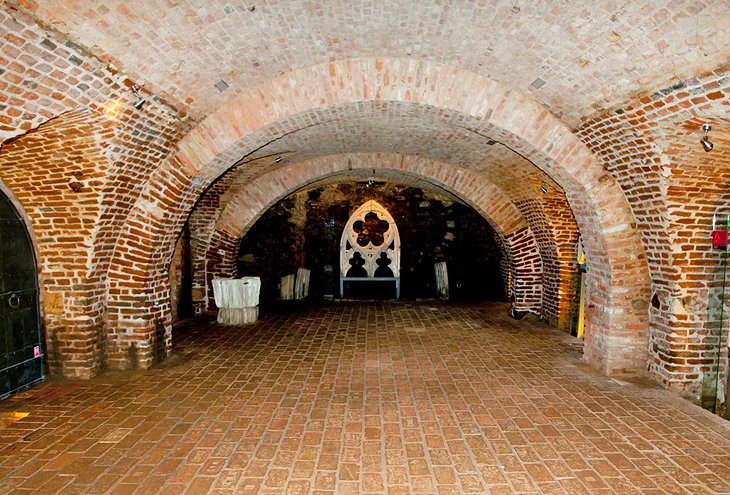
Another popular underground attraction worth visiting is the fascinating Labyrinth under Zelný trh square (Labyrint pod Zelným trhem), which includes a tour of the many old medieval tunnels and underground corridors that meander under the heart of the city's old vegetable market. These old cellars, in use since the 13th century to store food, now contain fascinating displays relating to their former use, as well as about their use as a prison.
Also worth a visit is the equally interesting Mint Master's Cellar. One of the top free places to visit in Brno, the old cellars under Dominican Square (Dominikánské námestí) and the New Town Hall (Nová radnice) house exhibits relating to the city's history, as well as the work of the mint, which was once housed here.
If time allows, be sure to also plan a visit to the interesting Nuclear Shelter 10-Z, built during WW2, modified by the Soviets, and now fun to see as part of a guided tour. Evening tour options are also available and delve into the technical aspects of this former nuclear bunker.
13. Join the Kids at the VIDA! Science Center
One of the great things for families to do in Brno includes spending time exploring the many interactive displays at VIDA! Over six thousand square meters and more than 180 interactive exhibits are divided into four themed zones: Planets, Civilization, the History of Man, and the Microworld. Families can unleash a tornado, try to contain the ocean in a bottle, experience a 3G force simulator, or try to build their own DNA.
Younger kids will enjoy the Science Center area, a fun area with plenty of activities designed just for them. Here, kids can play with water, explore an archaeological sandpit, play a giant piano, or become a mechanic. There are also plenty of open-air exhibits that cater to the senses.
Address: Křížkovského 554/12, 603 00 Brno
14. Visit the Museum of Romani Culture
The only museum of its kind in Europe, the Museum of Romani Culture is dedicated to the culture and history of the Romani people. Here, a collection of 25 thousand objects retells the story of the Romani migration that started in India. There's a particular emphasis on their time in Europe starting in the 11th century, including life in Czech Republic during and after the end of WWII.
Dioramas, videos, documents, and photographs provide additional information for visitors. There's also a large library on-site, as well as lectures, Romany language courses, and concerts open to the public.
Address: Bratislavská 246, Zábrdovice, 602 00 Brno-střed
15. Take a Day Trip from Brno
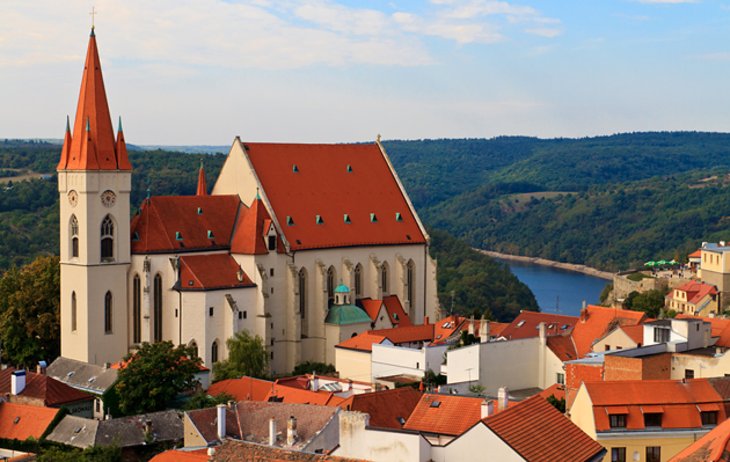
Once you've discovered all Brno has to offer, spend a little time exploring the surrounding area. Just 67 kilometers southwest of Brno is the lovely old Moravian city of Znojmo, perched on the banks of the Dyje River. Founded in the early 13th century, the town is home to some beautiful medieval architecture, including the Gothic Church of St. Nicholas; the tower of the City Hall; and nearby Znojmo Castle, a Baroque chateau built on the foundation of an 11th-century fortress, which today serves as a museum and gallery.
Also worth seeing is the historic town of Olomouc, 78 kilometers northeast of Brno and one of the larger cities in the Czech Republic. Dating from the 10th century, Olomouc boasts some beautiful old architecture, as well as an active arts and cultural scene that includes the Moravian Theatre, the Moravian Philharmonic Orchestra, and numerous museums and galleries.
Another destination of interest is Ostrava, a former mining town worth visiting for the Landek Park and Michal Mine. Although a two-hour drive northeast of Brno, it's worth the journey for its fascinating account of the history of mining in the area, as well as a chance to descend to a coalface and experience the working conditions of miners firsthand.
A little detour worth taking before heading back to Brno is to Karlova Studanka, an 18th-century spa town in the Jeseniky Mountains built around a number of cold springs considered therapeutic due to their high levels of iron. Beautifully laid out with wide streets, parks, and gardens, this picturesque town is famous for its wooden architecture, mountain peak, and numerous waterfalls and rivers.
Where to Stay in Brno for Sightseeing
We recommend these convenient hotels in Brno, located close to the old town and the city's other top historical attractions:
Luxury Hotels:
- The top Barcelo Brno Palace offers a dose of sophisticated luxury in a great central location. Highlights of this luxury hotel include an elegant light-filled lobby, stylish décor, large rooms, plus an on-site fitness center and sauna.
- Another great choice is Hotel Grandezza, a four-star boutique hotel situated in a beautiful Art Nouveau-style building overlooking the Market Square and boasting a grand foyer with a painted glass ceiling, along with rooms and suites with extremely luxurious bathrooms.
- Although a little farther from the old part of the city town center, Maximus Resort is a good high-end choice for a place to stay in Brno that's close to a few other major attractions, such as Brno Zoo and the city's reservoir.
Mid-Range Hotels:
- A favorite in the mid-range hotel category is the Best Western Premier Hotel International, featuring attractive rates, professional staff, comfy beds, and free access to the saltwater pool and hot tub.
- Other good options include the Courtyard by Marriott Brno, popular for its lakeside location and upgraded rooms and suites with separate living spaces and balconies, and the centrally located Hotel Continental, great for those wanting to be close to the city's best shopping and dining opportunities.
Budget Hotels:
- The VV Hotel B&B offers affordable pricing in a handy central location, with modern décor and complimentary breakfast.
- Other quality budget hotel options include City Apart Hotel Brno, which also offers a number of larger one-bedroom suites with kitchens, and the comfortable eFi Hotel, notable for its affordable apartment-style units.
Map of Attractions & Things to Do in Brno
Brno, Czech Republic - Climate Chart
| Average minimum and maximum temperatures for Brno, Czech Republic in °C | |||||||||||
| J | F | M | A | M | J | J | A | S | O | N | D |
| 7 -13 | 10 -11 | 18 -7 | 23 -3 | 26 2 | 30 5 | 31 7 | 31 7 | 27 3 | 22 -2 | 14 -6 | 9 -12 |
| PlanetWare.com | |||||||||||
| Average monthly precipitation totals for Brno, Czech Republic in mm. | |||||||||||
| 25 | 23 | 25 | 31 | 61 | 71 | 64 | 56 | 38 | 31 | 38 | 28 |
| Average monthly snowfall totals for Brno, Czech Republic in cm. | |||||||||||
| 17 | 12 | 5 | 1 | 0 | 0 | 0 | 0 | 0 | 0 | 5 | 13 |
| Average minimum and maximum temperatures for Brno, Czech Republic in °F | |||||||||||
| J | F | M | A | M | J | J | A | S | O | N | D |
| 44 7 | 49 11 | 64 18 | 72 27 | 79 34 | 85 41 | 88 44 | 88 43 | 81 37 | 70 28 | 57 21 | 48 10 |
| PlanetWare.com | |||||||||||
| Average monthly precipitation totals for Brno, Czech Republic in inches. | |||||||||||
| 1.0 | 0.9 | 1.0 | 1.2 | 2.4 | 2.8 | 2.5 | 2.2 | 1.5 | 1.2 | 1.5 | 1.1 |
| Average monthly snowfall totals for Brno, Czech Republic in inches. | |||||||||||
| 6.9 | 4.9 | 2.1 | 0.2 | 0 | 0 | 0 | 0 | 0 | 0 | 1.8 | 4.9 |
More Related Articles on PlanetWare.com
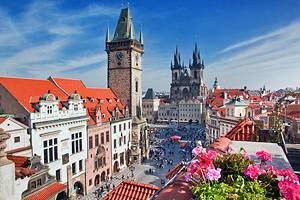
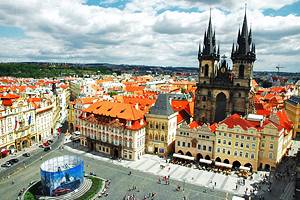
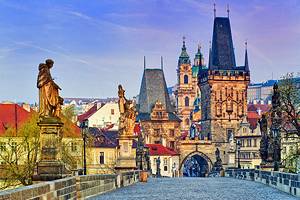
Czech-Out the Republic: Thanks to its relatively small size, the Czech Republic is easy to get around. Top travel destinations here include the country's capital of Prague, widely regarded as one of the most attractive cities in Europe for its countless church spires and well-preserved architecture. The city of Karlovy Vary - known to many as Karlsbad - is another lovely historical destination worth visiting and is especially popular for its many natural hot springs, resorts, and spas. The UNESCO-protected old town center of Cesky Krumlov is also wonderful to explore for its many historic buildings, including a well-preserved church and castle.
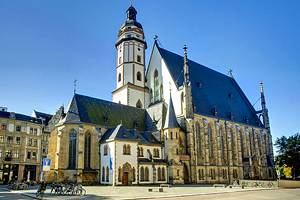
Good Neighbors: The Czech Republic is a great base from which to explore neighboring countries such as Germany. Less than two hours away from Prague by train is the city of Dresden, one of the most important Baroque cities in Europe and home to the magnificent Frauenkirche, painstakingly rebuilt after near total destruction in WWII. Although an hour farther north from Dresden, Leipzig is also worth visiting and is a popular tourist spot for its historic old city hall and the nearby public squares, now lined with attractive boutique shops, cafés, and galleries.