Day Trips from Bruges
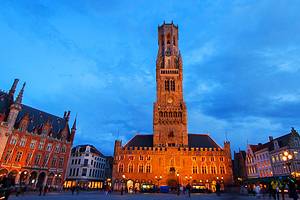
Bruges is Belgium's most popular tourism destination, and with its canals and historic buildings, it's one of the best places to visit in Belgium for sightseeing culture vultures.
As the nearest large town to the north coast, it makes sense to base yourself here and do day trips to the coastal tourist attractions if you want to explore Belgium's seafront region further. As well as comprising a strip of great shoreline with dune-laden beaches, the country's coast is home to pretty resort towns and the wild and wonderful Zwin Nature Park, which rolls for miles north to the Dutch border.
For anyone with a penchant for hiking, biking, boating, and other outdoor activities and things to do, this region is one of the most interesting in the country.
Plan your sightseeing around this beautiful city with our list of the top day trips from Bruges.
Zeebrugge
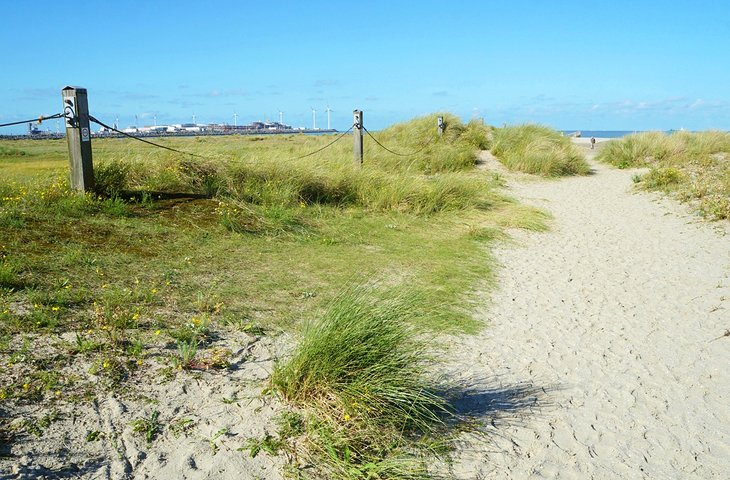
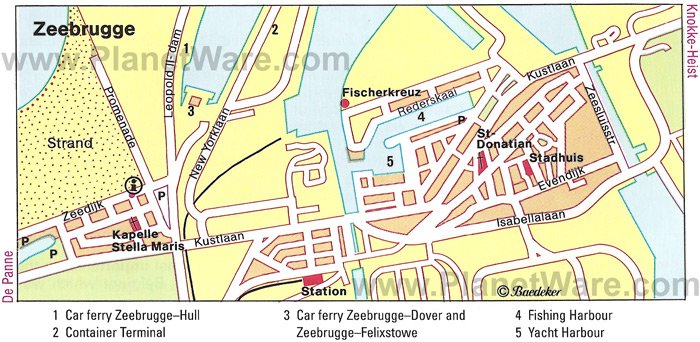
Zeebrugge is a popular resort at the western end of the Belgian coast, about 19 kilometers north of Bruges. It's of interest to travelers visiting Belgium primarily for its First World War history.
This port was an important German U-boat base during the war and was at the center of the action on St. George's Day in 1918 when the base was destroyed in a spectacular military assault. The memorial for this event is at the landward end of the breakwater.
Early risers here should make their way to the fishing port by 7am to witness the arrival of Zeebrugge's daily flotilla of colorful fishing boats coming in with their catch. Afterwards, there's great local photography opportunities in the fish auction hall where the daily catch is sold from 9:30am.
A meander along the seafront (Vismijnstraat) to see the former Belgian lightship and a Russian submarine is a must for visitors. For those who fancy a more nature-filled walk, the coastline from here – extending all the way to Blankenberge – is marked by the Fonteintjes Dunes, which offer ample beach hiking potential.
Ostend Harbor and Beachfront
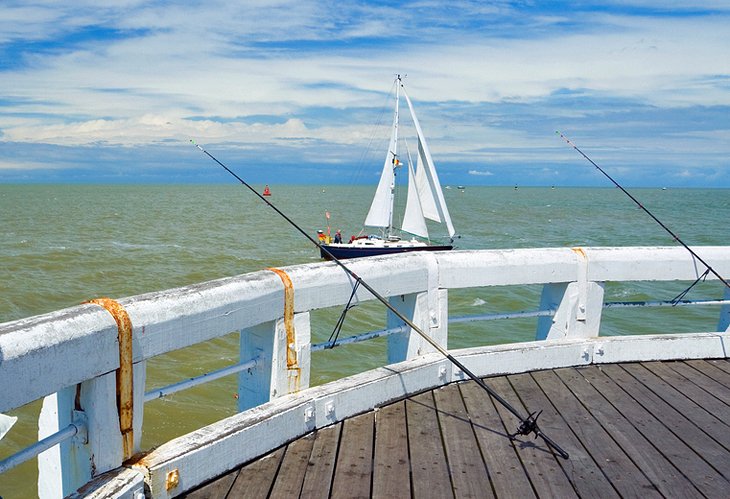
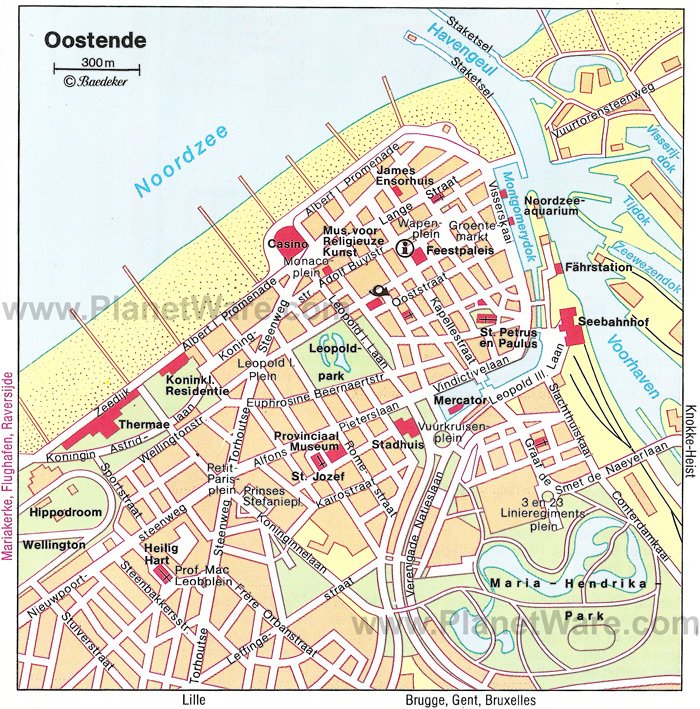
Ostend (in Flemish Oostende) may be the most important ferry harbor in Belgium and the main port for ferry traffic to Great Britain, but it's also one of the most popular seaside resorts in Europe, with a history as a major spa destination since the 1930s.
During summer, the five beaches here are crowded with local holidaymakers. The most popular strips of sand are the beaches of Mariakerke and Raversijde, west of the racecourse.
The main seaside road is Albert I Promenade where history lovers can pause to admire the façade of Ostend Leisure Complex, originally built in 1745 and restored to its former finery in 1953 after suffering destruction during the Second World War. The first floor of the building is decorated with frescoes by Paul Delvaux.
For a good overview of the beachscape, walk out to the western breakwater where you can enjoy the best viewpoint in town, while if you stroll west along the promenade, you'll come to the sand dunes of Westende and the royal residence and spa complex.
Ostend lies about 29 kilometers west of Bruges.
Ostend Town
If you want to mix some history and culture into a beach day trip to Ostend, head to the center of the old town where you can view the Feestpalais at the Wapenplein, which was built in 1957 in place of the old town hall, destroyed in the Second World War.
On the first floor is the local De Plate Museum, which traces the history of the town through its fishing and resort tourism industries.
The second floor is home to the Museum of Fine Art which has a collection of works by James Ensor, Constant Permeke, and other Belgian artists.
North of the Wapenplein in Vlaanderenstraat, you can visit the old home of James Ensor, now dedicated to a museum of the local artist's life where many of his personal belongings, sketches, and his studio can be seen.
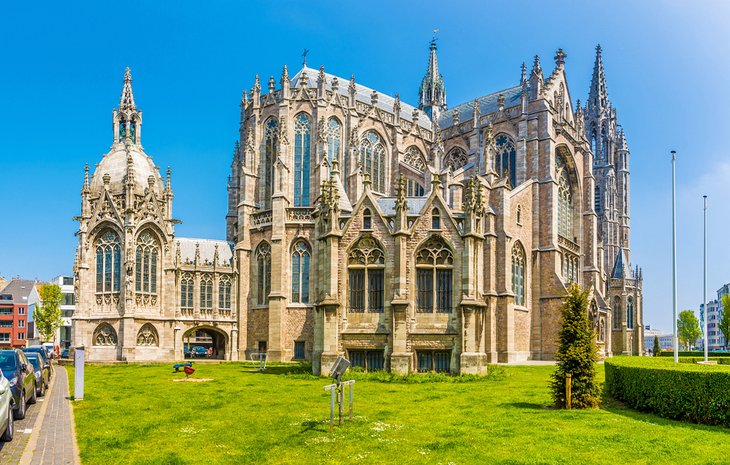
The bulky Gothic Sint-Petrus-en-Pauluskerk in Kapellestraat is another of Ostend Old Town's major attractions. The church now standing dates from 1905, but remnants of the older church, including the 18th-century brick Peperbus tower and relics of the 15th century, can still be seen.
Ostend lies about 29 kilometers west of Bruges.
Blankenberge
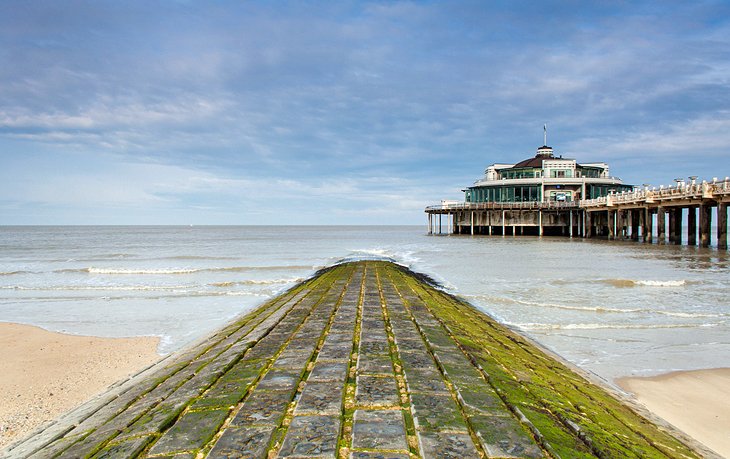
With its three kilometers of beach, the North Sea coastal resort of Blankenberge, 18 kilometers northwest of Bruges, first began to attract holidaymakers as long ago as 1860.
The town's seafront promenade, known as the Zeedijk, runs along the coast here and is packed with walkers, bathers, and tourists during the summer months.
At the eastern end of the promenade are the Lustige Velodroom cycling track and Sea Life Blankenberge with aquariums, both popular attractions with visiting families.
When you've had your fill of beach time and want to soak up some culture rather than sun, head to the Gothic Sint-Antoniuskerk, near the train station, which was first consecrated in 1358 and restored during the 17th century.
Knokke-Heist Beach
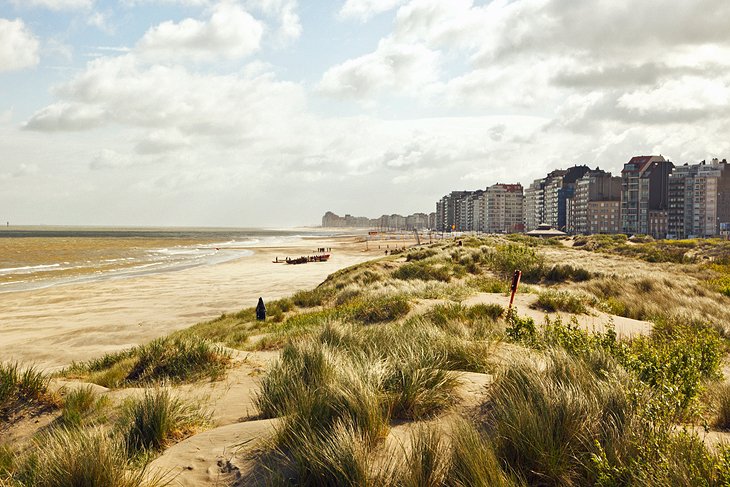
Together with Ostend, Knokke-Heist, near the Dutch border, is probably the most elegant seaside resort in Belgium, with its broad 12-kilometer-long beach that comprises one fifth of the Belgian coastline and boasts an attractive landscape of dunes and sea grasses.
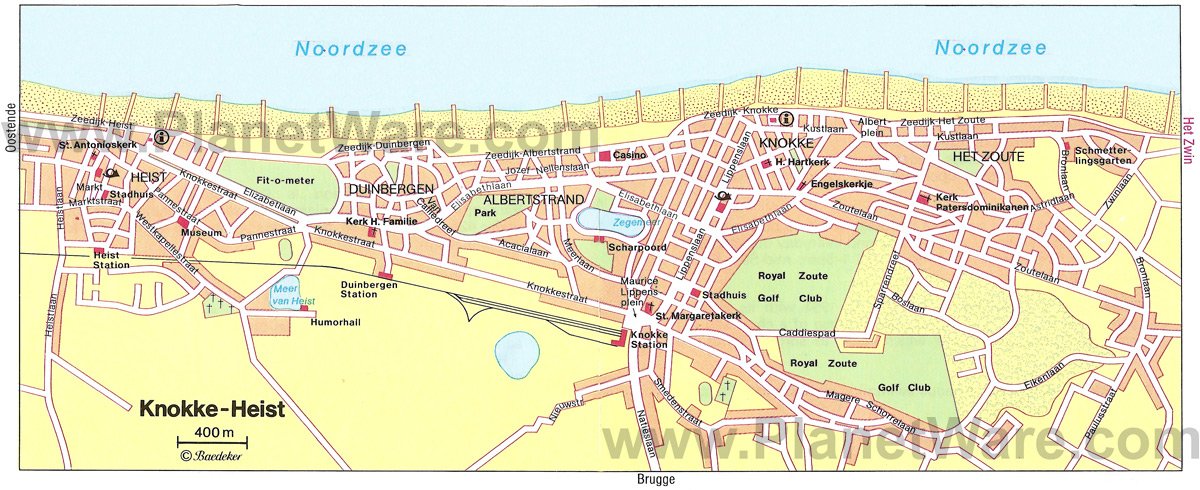
The most popular of Knokke-Heist's four beaches are Albertstrand and Het Zoute ("the salt"), and these beaches are where you will find most of the high-end resorts that the area is known for.
The beaches of Heist and Duinbergen are more laid-back, with Heist being most popular with families and locals.
Duinbergen is also a favorite family beach and less crowded than the others, and it's also popular with local and visiting artists for the same reason.
For visitors as interested in activities as they are in beach-lounging, Knokke-Heist Beach has excellent walking, hiking, and cycling potential.
There are 10 cycle trails in the area and several walking trails. Two of the best walks in the area are the Landelijke Knokke and the Polderwandeling, which both lead through the sand dunes.
Knokke-Heist is about 19 kilometers northeast of Bruges.
Knokke
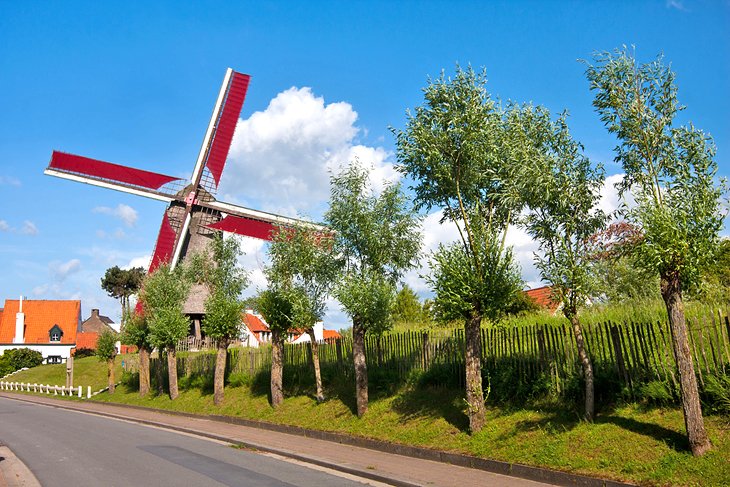
Although Belgians tend to flock to Knokke for its lively beach atmosphere, there is more to do here than just go sunbathing.
In addition to having plenty of restaurants to choose from, art-lovers will enjoy exploring the town's 85-plus galleries, as well as numerous public installations, including pieces on the beach and in the water.
Knokke also hosts many international events, including an annual month-long series of prestigious horse shows known as the Knokke Hippique.
History fans visiting in summer should seek out the For Freedom Museum (91 Ramskapellestraat), which displays a series of exhibits and dioramas that tell the story of the battles of Flanders in World War II and the effect on the towns and villages of the region.
Visitors coming to Knokke specifically to visit the museum should note that the museum is unfortunately closed January through March, and only open weekends in November and December.
Another good museum is Sincfala, dedicated to sharing information about the area's cultural history with a focus on the lives of traditional fishermen.
Knokke is about 19 kilometers northwest of Bruges.
Zwin Nature Park
The Zwin Nature Park stretches from the end of Het Zoute over the Belgian-Dutch border. Some two fifths of the 150 hectares are accessible to walkers.
Het Zwin is now the silted inlet that once made Bruges one of the richest harbors in Europe. Today, the countryside, bordered by dunes and the sea dike and criss-crossed by tidal rivulets, provides a unique habitat for plants and animals.
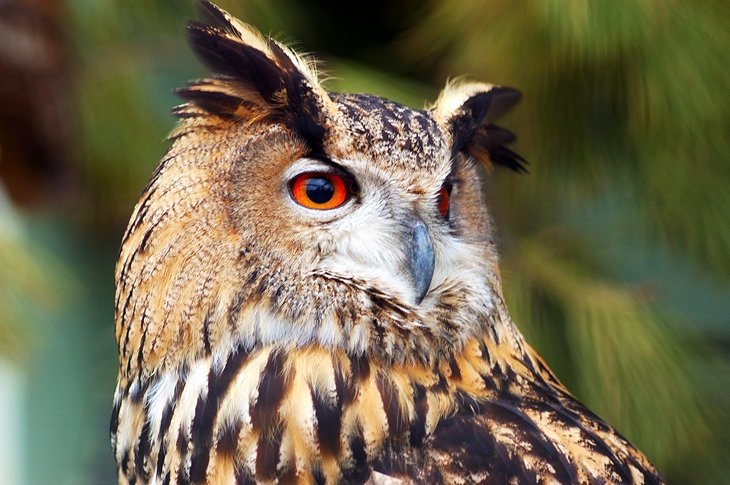
The park is best known for its birds, and has become known as the "international bird airport" due to its tremendous volume of migrating birds. More than 100 species of birds nest in Zwin, among which are waders, ducks, the silver plover, and snipe.
At the entrance to the nature reserve, the indigenous species are kept on several ponds and in aviaries, so that visitors can see many of the birds at close hand without disturbing those in the wild. The best times to visit are in spring to see the birds, and in July and August when the ground is covered with a sea of blossoms known as the "Zwinneblomme."
Visitors can enjoy the park's trails and observation decks, as well as a visitor center.
The entrance to Zwin Nature Park is approximately 24 kilometers northwest of Bruges.
Location: Graaf Léon Lippensdreef 8, Knokke-Heist
Official site: https://www.zwin.be/en
Ghent
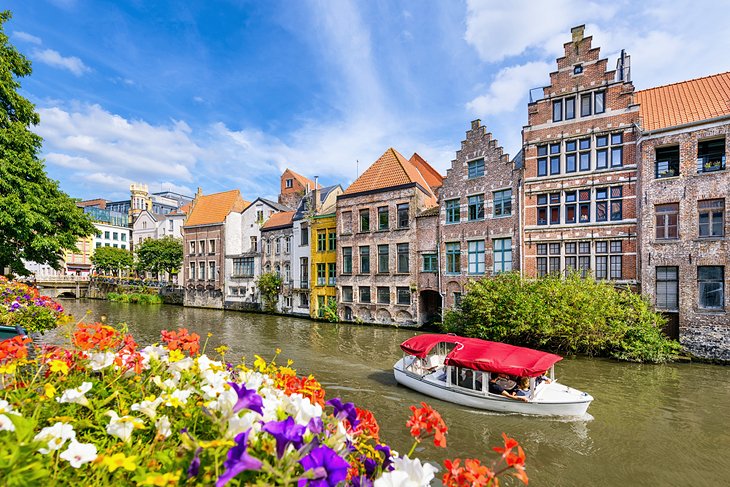
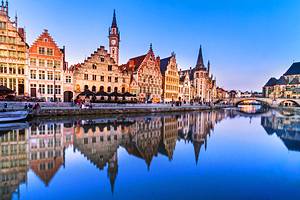
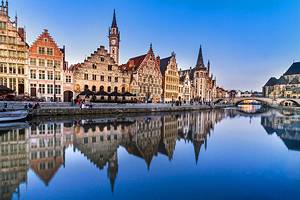
About 51 kilometers southeast of Bruges, Ghent is best known for its picturesque canals and architecture, and is enjoyed by those who want to see a less touristy Flemish city. Among its most well-known architectural landmarks is the Cathedral of St Bravo (Sint-Baafskathedraal), an impressive Gothic structure that dates back to the 13th century.
Tourists who want to visit a picture-perfect medieval castle won't want to miss Gravensteen, a fortress built in the late 12th century along the River Lieve.
Other major landmarks include Ghent's Town hall, an important building that features a variety of architectural styles, and the city's old markets.
The Groentenmarkt (Old Market) area is home to the Groot Vleeshuis, a massive medieval stone building constructed in 1406, and the former fish market (Vismarkt) is a stunning example of Baroque architecture and sculpture.
Ghent is also home to several excellent museums, including the Museum of Fine Art and the Museum voor Volkskunde, a large property with fully restored homes, workshops, and other aspects of everyday Flemish Folk life circa 1900.
The city of Ghent is approximately 45 minutes by car from Bruges, and there is a train that can get you there in as little as 22 minutes.
- Read More: Attractions & Places to Visit in Ghent
Damme
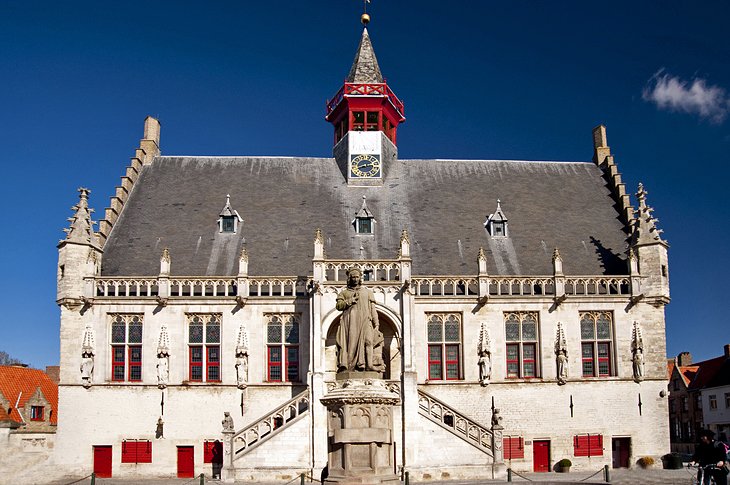
The charming little Flemish town of Damme lies about seven kilometers northeast of Bruges. Up until the silting of the Zwin inlet, it served as the customs point and outer port of Bruges and enjoyed great importance and prosperity.
Its heyday only lasted about 200 years, but several significant buildings still remain from this period that have kept the image of a medieval Flemish town alive.
In particular, the magnificent Gothic Town hall (Stadhuis), built by Gottfried von Bosschere in 1464-1468, with statuary decorating the façade and interior doorways carved with historic scenes is well worth visiting.
The impressive Church of Our Lady with its 45-meter-high tower and choir hall from the Middle Ages is also one of Damme's top highlights. The church's interior houses valuable figures of the apostles carved in oak from 1400.
Ypres
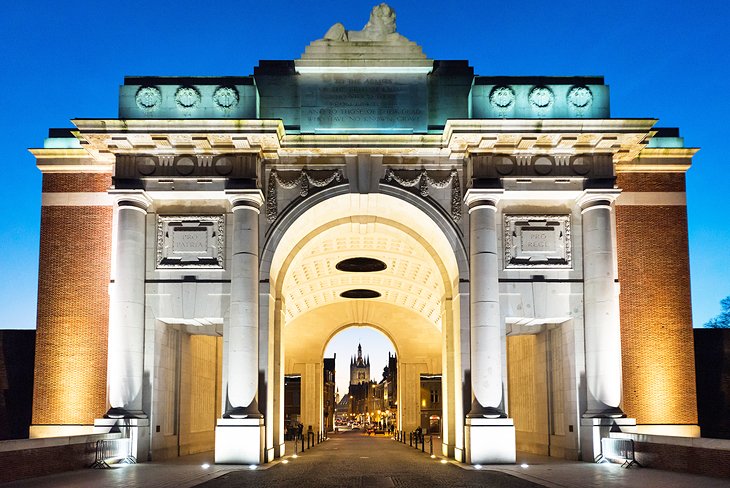
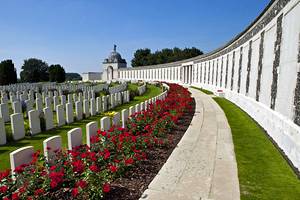
Ypres is 71 kilometers southwest of Bruges and is a must-do for anyone interested in Belgium's role in 20th-century military history.
Forever marked by a series of World War I battles between 1914 and 1918, Ypres is home to battlefields and numerous soldiers' cemeteries.
Once the starting point for the British and Commonwealth soldiers' marches into battle, the landmark Menin Gate is the starting point for battlefield tours, and serves today as a memorial to those killed. At 8pm daily, the Last Post is played at the gate.
The Hooge Crater Museum, inside a church building that was built over the battlefield of Hooge, does a good job of explaining the WWI battles, with plenty of interactive displays and artifacts, while battlefield memorial areas such as Hill 60, remain important commemoration sites.
In the center of town, you'll find the huge Lakenhalle (Cloth hall), which commands an entire side of the Grote Markt. The building houses the In Flanders Fields Museum which provides a thorough background on WWI and the role this area played in the battles.
The building itself is a showcase of Ypres' history as a major center for the textile industry. From its center rises an impressive 70-meter belfry, which houses a carillon of 49 bells that serenade the surroundings each evening from June through October.
Just behind this building, you will find the imposing Sint-Maartenskathedraal cathedral, rebuilt.
- Read More: Tourist Attractions in Ypres
Schipdonkkanaal
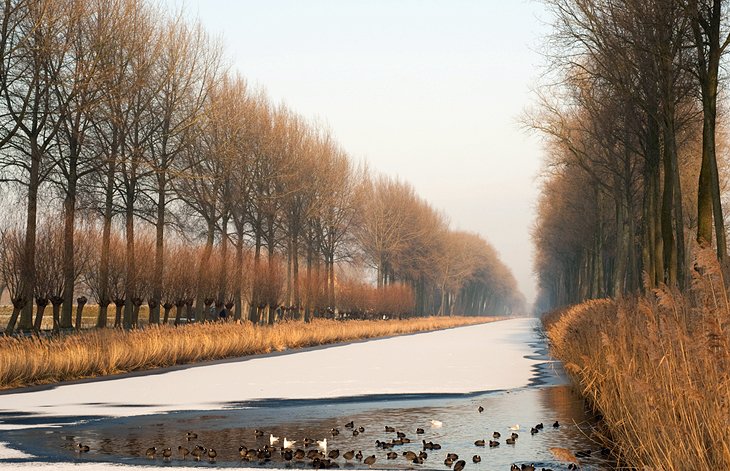
For a pretty stroll or bike ride on a sunny day, the trails alongside the Schipdonkkanaal are a great destination, and for those who want to get onto the waterway, this is one of the best canals for a scenic boat ride.
The Schipdonkkanaal, seven kilometers northeast of Bruges, is a branch canal for the Leie, and the canal leads north of Damme in a northwest direction to Zeebrugge for 56 kilometers. The canal was built in the mid-19th century to flow polluted waters caused by the booming linen industry away from central Ghent and instead out to the North Sea.
The two straight courses of the canal flow through a scenic route studded with endless rows of poplars, providing a wonderfully peaceful tableaux for the entire route.
Gistel
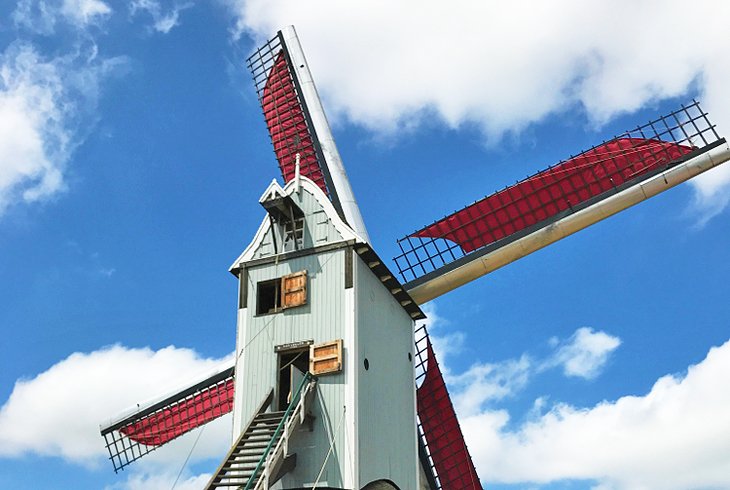
Gistel, 28 kilometers southwest from Bruge and 10 kilometers south of Ostend, is an easy diversion on the drive between the two cities. Gistel is most well known for being where the Flemish saint St. Godelieve was born in 1045.
Her husband had her strangled in 1070 and threw the body into a pond, and from then on, the water was thought to have miraculous powers.
The church and the museum here are dedicated to the legend of St. Godelieve.
While here, don't forget to visit the pretty whitewashed abbey of Ten Putte outside Gistel, which was laid out around the wonder-working pond. Here, you can visit the cellar where Godelieve was incarcerated, as well as the chapel on the spot of her first miracle.
Map of Day Trips from Bruges
More Related Articles on PlanetWare.com
Exploring Belgium: For ideas on planning a trip to the country, see our article on the Attractions in Belgium. If you are staying in Bruges and doing day trips, you'll likely want to explore to sites of Bruges while you're there. These guides provide insight into things to see and do and offer tips for visitors.