
Not Yosemite, Not Rocky Mountain: This National Park Has The Most Backcountry Campsites
There are many ways to experience the stunning national parks across the United States. While taking a scenic drive through them is one way to witness their sheer beauty, another way is to dodge the crowds and take a rugged backcountry camping trip. While two popular national parks for backcountry camping are Yosemite and Rocky Mountain, they don't have the most backcountry camping sites. That designation belongs to the oldest national park in the country, Yellowstone.
Yellowstone's 293 total backcountry campsites are spread across the park's four main regions and eight areas and open the door to truly experiencing the park and its wildlife up close. Backcountry camping allows park visitors to spend the night along picturesque Yellowstone Lake, near the park's geysers, or at the bottom of the Grand Canyon of the Yellowstone, a must-see at the national park. Compared to regular campsites, backcountry sites normally have few amenities, and no electricity, or toilets. However, they are remarkably more quiet and serene.
Even though Yellowstone has hundreds of backcountry campsites, (and most are reservable in advance) popular sites around Slough Creek, Heart Lake, and Shoshone Lake often fill up with reservations well before the season begins. If you want to increase the chances of getting a spot during peak season between May 15 and October 31, (especially if you plan to camp with a group), sign up for the early access lottery on Recreation.gov. The lottery is open from March 1 through March 20 and has a $10 entry fee. If you or someone in your group wins, you'll have priority access to your ideal campsite and dates. If you don't, you'll have to wait until April 26, when campsites open for reservations on Recreation.gov or at one of the park's backcountry offices. If worst comes to worst, you'll likely be able to snag a walk-up permit from a backcountry office at the park, however you may have to be flexible about your campsite and route.
Explore popular areas at Yellowstone by backcountry camping
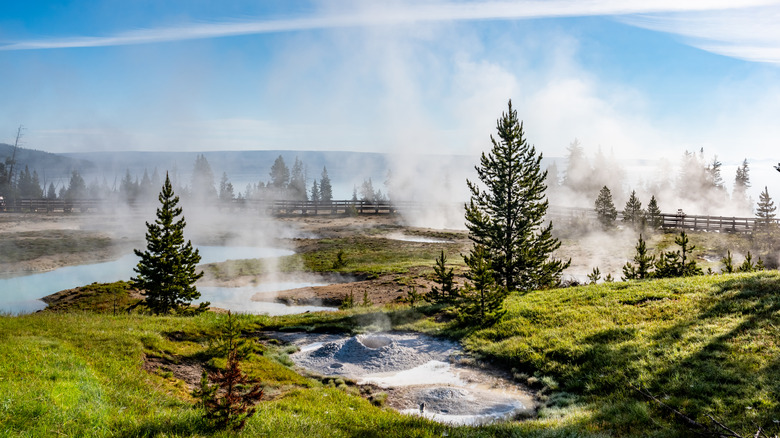
Over 1,100 miles of trails lead the way to Yellowstone's backcountry campsites. While some of them are far away from the trail and more isolated, others are better suited for less-experienced backcountry explorers. If it's your first time taking a backcountry camping trip, the Lone Star Campground (OA1) and Fire Hole Campground (OA2) have pit toilets and are easy to access from the Lone Star Trailhead, near the park's Lone Star Geyser. It will likely erupt a few times during your stay. Another easy-to-access spot is the Goose Lake Campground (OD5) which prioritizes special-needs backpackers or cyclists, has a pit toilet, and is passable with an off-road wheelchair. Both are situated in the park's stunning Upper Geyser Basin, the same area where epic Yellowstone geysers more incredible than Old Faithful erupt.
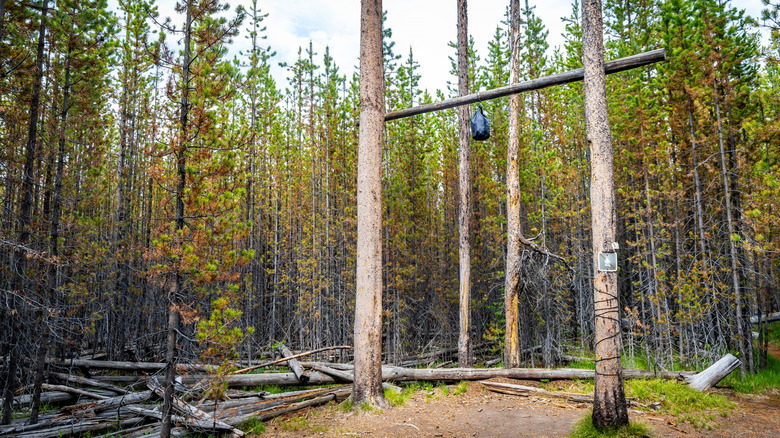
Visitors looking to explore the park's Canyon Village area in depth have over a dozen backcountry campsites as bases for adventure. If you're looking for sites with easier access, opt for the Ribbon Lake North and West Campgrounds (4R1 and 4R2) off of the Artist Point Trailhead on South Rim Drive. For more hardcore backpackers, take a 5-mile hike along Seven Mile Hole Trail as you begin your trek to the Grand Canyon of the Yellowstone River. The Old Seven Mile Hole (4C1), Sulphur Creek (4C2), and Seven Mile Hole (4C3) campgrounds are nestled near the Yellowstone River up the Grand Canyon of the Yellowstone. Be sure to bring at least 35 feet of rope to secure your food to a bear pole if camping at these sites.
If you're considering hiking to Yellowstone Lake, note the Thorofare Trail and Trail Creek Trail are known for their length and difficulty and involve several water crossings. Be sure to have a backup plan in mind, especially during early summer, as the trails may be closed due to bear activity or weather conditions. If the route looks impassible, don't hesitate to turn back.
Preparing for a peak-season camping trip in Yellowstone
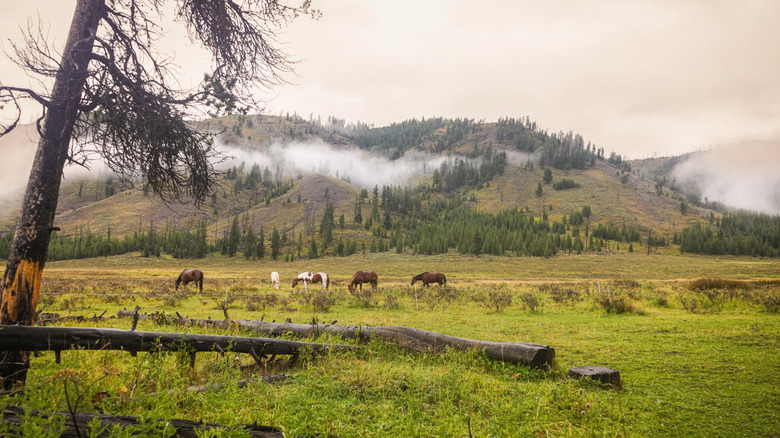
Lacing your boots and carrying your gear up a wilderness trail may be a way to really get a feel for Yellowstone's stunning scenery, however there are a few things to keep in mind before you hit the trail. At the very least, check the Yellowstone National Park Backcountry Conditions page for updated trail and campsite conditions and closures. More popular backcountry routes or campsites will be updated more often, but others that are more remote may have little current information.
Packing for the backcountry is a challenge, and you should plan to be fully self-sufficient and carry essentials (and extras) you'll need for good times and emergencies, including maps, a personalized first aid kit (a doctor-recommended travel essential), and bear spray. Yellowstone's fickle weather and high altitude will make packing a challenge. Be prepared for abnormal weather events, including late or early-season snow, and below-freezing temperatures in August. When selecting your campsite, check whether or not fires are allowed, for nearby sources of water, and if you may have a bar or two of phone service in case of an emergency. Even if you can get in touch with someone, it may take several hours for help to arrive.
Before your adventure, don't forget to tell someone your trip plans and pick up your permit and pay $5 per night. They're available at backcountry offices across the park up to 48 hours before your reservation starts. Be sure to stay on open and marked trails, and only camp in designated areas to protect the environment. On your way in or out of the park, don't miss taking one of America's most scenic drives just outside Yellowstone.