

Doctors And Experts Recommend Packing This Essential Item For Healthier Travels
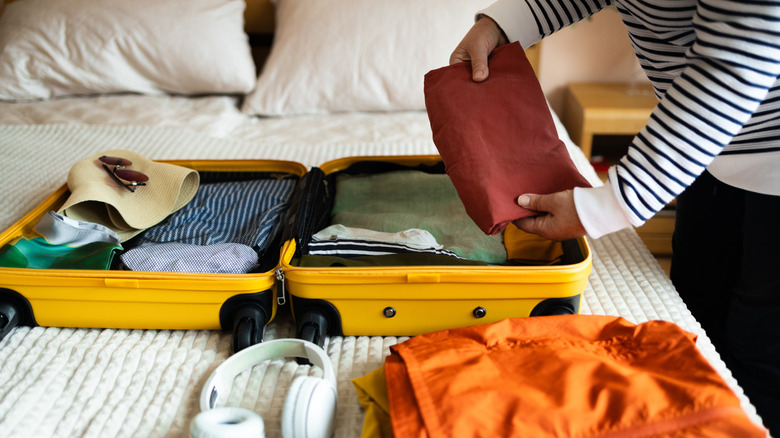
Phone charger, passport, capsule wardrobe, extra underwear? Check. Even the best advice on packing essentials usually overshadows one travel item that health professionals consider just as important: a personalized travel health kit. While other health travel trends come and go, this is one reliable way to protect your well-being on vacation.
The contents of a travel health kit can vary widely depending on where you're going, how long you plan to stay, and what's on your itinerary. That said, Emily Scott, a nurse and blogger on Two Dusty Travelers, suggests keeping it small. "There's no point in having a travel first aid kit unless it fits in your carry on or daypack." A solo traveler planning a hiking trip to the Grand Canyon may need supplies for insect bites and sun exposure. Folks planning a family cruise should be mindful of hygiene, given the various diseases that can lurk on cruise ships. Health experts point out that creating a customized kit before departure can help you manage minor health concerns quickly and comfortably.
Having the right supplies on hand can save time, reduce stress, and prevent unnecessary visits to local clinics or pharmacies. Healthcare systems and medications can differ significantly from one country to another. In some locations, issues like language barriers and limited availability of certain products can make obtaining medical assistance more difficult than expected. So, before packing clothes for your next getaway, take time to research your destination's climate and common health risks, and set aside a special kit to ensure your health comes first. A thoughtfully assembled kit will help you stay comfortable, maintain healthy routines, and respond to minor incidents, so you can focus on enjoying the experience rather than searching for supplies when you need them most.
Core essentials every travel health kit should include
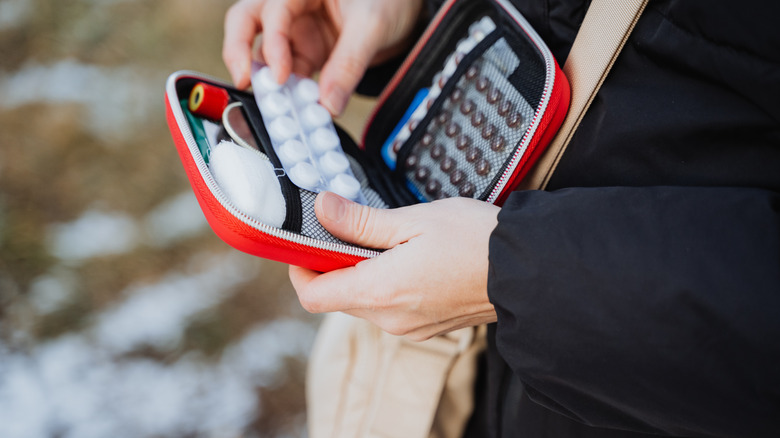
When packing your travel health kit, prescription medications should be a priority, says Emily Scott from Two Dusty Travelers. "Make sure to bring whatever meds you take at home. Traveling is not the time to see what happens if you stop taking your prescriptions!" Travelers are generally advised to carry enough medication for the entire trip, plus a small extra supply in case of delays. It's also wise to carry copies of prescriptions, either on paper or in digital form, in case you need to get refills while you're traveling.
For anyone living with chronic health conditions, consider additional precautions. For example, the Canadian Red Cross emphasizes that medical identification bracelets or cards can provide critical information to first responders during an emergency. Travelers who wear prescription glasses or contact lenses may benefit from packing a backup pair, particularly on longer trips. Experts also recommend that anyone with a history of severe allergic reactions should carry at least two epinephrine auto-injectors and ensure they remain easily accessible throughout the trip.
Over-the-counter pain relievers and anti-inflammatory medications are another essential component of a well-stocked kit. These can help manage headaches, muscle aches, fever, menstrual cramps, and other common ailments that may arise during travel. Good hygiene supplies are another indispensable item you don't want to forget. Alcohol-based hand sanitizer and disinfecting wipes can help reduce exposure to harmful bacteria and viruses. These items are particularly useful in travel contexts where soap and clean water are not readily available. A few standard-sized bandages and anti-bacterial ointment go a long way for minor cuts. "It isn't necessary to go overboard and carry so many you could start your own tiny field hospital; just a few of each type will do," writes nurse and seasoned traveler Mike Huxley on Nomadic Matt.
Additional items worth packing for greater comfort and protection
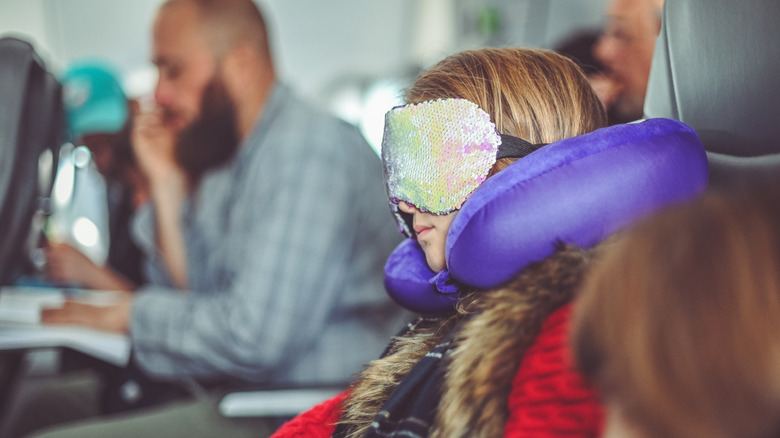
A few extra items can make a significant difference in maintaining your health and comfort while traveling. Sleep is essential to feeling good on the daily and preventing illness by supporting your immune system. Yet, changes in time zones, unfamiliar environments, and noisy accommodations can interfere with getting good rest while traveling. Family practitioner Dr. Allison Edwards notes that she always travels with a blackout eye mask and a pair of comfortable earplugs: "I travel with eye shades and earplugs to make sure that no matter where I end up crashing in utter exhaustion at the end of a fun day, I can drown out all the odd noises and lights of a new place, ensuring I get good sleep," she said in an interview with HuffPost.
Packing high-quality respiratory masks to use in crowded settings, on public transportation, and during periods of elevated respiratory illness is another great way to protect yourself and support immunity. Access to safe drinking water is a concern in some regions of the world. For travelers visiting remote destinations or areas with uncertain water quality, water filters or purification tablets can sometimes reduce risks.
It's also important to consider climate-specific supplies. For warm-weather destinations, consider packing sunscreen, after-sun products, treatments for insect bites, and remedies for skin irritation caused by plants. These items can help prevent small outdoor annoyances from disrupting your vacation. Cold-weather travel calls for a different set of tools. Lip balm and moisturizer can combat dry air, and disposable hand and toe warmers can provide welcome relief. It is also helpful to carry items that address common seasonal illnesses, including throat lozenges, decongestants, tissues, and other natural or over-the-counter remedies.