

Japan Is Slowly Cracking Down On Overtourism, And It's Making Visiting More Expensive
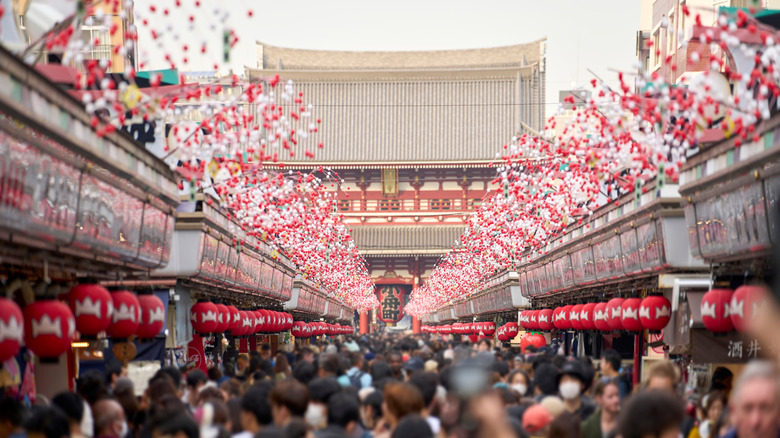
Travel is more accessible than ever before, and people are taking advantage. While an increasingly interconnected world has major benefits, there are some downsides to higher rates of travel: mainly, overtourism. Overtourism has serious environmental impacts, in addition to negatively impacting the day-to-day lives of locals. As popular places deal with the effects of overtourism, like tourists who wreck famous landmarks in Europe, they're starting to implement creative ways to minimize the damage. And one such place on many travelers' radar is Japan.
As Japan is home to some of the most dazzling places on the planet, in addition to being one of the safest countries in the world to visit, it sees its fair share of tourists. To maintain airports and famous sites, Japan, along with many other countries, relies on a tourist tax. Previously, this tax, applied as an exit fee on departing flights and cruises, was $1,000 yen (around $6, as of this writing) per person. As of July 2026, however, this fee has tripled to $3,000 yen per person. While this is automatically added, meaning most tourists won't even notice yet another fee tacked onto their flight taxes, this is potentially a barrier for budget travelers. And although Japan is one of Asia's unexpectedly affordable countries, once you hit the ground, let's face it: It's not always known for being budget-friendly.
The higher departure fee is also on top of other local tourist taxes. Heavy-hitter Kyoto, for example, has an accommodation tax of up to $1,000 yen per night for most accommodations. At under $10, this doesn't seem like much — but it adds up quickly. So, why is Japan adding yet another financial barrier, and will it actually help control overtourism?
Japan's increased tourist tax is designed to mitigate overtourism
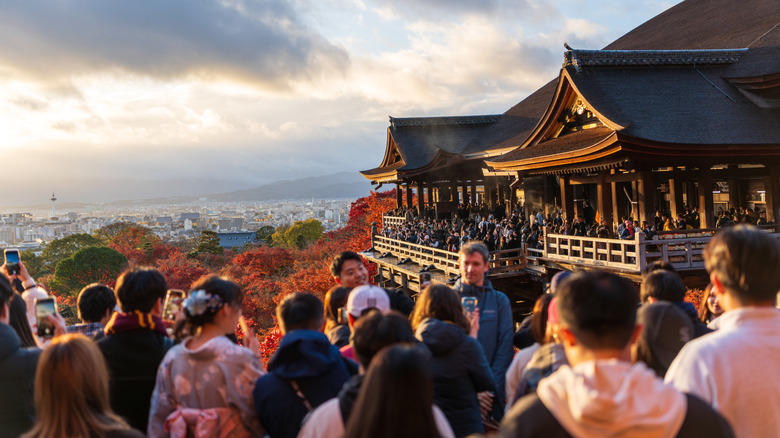
Japan is chock-full of one-of-a-kind attractions and incredible destinations to snap beautiful pictures. And although the pandemic crashed its tourist numbers (like everywhere), Japan's tourism industry has rebounded strongly. A spokesperson from the Japanese embassy in Washington, D.C., told Fox News that the country has seen a 15% increase in American visitors between 2025 and February 2026, and overall is "targeting 60 million inbound visitors and 15 trillion yen in inbound tourism spending by 2030." Amidst these numbers, the challenge involves accepting large numbers of visitors while preserving the locals' quality of life, the spokesperson added. And a key part of this strategy is increasing tourist taxes. As the Japan Times noted, more than reducing the number of visitors, the revenue from the tourist fees will "be used to fund overtourism countermeasures and strengthen the nation's infrastructure and capacity to accommodate tourists." In other words, this increased tax will not lessen Japan's draw for tourists, but help the country pay for these tourists.
Like many destinations around the world, Japan is working to find solutions to support its tourism industry, a valuable part of the economy, while also not negatively impacting ancient sites, natural wonders, and the lives of residents. It may sound counterintuitive, but travelers can also help curtail the side effects of overtourism. Key actions, like visiting in the off-season (when your tourist dollars will be more welcome, and will likely go further), supporting small businesses in your destination, and visiting lesser-known cities, contribute to the cause.