12 Top-Rated Attractions & Things to Do in Valletta
Valletta is a distinguished city with a legendary past. The UNESCO-listed capital of Malta stands proudly on one of Europe's grandest harbors, overlooking the Mediterranean Sea and surrounded by some of the mightiest fortifications in the world.
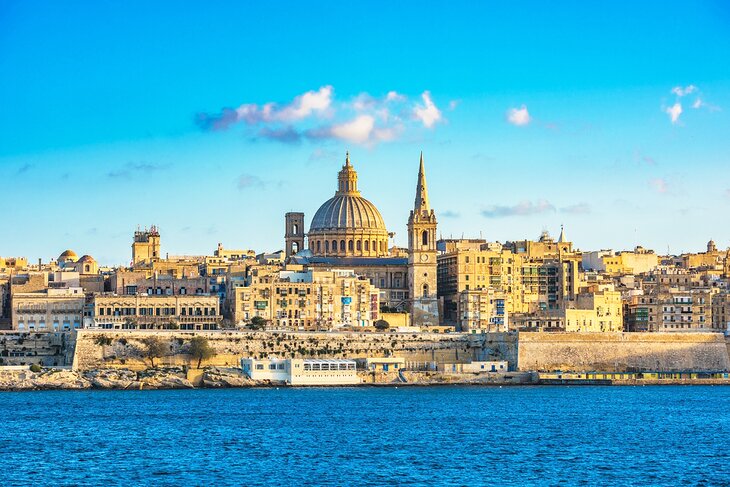
The city's history is tied to the Knights of Saint John of Jerusalem, an 11th-century order that provided shelter for pilgrims in the Holy Land and took on a military role to defend Christianity. In 1530, the Spanish King, Charles V, gave Malta to the Knights.
Once Valletta became the new military fortress of the Order of Saint John, the Knights set out to create a capital city equal to Europe's finest. The grand Baroque architecture reflects the Knights' stature as aristocrats from noble families in England, France, Spain, and other European countries. Valletta is called "a city built by gentlemen for gentlemen."
Today, Valletta is a real working city and a delightful tourist destination. You are sure to be impressed by the array of historic monuments and program of cultural offerings.
Learn about the best places to visit in this fascinating city with our list of the top tourist attractions and things to do in Valletta.
See also: Where to Stay in Valletta
- 1. Saint John's Co-Cathedral
- 2. Grandmaster's Palace and Armory
- 3. Cruise around the Grand Harbor
- 4. National Museum of Archaeology
- 5. Upper Barrakka Gardens and Military Ceremonies
- 6. Casa Rocca Piccola: An Aristocratic Maltese Home
- 7. Manoel Theater: One of the Oldest Theaters in Europe
- 8. Collegiate Parish Church of Saint Paul's Shipwreck
- 9. Visit MUŻA (National Museum of Fine Arts)
- 10. Valletta Waterfront
- 11. Festivals, Theater, and Cultural Events
- 12. World War II History
- Where to Stay in Valletta for Sightseeing
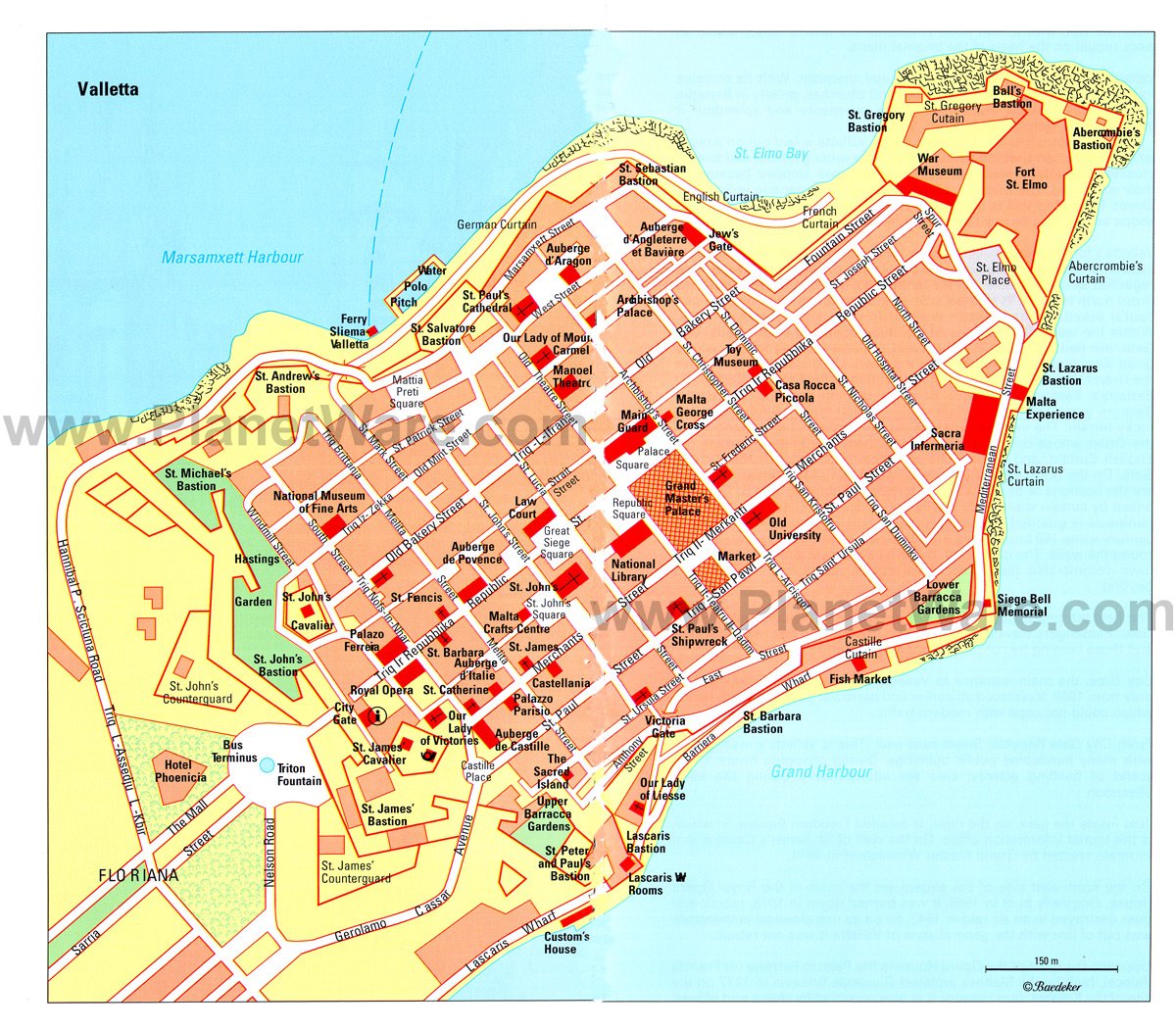
- Map of Attractions & Things to Do in Valletta
1. Saint John's Co-Cathedral
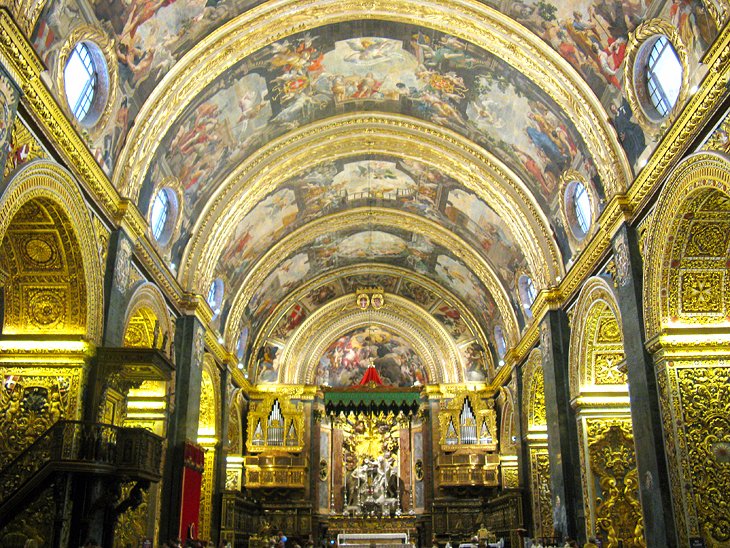
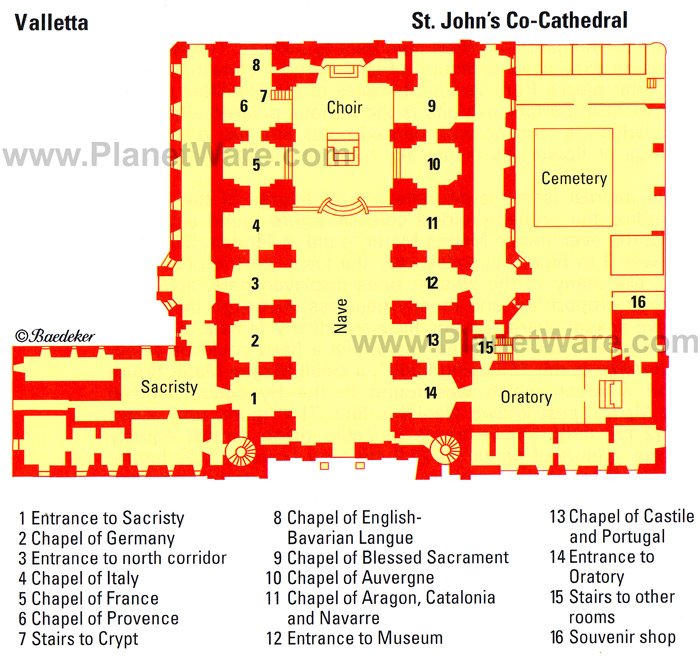
Saint John's Co-Cathedral reflects the wealth and success of the Knights of Malta. The Knights of Malta protected Europe from attacks by the Ottoman Turks in the 16th century. This opulent cathedral was built as a symbol of Christian victory.
The nave exemplifies extravagant Baroque decor with ostentatiously gilded walls and ceiling paintings by Mattia Preti, the famous Maltese painter. The most renowned artwork in the church is The Beheading of Saint John the Baptist by Caravaggio in the Oratory.
The various chapels of Saint John's Co-Cathedral represent the different langues (regions) of the Knights of Malta, who hailed from many different countries in Europe.
Among the eight chapels are a few must-see highlights: The Chapel of the Langue of Aragon (the region of Catalonia and Navarre in Spain) features Mattia Preti's painting of Saint George on a white stallion after slaying a dragon. The Chapel of the Langue of Italy displays the famous work of Saint-Jerome Writing by Caravaggio.
After visiting Saint John's Co-Cathedral, you can walk down Republic Street to explore the area around Palace Square on the way to the next attraction: the Grandmaster's Palace. This area has many quaint shops, cafés, and restaurants.
A great place to visit is the famous establishment Caffe Cordina (244 Republic Street), a fancy café that serves traditional Maltese pastries along with coffee and tea.
Address: Saint John's Street, Valletta
2. Grandmaster's Palace and Armory
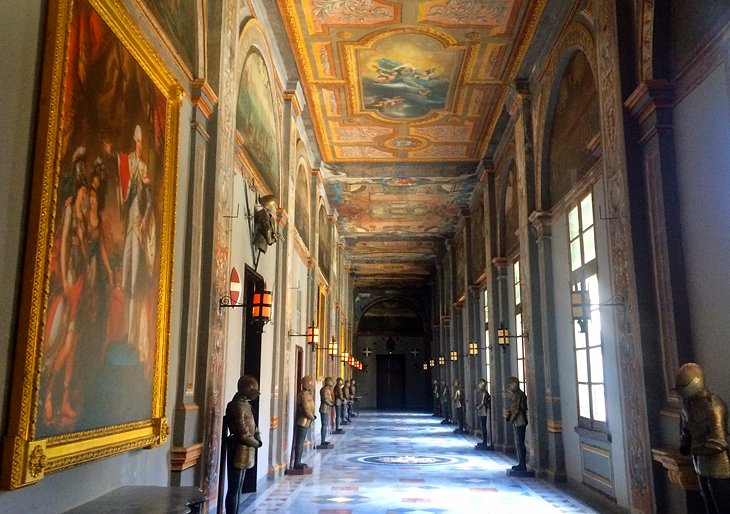
The Grandmaster's Palace reveals the architectural splendor of an important cultural monument. At the center of Palace Square, this Baroque palace was built in the 16th century as a residence for the Knights of Malta. The palace continues to host official state ceremonies today.
Part of the building serves as the Office of the President of Malta and as the House of Representatives. The rest of the building is open to the public as a museum.
You enter the building through an elegant garden courtyard, which leads upstairs to grandiose hallways with lavish 18th-century frescos.
The enormous Palace State Rooms are richly decorated with gilded moldings and works of art. Highlights include a series of murals that illustrate a complete narration of the Great Siege of 1565.
The Hall of the Ambassadors, also known as the "Red Room," is adorned with portraits of the Grandmasters, who led the Knights to victory. One of the paintings depicts the dignified-looking Grandmaster Jean de Vallette, founder of the city of Valletta.
The Palace Armoury displays Knights' armor and weapons (swords, bows, firearms, and cannons) dating from the 15th to the 18th century. This collection reveals that the Knights of Malta were not ordinary soldiers, they were aristocratic warriors equipped with the most elaborate armor and weapons that money could buy. You can pick up a helmet to feel the actual weight.
Address: Palace Square, Valletta
3. Cruise around the Grand Harbor
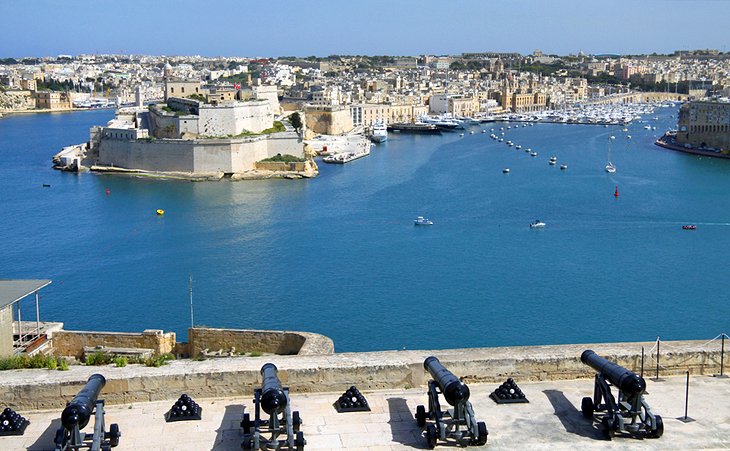
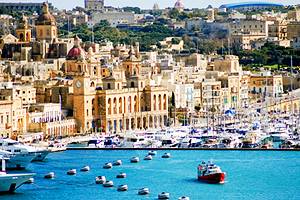
Valletta owes much of its military success to its strategic location on the Grand Harbor. This enormous port could dock its battleships and still keep invaders out by closing off the entrance. The entire harbor is surrounded by massive fortifications, bastions, and defensive towers.
This formidable setting was the scene of the Great Siege of 1565, the most famous event in Malta's history. Led by Grandmaster Jean de Valette, the Knights heroically defeated the Ottoman Turk invaders.
Today, the Grand Harbor allows entry of large commercial ships, ocean liners, and cruise ships.
Shaped like a multi-pronged fork, the harbor branches off into smaller creeks with small yacht marinas and boat docks. The Valletta Grand Harbor provides enough docks for thousands of boats, making it one of the largest marinas in the world.
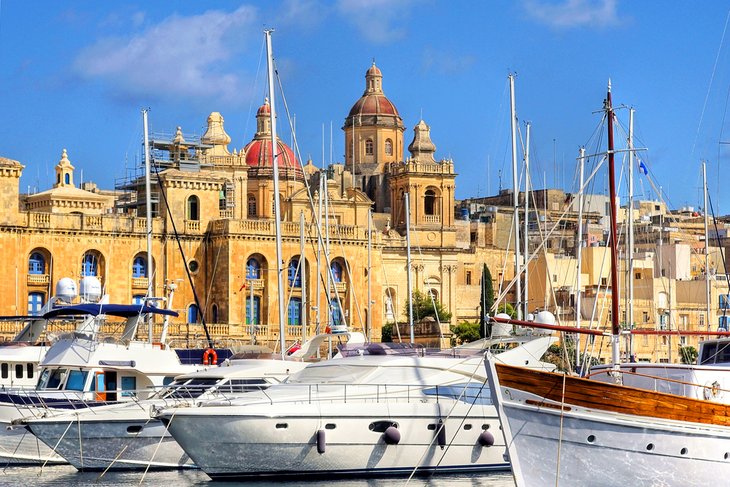
The entire Grand Harbor area encompasses a semicircle of densely populated little towns, including Kalkara, Vittoriosa, Cospicua, Senglea, Paola, and Marsa.
Just across from Valletta, the towns of Vittoriosa, Cospicua, and Senglea, known as the "Three Cities" were the original settlement of the Knights. These towns are filled with historical monuments, such as auberges of the Knights, beautiful Baroque churches, and important military forts.
For an enjoyable and educational experience, take a guided boat tour of the Grand Harbor. Boat cruises depart from Sliema, a seaside town located across the Marsamxett Harbor, a short bus ride or drive away from Valletta.
4. National Museum of Archaeology
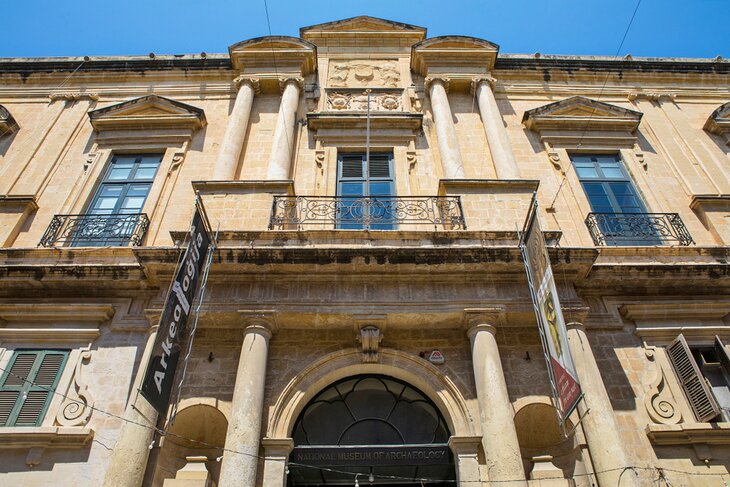
The National Museum of Archeology is housed in the former Auberge de Provence, the historic residence of the Knights originating from the Provence region in France. The building dates to 1571 and is a wonderful example of Baroque architecture. The Grand Salon is especially noteworthy, with its richly painted walls and wood-beamed ceiling.
The museum's exceptional archaeology collection tells the story of Malta through a chronological presentation. Exhibits include prehistoric artifacts and architectural elements found at megalithic sites, as well as ancient Roman objects and medieval antiquities.
The museum is renowned for its Prehistoric collection, an extensive array of artifacts from the Maltese Islands' megalithic temples. These Neolithic-era archaeological finds include 6,000- to 7,000-year-old pottery, ornaments, altars, limestone statuettes, terra cotta bowls, and cult utensils. Highlights are the Venus of Malta statue and other "Fat" statues from Ħaġar Qim Temples.
The time periods represented by the collection span the prehistoric era, continuing until the Phoenician period of antiquity (6th century BCE). A noteworthy piece from the Phoenician gallery is the bronze Horus & Anubis pendant. This pendant features the Egyptian Gods believed to deliver divine assistance in the afterlife.
A small room houses The Sleeping Lady, considered a masterpiece of prehistoric art. This tiny figurine of a woman lying on a couch evokes a surprising amount of emotion. It's astonishing to consider that this small statuette has survived five millennia.
Address: Auberge de Provence, Republic Street, Valletta
5. Upper Barrakka Gardens and Military Ceremonies
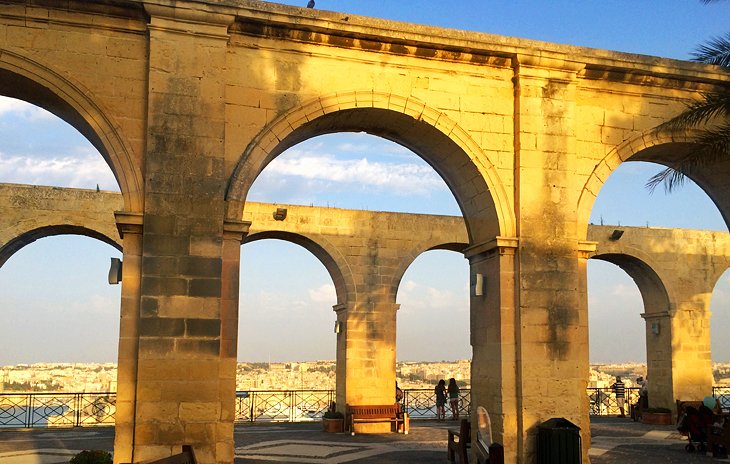
The picturesque Upper Barrakka Gardens encircle part of the city's old fortifications, built on Valletta's highest point. The peaceful tree-shaded gardens feature fountains, flowerbeds, rows of archways, and statues of prominent historical figures including Winston Churchill.
Multiple viewpoints around the gardens afford different outlooks. Walk around to discover awe-inspiring panoramas of the Grand Harbor. It's possible to see across to the towns of Vittoriosa, Cospicua, and Kalkara.
The level below the gardens is the Saluting Battery (a former bastion), which is lined with military cannons. This space is now used for outdoor weddings and ceremonial events.
A traditional Gun Salute ceremony takes place every day at noon on the Saluting Battery, performed by members of the Malta Heritage Society dressed in authentic British Artillery uniforms. This ceremony includes firing the cannons.
Tips: The Upper Barrakka Gardens is next to Castille Place. To arrive here, go to the Victoria Gate and turn left past the Church of Saint Mary of Jesus onto Saint Ursula Street. The entrance to the Upper Barrakka Gardens is at the end of the street. There is also an elevator at the foot of Saint Barbara Bastion that goes up 60 meters to the Upper Barrakka Gardens.
Address: Saint Ursula Street, Valletta
6. Casa Rocca Piccola: An Aristocratic Maltese Home
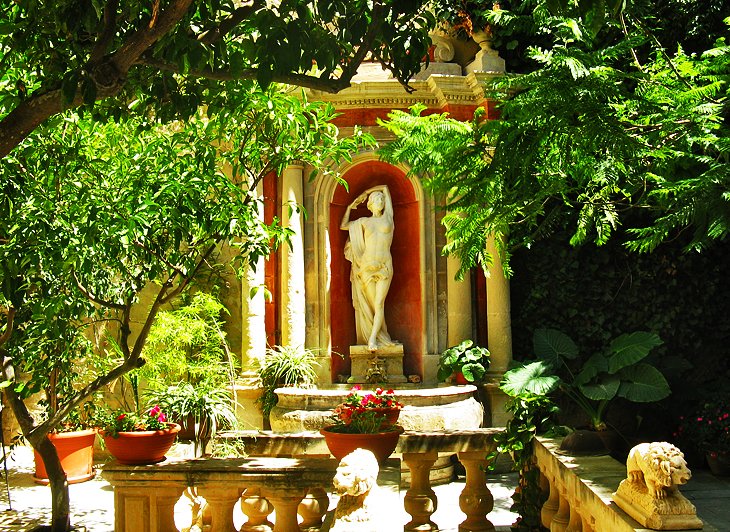
Get a glimpse of a 16th-century aristocratic palace that has been passed down through the generations. The ancestral family still lives at the Casa Rocca Piccola, while also welcoming the public to visit for guided tours.
The palace was built for Don Pietro La Rocca, one of the Knights of Malta. The current owners are the 9th Marquis and Marchioness de Piro (Nicholas & Frances de Piro).
On the guided tour, you will see the palace's elegant interior, including two dining rooms, a bedroom, the salons, and the small family chapel. One of the rooms displays a family tree that traces their noble lineage back several generations.
The rooms are decorated with antique 16th-century furniture, Murano glass chandeliers imported from Venice, and crystal chandeliers from Bohemia. In the Sala Grande, there is a distinctive portable chapel, a cabinet crafted from black lacquer with an altar inside that was designed for personal devotion.
The palace features a charming courtyard garden, typical of Mediterranean architecture. Also within the property is an inviting restaurant, La Giara, which serves authentic regional Sicilian cuisine. The restaurant is open for lunch and dinner.
Several of the palace bedrooms have been renovated for use as bed-and-breakfast accommodations. Breakfast is served on the courtyard garden's sunny terrace or in a cozy room that looks out onto the courtyard.
The Casa Rocca Piccola is a short walk away from the Grandmaster's Palace. Hours are Monday through Saturday from 10am until 5pm; closed on Sundays. Guided tours are available on the hour; the last admission is at 4pm.
Address: 53 Saint Dominic Street, Valletta
7. Manoel Theater: One of the Oldest Theaters in Europe
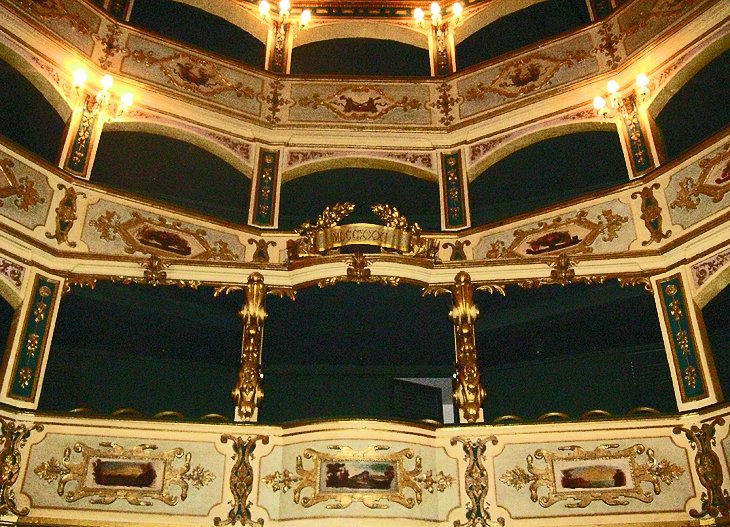
This magnificent little theater was commissioned in 1731 by António Manoel de Vilhena, Grand Master of the Knights of Malta. With this distinguished heritage, the Manoel Theater ranks among the oldest theaters in Europe.
The lavishly decorated auditorium features gilded box seats and plush velvet chairs. Every seat in the house offers a good view, and the acoustics of the oval room are excellent.
You may visit the theater by taking a guided tour. The tours are offered several times daily, Monday through Saturday.
Throughout the year, the Manoel Theater hosts performances including music concerts and classic opera. Book your tickets in advance to enjoy an evening performance in this sensational historic setting.
In January, the Manoel Theater hosts a two-week Baroque Festival featuring the music of Vivaldi and Bach.
Address: 115 Old Theater Street, Valletta
8. Collegiate Parish Church of Saint Paul's Shipwreck
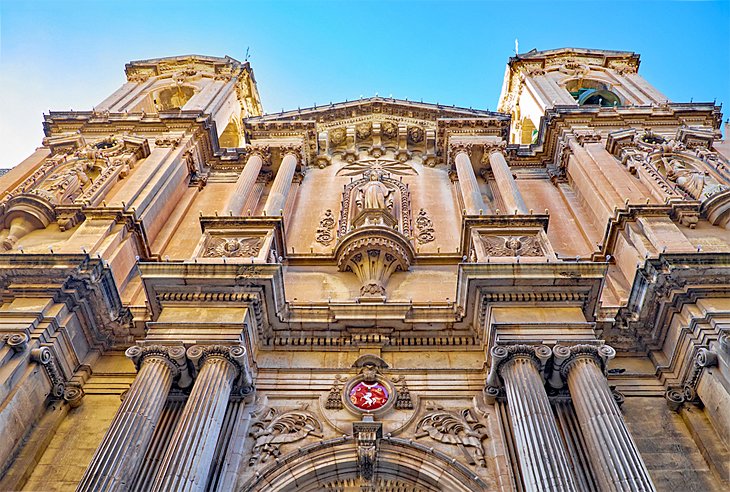
The Church of Saint Paul's Shipwreck dates back to the 1570s, making it one of the first churches built in Malta. The monument was later renovated in Baroque style, with a domed interior designed by Lorenzo Gafa.
As befits a church dedicated to Malta's patron saint, the interior is sumptuous and houses venerated relics. Pope Pius VII donated the most precious relic, the block upon which Saint Paul was said to have been beheaded, as well as what is believed to be part of his wrist bone.
Step into the sanctuary to admire splendid works of art. Don't miss the church's ceiling frescoes, which depict Saint Paul's brief sojourn in Malta. The main altarpiece displays a painting of Saint Paul and Saint Luke in a scene of the shipwreck. This work was painted by Matteo Perez d'Aleccio in 1580.
The church possesses a gilded wooden statue of Saint Paul that is paraded through the streets of Valletta on February 10th every year. This date commemorates the day Saint Paul's shipwreck occurred. The town celebrates this event with much festivity.
Address: 74 Saint Paul Street, Valletta
9. Visit MUŻA (National Museum of Fine Arts)
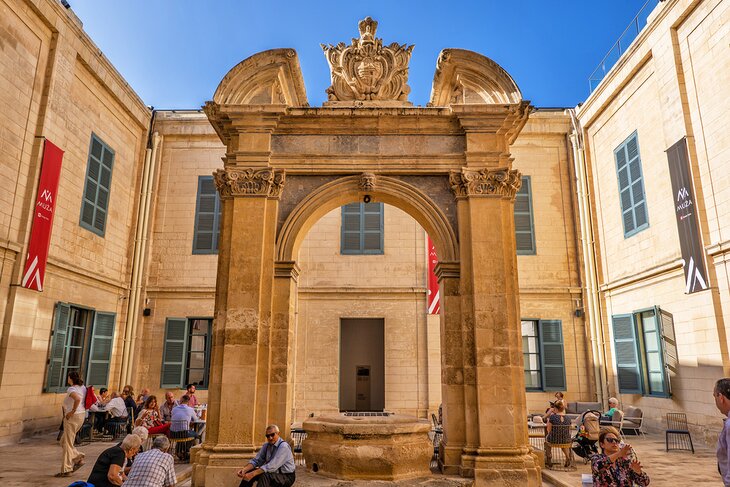
Malta's National Museum of Fine Arts (MUŻA) displays its collection in a majestic palace, the Auberge d'Italie. The Knights of Malta, originally from Italy, resided here. The monumental staircase at the entrance makes a grand first impression when you visit the museum.
The museum's collection represents important works of Maltese art from the 12th century to the 20th century, as well as noteworthy pieces by other European artists.
There is an excellent assortment of works by the famous artist of Malta, Mattia Preti, who was from Calabria in Southern Italy. His most renowned work on display here is the Baptism of Christ painting.
The museum also boasts a few masterpieces by Italian artist Guido Reni and the exceptional Judith and Holofernes painting by Valentin de Boulogne.
Another exquisite painting that stands out in the collection is the early Impressionist View of the Grand Harbor by J.M.W. Turner.
Address: Merchants Street, Valletta
10. Valletta Waterfront
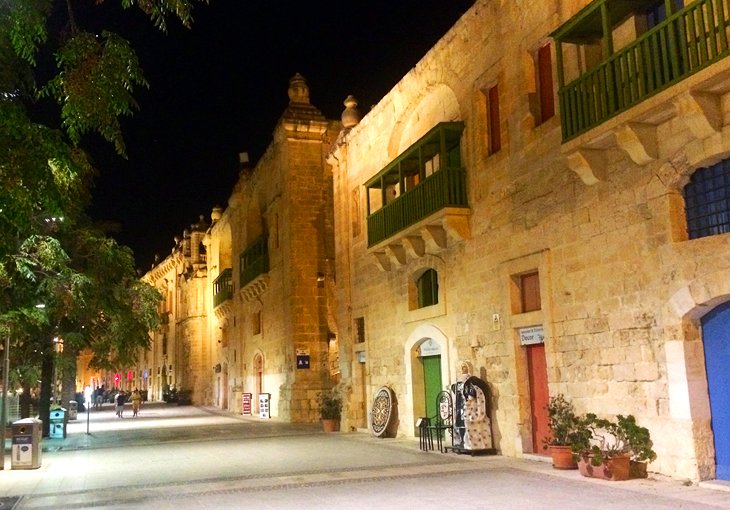
Discover an atmospheric area of Valletta where locals hang out. At this hidden spot, you can enjoy laid-back waterfront dining without the tourist crowds.
The row of Baroque buildings along the Marsamxett Harbor was commissioned in the 18th century by Grand Master Manuel Pinto de Fonseca. The buildings were once used as warehouses, to store goods unloaded at the docks. The different colors of the doors indicated the type of contents stored inside: yellow represented wheat, and blue was for seafood.
The warehouse buildings have been beautifully restored, and the pathway has been enlarged. A selection of restaurants is found along the palm-fringed waterside promenade.
11. Festivals, Theater, and Cultural Events
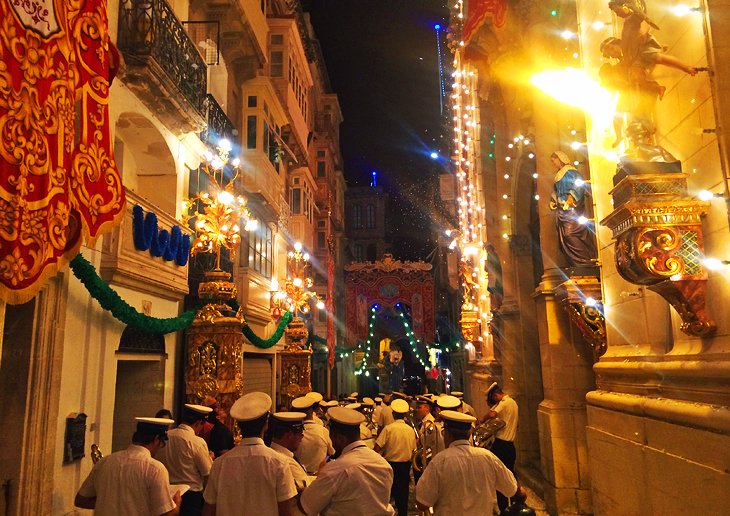
Valletta has earned the title "European Capital of Culture" because of its happening art scene and well-rounded calendar of cultural events.
The Malta International Arts Festival draws talent from all over the world to perform at various venues in Valletta, as well as in other towns on the Island of Malta. From folk music concerts to contemporary dance and theater performances, and even circus acts, the program includes a wide range of events on the calendar (June and July).
Another high-profile cultural event in July is the Malta Jazz Festival, with concerts held in Valletta and at other nearby locations.
Various locations on the Maltese Islands host the spectacular Malta International Fireworks Festival. The tradition of fireworks goes back to the era of the Knights of the Order of Saint John.
For exuberance and tradition, it's hard to match the Feast of Saint John the Baptist on June 24th. Valletta's important churches are illuminated, and marching bands parade through the town carrying icons, while locals throw confetti and enjoy the merriment.
12. World War II History
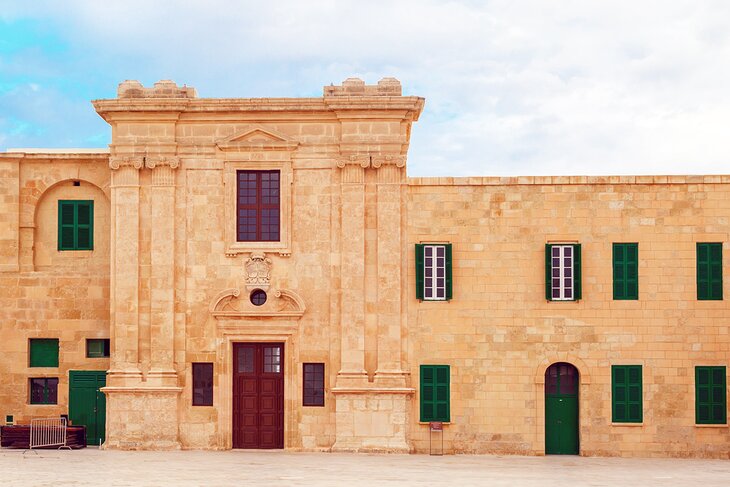
Malta's National War Museum gives you a sense of the country's fascinating military history. Exhibits cover various epochs, beginning with ancient artifacts from the Bronze Age, continuing through the era of the Knights of Saint John, and later the period of British rule.
The collection features interesting content about the Second World War, including a War Memorial that showcases an assortment of medals awarded for bravery. The collection continues through the 20th century until 2004, when Malta joined the European Union.
The National War Museum is housed within the Fort St. Elmo, built in 1552 for the Order of Saint John Knights. Fort St. Elmo played a critical role during the Great Siege of 1565. The star-shaped fortress provides commanding views of the Grand Harbor and the Marsamxett Harbor.
The Lascaris War Rooms underneath the Upper Barrakka Gardens is an underground tunnel complex. Here, you can see the original fighter control rooms, where WWII operations against the Germans and Italians were planned.
Where to Stay in Valletta for Sightseeing
Valletta offers cultural attractions, lively ambience, plenty of things to do, and a variety of hotels and restaurants. Anywhere within Valletta's walled historic center is close to the top tourist sights. In fact, it's possible to walk across the entire city center in less than an hour, by taking a leisurely stroll. We recommend these highly rated hotels in Valletta's historic city center or just outside the Valletta City Gate.
Luxury Hotels:
- Steps away from the Valletta City Gate, The Phoenicia Malta is a sumptuous five-star hotel set in seven acres of gardens. Amenities include an outdoor swimming pool, a fine-dining restaurant, spa, fitness center, free parking, and room service. Guest rooms feature bright Mediterranean decor. The pool area and many of the rooms afford breathtaking views of the Grand Harbor.
- Within the historic city center, the Domus Zamittello is a four-star boutique hotel that occupies a lovely 17th-century palazzo. This prestigious property has been renovated with comfortable lounge areas and an outdoor terrace. Adorned in classic style, the guest rooms feature fine linens and luxuriously plush towels. Amenities include concierge services, transportation arrangements, and complimentary continental breakfast.
- The Casa Ellul is a hidden gem in the middle of the city center. This four-star boutique hotel occupies a Victorian-era palazzo but has only nine guest suites, giving the place an intimate and exclusive feel. The suites are decorated in a sophisticated modern style and feature balconies or private terraces with fabulous city views. The hotel offers concierge services and airport transportation arrangements.
- On a quiet street in the historic city center, La Falconeria offers refined accommodations in a centuries-old building. Amenities of this four-star hotel include a concierge, fitness center, indoor swimming pool, and a rooftop sundeck. Guest rooms feature sleek modern decor; suites have outdoor terraces. Breakfast is complimentary.
Mid-Range Hotels:
- The Palais Le Brun occupies a 17th-century palace appreciated for its elegant Baroque architecture. This four-star hotel offers spacious guest rooms that feature Persian carpets, espresso machines, and marble-accented bathrooms. Hotel amenities include a Maltese restaurant, rooftop swimming pool, complimentary buffet breakfast, and room service.
- The four-star Palazzo Paolina Boutique Hotel occupies a Baroque palace at the heart of the city center. The tastefully appointed guest rooms are outfitted with coffee makers and cable television. The hotel offers a concierge and a complimentary breakfast buffet.
- For reasonably priced accommodations in a historic building, the Castille Hotel is a good choice. This three-star hotel occupies a 16th-century palace next to Upper Barrakka Gardens. The hotel offers a 24-hour front desk, concierge, and on-site restaurant. The complimentary breakfast buffet is served on an outdoor terrace with views of the harbor.
Budget Hotels:
- Perched above Valletta's historic bastions, the Grand Harbour Hotel features dazzling views of the seaport. This two-star hotel provides modern accommodations with a 24-hour front desk and a complimentary breakfast buffet. A rooftop terrace affords unobstructed vistas of the Valletta harbor, including the towns of Senglea and Kalkara across the harbor.
- In a great location overlooking the Grand Harbor, the two-star British Hotel in the city center provides simple but sufficient accommodations at a great value. The main selling point of this hotel is the astounding view of Valletta's seaport.
Map of Attractions & Things to Do in Valletta
More Related Articles on PlanetWare.com
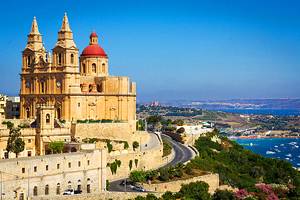
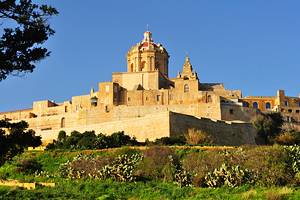
Nearby Attractions on the Island of Malta: Travelers could spend an entire one-week vacation in Valletta and simply make day trips to other tourist attractions on the island of Malta. Many of the top tourist destinations on Malta are less than a three-hour drive away, including the enchanting medieval hilltop town of Mdina and the UNESCO-listed Hal Saflieni Hypogeum archaeological site.
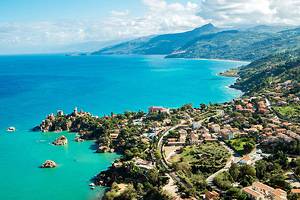
Other Dreamy Mediterranean Islands: For an idyllic seaside getaway, the island of Gozo can be visited as a day trip from Valletta (by organized boat tour) and is equally appealing as a week-long vacation destination focused on sunbathing and sightseeing. Another island-hopping idea is to take the ferry from Valletta to the island of Sicily, a place of stunning Mediterranean scenery, amazing ancient temples, and charming historic towns.