13 Top-Rated Tourist Attractions in Andalusia
Authors Michael and Lana Law spent 10 weeks touring the sights of Andalusia in 2022.
Andalusia is the Spain of the imagination, a dreamy sun-kissed land where passion, poetry, and drama collide. Fearless matadors, fabulous festivals, and foot-stomping flamenco symbolize this emblematic region. Whispering the legacy of a bygone era, crumbling Moorish castles and old Jewish quarters have a subtle seduction. Ancient mosques and synagogues were replaced with Christian churches after the Reconquest, but the romance of the past remains.
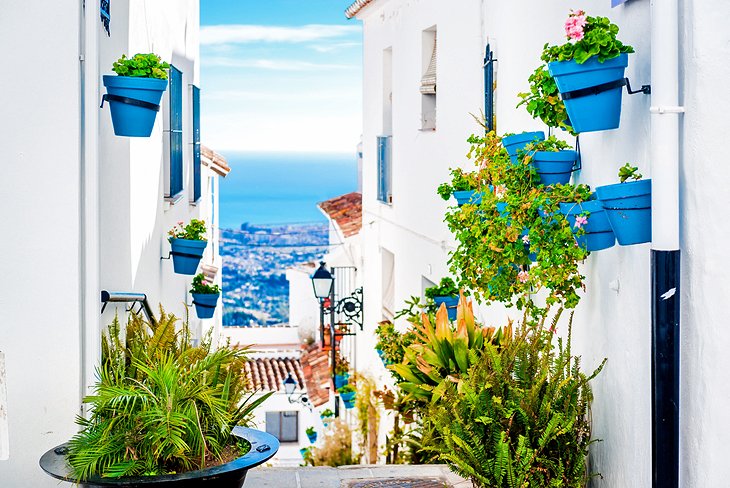
You can feel the legacy of the past while wandering the twisting medieval cobblestone streets, admiring the swirling Arabesque patterns in Islamic architecture, and listening for melancholy notes of Gypsy soul in the strumming of Spanish guitar. A stroll through almost any of Andalusia's historic towns leads to delightful discoveries of fountain-adorned squares and whitewashed houses with flower-filled patios.
Andalusia is also a place of contrasts: snowcapped mountains, lush green river valleys, and wild gorges. The dramatic scenery provides stunning backdrops for amazing sights. From the glorious cathedral of Seville to the magnificent Alhambra palace in Granada and the Great Mosque of Córdoba, Andalusia has some of the most thrilling monuments in the world.
Learn about the sightseeing highlights in this enchanting region of southern Spain with our list of the top attractions in Andalusia.
- 1. Seville: A Quintessential Andalusian City
- 2. The Alhambra Palace in Granada
- 3. Córdoba and the Great Mosque
- 4. The Puente Nuevo in Ronda
- 5. The Ancient Port Town of Malaga
- 6. The Pueblos Blancos of Andalusia (White Villages)
- 7. Marbella: A Glamorous Beach Resort with a Quaint Old Town
- 8. Andalusian Traditions in Jerez de la Frontera
- 9. Renaissance Architecture in Úbeda
- 10. Historic Monuments and Old-World Charm in Baeza
- 11. Cadiz
- 12. Jaén
- 13. Tarifa
- Map of Tourist Attractions in Andalusia
1. Seville: A Quintessential Andalusian City
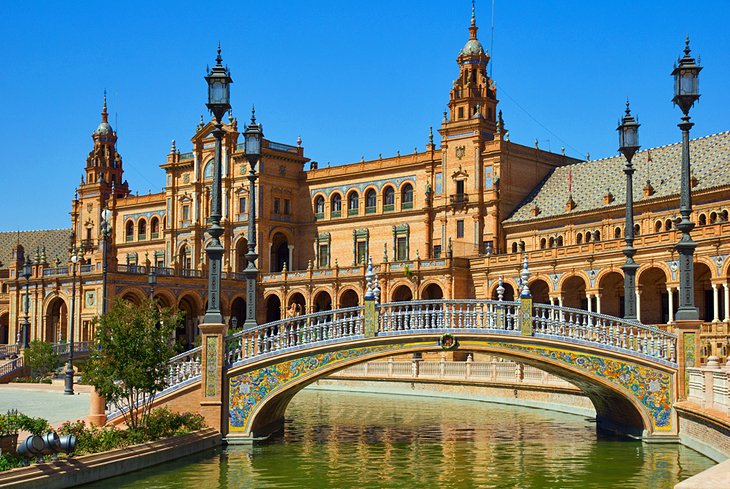
Romantic, dazzling, and sensual, Seville has a quintessential Andalusian character. This alluring city is one of the best places to visit in the region to experience traditional culture, including lively religious festivals and the famous flamenco dance.
Seville is also a city where you can get a feel for the joys of everyday life in Andalusia, simply by wandering the quaint cobblestone streets, relaxing in sunny plazas and taking an evening "paseo" (stroll) along with the locals. At night, the historic center is illuminated by old-fashioned street lamps, which gives it a special ambience.
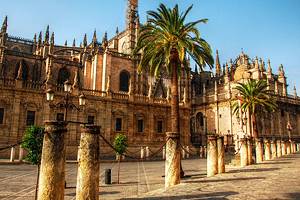
The most important monument is the Seville Cathedral, which was converted from the Great Mosque and is the grandest Gothic church in Christendom. Another Moorish architectural relic is the Alcazar, with its dazzling Mudéjar decor and lavish gardens.
The medieval Barrio Santa Cruz, once the Jewish district, is a charming quarter with winding alleys and picturesque courtyards.
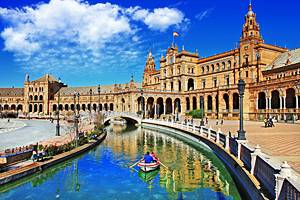
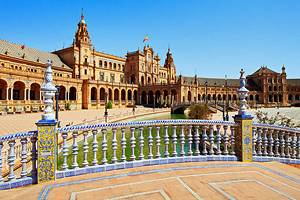
On a pleasant afternoon or balmy evening, the Plaza de España in the Parque de María Luisa is a wonderful spot to go for a walk or enjoy a leisurely boat ride through the park's canal.
2. The Alhambra Palace in Granada
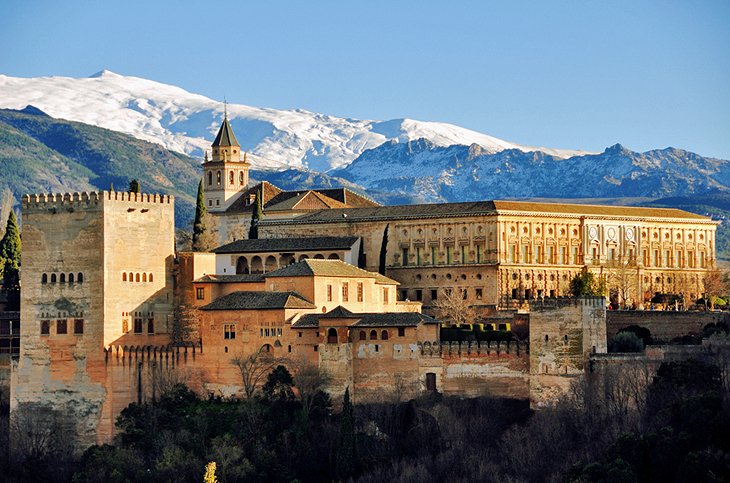
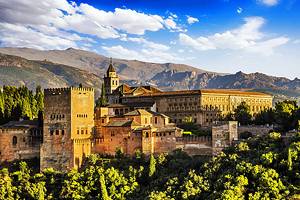
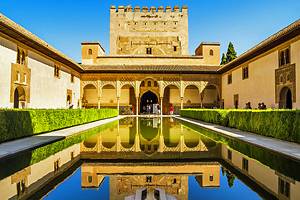
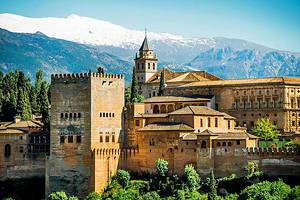
The Alhambra is a masterpiece of Islamic design and one of the most visited attractions in Spain. The complex includes several splendid palaces, gorgeous landscaping, fragrant rose gardens, and lavish decorative fountains. Because of its exquisite architecture and cultural value, the Alhambra is designated as a UNESCO World Heritage Site.
The Moors arrived from the deserts of North Africa (present-day Morocco and Algeria) in the 13th century, they were awestruck by the lush landscape of Granada. At the foot of the Sierra Nevada Mountains, abundant water from the Río Darro ensured rich vegetation and agriculture. The Moors built the remarkable hilltop citadel here, and overflowing fountains were placed all over the grounds as a symbol of wealth.
Granada continued to flourish as a Moorish city until the 15th century. When the Catholic Monarchs arrived to reconquer the city in 1491, Granada was the only remaining stronghold of Moorish rule in Andalusia.
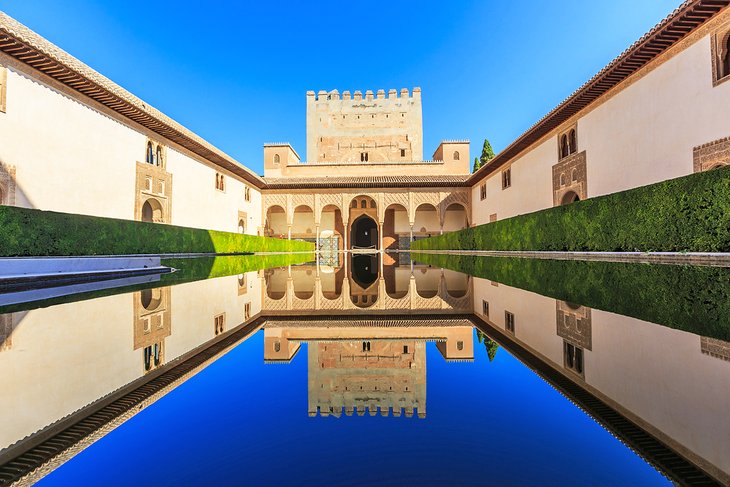
The last Moorish king, Muhammad XII (known as Boabdil), capitulated by giving King Ferdinand and Queen Isabella the keys to "paradise" (Boabdil's description of the Alhambra) after the Christian Reconquista (Reconquest) was complete in 1492. As the legend goes, Boabdil wept when taking in his final glimpse of the Alhambra during his journey of departure from Spain.
Along with the Alhambra, the Albayzín (Albaicín) district shares the UNESCO World Heritage classification. This medieval Islamic town has retained its Moorish character, seen in the maze of narrow, winding pedestrian streets and clusters of quaint whitewashed houses.
Further evidence of the city's Arabic heritage is found at the Alcaicería (on Calle Alcaicería), an outdoor market that is a relic of the old Moorish bazaar, and the luxurious Hammam Al Ándalus, traditional Arab Baths that pamper modern tourists with spa treatments.
Other must-see sights in Granada include the Renaissance Cathedral and the adjoining Capillo Real where the Catholic Monarchs are buried. High on the list of top experiences is watching authentic flamenco performed by locals in a Gypsy cave on the Sacromonte.
3. Córdoba and the Great Mosque
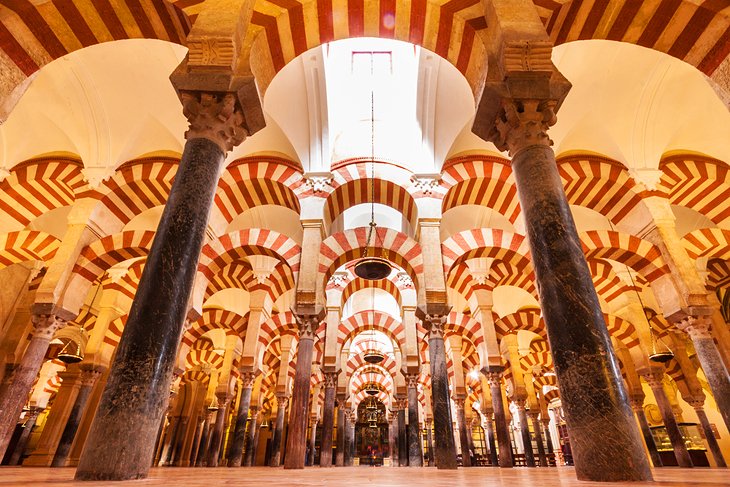
Córdoba is most famous for the Great Mosque, but this city offers much more for visitors, from charming narrow streets to an ambience you won't find in other Andalusian cities.
While Paris and Rome were in the Dark Ages, Córdoba was the most important city in Europe, a center of civilization where great scholars Maimonides (a Jewish philosopher) and Averroes (a Muslim philosopher) shared their ideas, and a place where the people of three religions, Christianity, Islam, and Judaism, lived in harmony.
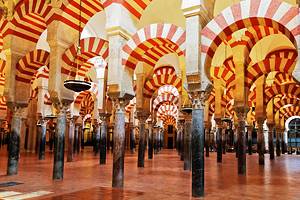
Top among the must-see sights of Córdoba is the UNESCO-listed Great Mosque surrounded by several historic residential quarters. The breathtaking sanctuary exemplifies Muslim architecture with its repeated rows of arches and columns, Byzantine-style mosaics, and gilded mihrab (prayer niche). This 8th-century monument is one of the most magnificent Islamic buildings ever constructed.
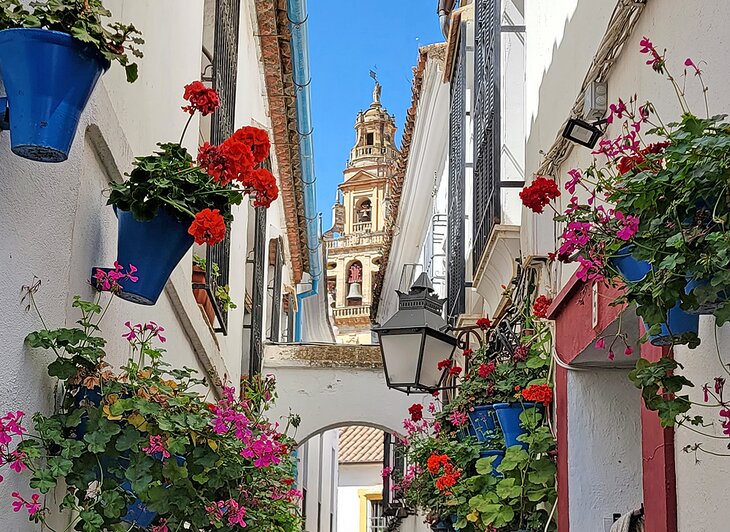
The Judería (the old Jewish quarter) is an especially atmospheric neighborhood of narrow pedestrian streets, quiet squares, and charming whitewashed houses. The homes in this district are famous for their decorative patios, adorned with colorful potted flowers.
During May, the town of Córdoba celebrates the Fiesta de los Patios, a highly anticipated festival with a competition for the most beautiful patio.
4. The Puente Nuevo in Ronda
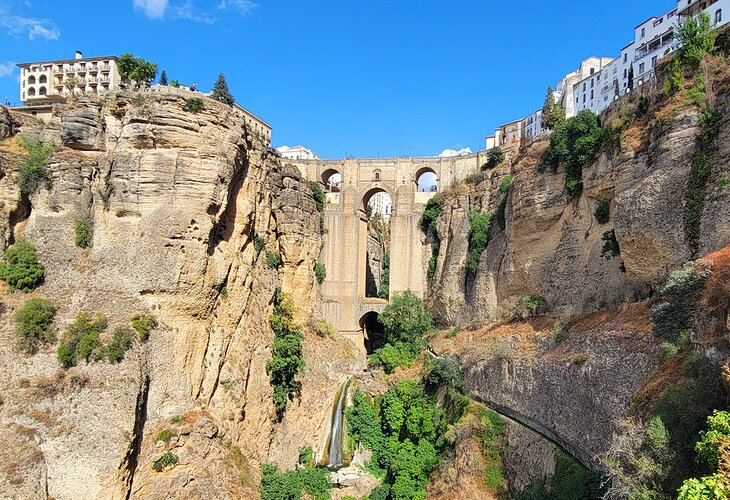
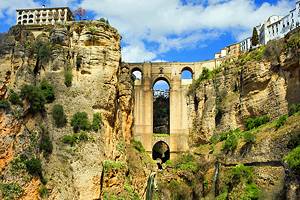
In a spine-tingling setting, Ronda offers dramatic views and wild scenery. Built above a steep ravine (El Tajo) crossed by the Puente Nuevo (New Bridge), this spectacular Pueblo Blanco features whitewashed houses clinging to the edge of a cliff top.
Proud of its traditional Andalusian culture, Ronda has the second-oldest bullring in Spain. The Plaza de Toros is still used once a year for the Goyesque bullfight (during the Feria de Pedro Romero, a festival that takes place the first week of September). The festival also includes a parade of women wearing flamboyant costumes of the late 18th century, the era of Francisco de la Goya.
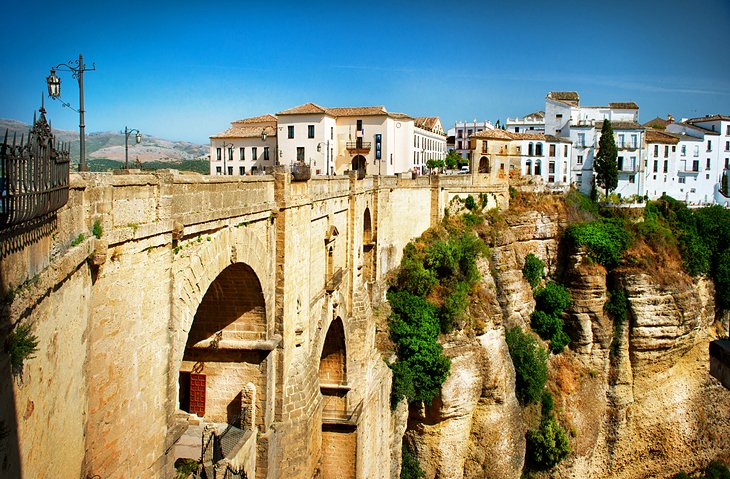
Ronda has a special beauty and romantic charm. Enjoy exploring the atmospheric cobblestone streets of La Cuidad, Ronda's old Moorish town, which has many historic mansions and palaces.
On sunny days, Ronda's parks are the ideal place to stroll tree-lined paths and relax in the shade. The Alameda del Tajo and Alameda de José Antonio parks both offer striking panoramic views of the landscape.
Providing another angle of Ronda's heritage, the Museo del Bandolero (Bandit Museum) illustrates the history of those daring, infamous anti-heros of the region.
5. The Ancient Port Town of Malaga
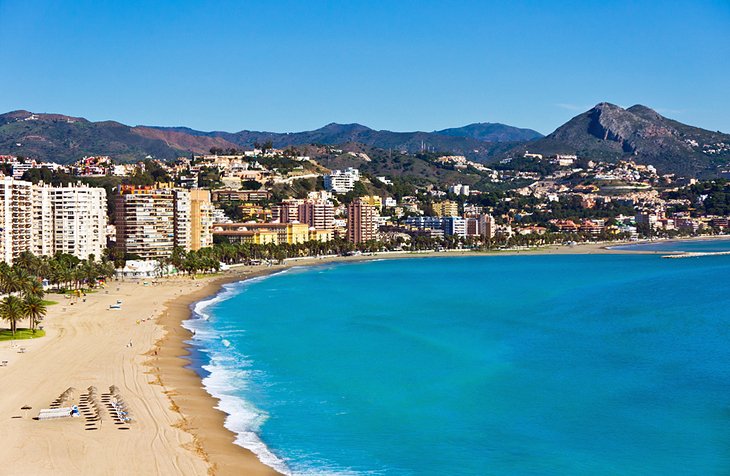
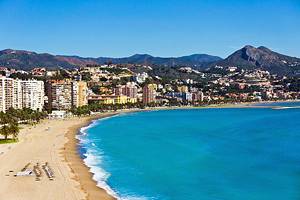
Malaga is an ancient Mediterranean port town and has the weathered fortresses to prove it. Standing on a hilltop overlooking the bay, the old Alcazaba and the Castillo de Gibralfaro castles watch over the harbor action and offer splendid coastal views.
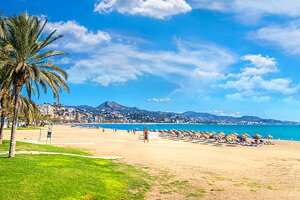
Among the endless stretch of Costa del Sol beach resorts, Malaga is an anomaly because it is a real working city. Although this pleasant seaside town does have a fabulous sandy beach, the Playa de la Malagueta, sightseeing rather than sunbathing is the main draw for visiting Malaga.
With plenty of cultural sites and historic monuments to explore, travelers can easily keep busy here for a few days. The long list of tourist attractions in Malaga includes ancient ruins, the 16th-century Catedral Nuestra Señora de la Encarnación, beautiful gardens, and a fantastic Picasso Museum, as well as dozens of other excellent museums.
The medieval Old Town of Malaga is especially delightful. While exploring this maze of narrow pedestrian streets, visitors will find inviting little boutiques and hidden plazas filled with outdoor cafés and al fresco dining terraces.
Another favorite spot is the harbor, which is a great place for a leisurely stroll or to dine at one of the waterside restaurants.
6. The Pueblos Blancos of Andalusia (White Villages)
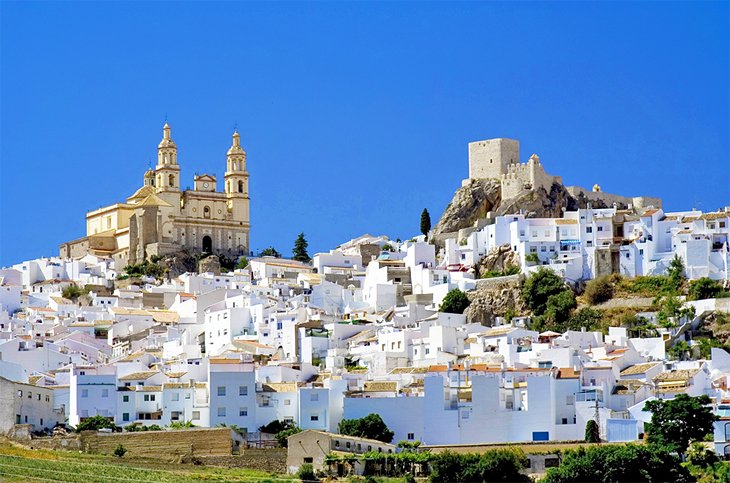
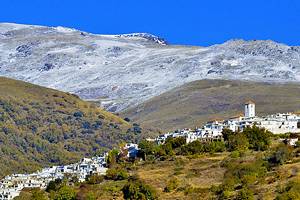
The Pueblos Blancos are enchanting, off-the-beaten-track tourist destinations in Las Alpujarras, the rolling hills of the Sierra Nevada, and in the Sierra de Grazalema and the Sierra Nevada mountain ranges.
Driving or long-distance hiking is the only way to arrive at these remote hilltop villages, but it's worth making the detour or even a multiple-day itinerary through Andalusia's most undiscovered and unspoiled area.
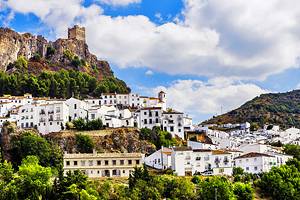
Full of old Moorish ambience, the Pueblos Blancos are characterized by their simple whitewashed houses. The architectural style is influenced by the Berber aesthetic of the Moors who hailed from North Africa.
Adding to the charm are the vibrant potted flowers, narrow cobblestone lanes, and lovely churches. Most of the villages are clustered on hillsides with marvelous views of the snowcapped mountains and verdant valleys.
The gateway to the Pueblos Blancos is Arcos de la Frontera, with its glowing white buildings arranged in a semicircle on a cliff top. Ronda is the most dramatic of Andalusia's whitewashed villages, famous for bullfighting, as well as awe-inspiring scenery.
One of the prettiest of the villages is Grazalema, a high-mountain town nestled in a valley and surrounded by a spectacular natural park.
7. Marbella: A Glamorous Beach Resort with a Quaint Old Town
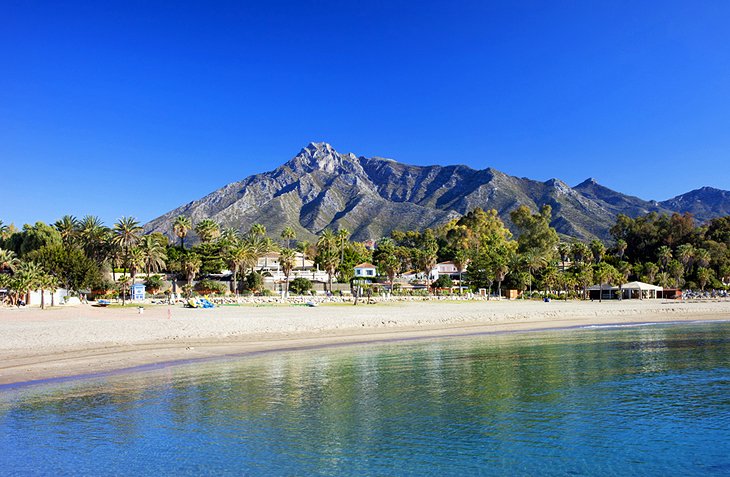
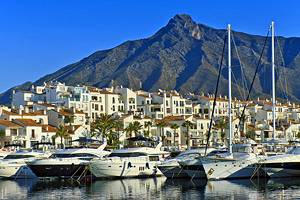
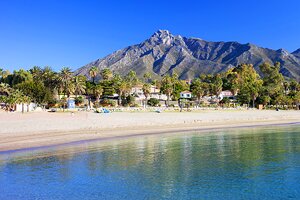
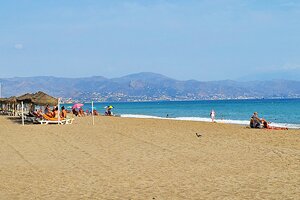
Along the Costa del Sol, the glamorous resort town of Marbella is prized for its stunning seaside scenery, palm-lined promenades, and sandy beaches along a 27-kilometer shoreline. As an upscale vacation town, Marbella has plenty of golf courses and private clubs that cater to a discerning clientele.
For a fashionable dining scene, head to the Puerto Banús, a gorgeous marina where many fancy yachts are docked. The port area also has many trendy restaurants and designer boutiques.
For beachside meals, the Playa de Alicante offers great choices. The closest beach to Marbella's city center is the Playa La Fontanilla, just a short walk from the Old Town.
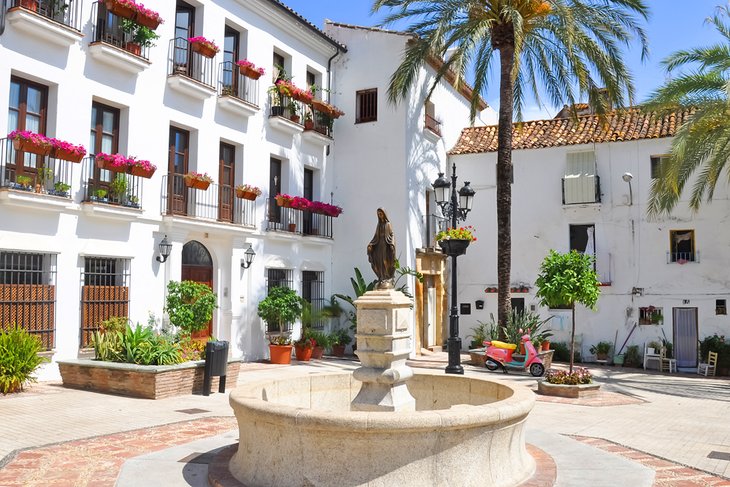
More than just a beach destination, Marbella has interesting cultural attractions. The perfectly manicured Old Town (Casco Antiguo) is an enchanting Moorish village with flower-bedecked, whitewashed houses and charming cobblestone lanes.
Hidden throughout the pedestrian streets and alleyways are exquisite little churches and quiet courtyards with sidewalk cafés. At the heart of the Old Town, the Plaza de los Naranjos is a lovely square shaded by orange trees and filled with restaurant terraces.
Other things to do in Marbella's Old Town include shopping at stylish boutiques, visiting museums, and admiring historic churches. The renowned Spanish Contemporary Engravings Museum displays works by Goya, Picasso, and Miró, among others.
The Municipal Collection of Archaeology is found at the pleasant Plaza del Altamirano. On this charming square, the tables from two restaurants spill out onto the cobblestone outdoor patio space. It's an inviting spot to dine al fresco during summertime.
The most noteworthy churches are the Iglesia de Nuestra Señora de la Encarnación, built on the site of a former mosque, and the Iglesia del Santo Cristo, built in the 16th century.
8. Andalusian Traditions in Jerez de la Frontera
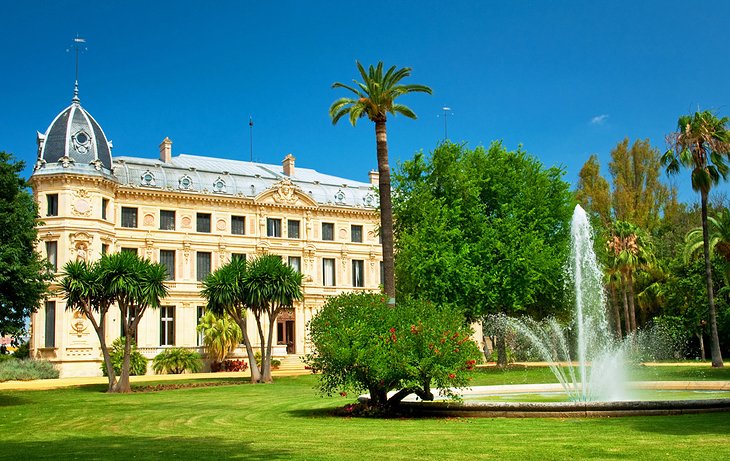
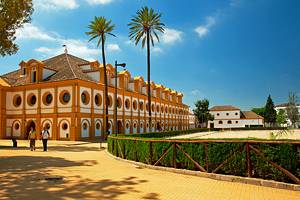
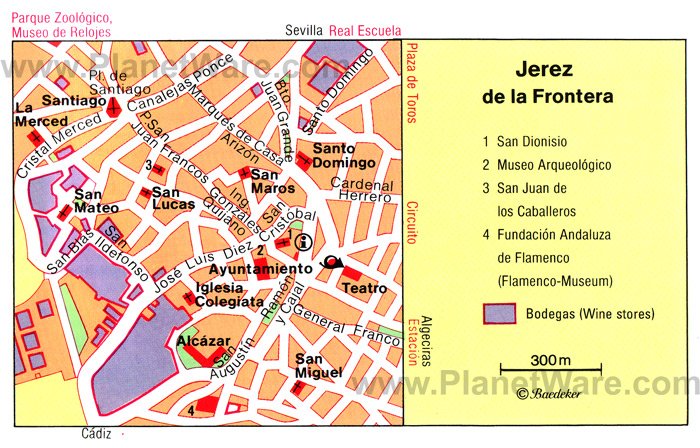
Jerez de la Frontera (35 kilometers from Cádiz) is a refined aristocratic town famous for its Andalusian pedigree horses and traditional equestrian shows.
In an elegant building on the Avenida de Duque de Abrantes, the Fundación Real Escuela Andaluza del Arte Ecuestre (Royal Andalusian School of Equestrian Art Foundation) stages the popular show titled Cómo Bailan los Caballos Andaluces (How the Andalusian Horses Dance), an equestrian ballet in the Andalusian style of the 18th century.
The Feria del Caballo (Jerez Horse Fair), held annually in May at the Parque González Hontoria, showcases the town's prestigious pedigreed horses. Visitors will appreciate the food stands, dance competitions, and children's activities at this lively event.
Jerez de la Frontera is also known for the traditional Andalusian art of flamenco dancing and cante jondo (deep song), a dramatic and evocative style of Gypsy singing. The Centro Andaluz de Documentación del Flamenco educates visitors about the various forms of flamenco singing, guitar, and dance, through videos, documents, and descriptions of historical figures.
The annual Festival de Jerez stages traditional, as well as avant-garde, flamenco performances of an exceptional caliber at the Teatro Villamarta and other venues.
9. Renaissance Architecture in Úbeda
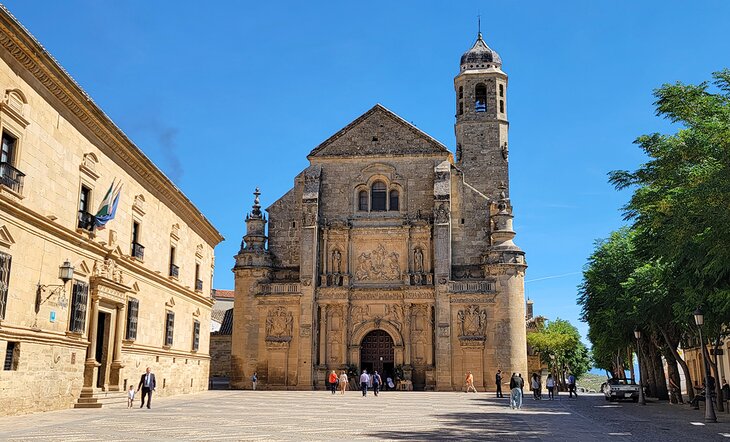
Amid picturesque olive plantations, this UNESCO-listed historic town of Úbeda is renowned for its Renaissance architecture. The central feature of the Casco Antiguo (Old Town) is the pedestrian-only Plaza de Vázquez de Molina, graced by the 16th-century Sacra Capilla del Salvador del Mundo.
With its richly sculpted Plateresque facade and Italian Renaissance-style domed interior, the Sacra Capilla del Salvador del Mundo stands out as one of the most emblematic landmarks in Úbeda. The chapel contains noteworthy artworks including the Transfiguration of Christ altarpiece by Alonso Berruguete. You may visit the chapel, which is open daily year-round; entrance requires an admission fee.
Excellent accommodations are found on the Plaza de Vázquez de Molina square at the four-star Parador de Úbeda, which occupies a 16th-century Renaissance palace featuring a typical Andalusian courtyard and traditional decor. The Parador de Úbeda has a fine-dining restaurant that serves regional cuisine.
Near Úbeda is Baeza (about 10 kilometers away), another UNESCO-listed city with marvelous Renaissance buildings, and Cazorla (about 45 kilometers from Úbeda), dominated by an ancient castle.
Cazorla is the main town of the Sierra de Cazorla mountain range and is a good base for hikes or climbs into the Parque Natural Sierra de Cazorla, Segura y Las Villas nature reserve, a ravishing landscape of rivers, waterfalls, forests, and canyons.
10. Historic Monuments and Old-World Charm in Baeza
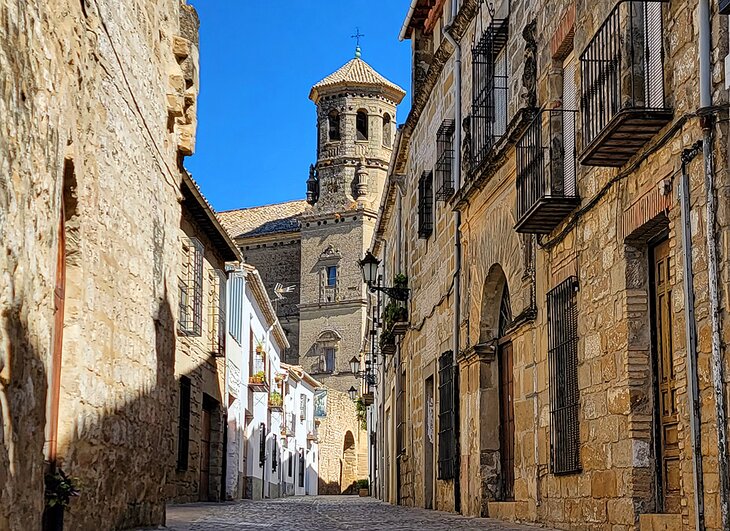
Designated as a UNESCO World Heritage Site along with Úbeda (10 kilometers away), Baeza boasts an ancient Roman, Moorish, and Christian heritage. Rolling hills, olive groves, and fields of corn surround the town, which has retained an old-world ambience in its cobblestone streets and elegant squares.
In the 16th century, Baeza became an important trading center and university town. The town's wealthy past is seen in the handsome old houses and noble mansions, as well as its Renaissance cathedral, the Catedral de Baeza on the Plaza de Santa María, built in the 16th century on the site of a demolished mosque.
The spacious Paseo de la Constitución in the center of Baeza is lined with impressive 17th-century mansions. The Plaza de los Leones at the west end of the Paseo de la Constitución was named after the fountain in the center of the square that incorporates four figures of lions from the Roman site of Cástulo.
11. Cadiz
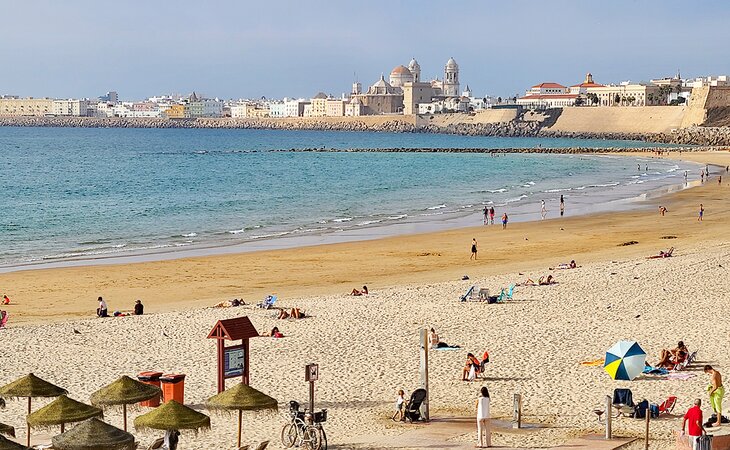
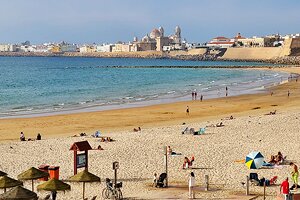
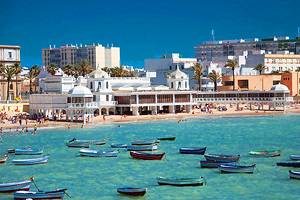
History abounds in Cadiz, long considered the most ancient city in Western Europe. With its mix of beaches and history, most people fall under the spell of Cadiz's charms in very short order.
Miles and miles of sand stretch southwards from the city; some of the best beaches in Spain, are found here. Set up your towel and umbrella at Playa de la Victoria and soak up the scene, or for a bit of luxury rent a sun lounger at a beach restaurant and have your drinks and food hand-delivered to you.
The Old Town is a delight to wander around and get lost in its warren of narrow streets and alleys. Historical buildings house small restaurants serving up fine Andalusian cuisine while others house eclectic and interesting shops. Not to be missed is Cadiz Cathedral and the lively plaza out in front along with Plaza de San Juan de Dios near the cruise port.
12. Jaén
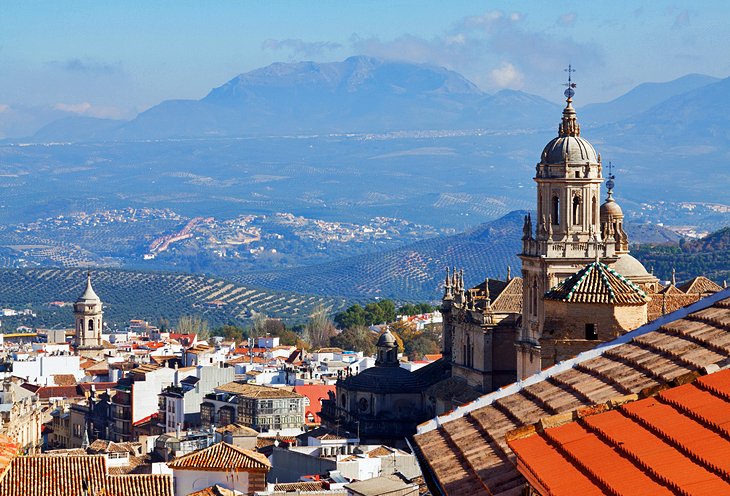
Jaén enjoys an idyllic natural setting at the foot of the Sierra de Jabalcuz and Sierra de la Pandera mountains, where the rolling hills are covered with expansive olive groves.
Steeped in history, Jaén originated as a walled Carthaginian town, and during Roman times was an area of silver mining. In the Moorish era, Jaén was the capital of the Islamic Kingdom of Jayyan, which was reconquered by Christian armies in 1492.
Must-see attractions are the UNESCO-listed Santa Iglesia Catedral de la Asunción de la Virgen, a remarkable Renaissance cathedral, and the renovated Arab Baths building that now houses the Manuel Moral International Museum of Naïf Art.
The most prominent site of Jaén is the majestic 13th-century Castillo de Santa Catalina, perched on a rocky hilltop. This old Moorish stronghold was captured in 1246 by King Ferdinand III.
Beautifully restored, the Castillo de Santa Catalina has been converted into a four-star luxury hotel, the Parador de Jaén with a swimming pool and luxuriant garden. Guest rooms feature traditional Andalusian decor and panoramic views of the landscape. The hotel's gastronomic restaurant serves regional cuisine including specialties such as Pipirrana (mixed vegetable salad) and Ensalada de Perdiz (partridge with salad).
13. Tarifa
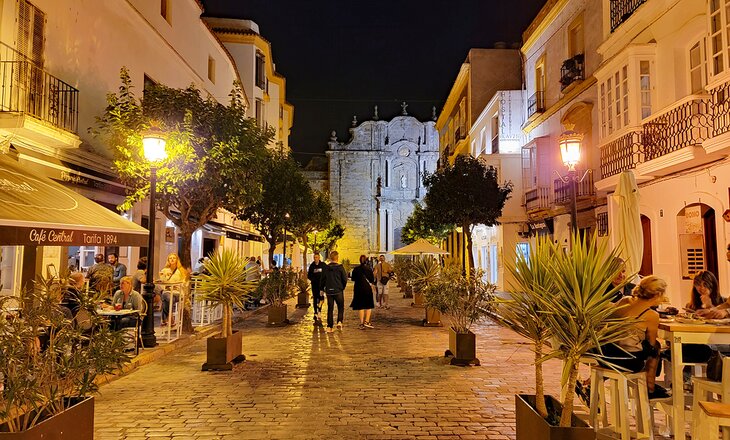
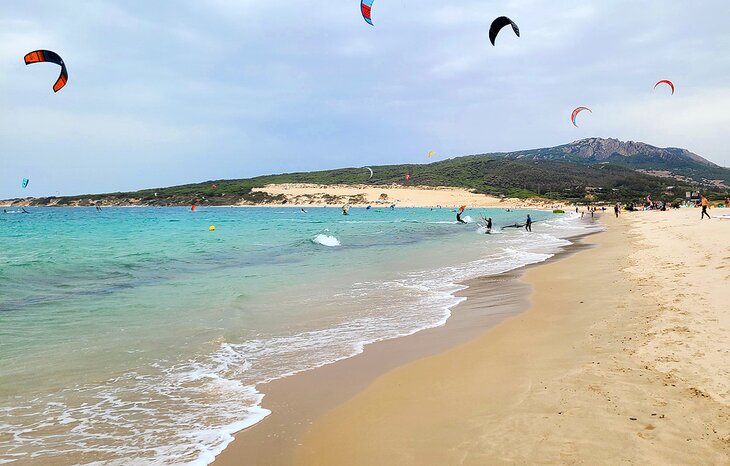
Located at the far southern tip of Andalusia, Tarifa is a fun and funky town that attracts a diverse and interesting crowd.
It has long been a destination for wind sport enthusiasts for its consistent and strong breezes, and the youthful vibe makes the place lively and enjoyable. Beaches both in town and down the way are some of the most beautiful in Spain. The spectacular Playa Valdevaqueros has golden sands, crystalline waters, and to top it all off, a huge sand dune at one end. Come here to be amazed by the sea of kiteboarders racing across the waters on a windy day.
Tarifa has a small and compact Old Town jammed full of great restaurants with patios full of tourists and locals enjoying the warm evenings. Check out Silos 19 for their exceptionally prepared duck dishes.
Camping is a popular and affordable pastime here and a string of delightful campgrounds are set just back from the beach.
Map of Tourist Attractions in Andalusia
More Related Articles on PlanetWare.com
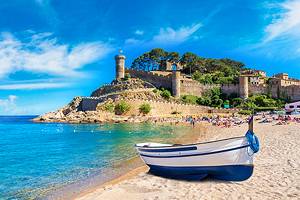
The Best of Spain: Andalusia may be the most emblematic region of Spain, but there are so many other must-see destinations throughout the country. For vacation-planning ideas, take a look at our article on the best places to visit in Spain. Beach lovers planning a summer holiday should read our list of the best beaches in Spain to decide on the ideal seaside locale.