Tourist Attractions in the Eastern Cape
The Eastern Cape Province in South Africa is astoundingly diverse and, in parts, deliciously undeveloped. In winter, snow sometimes dusts its distinctive mountain peaks, and in summer, its sparkling coastline lures throngs of surfers, swimmers, and sun lovers.
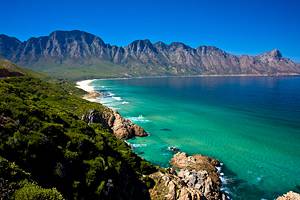
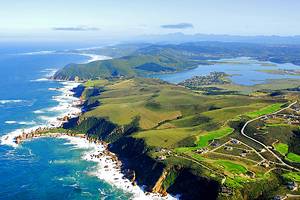
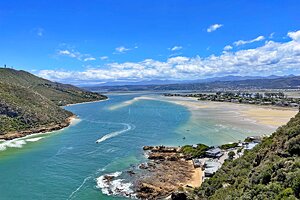
From the sea to the inland desert, the scenery of the Eastern Cape is spectacular. And there are so many things to do: sightseers can explore everything from ancient forests and gaping valleys to craggy sea cliffs and the lush coastline stretching from the Tsitsikamma section of Garden Route National Park to the subtropical Wild Coast.
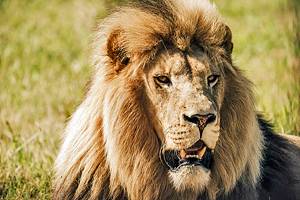
Inland, the rolling hills around Grahamstown are known as Settler Country, after the British migrants who settled these ancestral Xhosa lands in the early 19th century. Animal lovers can view a dazzling diversity of wildlife at the national parks and private game reserves, including the rare Cape mountain zebra, white lions, and rhinos. Travelers can also explore part of the Eastern Cape's coastline on the Garden Route scenic drive, which is one of South Africa's most revered routes.
Discover the best places to visit in this diverse region with our list of the top attractions in the Eastern Cape.
The Valley of Desolation
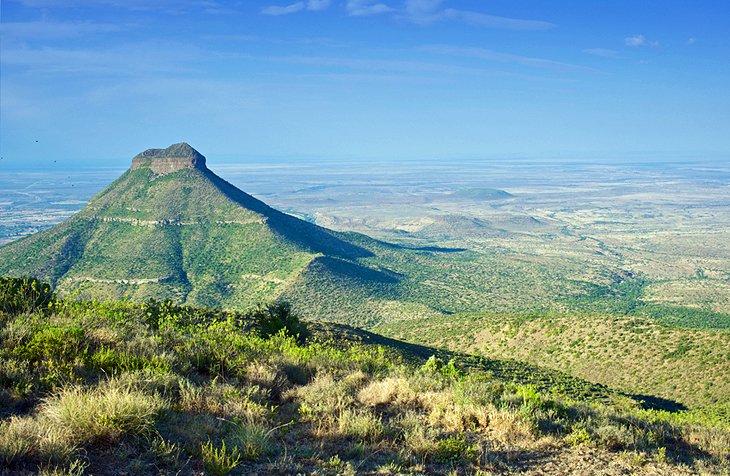
In Camdeboo National Park, which surrounds the town of Graaff-Reinet, the Valley of Desolation is one of the most striking natural features on the Eastern Cape. The access road climbs to 1,500 meters and ends at a parking area with well-maintained footpaths to panoramic viewpoints along the steep cliff face.
Here, visitors can enjoy spectacular views of towering dolomite rock pillars and the surrounding countryside where the shifting light plays upon the sweeping landscapes. To the south lie the semi-desert landscapes of the Great Karoo; to the east, Graaff-Reinet; and to the north, the distinctive peaks of the Sneeuberg Mountains.
For the best photos, visit at sunrise or especially sunset, when the deep, golden light imbues the landscapes with a honey glow. Wildlife in the park is diverse and abundant. Visitors can spot many species of birds, as well as mammals such as the Cape buffalo, kudu, springbok, and bat-eared fox.
The nearby town of Graaff-Reinet is also worth a visit for its restored Karoo-style homes and historic buildings. A highlight is Reinet House, a former parsonage in Cape Dutch style, which is now a museum with a large collection of 18th- and 19th-century furniture and farming equipment, as well as a doll collection from the First World War.
Official site: http://www.sanparks.org/parks/camdeboo/tourism/activities.php
The Wild Coast
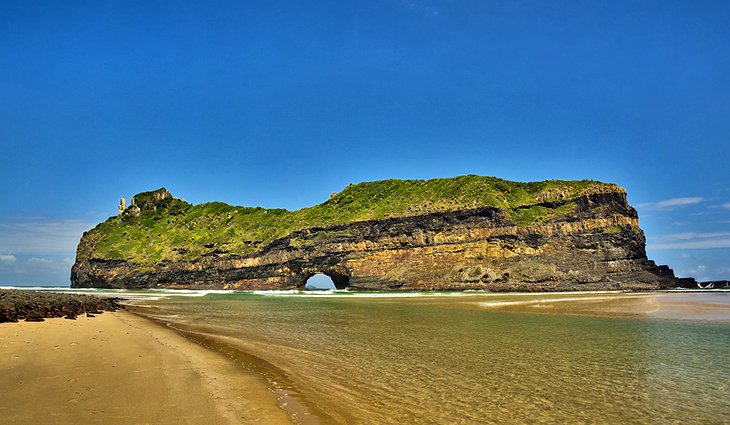
Stretching north of East London, South Africa's Wild Coast is a land of spectacular beauty. Craggy sea cliffs, wind-whipped beaches, subtropical forests, and hills cloaked in golden grass characterize this untamed wilderness, which skirts the Eastern Cape's northern coast, from the Mtamvuna River in the north to the Great Kei River in the south.
The Wild Coast is the ancestral home of the Xhosa people, as well as other tribes whose villages dapple the landscapes. During the apartheid era, the Wild Coast was part of the Transkei, one of four territories declared independent from South Africa, until it merged with the Eastern Cape province in 1994.
The best way to explore this rugged and remote region is by 4WD vehicle, but adventurous travelers can also hike along walking tracks connecting the local villages, or explore the area on horseback. Tourist highlights in the region include the popular Inkwenkwezi Private Game Reserve and the Hole in the Wall, a natural arch carved by thrashing surf.
Many travelers base themselves at towns such as Coffee Bay, Port St. Johns, and Morgan Bay and venture out into the surrounding wilderness for outdoor fun, such as ocean and river fishing, diving and snorkeling along the reefs and shipwrecks, and wildlife watching in the many nature reserves. Birding is also fantastic, with more than 320 species recorded in the region.
Addo Elephant National Park
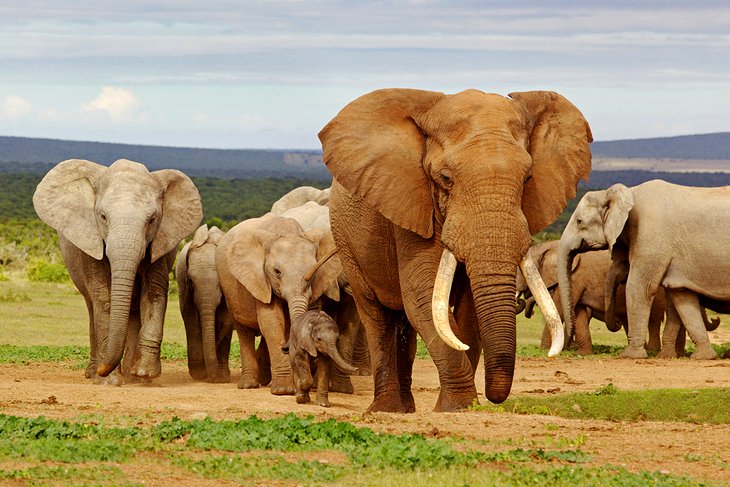
About 72 kilometers north of Port Elizabeth, Addo Elephant National Park is the third largest national park in South Africa. It was founded in 1931 to save the last 11 South African bush elephants from extinction, and today provides a habitat for more than 600 elephants, as well as a host of other fascinating creatures.
Stretching from the Karoo to the coast, the park also includes offshore islands, which are home to important breeding populations of Cape gannets and African penguins. Thanks to its diversity of ecosystems, the park's claim to fame is that it's the only national park in the world to protect the Big 7–the Big 5 (elephant, rhino, Cape buffalo, lion, and leopard) as well as the great white shark and southern right whale.
Wildlife lovers can also spot zebras, antelope, an impressive array of birds, and nocturnal animals such as porcupines, anteaters, and bush pigs. As well as guided day and nighttime game drives, visitors can enjoy other adventures such as horseback riding and hiking trails.
The park welcomes day visitors who can choose to explore the wilderness in their own vehicles or opt for a guided tour. For overnight visitors, accommodation is available in cottages, chalets, or campsites.
Official site: http://www.sanparks.org/parks/addo/default.php
The Storms River Suspension Bridge
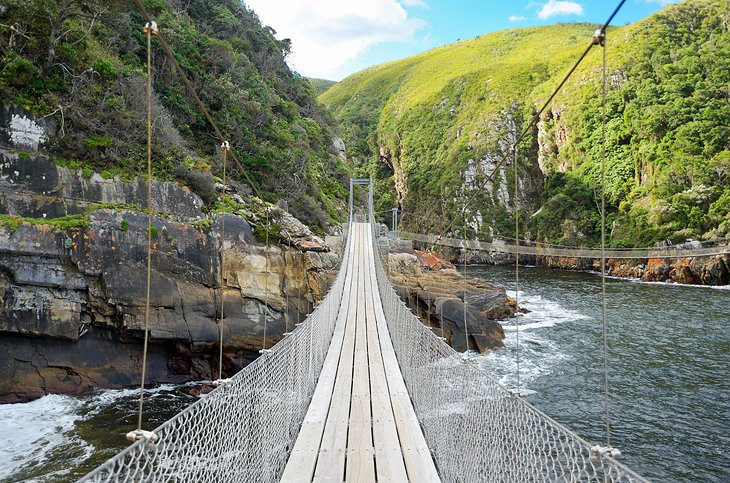
Along the famous Garden Route, a 200-kilometer-plus scenic drive, which stretches from the Eastern Cape to the Western Cape, the Storms River Suspension Bridge is one of the most popular attractions in Tsitsikamma National Park, a spectacular coastal reserve that is now part of Garden Route National Park.
The 77-meter-long bridge spans the foaming, froth-topped waters of the Storms River mouth, which swirl and splash less than seven meters below the bridge as they merge with the Indian Ocean. Standing on the bridge, visitors feel as though they are floating above the thrashing sea.
To access the bridge, visitors hike through 900 meters of beautiful bird-rich forests with waterfalls and plenty of lookout points to stop and rest while admiring the sea views. Two smaller suspension bridges lead hikers back to the pathway for their return journey. After the rewarding walk, which takes about 30 minutes each way, hungry hikers can refuel at the nearby lodge restaurant.
Mountain Zebra National Park
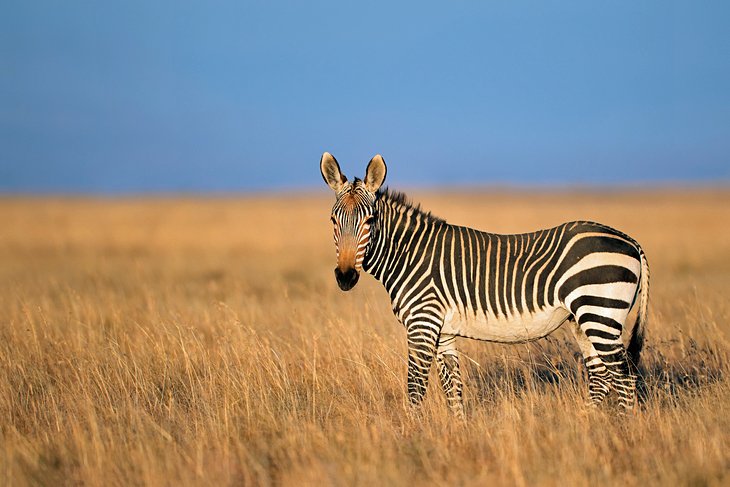
Mountain Zebra National Park offers nature lovers the chance to see a fascinating array of wildlife against the backdrop of magnificent mountain scenery. Established in 1937 to ensure the survival of the Cape mountain zebra, the park lies about 24 kilometers southwest of Cradock on the northern slopes of the Bankberg range, with peaks rising up to 2,000 meters.
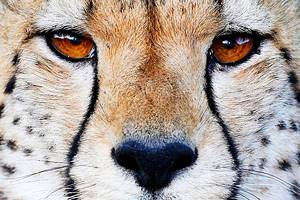
In addition to a healthy population of Cape mountain zebras, which are smaller than their common counterparts, the park is also home to springbok, kudus, caracals, jackals, cheetahs, lions, Cape buffalo, black rhinos, and many species of birds. Lucky visitors might also catch a glimpse of the shy aardwolf.
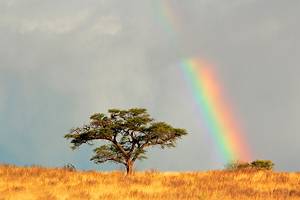
Wild olives, sumac, and thorny acacias dot the arid and rocky landscapes, and the sweeping grasslands fringing the driving route allow views of grazing wildlife. Visitors can also view San (Bushman) paintings dating from about 300 years ago. Other activities include paddling in the park's swimming pools, hiking the nature trails, and exploring the 4WD tracks.
Guests can also tour the park in their own 2WD vehicles. Accommodation ranges from a guest house to family chalets and campsites, all with access to a shop and a la carte restaurant.
Official site: http://www.sanparks.org/parks/mountain_zebra/
Jeffreys Bay Surf Break
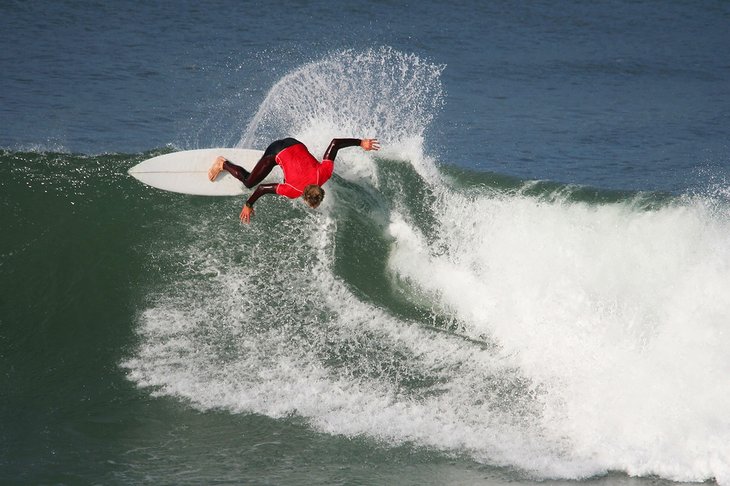
About 77 kilometers southwest of Port Elizabeth, Jeffreys Bay, affectionately called J-Bay, is one of the world's top surfing spots. In particular, the beach is known for its superb right-hand point break, a consistent and exceptionally long and fast tubing formation along the west side of the bay.
The break is divided up into sections; Supertubes is the most famous and can break for more than 300 meters. For the best swells, surfers should aim to visit between May and September when offshore winds provide ideal conditions. But for swimmers, the summer months (December through February) are the prime time, when the weather is warm and sunny, and the water warms up.
The town itself is one of the fastest growing on the Eastern Cape and is a favorite vacation destination–especially for South Africans who come here to relax on the beaches, feast on fresh seafood, and swim at the excellent Blue Flag Beach. Between June and October, whales can often be spotted offshore. At the Noorskloof Nature Reserve, an attractive footpath winds its way along a river for three kilometers where hikers may spot antelope and vervet monkeys.
Northeast of town, the Kabeljous Nature Reserve encompasses a pristine estuary with fantastic opportunities for fishing, while to the south of town, at the little resort of Aston Bay, the Seekoei River Nature Reserve is a popular destination for birders with more than 120 species recorded in the area. Nearby Paradise Beach is also a beautiful stretch of shoreline and a great spot to hunt for seashells.
Baviaanskloof Wilderness Area
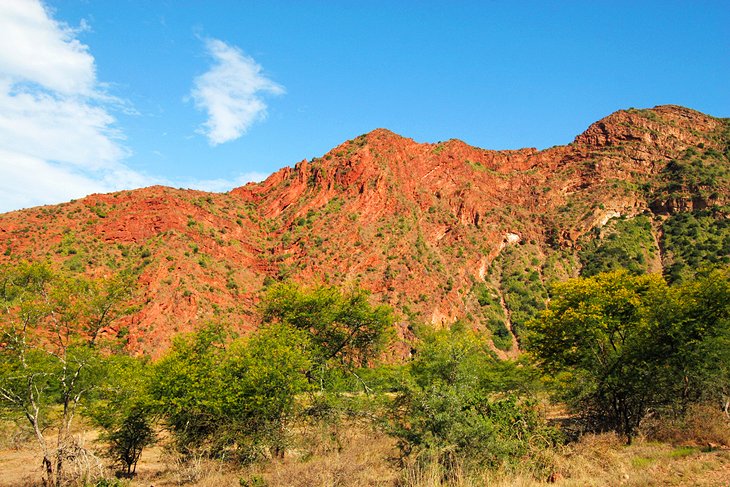
About 90 kilometers west of Port Elizabeth, the spectacular landscapes of the Baviaanskloof Wilderness Area offer a rough and rugged 4WD adventure. This UNESCO World Heritage Site is South Africa's third largest inland conservancy with an incredibly rich biodiversity. In addition to mountain zebras and Cape buffalo, nature lovers may also spot the area's namesake baboons (Baviaanskloof means "Valley of Baboons"), vervet monkeys, mongoose, and many species of birds, including fish-eagles. Hiking is also rewarding–especially for those who enjoy peace and solitude.
The most popular driving route for travelers runs from Patensie in the east to Willowmore in the west and follows the 200-kilometer-long Baviaanskloof valley with beautiful red rock and green-cloaked mountains rising to the north and south. Leave plenty of time, as the roads are weather-beaten dirt tracks that are particularly challenging after heavy rains. The route can take up to six hours to drive and even longer depending on conditions.
The route traverses two mountain passes with magnificent views, as well as low-water crossings. Four wheel drives are highly recommended and essential in parts. Basic accommodation and campsites are available for those who wish to stay overnight.
Official site: http://www.baviaans.co.za/
Port Elizabeth Beaches
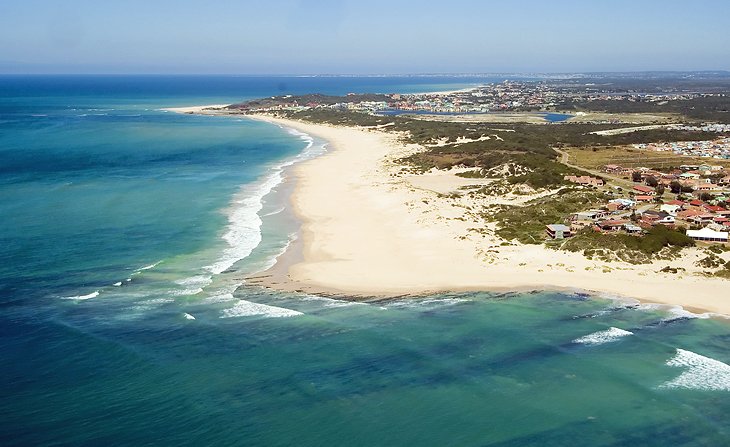
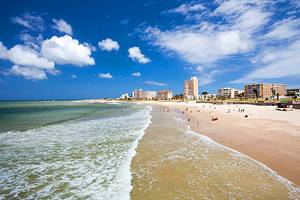
Port Elizabeth, the popular tourist town at the end of the Garden Route, features more than 40 kilometers of clean and safe surf-washed beaches along sparkling Algoa Bay. Not surprisingly, water sports are a favorite pastime.
Swimmers can paddle at a clutch of beaches boasting the coveted Blue Flag status, awarded for exemplary water quality and safety, including Kings Beach, one of the most popular thanks to its nearby restaurants and skate park. Wells Estate Beach with a paddling pool and water slides and Humewood Beach are two more options. Surfers can ride the waves at Pollock Beach, and SCUBA divers and snorkelers can immerse themselves in the underwater world at beautiful Sardinia Bay, which lies in a marine reserve.
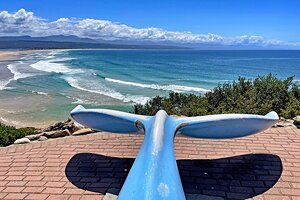
Fishing is best along the northern beaches such as Bluewater Bay and Brighton Beach. For both swimming and windsurfing, head to Hobie Beach, near the Boardwalk entertainment complex. Depending on the time of year, visitors can also enjoy the coast aboard a whale watching cruise with the chance to spot migrating humpbacks, Southern right whales, and Bryde's whales.
- Read More: Tourist Attractions in Port Elizabeth
Inkwenkwezi Private Game Reserve
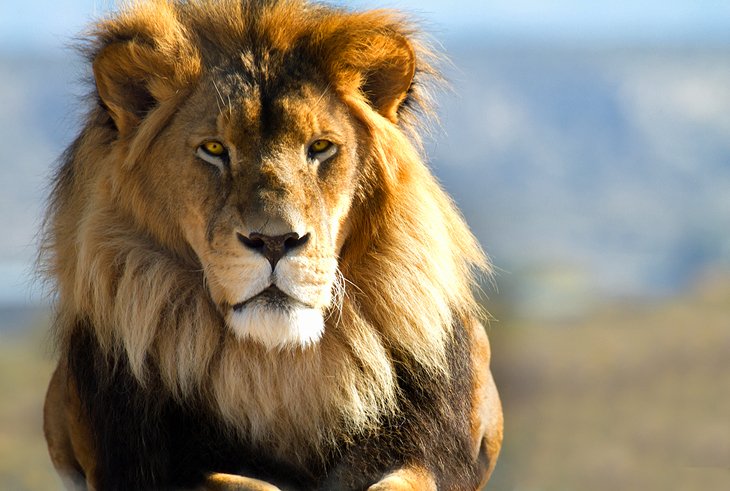
Inkwenkwezi Private Game Reserve, on South Africa's Wild Coast, about 33 kilometers from East London, offers an exhilarating safari adventure.
Thanks to its range of ecosystems, the park is home to an astounding diversity of wildlife including lions, Cape buffalo, rhinos, zebras, giraffes, and many species of antelope. Birdlife is also abundant, with more than 285 different species recorded in the park. Another highlight here are the white lions in a separate 150-hectare reserve.
Day visitors are welcome and can choose to explore the park in their own car or on a guided tour in an open-topped 4WD vehicle. Other adventure options include quad bike tours, a forest walk, and canoe trips.
Many visitors stay overnight in luxury tents that blend beautifully with the surrounding wilderness, but accommodation is also available in a nearby lodge.
Another popular choice for a plush safari is Shamwari Game Reserve about 75 kilometers from Port Elizabeth.
Official site: http://eastlondon-info.co.za/
Grahamstown: Settler Country

In a sheltered basin 60 kilometers from the south coast and half way between Port Elizabeth and East London, historic Grahamstown is the capital of Settler Country, where white settlers battled the Xhosa in the early 19th century. Despite its turbulent history, today Grahamstown is a vibrant cultural center thanks to Rhodes University and its many other educational institutions. The Grahamstown Arts Festival, famed throughout South Africa, is held annually at the end of June, when the town becomes a gigantic stage hosting an impressive lineup of cultural events.
Grahamstown is also often called the "city of saints," due to its many churches, which are said to number more than 40. The queen of them all is the splendid Cathedral of St. Michael and St. George with the tallest spire in South Africa.
To learn about the town's history, visitors should stop by the Observatory Museum, with a Victorian-style interior and displays of old furniture and antique telescopes. The camera obscura here, still the only one in South Africa, shows an image of the town and its surroundings in clear weather.
Another top tourist attraction here is the Settlers Monument, a modern cultural center opened in 1974, which is the venue of the popular Arts Festival. A bronze monument at the entrance depicts a settler family in typical early 19th-century dress.
Owl House
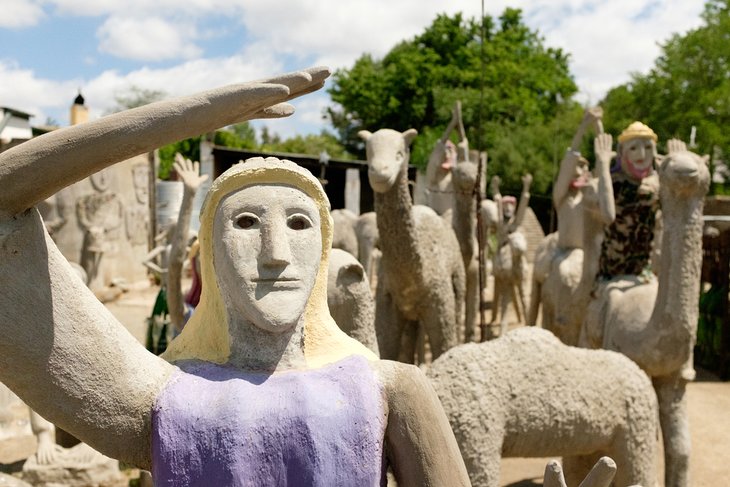
In the little hamlet of Nieu-Bethesda, about 50 kilometers from Graff-Reinert, in the heart of the Karoo is the Owl House. The quirky little museum draws in thousands of visitors to the small village each year who come to see the work of eccentric sculptor and recluse Helen Martins.
Martins lived on the property between 1945 and 1976 and during that time created hundreds of owls, camels, mermaids, pilgrims and other characters out of old bottles, pieces of cement, glass, mirrors, and wires in an effort to combat the boredom of living in the middle of nowhere. Today, you can purchase tickets to see Martins work at the Owl House and the Camel Yard out front.
Official site: https://www.theowlhouse.co.za/
Bloukrans Bridge Bungee Jump
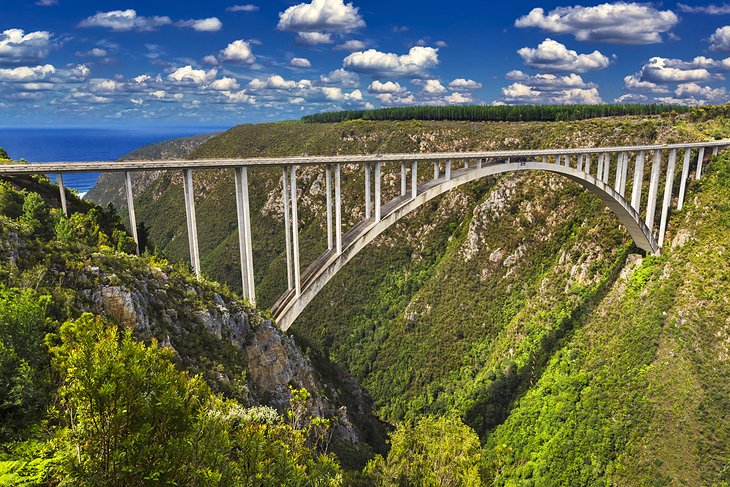
Located right at the border of the Eastern and Western Cape provinces near the town of Nature's Valley on the Garden Route, the Bloukrans Bridge is South Africa's most famous spot for bungee jumping. Spanning the Bloukrans River below, the arch bridge was constructed in the early 1980s and is the highest of its kind in the country.
The Bloukrans bungee jump is the highest commercial bungee jumping operation in the world at 216 meters–more than 700 feet. Jumping is quite an adrenalin rush, but the operation, run by Face Adrenalin, is also very safety focused. You will be wearing a full body harness with an ankle connection to minimize possibilities of injury.
If you aren't quite ready to take the leap but still want to feel a little adrenaline buzz, you can follow the walkway under the bridge to the bungee platform. Walking along, you'll get a sense of the height of the bridge without plunging off it. This is also a good spot to cheer on braver friends or family members.
Official site: www.faceadrenalin.com
Route 67
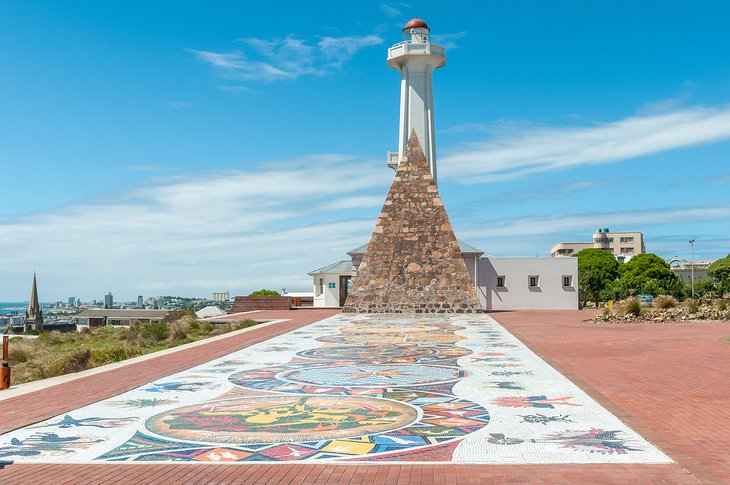
The Eastern Cape is the late Nelson Mandela's birthplace. Madiba was born in the rural village of Mvezo on the Wild Coast in 1918. Today the province celebrates Mandela's legacy with a number of attractions dedicated to him. One of the most powerful is Route 67 in Port Elizabeth.
The self-guided walking route consists of 67 pieces of art inspired by Mandela. The number 67 comes from the 67 years South Africa's first Black president devoted to public service (although more than 27 of these years were spent in prison). The route starts at the Campanile on Strand Street and ends at the Great Flag in the Donkin Reserve.
The most powerful piece on the route is the Voting Line Sculpture, which stands 38 meters high in the Donkin Reserve. It is a cut-out in steel of Mandela with his first raised in the air. It is the work of artists Anthony Harris and Konrad Geel.
Chintsa
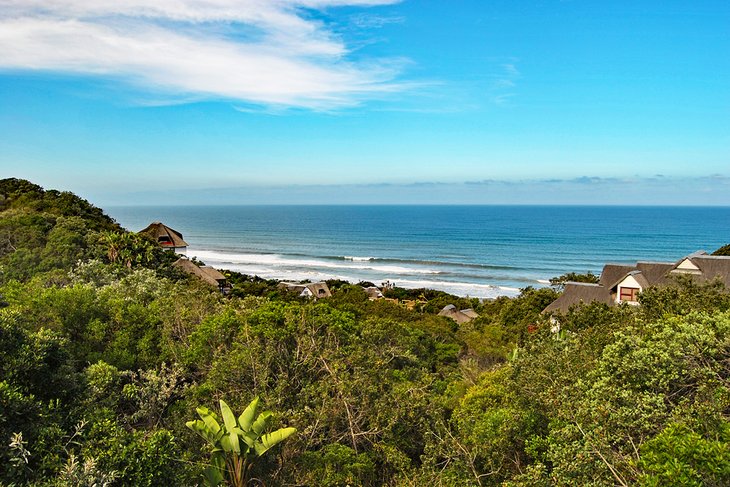
Just outside the boundaries for the Wild Coast and just 45 kilometers from East London, Chintsa is one of the most charming beach towns in the Eastern Cape. Its name comes from the river on which it sits, which means "crumbling banks" in the local Xhosa language. Backed by the rolling green hills and thick indigenous forests that give the region its wild look, Chintsa boasts a gorgeous stretch of gold-sand beach and windswept dunes. It still remains wonderfully devoid of large-scale development.
Because it sits on a lagoon, the sea here is also mostly flat with just small waves, making it a popular summer vacation spot for families. There are a handful of lodging options and restaurants in the two small villages on the Chintsa River's banks.
Map of Tourist Attractions in the Eastern Cape
More Related Articles on PlanetWare.com
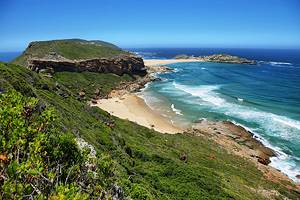
Western Cape: From the Eastern Cape head west on the N2 until you hit the Western Cape, which begins around Natures Valley on the famed Garden Route. For more on this fascinating province, see our Tourist Attractions in the Western Cape page. Here, you'll be introduced to all this magical province has to offer–from Africa's southernmost point, Cape Argulhas, to its most beautiful city, Cape Town.
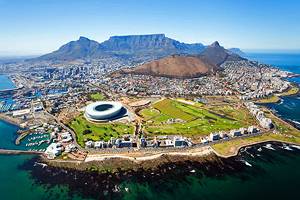
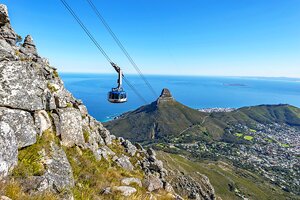
Cape Town: Cape Town is the biggest city in the Western Cape and a destination in its own right. Home to stunning scenery, lots of culture, and beautiful beaches, the Mother City dazzles. See our Tourist Attractions in Cape Town & Easy Day Trips guide for a more in-depth read. It will introduce you to top things to do, like riding the gondola to the top of Table Mountain and exploring the V&A Waterfront.