19 Top-Rated Tourist Attractions in Córdoba
Córdoba lives in the shadow of its monumental past. During the 10th century, it was the greatest capital city of Europe, surpassing Paris and Rome in its academic, architectural, and artistic achievements. Many of Cordoba's main attractions relate to the city's history.
This fascinating Andalusian city is still a kind of western Mecca because of La Mezquita, the UNESCO-listed mosque that is one of the most splendid Islamic buildings in Europe.
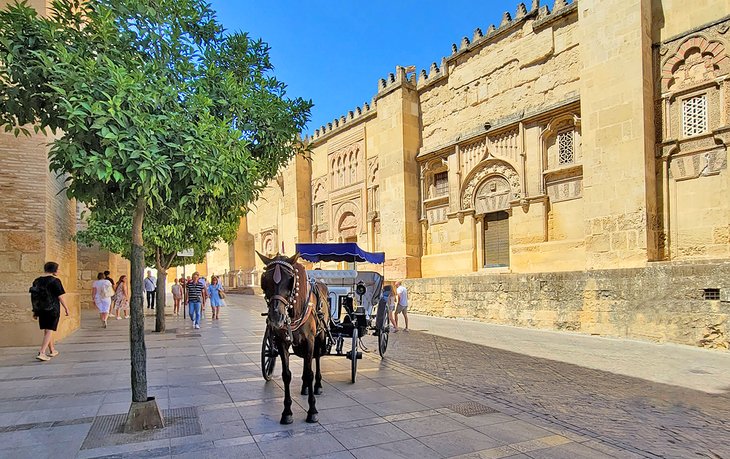
Wandering through the charming labyrinth of narrow, winding streets in the Judería (historic Jewish quarter) is one of best things to do if you are a first-time visitor. The quiet squares offer shady places to rest, and the whitewashed houses feature colorful flower-adorned patios.
Córdoba is also renowned for its artisan crafts and gastronomy. Be sure to sample the local specialties such as Naranja con Aceite y Bacalao (salt cod with olive oil and oranges); Salmorejo (fresh tomato soup, like gazpacho but heartier); and Pastel Cordobés, an Arab-influenced pastry filled with citrus-infused cream.
Discover the best places to visit with our list of the top attractions and things to do in Cordoba.
See also: Where to Stay in Córdoba
- 1. La Mezquita (The Great Mosque)
- 2. Wander through the Judería (Old Jewish Quarter)
- 3. Alcázar de los Reyes Cristianos
- 4. Fiesta de los Patios de Córdoba
- 5. Calleja de las Flores (Alley of the Flowers)
- 6. Palacio de Viana
- 7. Puente Romano (Roman Bridge) and Calahorra Tower
- 8. Puerta del Puente
- 9. See the Andalusian Horse Equestrian Show
- 10. Museo Arqueológico de Córdoba (Archeological Museum)
- 11. Museo de Bellas Artes
- 12. Museo Julio Romero de Torres
- 13. Jardín Botánico de Córdoba
- 14. Iglesia de San Lorenzo
- 15. Iglesia de San Miguel
- 16. Medina Azahara
- 17. Las Ermitas (Hermitages of Andalusia)
- 18. Visit nearby Castillo de Almodóvar del Río
- 19. Day Trip to Parque Natural de las Sierras Subbéticas
- Where to Stay in Córdoba for Sightseeing
- Tips and Tours: How to Make the Most of Your Visit to Córdoba
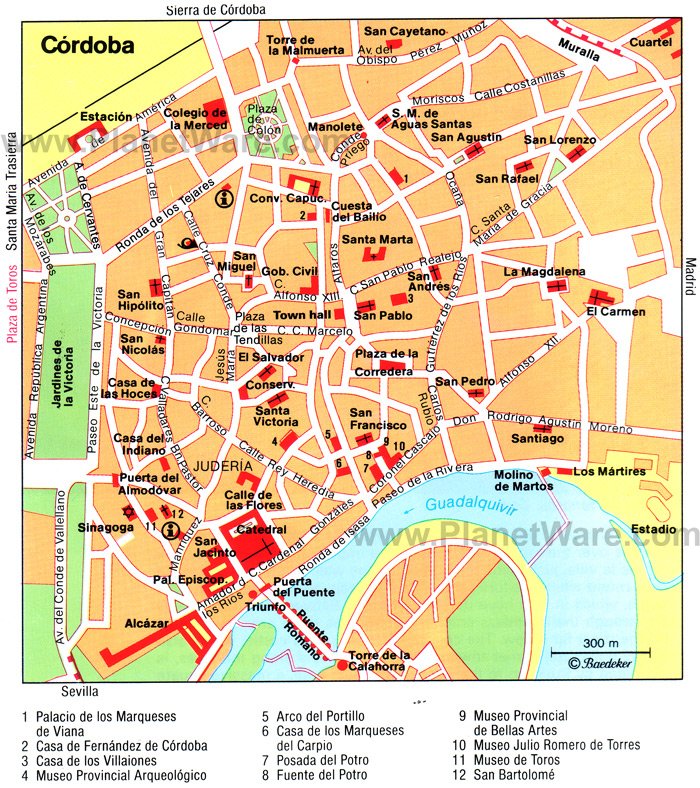
- Map of Tourist Attractions in Córdoba
1. La Mezquita (The Great Mosque)
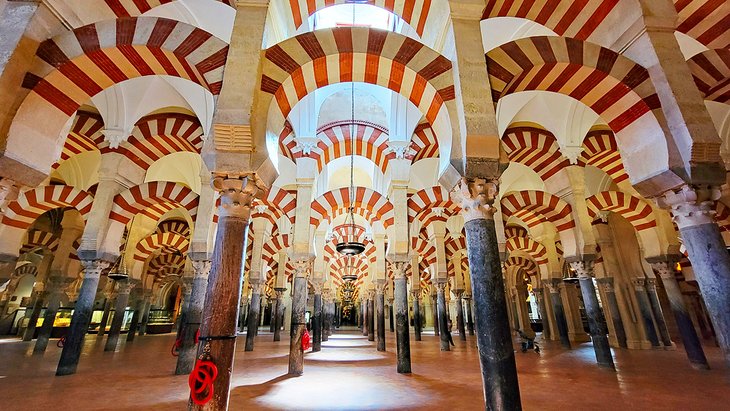
La Mezquita is the Great Mosque that was created for the Caliphate of Córdoba, an important Moorish kingdom of Andalusia. Built in the eighth century, the UNESCO-listed Mezquita is a masterpiece of Islamic architecture and is considered one of the most striking monuments of Moorish Spain.
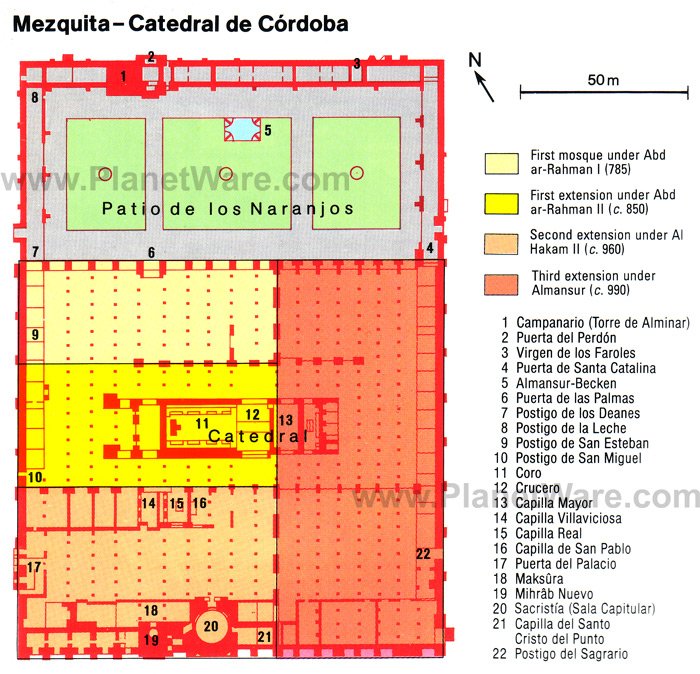
The entrance is through the Puerta del Perdón gateway that leads into the picturesque Patio de los Naranjos (Patio of Oranges) that is planted with fragrant orange trees and palms. This patio is where the ablutions prescribed by Islamic law were performed.
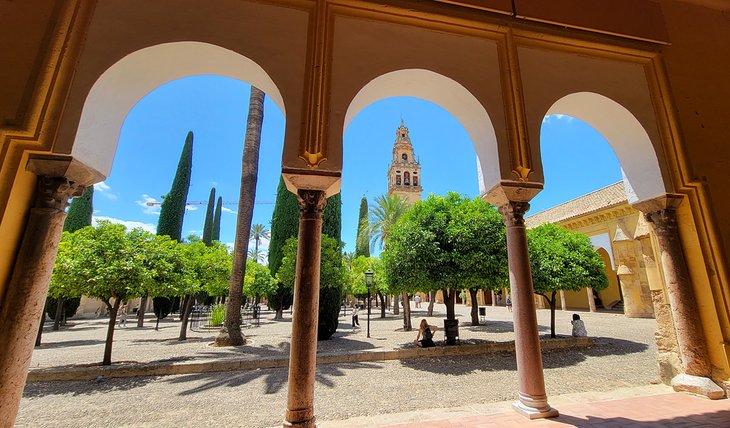
From the Patio de los Naranjos, you reach the Mudéjar-style Puerta de las Palmas, which opens into the prayer hall of the mosque. This impressive hall is an endless forest of 856 columns and awe-inspiring arches. The marble and jasper columns are linked by red and white horseshoe arches.
In the prayer hall, the mihrabs (prayer niches) mark the direction of Mecca. The Mihrab Nuevo, which displays the Koran, is an incomparable work of Islamic decoration. Crafted from a single block of marble, it is covered with a great profusion of floral and geometric patterns and verses from the Koran in Arabic script.
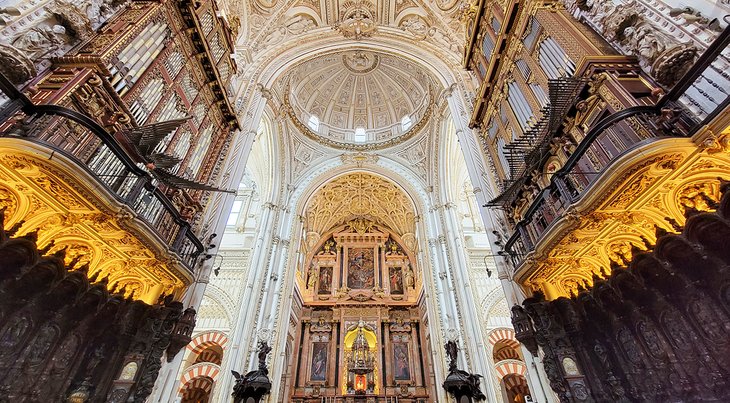
The mosque was converted to a cathedral in 1523 by the Catholic Monarchs. The cathedral's sanctuary, with its Gothic choir, was plopped right in the center of the mosque, while keeping the basic framework of the Islamic architecture. The mosque-to-cathedral conversion makes for an incongruous sense of design but serves as a reminder of Córdoba's multicultural heritage.
If all this information seems difficult to remember in advance of your visit, consider taking the one hour Mosque Cathedral of Cordoba tour. This includes your admission, so you can avoid the lines, and a knowledgeable guide to show you around.
2. Wander through the Judería (Old Jewish Quarter)
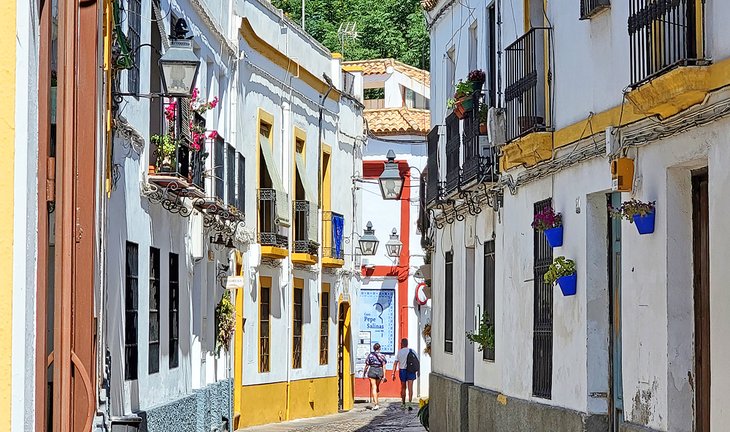
The old Jewish quarter is one of the most delightful areas of Córdoba to explore. With its narrow lanes, whitewashed houses, flower-filled patios, and quiet little squares, this area has an enchanting atmosphere.
Besides the Andalusian ambience, highlights of this historic neighborhood include two important Jewish monuments: the 15th-century Mudéjar-style synagogue at the center of the quarter and the Casa de Sefarad (House of Spanish Jews) museum; both sights are on the Calle Judíos.
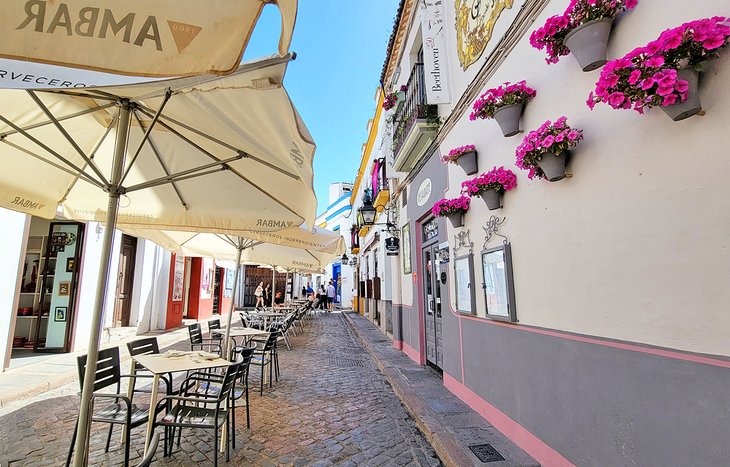
The Casa de Sefarad has been restored to its 14th-century glory and features five themed rooms that illustrate the history and culture of the Sephardi (Spanish Jews).
If you're looking for a special souvenir, wander through the Zoco Mercado Municipal Artesano to see artisans at work and to purchase some of their works. It's set in a quiet and scenic square not far from the historic Synagogue.
3. Alcázar de los Reyes Cristianos
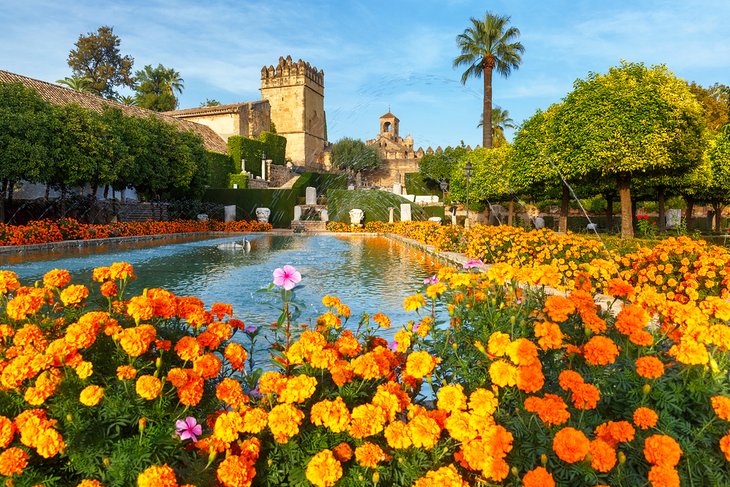
To further explore Córdoba's multicultural heritage, visit the Alcázar across from the Puente Romano bridge on a site that includes Roman and Visigoth ruins. This former Caliphal Palace was home to the Moorish rulers until the city was conquered by Catholic King Fernando III in 1236.
The square called the Plaza Campo Santo de los Mártires in front of the main building is the site where Christian martyrs were executed. Some of the castle's ancient defense walls and towers date back to the Moorish era, but most, including the Tower of the Inquisition, were built later when the Christian Monarchs improved the fortress' citadel.
Typical of Andalusian architecture, the Alcázar is made up of various halls around courtyards filled with exotic flowers, trees, and aromatic plants. The palace contains an antiquities collection including fine Roman mosaics in the Hall of the Mosaics where the items were discovered.
Within the ancient walls on the Alcázar grounds are beautiful Arabian-style gardens featuring ornamental pools, hedges, and decorative fountains. From spring through autumn, colorful flowers bloom throughout the grounds. On summer evenings, the fountains are illuminated.
Unlike the Mezquita, where admission waits are generally not an issue at any time (except for the Bell Tower), lines to get into the Alcázar can be long and tend to move slowly. It's best to visit here early in the day.
Address: Plaza Campo Santo de los Mártires, Córdoba
4. Fiesta de los Patios de Córdoba
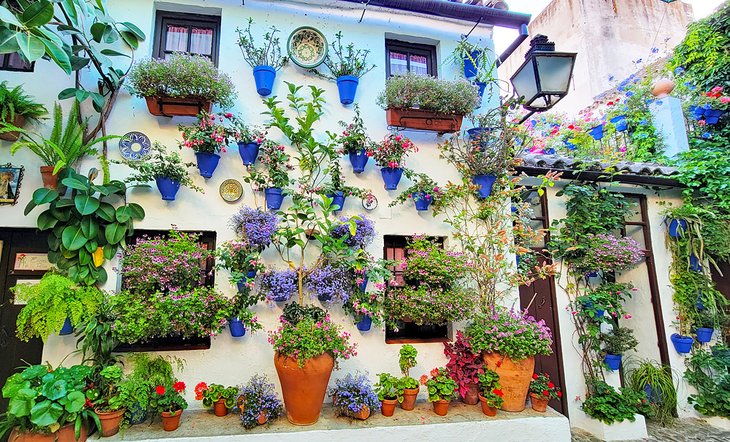
The beauty of Córdoba is in full bloom every year (usually in May) during the Fiesta de los Patios de Córdoba. This popular festival is a competition among Córdoba residents for the prestigious prize of most beautiful patio.
Locals welcome visitors into their patios (interior courtyards of private homes), bedecked with potted geraniums, carnations, and other colorful flowers. Fragrant jasmine and citrus blossoms perfume the courtyards.
These UNESCO-listed courtyards also feature flowing fountains, bougainvillea, and ornate Moorish architectural details such as arcaded porches and decorative ceramic tiles.
You'll find plenty of things to do during this festive event, from watching flamenco dancing and musical performances to sampling tapas from local restaurants.
To get a glimpse of the gorgeous patios bursting with vibrant blossoms, wander around the Alcázar Viejo district, between the Alcázar and the Iglesia de San Basilio; around the Santa Marina district; around the Iglesia de San Lorenzo; and near the Iglesia de la Magdalena.
Many exquisite patios as well as the Calleja de las Flores (Alley of the Flowers) are found in the old Jewish quarter, the area surrounding the Mezquita.
The most elegantly decorated historic patios of Córdoba can be seen in the Palacio de Viana featuring 12 different courtyards.
Note that an admission fee is charged to enter many of the patios. You can collect a pass at the visitor center prior to starting your own tour. Alternatively, sign up for the Patios and Flowers Guided Tour. You'll get guaranteed admission to all the best patios with a local guide who will explain the history and highlights.
5. Calleja de las Flores (Alley of the Flowers)
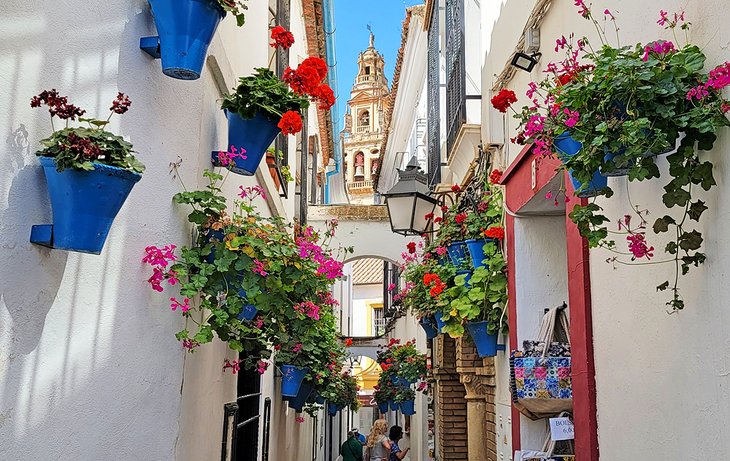
One of the highlights of the old Jewish Quarter in Cordoba is the narrow and colorful Calleja de las Flores. Located off Calle Velazquez Bosco, the street is easily missed if you aren't looking out for it.
Stroll slowly up the street and soak up the colorful and aromatic flowers. The street is relatively short, and before too long, you'll emerge into a small plaza. At this point, turn around and look back down the street and up. This view is an iconic Cordoba photo: the Calleja de las Flores with the Mezquita Bell Tower in the background.
6. Palacio de Viana
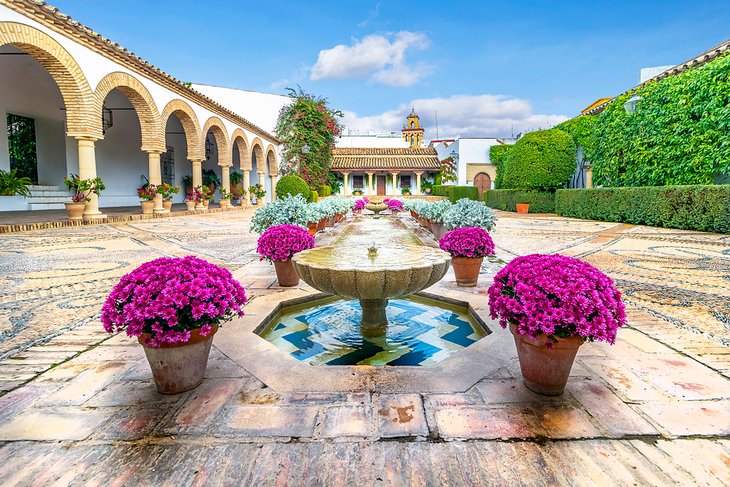
The Palacio de Viana is an aristocratic palace that dates back to the 15th century. Open to the public as a museum, the palace features the original decor of previous owners. You have a chance to admire an exceptional assortment of paintings, antique furniture, and tapestries.
A highlight of the Palacio de Viana is its outdoor space. The grounds include 12 patios designed in the Andalusian style with decorative fountains and lush landscaping. Each patio reveals a unique style, from the 16th-century reception courtyard with porticoed galleries to a courtyard filled with fragrant orange trees.
The garden is entered through an ornate stone gateway featuring the arms of the Viana family. Within the lavish grounds are fountains, formal parterres, pebbled paths, and elegant arcades. Lovely date palms, vibrant bougainvillea, and sweet jasmine are planted throughout the garden.
The Palacio de Viana and its patios are open to the public year-round, except on Mondays and some holidays. Entrance is free of charge on Wednesday afternoons.
Address: Plaza de Don Gome, Córdoba
Official site: https://www.palaciodeviana.com/
7. Puente Romano (Roman Bridge) and Calahorra Tower
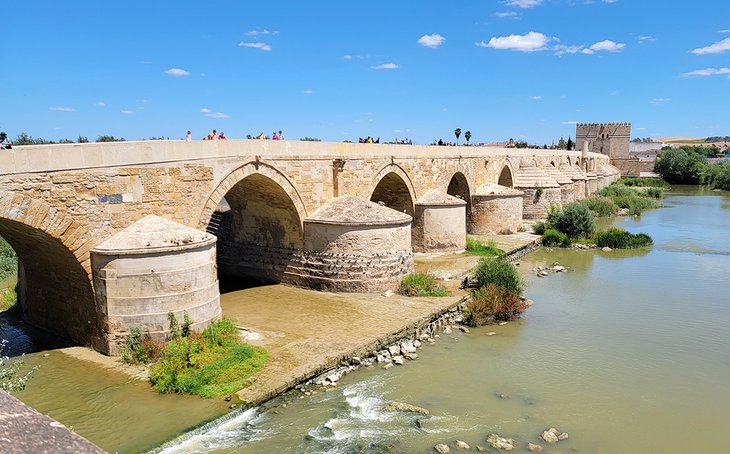
Another famous site in Cordoba is Puente Romano, a vestige of the ancient Roman era. The 16-arched bridge spans the Río Guadalquivir and is located directly behind the Mezquita.
The bridge was originally built after Caesar's victory over Pompey the Great. Later, a Moorish bridge was built on the foundations of the Roman bridge.
Sitting at one end of the bridge is the Torre de la Calahorra, a 12th-century gate tower. The tower once functioned as part of the city's medieval fortifications. During the Christian Reconquest in the 13th century, this gate tower made it difficult for the Catholic king, Fernando III, to enter Córdoba.
The Calahorra Tower now houses the Museo Vivo de Al-Andalus. This museum explores the religious and cultural elements that have formed the Andalusian identity. The museum celebrates the period in history when the Christian, Jewish, and Muslim communities of Córdoba lived together in harmony.
8. Puerta del Puente
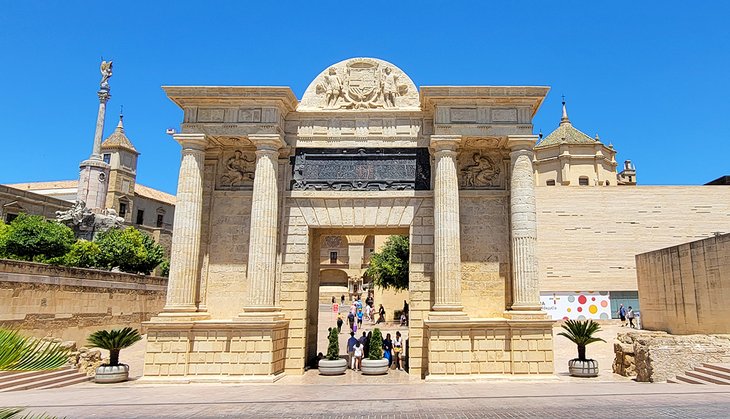
As you wander over towards the old Roman Bridge from the Mezquita, you'll pass through the impressive Puerta del Puente. This towering gate is an imposing structure dating from the mid 14th century.
Due to cost overruns, the gate was never quite finished. It wasn't until the early 20th century when Alfonso XIII ordered the creation of the structure you see today.
The soft yellow stones are especially photogenic late in the day, which is when you'll also find the best shots of the Puente Romano. If you find you've got a bit of hunger building from all your walking about, head east down Rda. de Isasa and grab a patio seat at Bodegas Mezquita (Ribera) for some of the best food in town.
9. See the Andalusian Horse Equestrian Show
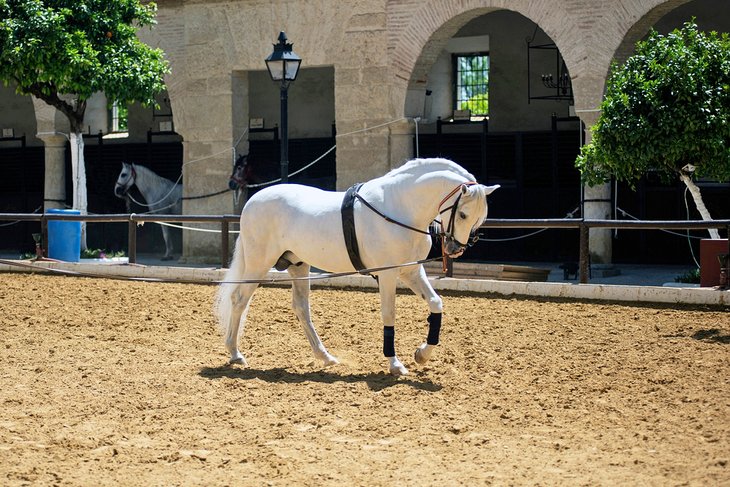
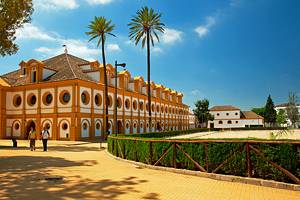
Cordoba is home to the ancient Royal Stables, commissioned by Felipe II, and dating from 1570. The impressive structure, complete with vaulted ceilings, cobblestone floors, and solid stone pillars, has survived almost intact (except for a fire in 1735). Today this spectacular setting is home to one of Cordoba's most impressive and enjoyable attractions, the Passion and Spirit of the Andalusian Horse Equestrian Show.
Every Wednesday, Friday, and Saturday a show takes place that showcases the incredible talent that the specially bred Andalusian horse has to offer. It's a horsey spectacle that the entire family will enjoy.
10. Museo Arqueológico de Córdoba (Archeological Museum)
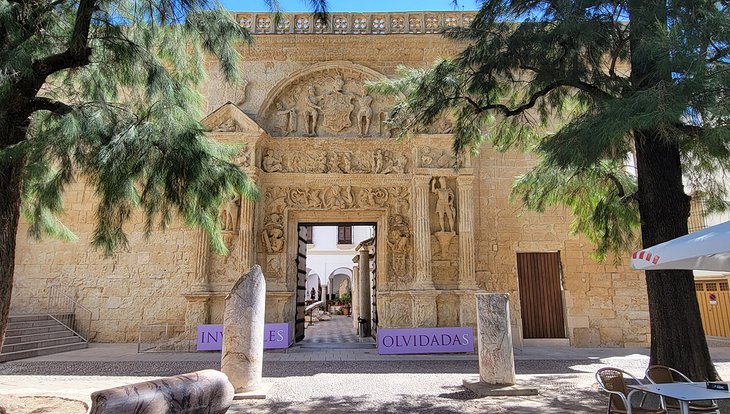
Set on the edge of a shady square, this museum has an inviting façade that begs to be entered.
Housed in the Palacio de los Páez de Castillejo, the museum also has an archaeological dig site on the premises. Here, you'll find the city's original Roman amphitheater, as well as homes and workshops dating back to the Middle Ages, all of which were discovered long after the museum found its home here.
This museum represents the most complete collection of historic Spanish artifacts in the world, with over 30,000 items in total. Exhibits include prehistoric artifacts; ancient Iberian items such as sculptures and reliefs, Moorish art, and Roman antiquities; and archaeological finds from Medina Azahara.
Address: Plaza de Jerónimo Páez, 7, 14003 Córdoba
11. Museo de Bellas Artes
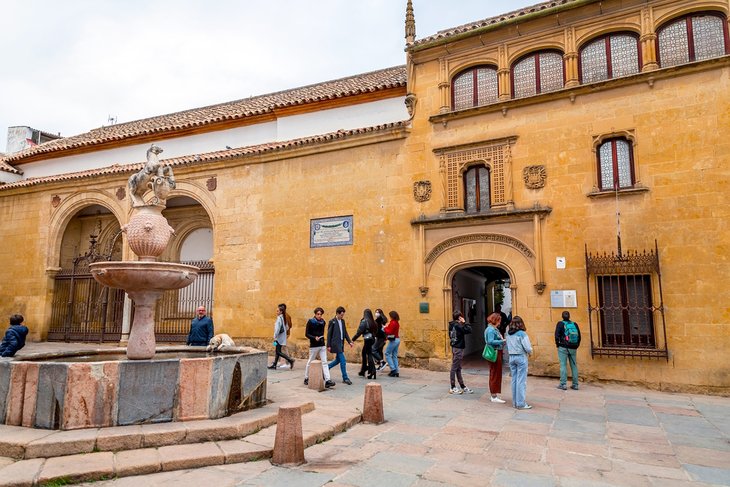
Córdoba's Museum of Fine Arts is housed in the former Hospital de la Caridad de Nuestro Señor Jesucristo, a 15th-century hospital that belonged to a Catholic monastery. The museum has an excellent collection of Spanish paintings from the 15th to the 21st centuries.
Highlights include the works by Zurbarán, Alejo Fernández, Antonio del Castillo, Valdés Leal, and Julio Romero de Torres. Visitors are also surprised by the interesting assortment of 17th-century, 19th-century, and contemporary sculptures displayed throughout the museum.
Address: 1 Plaza del Potro, Córdoba
12. Museo Julio Romero de Torres
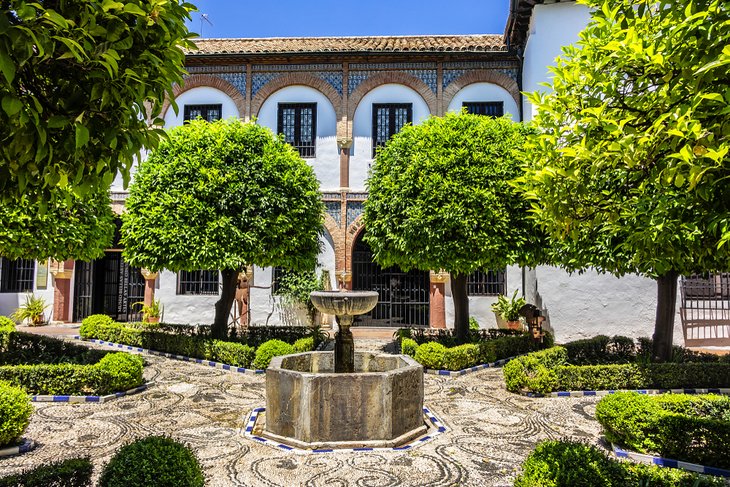
Born in Córdoba, Julio Romero de Torres was a renowned Symbolist painter and talented portrait artist. During his career, he painted more than 500 portraits, many featuring women. He was interested in every cross-section of society, from the aristocracy to the common people.
The Museo Julio Romero de Torres, housed in a renovated 19th-century building, exhibits the largest collection of the artist's work. The collection represents the entire span of the his career, from his early paintings to his more accomplished portraits.
Address: 1 Plaza Potro, Córdoba
13. Jardín Botánico de Córdoba
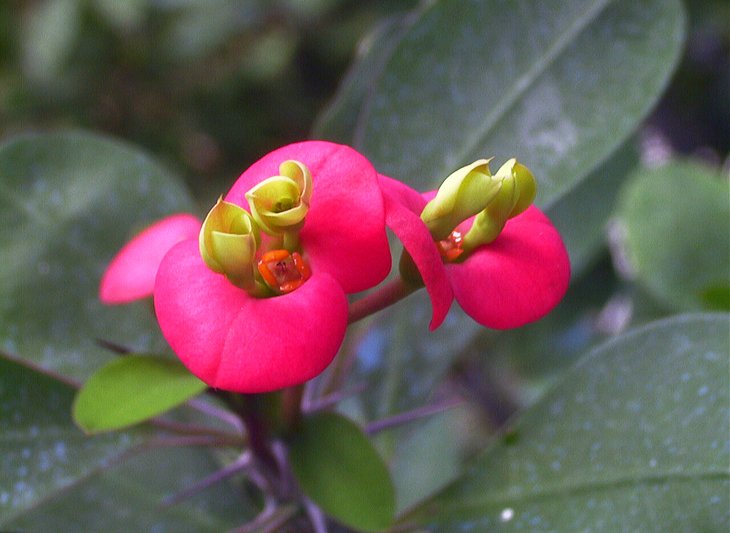
An escape to nature right in the heart of the city, the Botanical Garden of Córdoba is filled with lush vegetation, spacious squares, and fountains. The garden is planted with native species typical of the Mediterranean, such as rosemary hedges and hackberry plants. One area is devoted to agricultural plants including aromatics, medicinal herbs, vegetables, and fruit trees.
Near the central square of the park is the Greenhouse. This glass-enclosed environment is divided into three sections, containing the species of specific locations: the Canary Islands, the Balearic Islands, and Andalusia.
The garden also has a pleasant shaded thoroughfare, three museums, and an Arboretum filled with a wide variety of trees and shrubs.
Across the street from the botanical gardens is a large green space with mature trees, extensive walking trails, and a zoo. It's a pleasant place to wander, especially after the tight confines of Cordoba's old city.
Address: Avenida de Linneo, Córdoba
14. Iglesia de San Lorenzo
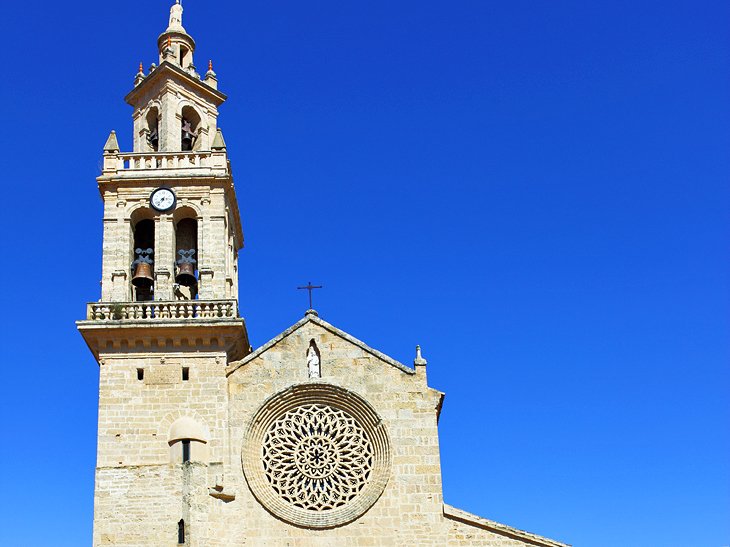
This 13th-century church, converted from a mosque, is considered to be one of the finest examples of medieval architecture in Córdoba. Recent renovations have restored much of the building's original appearance. In front of the main entrance, the church has a distinctive portico with three arches.
Other noteworthy features include a tower built on the minaret of the former mosque, with stylistic details that were a precursor to the Giralda Tower in Seville.
Inside the sanctuary, visitors are awed by the lovely rose window and the main altar with its Baroque altarpiece and abundance of Italian paintings.
Address: Plaza San Lorenzo, Córdoba
15. Iglesia de San Miguel
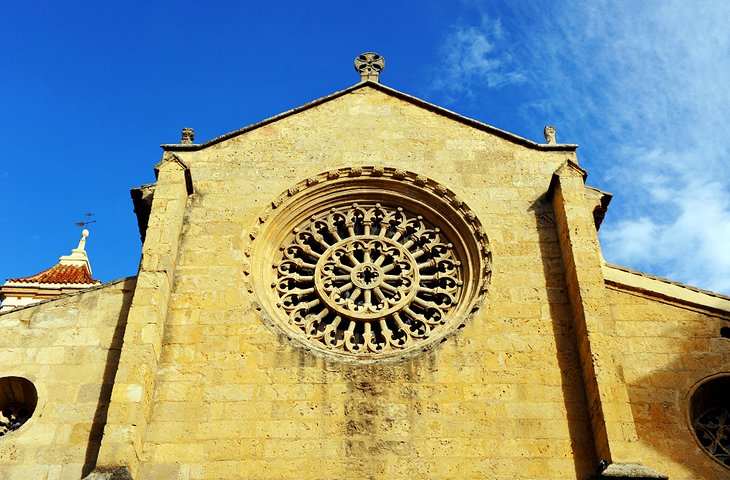
This church belongs to the group of 14 parish churches built after the Reconquest of Córdoba. These churches are called Fernandinas, and many were renovations of old mosques. Most of the Fernandinas were built with repurposed materials, which explains why they have Roman and Moorish columns.
The Church of San Miguel features Romanesque elements as well as Caliphate-era and Mudéjar details. The distinctive architectural styles are seen in the baptismal chapel and the Epistle side doorway. Some of the arches incorporate Hebrew characters.
16. Medina Azahara
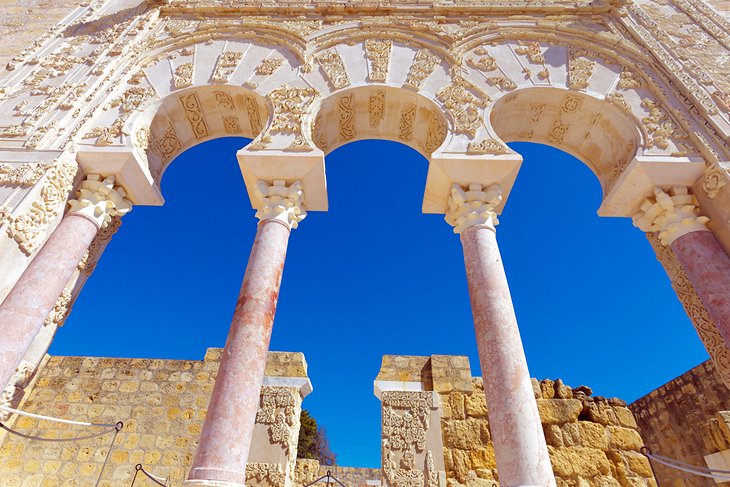
About seven kilometers west of the Córdoba city center, the UNESCO-listed Medina Azahara (Madinat al-Zahra) archaeological site is considered a must-see cultural attraction of Andalusia.
This evocative archaeological site encompasses the legendary royal city; opulent palace complex; and terraced gardens created by Abd al-Rahman III, caliph of the Umayyad dynasty, in the 10th century. Abd al-Rahman III named the town after his favorite wife Azahara.
The palace was destroyed in 1010 by the Almoravids and is now largely in ruins. It was said that the original palace was large enough to accommodate 30,000 people. Intricate carvings and horseshoe arches, typical of Andalusian (Moorish) architecture, are easily recognizable in the building elements that remain at the site.
To help tourists get the most out of their visiting experience, the site has a sleek modern museum. The exhibits display ancient objects and architectural elements that were uncovered at the archaeological site.
Address: Carretera de Palma del Río, Córdoba
17. Las Ermitas (Hermitages of Andalusia)
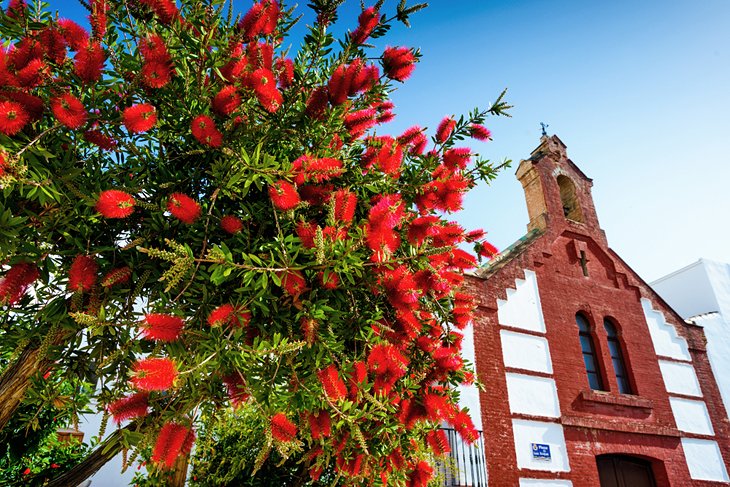
It is a delightful 15-kilometer journey from Córdoba to Las Ermitas in the Sierra Morena foothills. This soul-inspiring place includes a complex of 13 hermitages founded in the 18th century, which, since 1957, have been managed by the Discalced Carmelites.
This remote location has drawn hermits since the Middle Ages, because of its peaceful natural setting. Modern-day spiritual seekers and tourists alike will experience a sense of serenity in the mountainous landscape, while admiring views of the Guadalquivir Valley and Córdoba in the distance.
18. Visit nearby Castillo de Almodóvar del Río
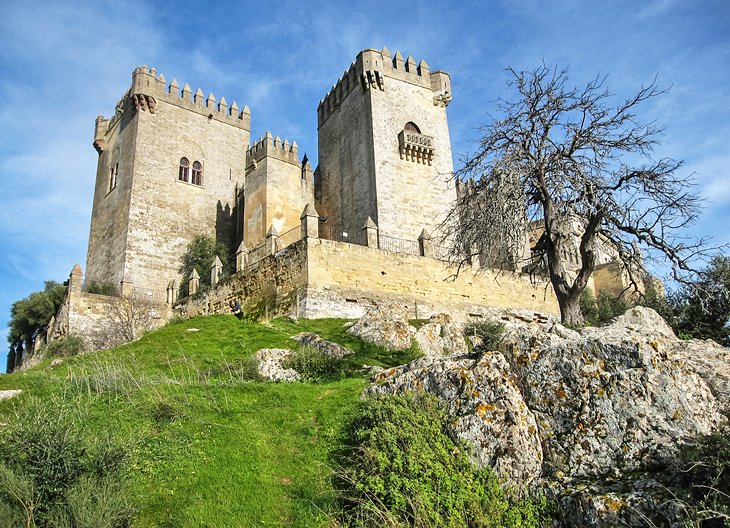
The Castillo de Almodóvar del Río lies 22 kilometers from Córdoba in the town of Almodóvar del Río. The castle is an ancient Moorish military fortress dating to the 8th century.
The castle stands in an advantageous position on top of a hill, surrounded by formidable battlements. The views of the countryside are truly spectacular. From its strategic location, the fortress provided defense for the city of Córdoba during the medieval era.
The castle is open to the public daily year-round, except on holidays. Visitors can see the old defense walls, towers, dungeons, and underground passageways.
Fans of the Games of Thrones series will enjoy visiting this site, because it was used as a filming location for the show's seventh season. A special guided tour takes visitors to the specific scenes that appeared in the series.
Address: Calle del Castillo, Almodóvar del Río
19. Day Trip to Parque Natural de las Sierras Subbéticas
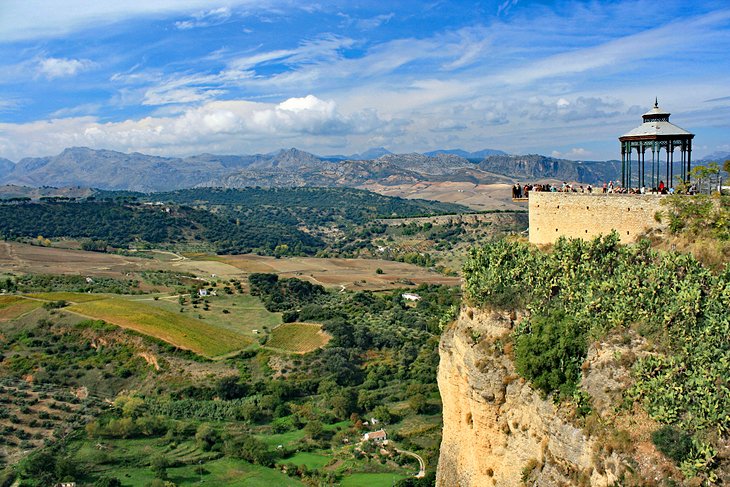
The Sierras Subbéticas Natural Park is found in the dramatic limestone mountains, about an hour outside of Córdoba. This rugged landscape is distinguished by its jagged mountain ridges, verdant plateaus, and dense woodlands. The lush Mediterranean vegetation includes elm trees, poplars, and oak groves.
Bird-watchers will appreciate that abundance of species found in the park, including eagles, vultures, peregrine falcons, and storks. It's also possible to spot nuthatches and golden finches.
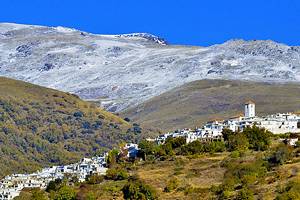
The natural park also contains a few small rural towns perched on hilltops. With their picturesque whitewashed houses, these ancient Pueblos Blancos (White Villages) are full of Andalusian country charm.
Where to Stay in Córdoba for Sightseeing
Córdoba's old Moorish center is relatively compact, with most attractions within walking distance of the UNESCO-listed Great Mosque (Mezquita). Adjacent is the Judería with its tangle of alleyways; the Alcázar overlooks the river, a block from the Mezquita. If you are staying in the old city, and your hotel provides parking, you will be allowed to drive in the historical center. Here are some highly rated hotels in Córdoba's historic center:
Luxury Hotels:
- A short walk from the Mezquita, the five-star Hospes Palacio del Bailio occupies a 16th-century palace. Guest rooms feature original architectural elements, historic frescoes, and paintings. Amenities include a swimming pool, gourmet restaurant, and spa.
- The NH Collection Amistad Córdoba is in the Judería, near the ancient synagogue and close to the Great Mosque. This four-star hotel has a restaurant, fitness center, and two swimming pools. Guest rooms feature plush contemporary-style decor and sleek bathrooms with rain showers.
- Next to the Jewish Quarter and the Campo Santo de los Mártires, Las Casas de La Judería offers old-world charm along with modern amenities. Guest rooms are decorated in traditional Andalusian style. This four-star hotel has a restaurant, swimming pool, and rooftop sundeck.
Mid-Range Hotels:
- The Hotel Eurostars Maimonides provides three-star accommodations in the Judería, just steps away from La Mezquita. The hotel features Mudéjar-style decor and a characteristic Andalusian courtyard. Amenities include parking, rare in the historic center. Book a room with views of La Mezquita for a truly memorable experience.
- In a restored historic building, the Hacienda Posada de Vallina is appreciated for its spacious guest rooms with wonderful views. This boutique three-star hotel offers a 24-hour front desk, concierge services, and complimentary breakfast.
- Guests will enjoy the 15-minute stroll alongside the river from the Hotel Viento 10 to La Mezquita. This three-star boutique hotel features stylish guest rooms decorated in tasteful minimalist style. Hotel amenities include a spa with a hot tub and Jacuzzi, a rooftop terrace, and parking.
Budget Hotels:
- In the historic center near the Judería and La Mezquita, the two-star Hotel Don Paula provides basic but comfortable accommodations. Guests give the hotel great reviews because of its friendly staff and ideal location.
- The Hesperia Cordoba is just a five-minute walk across the Roman Bridge from the Mezquita. This affordable four-star hotel has a rooftop terrace with a swimming pool and panoramic views of the city.
Tips and Tours: How to Make the Most of Your Visit to Córdoba
- Exploring Córdoba: The Córdoba Walking Tour is ideal for first-time visitors. An expert guide explains historical context and interesting details about the attractions, including La Mezquita, the Alcázar, and the Judería. Tourists can opt to extend the excursion to include a rejuvenating soak in the thermal baths at the Baños Árabes de Córdoba. Another good option to consider is the Cordoba: Mosque, Cathedral, Alcazar & Synagogue with Skip the Line Tickets tour. This gets you into all the highlights in the city with a guide and without any time wasted standing in line.
- Córdoba Day Trip from Seville: Córdoba is an easy day trip from Seville; the best way to visit is by taking an organized sightseeing excursion. On a fascinating full-day tour, the Córdoba Day Trip from Seville covers Córdoba's top sights: the Alcázar, La Mezquita and the synagogue, and Calleja de las Flores (an alleyway) in the Jewish Quarter.
- Córdoba Day Trip from Malaga: The Córdoba Full-Day Tour includes round-trip transportation from Malaga, entrance to the Great Mosque, a guided walking tour of the Jewish Quarter, and a chance to view landmarks like the Roman Bridge. Participants will also see Córdoba's famous flower-bedecked patios.
Map of Tourist Attractions in Córdoba
More Related Articles on PlanetWare.com
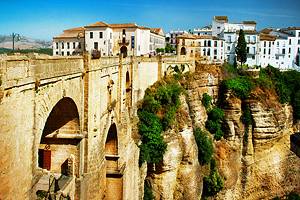
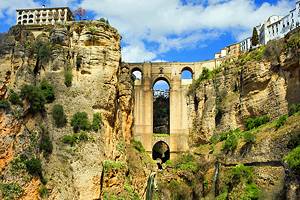
Highlights of Andalusia: Córdoba is nestled in the heart of southern Spain's Andalusia region, which is known for its diverse cultural influences and stunning landscapes. For a more laid-back alternative to the region's bigger cities of Córdoba, Seville, and Granada, consider a road trip to explore Andalusia's Pueblos Blancos (White Villages).
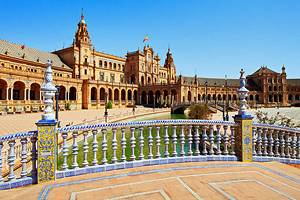
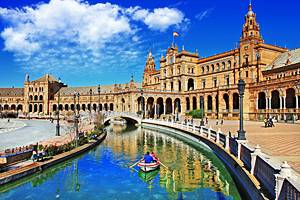
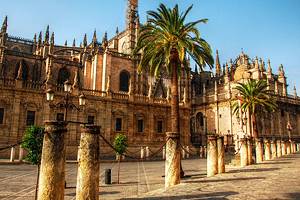
Cultural Attractions in Seville: Seville's numerous attractions, charming neighborhoods, and architectural splendor make it the most-visited of Andalusian cities. Among its top tourist sites are the Gothic 15th-century Seville Cathedral, the Moorish Real Alcázar, and the Parque de María Luisa.
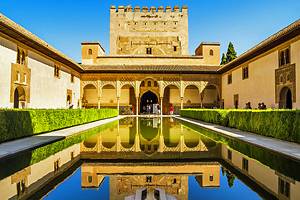
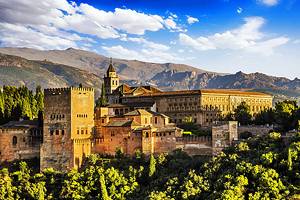
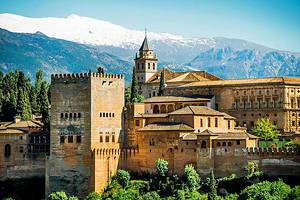
Andalusia's Glorious Islamic Architecture: Not far from Córdoba are many breathtaking sights in the area around Seville, including the beautiful city of Granada, which was once the capital of a Moorish kingdom. Granada's most magnificent attraction is the UNESCO-listed Alhambra, a complex of palaces that epitomize the region's exquisite Islamic architecture.