Attractions & Things to Do in Mdina
Entirely surrounded by ancient ramparts, Mdina is a magical place, where the modern age seems far away. This medieval walled city has a special enchantment, found in the enclosed labyrinth of narrow cobblestone streets. Wandering the atmospheric pedestrian lanes, visitors discover shaded squares, exquisite chapels, and magnificent palaces (many of which are now museums) hidden behind large wooden doorways.
Mdina (also known as Città Vecchia) is among the top attractions on the Island of Malta, as well as one of the most popular day-trip destinations from Valletta, but by evening, the town lives up to its reputation as the "Silent City." After the crowds of tourists leave, overnight travelers experience the dreamy old-world ambience and tranquility.
Mdina overlooks a pastoral landscape of rolling hills, and borders Rabat outside its western ramparts. In contrast to the more touristy Mdina, Rabat is a real working city with several interesting historical attractions, all within walking distance from Mdina.
Learn about the best places to visit and things to do in this captivating city with our list of the top attractions in Mdina.
Mdina Citadel: Ancient Ramparts and Bastions
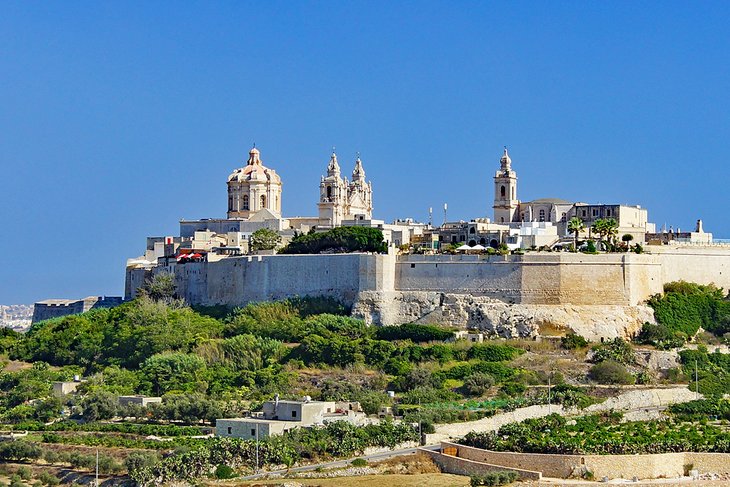
As a typical walled city, Mdina's immense ancient ramparts give the town a fairy-tale charm. Enclosing a little warren of narrow lanes and stately old buildings, the town's fortifications date back to the medieval period when the city was ruled by the Arabs and Normans.
The most obvious influence of the Arab occupation is Mdina's labyrinthine street plan. The winding streets and pedestrian alleyways are characteristic of Islamic urban design in the Maghreb (Morocco, Algeria, and Tunisia) during the Middle Ages.
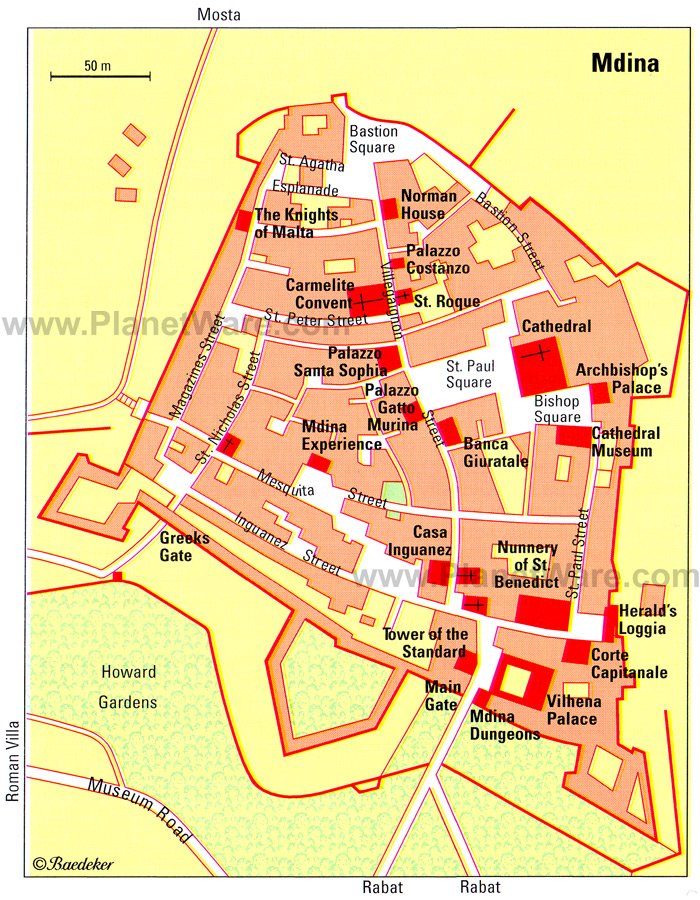
The town's Baroque Main Gate (Vilhena Gate) was built in 1724. The escutcheon bears a coat of arms, while statues of growling lions stand proudly in the front of the gate. Once visitors enter this doorway by foot, they leave the 21st century behind. Only residents' cars are allowed inside.
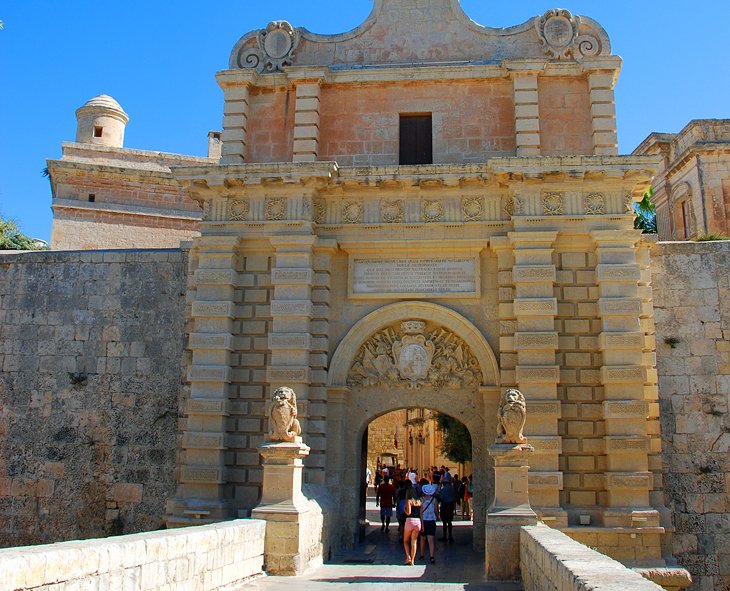
Within Mdina's ramparts, it feels like an escape to a bygone world. Graceful squares and quiet streets are lined with stately aristocratic palaces and ornate Baroque churches. Street signs are scripted on porcelain plaques.
The bastions of the ramparts, including the Saint John's Bastion and Saint Martin's Bastion, provide excellent viewpoints of the idyllic countryside surrounding Mdina. But the atmosphere within the ramparts is even more enchanting.
To discover the well-preserved historic city within Mdina's ramparts, consider taking a guided walking tour. .
Cathedral of Saint Paul
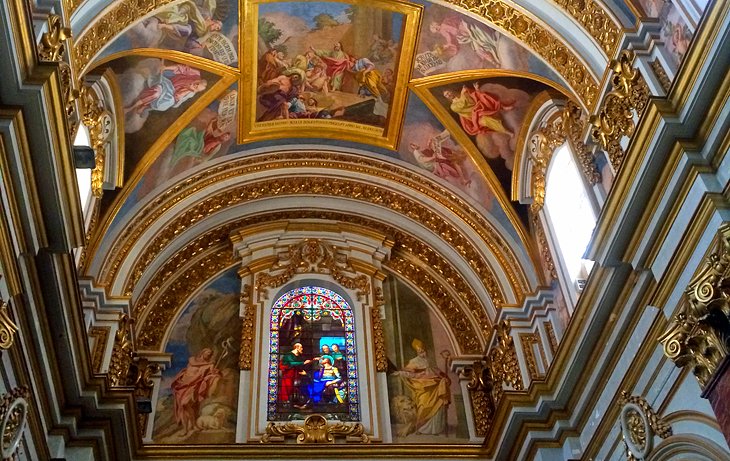
This splendid Baroque cathedral was designed by Lorenzo Gafà with a handsome facade featuring Corinthian columns. The bright and spacious interior has an inspiring dome that allows light to flood into the sanctuary. The cathedral's opulent decor features marble inlay floors, gilded detailing, pink marble columns, and breathtaking ceiling paintings.
Precious artworks are displayed throughout the cathedral's various chapels. The most prized possession is the 14th-century Byzantine icon of the Madonna in the Chapel of the Sacrament, surrounded by a bejeweled frame in front of a dazzling altarpiece.
The cathedral boasts several renowned Mattia Preti paintings including the Conversion of Saint Paul on the Way to Damascus behind the altar, a piece that depicts Saint Paul on a White Horse in a side chapel, and the dramatic Saint Paul's Shipwreck painting above the altarpiece.
Other artistic highlights are the Domenico Bruschi painting of Mary and the Angels, which illustrates a serene image of divinity, and the wooden Crucifix sculpture by Fra Innocenzo da Petralia Soprana. The pillars in the Presbytery feature impressive mosaic medallions by Luigi Moglia of Rome.
Address: 2 Triq San Pawl, Mdina
Official site: https://www.metropolitanchapter.com/mdina-metropolitan-cathedral/
Palazzo Falson Historic House Museum
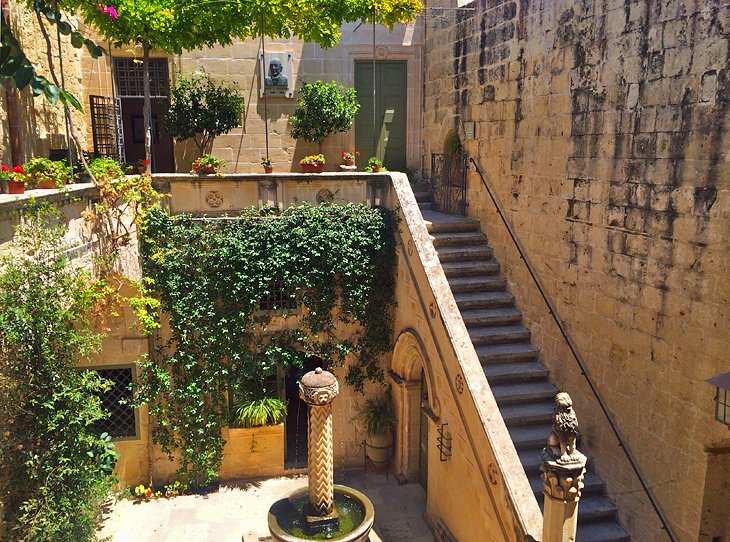
The second oldest building in Mdina, this magnificent 13th-century palazzo exemplifies Sicilian-Norman style. During the Middle Ages, the palace was home to Maltese nobles. Unusual among historic palaces, the Palazzo Falson displays the original decor of Oriental rugs, antique furniture, and fine paintings.
The palace has been converted into a museum of fine arts and antiquities. Each of the rooms on display is a treasure trove of art works. The library contains more than 4,500 books, and the kitchen displays the old cooking equipment.
Highlights of the palace's art collection include 17th-century paintings by Sir Anthony Van Dyck; Nicolas Poussin; Bartolomé Esteban Murillo; and Mattia Preti, the most famous painter of Malta.
There is also an impressive assortment of jewelry, hand-painted Brisé fans, and antiquities such as ancient Roman coins. One of the most prized possessions of the Palazzo Falson is the Alof de Wignacourt Medal dating to 1607, a rare medal depicting the Grand Master.
The museum offers refreshments, savory snacks, and Maltese desserts at the Gustav Café on its sunny rooftop terrace, a hidden oasis of relaxation. One of the highest vantage points in Mdina, the terrace affords panoramic outlooks of Mdina's cathedral and cityscape, as well as the surrounding countryside all the way to the Mediterranean Sea.
Address: Triq IL Villegaignon, Mdina
Official site: http://www.palazzofalson.com/
Carmelite Priory
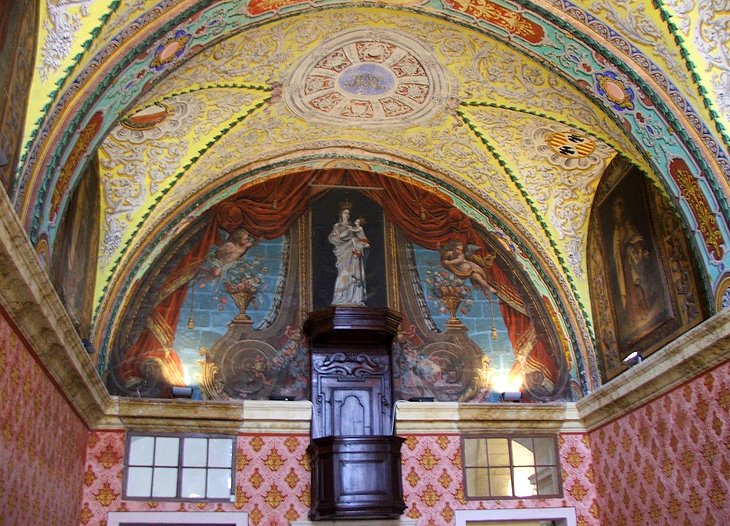
Hidden behind an elegant Baroque facade is the spiritual retreat of the Carmelite Priory, one of the most important religious buildings in Mdina. The beautifully renovated 17th-century Carmelite Priory is still a functioning monastery run by the Order of the Brothers of the Most Blessed Virgin Mary of Mount Carmel and is the only priory in Malta open to the public.
The priory features a refectory, where monks take their communal meals, and a typical monastic cloister centered around a tranquil courtyard.
A highlight of the priory, the Carmelite Church is considered one of the most important Maltese Baroque churches. Visitors can admire the church's exquisite frescoes in the dome, as well as exceptional paintings by renowned artists including Giuseppe Calì and Mattia Preti.
Visitors may participate in the priory's daily prayers, Mass, and meditation services or take a guided tour. Mass is held daily and several times on Sundays.
In the monastic tradition of hospitality, the Priory has a restaurant (Al Convento) in its parlor, a lovely space with original painted ceilings. The restaurant serves breakfast, lunch, and dinner; the menu focuses on regional Maltese dishes and other Mediterranean cuisine.
To further share its spiritual and cultural heritage, the Carmelite Priory hosts events throughout the year, such as classical music concerts, theater performances, lectures, meditation classes, and retreats, throughout the year.
Address: Triq IL Villegaignon, Mdina
Official site: http://www.carmelitepriory.org
Mdina Cathedral Museum
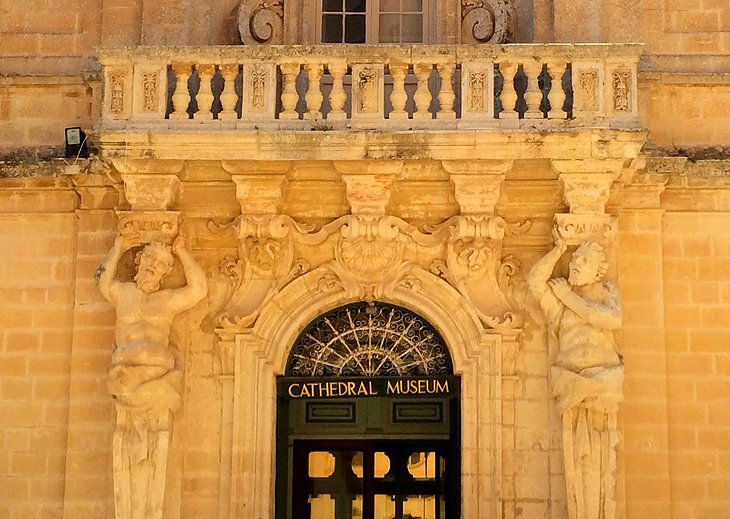
A ticket to the Cathedral of Saint Paul includes entrance to the neighboring Mdina Cathedral Museum, located on the same square. Housed in a beautiful Baroque building (formerly the seminary), the museum displays ecclesiastical objects of sacred art from the cathedral, as well as Roman antiquities.
The museum features many masterpieces of European painting. Also noteworthy are the engravings by Albrecht Durer.
The museum is also used as a venue for Historic Piano Concerts, a series of classical piano concerts performed on a historic piano. The concerts take place within the art galleries and are followed by festive social receptions in the museum's halls.
Address: Triq San Pawl, Mdina
Official site: https://www.metropolitanchapter.com/mdina-cathedral-museum/
Historical Buildings and Viewpoint on Bastion Square
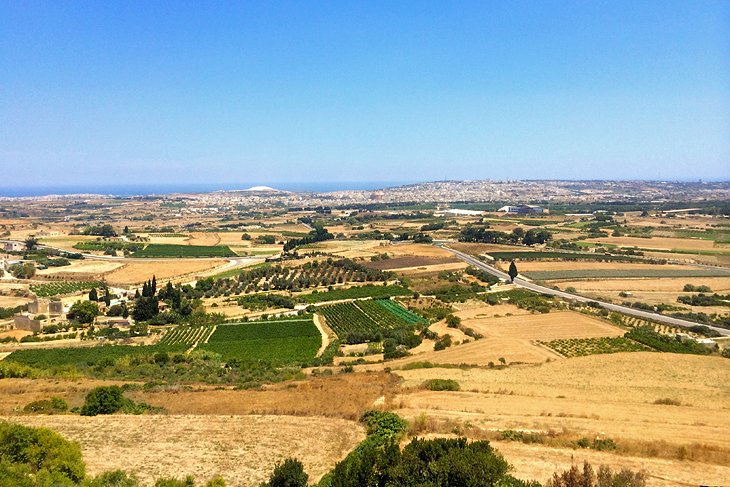
This graceful Bastion Square stands at the edge of Mdina's Citadel walls with a bastion overlooking the landscape around the city. Encircling the spacious square are grandiose buildings constructed from golden sandstone, with vibrantly painted shutters and grand doors featuring bronze knockers.
At the edge of the ramparts is a wonderful viewpoint; this spot is one of the best places to visit in Mdina to admire Malta's idyllic scenery of farmlands and rolling hills. It's possible to see all the way to the Mosta Dome and the Mediterranean Sea in the distance.
Near Bastion Square on Villegaignon Street is the Palazzo Santa Sofia. This is considered one of the oldest palaces in Malta and is Mdina's best preserved medieval building. The date on the plaque of this manor says the structure dates from 1233. The upper floor was added in 1938.
Palazzo Vilhena: National Museum of Natural History
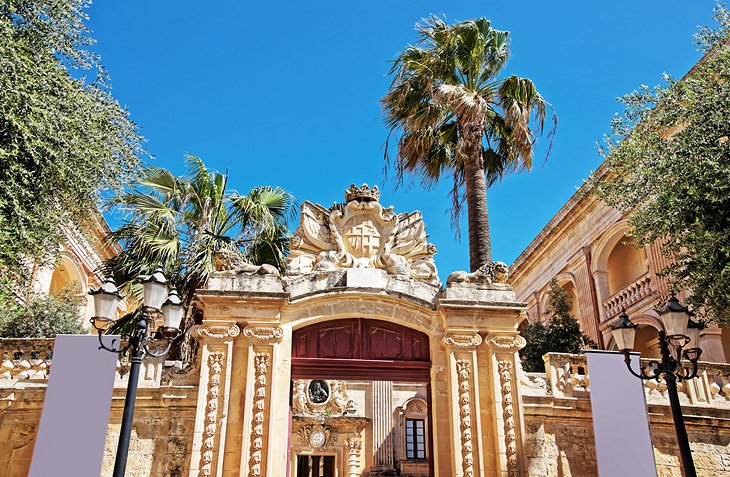
Mdina's National Museum of Natural History is housed within the former Magisterial Palace of Justice, an impressive 18th-century building. The palace was designed in Parisian Baroque style for the Grand Master Antonio Manoel de Vilhena.
The museum has extensive collections of geology and paleontology, as well as an interesting ornithology collection. A highlight is the Birds Display that features exhibits about the natural habitats of Maltese birds, fish, and mammals. Special sections are dedicated to Malta's national bird, the blue rock thrush (Il-Merill) and national plant (Widnet il-Bahar).
The museum is also worth visiting just to see the gorgeous interior of the Palazzo Vilhena.
Address: Saint Publius Square, Mdina
Mdina Dungeons
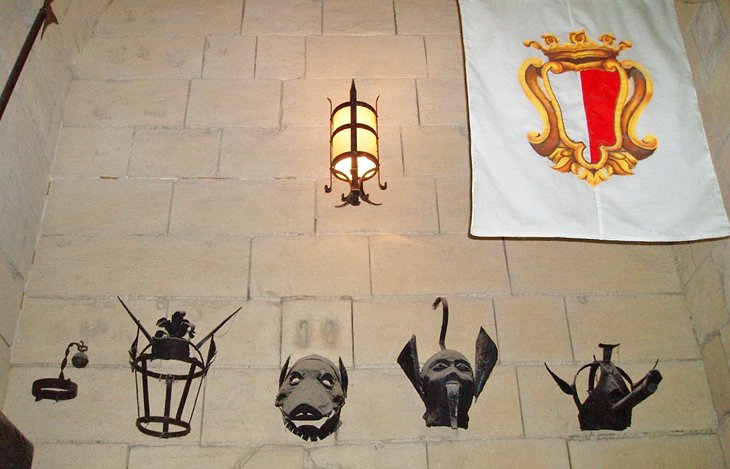
Next to Mdina's Main Gate, beneath the Vilhena Palace, this museum illustrates the history of prison life in Mdina. The attraction features underground passageways that lead to chambers and cells once occupied by prisoners.
Scenes have been recreated that show the brutality of medieval-era Maltese prisons. During the Middle Ages, instruments of torture were commonly used in prisons. This museum shows the darker side of Malta's past while explaining the historical context.
Address: Saint Publius Square, Mdina
Palazzo de Piro: Tools, Trades & Traditions Museum
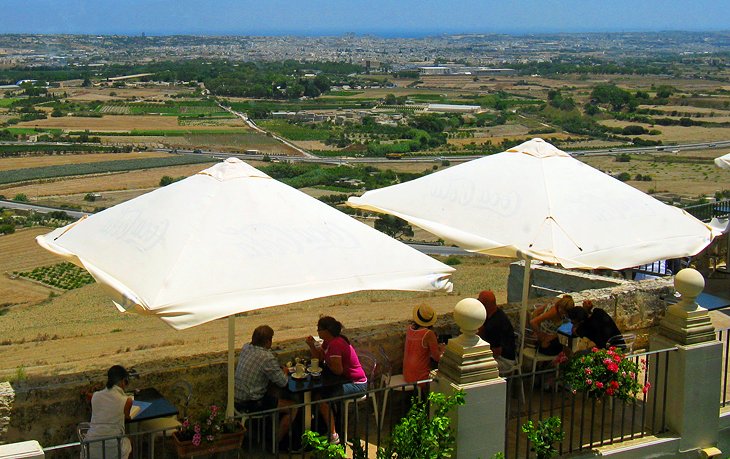
Standing beside Mdina's ancient bastion walls, the Palazzo de Piro is a 17th-century palace that has been superbly restored. The palace provides gallery space for the Museum of Tools, Trades, and Traditions, a unique collection that appeals to a niche audience.
The wide range of objects on display includes traditional lace-making tools, woodworking equipment, and even an antique waffle iron. The Palazzo de Piro also houses the Cathedral Museum Extension with a collection of liturgical clothing, tapestries, and paintings.
Visitors will enjoy taking a break at the Xpresso Café and Bistro on the ground floor and in the courtyard of the building. From the café's relaxing courtyard terrace, there are spectacular views of the bucolic Maltese landscape.
During summertime, the courtyard is used as a venue for temporary art exhibits, as well as cultural events such as classical music concerts. Attending a performance in this scenic venue is one of the most memorable things to do while visiting Mdina.
Address: 3 Triq is-Sur, Mdina
Charming Chapels
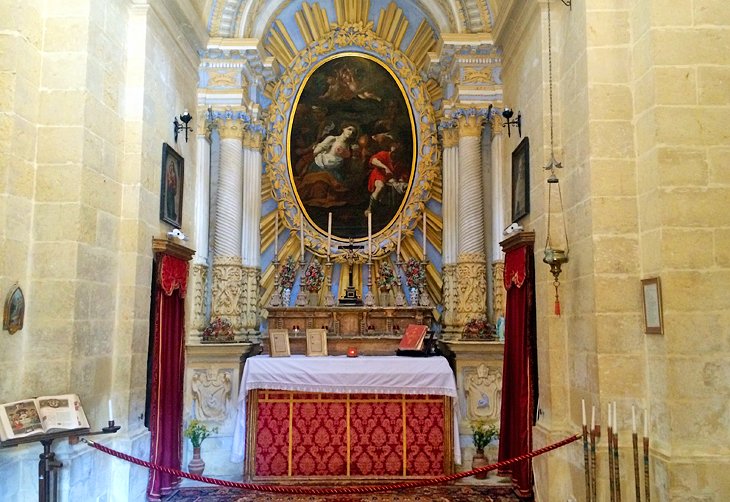
Many of the quiet side streets of Mdina lead to hidden chapels with noteworthy architecture and works of art. The Chapel of Saint Nicholas (Triq Inguanez) is in one of the oldest and most tranquil quarters of Mdina, where many of the 16th- and 17th-century buildings have survived. The majestic little chapel was built in 1550 and remodeled in 1698.
Also on Triq Inguanez, just a few paces away (cross street Triq Villegaignon), the Chapel of Saint Agatha is a tiny place of worship featuring a decorative altar with a painting of Saint Agatha in a gilded frame. The Chapel of Saint Agatha was founded in 1410 and was reconstructed by Lorenzo Gafà in 1693 after an earthquake destroyed the original building. The chapel served as a shelter for refugees during the Second World War.
The Xara Palace: Five-Star Boutique Hotel
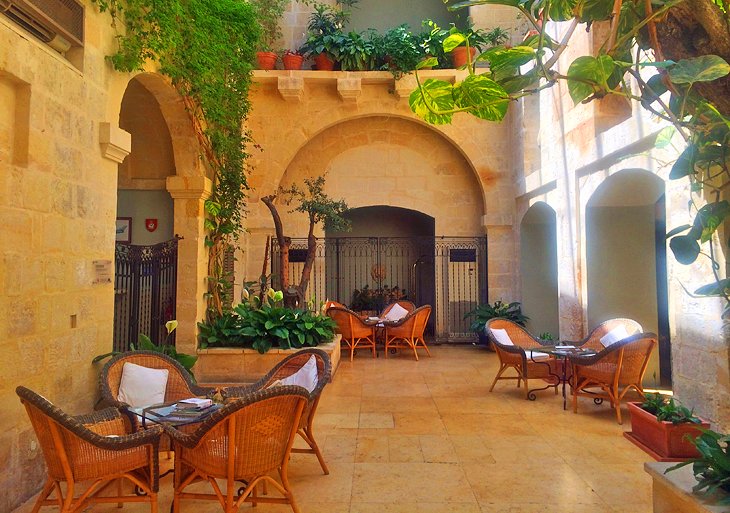
On a quiet square in the heart of Mdina, The Xara Palace is a luxurious five-star hotel. Part of the prestigious Relais & Châteaux association, the hotel occupies a 17th-century palazzo (previously a local nobleman's residence), adorned with antique tapestries and period furnishings. Guest rooms feature fine bed linens and down comforters.
Xara Palace hotel has several restaurants: the Michelin-starred de Mondion Restaurant offers an indulgent fine-dining experience, while more casual options are the garden-courtyard Medina Restaurant and the Trattoria AD 1530 with shaded tables on the piazza for al fresco dining.
Address: Misrah il-Kunsill, Mdina
Nearby Attractions in Neighboring Rabat
Parish Church and Grotto of Saint Paul
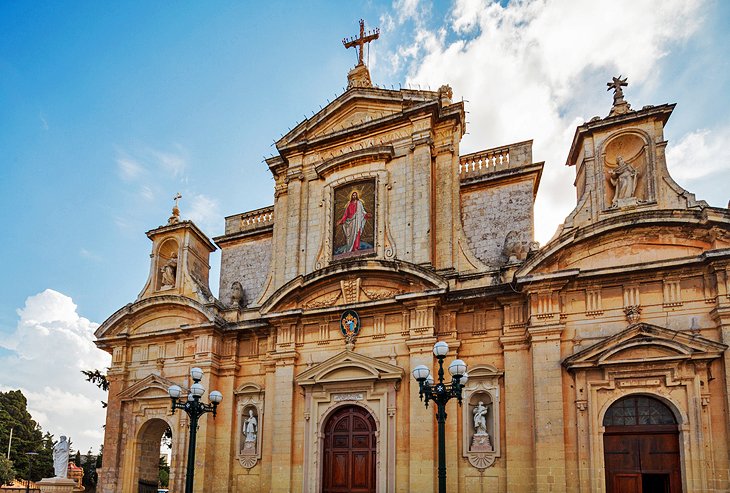
The Parish Church of Rabat is dedicated to Saint Paul, the father of Christianity in Malta. The church was built next to the site of the grotto where it is believed that Saint Paul found shelter after his shipwreck on the coast of Malta in AD 60. This 17th-century Baroque church has an ornately gilded sanctuary with a monumental dome and a grand Latin-cross plan.
The church's most prized artwork is The Shipwreck of Saint Paul painting by Stefano Erardi. This famous painting depicts Saint Paul shaking off a viper in front of the barbarians and the Romans as his ship is pounded by the stormy seas.
After visiting the Parish Church, tourists may descend an adjacent flight of stairs to the Grotto of Saint Paul. In this grotto is a small underground shrine dedicated to the saint. The Statue of Saint Paul in front of the church was donated by Grand Master Pinto in 1748.
Address: Misrah il-Parrocca, Rabat
Casa Bernard: A 16th-Century Aristocratic Mansion
This grand 16th-century palazzo once belonged to a noble Maltese family of French origins. Behind the simple facade is a lavish aristocratic mansion, which is still a private home. The palace was the residence of Dr. Salvatore Bernard, who was the personal physician of the Grand Master of Malta. The mansion has been renovated and restored to its original splendor.
A visit to the Casa Bernard offers an insight into the life of the Maltese nobility. The Casa Bernard is open to the public for guided tours, Monday through Saturday from 10am to 4pm (tours are available every hour).
Visitors can admire the lovely rooms featuring antique furniture, masterpieces of paintings, and noteworthy objects of art. Highlights are the barrel-vaulted entrance hallway, the exquisitely decorated drawing rooms, and the peaceful garden courtyard.
Address: 46 Saint Paul's Street, Rabat
Domvs Romana Museum
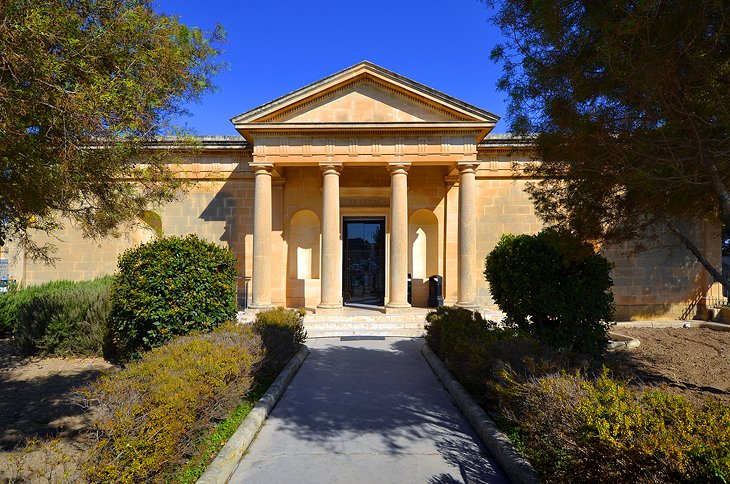
The Domvs Romana is a museum that stands on the site of an ancient Roman townhouse, and reveals well-preserved elements of the house within its galleries. As the house belonged to a wealthy Roman nobleman, the architectural artifacts are quite elaborate.
This important archaeological site features astounding mosaic floors (dating to the 1st-century BC) that adorned the various rooms. These mosaics are some of the oldest and finest examples in the western Mediterranean outside of Rome and reveal incredible craftsmanship by highly skilled artists.
The Domus Romana also includes a rare set of marble statues portraying the Emperor Claudius and his family, the only examples seen in a private house in the Roman Empire. Also on display are household objects that give visitors a glimpse of the everyday life of a Roman aristocrat.
Address: Museum Esplanade, Rabat
Saint Paul's Catacombs
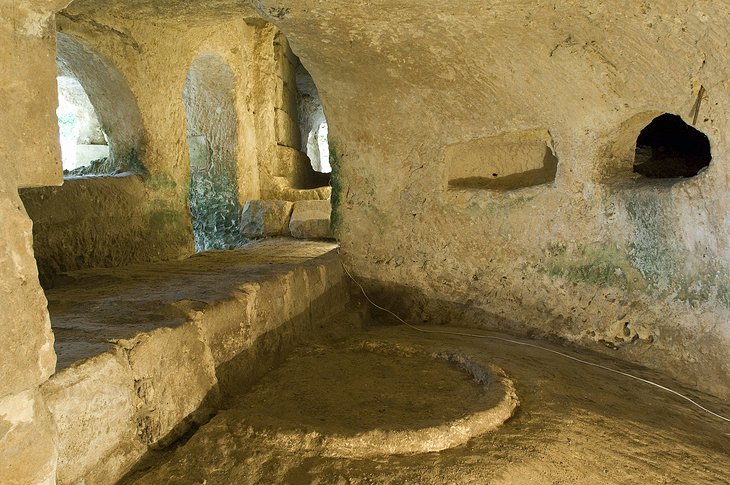
Saint Paul's Catacombs are a complex of Roman-era cemeteries that were in use up to the 4th century AD. The catacombs are on the outskirts of the old Roman capital city of Melite (present-day Mdina). Since ancient Roman law prohibited burials within the city, Saint Paul's Catacombs became the most important early Christian burial site.
These catacombs represent the earliest and largest archaeological evidence of Christianity in Malta. The complex encompasses interconnected passages and tombs covering an area of more than 2,000 square meters.
This site was named after Saint Paul because it was associated with the Grotto of Saint Paul, which also once served as a Christian hypogeum (catacombs) during the Punic and Roman era.
Address: Saint Agatha Street, Rabat
Wignacourt Museum
The Wignacourt Museum is next to the Parish Church of Saint Paul, housed in the Baroque Collegiate Hall of the Chaplains of the Knights of Malta.
The museum's outstanding collection includes fine art, as well as ancient Roman artifacts discovered at nearby sites. The main floor displays important paintings with works by Mattia Preti and other Maltese painters, as well as European artists.
The museum also displays old relics and reliquaries, and a unique wooden altar used for the celebration of Mass by the Order of the Knights of Malta.
Among the assortment of maps, coins, prints, and rare books is the manuscript of King Henry VIII's Septem Sacraments written to counter Martin Luther's arguments.
Address: Parish Square, College Street, Rabat
Official site: http://www.wignacourtmuseum.com/
Map of Attractions & Things to Do in Mdina
More Related Articles on PlanetWare.com
Other Attractions on the Island of Malta: Along with Mdina, the other must-see historic town on Malta is Valetta. This elegant capital city created by the Knights of Malta is full of stunning Baroque churches and fabulous museums. In the surroundings of Valletta are wonderful tourist attractions, such as picturesque waterfront villages and traditional country towns. The Island of Malta also has a gorgeous coastline and amazing UNESCO-listed prehistoric megalithic temples.