20 Top Attractions & Places to Visit in the Canary Islands
Authors Michael and Lana Law spent a month touring the Canary Islands in the fall of 2022.
Golden-sand beaches that run for as far as the eye can see, craggy volcanic peaks piercing the sky, jungles full of rare trees, and a collection of vibrant towns with countless things to see and do, you'll find all of this and more on the Canary Islands.
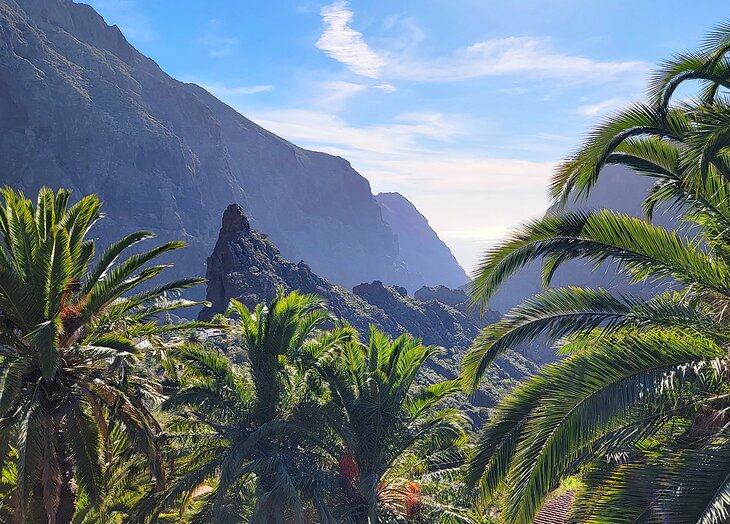
Just off the coast of northwestern Africa, these sun-kissed islands have been drawing visitors to their shores since the 1970s. Lie on the beach and soak up the sun, splash in the waves, climb to an ancient volcanic spire, run up and down massive sand dunes, or explore the narrow streets of the Old Towns. No matter what you choose, it's all here for you.
Getting here is easy. Charter flights from Europe depart almost hourly. But leaving these beautiful islands is the hard part!
Plan the best places to visit on your vacation with our list of the top attractions in the Canary Islands.
- 1. Teide National Park, Tenerife
- 2. Timanfaya National Park, Lanzarote
- 3. Beaches of Gran Canaria
- 4. The Beaches of Tenerife
- 5. The Beaches of Fuerteventura
- 6. Admire the Works of Cesar Manrique on Lanzarote
- 7. Go Dolphin & Whale Watching in Tenerife
- 8. Santa Cruz de Tenerife
- 9. Las Palmas de Gran Canaria
- 10. Meet Animals at Loro Park, Tenerife
- 11. San Cristóbal de la Laguna, Tenerife
- 12. La Orotava, Tenerife
- 13. Explore Cueva de los Verdes, Lanzarote
- 14. Puerto del Carmen, Lanzarote
- 15. Santa Cruz de la Palma
- 16. Hike to Roque Nublo, Gran Canaria
- 17. Join the Fun at the Carnival of Santa Cruz de Tenerife
- 18. Parque Nacional de Garajonay, La Gomera
- 19. Go Stargazing on Mt. Tiede, Tenerife
- 20. Caldera de Taburiente National Park, La Palma
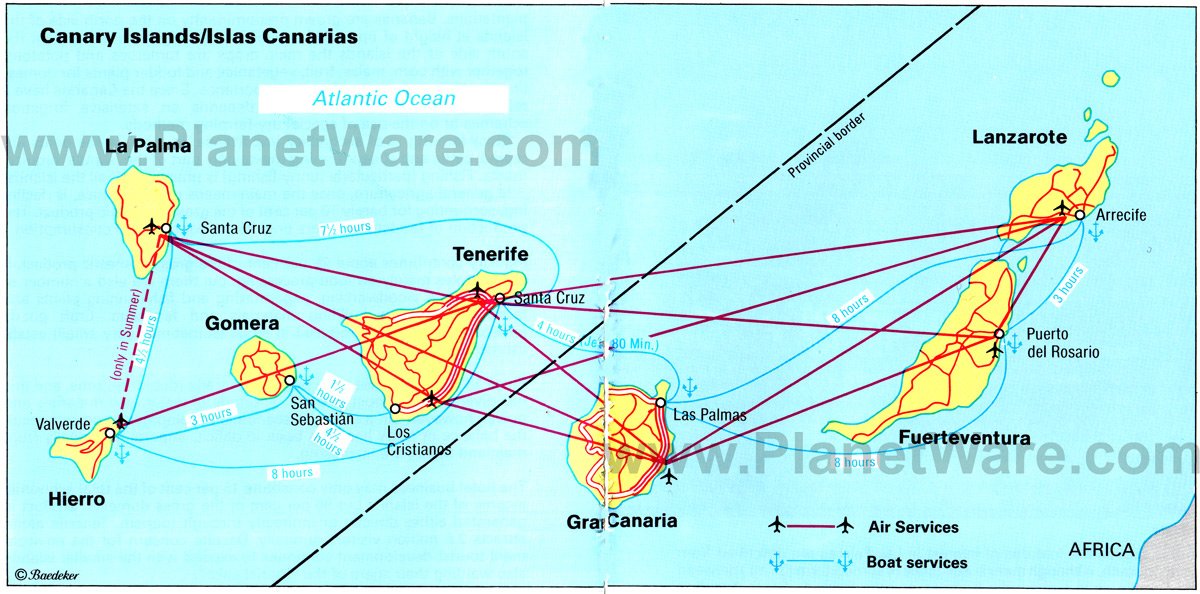
- Map of Attractions & Places to Visit in the Canary Islands
- What are the Canary Islands Like?
- When is the Best Time to Visit the Canary Islands?
1. Teide National Park, Tenerife
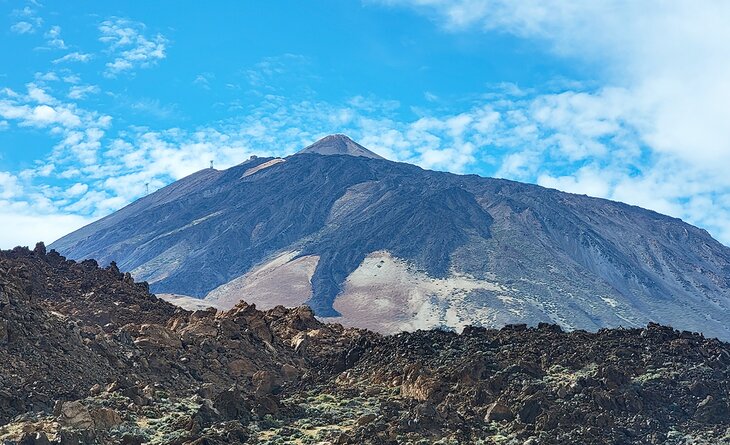
The third highest volcano in the world at 3,718 meters in altitude, Teide towers above the small island of Tenerife, the best known of the Canary Islands. Teide National Park, a UNESCO World Heritage Site, includes the entire mountain, and a trip inside the immense crater is a highlight of a trip to the Canary Islands.
Inside the crater's rim is a caldera - the crater floor - 19 kilometers in diameter, and a drive across this barren moonscape is like driving into the center of the earth. This crater is actually what's left of a much larger mountain that blew its top about three million years ago, collapsing into itself. In places, it left walls that rise 457 meters above the crater floor.
El Portillo Visitor Center is a good place to visit first, where an excellent little museum has interactive exhibits showing how volcanoes form and exploring the environment of the crater. Outside, a path leads through a botanic garden, where labels help visitors recognize and identify native plants they will see in the park.
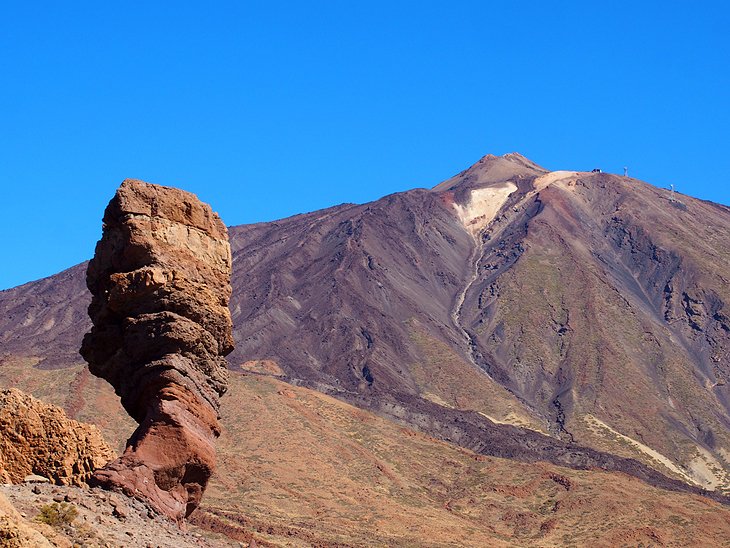
To see the crater from above, and for wide-ranging views, ride the Teleférico cable car up Teide's cone, a newer volcanic peak that formed above the giant crater after the original top of the mountain slid off.
Although the view from the cable car is outstanding, it can't match the experience of crossing the crater floor to see the varied remnants of the volcanic action: lava fields; jumbles of jagged, black lava boulders; dunes of lava pebbles; and outcrops of red, blue, yellow, and black volcanic stone. Stopping points at various features have signs in English describing the flora and fauna and explaining the landscape, and walking trails lead to the highlights.
2. Timanfaya National Park, Lanzarote
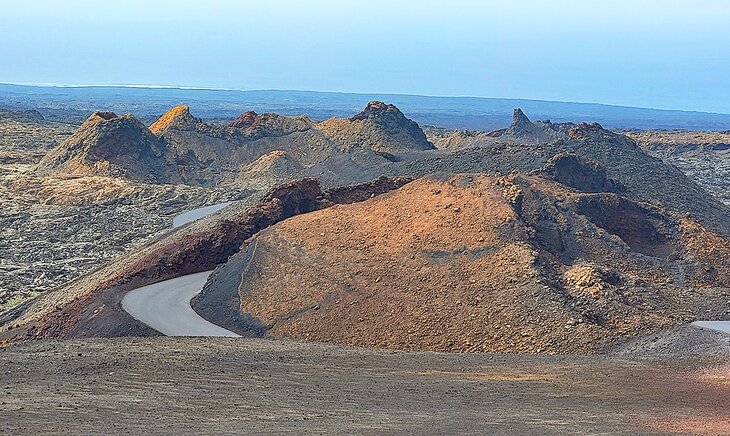
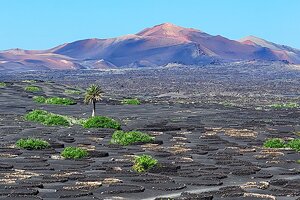
Lanzarote has a much more recent volcanic history than Tenerife - the cataclysmic eruptions that covered most of the island in molten lava and volcanic ash took place between 1730 and 1736. The seven-year series of eruptions buried 11 villages and drove the population from the island, which had previously been the garden of the Canaries.
After the eruptions stopped, the farmers returned and found innovative ways to cultivate parts of their ash-covered land. The most dramatic of the volcanic landscapes, including a still-active volcano, are now protected as the UNESCO-listed Timanfaya National Park.
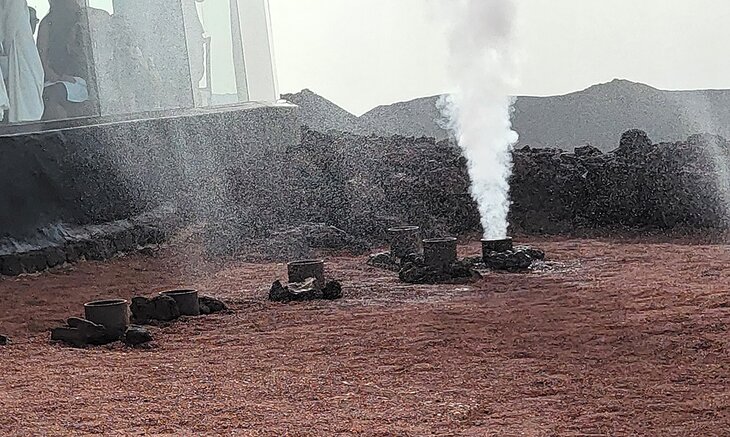
You literally have to see it to believe it: huge areas of unearthly terrain covered in swirls of solidified lava, cracked into crevices by more molten lava still moving beneath it. To see the entire park, go to Islote de Hilario, at the top of a volcanic cone, where park rangers demonstrate the tremendous heat just beneath your feet. Dry brush thrown into a depression bursts into flame, and water poured down a pipe erupts back out in a boiling geyser.
Read More: Top-Rated Things to Do on Lanzarote
3. Beaches of Gran Canaria
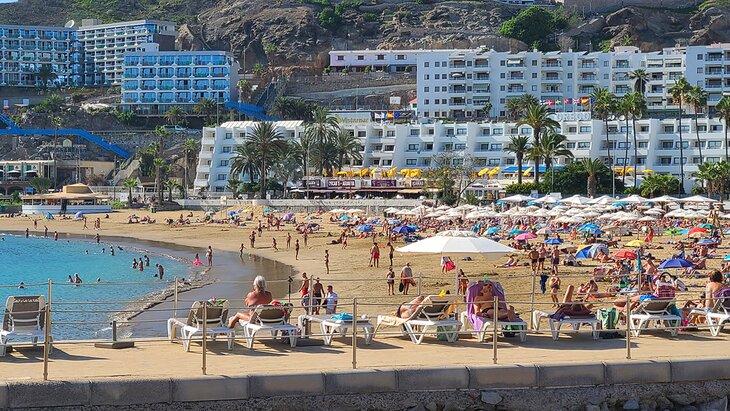
The far south coast of Gran Canaria has a succession of beautiful golden sand beaches. Between Playa de San Agustin on the west and Puerto de Mogán to the east, sunseekers will find no less than six major beach resort areas.
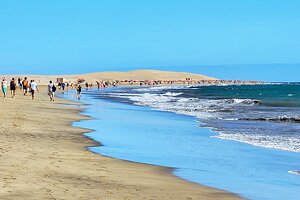
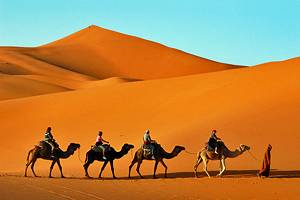
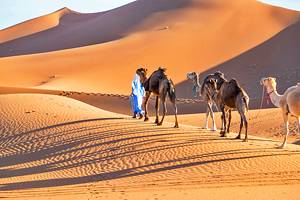
The largest is Maspalomas, with a protected reserve of huge sand dunes in behind stretching in layers to the sea. Mountains of wind-riffled sand undulate above beaches, where dunes as high as 12 meters are constantly carved and shifted by sea and wind. You can wander for hours on foot, marveling at their desolate beauty, but it's more exotic to climb on a dromedary for a lurching camel ride through this spectacular dunescape.
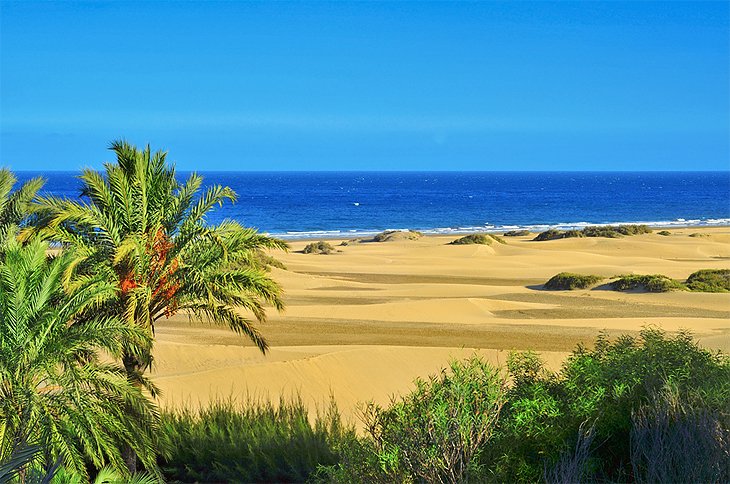
Just around the point to the east is another of the island's best beaches, Playa del Inglés. Similar to Maspalomas, but easier to access, this beach is painted with bright umbrellas and backed by a promenade and a line of restaurants, cafés, shops, and amusements. It's one of the island's liveliest beach scenes at any time of day or night.
Because of the clear, warm water, diving is popular here and an underwater park has been designated at Arinaga, north of Playa de San Agustin. There are diving schools at Maspalomas, Playa Ingles, and several other points, and you'll find facilities for all manner of other water sports here, including sailing and windsurfing.
The capital city of Las Palmas has several excellent beaches, including Playa Las Canteras, with a wide, sandy shore and gentle waters thanks to a natural breakwater formed by volcanic rock. This coast sees large waves from the Atlantic Ocean; the western end of the beach is one of the best places on Gran Canaria for surfing.
Read More: Top-Rated Things to Do on Gran Canaria
4. The Beaches of Tenerife
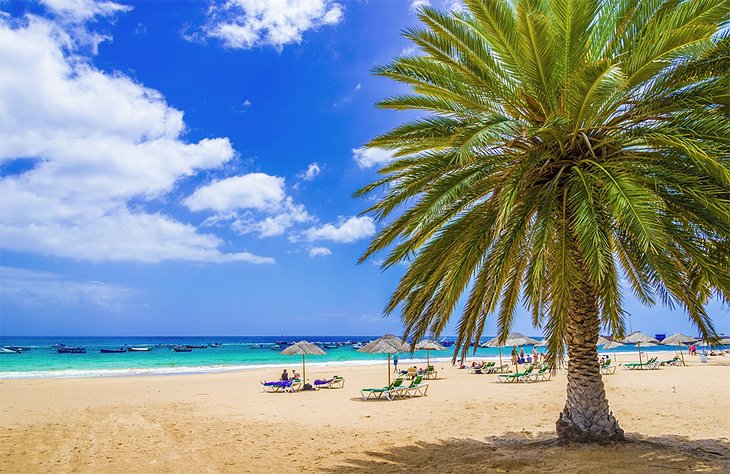
Like those of Gran Canaria, the fabled beaches of Tenerife lie along its sunny south coast. Among the most developed, with plenty of holiday homes, hotels, restaurants, and sports options, are the golden sands of family-oriented Playa de Las Vistas and the upscale enclaves around Playa del Duque, on the Costa Adeje to the west. At the latter, you'll find shopping, luxury spas, golf, windsurfing, jet skiing, and other activities.
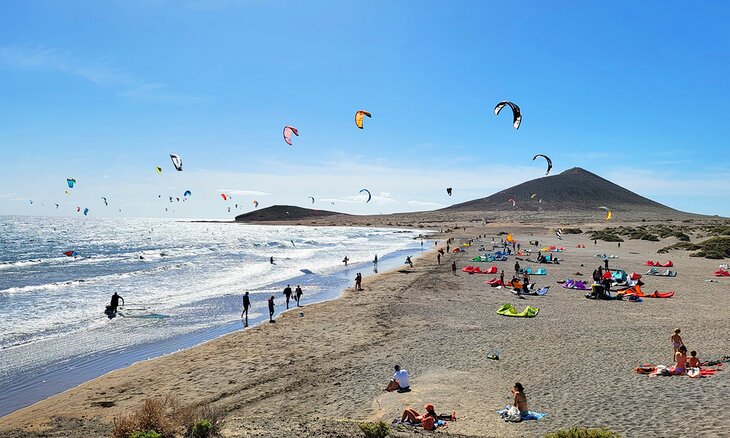
Smaller natural beaches with darker sand dot the entire shore east of Los Cristianos as far as El Medano, a fun and funky place where you'll find a world-class kiteboarding and windsurfing destination. If you crave a bit of solitude, head a bit south of El Medano and check out the golden sands of spectacular Playa de la Tejita, Tenerife's largest natural beach, which is frequently featured on social media postings.
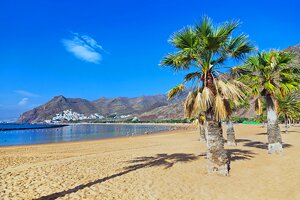
Perhaps the best beach for families is Playa de las Teresitas, just outside the capital of Santa Cruz. Its gently sloping, golden sands (imported from North Africa) are protected by artificial barrier reefs that make it perfect for children and swimmers, without the heavy surf of some other beaches.
5. The Beaches of Fuerteventura
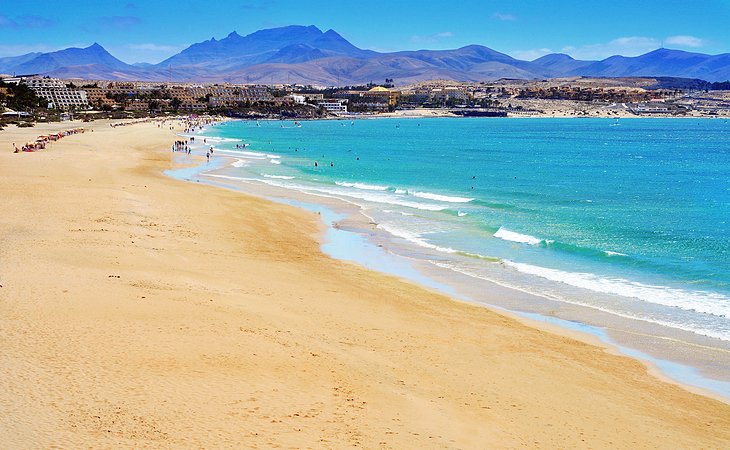
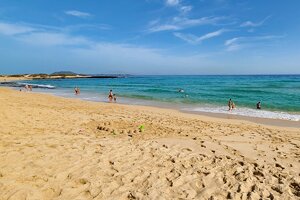
Miles of beaches on the island of Fuerteventura are almost empty, and even most of those with well-developed tourist infrastructure, are uncrowded. The soft sands of Africa's deserts are blown across the 100 kilometers of open ocean to find their way to Fuerteventura's west coast and between your toes.
Along Fuerteventura's shorelines, these same sands are washed by the clear, clean waters of the Atlantic Ocean. The 16 kilometers of beaches around Corralejo are some of the best on the island. Here, you'll find ever-shifting sand dunes running right down to the water's edge.
Laze on the sand here and take a dip, or for the more sporty types, sign up for a surfing lesson. If the winds are up, be sure to swing by Flag Beach, also known as Playa Medano, and watch the kiteboarders race across the waves under their colorful kites.
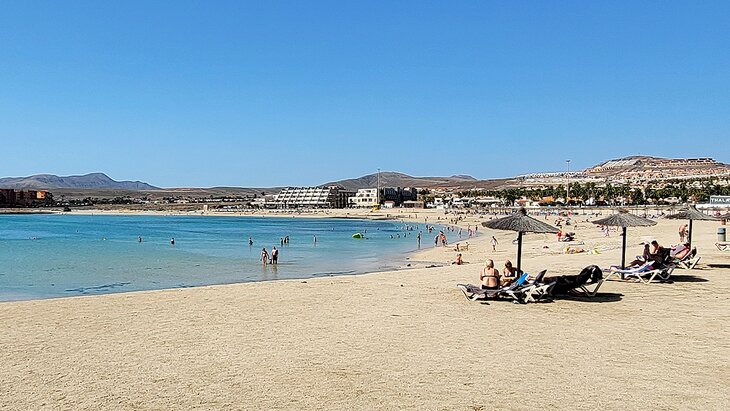
Farther south is Playa Sotavento (leeward beach), which has earned Fuerteventura its reputation as a haven for beach lovers. This unique beach is a massive sand flat where the tides come up slowly, creating warm, shallow pools in behind the shore break.
At the far end of the Jandia Penisula, you'll find more amazing beaches. Playa Jandia and Playa Matorral are massive stretches of golden sand with a lively townsite packed with restaurants and shops behind. These beaches are favored by the beach-walking crowd for their flat and hard sands and wonderful views.
Read More: Top-Rated Things to Do on Fuerteventura
6. Admire the Works of Cesar Manrique on Lanzarote
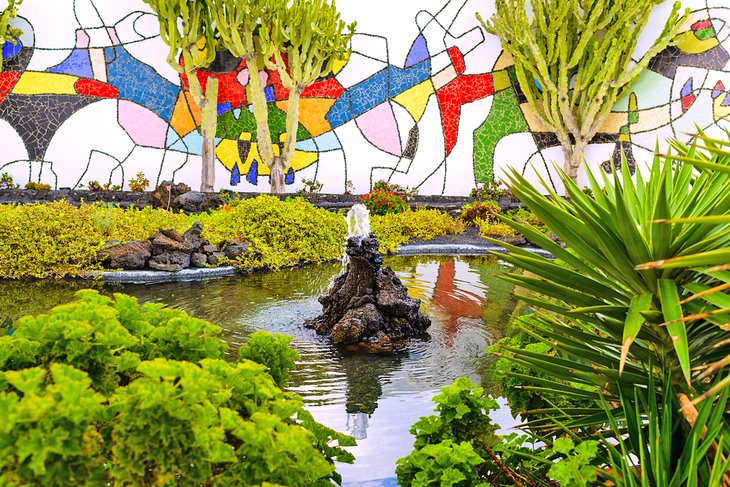
The artist Cesar Manrique is remembered not only for his works of art and architecture but for the inspiration and dedication that saved the character of his native island of Lanzarote. After a successful art career in New York and on the continent, he returned to Lanzarote in 1968, where he began a campaign to save Lanzarote from the unbridled tourist development that had ruined so many other holiday destinations.
He set the island on a new environmentally and culturally sustainable path by designing and building a series of tourist attractions that used and celebrated the nature of the island - its volcanic landscapes, ragged lava flows, and soaring cliffs.
These include his own dramatic home, Taro de Tahiche, built into a series of subterranean bubbles caused by lava flows; Jameos del Agua, an auditorium, swimming pool, and restaurant built inside a huge volcanic bubble; Monumento al Campesino, with a monumental modern sculpture and handcraft gallery; Mirador del Rio, a scenic overlook high above the sea on the north coast; Jardin de Cactus, a stunning cactus garden built into a former quarry.
He also repurposed a disused fort into the Museo Internacional del Arte Contemporáneo in Arrecife, designed the beautiful Salinas Hotel in Costa Teguise, designed signs for several other attractions, and created huge wind toys - mobile sculptures at road intersections throughout the island. But most of all, he imbued the islanders with a pride in their unique landscape and traditions, and a determination to protect its integrity.
Several of these attractions have gift shops filled with quality local crafts and art, excellent places for souvenir shopping.
7. Go Dolphin & Whale Watching in Tenerife
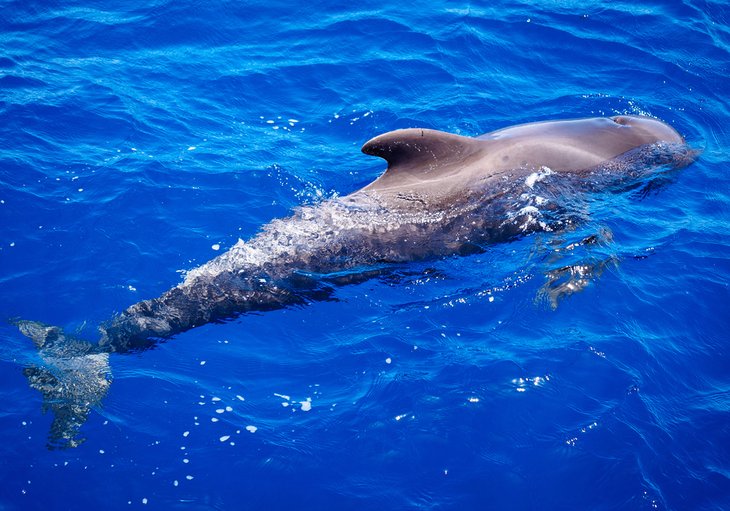
The Atlantic Sea off Tenerife is known for its whales and dolphins, and a whale watching cruise is one of the island's favorite things to do for families. You can spot whales and watch pods of dolphins cavort – as many as five different species – on boat excursions from various harbors. Many cruises include a stop at a secluded bay for swimming or snorkeling.
A variety of crafts are available, from sleek sailboats and catamarans to luxury yachts. You'll be accompanied by trained crew members who will help you spot and identify the marine life you see. You'll also get different views of Mt Tiede and the coastline. For those who like their wildlife experiences to be closer to the water — or in it — there are tours for kayakers and divers, as well.
8. Santa Cruz de Tenerife
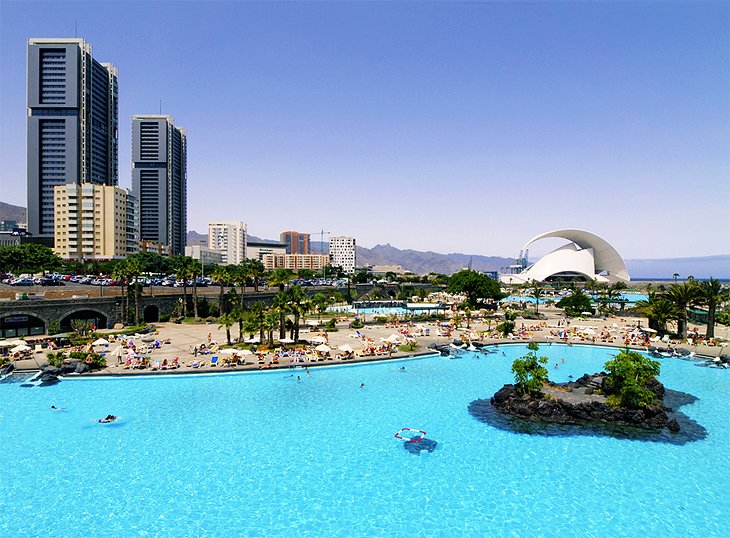
The capital of Tenerife is a lively and attractive city, marked by some outstanding architectural attractions. Foremost of these is the magnificent Auditorio de Tenerife, an opera house and concert hall overlooking the sea, designed by Spanish architect Santiago Calatrava. The concert hall hosts world-class performers, conductors, and orchestras.
Santa Cruz has other cultural highlights, including the excellent collections of the Museum of Fine Arts, where you'll find works by Spanish, Flemish, and Canarian painters.
At the fascinating Museum of Nature and Man, you can learn more about Tenerife's native people, before the arrival of European settlers, and about the volcanic history of the island. Close to the museum, the lively Mercado de Nuestra Señora de Africa is a good place to find local crafts. Santa Cruz is where you'll find the best shopping on Tenerife.
9. Las Palmas de Gran Canaria
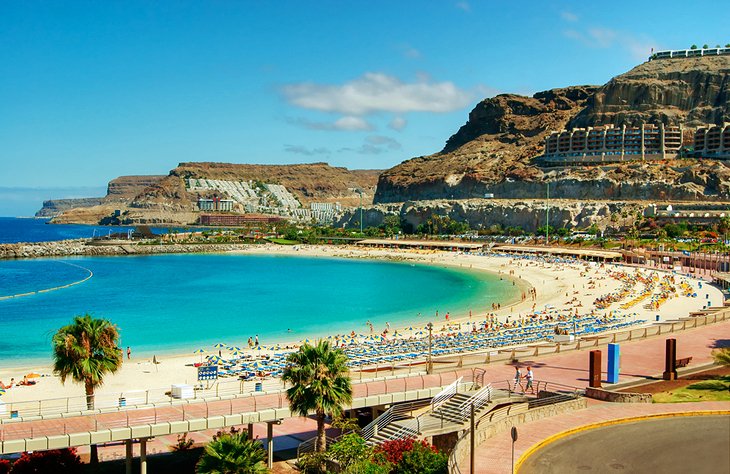
Las Palmas de Gran Canaria is a sun-drenched seaside town with an interesting historic legacy from its Spanish colonial past, dating from the 15th century. The city was founded in 1478, Spain's first colonial foothold in its westward expansion toward the New World.
The impressive 16th-century Cathedral of Santa Ana has a Gothic interior, with unusual palm-shaped columns, and in the south wing is the Diocesan Museum, with a rich collection of religious art and gold and silver work. The interesting archaeological and ethnographic collections at the Museum of the Canary Islands reveal the prehispanic culture of the island.
The 15th-century Casa de Colon was the home of the first governor, where Columbus stayed en route to the New World. Exhibits in the museum detail his explorations. The house is a beautiful example of Canarian architecture, with delicate wooden balconies, lovely patios, and a monumental doorway.
The Néstor Museum exhibits the artwork of Néstor Martín-Fernández de la Torre, one of the most renowned Spanish Symbolist painters. The museum displays his paintings, including portraits and landscapes, as well as his drawings, sketches, and craftwork. The Néstor Museum is part of the Pueblo Canario (Canaries Village) built in an idealized "neo-Canarian" style. Jardín Botánico Viera y Clavijo, seven kilometers from Las Palmas, is a spectacular botanical garden filled with native Canarian plant species and set in a beautiful valley.
10. Meet Animals at Loro Park, Tenerife
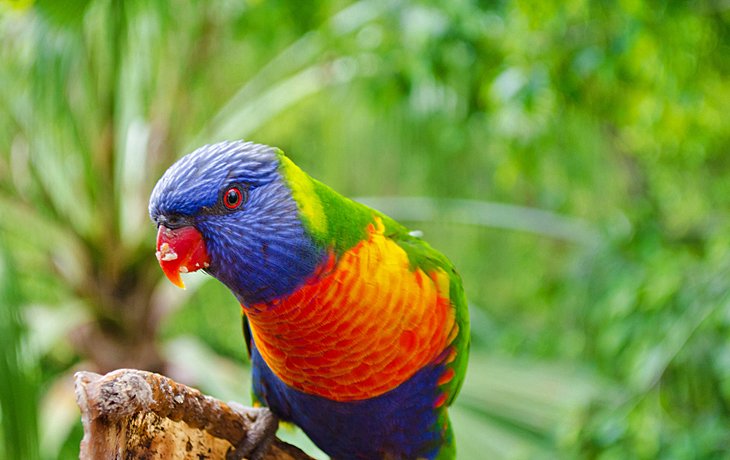
One of the most popular tourist attractions for families in the Canary Islands is Loro Park just outside of Puerto de la Cruz. Combining high standards of conservation with good entertainment, the park has one of the world's largest collections of parrots, a large dolphinarium, and an immense aquarium with an underwater tunnel where you can walk as sharks and other sea creatures swim overhead.
A bat cave; a gorilla jungle; a huge penguin habitat; and various exotic animals, including tigers and crocodiles, fill the large park.
Address: Calle San Felipe, Puerto de la Cruz, Tenerife
11. San Cristóbal de la Laguna, Tenerife
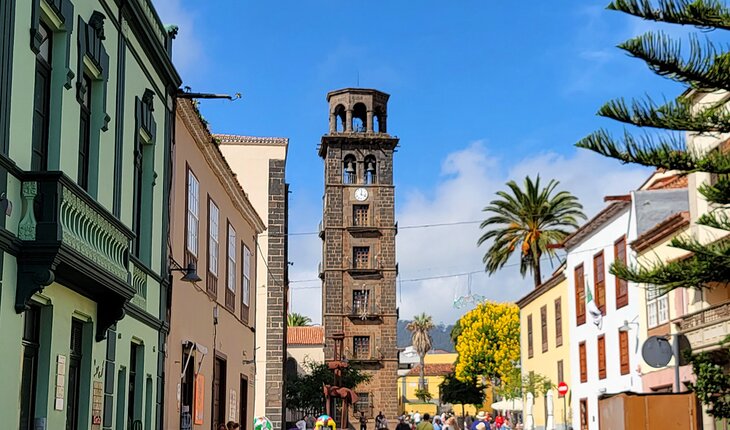
This charming colonial city is a designated UNESCO World Heritage Site because of its exceptional cultural heritage. San Cristobal de la Laguna, locally known simply as La Laguna, is the former capital of all the Canary Islands. The lovely historic town has many architectural gems, such as its elaborate cathedral, Renaissance and Neoclassical churches, and impressive mansions built by wealthy families in the 17th and 18th centuries.
The town's parish church, the Iglesia de Nuestra La Concepción, was built 1496 and modified in the 16th and 18th centuries. The sanctuary is simply adorned and has Mudéjar coffering. Another important church is the 17th-century Iglesia de Santo Domingo de Guzmán, with Plateresque details on the facade and an ornately designed Mudejar ceiling. Paintings by the Canary Island artist Cristóbal Hernández de Quintana decorate the interior.
For a historical overview of the region, head to the History and Anthropology Museum, housed in the lovely Casa de Lecaro, which dates from 1593.
12. La Orotava, Tenerife
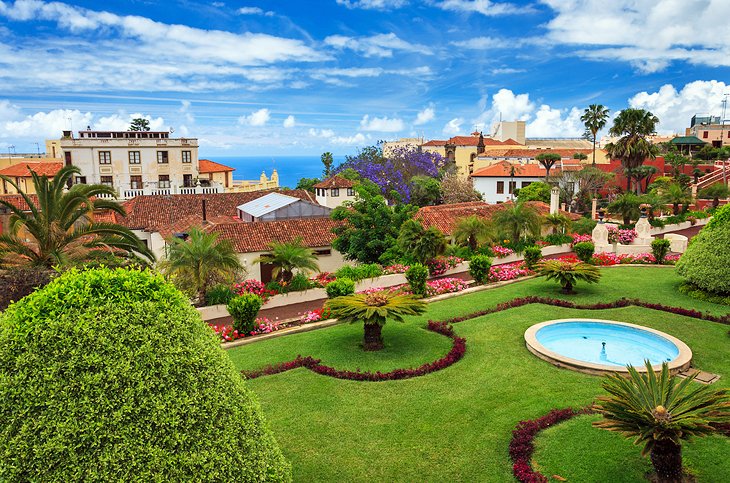
In a beautiful valley of banana plantations, this colonial town has been designated as a National Historic-Artistic Site. The historic quarter is filled with gracious old homes, many with ornately carved wooden balconies.
The most outstanding of these architectural gems is the Casas de los Balcones, built in the 1630s as a home to a wealthy colonial family. Today, it's a museum and gallery of traditional Canarian crafts and needlework. To admire the interior balconies, step inside the plant-filled patio. The Iglesia de Nuestra Señora de la Concepción, a 16th-century Baroque church, has two remarkable bell towers.
The beautifully landscaped Hijuela del Botánico is filled with more than 3,000 colorful tropical flowers and rare plants, set in lawns with decorative pools. An even larger botanical garden is in nearby Puerto de la Cruz, which was once part of La Orotava, a port known for its fishing (its boats still bring in the daily catch to its restaurants). Cesar Manrique, the artist, sculptor, and architect from the neighboring island of Lanzarote, designed its Jardin Beach among volcanic rocks.
13. Explore Cueva de los Verdes, Lanzarote
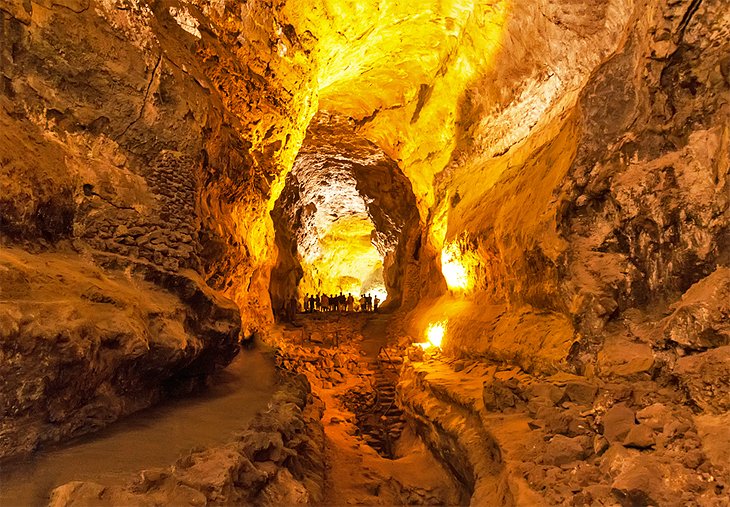
One of the most popular things to do on Lanzarote is to explore the seven-kilometer-long volcanic tube that extends from La Coruna mountain to the sea. These tubes were formed when the surface of a lava flow cooled and hardened while the molten river of lava still flowed beneath it. When the subterranean lava emptied into the ocean, it left the hollow tube deep underground.
The two-kilometer section that you can tour inside the cave is in its original state - the only things that have been added are lights and walkways for safety. You enter the caves through a jameo — a hole created by the collapse of a thin place in the roof of the lava tube. Some of the larger chambers are as high as nine to 12 meters. The stone of the walls is red, orange, and black, formed by compounds such as iron oxide and calcium carbonate in the stone.
14. Puerto del Carmen, Lanzarote
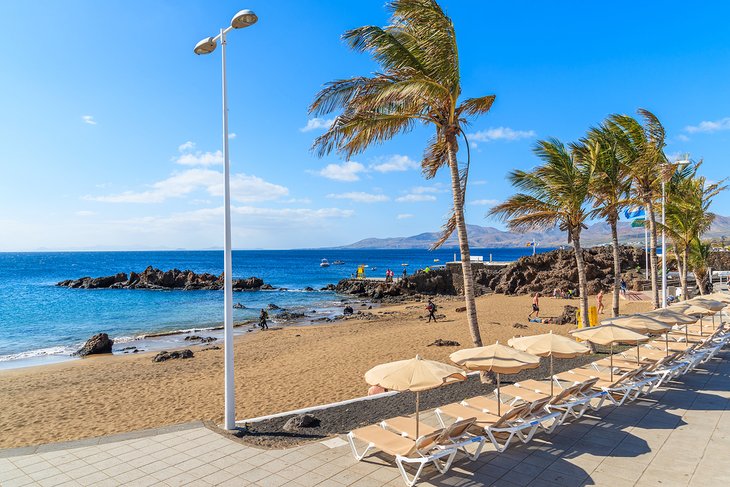
The biggest tourist town on Lanzarote is lively Puerto del Carmen, surrounded by more than six kilometers of sandy beaches with calm waters. The old fishing village has been transformed into a bustling vacation destination with a wide selection of hotels and restaurants, but for all its tourist amenities, it has not lost the feel of a real Canarian town.
Those visiting during the first two weeks of August will be delighted by the Fiesta de la Virgen del Carmen. This religious festival honors the patron saint of the fishing village, which is decked out with colorful bunting for the occasion. The village celebrates with a traditional procession of decorated boats. One of the boats holds the statue of the Virgen del Carmen, while other fishing boats follow in a twilight maritime parade.
Read More: Best Beaches on Lanzarote
15. Santa Cruz de la Palma
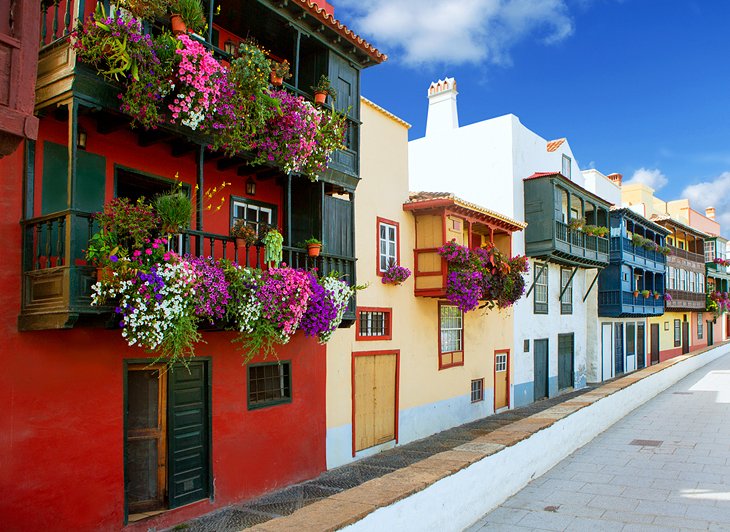
This pleasant seaside town has the most unspoiled seafront of any in the Canaries and still reflects the favored position it held in the 1500s, when it was one of only three Spanish ports allowed to trade with the New World. Stroll along the cobbled Calle O'Daley to see the handsome homes of wealthy merchants and appreciate the prosperity this town enjoyed in the 17th and 18th centuries.
The 16th-century Iglesia del Salvador has a beautiful mudejar ceiling and a painted altarpiece. The Ayuntamiento (town hall) was once the cardinal's palace, built in 1569, and has a magnificently carved ceiling and Renaissance arcade. Every five years, the island celebrates its patron saint, the Virgin of Las Nieves, with Quinquennial Fiestas, following the same traditions the townspeople have enjoyed since 1680.
16. Hike to Roque Nublo, Gran Canaria
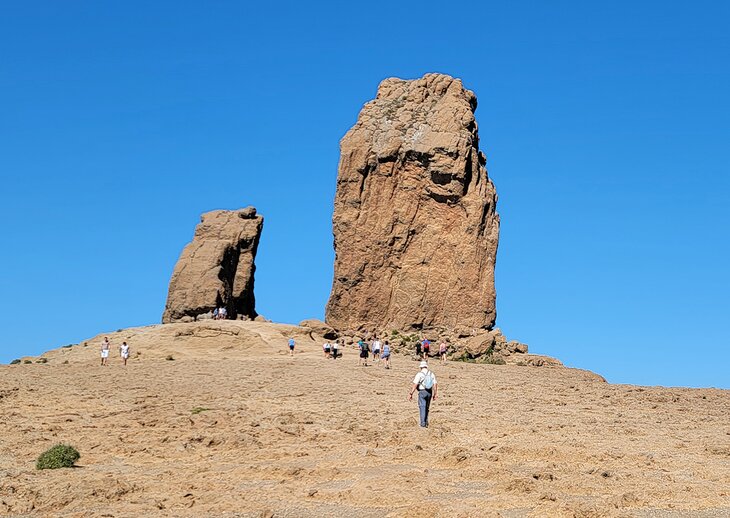
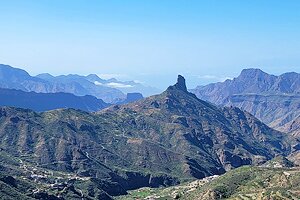
The symbol of Gran Canaria, this 220-foot pillar of stone is one of the world's largest natural crags.
The views from the base of the rock are stupendous. You are standing close to the center of the island, which stretches before you in all directions, layer after layer of ragged volcanic peaks. If the weather is clear, you can see the cone of Mount Tiede on Tenerife, the highest peak in Spain.
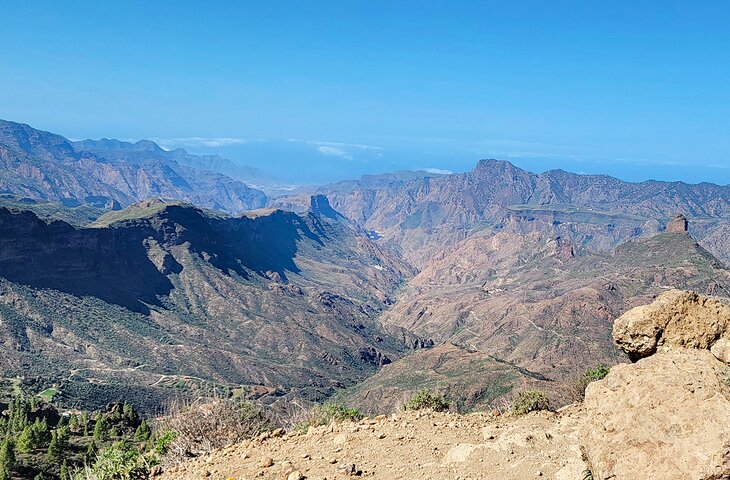
Be prepared for both wind and sun, and wear sturdy shoes; the trail is rocky and no place for sandals. The trail is only three kilometers long but is more challenging than many sightseers expect. It's uphill all the way, with no level sections, and some of it is very uneven and over rocks. Be prepared for a bit of a workout, especially on some of the steeper sections. Count on at least 1.5 hours of total hiking time there and back.
On weekends and holidays, it's a good idea to arrive early in the morning because parking is limited at la Goleta.
17. Join the Fun at the Carnival of Santa Cruz de Tenerife
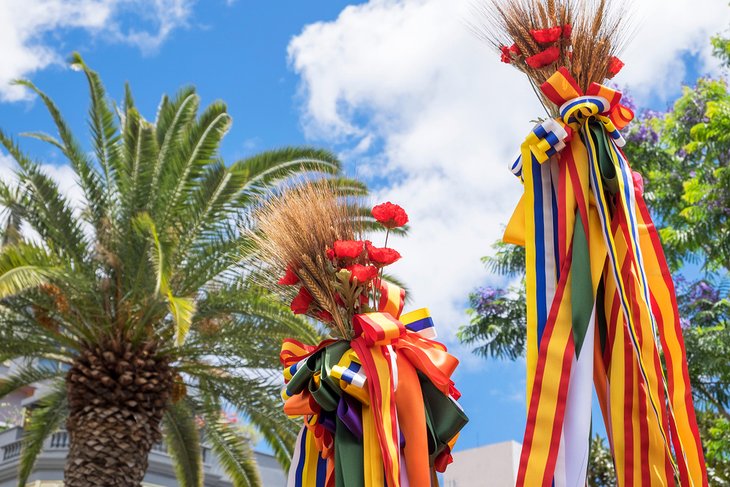
Each year, Tenerife's capital city goes wild for three days of carnival parades, parties, concerts, and general merrymaking. This is normally in February, before the start of Lent.
Carnival actually lasts for three weeks, but the first two are less colorful, given mostly to selecting the various queens who will participate in the grand finale, which is on the last three days. That's the time to be there, to witness the parades and join the open-air parties that continue day and night.
As many as 400,000 people fill the streets, music is everywhere, and the costumes are lavish confections of feathers and glitter that often overshadow the beautiful girls wearing them. The parade floats are even more elaborate and imaginative than the costumes.
The Carnival of Santa Cruz is second only to Rio de Janeiro's in popularity and worldwide recognition. Some tips: reserve lodgings early (a year in advance is not too soon), don't even think of bringing a car into Santa Cruz, arrive early to stake out a good viewing point for the parades, and wear a costume – however simple – so you can take part in the fun.
18. Parque Nacional de Garajonay, La Gomera
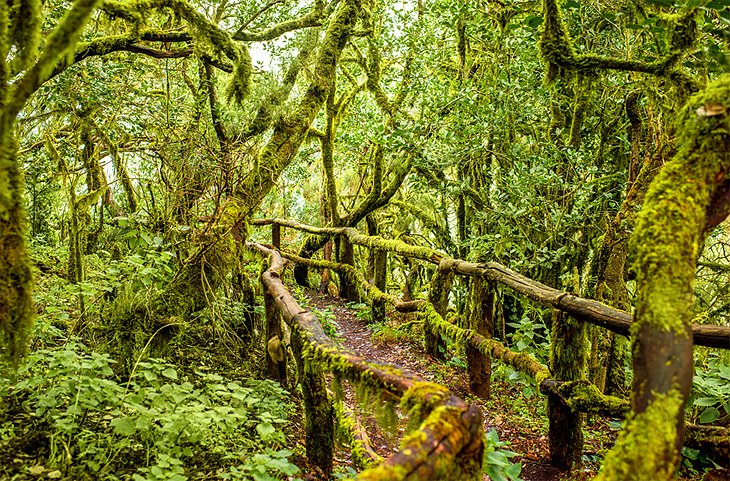
La Gomera rises so steeply from the Atlantic that it is impractical to build a road around its coast. Crowning the top half of the island is the world's largest pre-glacial forest, protected as Garajonay National Park, and a UNESCO World Heritage Site. Seventy percent of the 9,325-acre park is covered by a dense laurel forest, similar to those covering Europe in the Tertiary Period.
These beautiful, green forests are home to many plants and animals that are indigenous only to this island, and the island's streams and springs are fed by clouds and mists that hover on the peaks in the park. The terrain is steep, and paths through the misty moss-draped forests open to breathtaking, if often vertigo-inspiring, views. The island capital of San Sebastián was where Christopher Columbus outfitted his ships before crossing the Atlantic in 1492.
19. Go Stargazing on Mt. Tiede, Tenerife
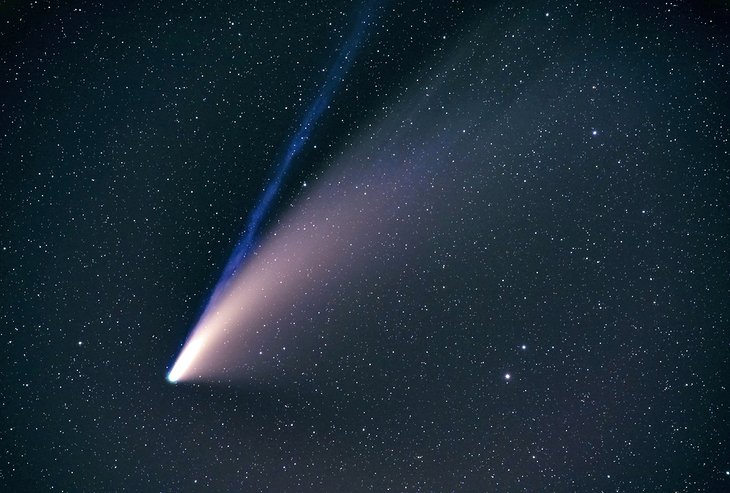
While the volcano and its giant caldera are the island's top tourist attraction during the day, Tiede National Park offers another appeal after dark. It has been certified as a "Starlight Destination" by the Starlight Foundation, for the exceptional quality of stargazing.
This is due to a low level of light pollution, the trade winds, and its location close to the equator, which allows you to see all the constellations of the Northern Hemisphere and most of the Southern Hemisphere's. Of the 88 officially recognized constellations, 83 are seen from Tiede. This makes stargazing one of the favorite things to do at night on Tenerife.
Some of the most spectacular stellar events are meteor showers, the best known of which are the Perseids in August and the Quadrantids in January, although smaller ones occur throughout the year. A good way to see the stars, planets, and other celestial phenomena is with a Night Sky Star Safari Teide National Park Tenerife tour, where you can stargaze through a professional telescope with the help of an expert guide to explain the wonders of the night sky.
20. Caldera de Taburiente National Park, La Palma
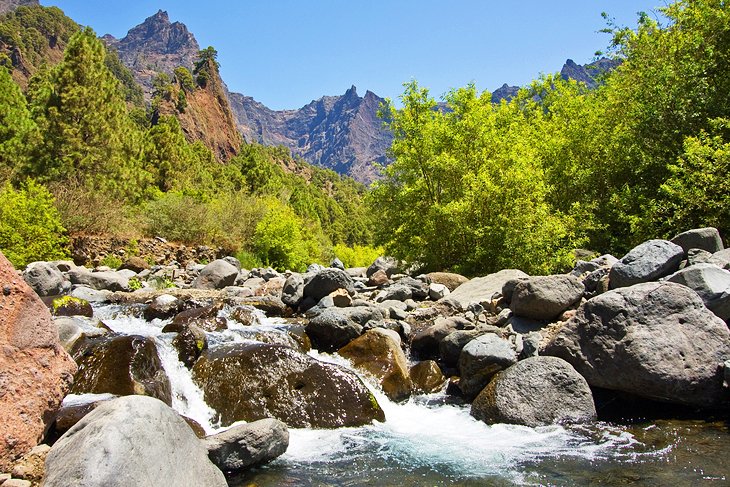
Known as the Isla Bonita (Beautiful Island), La Palma is the greenest of the Canary Islands. Designated a UNESCO Biosphere Reserve, La Palma's landscape varies from pristine forests to sheer cliffs and black-sand beaches. Among its many protected environments is the Caldera de Taburiente National Park, where volcanic peaks rise to 2,400 meters, and lava flows descend to the sea.
For those in search of idyllic surroundings, the park has wooded areas with streams and waterfalls. Along the rocky coastline, picturesque little bays are hidden away in between steep hillsides.
Map of Attractions & Places to Visit in the Canary Islands
What are the Canary Islands Like?
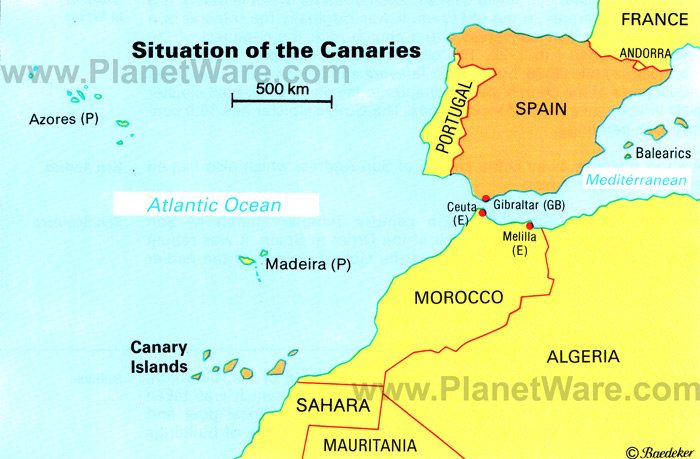
Although part of Spain, the Canary Islands are much closer to Africa than they are to Europe. Fuerteventura is only 160 kilometers from the northwest coast of Morocco, close enough for its beaches to be made of blowing Sahara sand.
Spanish is the local language, but tourists may be surprised to find a distinctly Canarian character and culture that is quite different from mainland Spain.
In other words, don't expect bullfights or flamenco. Expect to find plenty of other tourists, especially on the islands of Tenerife and Gran Canaria, most of whom have come for the fabled beaches.
The Canaries have long been popular with British and northern European sunseekers, so you'll find English spoken in most restaurants, hotels, and shops. You'll also find a surprising variety of things to do on these seven islands, from water sports and hiking trails to modern art and sightseeing in charming colonial towns.
Although each island is different, they have in common their volcanic origins, which have led to some of their most distinctive natural attractions. The four largest islands, Tenerife, Lanzarote, Fuerteventura, and Gran Canaria, all have fascinating volcanic features, two of which are national parks. The islands have three UNESCO World Heritage sites.
When is the Best Time to Visit the Canary Islands?
There's no wrong season to visit the islands, as their placement where the tropical climatic zone joins the subtropical zone gives them an almost ideal climate of perpetual springtime, with average temperatures varying only 14 degrees throughout the year.