Tourist Attractions in Hawaii
Author Meagan Drillinger traveled throughout Hawaii while on assignment for PlanetWare.
Hawaii's tropical climate and laid-back Pacific Island atmosphere are just part of what makes the state so special. Occupying the tops of massive volcanic mountaintops jutting from the sea, these islands have a diverse and beautiful landscape that varies from the stark lunar surface of the Kilauea volcano to lush green forests filled with exotic flowers.
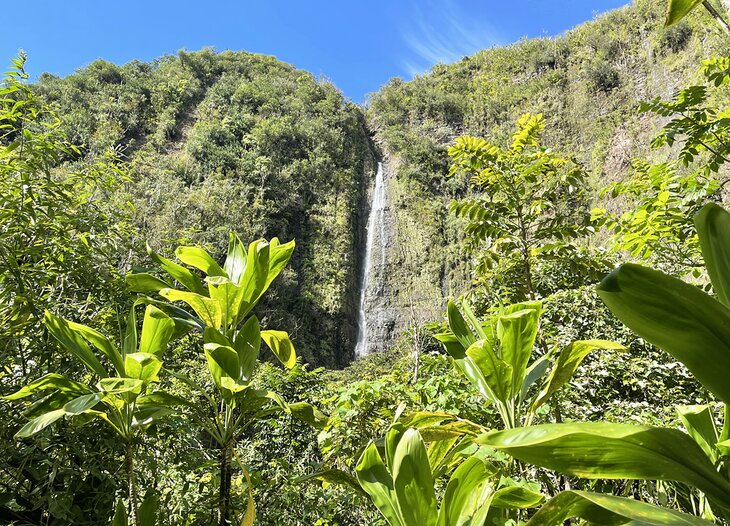
Waterfalls stream down the mountainsides like tears on the dramatic Na Pali coast, while ancient rivers have carved deep into the rock of Kauai to create the Waimea Canyon. The Big Island is home to an active volcano, and Oahu is home to Pearl Harbor and its rich history.
Surrounding them all, the mighty Pacific is home to a plethora of ocean life, providing endless opportunities to snorkel, scuba dive, surf, or simply go for a swim after sunbathing. Perhaps the most special part of the islands, however, is their people, whose welcoming attitude makes you truly feel like you are in paradise.
Discover the islands and the places to visit with our list of the tourist attractions in Hawaii.
Pearl Harbor and USS Arizona Memorial, Oahu
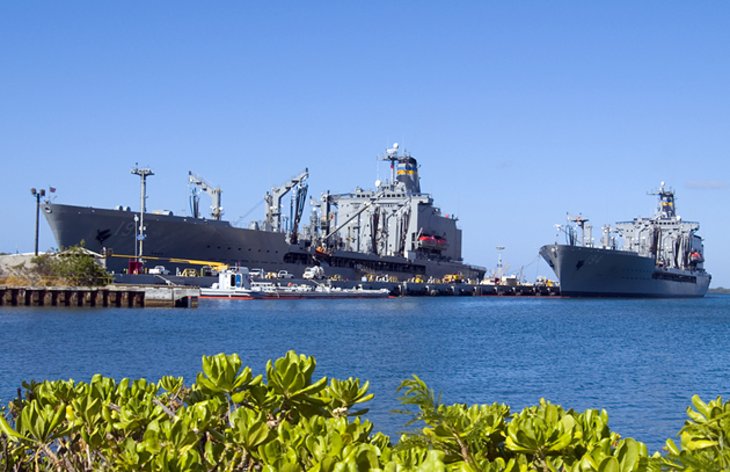
Highlights: One of the most historically significant landmarks in America, and one of the most visited war memorials in the world
Pearl Harbor is a National Historic Landmark and active military base that earned its place in history for the 1941 attack, which killed 1,177 servicemen on the USS Arizona. The site is now home to several attractions that are part of the Pearl Harbor National Memorial, which replaced the former World War II Valor in the Pacific National Monument in 2019.
These attractions include the USS Arizona Memorial, which floats above the remains of the sunken ship — parts of which can be seen protruding from the water. There is no cost for a tour of the memorial; however, advance reservations are highly recommended and often necessary due to its popularity and limited capacity, especially during peak seasons.
The Pearl Harbor Visitor Center has free admission and is the meeting place for tours. From here, visitors can access attractions on Ford Island via shuttle bus (private vehicles are generally not allowed). These include the Pearl Harbor Aviation Museum (formerly the Pacific Aviation Museum), where visitors can see WWII aircraft and artifacts, as well as experience landing an airplane on an aircraft carrier in a flight simulator.
Other significant sites within the broader Pearl Harbor area include the USS Oklahoma and USS Utah memorials (which are part of the Pearl Harbor National Memorial), and the Battleship Missouri Memorial (a separate non-profit), whose deck can be toured by visitors.
Please note that separate admission fees apply for the Pearl Harbor Aviation Museum and the Battleship Missouri Memorial.
Read More: Tourist Attractions in Honolulu
Na Pali Coast State Wilderness Park, Kauai
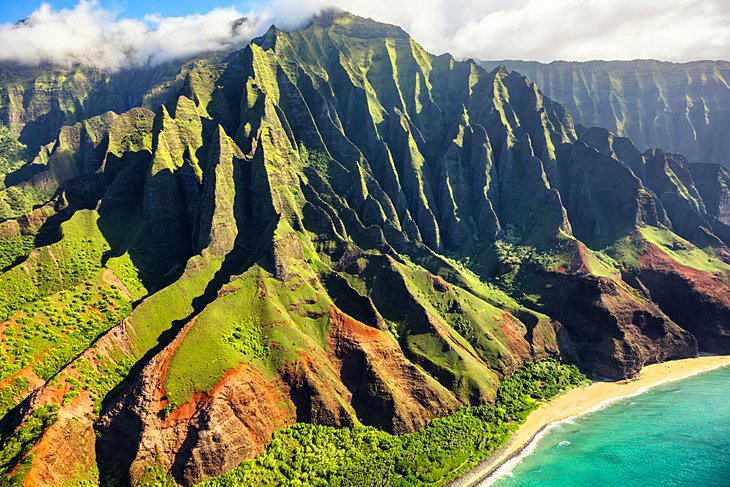
Highlights: The most awe-inspiring landscape on the island of Kauai, complete with lush valleys, hiking trails, and waterfalls
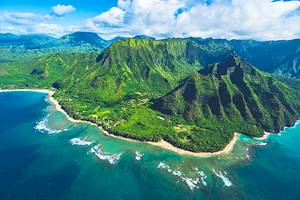
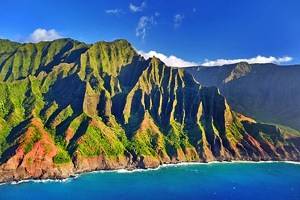
The Na Pali Coast State Wilderness Park on the island of Kauai contains some of the world's most dramatic landscapes. These were made famous in the film Jurassic Park, which shows a dramatic coastline with cliffs that seem to ripple, and the "Wall of Tears" on Mount Waialeale, named for the way in which hundreds of waterfalls weep from the slopes of the mountain in certain weather conditions.
Some of the best ways to take in the scene are to approach by water or to take a helicopter tour to view the simply breathtaking sight from above.
Expert hikers can try the Kalalau Trail, an eleven-mile trek, which traverses five valleys and takes a full day each way. The Kalalau Trail beyond Hanakapi'ai is subject to a permit system that is highly competitive and often sells out months in advance. Access to the first section (to Hanakapi'ai Beach) also requires a reservation for entry to Hāʻena State Park.
Volcanoes National Park, Hawaii
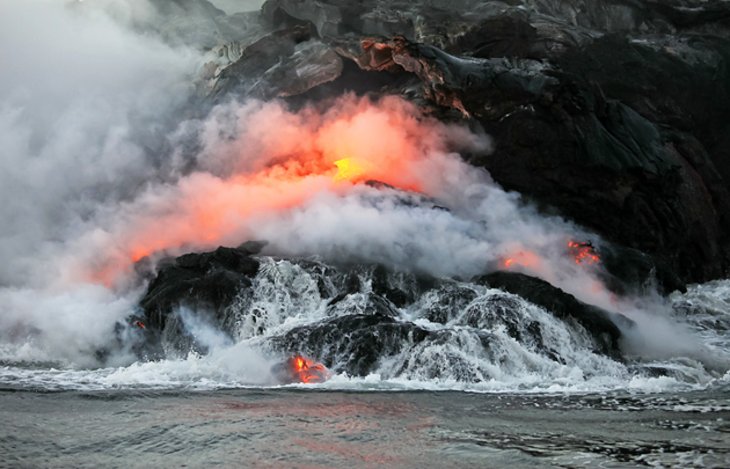
Highlights: Still-active, bubbling volcanoes; steaming calderas; and millennia-old lava tubes
Located on the Big Island of Hawaii, Volcanoes National Park offers a unique, close-up look at an active volcano system where lava seeps from fissures in the earth. The surrounding landscape is shaped by cooled lava rock, both old and new, which has flowed over roads in a display of its unstoppable force.
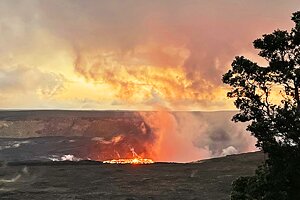
The park's centerpiece, Kilauea, has been active in recent years, including an eruption in January 2021 that formed a lava lake. Visitors should be aware that portions of the park are closed during periods of seismic activity that might pose a threat.
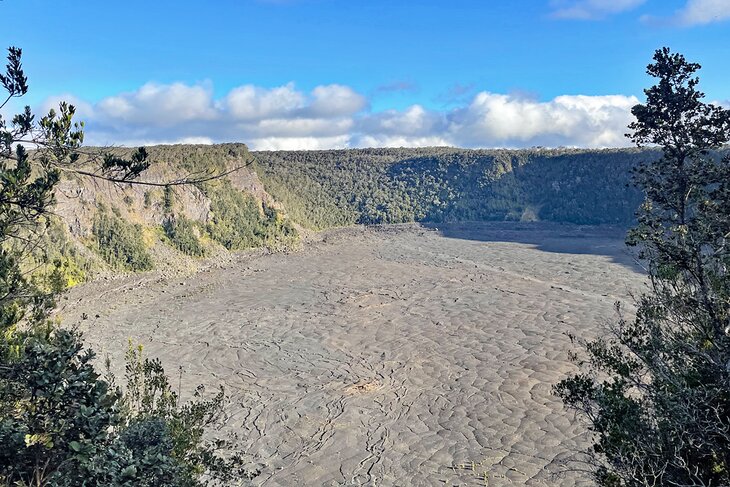
The park has many things to see and do, including the Thurston Lava Tube, Devastation Trail, and the steaming Halema'uma'u crater. During the area's most active periods, tourists have the chance of experiencing the thrill of feeling seismic activity, hearing the boom of gas emissions, or even seeing a pillar of ash escaping into the air.
Address: 1 Crater Rim Drive, Hawaii National Park, Hawaii
Haleakala National Park, Maui
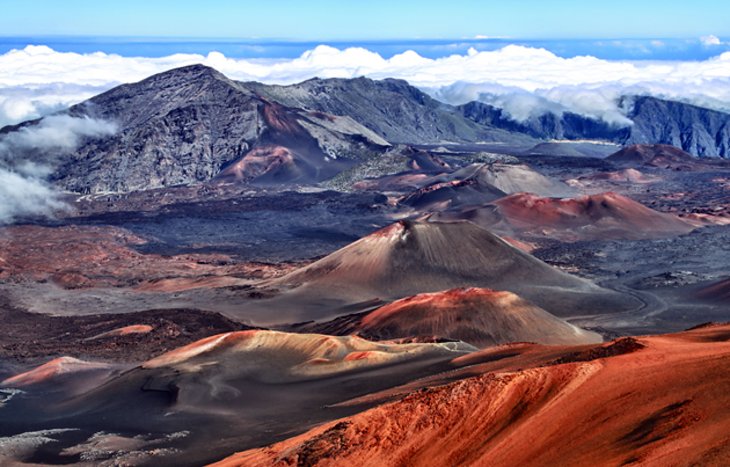
Highlights: A magnificent drive up 10,000 feet leads to sweeping Maui views and a spectacular bird's-eye look at the ancient crater
Located on Maui, Haleakala National Park offers access to the inactive Haleakala Volcano, which stands at over 10,000 feet. Views from the summit stretch across the entire island and are particularly beautiful at sunrise.
The dormant crater is exposed, showing a lunar-like landscape, while other areas of the park are covered in subtropical rainforests, which are home to endangered species. Visitors can explore the many hiking trails freely or sign up for guided ranger-led tours, and the more adventurous can spend the night in the park, surrounded by one of Hawaii's most impressive landscapes.
Waikiki Beach and Diamond Head State Monument, Oahu
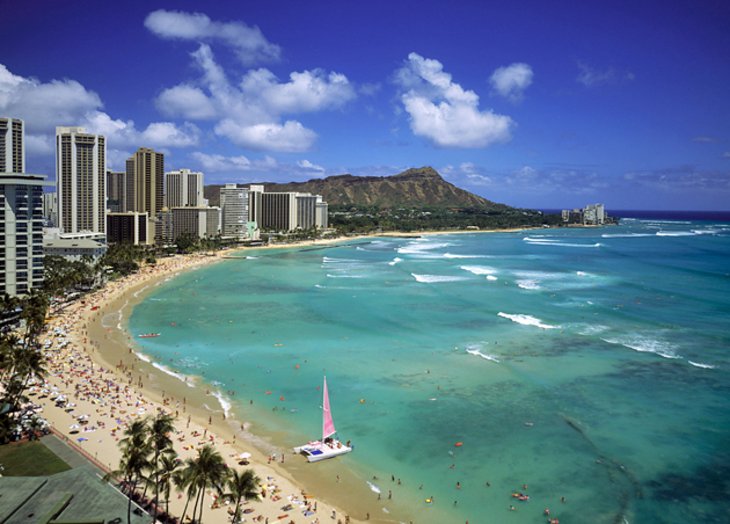
Highlights: Fabulous resorts and restaurants, and some of the most famous beachfront in the Hawaiian islands
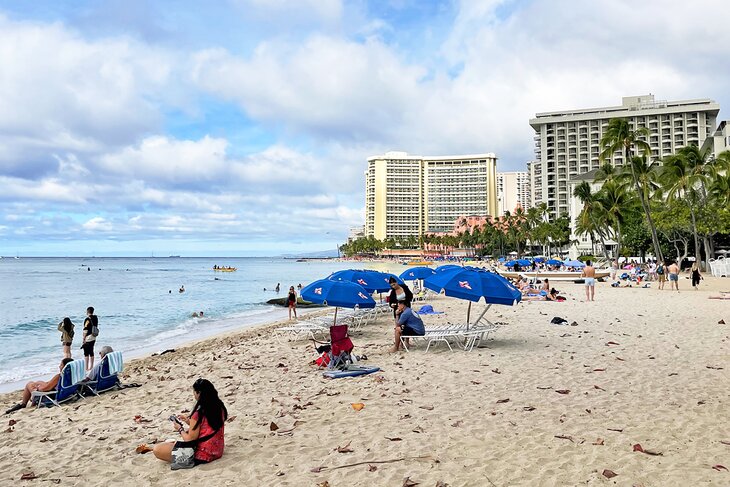
Waikiki, with its beautiful stretch of oceanfront beach, is Hawaii's biggest tourist attraction. A suburb of Honolulu, Waikiki is popular for its big resorts, dining, entertainment, and shopping.
The Waikiki Historic Trail includes historic markers made of surfboards, inspired by Waikiki's own Duke Kahanamoku, an Olympic gold medalist swimmer and avid surfer.
The boardwalk, known as the Waikiki Beach Walk, is lined with cafes and entertainment venues, while Kuhio and Kalakaua Avenues are where the bulk of the area's restaurants and boutiques can be found.
Diamond Head State Monument sits at the end of the crescent-shaped beach, creating a distinctive profile on the coastline. It was once an important vantage point for the island's coastal defense, and a steep hike to the top brings you to the old bunkers and artillery control station and rewards your efforts with panoramic views.
Read More:
Halawa Valley, Molokai
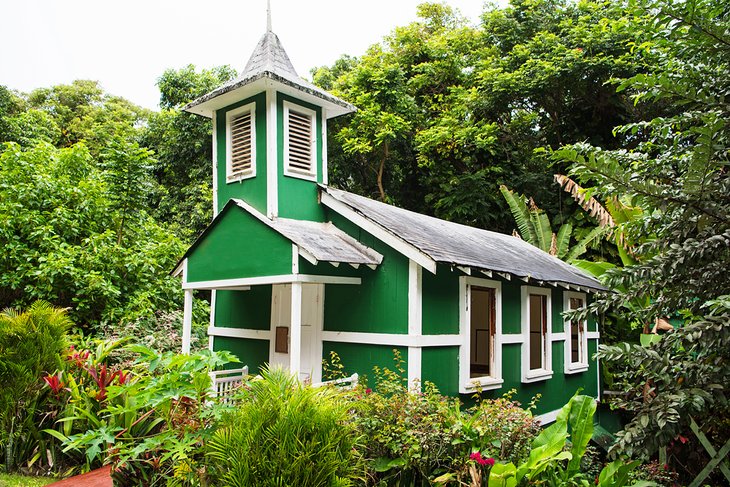
Highlights: Lush tropical rainforest, waterfalls, hiking trails, and very little human influence
The island of Molokai's Halawa Valley is widely considered the oldest settlement in Hawaii, with a small population still inhabiting the area despite widespread damage to the village from a tsunami in the 1940s. The valley is full of lush tropical rainforests punctuated by a dramatic landscape and cascading waterfalls, virtually untouched by humans.
The best way to see the valley is on a tour led by father-and-son team Philip and Greg Solatorio, one of the few families that still call the Halawa Valley home. In addition to a guided hike to Mo'oula Falls, visitors will learn about the region's unique history and traditional Hawaiian culture.
Read More: Things to Do on Molokai, Hawaii
Waipio Valley Lookout, Hawaii
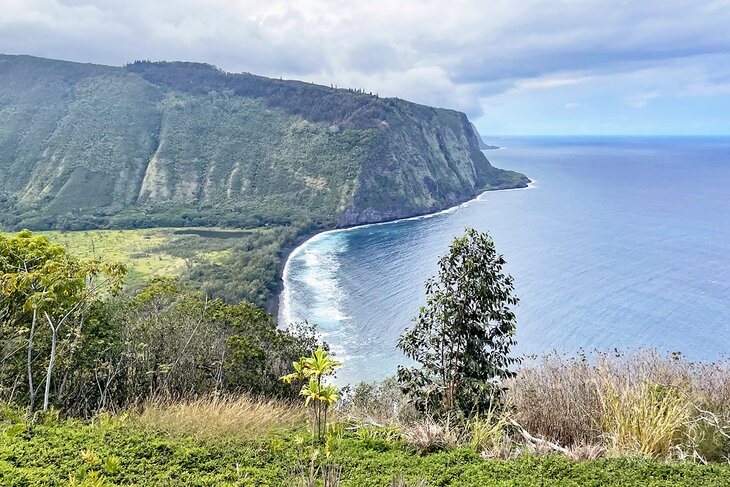
Highlights: Spectacular views over a historic valley, veined with hiking and horseback riding trails
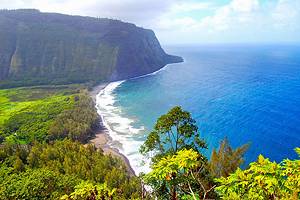
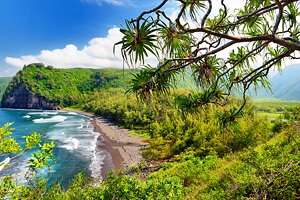
One of the most scenic spots on the Big Island of Hawaii is the lookout over Waipio Valley. Surrounded by lush cliff walls, the fertile valley opens out to the ocean, where the black-sand beach is met with white waves and blue water.
You can drive to the lookout, which is about an hour northwest of Hilo and about an hour and 20 minutes northeast of Kailua-Kona.
Access to Waipio Valley is currently restricted to tourists. Work is being done on the road to access the valley.
Polynesian Cultural Center, Oahu

Highlights: Music, dance, and demonstrations that shed light on Polynesian history and culture across the islands
Located on Oahu, less than an hour's drive from Honolulu, is the Polynesian Cultural Center. Through music, dance, craft demonstrations, and games, the center portrays the culture and daily life of the Polynesian islanders in Hawaii, Tahiti, the Marquesas Islands, Tonga, Samoa, and Fiji, as well as that of the Maoris in New Zealand.
The center is divided into sections representing each of these locations. Many of the performers come from the islands that they represent, providing a high degree of authenticity. Visitors can tour the facility during the day or see a show in the evening.
Address: 55-370 Kamehameha Hwy, Oahu, Hawaii
Mauna Kea, Hawaii
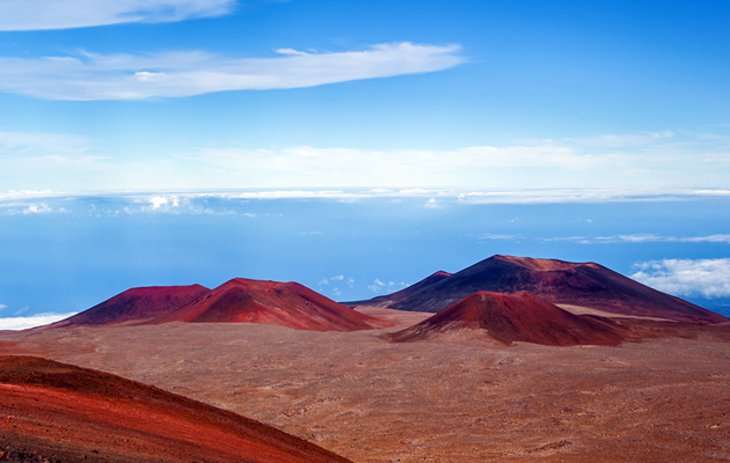
Highlights: Epic views, hiking trails, and astronomy lessons from the top of the highest mountain in Hawaii
The highest mountain in Hawaii, Mauna Kea, on the Big Island of Hawaii, is a world away from the tropical paradise below. The summit, which can only be reached in a 4WD vehicle, is often very cold, with snow in the winter months.
The Mauna Kea Observatory is an active research facility that welcomes tourists during daylight hours. Only expert hikers should attempt a climb to the summit on the six-mile trail, which rises to an altitude of 13,800 feet from the Visitor Information Station.
Evening stargazing programs, held at the visitor center, which sits at around 9,200 feet, are popular with tourists and locals alike.
Kauai's Botanical Gardens
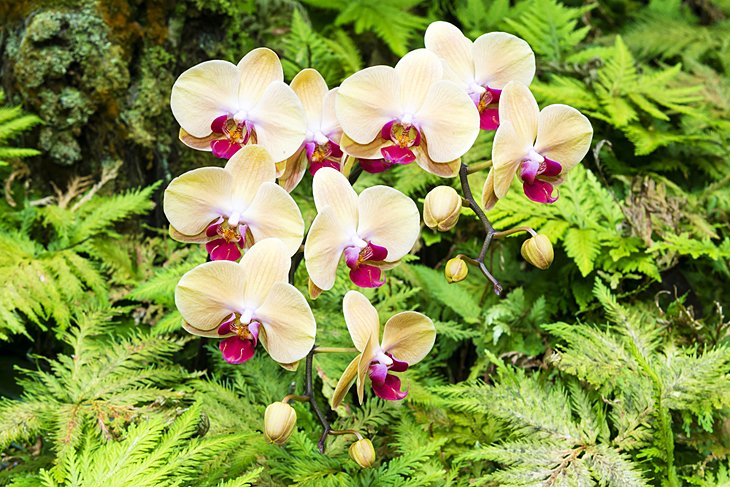
Highlights: Fruit trees, palm groves, exotic flowers, and medicinal plants
Kauai's nickname of the "Garden Isle" is well-deserved thanks to its natural abundance of lush greenery and diverse flora. In addition to the acres of wilderness, Kauai is home to many excellent botanic gardens that showcase the island's long history as a haven for rare and stunning plants.
The most dramatic of Kauai's botanic areas is Allerton Garden, known not only for its stunning flowers but also its wide variety of palm and fruit trees. Its most recognizable areas are the fig trees, whose partially exposed roots create dramatic scenes that have been featured in films like Jurassic Park. Visitors can also book a tour that includes nearby McBryde Garden; allow at least three hours to fully explore.
The Princeville Botanical Gardens is a family-operated facility, which grows a wide variety of exotic flowers, medicinal plants, and food-bearing plants. Enjoy the gardens via guided tours and learn about the plants while seeing cacao trees, stunning flora, and working beehives. Tours also include a sampling of both raw and processed cacao, as well as honey made from the nectar of tropical flowers.
Nearby in Kilauea, the Na 'Aina Kai Botanical Gardens & Sculpture Park features 260 acres filled with vibrant flowers, lush greenery, and an open-air sculpture gallery. Also on the north shore, near Hanalei, Limahuli Garden & Preserve has 17 of its 1,000-acre preserve open to the public. The gardens feature hundreds of endangered plant and bird species, and visitors can learn about the ancient techniques that staff use to maintain the delicate ecosystem.
Waimea Canyon State Park, Kauai
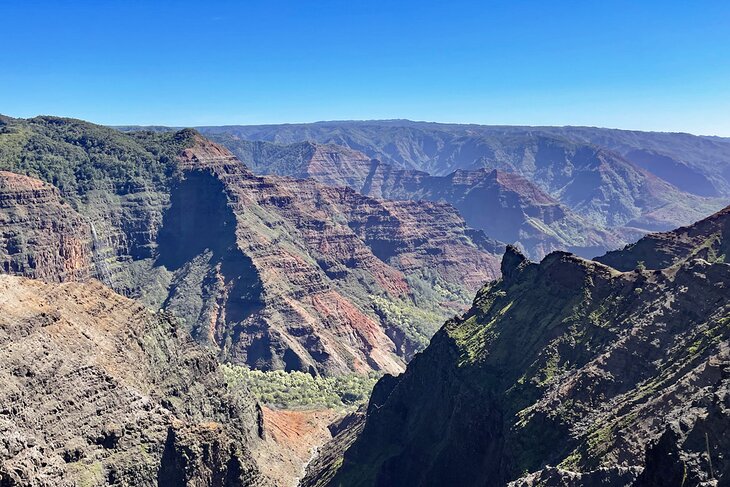
Highlights: "The Grand Canyon of the Pacific" has miles of hiking trails, waterfalls, rivers, and dramatic views
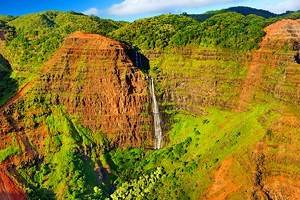
Waimea Canyon, located on the west side of the island of Kauai, is often referred to as the "Grand Canyon of the Pacific." The canyon stretches over ten miles long, reaches depths of 3,600 feet, and is a mile wide at some points. This dramatic spectacle can be viewed best from the two main lookouts, Puu ka Pele and Puu Hinahina.
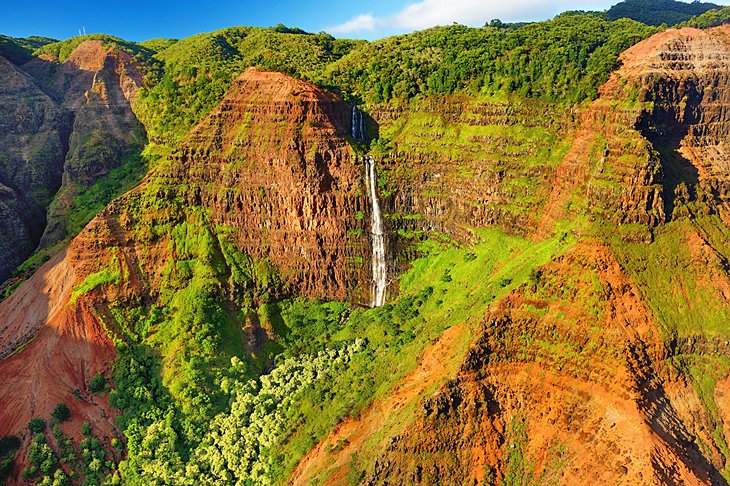
The canyon's landscape features rock strata in varying colors and several stunning waterfalls. Guided tours along the many challenging hiking trails and rafting tours that explore the river below are available, and there are additional trails for all skill levels at the nearby Kokee State Park.
Address: Waimea Canyon Drive, Uninc Kauai County, Hawaii
Hana Road, Maui
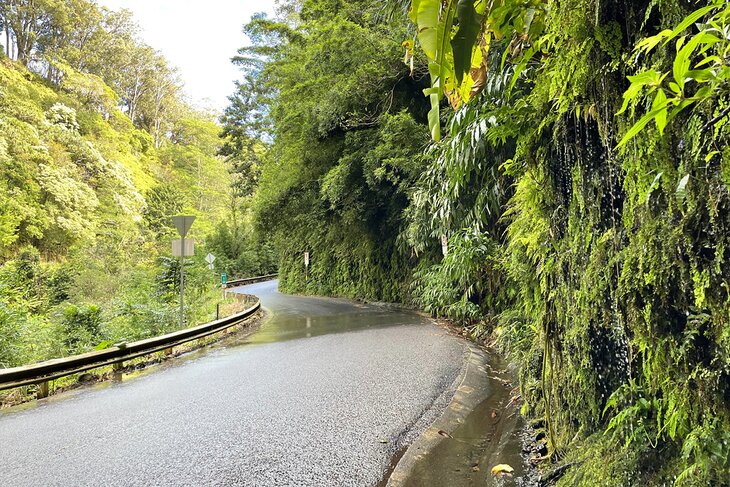
Highlights: Fifty-two miles of jungle switchbacks, beautiful beaches, hiking trails, and waterfalls
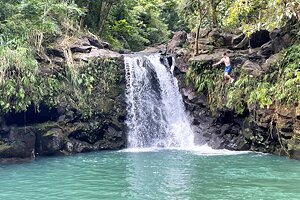
The dramatic Hana Road, officially named Hana Highway, is a scenic 52-mile stretch of highway on the island of Maui that winds from Pāʻia through lush forests and along the coast to the remote town of Hana. This trip is worthwhile for the sightseeing along the stunning drive, the things to do along the way, and the visit to the town itself. Attractions along the route include numerous hiking trails, waterfalls, scenic overlooks, and beaches.
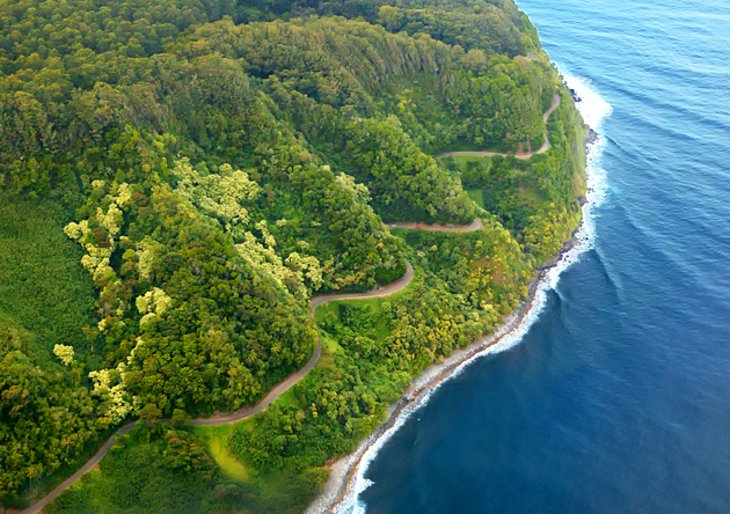
Hana's location, relatively cut off from the rest of the island, has allowed it to maintain more of a traditional Hawaiian culture than other towns.
Papohaku Beach Park, Molokai
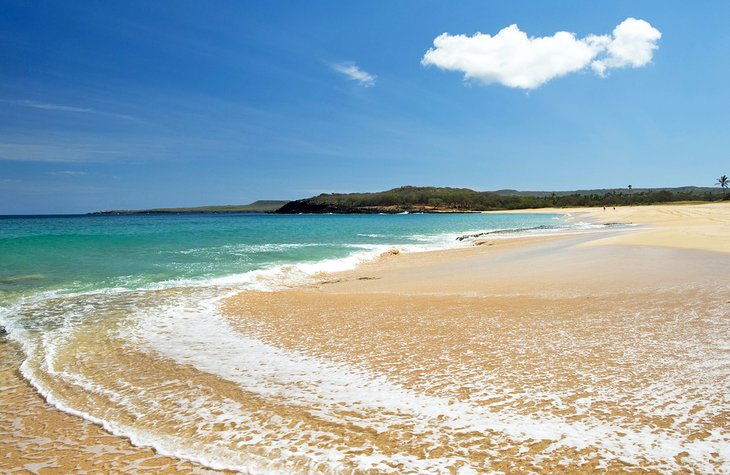
Highlights: Three miles of white-sand beach and few other people
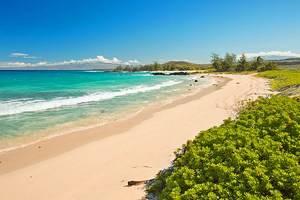
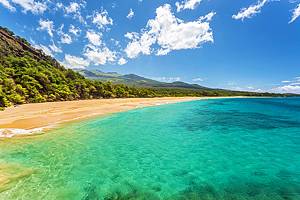
On Hawaii's main islands, it can be nearly impossible to find a stretch of sandy beach that doesn't have other sunbathers, swimmers, and water sports aficionados. But on Molokai, seclusion-seekers can have it all to themselves at Papohaku Beach: a three-mile swath of white sand 100 yards wide that rarely has more than a handful of people on the entire beach.
The beach covers over 10 acres on the western end of the island, and visitors can find facilities at Papohaku Beach Park on the northern end of the beach. There are no lifeguards, but visitors will find restrooms, showers, and picnic sites for public use.
Those who will be swimming or playing in the water should be cautious and pay attention to signage and current conditions. Also, avoid the water in the winter months when it can be dangerous.
Maui Ocean Center, Maui
Highlights: A 750,000-gallon Open Ocean exhibit, an underwater tunnel, and 40 species of Pacific coral
The Maui Ocean Center allows visitors a chance to see close up what lies beneath the ocean's surface and learn about the unique marine life and ecosystems that surround Hawaii.
The aquarium's centerpiece is the massive Living Reef, which is home to more than 40 Pacific coral species and thousands of fish. The 750,000-gallon Open Ocean exhibit gives visitors the chance to walk through an underwater tunnel, surrounded by ocean life including sharks, stingrays, and other marine animals.
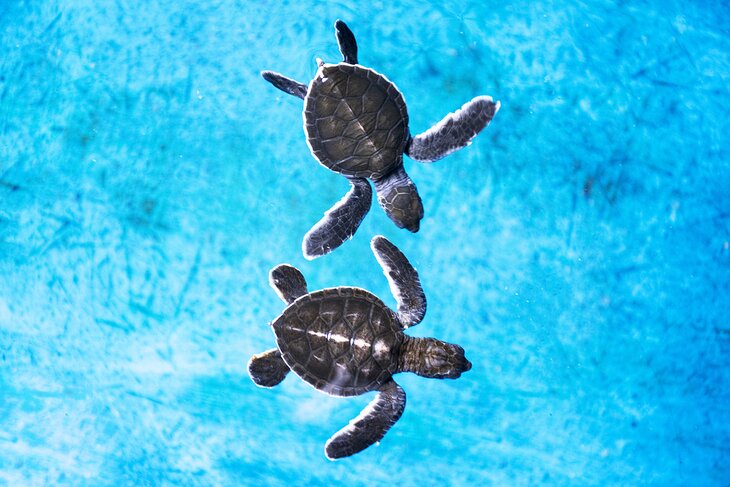
The center's Turtle Lagoon is another popular spot, and behind-the-scenes turtle-feeding encounters can be booked.
Address: 192 Ma'alaea Road, Wailuku, Hawaii
Kona Coffee Living History Farm, Hawaii
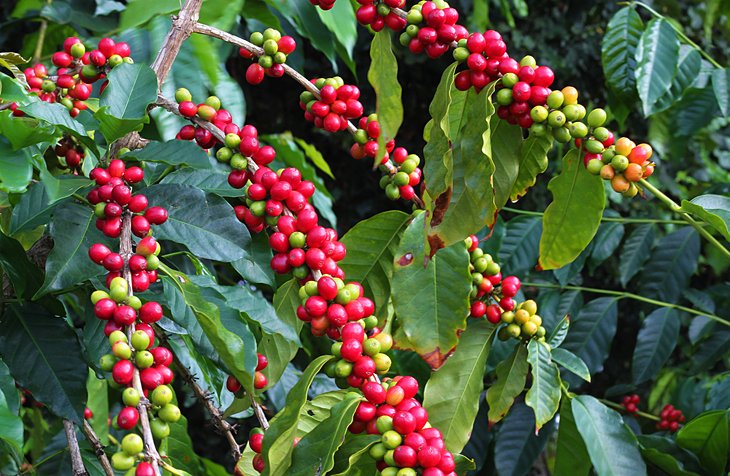
Highlights: An immersive experience on the history of coffee, with tastings, traditional performances, and tours
The Kona Coffee Living History Farm is the only living history farm in the nation that is dedicated to the history and traditions of coffee farming. Costumed interpreters can be found throughout the grounds, going about daily tasks, from food preparation to farming chores, always happy to answer questions.
You are free to explore the plantation, which still produces coffee, where you might even spot a Kona Nightingale (a donkey traditionally used for carrying coffee). You can also find tours of modern Kona coffee producers, including plantation tours at Hula Daddy and roasting facility tours at Mountain Thunder Plantation.
Location: Captain Cook, Hawaii
Wailua Falls, Kauai
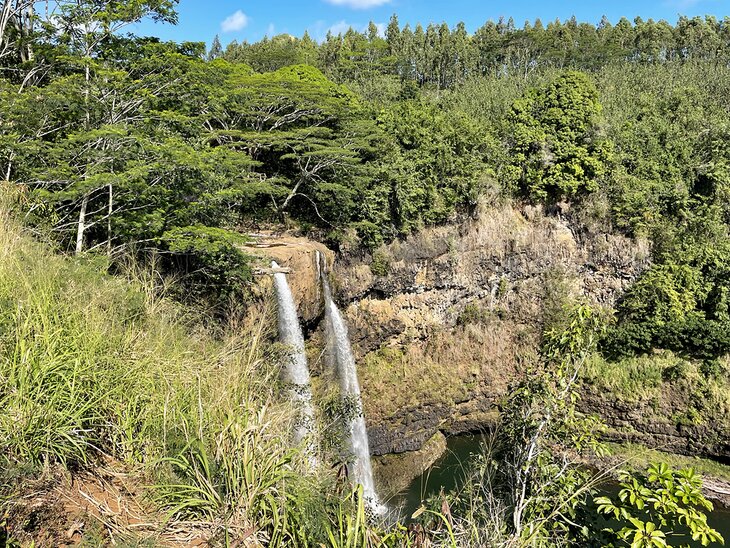
Highlights: A double waterfall plunging 80 feet down the rock face into a pool below
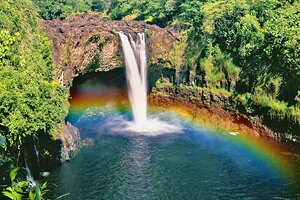
This stunning waterfall is Kauai's most famous, once featured in the opening scenes of the TV show Fantasy Island. Located on the eastern side of the island, this section of the Wailua River plunges dramatically in twin cascades down an 80-foot cliff before pooling and then running to the sea. Morning is the best time to visit the falls, often rewarding early risers with rainbows in the mist from the sun's fresh rays.
Another thing that makes Wailua Falls such a popular tourist attraction is that it can be seen easily from the side of the road, so even tourists with mobility limitations can fully enjoy its beauty.
Visitors can also choose to take a short hike to the base of the falls to admire it from below. The viewing spot is located at the end of Road 583 (Maalo Road), which is reached via Road 560 from Lihue or Hanamaulu.
Hanauma Bay Nature Preserve, Oahu
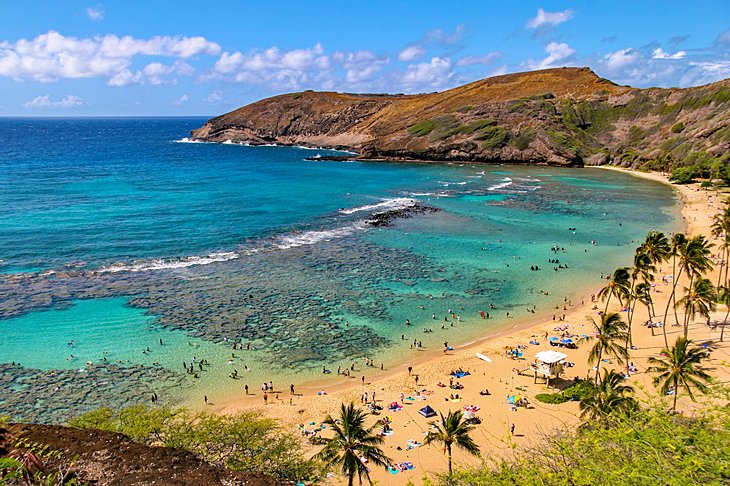
Highlights: A protected marine area with a gorgeous beach and the best snorkeling near Honolulu
Formed within the crater of a volcano on the island of Oahu, Hanauma Bay is a unique protected bay, which has been popular with snorkelers for a long time. After overuse caused pollution and damage to the delicate reef ecosystem, restoration efforts have restored the bay to its original splendor, and it is again open to visitors.
The Hanauma Bay Education Center is a great place to visit to learn about the bay, and there are several snorkeling rental shops that offer lessons so that visitors can see the breathtaking reef system and its inhabitants up close.
At one time, feeding the tropical fish frozen peas was a touristy thing to do; this practice is no longer allowed. Also, to safeguard the area for future generations, all first-time visitors are required to watch a nine-minute video on marine life, safety rules, and preservation.
Equipment rentals, including life jackets and snorkeling gear, are available at the kiosk in the park. There is a mandatory online reservation system for entry for tourists, including parking. Walk-ins are no longer permitted without a reservation, and these reservations are extremely difficult to obtain, often selling out within minutes.
A per-person fee is charged to enter the park for those 12 years and older, although Hawaii residents get in for free.
Iao Valley State Monument, Maui
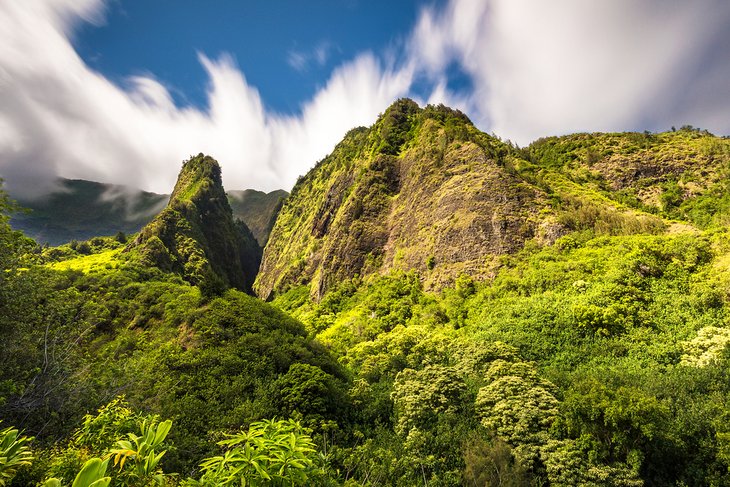
Highlights: A sacred valley with lush jungle hikes and mountains shrouded in mist
The centerpiece of this well-known pilgrimage site on Maui is a 2,215-foot-tall rock named the Iao Needle. Visitors will find well-kept paths that make it easy to view the needle and the foreboding black cliff, Pali'ele'ele, that is nearby.
In addition to its unique shape and geological features, the site is steeped in cultural and spiritual significance. The legend says that the needle was formed when the demi-God Maui turned his daughter, Iao's suitor, into stone. Legend also warns that the Iao Valley is home to manas, the ghosts of gods.
Due to its location in the valley, pathways may be inaccessible after rain, so check local conditions before heading to the monument.
Hamakua Heritage Corridor, Hawaii
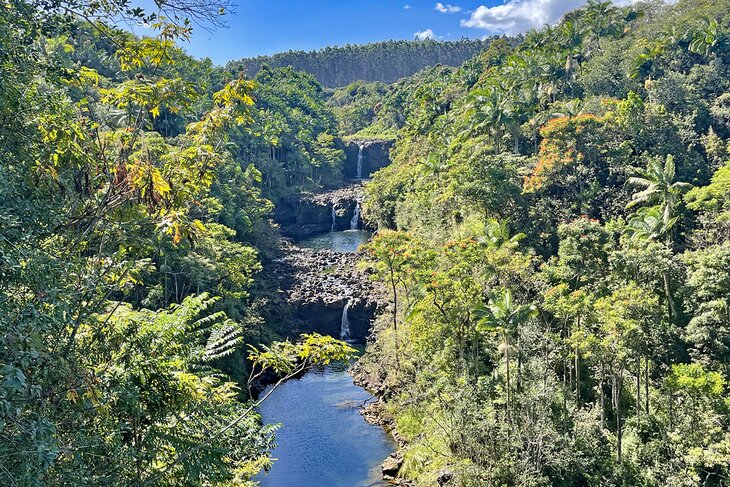
Highlights: A stunning drive with some of the top natural attractions on Hawaii's Big Island
This scenic drive along the Hamakua Coast stretches from Hilo to the Waipio Valley Lookout on the Big Island of Hawaii. In addition to spectacular views of the coast and the region's lush landscape, several top Big Island attractions reside along the way, making this an ideal sightseeing excursion.
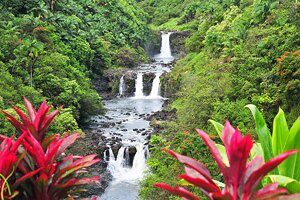
From Hilo, tourists take the Onomea Scenic Drive past Onomea Bay and the renowned Hawaii Tropical Garden, which houses more than 2,000 species of tropical plants. As the route heads north, it continues past the 442-foot Akaka Falls and its sibling Kahuna Falls, and then the World Botanical Gardens, where you can view a triple waterfall named Umauma Falls, as well as Mauna Kea.
Other attractions along the way include a Pacific lookout at Laupahoehoe Point, hiking at the Kalopa State Recreation Area, and the quaint town of Honokaa. The drive ends at the legendary Waipio Valley Lookout, once home to King Kamehameha.
Map of Tourist Attractions in Hawaii
Best Time to Visit Hawaii
The weather in Hawaii is fairly consistent, with just a few subtle changes throughout the year. Generally speaking, Hawaii has two seasons: summer and winter.
Summer is from May through October, while winter is from November to April. While the islands are a year-round destination, the best time to visit Hawaii is April, May, September, and October. May is the best overall month thanks to the weather and reasonable rates. But September and October are also fantastic for weather, as well as a large selection of events and festivals.
It's important to note that the Hawaiian islands are made up of dozens of microclimates, so while it may be sunny and warm on one side of the island, the other side of the island could be quite windy, and it could be raining up in the mountains. Typically, the wettest months are November, December, January, February, and March.