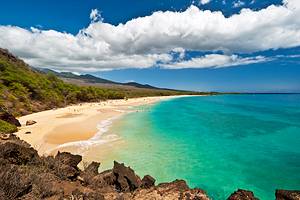
Attractions on the Big Island of Hawaii
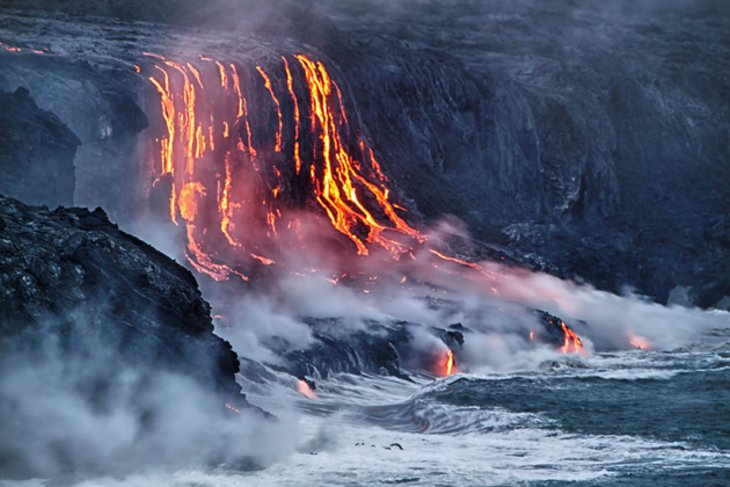
The Island of Hawaii, more often simply referred to as the Big Island, is famous for its incredible natural attractions, particularly the volcanoes, which have shaped and continue to shape the landscape. Originally formed by five volcanoes, the island still continues to grow as the active Kilauea spews lava into the ocean.
The two largest volcanoes on the island are Mauna Loa and Mauna Kea, which together comprise almost three-quarters of the island's surface. Mauna Kea, now extinct, is the highest mountain in the Pacific Basin at 13,800 feet above sea level.
The Big Island is also a top tourist destination for its exotic tropical climate, filled with lush forests and stunning waterfalls, as well as its gorgeous beaches. People come from all over the world to surf the huge Pacific waves, snorkel among the bright fish and coral, and dive to explore the diverse ocean life.
Hilo, on the northeast coast, is the island's biggest town and the best place to stay for those focusing on exploring Hawaii Volcanoes National Park. Kailua-Kona sits on the opposite side of the island in the middle of the west coast. This region is best known for its coffee and breathtaking sunsets.
Find interesting places to visit with our list of the top attractions on the Big Island of Hawaii.
See Nature in Motion at Hawaii Volcanoes National Park
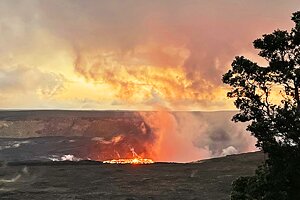
Hawaii Volcanoes National Park is one of the most geologically interesting national parks in the United States, home to two active volcanoes that allow visitors to see the wonder of nature in action. Visitors should be aware that various parts of the park and surrounding area, including roads, may be closed during periods of volcanic activity.
Sitting on the southeast side of the island, the park covers a total of 21 square miles but continues to grow as active lava flows into the ocean and cools into rock. The park is home to the Kilauea volcano, which has been active in recent years, with steam and ash explosions at the summit causing closures at the visitor center.
The Halema'uma'u crater, the legendary home of the Hawaiian goddess of fire, Pele, is an actively steaming crater, which brings curious tourists to its brim.
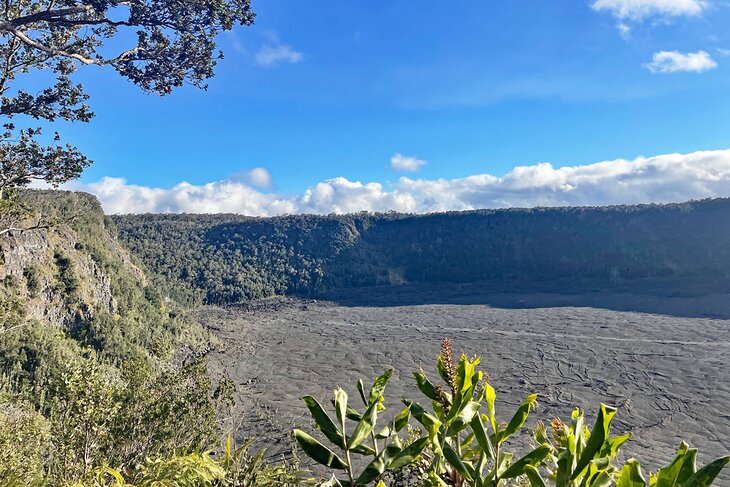
Crater Rim Road brings tourists to the park's top attractions, including Devastation Trail, the landscape left behind after a 1959 eruption from the Iki crater. Another top attraction at the park is Thurston Lava Tube, a unique place where lava once flowed and cooled in such a way that it left a tunnel nearly 500 feet long and 20 feet high.
Address: 1 Crater Rim Drive, Hawaii National Park, Hawaii
Enjoy the View from the Waipio Valley Overlook
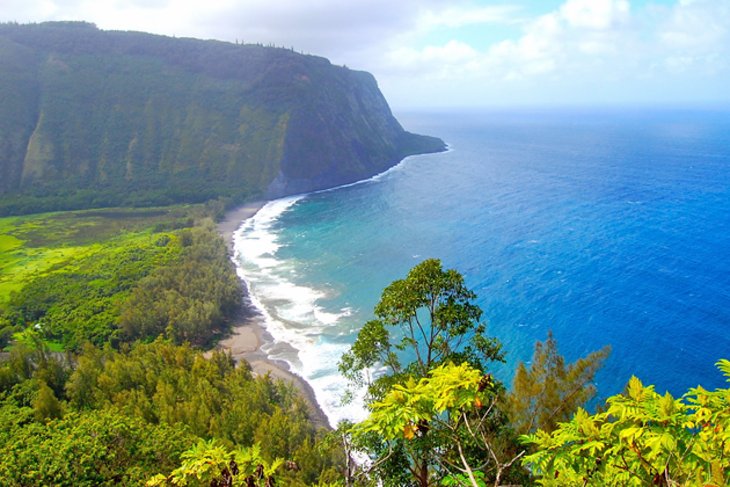
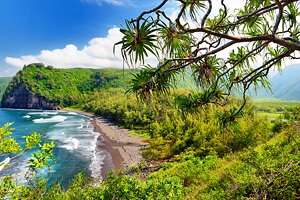
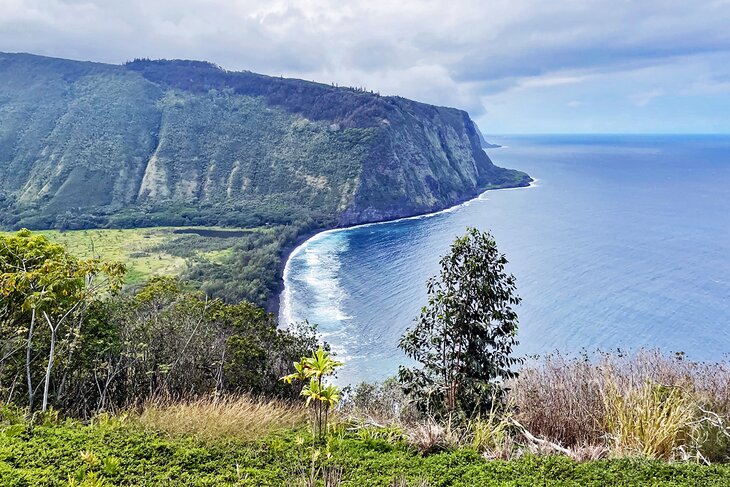
This incredibly beautiful valley on the northeastern coast of the Big Island, about 50 miles north of Hilo, has often been described as a sort of "Shangri La," almost cut off from the outside world. The valley, about one mile wide, dissects the Kohala Mountains and is difficult to reach because of the steep cliffs on the three landward sides. Strong waves make it equally unapproachable from the sea.
Bananas, papayas, mangoes, avocados, and grapefruit grow on the fertile valley floor, and colorful ginger trees, orchids, and hibiscus decorate the landscape. Where the valley meets the ocean is a long black-sand beach. As many of the local people will tell you, it was in this area that the movie Waterworld was filmed.
There is a steep and twisting road into the valley, which allows access by car or by foot. Most car rental companies do not allow their vehicles to be driven down into the valley, so some people choose to walk down the road. Think twice before undertaking this adventure; it's difficult work on the way back up.
If you are able to drive down the road, be sure to give way to vehicles ascending from the valley floor. At the bottom, turn right and follow the bumpy and wet road to the beach. This long beach with rough surf is achingly beautiful, and due to its isolation, you'll likely have it all to yourself.
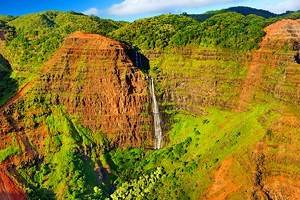
Waipio is fed by the Hiilawe Falls, which drops over 1,200 feet. This double waterfall is one of the highest in the world, but in the dry season has very little water nowadays because it is used to irrigate the land above the valley.
A popular scenic drive along the Hamakua Coast is the Hamakua Heritage Corridor, which runs from the town of Hilo to the Waipio Valley Lookout.
Location: Waipopo Valley Road, Hamakua Coast
Star Gaze on Mauna Kea, Hawaii's Highest Mountain
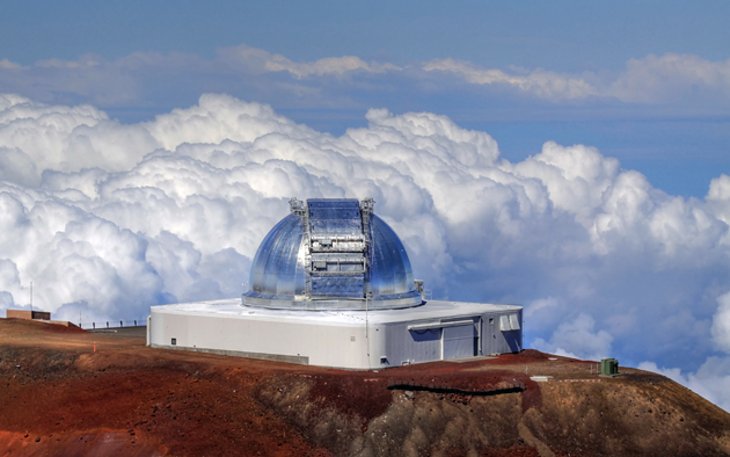
Mauna Kea is Hawaii's highest mountain and home to the Mauna Kea Observatory, which is an active research facility. The temperatures here are very cold, a sharp contrast to the tropical paradise below, but that does not stop crowds from gathering at the visitor center nightly for unparalleled views of the stars above.
The summit and the Visitor Information Station, which sit at altitudes of 13,800 feet and 9,200 feet respectively, can only be accessed by 4WD vehicles — a trip that is often prohibited by rental car companies.
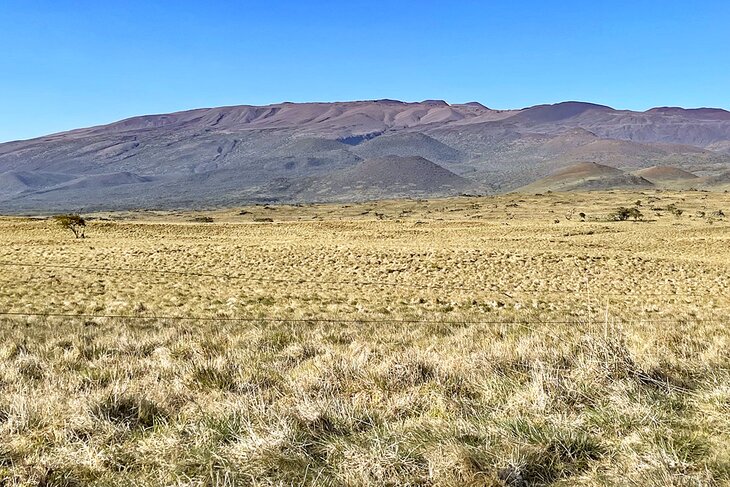
The easiest way to enjoy the mountain is via a guided tour by a local tour operator, which relieves you of the most problematic issues, like finding a suitable vehicle, staying warm, and parking.
Location: Hawaii County, Hawaii
Visit the Kona Coffee Living History Farm
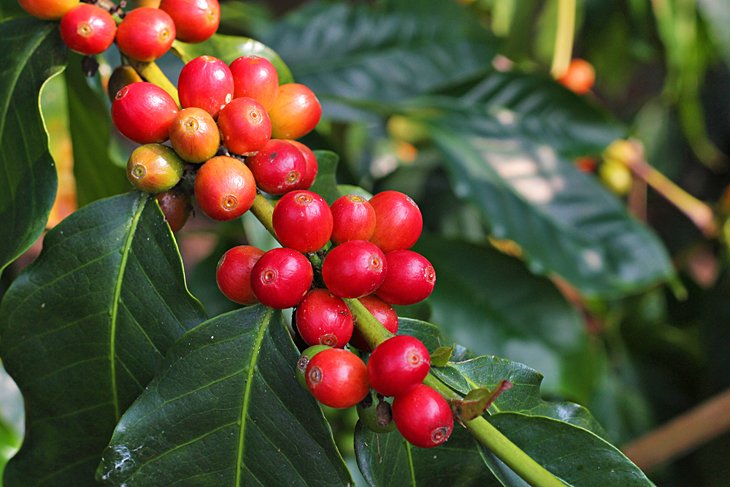
The Kona Coffee Living History Farm is the nation's only living history museum dedicated to the heritage of traditional coffee farming. Operated by the Kona Historical Society, this working farm shows visitors what life was like for coffee growers in the 1920s and 30s. Costumed interpreters happily converse with tourists while they go about their daily tasks, from planting and harvesting to cooking and crafting.
You can explore the grounds freely, observing the Kona Nightingale (a breed of donkey) and learning about old methods of roasting and grinding. The farm also invites visitors to sample, and of course purchase, some of their amazing coffee.
Nearby in Kailua-Kona, tourists can also take a pre-arranged tour of the commercial Hula Daddy coffee plantation, or tour the roasting facility at Mountain Thunder Plantation.
Address: 82-6199 Mamalahoa Highway, Captain Cook, Hawaii
Learn Island Traditions at Pu'uhonua o Honaunau National Historical Park (Kona Coast)
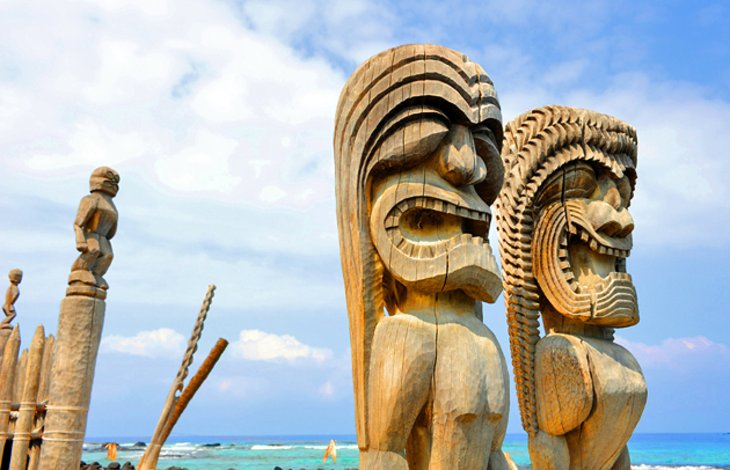
The Pu'uhonua o Honaunau National Historical Park is a great place to visit to learn about island traditions. The present temple site was restored by the national park authorities and is a replica of the original, which dates from the end of the 18th century. The palace was a place of refuge, protected by a huge wall measuring 10 feet high and 16 feet wide.
This thick wall between the former palace and the sanctuary has been preserved over the centuries, with repair work being carried out in 1902 and 1963-64. Using information gleaned from pictures, replica koa wood carvings of temple gods have been placed in their original positions.
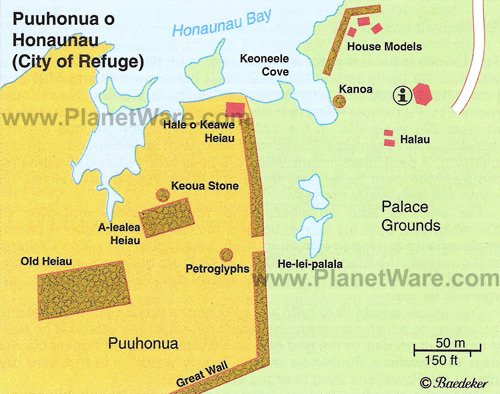
Attractions found on the estate include the landing place of the royal canoes ("Keone'ele"); the stones on which the royal family played a type of Hawaiian game known as "konane;" and the Ka'ahumanu Stone, behind which the Queen hid from Kamehameha's henchmen but was discovered when her dog began to bark.
Also on-site are a royal fishpond known as "he-lei-palalu;" the Keoua Stone, supposedly the favorite place of Keoua, King of Kona; burial vaults; rock carvings; and models of houses belonging to the priests and inhabitants of the City of Refuge.
Address: State Hwy 160, Honaunau, Hawaii
Visit the Best Snorkeling Spots
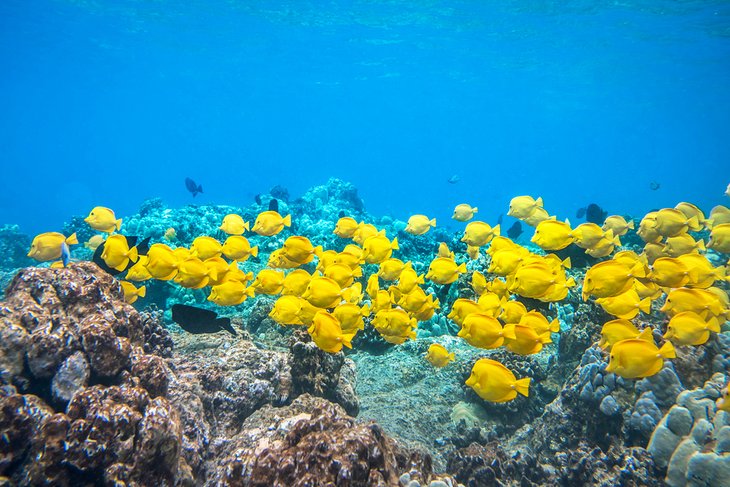
Snorkeling is the best way to see the wildlife that inhabits the waters around Hawaii. Visitors can spot the bright tropical fish that live in and around the reef, as well as bigger swimmers like the endangered green sea turtle, octopus, and occasionally even dolphins. The calm waters of the summer months are the best (and safest) conditions for snorkeling, while winter months are usually too rough.
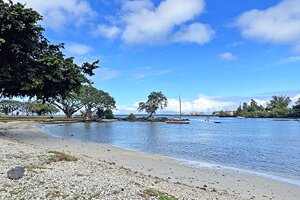
The best place on the Big Island for first-time snorkelers and tourists curious about Hawaii's aquatic life is the Kahalu'u Bay Education Center. Visitors can go here to learn about the region's unique reef ecosystem and how to explore the reef responsibly without upsetting the delicate balance. The center also provides equipment rentals, as do several other outfitters in Kahalu'u Bay. The best area for snorkeling is the southern end, which is well-marked and attended by lifeguards.
Another top snorkeling spot is Kaunaoa Beach, also known as Mauna Kea Beach, which is home to an extensive reef system that helps keep the water calm. As a special treat, book a nighttime snorkeling session through the Mauna Kea Beach Hotel. The beach is lit up, attracting a variety of sea life, including manta rays. The hotel also provides rentals, as well as scuba lessons and gear.
Manini'owali Beach on Kua Bay is known for having a good population of green sea turtles. Although there are no rentals or concessions on-site, there are lifeguards and basic rest facilities.
Wailea Beach is another top snorkeling spot with an exceptionally diverse reef fish population, but it's also a popular family beach, so it is often crowded.
When setting out, always check for the most recent water conditions, and speak to lifeguards if in doubt.
Read More: Places to Go Snorkeling in the World
See Akaka Falls State Park and Kahuna Falls
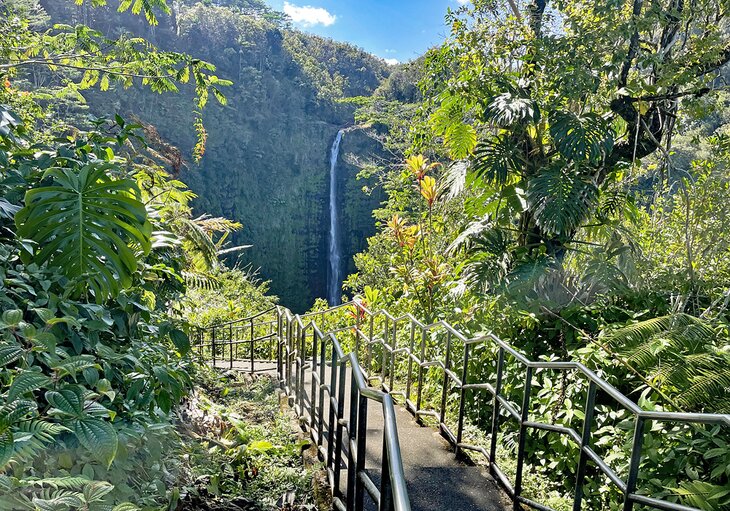
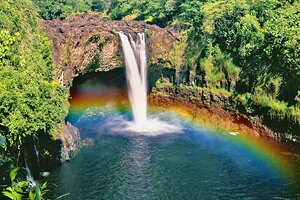
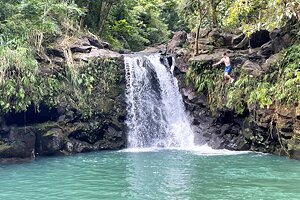
Akaka Falls State Park near Hilo is home to both Akaka Falls and Kahuna Falls. The Akaka Falls are the tallest on the island, free falling 442 feet. The setting here is quite stunning, with lush surroundings of tropical ferns, bamboo, and orchids.
The trail to the falls is conveniently paved but steep and includes sections of steps. The trail, a loop less than a half-mile in length, leads you up past Kahuna falls to the top of Akaka Falls, with an offshoot that leads to a viewing spot perfect for getting photos of Akaka.
Address: Akaka Falls Road, Honomu, Hawaii
Wander through the Hawaii Tropical Botanical Garden
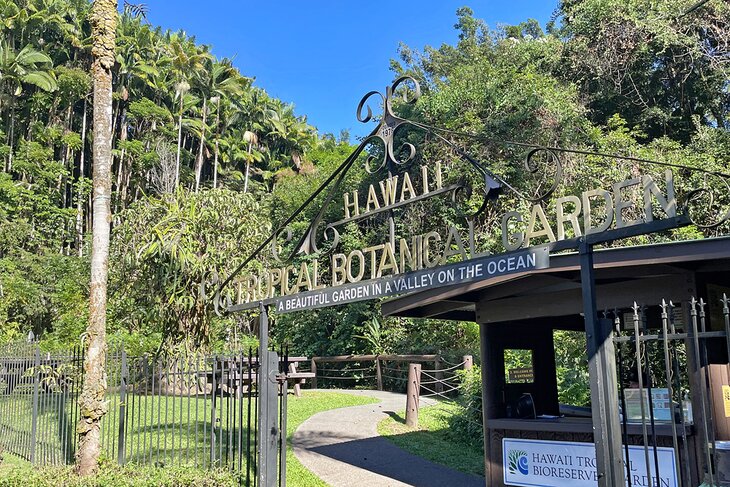
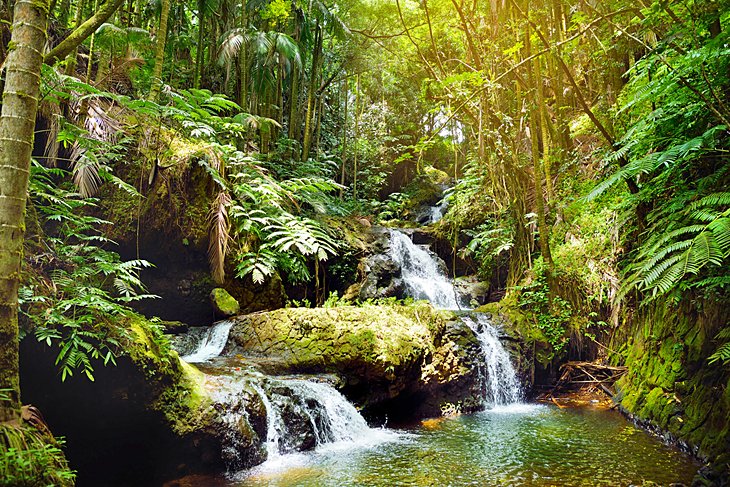
Located just off the Hamakua Coast Scenic Drive, between Hilo and the Waipio Valley Lookout, the Hawaii Tropical Botanical Garden has more than 2,000 species of tropical plants. A non-profit organization dedicated to preserving and studying tropical flora, the garden attracts tourists, botanists, and photographers.
This 40-acre garden is filled with wandering paths that explore this secluded valley, and there is also a 500-foot observation walkway that overlooks a ravine and its many plants. The garden's Palm Vista is known for its collection of more than 200 species of palms from all over the world.
Address: 27-717 Mamalahoa Hwy, Papaikou, Hawaii
Lounge on the Beach at Hapuna Beach State Park
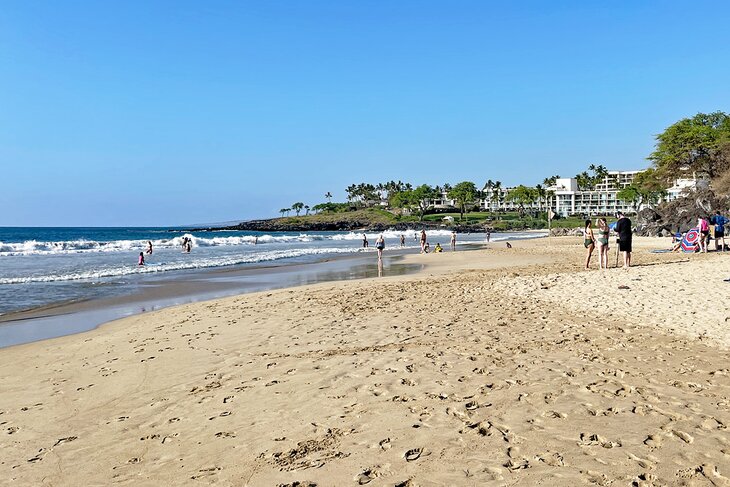
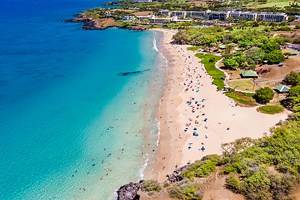
Hapuna Beach is regarded as one of the best beaches in the country, known for its soft white sand and ample facilities. The beach at Hapuna Beach State Park is staffed with lifeguards, especially reassuring since conditions can become dangerous with a change in tide.
Tourists and locals come here for sunbathing, snorkeling, swimming, and of course some of the world's best surfing. There are also concessions and picnic shelters, as well as screened shelters for overnight stays with access to electricity, refrigeration, and showers. The park also has miles of hiking trails, which afford amazing views along the coast.
The state has put up signs that show stick men in waves smashing into the sand. Although they may be funny to look at and worth a picture, the story they tell is all too real! The waves here are deceptive and have a tendency to pick you up and unceremoniously dump you right onto the sand, usually face first.
Address: Old Puako Road, Waimea, Hawaii
Waikoloa Beach Resort
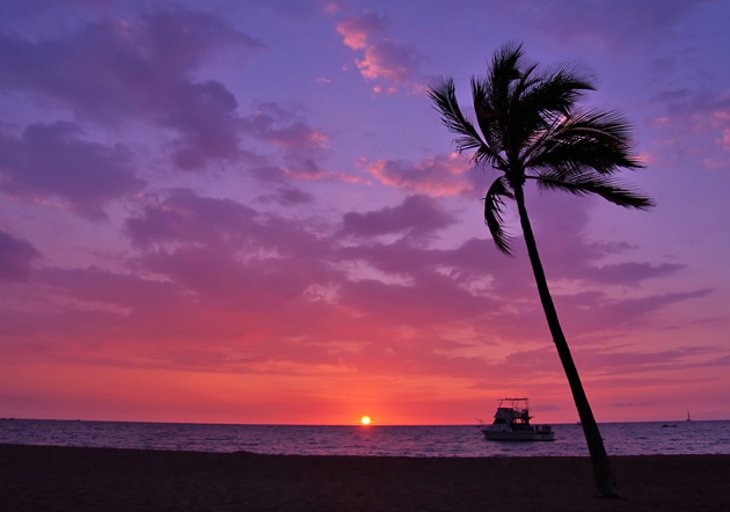
Located on the Kona Coast, Waikoloa Beach is home to a lovely area with a number of petroglyphs. Most visitors come to this area for the Hilton Waikoloa Village. Few resorts in the world compare to the care that has gone into creating a magical environment for their guests.
While the resort is large, guests can move around the grounds using a sleek air-conditioned transit system or beautifully appointed wood-paneled boats, which cruise the canals on the grounds. Art galleries here contain millions of dollars of Hawaiian, Oriental, and other art.
On the grounds are tropical gardens set with sculptures grouped by theme. A variety of species are found throughout the gardens, which surround a saltwater lagoon. One highlight of the resort is a dolphin area where guests, especially children, can wade in and interact with the dolphins.
Sporting opportunities consist of two championship golf courses, tennis courts surrounded by stadium seating, a lagoon for stand up paddleboarding and kayaking, and three pools for aquatic fun.
Ahu'ena Heiau
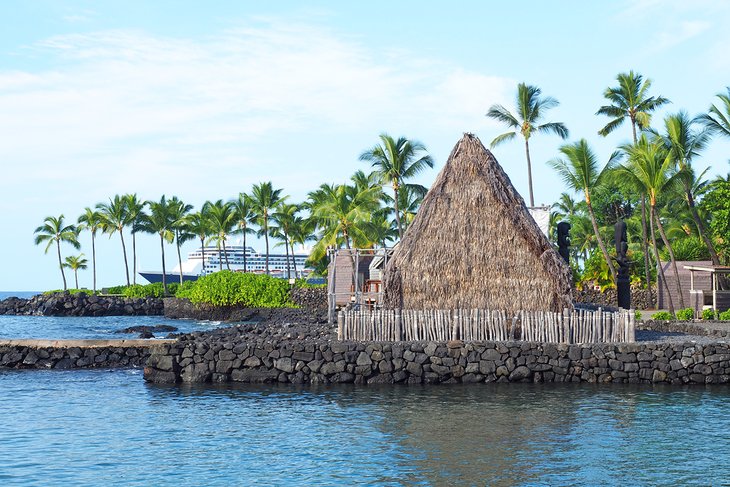
This temple, directly behind the Kamehameha Hotel in Kailua Kona, is possibly the best example of a Hawaiian place of sacrifice. Ahuena Heiau was built by Kamehameha I on Kamakahonu Beach and is dedicated to the god Lona.
Kamehameha I spent the last years of his life at Ahuena Heiau. According to Hawaiian custom, his bones were removed from his corpse on a stone platform in the temple and taken north, possibly to Wawahiwa Point, where they were left at a secret location.
His son and successor, Kamehameha II, grew up here and this area became central to the abolition of the tabus and the destruction of heathen idols and temples during his reign. Further measures to abolish the old religion were then implemented from Lahaina, the seat of government. The restoration of Ahuena Heiau was supervised by the Bishop Museum in Honolulu.
Address: Kaahumanu Place, Kailua-Kona, Hawaii
Spend Time in Kailua Kona
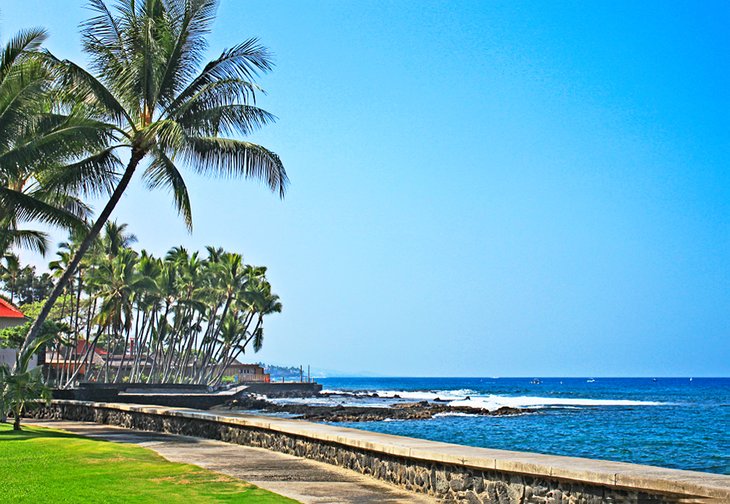
Kailua Kona is home to one of the world's most famous Ironman Triathlons. Each October, the town is home to 2,000 of the fittest people on the planet as they swim 2.4 miles, bike 112 miles, and cap it all off with a full marathon distance run of 26.2 miles.
The rest of the year, the main town on the Kona Coast is a good base for visitors who want to explore this stretch of the Big Island. This is the main shopping center and where many of the snorkeling and boating trips depart.
The town is a fun place to spend an afternoon wandering through shops and along the waterfront. In the evening, fairy lights twinkle under palm trees, while diners enjoy a meal on the patios along the waterfront.
Shop at the Hilo Farmers Market
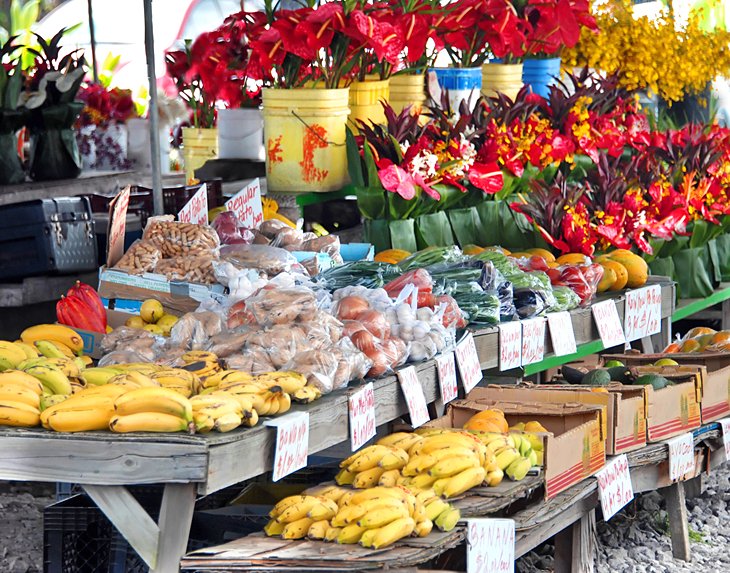
Hilo Farmers Market has become a local institution — so much so that it now operates daily, year-round. More than 200 vendors gather in Hilo's historic downtown, selling locally grown produce and flowers, handmade crafts, and souvenirs. The market also hosts special events, including annual festivals and weekly themes like Hilo Hula Tuesdays and Market Music.
Hilo is located near the eastern tip of the island at one end of the Hamakua Heritage Corridor, which stretches north to the Waipio Valley Lookout. Other things to do in Hilo include watching a planetarium show at the 'Imiloa Astronomy Center and visiting the East Hawaii Cultural Center.
Address: Kamehameha Avenue, Mamo Street, Hilo, Hawaii
Kealakekua Bay State Historical Park
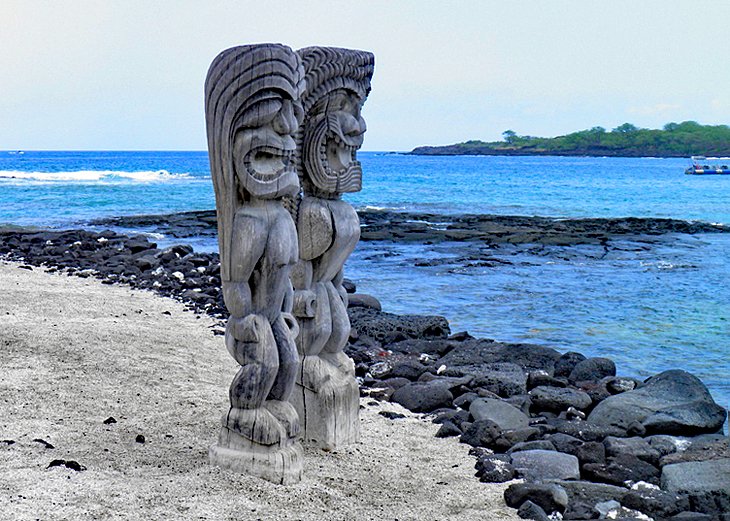
South of Kailua-Kona, the Kealakekua Bay State Historical Park is located where Captain Cook landed in 1779 and later died in a skirmish with native Hawaiians. Kealakekua Bay is a protected Marine Life Conservation District, resulting in pristine waters and plentiful sea life.
Because of the abundance of bright fish and thriving coral, this is a particularly popular spot for snorkeling, scuba diving, and kayaking. Points of interest within the park include the Captain James Cook Monument and Hikiau Heiau, a temple built to honor the Hawaiian god Lono.
Address: 82-6099 Puuhonua Road, Captain Cook, Hawaii
Tour Parker Ranch (Kona Coast)
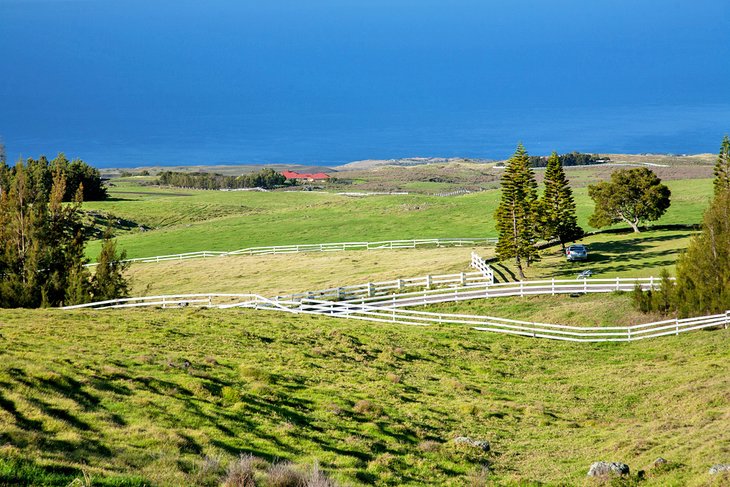
Cattle ranching may not be the first thing that comes to mind when you think of Hawaiian agriculture, but the Parker Ranch is actually the largest in the United States. Covering 355 square miles from the Kohala mountains to the northwest coast of the Big Island, the ranch makes up about 9 percent of Hawaii's total area.
The entire ranch, which is operated by 6th-generation Parkers, is open to the public. Tours include visiting the 19th-century John Parker House; the family cemetery; Pukalani stables; and Puuopelu, the modern family home. This elegant house is akin to a museum, housing more than 100 paintings by renowned artists like Renoir, Pissarro, and Degas.
Exhibits about the ranch and family history can be found at the Visitor Center and Museum, which has family heirlooms, photographs, and a short film.
Address: 66-1304 Mamalahoa Hwy, Waimea, Hawaii
Bodyboard at Magic Sands Beach
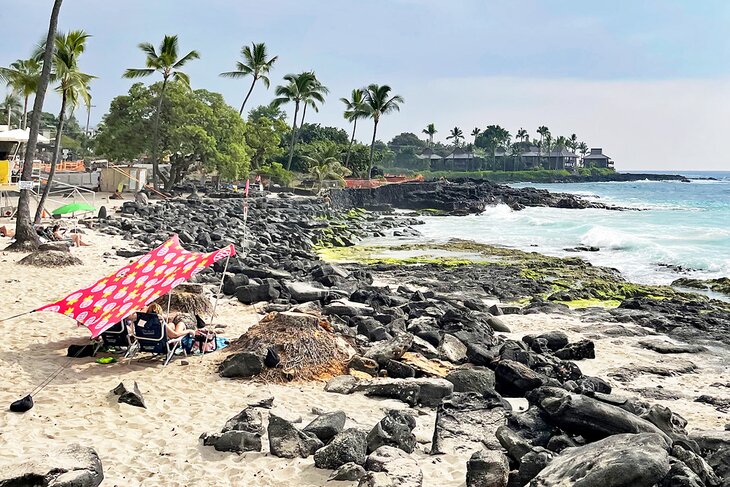
Magic Sands Beach is named for its "disappearing" sand. Depending on the ocean's mood, you may arrive to find a soft powder, or you might find a rocky, volcanic landscape at the water's edge. Even the locals can't tell you when it might change, but usually, you can find a few sandy spots to sit down on and admire the view.
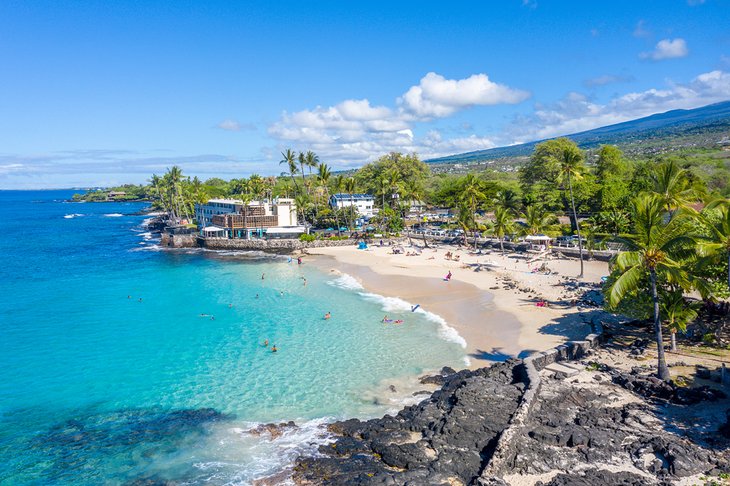
It is located just south of Kailua Kona, and is most popular with bodyboarders, although you may see swimmers and snorkelers, too, if the conditions are right. Like all Hawaiian beaches, the waves can get rough in the winter, and caution should be used before entering the water. Be sure to bring sneakers or good water shoes, so you can explore when it's rocky.
Read More: Beaches in Kona
Swim at Manini'owali Beach
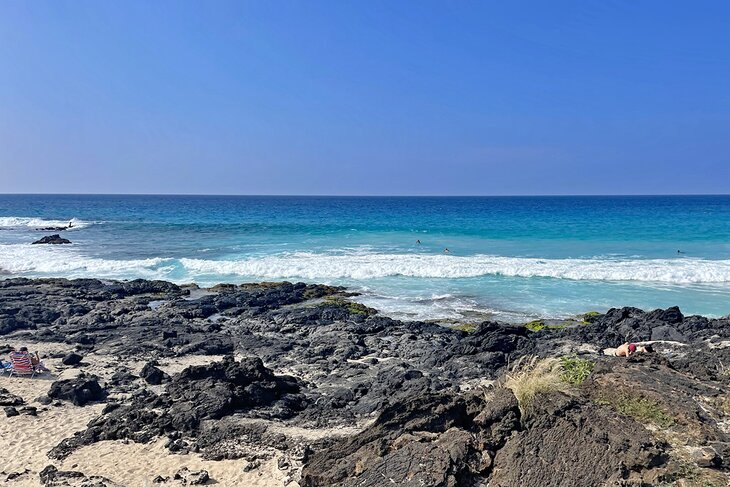
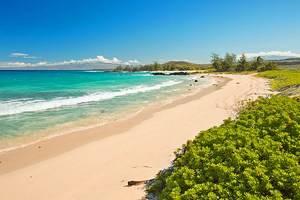
When it comes to beautiful beaches on the Big Island, some of the best are found around Kailua-Kona. One of the most popular beaches in the area is Manini'owali Beach, a white-sand beach just north of town that has gorgeous turquoise water, calm waves, and an expansive stretch of sun-bleached shoreline.
In fact, you may hear locals say that this is the best white sand beach on the Big Island. Of course, you'll have to visit yourself to be the judge. Regardless of its ranking, no one can deny that it is a stellar beach.
Families come here throughout the week for the snorkeling and swimming. You may even see a sea turtle or a dolphin. Keep in mind, though, that the beach is very exposed, so you'll have to bring your own umbrella, or simply prepare to be under the sun for the majority of the day.
Services are limited here, so be sure to bring in your own food and beverages, as well. The beach does have a parking lot, though, with showers and restrooms.
Location: Kua Bay Access Road, Kalaoa, Hawaii
Walk the Malama Trail to the Puakō Petroglyph Archaeological District
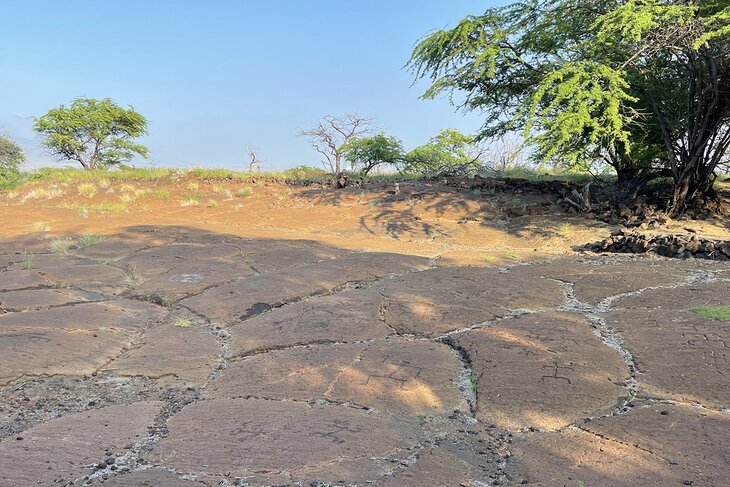
At this point, you've probably noticed that the Big Island is one of the best places in the Hawaiian archipelago to learn about ancient Hawaiian history. If you're interested in learning about the early civilizations on the Big Island, you'll want to hike the Malama Trail to discover the Puakō Petroglyph Archaeological District.
This easy hike is about a mile-and-a-half round-trip over flat (but rocky) terrain across a lava field and through a forest of tunnel-like branches. At the end of the trail is a fascinating expanse of rock art that dates back eight centuries. This collection of petroglyphs is one of the largest in the Hawaiian islands.
The hike to the petroglyphs is fairly easy, but it can be considered challenging because the terrain is overgrown with roots and strewn with rocks. Still, once you emerge at the petroglyph area, it's a really wonderful glimpse back in time at a civilization that lived on the Big Island nearly 1,000 years ago.
Address: 1 N Kaniku Drive, Waimea, Hawaii
Stroll Lili'uokalani Gardens
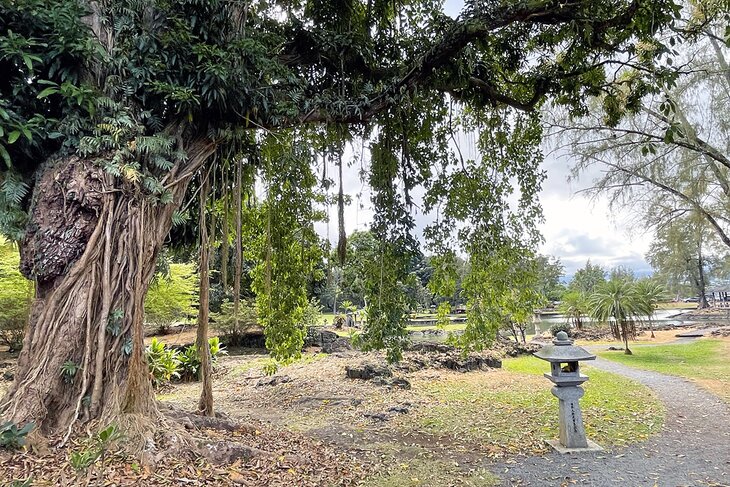
The lush, tropical landscape of Hilo makes it one of the most beautiful spots on the Big Island. And within Hilo, you'll find a few extra special pockets of beauty. Lili'uokalani Gardens is one of those places, as it is one of the largest ornamental Japanese gardens outside of Japan.
Located along Banyan Drive, not far from the resorts that line Hilo Bay, Lili'uokalani Gardens is a sliver of solitude. This beautifully landscaped Japanese garden has towering banyan trees, arched bridges, stone lanterns, fish ponds, rock gardens, pagodas, and even a teahouse.
The garden was dedicated in 1917 to the first Japanese immigrants who came to Hawaii to work in its sugar cane fields. Today it is a lovely and tranquil place to slip away for a moment or two and pause for a moment of reflection.
Address: 189 Lihiwai St #151, Hilo, Hawaii
Get the Umauma Experience
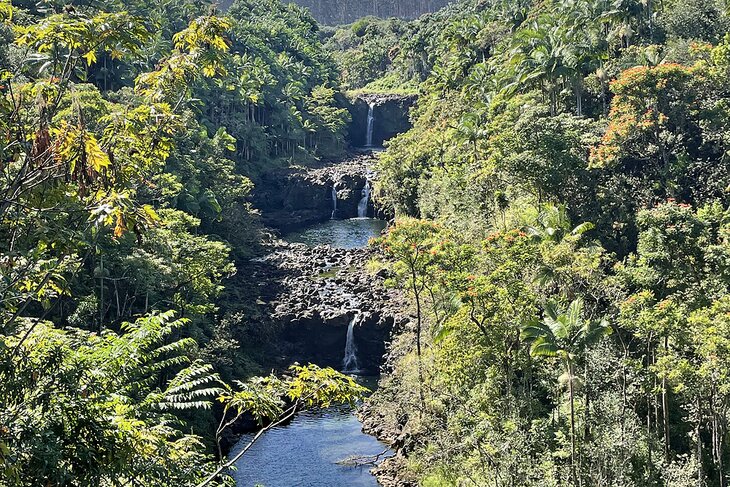
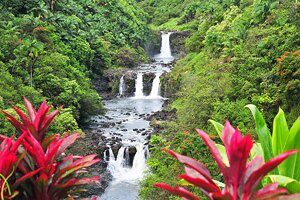
The Big Island is brimming with waterfalls, and most of them can be found on the Hilo side of the island. If you want to experience some waterfalls, and a shot of adrenaline while you're at it, you'll want to dive into the Umauma Experience.
The Umauma Experience is an adventure park just outside of Hilo that is home to several waterfalls, gardens, ATV tracks, and a ziplining course. This family-friendly park has two miles of ziplines, as well as more than five miles of ATV course. It's an exciting way for the family to spend the day together while experiencing the outdoor beauty of the Big Island.
The property has more than 14 waterfalls, as well. For those who don't want to commit to the whole day, you can pay an entry fee of $5 per person and walk up to Umauma Falls, which is the main falls on the property. But, those who do end up experiencing one of the adventures have the ability to see all of the falls, including ziplining over some of them for a truly unique view.
Other activities include kayaking and stand up paddleboarding along the Umauma River. The Umauma Experience is truly a comprehensive way to enjoy everything about being outdoors on the Big Island.
Address: 31-313 Old Mamalahoa Hwy, Hakalau, Hawaii
Explore with Botanical World Adventures
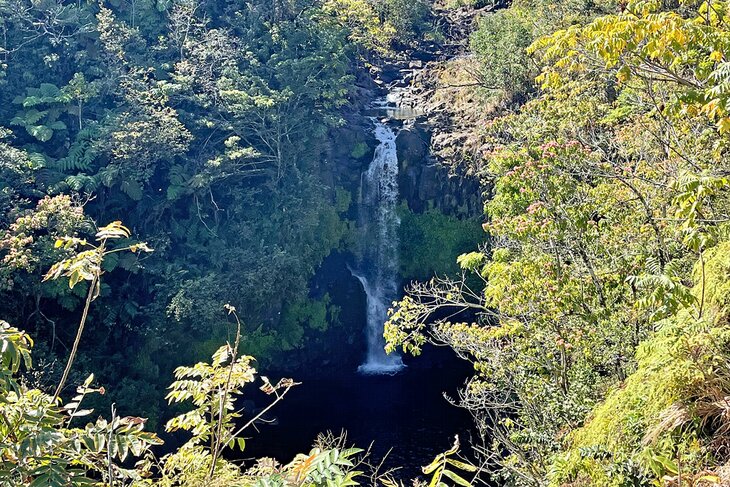
The Umauma Experience is not the only zipline attraction on the Big Island. Just down the road, you'll find Botanical World Adventures, an additional zipline course with its own set of waterfalls and unique adrenaline-pumping activities.
This outdoor park has eight ziplines and a suspension bridge, plus a Segway tour, gardens, waterfalls, and a hedge maze. If you're interested in cycling, the park even has a bike course.
Most people come to experience the waterfalls, including the famous Kamae'e Falls, which is located right on the property. If you want to see the falls, you can easily drive straight to them, but people who visit the park like the opportunity to zipline over them, as well as other more hard-to-reach, falls within the forest.
Address: 31-240 Old Mamalahoa Hwy, Hakalau, Hawaii
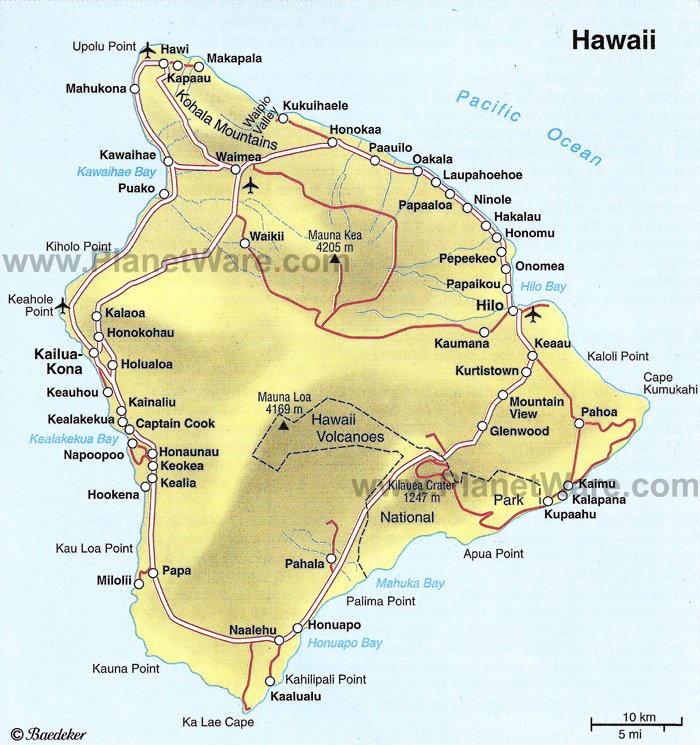
Map of Attractions & Things to Do on the Big Island of Hawaii
The Big Island of Hawaii - Climate Chart
| Average minimum and maximum temperatures for Hilo, HI in °C | |||||||||||
| J | F | M | A | M | J | J | A | S | O | N | D |
| 26 18 | 26 18 | 26 18 | 26 19 | 27 19 | 28 20 | 28 21 | 28 21 | 28 21 | 28 21 | 27 19 | 26 18 |
| PlanetWare.com | |||||||||||
| Average monthly precipitation totals for Hilo, HI in mm. | |||||||||||
| 247 | 225 | 365 | 319 | 205 | 187 | 272 | 248 | 232 | 245 | 396 | 267 |
| Average minimum and maximum temperatures for Hilo, HI in °F | |||||||||||
| J | F | M | A | M | J | J | A | S | O | N | D |
| 79 64 | 79 64 | 79 65 | 79 66 | 81 67 | 82 68 | 82 69 | 83 69 | 83 69 | 83 69 | 81 67 | 79 65 |
| PlanetWare.com | |||||||||||
| Average monthly precipitation totals for Hilo, HI in inches. | |||||||||||
| 9.7 | 8.9 | 14 | 13 | 8.1 | 7.4 | 11 | 9.8 | 9.1 | 9.6 | 16 | 11 |