Tourist Attractions in Dublin
Famous for its cultural attractions and charming hospitality, Dublin has always been one of the most popular cities in Europe to visit. But nowadays, in addition to its centuries-old traditions and historic roots, Dublin has grown into its own as one of the top cosmopolitan cities of Europe.
The ancient capital of the Emerald Isle, Dublin has been written about for centuries. The River Liffey, which flows into the harbor, has been vital to life and civilization here from the beginning. Today it's one of the city's focal points, slicing Dublin in two and creating one of the busiest commercial hubs in the country.
Dublin's history goes way back. Pre-independence from Britain, Dublin was once the second city of the British Empire. You can find evidence of English influence all over the city, from the Georgian architecture to picturesque parks. You'll also find the relics of the country's violent struggles for independence, and monuments that serve as reminders of how hard the Irish fought for freedom over hundreds of years.
A cultural capital, Dublin has given the world renowned literary figures such as Beckett, Joyce, Shaw, and Wilde. It was dubbed a UNESCO City of Literature in 2010, but Dublin's written traditions stretch back to as early as 800 CE with The Book of Kells, now on permanent exhibition at Trinity College.
Dublin sprawls rather than soars, but the historic city center is very easy to explore on foot Still, a light rail system, buses, and ample taxis allow travelers to get wherever they want to go.
Find the best places to visit with our list of the top attractions and things to do in Dublin, Ireland.
Trinity College and College Green
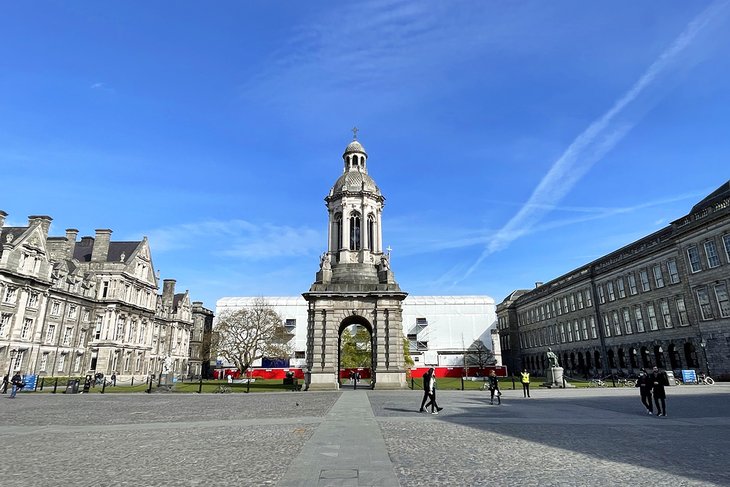
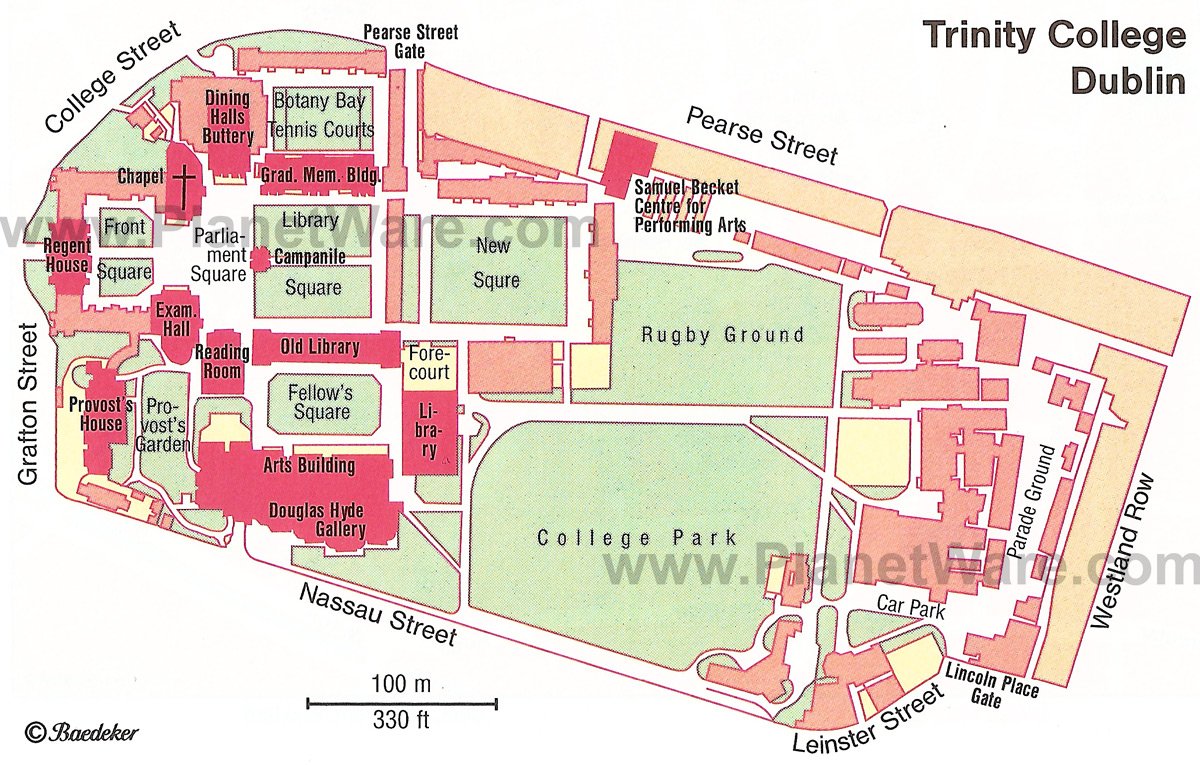
Trinity College is probably the best spot to kick off your Dublin tour. It's located in the heart of the capital, packed full of incredible history, and it's the oldest university in Ireland having been founded in 1592 by Queen Elizabeth I.
Occupying an enviable 40-acre site, Trinity retains some of its ancient seclusion of cobbled squares, gardens, and parks and is famed throughout the world for its collection of great treasures. These include, on permanent exhibition, the 9th-century illuminated manuscript, the Book of Kells, the Books of Durrow and Armagh, and an ancient Irish harp.
The priceless artifacts are displayed in the Treasury and the awe-inspiring 18th-century Long Room, which houses more than 200,000 of Trinity's oldest books and hosts regular literary exhibitions.
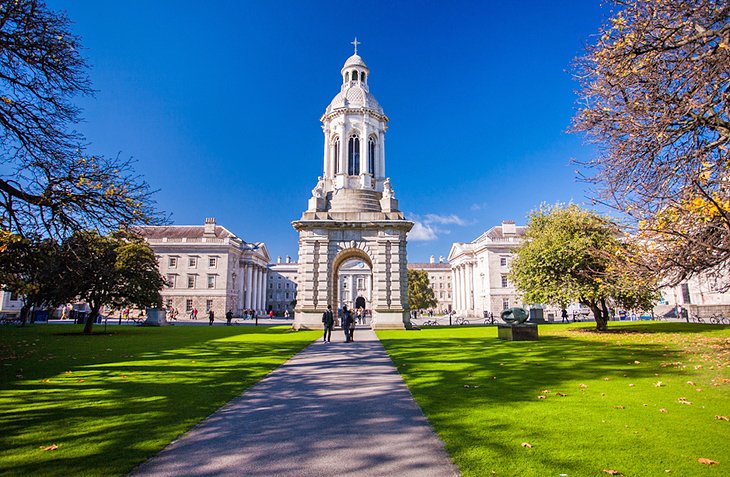
Trinity is a haven in an otherwise bustling area. Alumni over the centuries include such figures as Jonathan Swift (most famously known as the author of Gulliver's Travels), Oscar Wilde, Bram Stoker (author of Dracula), and playwright Samuel Beckett. Entering through a timber-tiled archway, you are instantly brought back in time. The immaculate green lawns, 18th- and 19th-century buildings, and cobbled pathway are reminiscent of a more gentile age and ooze a sense of hushed academia.
It's best to time your visit strategically, as buildings open to the public can become crowded during peak season. As well as taking in the must-see sights, do make time to relax and simply enjoy the atmosphere. Opposite the college on College Green is the old Irish Parliament building now a branch of the Bank of Ireland.
Address: Trinity College, College Green, Dublin 2
Official site: www.tcd.ie/visitors/
Shop on Grafton Street
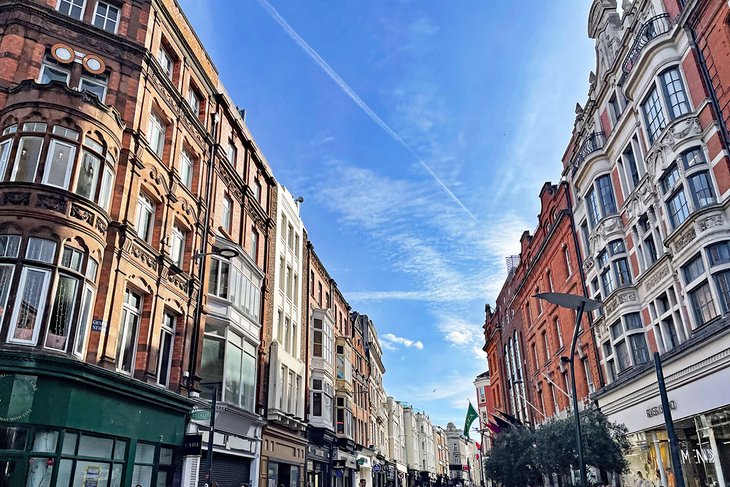
A short southerly stroll from Trinity College takes you down towards Dublin's premier shopping location, Grafton Street. A statue of Molly Malone sits at the bottom of the street, so it's impossible to miss.
This eclectic stretch buzzes morning, noon, and night and is a magnet for buskers, from classical quartets to traditional fiddle players and singer-songwriters. Many famed bands and musicians have given impromptu performances here, including Bono of U2.
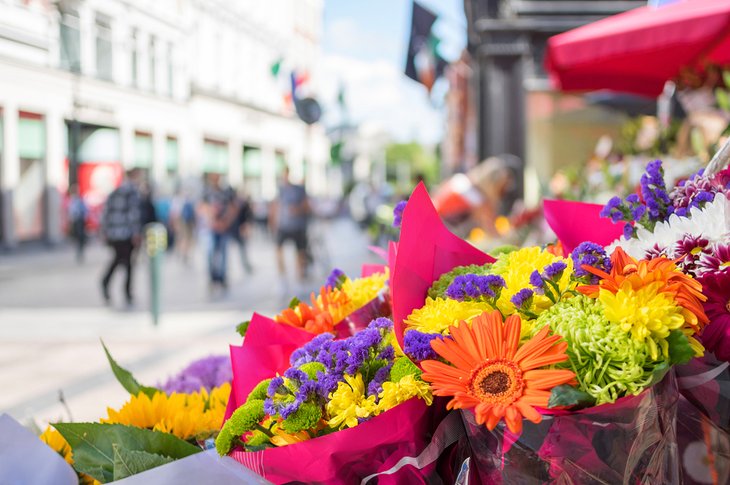
Aside from buskers, you will find a broad range of boutiques, jewelers, and department stores, including upmarket Brown Thomas. Many would say that the jewel in the crown is Bewley's Oriental Café, a Dublin institution at this location since 1927.
If you're on a shopping spree, it's well worth taking a slight diversion to the arty Powerscourt Townhouse Centre, with its designer shops and trendy places to eat.
Official site: http://graftonstreet.ie/
Take a Stroll around St. Stephens Green
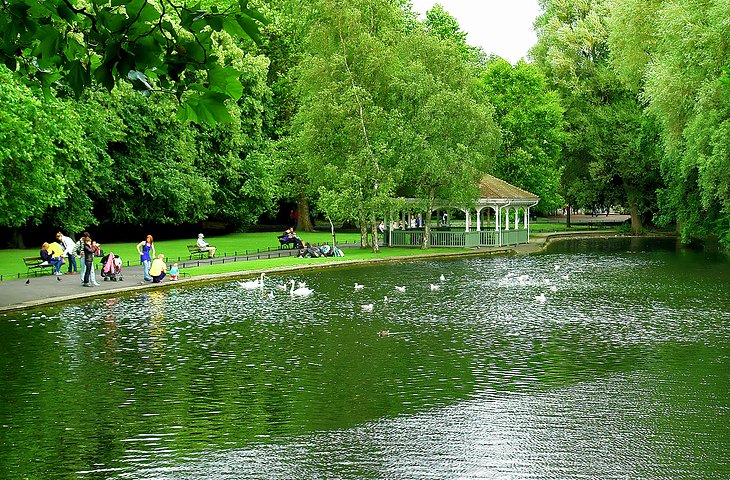
After eating your fill at Bewley's Oriental Café, an easy stroll to the top of Grafton Street brings you to Fusilier's Arch, the main entrance to St. Stephen's Green (Faiche Stiabhna). Georgian buildings surround "the Green" (as it's known locally), although some sadly fell by the wayside during redevelopment, mainly in the 1960s, 70s, and 80s.
The 22-acre park is a Dublin treasure and an oasis of calm away from the hustle and bustle of downtown city life. When weather permits, you should do as the locals do and stretch out on the grass for some rest and relaxation, or grab a picnic lunch. Immaculate flowerbeds fringe the lawns.
Also in the park is an ornate fountain at its center, a bridge over a duck pond, and a children's playground. Incidentally, the park was the scene of bitter combat during the 1916 Uprising, however it was agreed by both sides that hostilities should cease while the park-keeper fed the ducks.
The Little Museum of Dublin
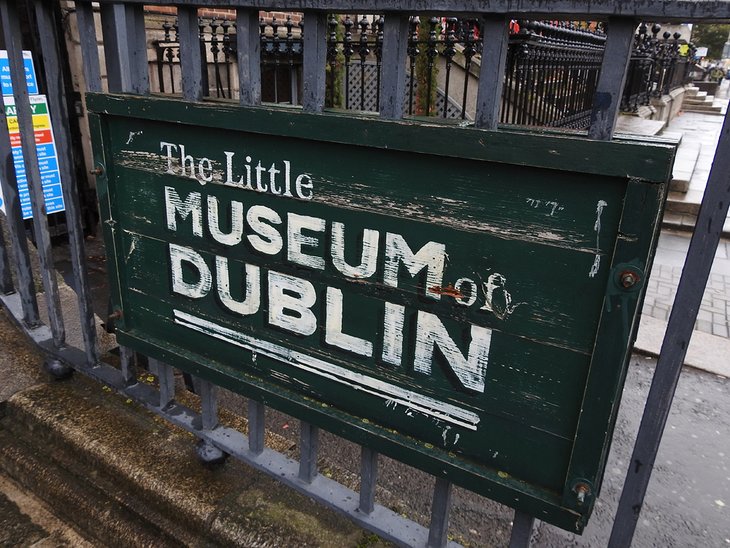
The Little Museum of Dublin is a hidden gem tucked in a charming space amid all the city's historical sights. A couple of minutes' stroll from Fusilier's Arch, at the top of Dawson Street, it is a must-see for those interested in how Dublin and its people lived their lives and evolved over the past century.
James Joyce once famously said, "in the particular is contained the universal," which neatly sums up the ethos of this treasure trove. In the minutiae of people's belongings, history is indeed writ large.
Opened in 2011 following an appeal for mementos and artifacts, the museum has gone from strength to strength and now hosts an array of temporary exhibitions and events, as well as permanent installations, including a U2 retrospective with exhibits donated by band members. Other treats include the lectern used by John F. Kennedy when he addressed both houses of the Irish Parliament (Oireachtas) in June 1963.
Address: 15 St. Stephen's Green, Dublin 2
Official site: www.littlemuseum.ie
Explore Kildare Street Museums and Houses of Parliament
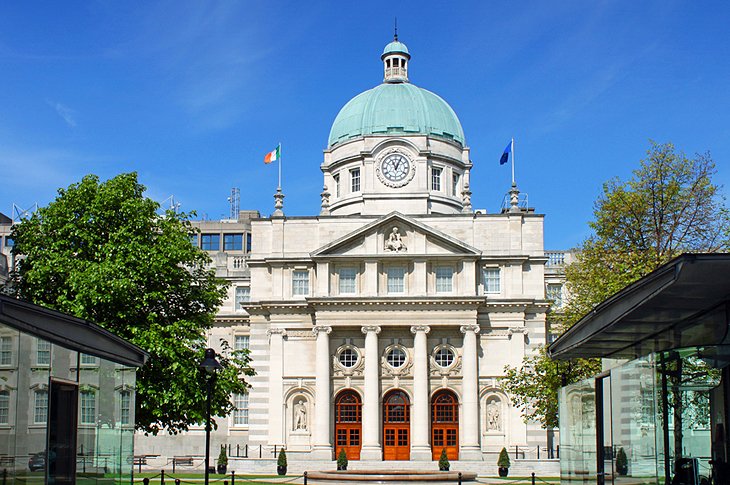
From the Little Museum of Dublin, a saunter past the legendary hotel The Shelbourne Dublin will take you to the top of Kildare Street, home to the Irish Parliament (Dáil Éireann) on the left hand side.
The parliament building was once known as Kildare House after James Fitzgerald, the Earl of Kildare, who commissioned its construction in 1745 and set out to create a grand Georgian mansion to reflect his lofty social status. When he became Duke of Leinster in 1766, the house was renamed Leinster House.
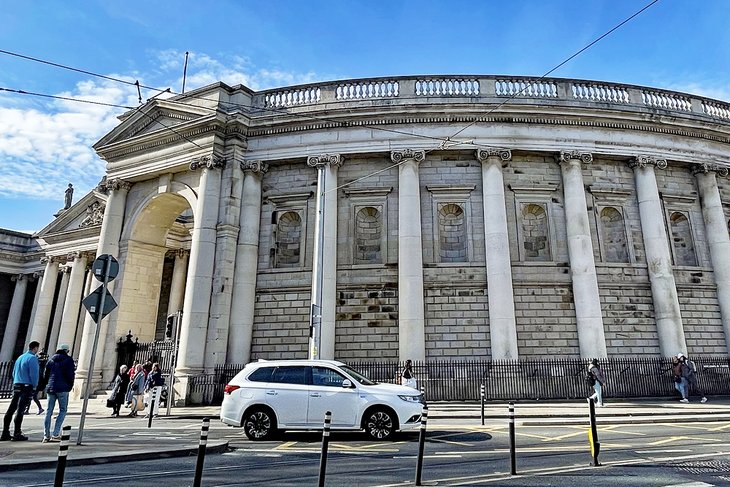
If you're interested in literature, you should visit the National Library close by, which has a permanent W.B. Yeats exhibition.
Address: Kildare Street, Dublin 2
National Museum of Ireland: Archaeology
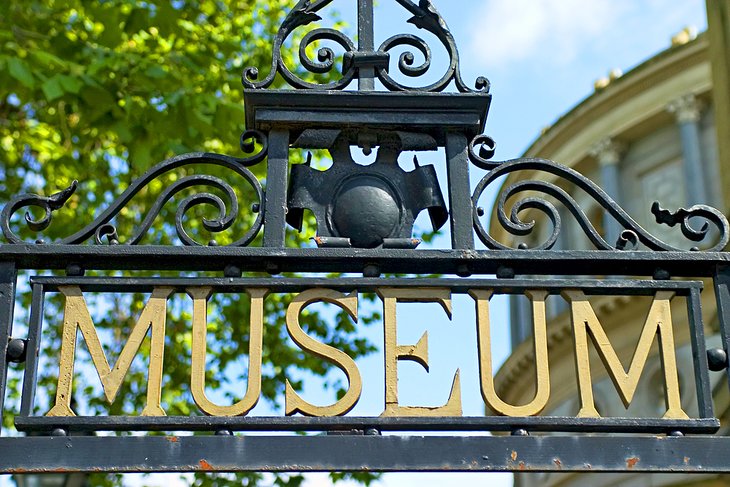
Located on Kildare Street near the National Library, the National Museum of Ireland: Archaeology is certainly worth spending time exploring. The museum features outstanding permanent exhibitions. Highlights include Ireland's Gold, Prehistoric Ireland, and the impressive Viking Collection.
It's also worth visiting for the Treasury collection, which includes the magnificent Ardagh Chalice. Widely regarded as one of the top things to do in Dublin for free, this world-class museum also offers tours and a rich program of workshops and educational events.
Address: Kildare St, Dublin 2
Official site: www.museum.ie/en-IE/Museums/Archaeology
Explore Irish Art at the National Gallery of Ireland
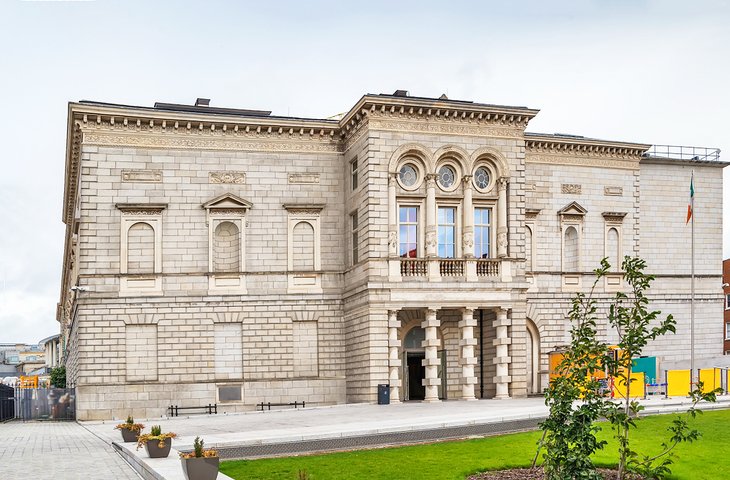
A right turn at the end of Kildare Street will bring you to the National Gallery of Ireland, with entrances on Clare Street and Merrion Square West. Housing the finest collection of Irish art in the world alongside an outstanding collection of European art from the Middle Ages to the present day, this is a must-see while in the capital.
The gallery opened in 1864 with wings being added in 1903, 1968, and most recently, 2002. Collections include the Yeats Museum, seven rooms devoted to Irish art, Italian Painters, the Shaw Room, and Baroque Room.
The gallery, which is spread over four levels, regularly hosts impressive temporary exhibitions, and there's an excellent café popular with locals and visitors alike.
Address: Clare Street & Merrion Square, Dublin 2
Official site: www.nationalgallery.ie
Visit Merrion Square
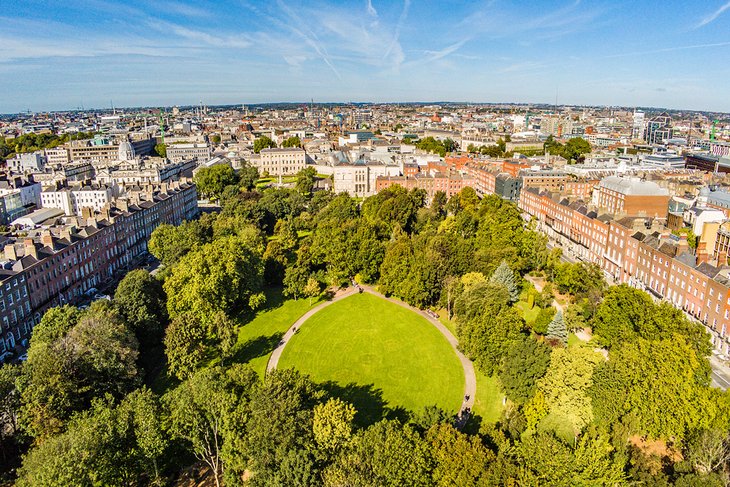
Exit the National Gallery's main portal, and you're on Merrion Square. Made up of stately private houses and offices, this is arguably Dublin's grandest Georgian square and stars in countless images and postcards of the city. At its center is a pretty park with a vibrant statue of that most colorful writer and renowned Dublin wit, Oscar Wilde.
An amiable stroll around the square is a journey back in time to the Georgian era. You may notice that the top windows in many buildings are smaller than those lower down. This was done in order to create an optical illusion of the houses being taller than they really are. At weekends, local artists line the perimeter of the park and display their paintings on the railings.
EPIC The Irish Emigration Museum
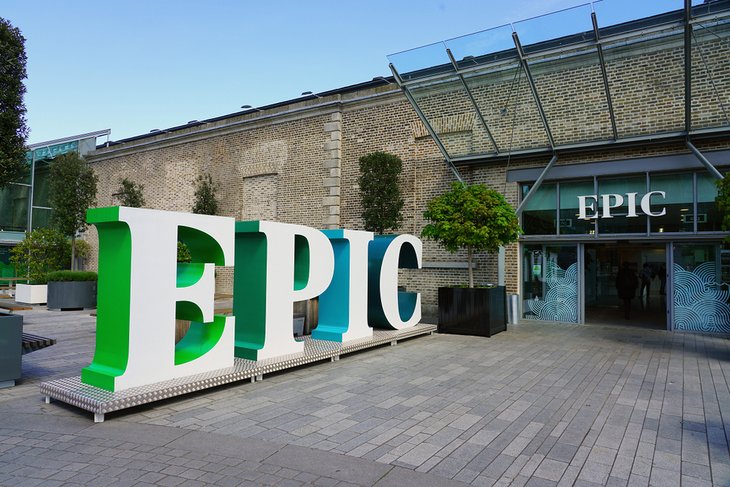
Ireland has long been an exporter of people. Scratch the surface of America's East Coast, and you'll find the influence of the Irish everywhere. Dublin's superb EPIC The Irish Emigration Museum is aptly situated in the city's docklands area, the scene of many a sad farewell.
Established in 2016, this fascinating museum offers an in-depth – and often moving – account of Irish emigration over the centuries. All told there are more than 20 separate themed galleries to explore, dealing not just with the history of Irish migration, but also the influence this dynamic people have had in the places they settled.
If you've got the time, be sure to visit the Irish Family History Centre for tips and advice – along with resources – to track your family history.
A nearby related attraction is the Jeanie Johnston: An Irish Famine Story. The centerpiece of this excellent museum is an accurate replica of the fabled Jeanie Johnston, a sailing vessel from Canada that was built in 1847 and which transported untold numbers of Irish across the Atlantic.
Address: The Chq Building, Custom House Quay, North Dock, Dublin 1
Official site: https://epicchq.com/
GPO Witness History Museum
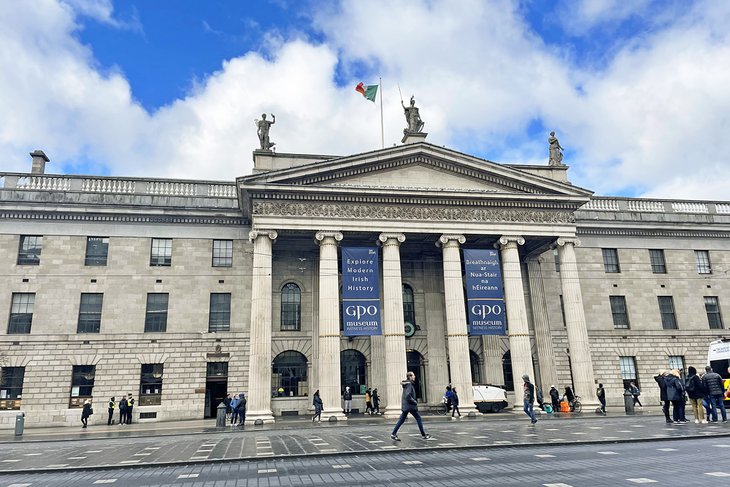
O'Connell Street, Dublin's main thoroughfare, is home to the iconic GPO (General Post Office) built in 1814. The failed 1916 Uprising began here, and bullet holes still dot the Neoclassical portico. Inside, the city's newest attraction, the GPO Witness History Museum, is a must-visit for those wanting to gain a better understanding of this pivotal event in Irish history.
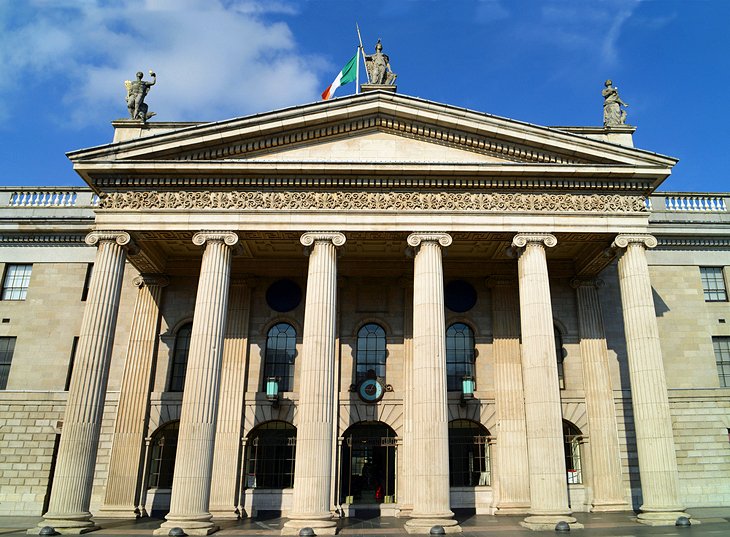
While focusing predominantly on the period leading up to the uprising and the uprising itself, there's plenty of information on hand via interactive displays about other key events, including the Irish War of Independence right up to the Northern Ireland peace process. Guided tours are available, and come highly recommended.
Address: O'Connell Street Lower, North City, Dublin 1
Official site: www.gpowitnesshistory.ie
Learn about Ireland's Greatest Writer at the James Joyce Centre
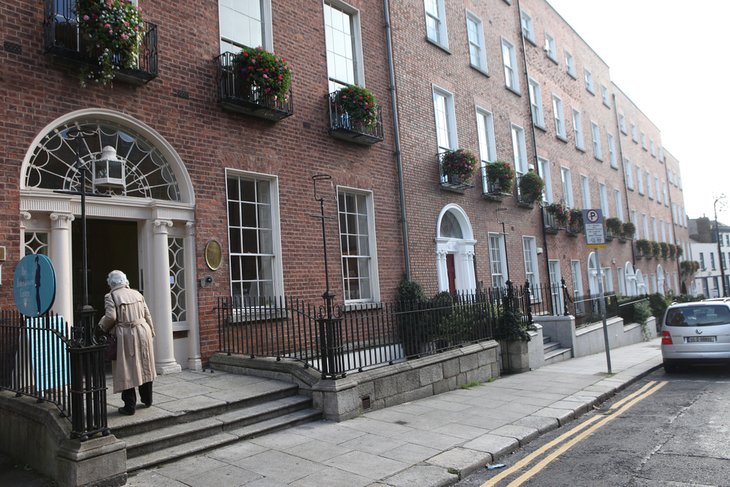
Around an eight-minute walk from the GPO, in a beautiful Georgian house, is the James Joyce Centre founded by Irish Senator, one-time Presidential Candidate, and renowned Joycean scholar, David Norris.
The museum is dedicated to all things Joycean, and although the writer never lived in the property, he had a connection to it through a real-life character featured in Ulysses, Prof. Denis J. Maginni, who ran a dance academy here. The building was condemned in the 1980s, but was ultimately saved and restored through a campaign spearheaded by David Norris.
If you're in the mood to learn more about Dublin's literary heritage, be sure to pay a visit to the Dublin Writers Museum. Located in an attractive 1700s home in Parnell Square, this interesting museum offers a fascinating glimpse into the lives of a number of great Irish authors, and their most important works. In addition to numerous artifacts and memorabilia, the museum houses a collection of paintings and portraits.
Address: 35 North Great George's Street, Dublin 1
Official site: http://jamesjoyce.ie/
National Museum of Ireland - Decorative Arts and History (Collins Barracks)
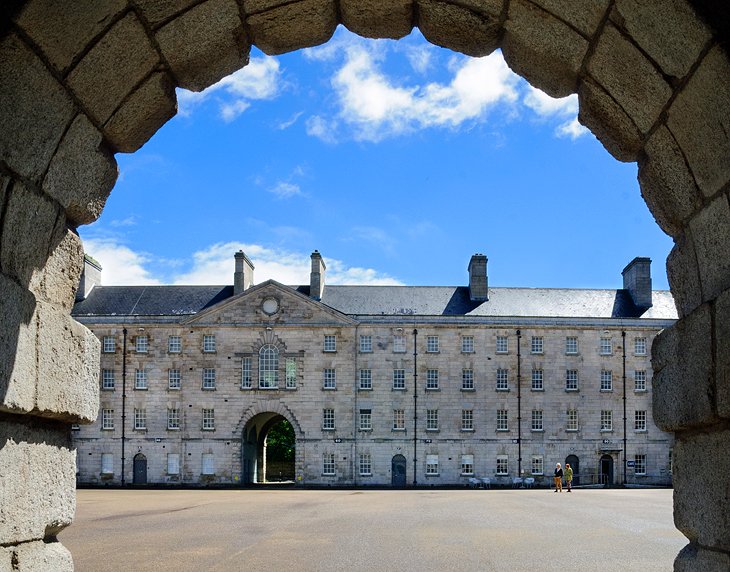
Originally an army barracks, the National Museum of Ireland - Decorative Arts and History opened in 1997. The collections include silver, ceramics, jewelry, furniture, Irish haute couture fashion, and exhibitions exploring Irish military history.
There are several other permanent exhibitions, including a retrospective of modernist designer Eileen Gray; Irish Silver dating from the 17th to 20th centuries; Asian Art; Irish Country Furniture; and Soldiers and Chiefs, which displays historic military artifacts and uniforms.
Another branch of the National Museum of Ireland worth exploring, the Natural History Museum was established in 1856 and remains little changed since, a fact that has led to its being known as a "museum of a museum" (or, less flatteringly, the "Dead Zoo"). Highlights include exploring the museum's large collections of specimens from countless species, fossils, and dioramas – all for free.
Address: Collins Barracks, Benburb Street, Dublin 7
Official site: www.museum.ie/en-IE/Museums/Decorative-Arts-History
Take the Kids to Phoenix Park and Dublin Zoo
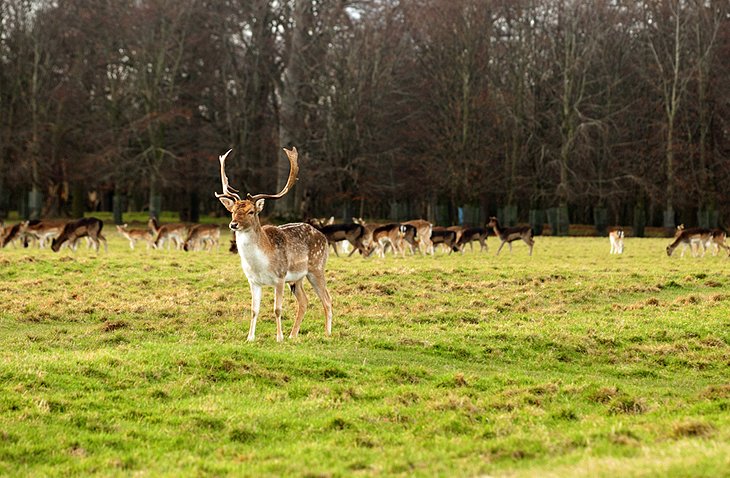
An 18-minute walk from Collins Barracks is Dublin Zoo in Phoenix Park. This is the largest enclosed urban park in Europe, some 1,750 acres, which is surprising given that Dublin is a relatively small capital city. Hundreds of deer roam the parkland, and the President of Ireland's official residence (Áras an Uachtaráin) is here along with Deerfield, a beautiful 18th-century property home to the American Ambassador to Ireland.
There's a visitor center located close to a 17th-century tower house, Ashtown Castle, for those wishing to find out more about the park and its environs. At the far Castleknock Gate end and on some 78 acres stands stately Farmleigh House, dating from the 1800s and purchased by the Irish state from the Guinness family in 1999.
For generations of Dubliners and those coming from abroad, the main draw is Dublin Zoo, which attracts more than one million visitors annually, dates back to 1830, and is the second oldest zoo in Europe. A trip to the zoo is a day out in itself.
Among other rare and exotic animals, there are Asian lions, Asian elephants, a Reptile House, an orangutan enclosure, sea lions, tigers, hippos, bats, and penguins. Facilities include restaurants, kids' play areas, and a family farm.
Official site: www.dublinzoo.ie
Go to Jail: Kilmainham Gaol
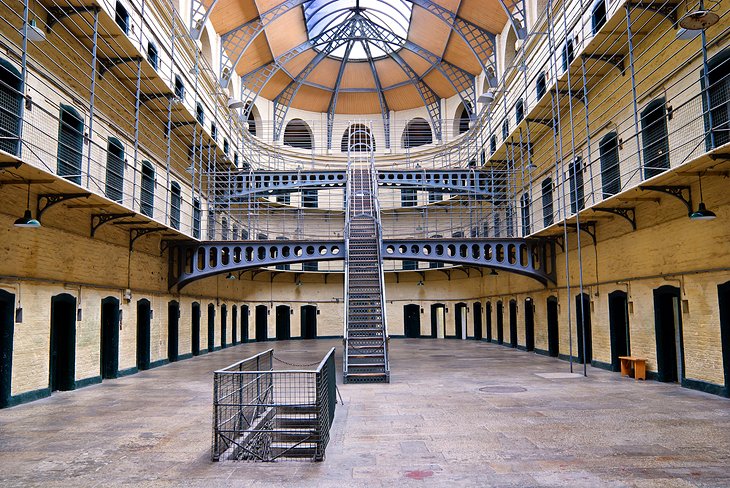
The forbidding Kilmainham Gaol (jail), dating from 1789, truly is a notorious site in the history of Irish nationalism. It was here that the leaders of the 1916 rebels were first incarcerated and then executed for what was seen as an act of high treason.
The exhibition in a modern hall gives a taste of what conditions were like and outlines the struggle for Irish independence. There are excellent guided tours throughout the rest of the jail, which cover Irish history from 1796-1924. The Stonebreaker's Yard is sure to send shivers up the spine, as this is the spot where the leaders of the uprising met their grisly fate.
Address: Inchicore Road, Dublin 8
Official site: https://kilmainhamgaolmuseum.ie
Christ Church Cathedral
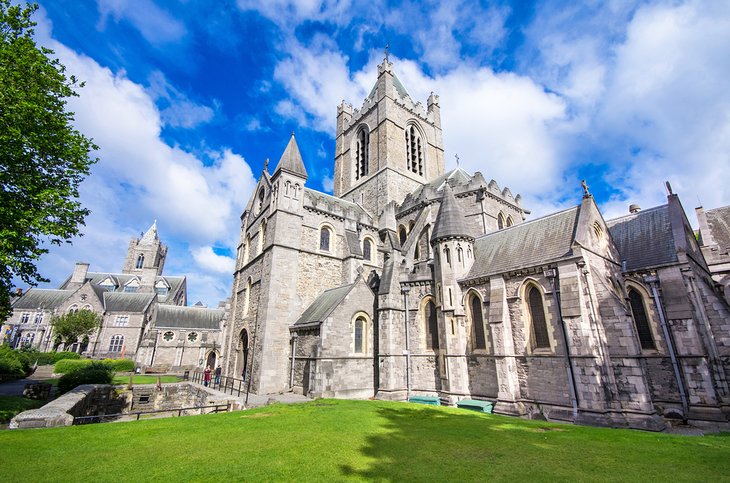
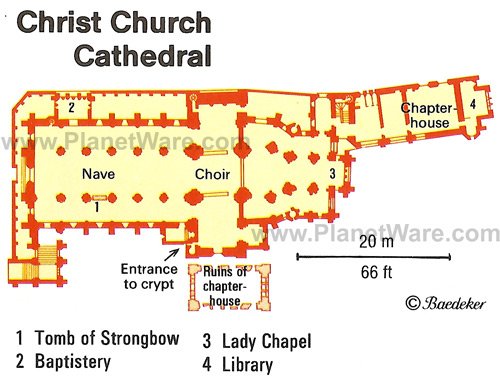
Restored in the 19th century and dominating the surrounding area, Christ Church Cathedral is built on the site of Dublin's first church, which was founded in 1028 and made of timber.
The Great Nave has magnificent early Gothic arches, and here you can see the 14th-century replica of the tomb of legendary Norman conqueror Strongbow, who is buried elsewhere in the cathedral. The fragment that lies alongside is said to be part of the original tomb and has the nickname, "Strongbow's son." Parts of the vast crypt, which runs the length of the building, date from the 13th century.
Also worth a visit is Dublinia, a first-rate historical recreation of life and scenes from the time of the Vikings to the medieval period that's located in the cathedral's Synod Hall. Highlights include costumed characters demonstrating period traditions and activities, various buildings, and authentic street scenes.
Address: Christchurch Place, Dublin 8
Official site: https://christchurchcathedral.ie
St. Patrick's Cathedral
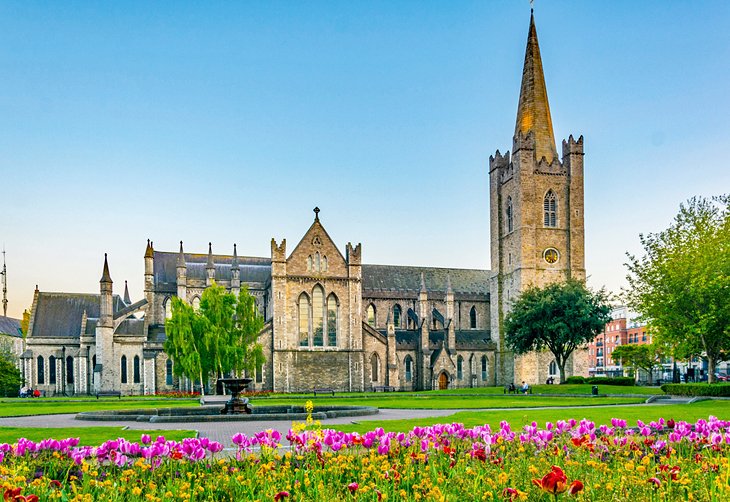
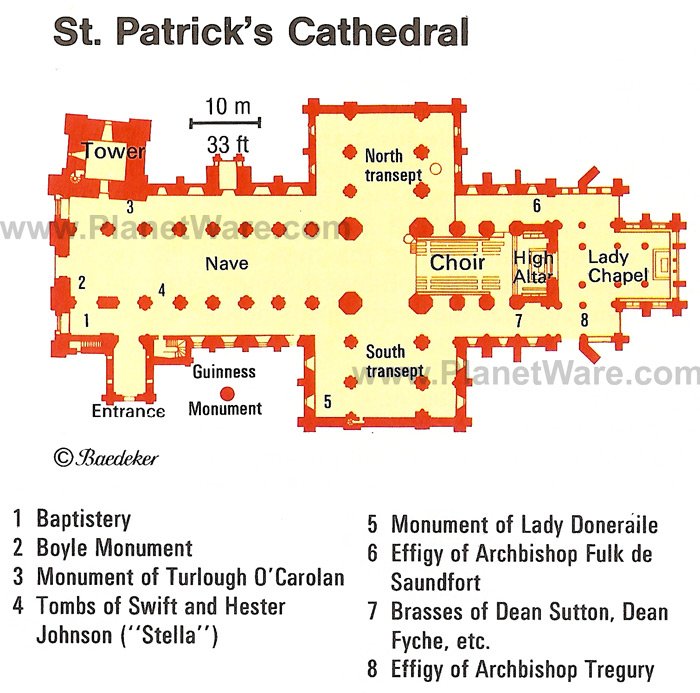
An easy seven-minute walk from Christ Church Cathedral, St. Patrick's Cathedral is the national cathedral of the Church of Ireland. Tradition has it that here, St. Patrick baptized converts to Christianity in AD 450.
Like Christchurch, the original edifice was timber. In 1192, another church was founded and constructed of stone. Just over a century later, another reconstruction took place and its status was raised to that of cathedral.
Over the centuries, much embellishment has occurred, chiefly in the mid 1700s, when the steeple was built, and during the late 1800s, when there were substantial renovations. Gulliver's Travels author and satirist Jonathan Swift (1667-1745), who was Dean of St. Patrick's for 35 years, is interred in a tomb to the right of the entrance beside his long time love "Stella" (Hester Johnson 1681-1728).
Address: St. Patrick's Close, Dublin 8
Official site: www.stpatrickscathedral.ie
Dublin Castle and the Chester Beatty Library
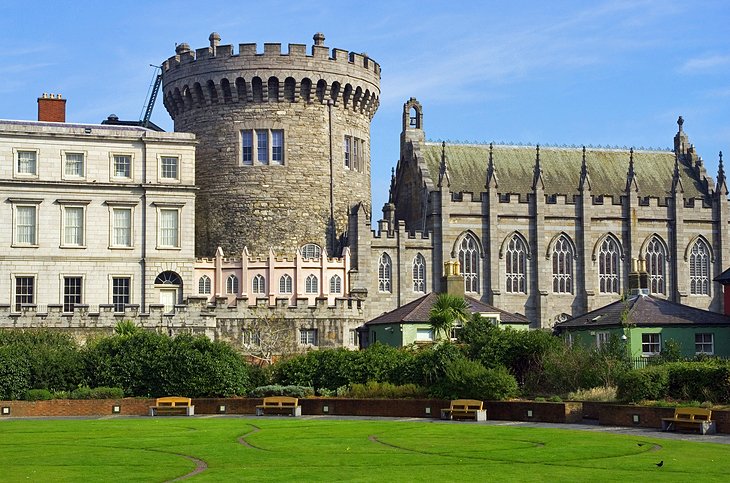
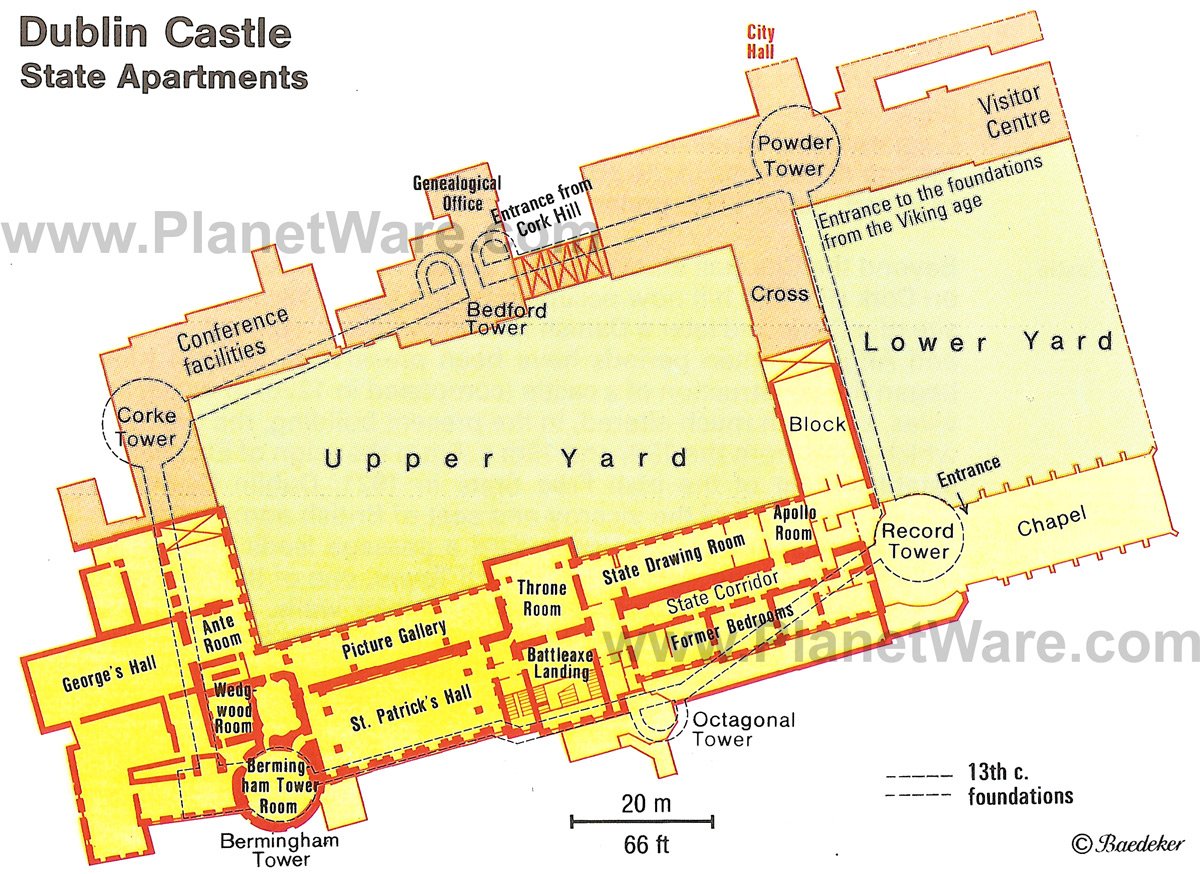
Dublin Castle was the site of central administration during 700 years of British rule until 1922. The castle has seen many guises: medieval fortress, vice-regal court, and function of government. In 1534, Irish rebel Silken Thomas (so named for his fine clothes) launched an attack and besieged the castle.
Currently, the castle is mainly used for ceremonial occasions, exhibitions, and even concerts. The ornate state apartments are open to visitors, and there are a number of museums to explore including the Chester Beatty Library and Gallery.
The museum, founded in 1953 by an American living in Dublin, Chester Beatty, features a fine collection of oriental art and several collections of manuscripts, books, and ancient texts. Among the treasures are French Books of Hours of the 14th and 15th century and a prayer book that belonged to Philip II of Spain, works of Far Eastern art, Islamic prints, Sanskrit manuscripts (12th to 13th century), Indian miniatures, and Babylonian clay tablets (2,500 to 2,300 BC).
There are also European medieval and Renaissance manuscripts, Egyptian papyrus texts, and copies of the Qur'an, and the Bible. Buddhist paintings and Turkish and Persian miniatures are also on display, as are woodblock prints from Japan and Chinese dragon robes.
Address: Dame Street, Dublin 2
Official site: www.dublincastle.ie
Visit the Irish Museum of Modern Art
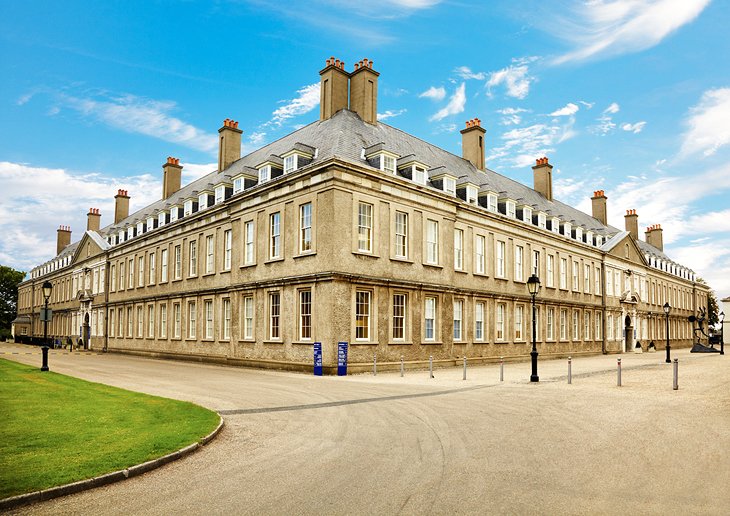
Since it opened in 1991, the Irish Museum of Modern Art (IMMA) has built a reputation as one of the country's top galleries. With a focus on modern and contemporary art, the museum offers frequently changing exhibits and displays of works from its own collections, as well as from across Ireland and the globe.
The building itself is beautiful. Erected in the late 1600s as a hospital, it serves as the perfect backdrop to the modern art that adorns its walls, as well as for the artists' studios located here. Highlights of the museum's permanent collections include some 3,500 works (some Irish, some by overseas artists) from the post-war period. Guided tours are offered, along with fun programs for the kids (there's also a café).
Address: Royal Hospital Kilmainham, Military Rd, Kilmainham, Dublin 8
Official site: https://imma.ie
The Irish Rock 'n' Roll Museum Experience
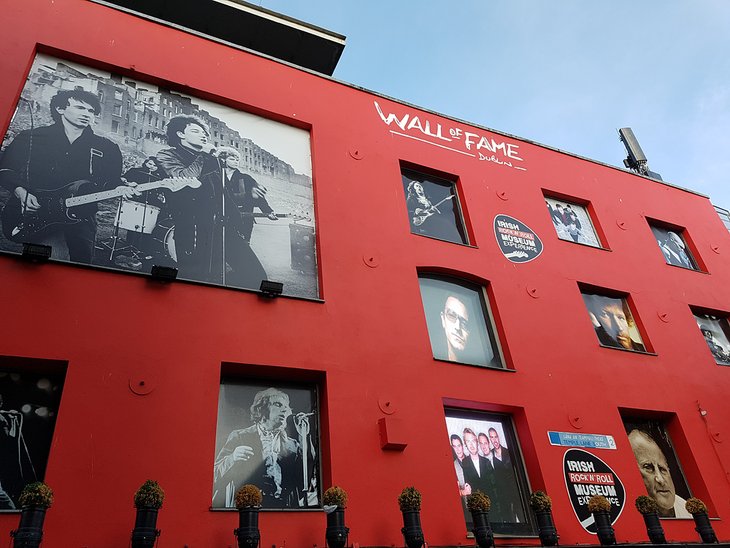
Music fans won't want to miss the opportunity to visit the Irish Rock 'n' Roll Museum Experience, which focuses on the top musical acts to have come out of Ireland. Highlights of this immersive, one-hour tour experience include the chance to "catch" acts like U2 and Thin Lizzy in various stages of their careers, either in the studio or performing on stage.
Along the way, you'll see a wide variety of artifacts and memorabilia from these and other leading Irish acts, and be exposed to their music and anecdotes about the music-writing and touring process.
Another quirky sightseeing opportunity can be enjoyed at the National Leprechaun Museum (honest!). Opened in 2010 in its location on Jervis Street, this fun museum features fascinating exhibits and displays relating to these mythical beings, Along the way, your tour guide will explain the importance of this folklore in Irish culture, as well as its impact on everything from Disney to Hollywood.
Address: Curved Street, Temple Bar, Dublin, D02
Official site: https://irishrocknrollmuseum.com
Take a Side Trip to Dalkey/Killiney
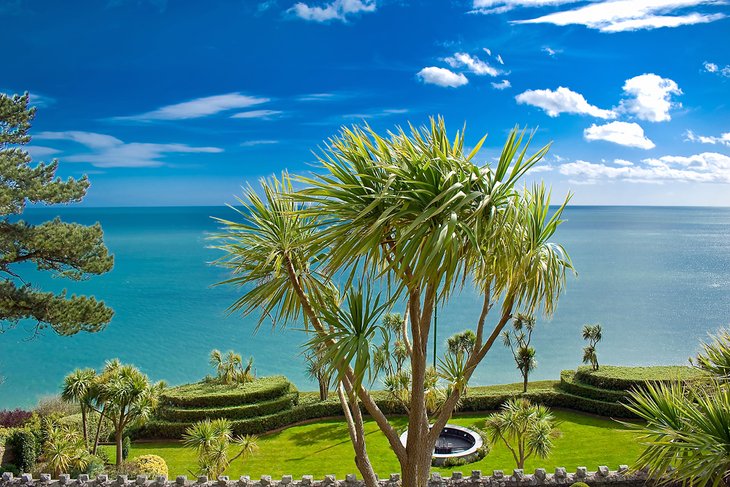
A must-see and, surprisingly, just a 25-minute southbound trip on a DART (Dublin's light rail network) from the city center is Dalkey, and one stop farther along, Killiney, although both areas can easily be explored from Dalkey town.
It's recommended to disembark at the earlier stop, as there's an excellent visitor center at Dalkey Castle, which includes information about the area, historic and cultural exhibitions, and best of all, live theater performances as part of a fun guided tour that scales the heights of the castle ramparts.
Dalkey was once the main trading post on Dublin's east coast, and the harbor at Coliemore Road was the place where medieval cargo ships could off-load their wares. Opposite the harbor is breathtaking Dalkey island, and an uphill stroll of around 15 minutes brings you to Vico Road with stunning views out over Killiney Bay.
For more panoramic vistas, continue up to the top of Killiney Hill, a public park that is home to many species of wildlife and birds.
Address: Castle Street, Dalkey, Co. Dublin
Official site: www.dalkeycastle.com
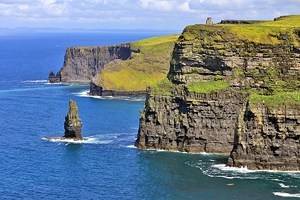
Take a Day Trip to the Cliffs of Moher
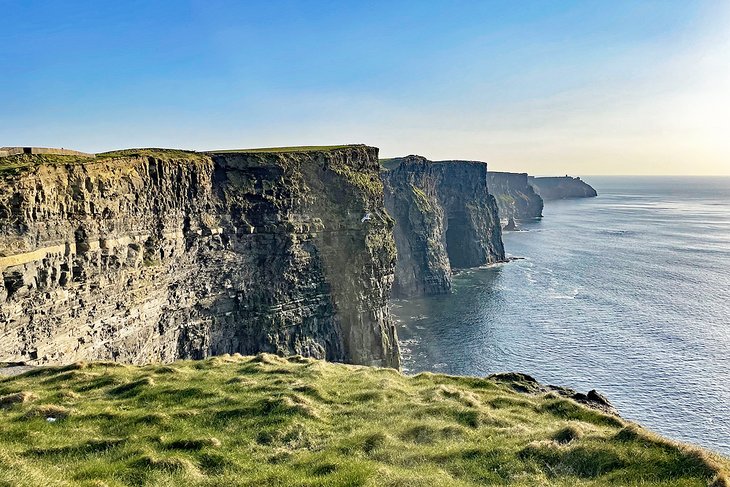
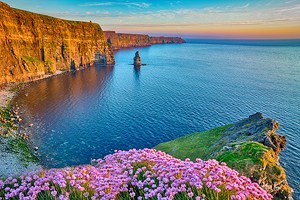
Relax in a luxury coach and see one of Ireland's most breathtaking natural attractions on a guided full-day Cliffs of Moher day trip. This excellent value excursion takes you through the stunning countryside of County Clare and also includes an opportunity to explore the charming town of Doolin, with its great traditional music and country inns. It also typically includes entrance to the Cliffs of Moher and Burren National Park.
In addition to the services of a professional tour guide to share details of the region's unique geology, you'll have ample opportunity to enjoy a leisurely stroll to take some great snapshots of some of the best views in Ireland. A stop at the city of Galway is also included.
Stroll O'Connell Street
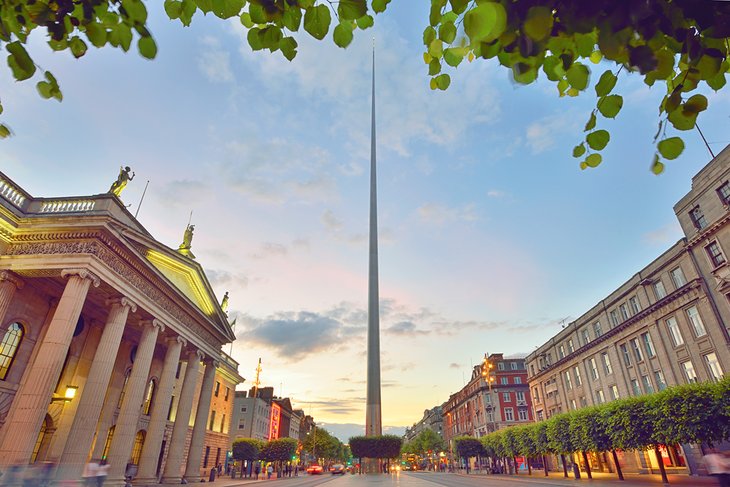
One of the most famous bridges in Dublin is the O'Connell Bridge that leads directly onto the broad, beautiful O'Connell Street. Here is where you'll find historic sites like the General Post Office, and more modern monuments like the Spire of Dublin. It's one of the most popular and well-trafficked streets in the city.
The original name of O'Connell Street was Drogheda Street, later renamed Sackville Street. In 1924, it was renamed O'Connell Street for Daniel O'Connell, who was one of the primary nationalist leaders in Ireland in the struggle to gain independence from England.
Catch a Match at Croke Park
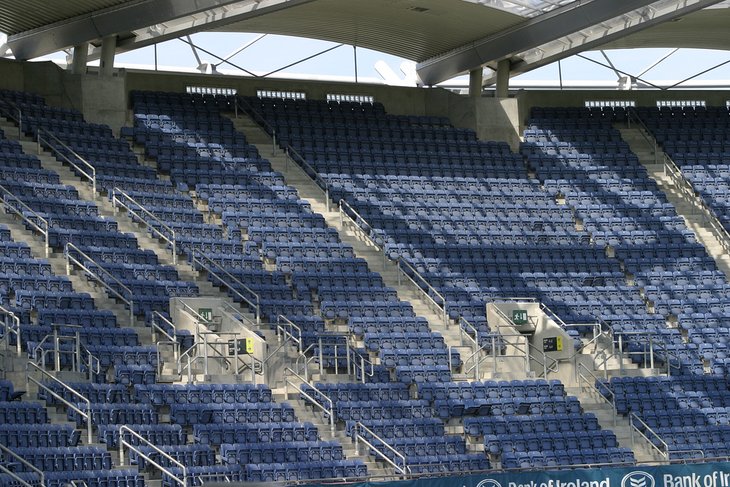
North of the city center is the largest sports venue in Ireland – Croke Park. Croke Park is the home of Ireland's Gaelic Athletic Association and has capacity for 82,300 spectators. Here is where you'll find everything from rugby and soccer to American football, Gaelic football, and hurling.
In addition to sports, Croke Park is one of the largest venues for music performances and has hosted some of the biggest names in entertainment, from U2 to Billy Joel, Elton John, Ed Sheeran, and many others.
Address: Jones' Rd, Drumcondra, Dublin 3, Ireland
Dublin, Ireland - Climate Chart
| Average minimum and maximum temperatures for Dublin, Ireland in °C | |||||||||||
| J | F | M | A | M | J | J | A | S | O | N | D |
| 8 3 | 8 3 | 9 3 | 12 4 | 14 7 | 17 9 | 19 12 | 19 11 | 17 9 | 14 8 | 10 4 | 8 3 |
| PlanetWare.com | |||||||||||
| Average monthly precipitation totals for Dublin, Ireland in mm. | |||||||||||
| 69 | 51 | 53 | 51 | 56 | 56 | 51 | 71 | 66 | 71 | 64 | 76 |
| Average minimum and maximum temperatures for Dublin, Ireland in °F | |||||||||||
| J | F | M | A | M | J | J | A | S | O | N | D |
| 46 37 | 46 37 | 49 38 | 53 40 | 58 44 | 63 49 | 66 53 | 66 52 | 62 49 | 57 46 | 50 40 | 47 38 |
| PlanetWare.com | |||||||||||
| Average monthly precipitation totals for Dublin, Ireland in inches. | |||||||||||
| 2.7 | 2.0 | 2.1 | 2.0 | 2.2 | 2.2 | 2.0 | 2.8 | 2.6 | 2.8 | 2.5 | 3.0 |
Editor's Tips
Of course there's plenty more to see and things to do in and around Dublin. The Discover Ireland Centre on Suffolk Street (just off Grafton Street) dispenses handy information on the city's tourist attractions. Although it may sound like a cliché, Ireland's capital really is its people. Unexpected conversations and snippets of Irish "banter" are most likely some of the strongest memories you will take away with you.
Dubliners are a sociable, knowledgeable, and, quite often, an opinionated bunch, so don't be afraid to have a chat and ask their advice about where to go and what to see. In particular, taxi drivers love to talk and will often regale anybody who'll listen with views on everything from politics to history and current affairs.
If staying in the capital for a few days, the DART (Dublin's light rail network) is a leisurely way to explore the coastline. The village of Howth, at the far extremity of Dublin's north side is well worth a visit. Here, visitors will find a range of restaurants, many serving fresh seafood, as Howth remains a fishing village, albeit an upmarket one these days. The views from Howth Head are spectacular.
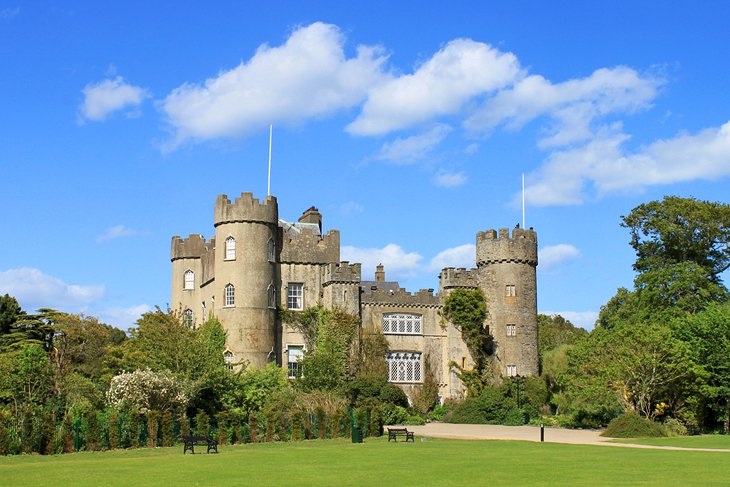
Also on the north side, and on the DART line is Malahide, a quaint village with a beautiful castle open to the public. Day trips from the city should include magical Glendalough, home to a ruined medieval monastery, breathtaking lakes, and forest walks. Spectacular Powerscourt House and gardens, adjacent to the pretty village of Enniskerry is a must-see for those with a little extra time on their hands. There's a terrific restaurant, craft shops, and superb grounds to explore at your leisure.
Map of Attractions & Things to Do in Dublin
More Related Articles on PlanetWare.com
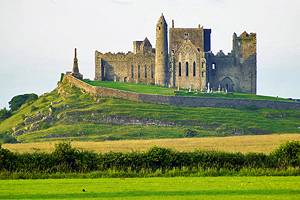
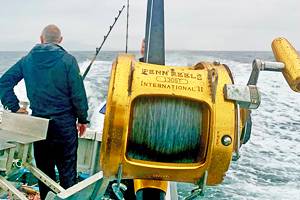
More of Ireland: Visitors will find Ireland is a wonderful country for road trips. After exploring Dublin, visit Waterford, roughly halfway between the capital and Cork. Explore the sights surrounding the city with our article on the top day trips from Dublin, including the magnificent Cliffs of Moher, and if you want to cast a fishing line, check out our list of the best fishing destinations in Ireland.