21 Top-Rated Tourist Attractions in Delhi & New Delhi
Delhi is both a union territory within India, as well as a city, and features two very different worlds: New Delhi and Old Delhi. The former, inaugurated by the British in 1931 to serve as the imperial capital, is the nation's modern capital and seat of government, while Old Delhi is considered by many as the symbolic heart of the greater metropolitan area.
One of the most populous regions in the world – it boasts a population of nearly 20 million people – Delhi is a heady mix of tradition and modernity, and is important as both a religious center and India's busiest international gateway. Its history is as old as the ancient Yamuna River, one of the most sacred rivers in Hinduism and a natural dividing line between New Delhi to the west and Old Delhi to the east.
Things to see and do in Delhi and New Delhi are plentiful and include experiencing its diverse arts and crafts industry, its many magnificent monuments, and countless performing arts venues. The area is also well known for its excellent cuisine, which includes delicacies from every corner of India. Delhi is also a shopper's paradise with numerous bazaars and markets, including Chandni Chowk, the country's most famous commercial area.
Find the best places to visit in this bustling, vibrant city with our list of the top tourist attractions in Delhi, India.
- 1. The Red Fort
- 2. Qutub Minar
- 3. Lodi Gardens
- 4. Gurudwara Bangla Sahib
- 5. The Lotus Temple
- 6. India Gate
- 7. Jama Masjid
- 8. Humayun's Tomb
- 9. Akshardham
- 10. Purana Qila (The Old Fort)
- 11. Rajpath and Rashtrapati Bhavan
- 12. Gandhi Smriti and the Mahatma Gandhi Memorial
- 13. The Jantar Mantar Observatory
- 14. The Indira Gandhi Memorial Museum
- 15. The National Museum, New Delhi
- 16. Laxminarayan Temple
- 17. National Zoological Park
- 18. The National Crafts Museum
- 19. The National Rail Museum
- 20. The Hauz Khas Complex
- 21. Sulabh International Museum of Toilets
- Where to Stay in New Delhi for Sightseeing
- Map of Tourist Attractions in Delhi & New Delhi
- Delhi, India - Climate Chart
1. The Red Fort
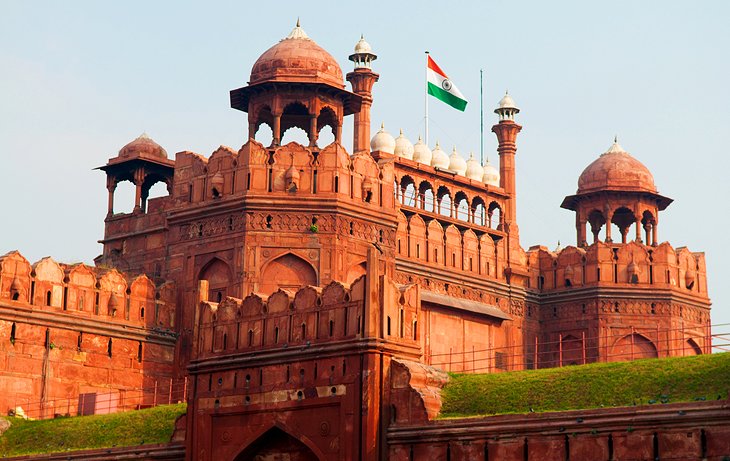
The beautiful Red Fort (Lal Qila) was built by Shah Jahan in 1648 and served as the seat of Mughal power until 1857. This stunning structure, with its tall, red sandstone walls covers an area of more than two square kilometers, the entirety of which is crescent shaped and surrounded by a moat.
The impressive main entrance, the Lahore Gate, is so named as it faces towards Lahore in Pakistan, while the even grander Delhi Gate was used by the emperor for ceremonial processions. Entering through the Lahore Gate, visitors reach Chhatta Chowk, a 17th-century covered bazaar where items such as silks, jewelry, gems, and silverware can be purchased, along with souvenirs and food items.
The Naubat Khana within the Red Fort once housed the musicians who played for the emperor, and its fine galleries still contain many interesting musical instruments such as kettledrums, gongs, and cymbals. Diwan-i-Am, the Hall of Public Audiences, where the emperor would receive his subjects, is also worth seeing for its stunning white marble.
Address: Netaji Subhash Marg, Chandni Chowk, New Delhi, Delhi 110006, India
Official site: www.indiaculture.nic.in/red-fort-complex
2. Qutub Minar
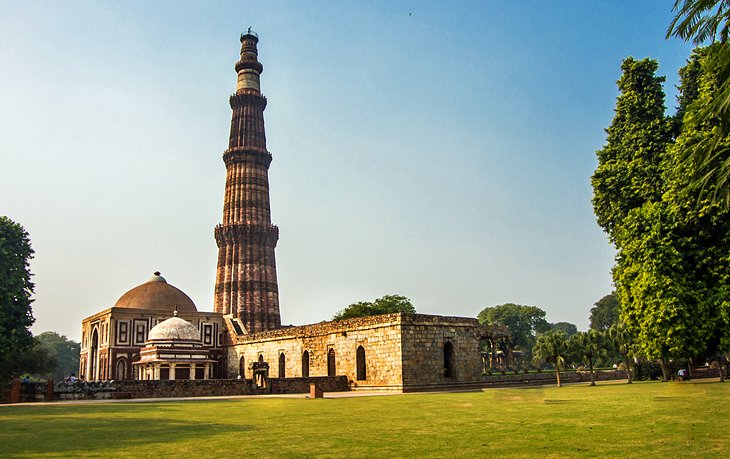
Completed in the 12th century, the beautiful Qutub Minar is India's tallest minaret. It's also now a UNESCO Word Heritage Site that attracts many international visitors eager to climb to the top for its breathtaking views of the surrounding area.
This ornate five-story tower rises more than 70 meters and is covered with intricate carvings featuring the history of Qutub along with inscriptions from the Koran. It's also notable for being constructed of a number of different types of stone (the first three stories are made of red sandstone, while the fourth and fifth stories were built with marble and sandstone).
The complex also includes the Quwwat-ul-Islam Masjid, a mosque at the base of the tower; a gateway built in 1310; and the tombs of Altamish, Alauddin Khalji, and Imam Zamin. Also worth seeing is the 2,000-year-old Iron Pillar, the Alai Minar.
Address: Mehrauli, New Delhi, Delhi 110030, India
Official site: www.qutubminar.org
3. Lodi Gardens
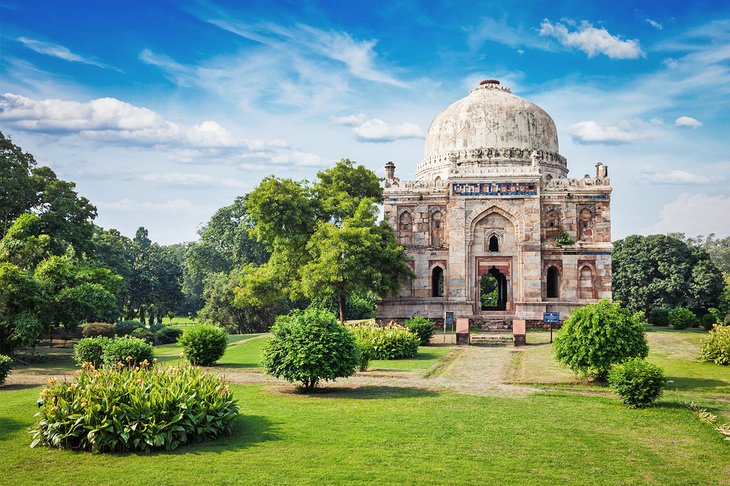
One of the most popular New Delhi parks among locals, the 90-acre Lodi Gardens is well-worth including on your Delhi itinerary. In addition to its lush gardens, the park contains numerous relics from the Lodi period pre-1600s, including a variety of important tombs and ruins.
Architectural highlights include 15th-century mausoleums containing the remains of the Lodi Sultans, as well as a picturesque triple-domed mosque, the Glazed Dome, known for its blue tiles, and the ruins of a huge dome dating from around 1490. Be sure to also look for the Athpula, an eight-pier bridge dating from the 16th century with its attractive columns and arches that span the park's lake.
Lodi Gardens is also known for its flora and fauna, including more than 100 species of native trees, 50 species of butterflies, and plenty of birdlife. It's also home to the country's National Bonsai Park.
While in the vicinity, take the short five-minute walk to the popular Khan Market. This bustling (and very safe) area in fact ranks among the world's most prestigious shopping districts, with luxury brands rubbing shoulders with street vendors selling local delicacies.
Address: Lodhi Road, New Delhi, Delhi, India
4. Gurudwara Bangla Sahib
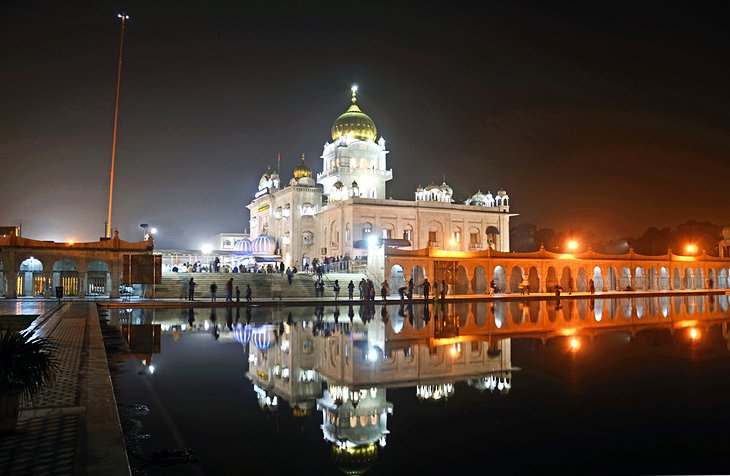
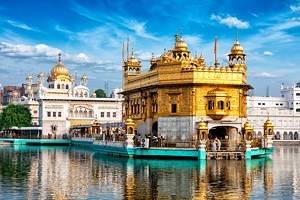
Delhi's most important Sikh place of worship, the 18th-century Gurdwara Bangla Sahib is located near Connaught Place and is well worth a visit. Highlights include its magnificent pool, the Sarovar, at the heart of this large complex, as well as its famous gold dome and flagpole.
Also of note is the large temple building itself, along with its art gallery and a small museum dedicated to the history of the Sikh religion. Visitors are always welcome here, and an excellent meal is available at no cost in the large Gurdwara Kitchen. All that is asked in return is your hair be covered and shoes removed (free headscarves and shoe storage are provided).
Address: Ashoka Road, Hanuman Road Area, Connaught Place, New Delhi, Delhi, India
Official site: www.dsgmc.in
5. The Lotus Temple
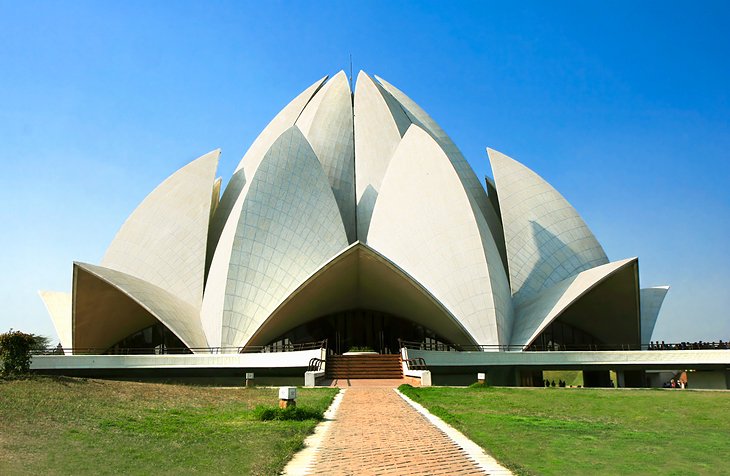
The magnificent Bahá'í House of Worship, also known as the Lotus Temple due to its nine sides and stunning central dome, is an architectural masterpiece. Constructed of white concrete and marble, the entire structure looks as delicate as the flower it resembles. Rising from the surrounding nine pools of water, it almost appears as if it might burst into bloom at any moment.
Built in 1986, the temple has since attracted more than 70 million visitors, making it one of the world's most visited attractions. Interestingly, this remarkable place of worship has no idols, religious pictures, or outward symbols of religion.
Another modern day temple worthy of a visit is the ISKCON Temple, one of the country's biggest Krishna temple complexes.
Address: Lotus Temple Road, Shambhu Dayal Bagh, Bahapur, New Delhi, Delhi, India
Official site: www.bahaihouseofworship.in
6. India Gate
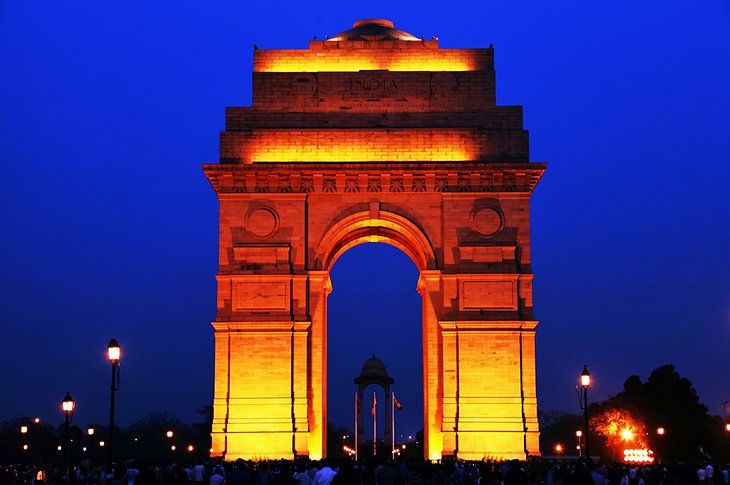
Looking a little like the famous Arc de Triomphe in Paris, the equally impressive India Gate is a magnificent stone arch built as a memorial to Indian soldiers killed in WWI. An eternal flame burns beneath the massive structure, and its walls are inscribed with the names of more than 90,000 soldiers who died in the conflict.
Standing on a base of red stone and featuring a shallow domed bowl on top that is occasionally filled with burning oil (usually only on important anniversaries), the structure dominates the parkland around it, an always busy area with crowds of tourists and locals alike enjoying a picnic or simply relaxing.
For a real treat, try to see the India Gate at night, considered one of the top free things to do in New Delhi. It's a spectacular sight when it and nearby fountains are floodlit.
Address: Rajpath, India Gate, New Delhi, Delhi, India
7. Jama Masjid
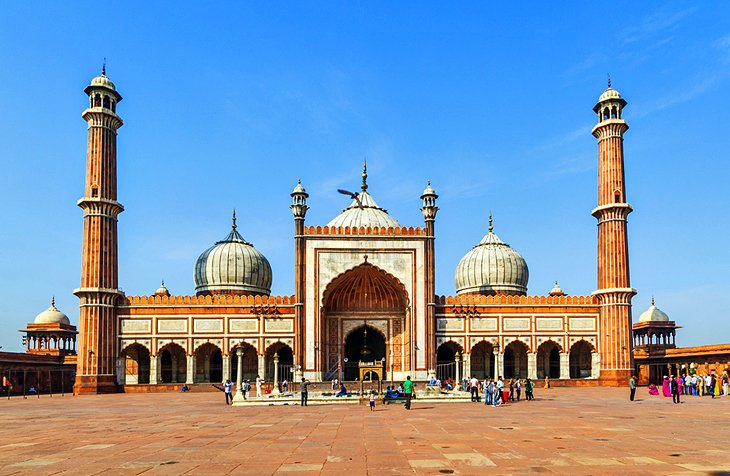
The Jama Masjid is one of India's largest mosques and was the final architectural feat of Shah Jahan. Completed in 1658, this beautiful structure features three gateways, four angled towers, and two 40-meter-high minarets built using red sandstone and white marble and attractively alternated in vertical stripes.
Visitors can climb to the top of the southern minaret for spectacular views of Old Delhi, and afterwards visit the large central pool used for washing before prayers. Please note: visitors must take off their shoes and be appropriately dressed before entering; non-Muslims aren't permitted during prayers.
Afterwards, be sure to visit Chandni Chowk, Old Delhi's massive main thoroughfare and a market area dedicated to shopping and eating. Of particular interest are Naya Bazaar and Gadodial, famous spice markets where you'll see hundreds of items displayed including aniseed, ginger, pomegranate, saffron, lotus seeds, pickles, and chutneys.
Address: Chandni Chowk, New Delhi, Delhi, India
8. Humayun's Tomb
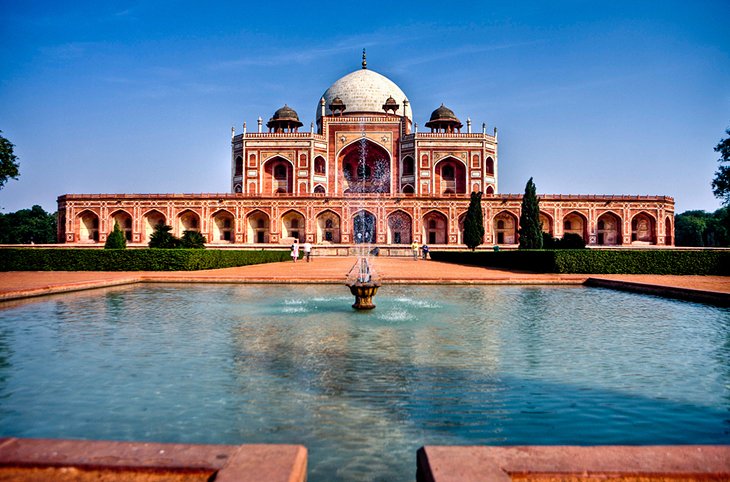
Set in a lovely, large square garden, Humayun's Tomb is a lofty mausoleum constructed of white marble and red sandstone. It was designed as a prototype of the Taj Mahal in Agra and is an excellent example of Mughal architecture.
Built in the mid-16th century by Haji Begum as a memorial to her husband by Humayun's senior widow, the tomb is surrounded by lush formal gardens and other tombs including Humayun's barber and the Tomb of Isa Khan (the architect of the Taj Mahal), a fine example of Lodi architecture and octagonal in shape.
A fun thing to do is to try and catch a glimpse of this spectacular structure after nightfall when it's illuminated.
Address: Mathura Road, Nizamuddin, New Delhi, Delhi, India
9. Akshardham
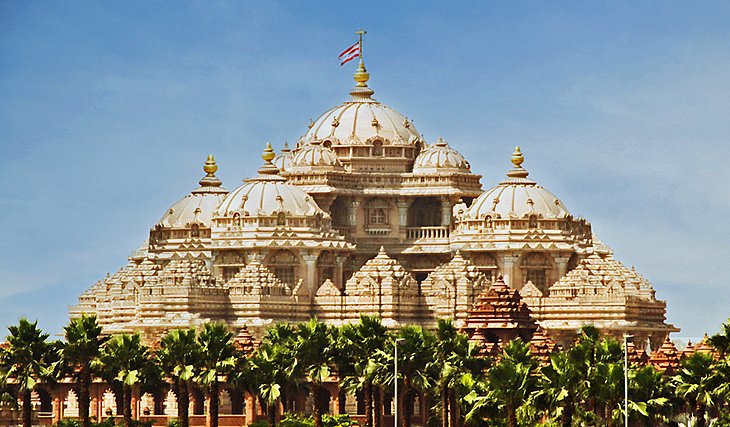
Although only recently completed (it opened in 2007), the splendid Hindu Akshardham temple looks like it could be centuries old. Festooned with intricate and elaborate carvings, this magnificent building attracts countless visitors for its majestic beauty.
Highlights include the stunning 43-meter-high main monument with its rich carvings of animals, plants, gods, dancers, and musicians, all made from pink sandstone and marble. Of particular note are the 234 ornate pillars supporting its nine domes, as well as a stunning stone tribute to elephants, the centerpiece of which is a massive 3,000-ton statue of one of these beasts.
Other features of interest include a theater showing a movie tracing the building's construction, a fun 15-minute boat ride depicting India's rich history and diverse culture, and the spectacular Yagnapurush Kund, a large musical fountain that is a particular treat when lit up at night.
Address: Noida Mor, New Delhi, Delhi, India
Official site: http://akshardham.com/
10. Purana Qila (The Old Fort)
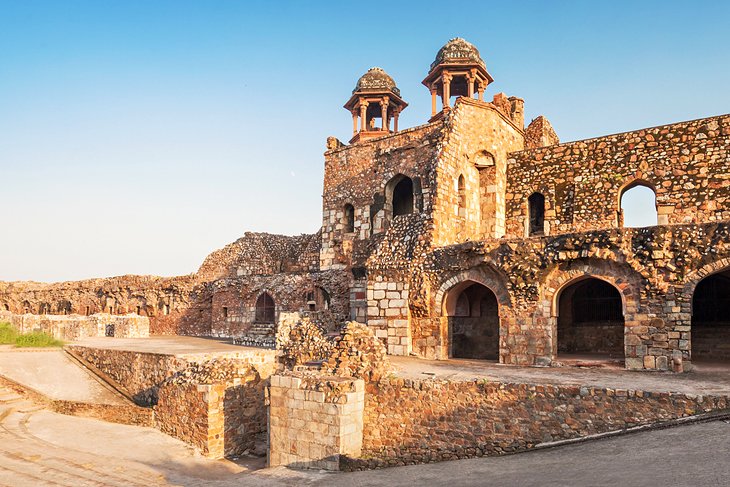
Although often overlooked, as most tourists head straight for the more famous Red Fort, Purana Qila (Old Fort) is well-worth squeezing into your Delhi travel itinerary. Boasting a past that stretches back some 2,500 years, much of the current impressive edifice dates back to the 1500s, although evidence of earlier structures dating back to the 3rdcentury have been discovered.
The present structure played an important role in the region's affairs for centuries and was particularly influenced by the Muslim religion, as evidenced by building's such as the Qila-i-Kuna Mosque, a single-dome place of worship built in 1541. The site covers an area of two square kilometers, and you'll enjoy exploring its thick ramparts and three large gates, an especially impressive sight during the nightly illuminations.
The 200-acre Mehrauli Archaeological Park is also worthy of a visit and features numerous important structures, some of which date back more than 1,000 years. Highlights include the old ruins of Lal Kot, along with more recent evidence of occupation by the British during the reign of Queen Victoria.
Address: Mathura Road, New Delhi, Delhi, India
11. Rajpath and Rashtrapati Bhavan
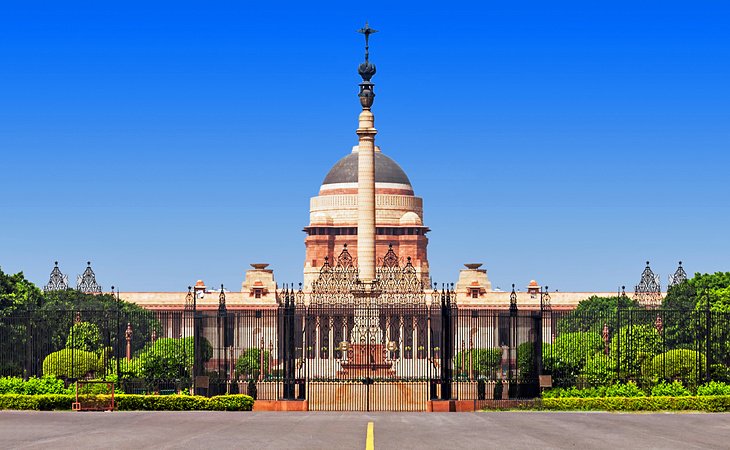
Rajpath, also known as the King's Way, is New Delhi's traditional ceremonial boulevard. It runs from Rashtrapati Bhavan, the official presidential residence, past such important city landmarks as Vijay Chowk and India Gate all the way to the National Stadium.
This broad avenue is flanked by trees, grass, and ponds, and comes alive each January 26th during the Republic Day Parade. This special occasion is marked by countless thousands gathering to celebrate the anniversary of the country's independence.
At the western end of Rajpath, the President's Residence-the Rashtrapati Bhavan (once the British Viceroy's residence)-is undoubtedly one of the most magnificent buildings in Delhi. It's an attractive place for a selfie given its eclectic mix of Mughal and European architectural styles that contains some 340 richly decorated rooms.
Of particular interest is the new Rashtrapati Bhavan Museum, which offers a glimpse inside the building, along with interesting displays relating to past presidents. Hot Tip: If visiting in February or March, check out the adjoining Mughal Gardens, a splendid display of plantings surrounding the President's Residence.
Address: Gates 30 & 35, President's Estate, New Delhi, Delhi, India
12. Gandhi Smriti and the Mahatma Gandhi Memorial
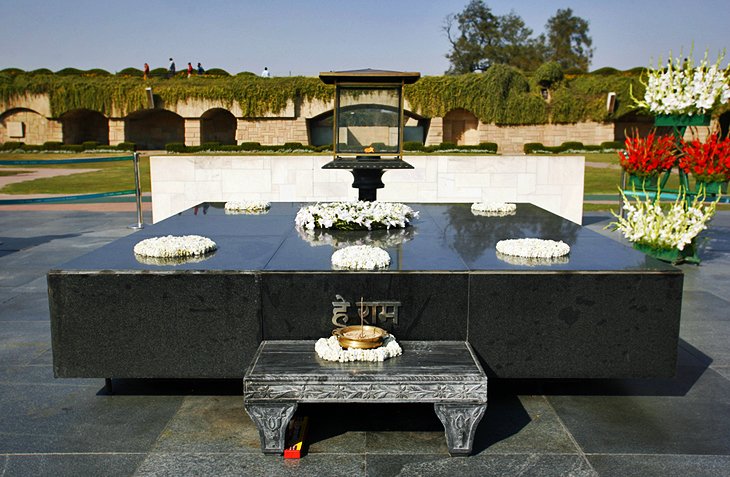
Numerous references can be found to Mahatma Gandhi throughout Delhi, a testament to the man's legacy. Of the many attractions related to the famed leader of the Indian independence movement, perhaps the best is Gandhi Smriti (Gandhi Remembrance), a museum housed in the property where he was assassinated in 1948.
Highlights include displays and memorabilia relating to both his life and death, including the room in which he stayed, left exactly as it was at the time, as well as the new Eternal Gandhi Multimedia Museum with historical records detailing his many achievements.
A particular highlight is the chance to stroll the very same gardens where Gandhi once spent so much time (the place where the shooting occurred is marked by the Martyr's Column). Also of interest is the Raj Ghat memorial to Gandhi just a few minutes' walk away on the spot where he was cremated.
Address: 5 Tees January Marg, New Delhi, Delhi, India
Official site: www.gandhismriti.gov.in
13. The Jantar Mantar Observatory
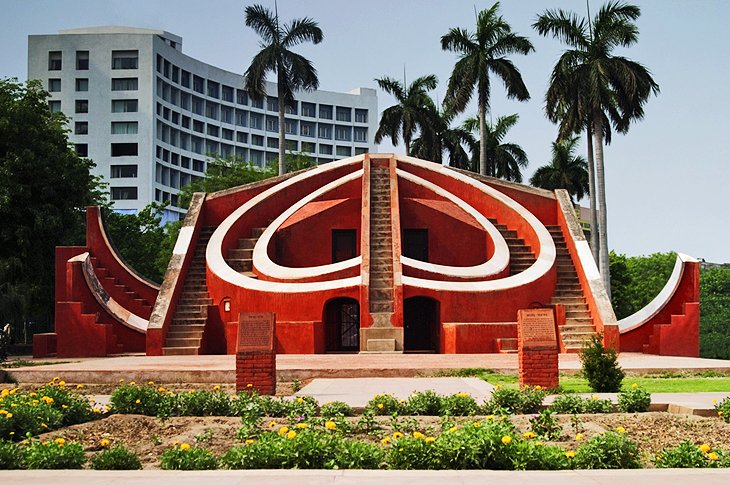
Located near Connaught Place, one of New Delhi's largest and best-known business districts, Jantar Mantar is one of five astronomical observatories constructed by Maharajah Jai Singh I in 1725.
Designed to enable occupants to observe the movements of the sun, moon, and planets, this well-preserved historic site also boasts several other old instruments on display that were once used to track the course of heavenly bodies and predict eclipses. Highlights of this remarkable and architecturally pleasing building include an enormous sundial known as the Prince of Dials.
Address: Sansad Marg, Connaught Place, New Delhi, Delhi 110001, India
14. The Indira Gandhi Memorial Museum
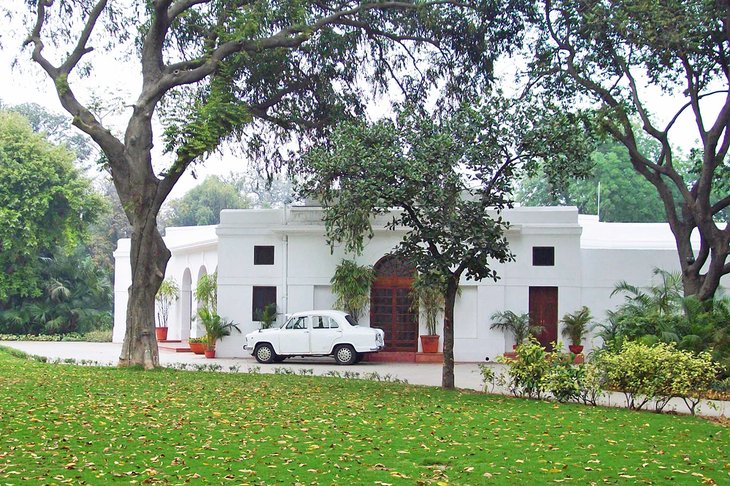
Another important politician-related attraction is the Indira Gandhi Memorial Museum, housed in the former residence of this much-revered woman (Indira was the daughter of India's first Prime Minister, Jawaharlal Nehru, and although a friend of Mahatma Gandhi, was unrelated).
Highlights include photos documenting her life and time as prime minister, personal belongings such as the sari she was wearing at the time of her assassination, along with news clippings and letters.
An enclosed garden with mature trees and flowering plants surrounds the building, and its pathway is now a memorial, with the spot where she was assassinated clearly marked. Several rooms have been dedicated to her son, Rajiv Gandhi, who was assassinated in 1991.
Indira Gandhi's father, Nehru, is the subject of the equally interesting Nehru Museum and Planetarium (Teen Murti Bhavan) set in his former residence. The museum presents the leader's life and works, including interesting items pertaining to the struggle for freedom, with highlights including his bedroom, drawing room, and the study housing displays depicting highlights of his career.
Address: 1 Safdarjung Road, New Delhi, Delhi 110011, India
15. The National Museum, New Delhi
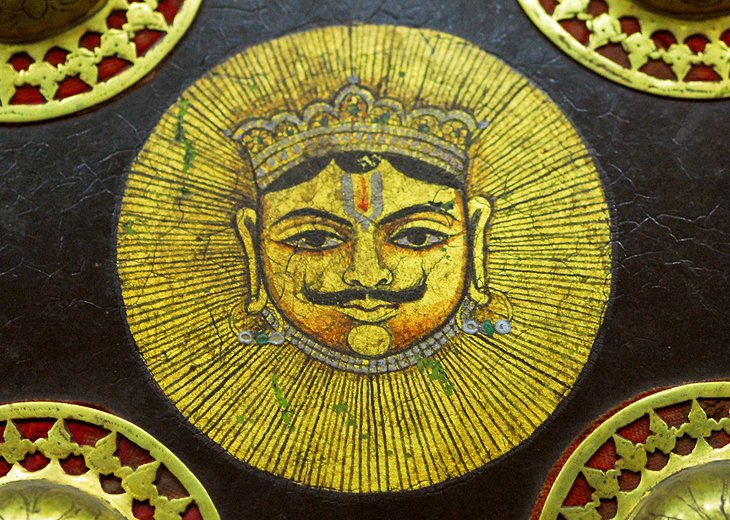
The galleries of the National Museum, New Delhi-one of the largest museums in India-follow a historical sequence, with all major periods represented. Highlights include archeological finds, along with exhibits of terra-cotta toys, images and pots, jewelry, seals, bronze and copper implements, sculpture, musical instruments, tapestry, tribal masks, swords, and murals.
The most significant gallery is the Central Asian exhibit including silk banners and wall paintings, sculptures, and artifacts related to life along the ancient Silk Route that stretched between Europe and China. Audio guides and guided tours are available.
Other museums worth visiting include the National Science Centre, one of the world's largest science centers, and the impressive National Museum of Natural History with its focus on the country's rich flora and fauna.
Also notable is the National Gallery of Modern Art (NGMA), which houses the country's most important art collections. Opened in 1954, its more than 14,000 artworks include pieces from leading Indian artists from the 1850s onwards.
Address: Janpath Road, Rajpath Area, Central Secretariat, New Delhi, Delhi 110001, India
Official site: www.nationalmuseumindia.gov.in
16. Laxminarayan Temple
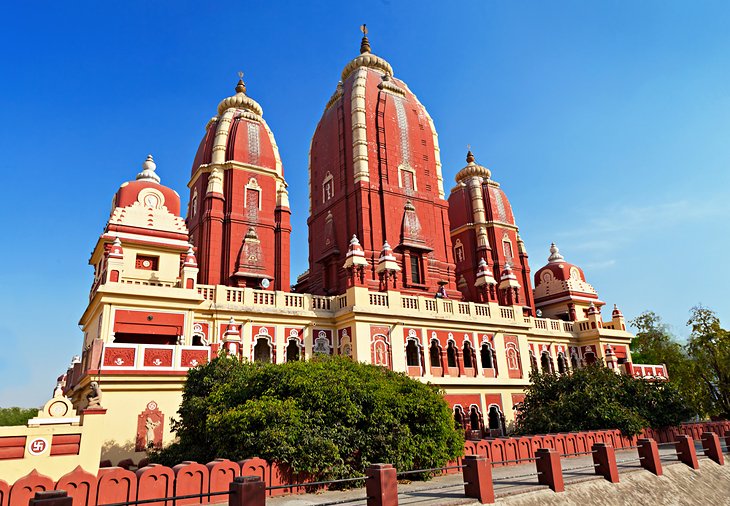
If you're able to squeeze just one more temple into your Delhi sightseeing itinerary, make it Laxminarayan Temple (Birla Mandir). It's also one of the newest such sites in the city.
This impressive looking Hindu place of worship was opened by Mahatma Gandhi in 1939 in Connaught Place as a dedication to the goddess of prosperity, Laxmi (shrines dedicated to other faiths are also included on the site, a condition stipulated by Gandhi). Spread across nearly eight acres, the grounds are a delight to explore, and feature lush tropical gardens, fountains, and sculptures.
Address: Mandir Marg, Near, Gole Market, New Delhi, Delhi, India
17. National Zoological Park
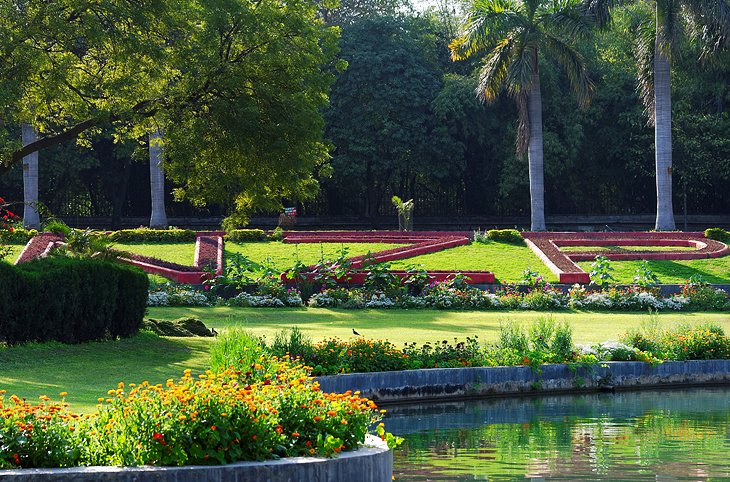
Reputed to be one of the best zoos in Asia, the National Zoological Park was established in 1959 and provides a habitat to some 1,500 animals and bird species. The abundant wildlife on display are representative of all continents, including numerous examples from Africa, Australia, and Asia.
Of particular note are the zoo's numerous chimpanzees, along with hippopotamuses, spider monkeys, zebras, hyenas, deer, jaguars, and tigers. A particular highlight for kids is the underground Reptile Complex, which houses a variety of snakes, including the deadly king cobra.
A fun way to get around the zoo's many attractions is via one of the small electric vehicles that whisk passengers around the park.
Address: Mathura Road, New Delhi, Delhi 110 003, India
Official site: www.nzpnewdelhi.gov.in
18. The National Crafts Museum
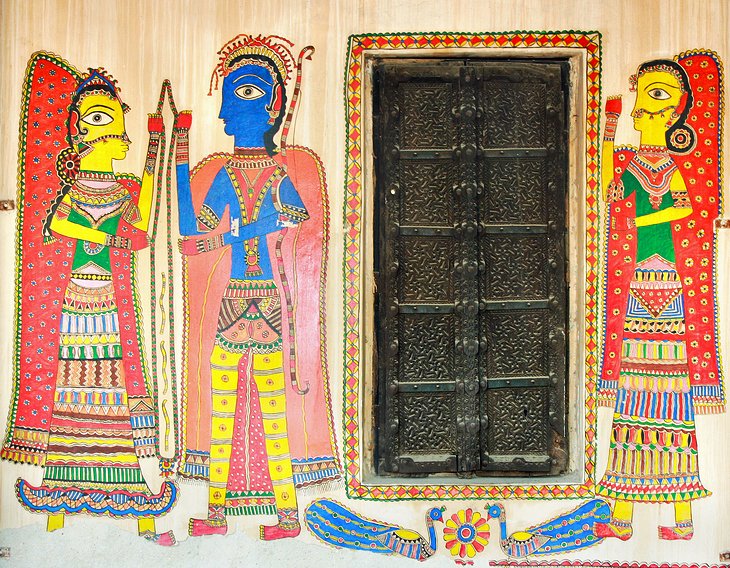
The Crafts Museum-officially named the National Handicrafts and Handlooms Museum, New Delhi-displays a wide variety of traditional crafts from across India. Among its many fascinating features is the chance to watch highly skilled craftspeople demonstrate their centuries-old skills, as well as see large collections of textiles, woodwork, and ceramics.
Also of interest are architectural displays of various regional villages, including authentic mud huts and a full-sized wooden haveli (a form of mansion house) from Gujarat decorated with traditional folk art and featuring exquisite woodcarvings, paintings, papier-mâché, and embroidery.
Address: Bhairon Marg, Pragati Maidan, New Delhi, Delhi 110001, India
19. The National Rail Museum
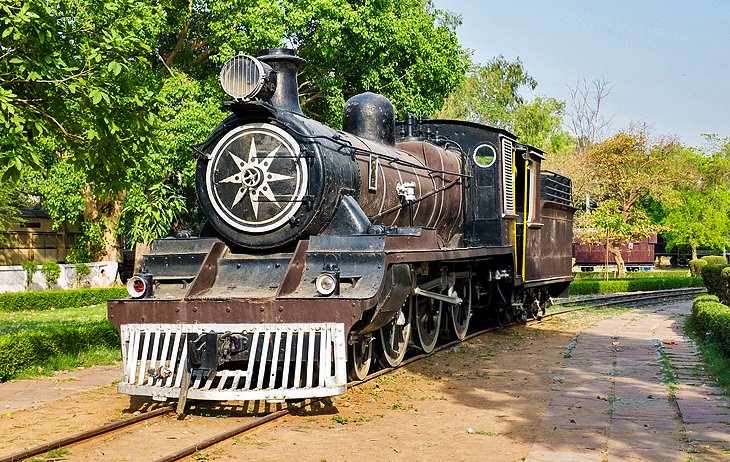
Spread across 10 acres, the National Rail Museum houses more than 30 locomotives and several old carriages, most of them quite rare. All told, more than 140 years of Indian railway history has been preserved on this fascinating site, including an engine built in 1885 and the Fairy Queen steam engine from 1855.
Other highlights include several unique items, such as a collection of saloon cars belonging to the country's once powerful Maharajas, including the teak carriage of the Maharaja of Mysore, covered with ivory; the cabin of the Prince of Wales from 1876; and the carriage in which the ashes of Gandhi were carried after his assassination in 1948. The skull of an elephant struck by a mail train in 1894 is also displayed.
For kids, a ride on an excellent narrow gauge steam train is all part of the fun.
Address: Shanti Path, Chanakyapuri, New Delhi, Delhi 110021, India
20. The Hauz Khas Complex
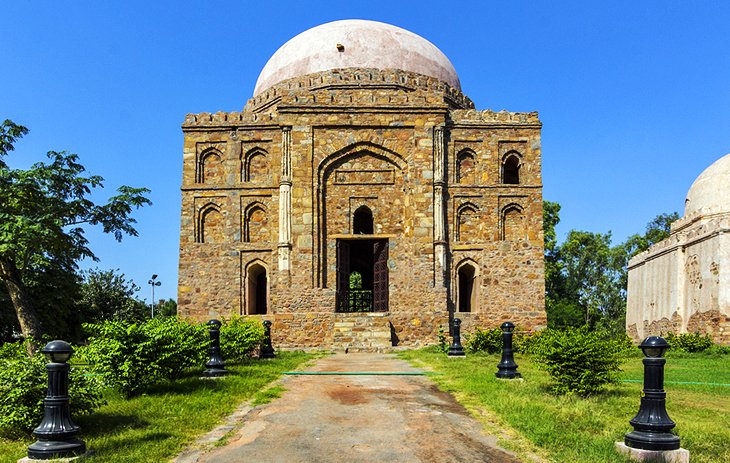
The Hauz Khas Complex is a fascinating urban village a little south of New Delhi. In addition to its numerous ancient stone monuments, the entire village is dotted with domed tombs of minor Muslim royalty, who were laid to rest here from the 14th to 16th centuries.
Other highlights include the remnants of an ancient college and the tomb of Firoz Shah, who ruled Delhi in the 14th century, as well as Ki Masjid, a fine mosque built in Lodi style.
Be sure to allow extra time to explore the surrounding neighborhood. This bustling area is safe and popular for locals and tourists alike, for its art galleries, fashionable restaurants, and boutique shops.
Address: Hauz Khas, New Delhi, Delhi, India
21. Sulabh International Museum of Toilets
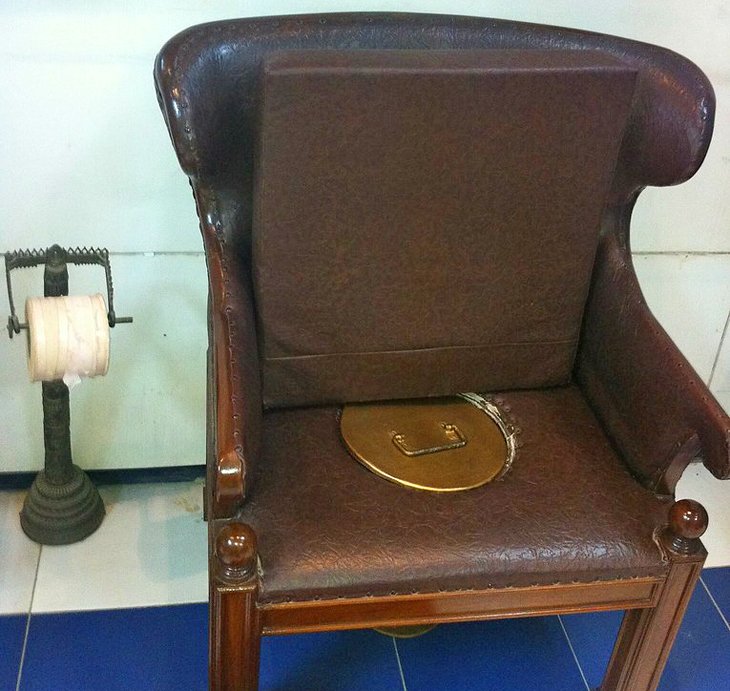
The Sulabh International Museum of Toilets provides a fascinating look at sanitation and its connection to social reform. Displays show the evolution of the toilet and their various designs, with toilet-related items dating back to 2,500 BC, along with exhibits showing historical trends.
Facts, photos, and artifacts present a chronology of developments relating to technology, social customs, toilet etiquette, and sanitary conditions, with exhibits including privies, chamber pots, toilet furniture, bidets, and water closets from 1145 to modern times.
Although unrelated, Tibet House is another smaller museum worth visiting for its collection of ceremonial items brought by the Dalai Lama after he fled Tibet. Displays include wooden sculptures, paintings, carpets, and ritual objects from Tibetan monasteries and villages, along with a museum housing various rare art objects, religious artifacts, ritual implements, objects of war, and jewelry.
Address: Sulabh Bhawan, Palam Dabri Rd, Mahavir Enclave I, Mahavir Enclave, New Delhi, Delhi 110046, India
Official site: www.sulabhtoiletmuseum.org
Where to Stay in New Delhi for Sightseeing
We recommend these great hotels in New Delhi with easy access to top attractions like Qutub Minar and the magnificent Red Fort:
Luxury Hotels:
- The Leela Palace New Delhi offers 5-star luxury accommodations in the city's diplomatic enclave and features an opulent interior, pillow menu, plus lavish in-room flower arrangements.
- The Lalit New Delhi is another great option, and features 5-star luxury accommodations with chic décor, a choice of four fine dining restaurants, and 24-hour in-room dining.
- The modern-looking Roseate House New Delhi is another good option, and comes with bright contemporary-styled rooms and suites, a rooftop restaurant, and a VIP Lounge.
Mid-Range Hotels:
- For a quality mid-range stay, Le Meridien New Delhi delivers contemporary décor, great rooftop dining, an outdoor swimming pool, and a full-service spa.
- The Maidens Hotel is also worth looking into and is set in a classic colonial-era heritage hotel amid beautiful gardens; amenities include an outdoor pool and a fitness center.
- Another good choice, Eros Hotel, features modern, bright rooms, dining, as well as a fitness center.
Budget Hotels:
- Although a budget hotel, Hotel Amax Inn offers great quality accommodations along with friendly staff, modern décor, and a rooftop restaurant.
- A great stay can also be expected at Hotel City Star, a 3-star location close to the New Delhi train station that features clean, comfortable, air-conditioned rooms.
- The Hotel Grand Godwin bills itself as a "luxury budget" place to stay, and for good reason-the rooms are charmingly decorated, clean, and of a high quality, as well as affordable.
Map of Tourist Attractions in Delhi & New Delhi
Delhi, India - Climate Chart
| Average minimum and maximum temperatures for Delhi, India in °C | |||||||||||
| J | F | M | A | M | J | J | A | S | O | N | D |
| 21 8 | 24 10 | 29 15 | 36 22 | 39 26 | 39 28 | 35 27 | 34 26 | 34 25 | 33 20 | 28 13 | 23 9 |
| PlanetWare.com | |||||||||||
| Average monthly precipitation totals for Delhi, India in mm. | |||||||||||
| 20 | 20 | 15 | 20 | 25 | 71 | 236 | 236 | 114 | 18 | 10 | 10 |
| Average minimum and maximum temperatures for Delhi, India in °F | |||||||||||
| J | F | M | A | M | J | J | A | S | O | N | D |
| 69 45 | 74 50 | 84 59 | 96 70 | 102 78 | 101 82 | 94 80 | 92 79 | 93 76 | 91 67 | 82 55 | 73 47 |
| PlanetWare.com | |||||||||||
| Average monthly precipitation totals for Delhi, India in inches. | |||||||||||
| 0.8 | 0.8 | 0.6 | 0.8 | 1.0 | 2.8 | 9.3 | 9.3 | 4.5 | 0.7 | 0.4 | 0.4 |
More Related Articles on PlanetWare.com
Exploring India: This vast country holds many experiences and treasures for travelers. While most people focus on the iconic sites, like the Taj Mahal, there are many places worth visiting. For a list of ideas, see our guide to the Top Tourist Attractions in India. If your travels take you to Mumbai, be sure to see our list top things to see and do in Mumbai.