Attractions & Things to Do in Athens
A symbol of Western Civilization, Athens' illustrious history stretches back more than 3,000 years. As you walk the streets today, you'll see a mix of the ancient and the modern, making it the perfect destination for travelers who like a little fun with their sightseeing.
The Acropolis is one of the world's most breathtaking ancient ruins, and the city's exceptional museums display fascinating artifacts uncovered at local sites. Other hidden charms are the dazzling Byzantine churches found all over the city and the village-like neighborhoods north of the Acropolis.
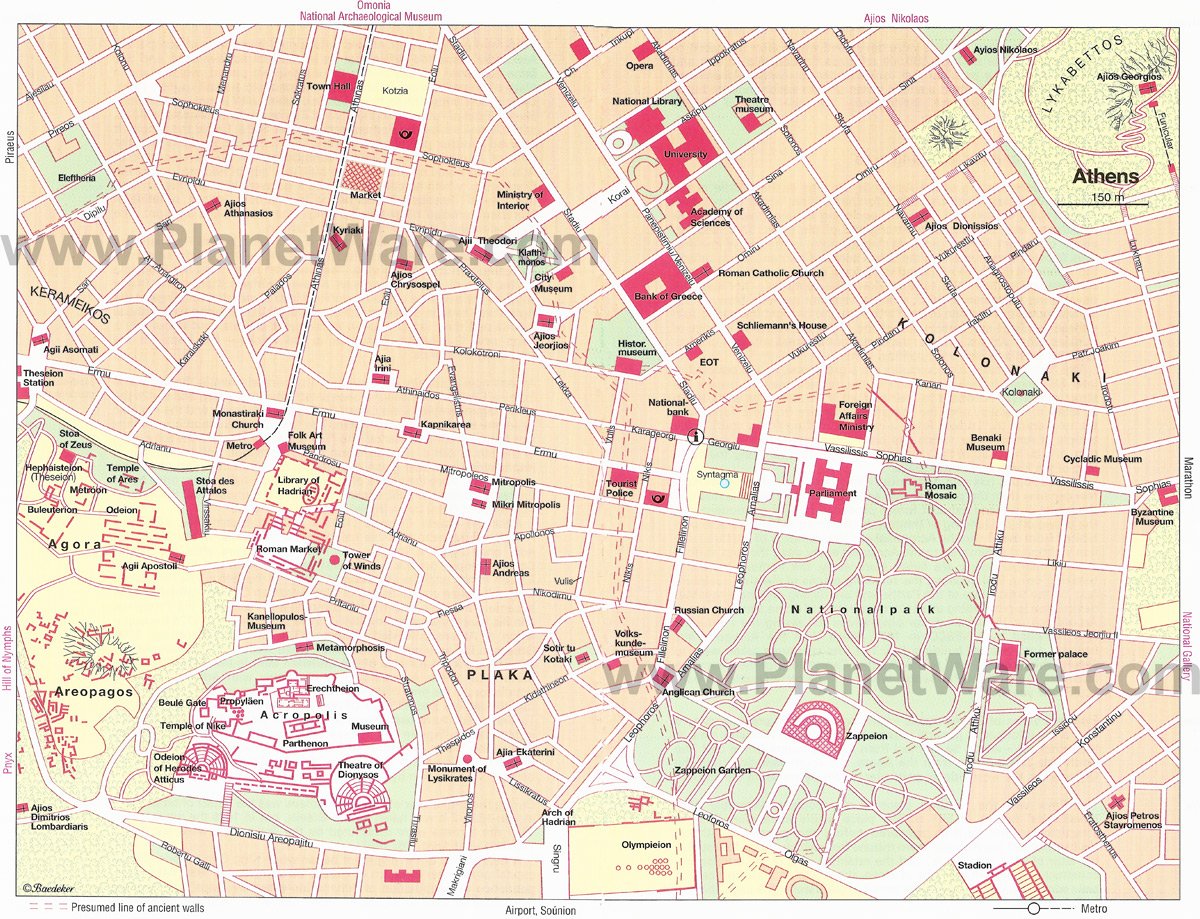
When you think you've run out of things to do in Athens, spend some time getting lost in the Plaka district's narrow pedestrian streets, lined with quaint bougainvillea-draped houses and inviting restaurant terraces. Settle here in a shady spot for a cup of Greek coffee and some fabulous Baklava. When you've recharged, head over to the Athens Flea Market in Monastiraki for some light shopping.
A completely different vacation experience from the idyllic Greek islands, Athens can feel hectic and busy during the summer season, but in the spring and fall, you can still enjoy good weather and see far fewer tourists. It's also worth noting that although tourism to the city has increased, they have also made efforts to deal more effectively with crowds, implementing things like timed entry to the Acropolis to help manage the lines.
Plan your sightseeing with our list of the top tourist attractions in Athens.
Visit the Ancient Acropolis
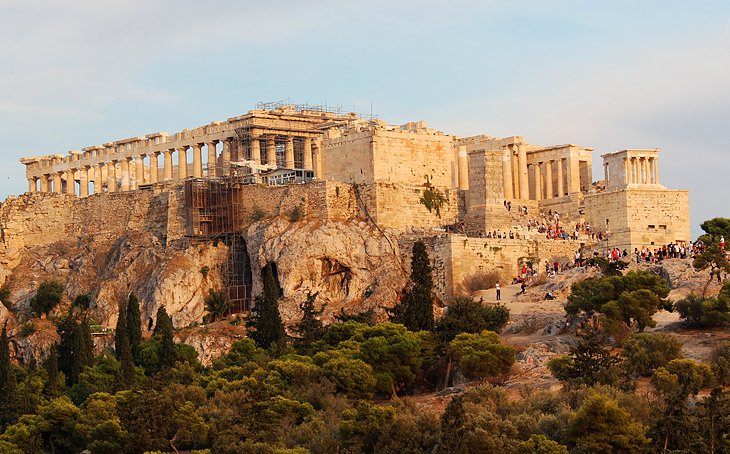
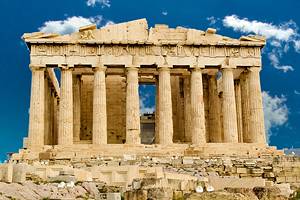
Few sights in the world compare to Athens' Acropolis, with its Parthenon temple perched high on a rocky crag, keeping watch over centuries of civilization. A reminder of the glory of ancient Athens, the Acropolis was the center of the ancient city and functioned as a citadel in its protected hilltop location.
The most emblematic building is the Parthenon, the largest temple of the classical antiquity period, dating from 447 BC to 338 BC. With its monumental rows of Doric columns and stunning sculptural details, the temple is an awe-inspiring sight. In the frieze on the eastern side, reliefs depict the birth of the goddess Athena.
Other ruins of the Acropolis include the Temple of Athena Nike at the entrance, and Erechtheion, a complex of ancient sanctuaries built between 421 BC and 395 BC. The most famous feature of the Erechtheion complex is the Porch of the Caryatids, with six statues of maidens in place of Doric columns.
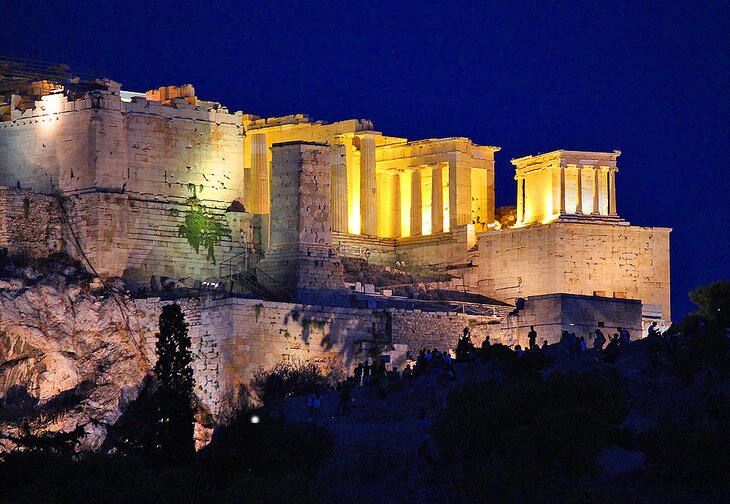
For beautiful views of the Acropolis from below, head to the north side of the hill. Streetside restaurants line the pedestrian street of Apostolou Pavlou and look up to the Acropolis. Some of these restaurants also have rooftop dining, with incredible views across to the Acropolis, showing the grand entrance, the Temple of Athena Nike, and the Parthenon, all of which are lit up in the evenings.
Tickets are for a timed entry. If you are visiting in peak season, buy tickets well in advance to get the days and time you want.
Author's Tip: On hot days, it's best to visit the Acropolis in the morning and then head to the air-conditioned Acropolis Museum in the afternoon. Alternatively, head up to the Acropolis for sunset.
Acropolis Museum
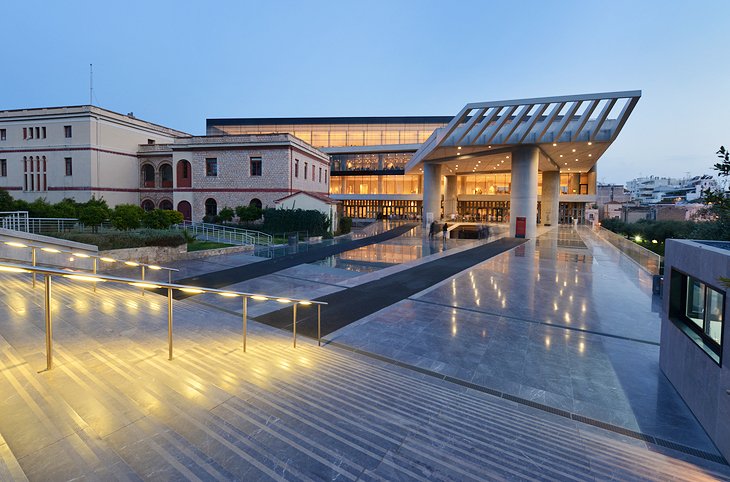
Another of Athens' top attractions, the Acropolis Museum, contains one of the most valuable collections of ancient Greek art in the world. The new facility was completed in 2007, below the Acropolis hilltop, and replaced the former museum on the hill.
This huge facility is 25,000 square meters, and features 14,000 square meters of exhibition space. The unique layout incorporates an ancient Athenian neighborhood.
This is one of the best things to do in Athens when temperatures are soaring at midday. Be aware, the entrance queue to purchase tickets can be long, so it's best to book your tickets online in advance. That way, you'll have a guaranteed admission at a specific time.
Official site: http://www.theacropolismuseum.gr/en
National Archaeology Museum
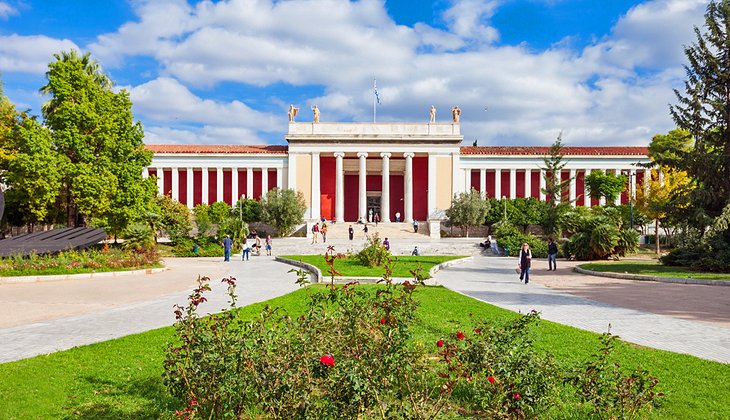
Founded in the 19th century, Athens' National Archaeological Museum is the largest archaeological museum in Greece and one of the greatest antiquities museums in the world. It's also in the process of becoming even better with a massive renovation project that was begun in 2023.
The museum is housed in an impressive Neoclassical building with 8,000 square meters of exhibition space. On display are five permanent collections with more than 11,000 exhibits, offering a comprehensive overview of Greek civilization from prehistory through the classical period to late antiquity.
The Prehistoric Collection covers the sixth millennium BC to 1050 BC (the Neolithic, Cycladic, and Mycenaean periods) and presents findings from the prehistoric settlement at Thera. The Sculpture Collection exhibits ancient Greek sculptures from the sixth century BC to the fifth century BC, including rare masterpieces. The Vase and Decorative Objects Collection showcases ancient Greek pottery from the 11th century BC all the way until the classical Roman period. The Stathatos Collection features minor objects from a wide range of historical periods. Exquisite little statues and figurines sculpted from metals are on display in the Metallurgy Collection.
Due to ongoing renovations, check the website for information on gallery closures and other details before visiting.
Address: 44 Patission Street, Athens
Official site: https://www.namuseum.gr/en/
Wander the Pláka and Anafiotika Neighborhoods
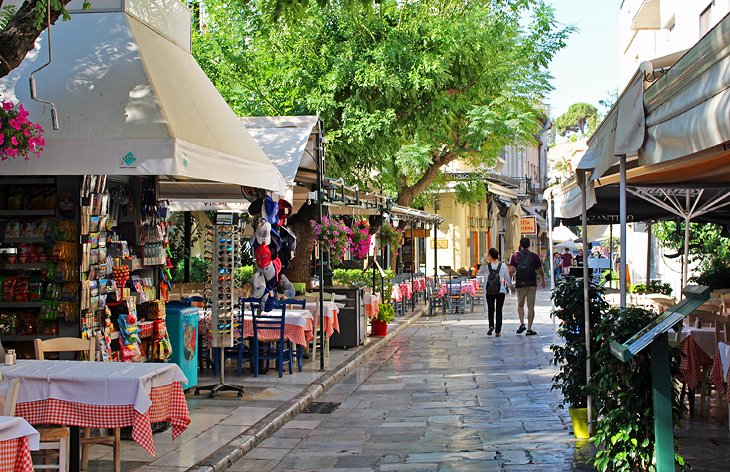
Between the northern slopes of the Acropolis and Ermoú Street, the picturesque Pláka neighborhood is a tourist hotspot. The main attraction of this historic area is its charming village ambience. Narrow pedestrian streets and the cheerful little squares of the Pláka quarter are lined with lovely bougainvillea-trimmed pastel-painted houses, restaurants, and shops.
Tucked away in peaceful corners of the neighborhood are historic churches, such as the Metamórfosis Church in the southwest and the Church of Kapnikaréa in the north. A leisurely stroll through the picturesque setting is the perfect thing to do when you've had your fill of ruins and museums.
The Plaka quarter, along with neighboring Anafiotika nestled into the slopes north of the Acropolis, have an abundance of authentic Greek restaurants with inviting terrace seating. The winding medieval streets of Anafiotika are also a delight to explore in the evenings. This area is famous for its Restaurant Staircase on Mnisikleous Street. Nearby, quieter streets are hidden away on the hillside, which conceal cute little cafés and restaurants.
The area boasts two important archaeological sites on Pepopida Street: the first-century BC Roman Agora and the second-century Library of Hadrian.

Stroll Through the Ancient Agora: Ruins of the Marketplace
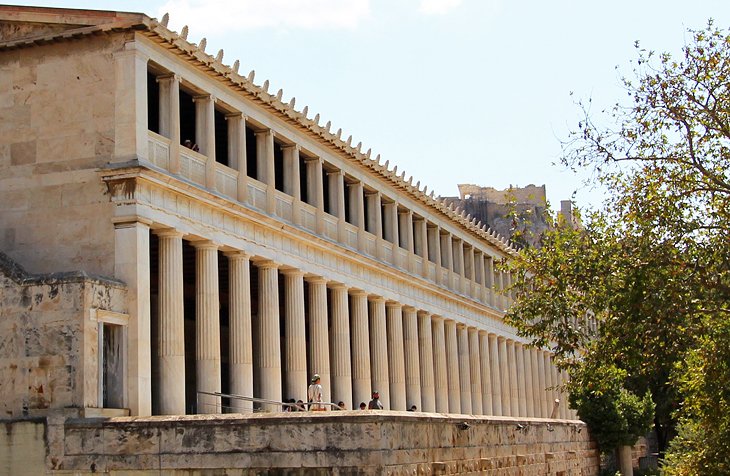
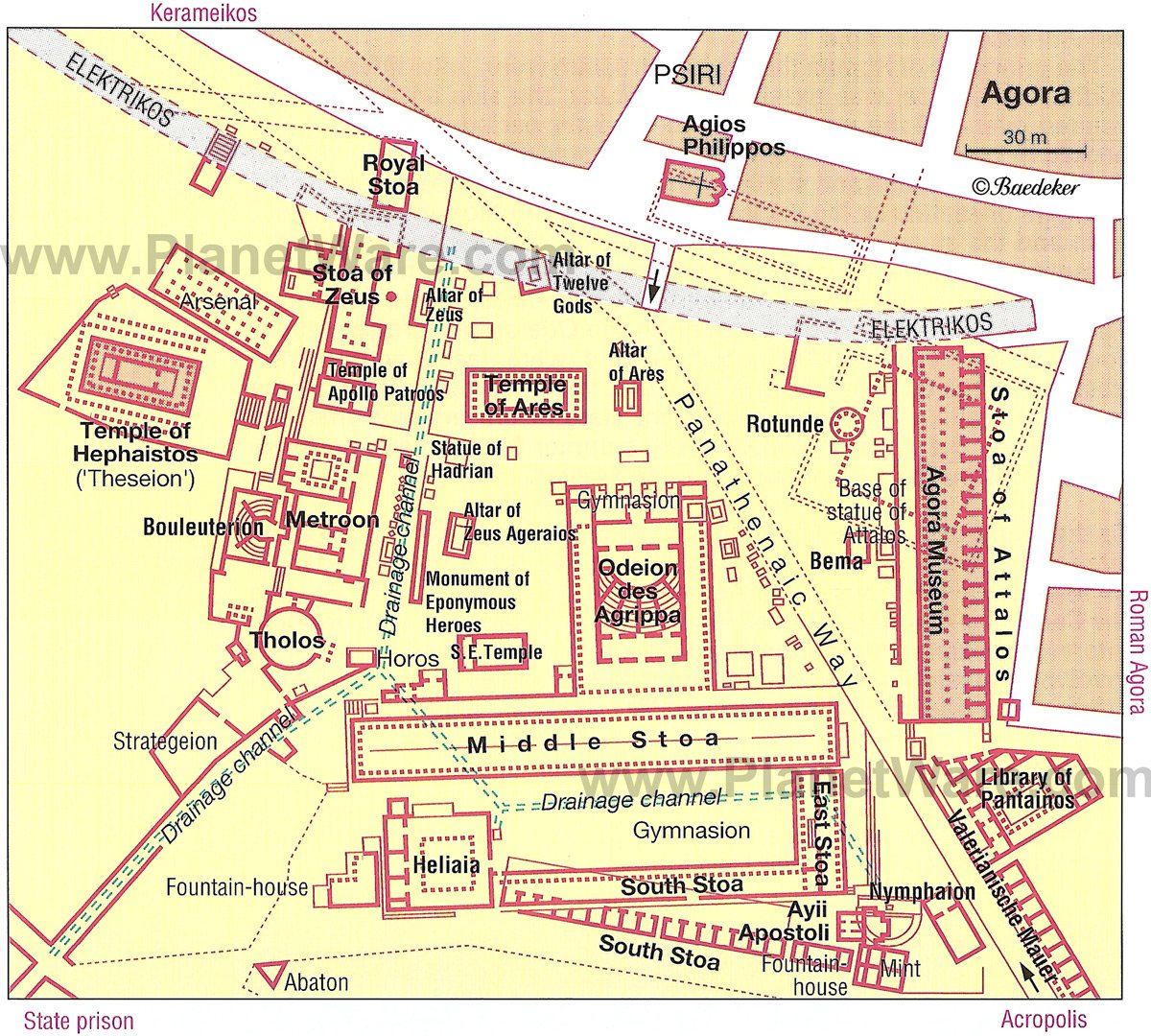
The ancient Agora was the marketplace and the center of everyday life in ancient Athens. For an impressive view of the Agora from afar, head to the north wall of the Acropolis or the roads from the Areopagus.
The best place to enter the Agora is at the north gate off Adrianoú Street (near the Church of Saint Philip). The Greek word "Agora" means to "gather and orate," indicating that this site was a location of public speaking. The Agora was a place of administration and commerce as well as the meeting place of the Agora tou Dimou, a civic decision-making group. Athletic events and theater performances were also held here.
One of the most striking features of the Ancient Agora is the Stoa of Attalos, originally built by King Attalos II and reconstructed in the 1950s. The stoa may have been the scene of Socrates' trial in 399 BC.
Another key site is the Temple of Hephaistos. You can reach it on a pleasant walk along the footpath that leads up the Agora Hill (Kolonos Agoraios). This fifth-century BC Doric temple is one of the best-preserved ancient Greek temples, thanks to its conversion into a Christian church, which saved it from destruction. The temple was designed on a classical plan with six rows of 13 columns, and the Ionic friezes appear to be modeled on the Parthenon.
Address: 24 Andrianou Street, Athens
The Roman Agora & Hadrian's Library
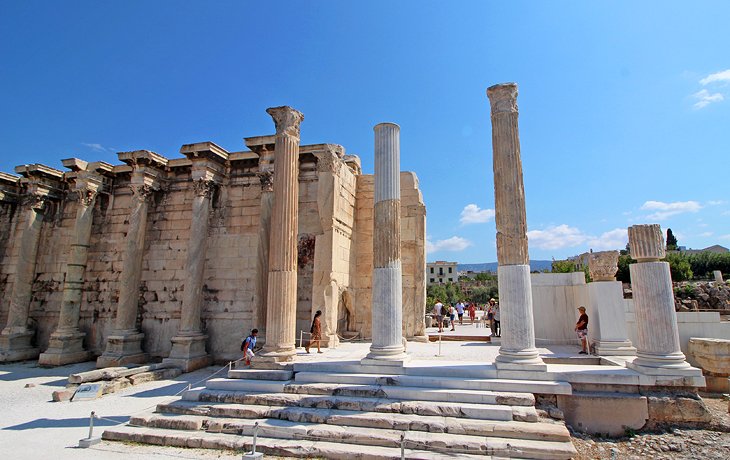
Adjacent to the Ancient Agora is the site of the Roman Agora. While it may all seem like one site, these buildings were constructed later, and construction eventually moved on to the site of the Ancient Agora. One of the easily recognizable sites here is the Tower of the Winds.
On the edge of the Roman Agora is the ancient Hadrian's Library, founded by Emperor Hadrian in AD 132. Even later, during Byzantine times, three churches were built near the site of the library.
You can see one wall of Hadrian's Library and the ruins of the Roman Agora from the street, but if you want to explore further, you can buy a ticket and walk through the ruins.
Panathenaic Stadium & Olympic Stadium
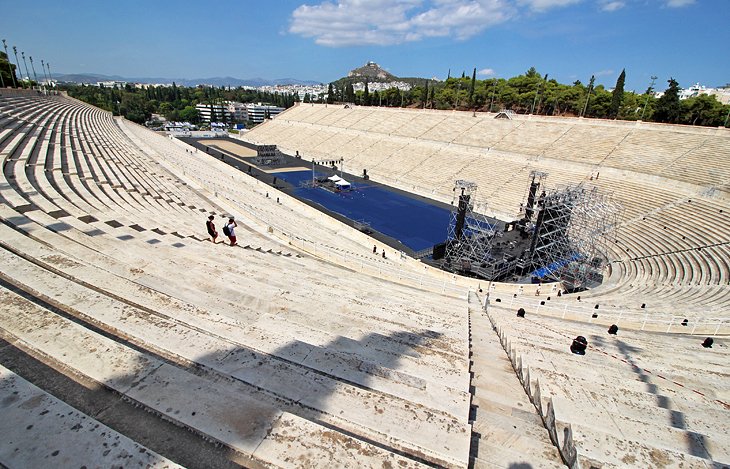
Ancient Athens's largest building, the Panathenaic Stadium, has a capacity for 60,000 spectators. Constructed around 335 BC during the era of Herodes Atticus, the venue hosted the Panathenaic Games, where runners competed in races around the track. The 204-meter-long track was designed with four double herms, where runners would turn in the races.
Around AD 140, the stadium was updated with new marble seating by Herodes Atticus. The structure that tourists see today is a replica of the original stadium, which was rebuilt for the Olympic Games of 1896. This modern-era Olympic Stadium was created in the identical fashion as the Panathenaic Stadium, with 47 tiers of seating and a rounded southeast end.
The facility hosts concerts and other events during the summer. Attending a show can be a nice way to spend an evening in Athens.
Location: Ardettos Hill, Athens
Museum of Cycladic Art
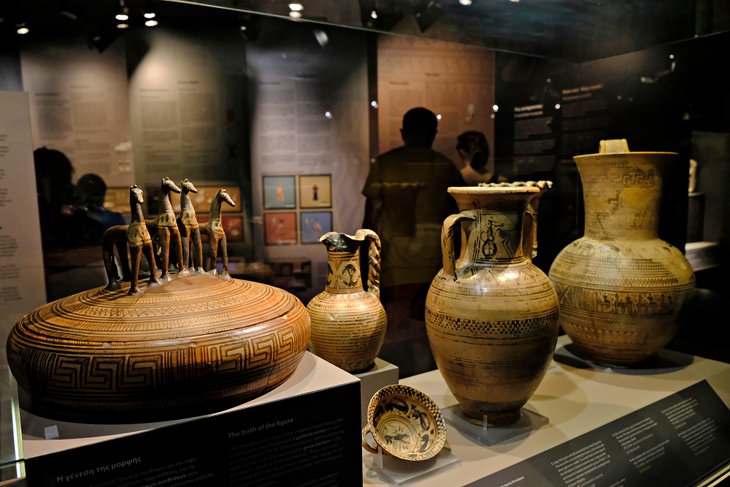
In the Kolonáki quarter, the Museum of Cycladic Art was created in 1986 by the Nicholas and Dolly Goulandris Foundation. The shipowner Nikolas P. Goulandris was a well-known patron of the arts and cultural life in Athens. Goulandris' own collection forms the core of the museum's exhibits.
Housed in a sleek modern building with a façade of marble and glass, the museum's permanent collection includes more than 3,000 objects. The collection represents ancient Greek art, ancient art of the Cyclades (the islands in the Aegean Sea encircling the Island of Delos near Mykonos), and Cypriot art (from the island of Cyprus) dating from the fourth century BC to the sixth century AD.
Many of the artifacts on display date to the sixth century BC. Temporary exhibits are held at the elegant 19th-century Stathatos Mansion, accessible from the main building by a passageway from the atrium.
Address: 4 Neophytou Douka Street, Athens
Official site: https://cycladic.gr/en
Olympieion: Temple of Olympian Zeus
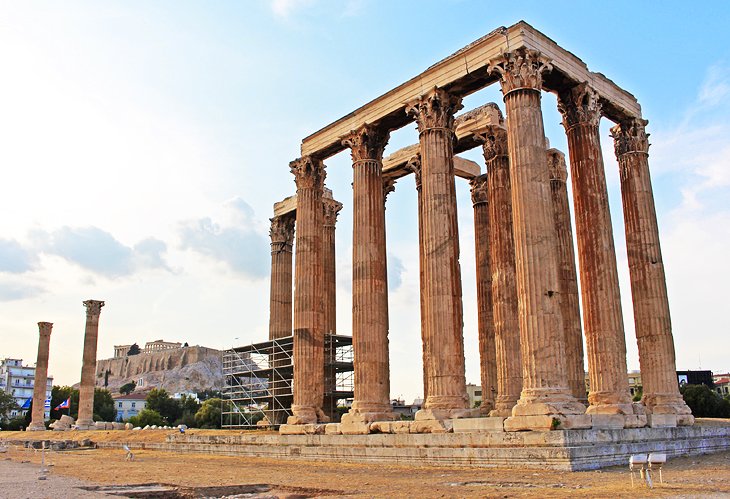
Dedicated to Zeus, the Temple of Olympian Zeus, also called the Olympieion, was the largest temple in ancient Greece. Though the Parthenon is better preserved, the Temple of Olympian Zeus was an even more monumental structure in its day. The temple dates to the sixth century BC but was not completed until the second century AD by the Emperor Hadrian. In front of the Olympieion, not far from the entrance, stands Hadrian's Arch at the end of Dionysiou Areopagitou.
It's easy to imagine the grand impression this temple made in its complete form. More than a hundred enormous marble columns once supported the grandiose sanctuary. Only 15 columns remain standing, and another surviving column lies on the ground, but the ruins' monumental presence gives a sense of the massive size of the original building. The gigantic structure was a befitting shrine to Zeus, the ancient Greeks' most all-powerful God, known as the King of Gods.
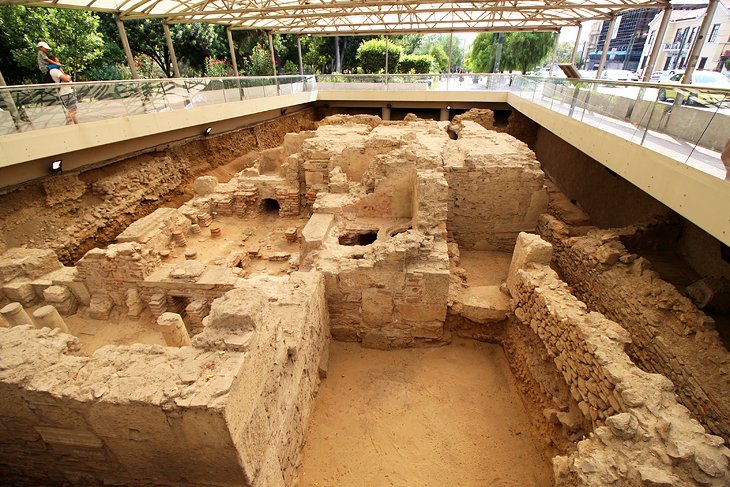
Nearby, just north of the Olympieion, is a small park containing the ruins of Themistokles' wall and the ancient Roman baths. The baths are quite impressive considering they are a free attraction that you can easily work into your walking tour near the Olympieion. They are located right along the edge of Vassilissis Amalias Avenue, at the side of the road.
Location: City Center near the Athens Gate and Athanasiou Diakou Street, Athens
Byzantine Museum
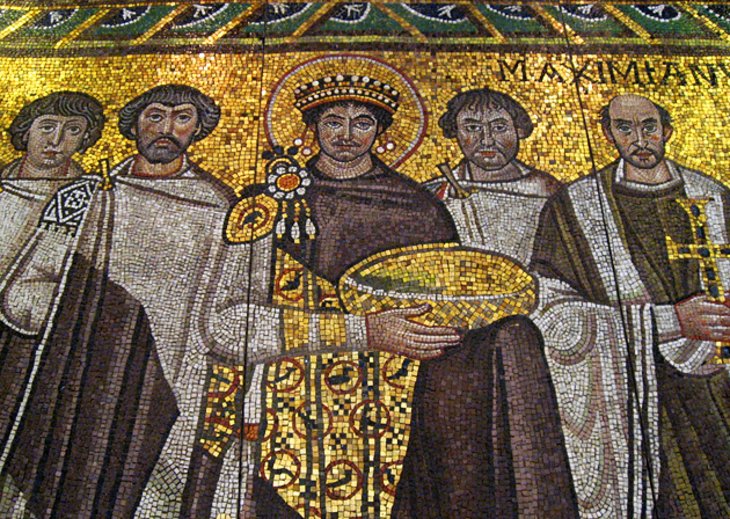
This interesting museum offers fascinating insights into the Byzantine period of Greek history. Housed in a 19th-century palace originally built for the Duchesse de Plaisance, the wife of Charles-François Lebrun of France, the museum displays a precious collection of Byzantine art.
The Byzantine Empire was the inheritance of the eastern half of the Roman Empire after it fell. From the third century to the 15th century, the Byzantine Empire ruled over the land of what is now the Balkans, Greece, and Asia Minor. During this time, religious art was highly valued. Byzantine artists created masterpieces of detailed, glittering mosaics and gilded icons.
With more than 25,000 artifacts on display, the Byzantine Museum is a treasury of religious artifacts from the Byzantine period as well as pieces from the early Christian, medieval, and post-Byzantine eras. The collection includes sculptures, paintings, icons, textiles, and mosaics. Highlights are the architectural fragments from early Christian basilicas and Byzantine churches and the reproduction of a fountain depicted at the Monastery of Dafní. The museum's courtyard features a splendid fragment of a mosaic floor from the fifth century.
Address: 22 Vas. Sofias Avenue, Athens
Official site: www.byzantinemuseum.gr/en/
Search for Deals in Monastiraki & the Flea Market
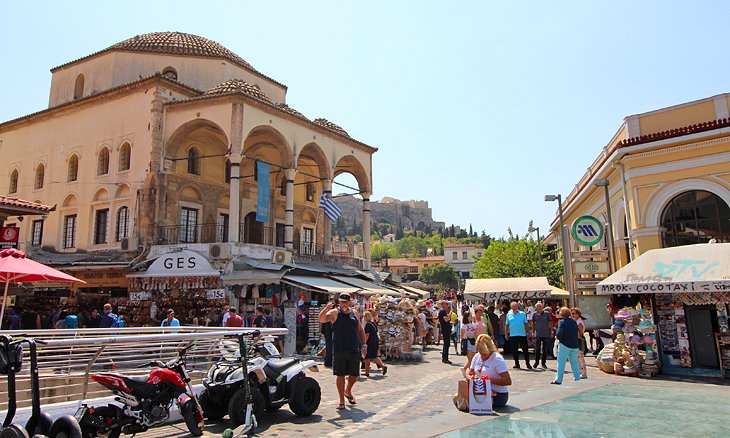
Narrow streets lined with shops selling everything from jewelry and trinkets to clothing and everyday goods is what you'll find in the Athens Flea Market in Monastiraki. This is one of the neighborhood's main draws, but this area has a very unique vibe and is a nice place to just relax at an outdoor patio or wander about.
Monastiraki has no shortage of restaurants, and this is a good place to come for lunch if you want to grab a gyros or any type of traditional Greek dish. Unlike the more upscale Plaka district, this area is a bit more casual.
Monastiraki Square is an open area, surrounded by a mix of old and new buildings. This is a good place to orient yourself. A sign on one side of the square marks the street to the Flea Market. From the square, you can see the Acropolis up high in the distance, and a short walk from the square takes you to Hadrian's Library.
Panaghia Kapnikaréa Church
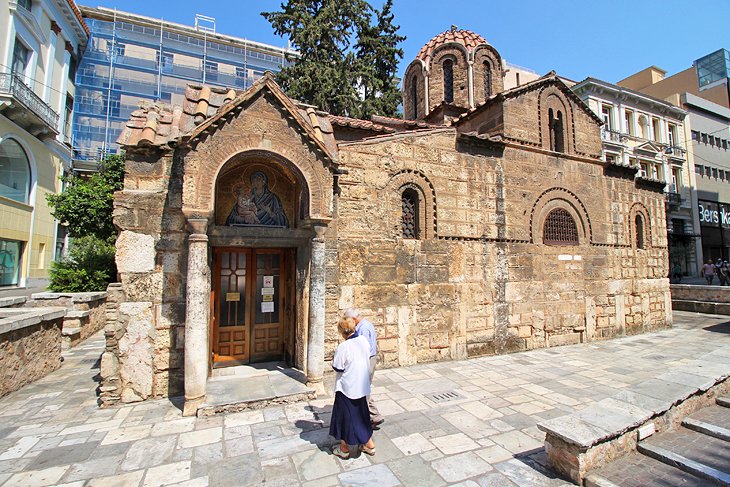
Gracing a little square that opens onto a pedestrian-only section of busy Ermoú Street, the Panaghia Kapnikaréa Church is a delightful place to visit and a site you are likely to walk past. This church is a splendid example of architecture from the 11th-century Byzantine era and a stark contrast to the modern architecture that surrounds it. It was saved from demolition in the 19th century by the intervention of King Ludwig I of Bavaria.
When it was built, domed cruciform churches such as this one were typical. In the 12th century, the church was enhanced with a graceful entrance portico and a narthex featuring four pediments (built onto the western end). Inside, the church is decorated with 19th-century paintings created in the iconographic style of the Middle Byzantine period.
Location: Corner of Ermoú and Kalamiótous Street, Athens
See the Changing of the Guard at Syntagma Square
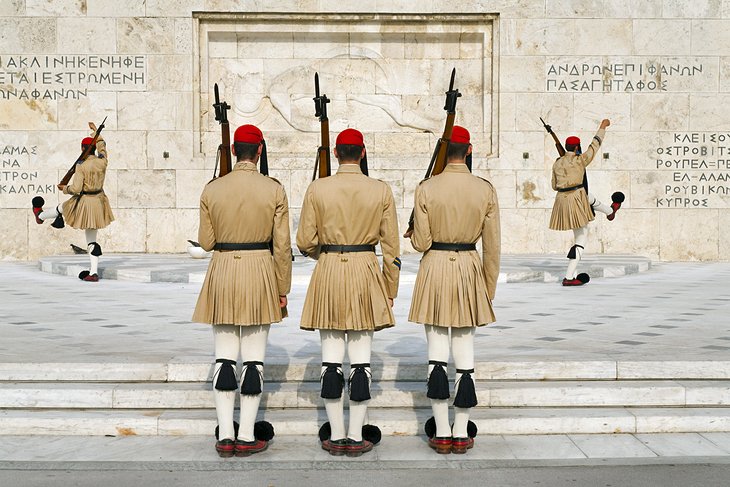
For many tourists, watching the Changing of the Guard at Syntagma Square is an exciting and memorable experience. The Soldiers of the Presidential Guard stand in front of the Hellenic Parliament on Syntagma Square 24 hours a day, year-round. The guards wear traditional costumes complete with pleated skirts, leg tassels, and pompom shoes.
The Changing of the Guards takes place in front of the Tomb of the Unknown Soldier every hour daily, but the grand ceremonial Changing of the Guards takes place on Sundays at 11am. This monument honors anonymous soldiers who died fighting for the country. The monument features a marble relief that imitates a warrior grave stele of ancient times.
Church of the Holy Apostles
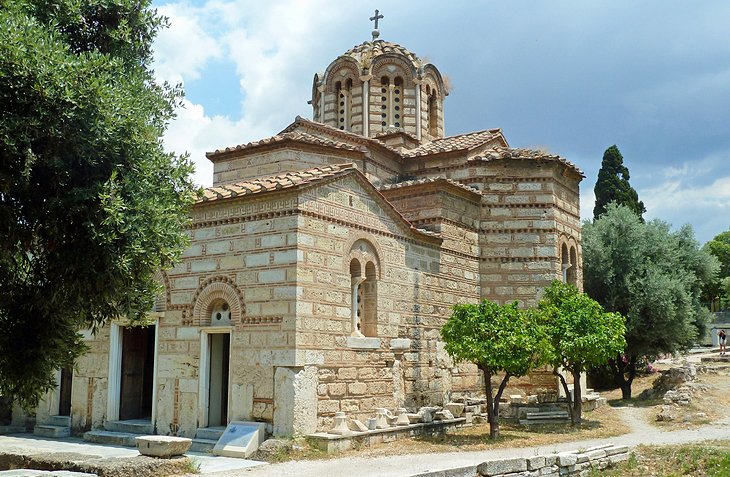
On the site of the ancient Agora, the Church of the Holy Apostles was the only building left standing when this entire quarter of Athens was demolished to excavate the Agora archaeological site. Built in the 10th century, the church stands above a nymphaion (sacred spring).
The exterior is notable for its ashlar masonry and its ornamental Kufic (a style of Arabic script) inscriptions. Typical of Byzantine architecture, the church has a dome supported on four columns, and the apse and transepts feature semicircular conches. The interior of the dome is adorned with original frescoes depicting Christ Pantocrator (Ruler of All), John the Baptist, adorable little cherubim, and archangels. Much of the original 11th-century iconostasis (wall of icons and religious paintings) has also been well preserved.
National Gardens and the Zappeion
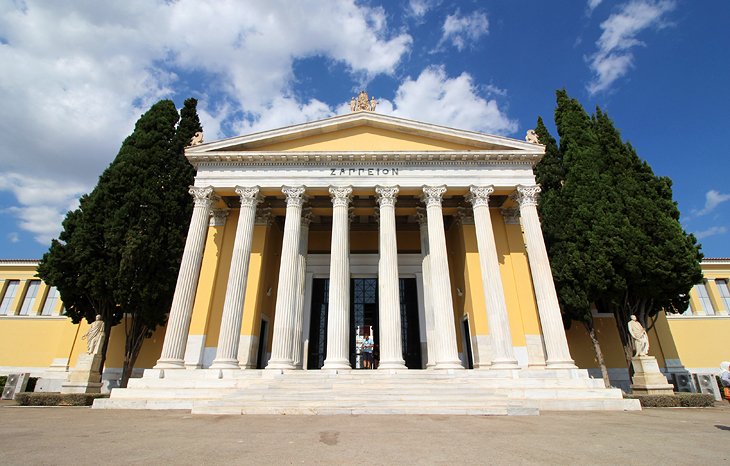
Located next to the Greek parliament, the National Garden is a large green space behind the Temple of Olympian Zeus and home to the Zappeion. If you have had enough sun during your day of sightseeing, this is a quiet, shady place to relax and cool off. Inviting trails lead through tall trees and offer a reprieve from the busy streets. It's also a free attraction in Athens.
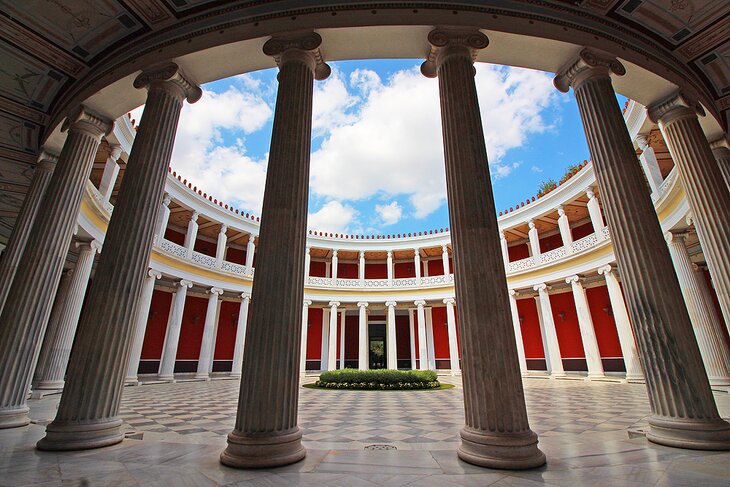
On the edge of the garden is the Zappeion Hall, which you can enter for a peek inside if it is not in use. It was built in the 1870s and is used for events. Inside the main entrance is an impressive round, open-air hall, lined by columns.
Church of Demetrius Loumbardiaris
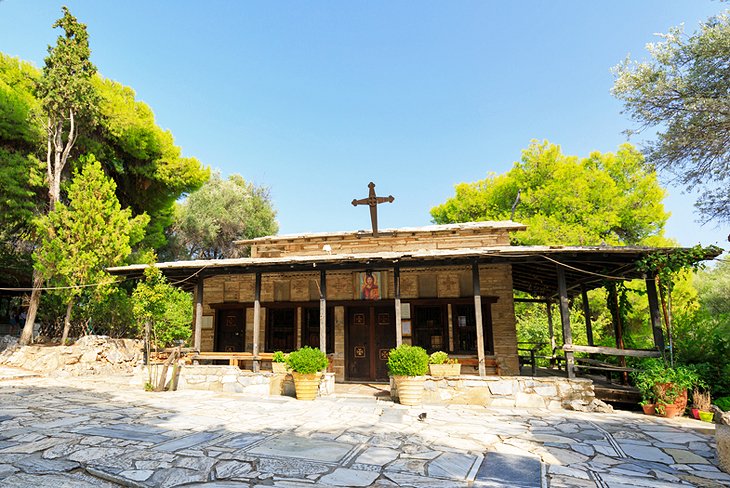
In a verdant setting on Philopappou Hill, this tiny 12th-century Byzantine chapel offers an opportunity for an enchanting spiritual experience. The building was constructed at the Diateichisma Gate because of the ancient belief that divinity protected the gates.
Inside, the church has a single-aisle vaulted basilica form, and the walls are adorned with frescoes dating to 1732. The chapel's name "Loumbardiaris" (meaning "The Cannoneer") is connected with the legend that the church was saved by a miracle around 1650 when the Turkish commander of the Acropolis, Yusuf, bombed the church. The church was restored in the 1960s by the architect D. Pikionis. Another highlight of visiting Philopappou Hill is the chance to take in spectacular views of the Parthenon from this location.
Location: Philopappou Hill, Athens
Grab Dinner and Socialize on Mnisikleous Street Stairs
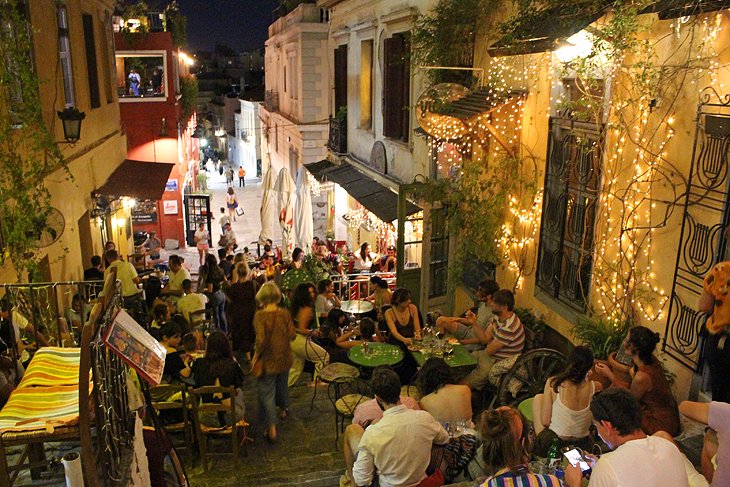
If you are looking for things to do at night in Athens, head over to the Mnisikleous Street stairs. Restaurants line this set of stairs on the top end of Mnisikleous Street, drawing a crowd in the evenings.
The restaurants vary in quality, although some are quite good, but the atmosphere here is hard to beat. It's extremely casual and relaxed. In fact, when the tables are full, people take to sitting on cushions on the stone stairs, and small knee-high wooden benches are brought out and placed on the stairs, creating an impromptu table. People are often tightly packed in, making for an intimate and friendly experience.
The National Museum of Contemporary Art
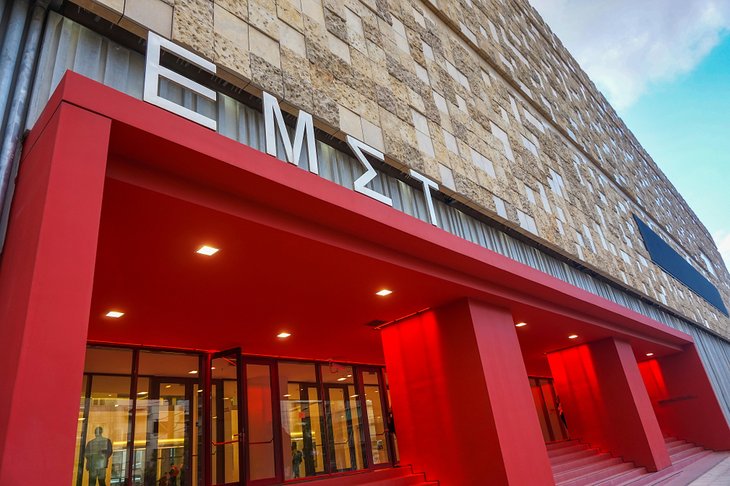
Sometimes a visit to Athens can feel like an overdose on history. To alleviate that condition, head to the National Museum of Contemporary Art. This institution is the cultural epicenter of Athens and is home to a constant stream of temporary exhibits showcasing the latest in art innovation.
In addition to the visiting exhibitions, the museum has an impressive permanent collection on display. These items were created by many different artists, both domestic and international, along with two specific topics requested by the museum.
The total collection of the museum consists of 1,300 pieces, most of them in paintings and photography.
Enjoy the View From Lycabettus Hill
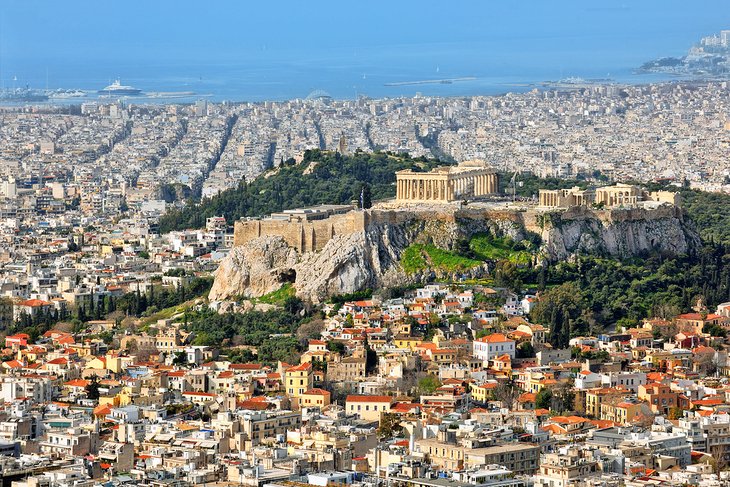
As you stand on and gaze out over Athens from the Acropolis, you may wonder what the hill in the distance is. That would be Lycabettus Hill, and it's well worth a visit. The view from the top of Lycabettus Hill is one of the best in Athens.
At 227 meters in height, it's the highest point in the city and provides a unique view down upon the Acropolis. The funicular operates well into the night (12 to 1:30am depending on the season), so a trip up here at night to see the city lights and the Acropolis fully lit is highly recommended. Or, if you find yourself there during the day, take a bit of time to soak it all in by grabbing a cold drink or a bite to eat at the restaurant at the top.
You can walk to the top if you really want to, or as most people do, take the three-minute ride on the funicular.
Official site: https://www.lycabettushill.com/
Varvakios Agora

If you are looking to get off the well-trodden tourist path in Athens and see how true Athenians live, set your alarm to get up early and head to the Varvakios Agora. Located in the Monastiraki neighborhood, this fresh food market is an experience unlike any in Athens.
The bounty of the sea and farm is on full display, with the lively sellers hawking their goods to locals and tourists alike. In another building nearby, fruit, vegetables, and, of course, olives are on sale. Small restaurants are located on the premises, offering cheap, tasty, and filling meals. Take some time to wander the aisles and soak up the atmosphere, and be sure to bring your camera!
Philopappos Monument
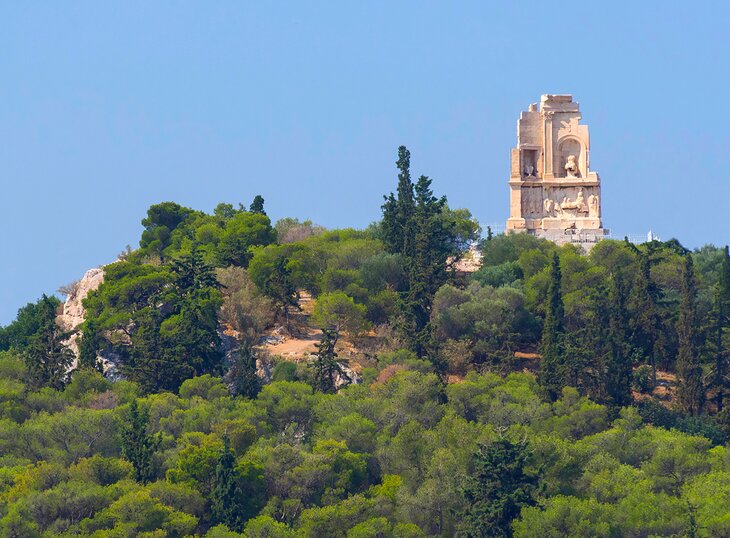
The Philopappos Monument on Philopappos Hill is only an 800-meter walk southwest of the Acropolis and well worth the pleasant stroll to get there. The area is an oasis of green with mature cypress and pine trees, and makes for a pleasant escape from the crowds and concrete.
The monument dates from the 2nd century AD and is adorned with incredible bas-relief depictions of Gaius Julius Antiochus Epiphanes Philopappos.
The monument is set on a high point with views back towards the Parthenon, the Acropolis, and city sights.
Areopagus
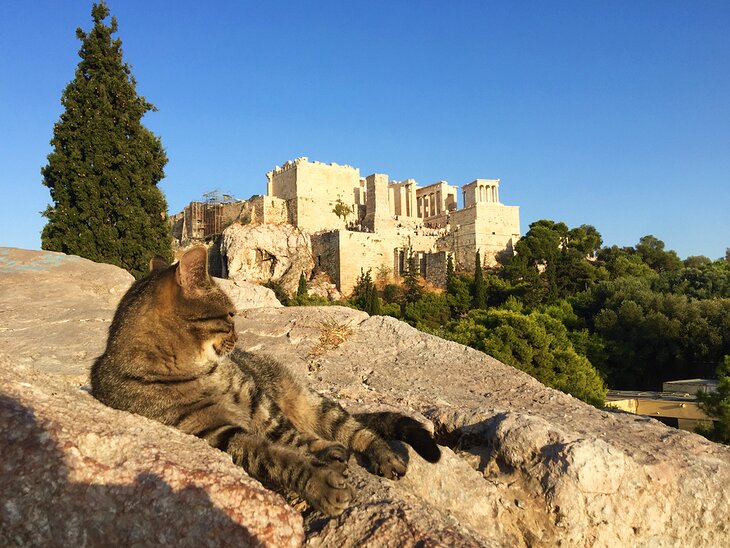
As you gaze down from the Acropolis, you may wonder to yourself what all those people are doing on that bald white rock outcrop located nearby. Well, they've climbed up to the top of the Areopagus to enjoy the panoramic views of the Acropolis and the surrounding cityscapes.
Easily reached via winding pathways through cypress bushes and an ancient marble staircase, this outcrop is a popular destination for those looking to do a short hike as part of their Athenian exploration. Areopagus is also a very popular spot to enjoy the sunset and to capture images of the Acropolis and other ancient sights at night when they are softly lit.
Although the hilltop is barren except for the ruins of a church, it was once the site of the supreme council of ancient Athens. The site is free to access and open 24 hours a day.
Benaki Museum
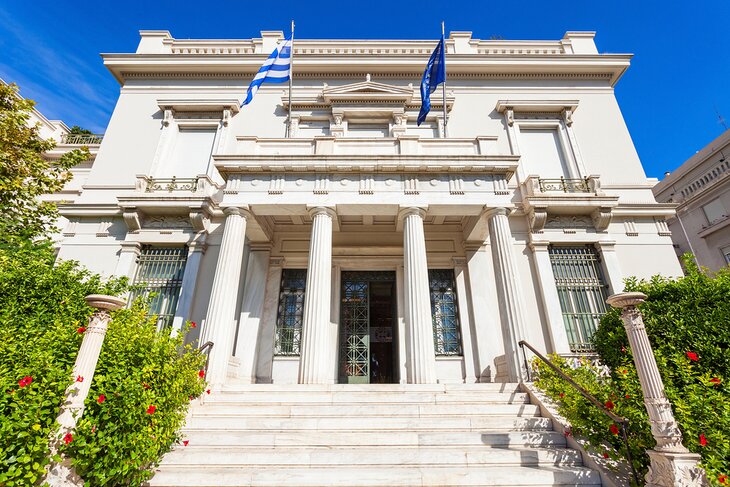
For a deeper dive into the culture that spawned all the history that surrounds you, step inside the doors of the Benaki Museum. Housed in a spectacular Neoclassical-style mansion, the collection spans the centuries, starting with the ancient Greek artifacts and ultimately right through to the 20th Century.
In addition to the priceless treasures found here, the building itself is an attraction worth learning about, as it transitioned from a private residence into the museum you see today.
The Benaki Museum showcases a regular rotation of temporary exhibits in the Spyridon & Eurydice Costopoulos Gallery.
Official Site: https://www.benaki.org/index.php?lang=en
Athens, Greece - Climate Chart
| Average minimum and maximum temperatures for Athens, Greece in °C | |||||||||||
| J | F | M | A | M | J | J | A | S | O | N | D |
| 13 7 | 14 7 | 16 8 | 20 12 | 25 15 | 30 20 | 33 23 | 32 22 | 29 19 | 23 15 | 19 11 | 15 8 |
| PlanetWare.com | |||||||||||
| Average monthly precipitation totals for Athens, Greece in mm. | |||||||||||
| 46 | 48 | 43 | 28 | 18 | 10 | 5 | 5 | 13 | 48 | 51 | 66 |
| Average minimum and maximum temperatures for Athens, Greece in °F | |||||||||||
| J | F | M | A | M | J | J | A | S | O | N | D |
| 55 44 | 57 44 | 61 47 | 69 53 | 78 60 | 86 68 | 91 73 | 90 72 | 84 67 | 74 59 | 66 53 | 59 47 |
| PlanetWare.com | |||||||||||
| Average monthly precipitation totals for Athens, Greece in inches. | |||||||||||
| 1.8 | 1.9 | 1.7 | 1.1 | 0.7 | 0.4 | 0.2 | 0.2 | 0.5 | 1.9 | 2.0 | 2.6 |
More Related Articles on PlanetWare.com
For many people, Athens is simply a gateway to the Greek Islands or destinations to the north. If you are planning your trip, below are some ideas to help find places to visit in Greece.
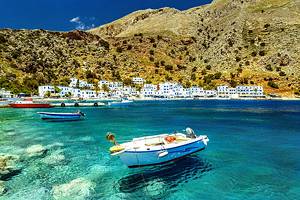
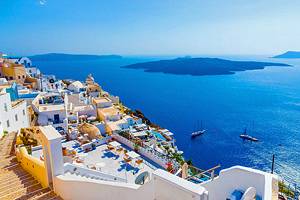
Greek Islands: The most famous and popular of the Greek Islands is Santorini. If this is your first excursion to the Greek Islands, it should be on your itinerary. Also very popular is Crete. This is a large island with many things to see and do, so be sure to include more than a day or two if you are planning on stopping here. Other ideas for Greek islands include Corfu, Rhodes, Samos, and Mykonos.
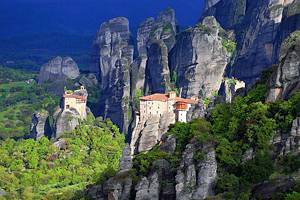
Exploring Greece: The rich history of Greece extends far beyond Athens, but the remains of the Temple of Apollo in Corinth and the seat of the oracle at Delphi are within the reach of a day trip. Another highlight is the monasteries above the rock formations at Metéora. For more ideas, see our guide to the Tourist Attractions in Greece.