

Colorado's Highest Mountain Offers Scenic Hiking Near Twin Lakes
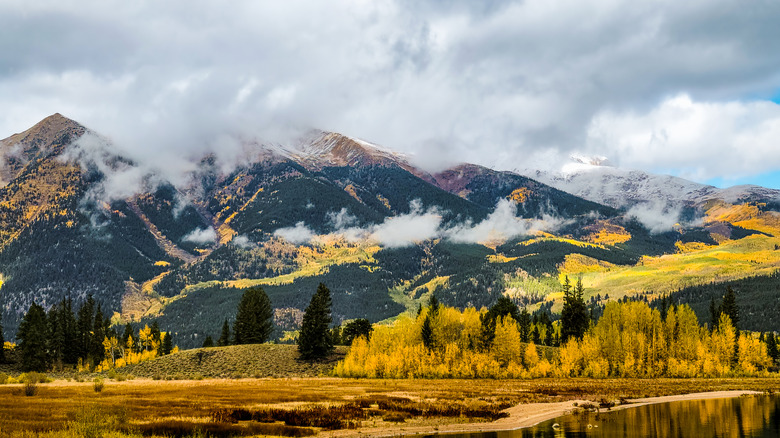
Few states are as closely associated with a mountain range as Colorado is with the Rocky Mountains. The Colorado Rockies contain such popular mountain sights as Pikes Peak and the world-famous Maroon Bells. Lost among its more famous neighbors, however, is Colorado's highest peak. Though not as famous as other Colorado mountains, the humble Mount Elbert is both the highest peak in Colorado and the highest peak in the entire Rocky Mountain range!
Remarkably, despite its unsurpassed elevation in the state, the hike to Mount Elbert's summit is relatively straightforward compared with routes up some shorter Colorado peaks, though it remains strenuous. Even if you don't feel like going all the way to the summit, Mount Elbert's base is terrific for easier hikes with sweeping Rocky Mountain views. With the East Ridge Trailhead located a little over two hours from Denver, Mount Elbert is both reachable and remote enough to retain its quiet majesty in a serene corner of the Rockies.
The Mount Elbert East Ridge Trailhead is about 5.5 miles from the charming Colorado mountain town of Twin Lakes. Located near the larger historic community of Leadville (one of Colorado's most underrated towns for mountain adventures), Twin Lakes and its two namesake lakes offer scenic views of the peak. Twin Lakes has cozy lodging options where visitors can enjoy modern comforts before (or after) climbing to the Mount Elbert summit. If you're intent on roughing it the entire trip, you can also stay overnight at the Elbert Creek Campground, which connects to several trailheads for summiting Mount Elbert and other nearby peaks.
The Rocky Mountains' highest peak is an unsung Colorado beauty
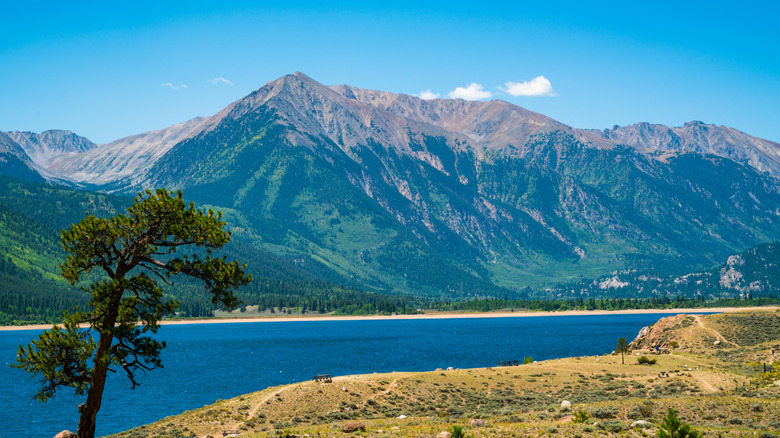
Mount Elbert's elevation of 14,440 feet makes it the highest mountain in the Rocky Mountains and the second-highest mountain in the lower 48 states (second only to the 14,505-foot Mount Whitney in California's Sierra Nevada). This status is even more impressive when you realize that Colorado has 58 peaks that exceed 14,000 feet in elevation. These "14er" mountains are spread out across many of Colorado's Rocky Mountain subranges, providing an impressive "roof" for most of the state's mountain corridors. Mount Elbert presides over central Colorado's Sawatch Range, which contains more 14er peaks than any other section of the Colorado Rockies.
Mount Elbert's location in the high-altitude Sawatch Range may partially explain why it often gets overshadowed (figuratively, of course) by other Colorado 14ers, despite having the highest elevation. With so many other prominent 14ers nearby, and with a less technical standard ascent than some neighboring peaks, Mount Elbert doesn't stand out as much as you'd expect from a state high point. While this lack of recognition is unwarranted, it does mean that Mount Elbert's expansive beauty remains hidden in plain sight. Mount Elbert's symmetrical summit rises above long, rocky ridges, with forests of aspen and pine covering its lower slopes and wildflowers dotting its alpine tundra meadows.
With unsurpassed elevation and a prime location, the Mount Elbert summit provides one of Colorado's best mountaintop panoramas. From its summit, Mount Elbert offers heavenly views of its neighbors in the Sawatch Range and the expansive Arkansas River Valley. On clear days, you can even see many of Colorado's most iconic landmarks, like the much more famous Pikes Peak and other prominent Colorado 14ers like Mount Massive and Mount of the Holy Cross.
The ultimate Mount Elbert hiking experience
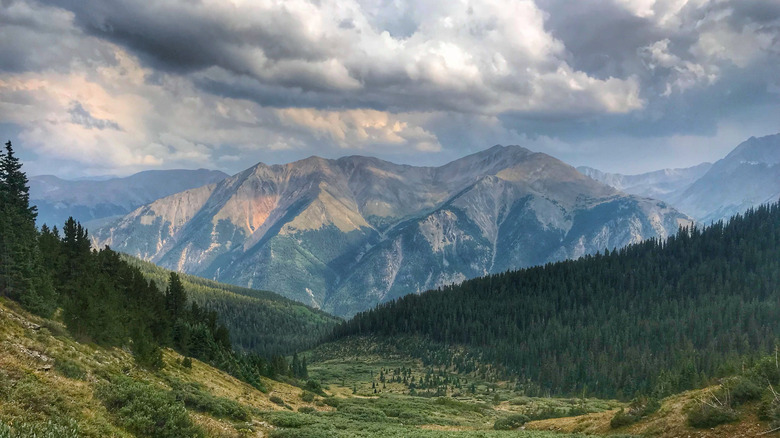
Mount Elbert is part of Colorado's San Isabel National Forest, a magnificent federal preserve of many of Colorado's loftiest summits, and a less-crowded alternative to the picturesque mountain scenery of Colorado's stunning Rocky Mountain National Park. Mountaineers have two main routes to the Mount Elbert summit. The South Mount Elbert Trail is generally considered to be the "easier" of the two. Beginning from the South Elbert Trailhead, the South Mount Elbert Trail covers around a 9- to 15-mile round-trip.
The North Mount Elbert Trail is a bit shorter than the South Trail, covering about 10 miles round-trip from the Mount Elbert North Trailhead. However, that shorter length means generally steeper and more challenging segments than those found on the South Trail, and several false summits which can frustrate climbers.
Neither route to the summit is an "easy" hike. Mount Elbert is, after all, a high-altitude mountain with strenuous terrain. The mountain is also more than high enough to make altitude sickness a potential hazard for climbers. Anyone attempting to reach the Mount Elbert summit should vigilantly watch out for altitude sickness symptoms and adhere to essential safety protocols for climbing any 14er peak. That being said, Mount Elbert is considered to be "easier" to reach than many other Colorado 14ers. Plus, its summit is the highest point in the United States where you may (legally) bring your dog!