

The Frustrating Luggage Mistake To Avoid When You Have Connecting Flights
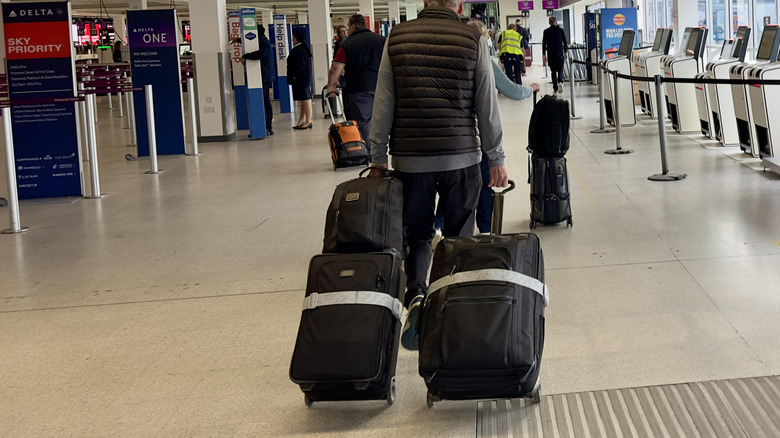
In a perfect world, every flight would be a direct one, and you wouldn't have to worry about missing a connection. There never seems to be enough time to get to the gate or deal with customs before you have to board again. If you have a trip coming up with a connecting flight, there is a frustrating luggage mistake you should do your best to avoid: not knowing the checked bag policy.
For many flights, you have to pick up your bags and recheck them. This isn't an issue for most domestic flights. However, if you're coming from another country into the U.S., you have to pick up your checked bags, go through customs, and then recheck them before the next leg of your journey. Having been through this process and missing my connecting flight because of it, I can tell you from personal experience how important it is to know this beforehand.
While most domestic flights with a stopover aren't an issue, there are a few situations where you might need to pick up and recheck your bags. It could happen if you purchased separate tickets for different airlines. If the airlines are affiliated with each other, you may not have a problem. However, you should call the airlines ahead of time, just in case. Of course, the best way to avoid this issue altogether is to fly with only a carry-on. It can also help financially as some U.S. airlines have raised the cost of checking luggage.
Managing your luggage when you have a connecting flight
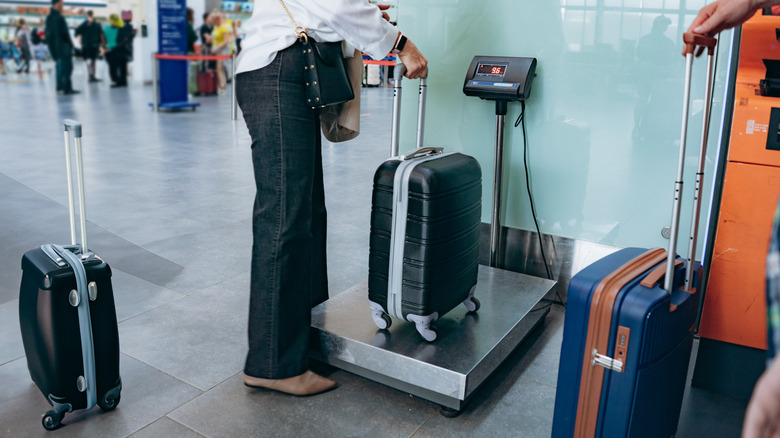
There is an exception to the checked-luggage rule for international travel at 15 airports that have U.S. Customs and Border Protection (CBP) Preclearance. In these airports, you go through customs at your departure location, so you don't have to do it again when you enter the U.S. These include airports in Ireland, Aruba, Bermuda, United Arab Emirates, the Bahamas, and Canada.
The best way to handle this issue is to fly with only a carry-on, but that isn't always feasible. If you're planning an international flight with a connection, make sure you leave yourself enough time to go through this process. With any connection, call the airlines or airports to see what they require. If you have to pick up and recheck your bags, make sure everything is packed in an organized fashion, just in case there is a search. (Packing cubes can really help.) Additionally, don't put anything in your checked bag you can't live without, including medications, jewelry, documents, passports, and anything else you may need should your suitcase not travel to your final destination with you.
Finally, if you do choose to check a bag, regardless of whether or not you have a connecting flight, avoid the common mistake of throwing away your luggage tags in case you need to claim missing items or prove you have the right bag. If you're flying with only carry-ons to avoid all of this, you should know the new luggage size requirements. Some airports have new scanners where anything too large may not fit.