

California's Epic Lost Coast Trail Offers A Hiking Adventure With Spectacular Views
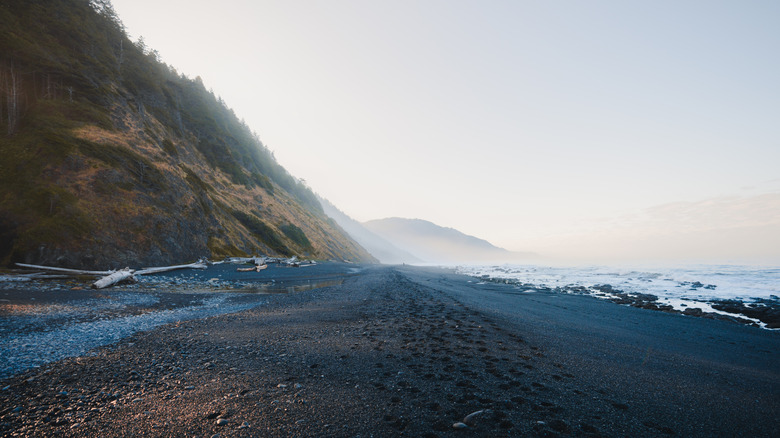
If you're planning an adventurous hiking trip in California, you may be considering visiting one of the state's nine national parks or the "Gateway to the Sierra," the wild Eldorado National Forest. However, one particular trail in the Golden State is nearly as legendary as the rugged terrain and views that surround California's miles of undeveloped coastline. Located in the breathtaking King Range National Conservation Area, the Lost Coast Trail offers access to spectacular ocean views, local wildlife, and insight into the power of nature.
While Northern California is known for engineering marvels, including the Golden Gate Bridge and the world's most beautiful airport (San Francisco International), engineers couldn't figure out a way to build a road along what has now been named the Lost Coast. After Highway 1 and 101 moved inland, a rugged 100-mile stretch of coast – one of the most remote parts of the state — was largely left to nature.
The Lost Coast Trail is broken up into northern and southern sections, with the 24-mile-long northern section from Mattole to Black Sands Beach being the more widely known segment of the trail. A less-traversed 9-mile southern section of the trail runs between Hidden Valley and Needle Rock in Sinkyone Wilderness State Park. While the trail can be hiked in either direction, some hikers recommend starting at Mattole Beach and hiking south to Black Sands Beach. To reach the trailhead at Mattole Beach, drive about six hours north of San Francisco or Sacramento. Be sure to stop and fill your tank and grab any other essentials you'll need for your trip before leaving Highway 101, and prepare for a windy road. Once you've finished your trek, Lost Coast Adventure Tours provides a one-way shuttle service between both beaches and your car. Be sure to book in advance.
Incredible scenery and challenges along the Lost Coast Trail
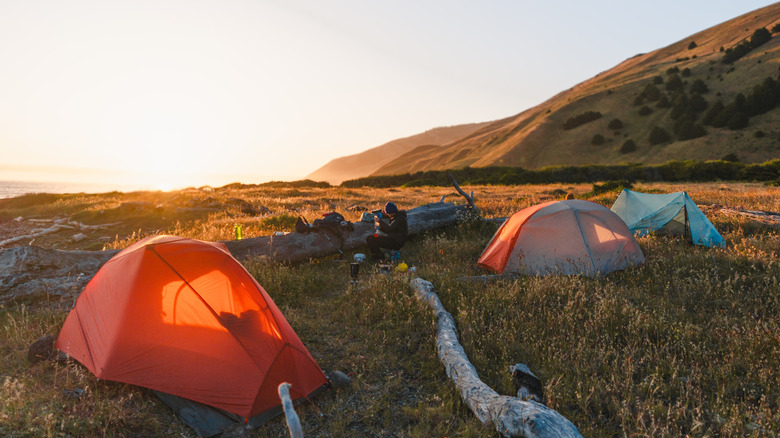
Like these scenic hikes on the Oregon Coast, the vast, empty stretches of the Lost Coast include some of the only coastal hiking experiences in the country. Being so remote and having so few people, the area has been left to nature. On your hiking adventure, you'll see a tremendous diversity of local wildlife on land, including seals, birds, deer, and even bear paw prints, along with tide pools full of aquatic critters as you slowly walk across the sandy and rocky shore.
One beautiful act of nature that you'll see on the hike is the rising of the tides. Though incredibly scenic, navigating the tide schedules is one of the biggest challenges of the hike. At certain times of every month, the tide covers three "impassible zones," according to Recreation.gov, when the tide does not drop low enough to safely navigate around sections of narrow beaches and towering cliffs. Two of these sections, between Sea Lion Gulch and Randall Creek, and Miller Flat and Gitchell Creek, are over 4 miles long each. If you get caught in the middle, you could face a life-threatening situation as the tides swallow the entire beach. While walking, never turn your back to the ocean.
While you're welcome to camp where you like, past hikers recommend camping near the creeks along the trail away from the northwesterly winds. Not only will you have running water that you can purify (and fall asleep to), but you also may be able to find fire pits or flat areas for your tent. Be sure to check your clothing and gear for ticks before climbing into your tent. Past hikers recommend camping for a minimum of two nights to give yourself enough time to complete the route.
Preparing for your epic adventure
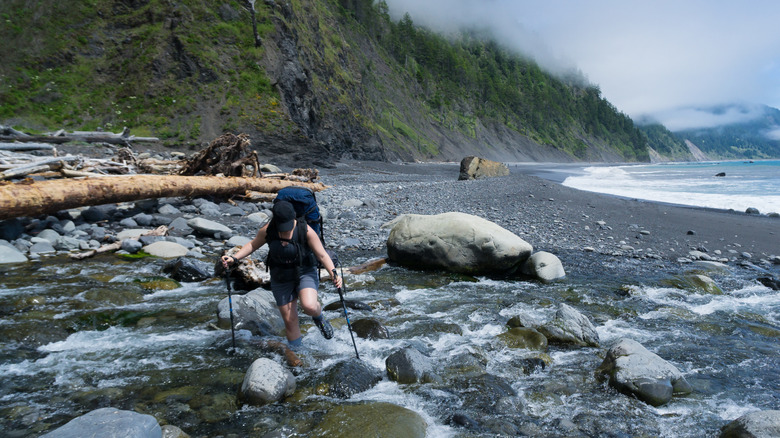
Before you set off on your trip, you'll have to do your homework to thoroughly prepare. Hikers spending the night along the Lost Coast Trail or in the King Range Wilderness will need a backcountry permit, available on Recreation.gov 90 days before you plan to hike. In addition, learn how to read tidal charts (check the tidal calendar before obtaining your permit), and have an understanding of basic first aid and how to care for your feet. If you're a beginner backpacker or just bought new gear, you may want to try out backpacking (and your gear) before committing to the Lost Coast Trail.
As the area is incredibly remote and has no cell phone service, you should plan to be fully self-sufficient and pack only the essentials. Everything that you bring in on your trip should come out. In addition to regular backcountry camping gear, bear mace, hiking sticks, a water purifier, and a cathole trowel are must-bring items. Bear cans are essential for your food and waste items, and bring a personal first-aid kit (with a blister kit) in case of emergencies. For clothing, a rain jacket, long sleeves, and pants are highly recommended, as are sturdy hiking boots that can traverse slippery rocks and help you keep your balance while wearing your backpack. Gaiters will keep sand and small rocks out of your footwear and will help the miles go faster.
The temperatures on the coast aren't typically extreme, but you should be ready for changing conditions. Generally, the driest and most scenic months are between May and October. If you're looking to take the scenic route south after your hike, don't miss stopping in Fort Bragg to see California's world-renowned Glass Beach and for a well-deserved cold beer.