

Forget Lake Tahoe, Visit California's Popular Trio Of Lakes In The Sierra Nevada Mountains
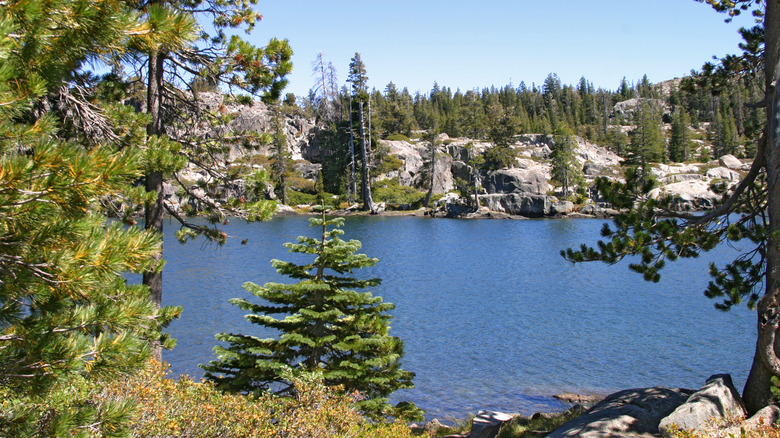
California's Sierra Nevada Mountains are renowned for their incredible natural beauty and as a scene for outdoor adventures year-round. While Lake Tahoe is often seen as the mountain chain's showpiece and is a popular California tourist hotspot, a trio of nearby, lesser-known cerulean lakes in the Tahoe National Forest, the Loch Leven Lakes, shimmer brightly under the sun and rest in granite "bowls" carved out from glacial activity.
All three lakes – Lower, Middle, and High Loch Leven — are undeveloped and situated outside the main tourist spotlight; reaching them requires a hike, and there are no accommodations apart from primitive dispersed camping areas. As such, the lakes are known as a popular and rewarding spot for a day hike and for beginners to try backpacking in a more rugged environment than regular camping.
If you're flying in to visit the Sierras and the Loch Leven Lakes, your best option is to arrive at Reno-Tahoe International Airport (RNO), about an hour away. From Sacramento, it's under two hours by car. The primary trailhead to the Loch Leven Lakes is right off of I-80, though the lakes are hidden up the Loch Leven Trailhead, which requires a challenging 3-mile hike with over 1,000 feet of elevation gain to reach the dispersed camping area on the first lake. At the trailhead, you'll find the last restrooms before beginning your hike or camping trip and a free parking lot for several vehicles, but no water. An alternative way to reach the Loch Leven Lakes is to venture about 30 minutes on an unpaved road to the Salmon Lake Trailhead, then hike over 4 miles to the first lake.
Spend the day (or night) at the Loch Leven Lakes
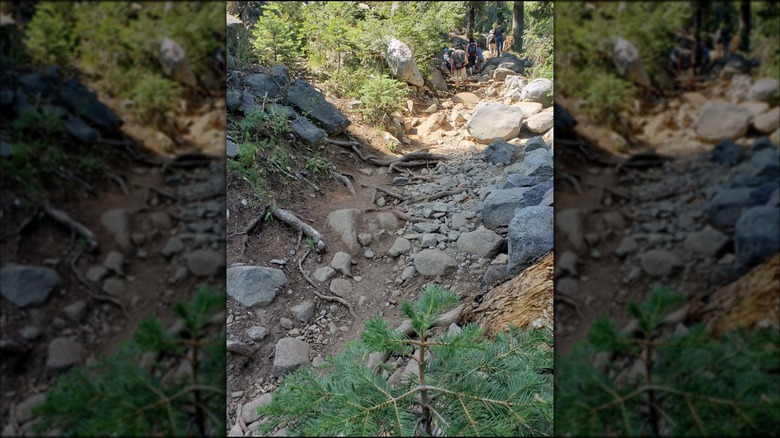
Like Huntington Lake, another picturesque lake in the Sierra Nevada Mountains, the three Loch Leven Lakes offer a natural outdoor experience for visitors looking for a serene escape with nature. The hike along the Loch Leven Trail passes the original Transcontinental Railroad, as well as large boulders that reveal traces of past glacial activity in the Sierras. While the trail is marked, hikers have left behind cairns (stacks of rocks) to mark the path. The hike from the Salmon Lake Trail is easier, passing through meadows and summer wildflowers, though it is poorly marked. For both trails, past hikers recommend downloading an offline map for your hike.
After reaching the lakes, outdoor enthusiasts often spend the day picnicking, splashing, and fishing in the lakes — or just setting up a hammock and enjoying the summer sun. Consider bringing a swimming suit to cool off in the three lakes – Middle Loch Leven is an especially popular base camp and swimming spot. If you're looking to extend your hike a few more miles, the Loch Leven Trail is connected to the Cherry Point Trail.
When it comes to dispersed camping, no permit or fees are required to camp out. However, try to choose a spot where other campers have been to minimize your impact on the environment around the lakes. If you do plan to cook a meal over a portable stove or roast s'mores over a campfire, you will need a campfire permit. They're free and available on the CAL FIRE website.
Prepare for your trip to Loch Leven Lakes
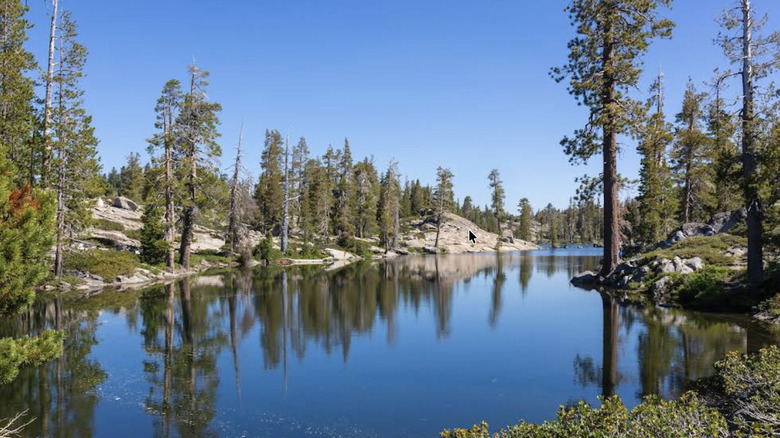
The Sierras are known for their long winters, and late- or early-season snowfall can impact your trek to the Loch Leven Lakes. Normally, the trail is open from June until late fall; however, hikers shouldn't be surprised to encounter snow or runoff on the trail or at the lakes when visiting in May or June. Once the snow melts, mosquitoes and biting insects are common. In the peak summer months, the trail sees a high amount of traffic. Therefore, it's recommended to start your hike early to avoid crowds on the trail, find a parking spot, and locate a shady spot to set up camp.
Even though you'll likely have other company around, especially on weekends, plan to be self-sufficient and carry in all of your food and carry out all of your garbage. There is no potable water source at the lake, though past hikers and campers have reported drinking the water after using a purifier. When packing, be sure to bring layers and longer clothing. Not only will you stay warmer at night (the mercury can drop into the 40s Fahrenheit), but long sleeves will protect your arms from being bitten by bugs. Local wildlife in the Tahoe National Forest includes squirrels and mule deer, as well as bears and mountain lions. To help keep predators away, be sure to pack your food in bear-proof canisters, carry out all waste, and leave no trace of your visit. After exploring the Tahoe area, head down to Central California and the far southern reaches of the Sierras. Here, you'll find another local secret, the stunning Red Rock Canyon State Park, beloved by visitors from all over.