

Grand Canyon National Park Rangers Warn Tourists To Avoid This Dangerous Animal
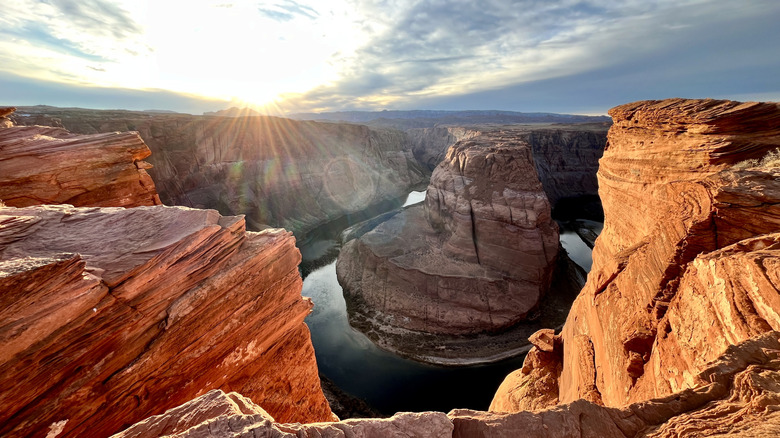
The Grand Canyon, the unique and ancient natural wonder in Arizona, is known for many things, like impressive vistas, crashing rapids, dramatic weather, and assorted wildlife. Like any place where humans and the natural world attempt to coexist, there are inherent dangers involved, and this is especially true when it comes to the aforementioned wildlife. Within the Grand Canyon, there are certain animals visitors should steer clear of when exploring. And although the Grand Canyon is home to mountain lions and snakes, the most dangerous animal is unexpected: the rock squirrel. Sounds anticlimactic, yes, but more people end up in the hospital with squirrel injuries at the Grand Canyon than from any other creature. As quoted by the National Park Service (NPS) in an Instagram post: "Squirrels can be cute and fluffy ... but that cuteness fades away rapidly after a quick bite to the hand." The NPS adds that squirrel bites are among the most common injuries at national parks in the U.S.
One reason for this? Rock squirrels are practically everywhere in the Grand Canyon, so the chance of them having a run-in with humans is more likely. However, by following a few smart rules put in place by our valiant park rangers, you'll be able to coexist peacefully with these rodents, and still revel in one of the true natural wonders of the world.
The most dangerous creature in the Grand Canyon is ... a squirrel
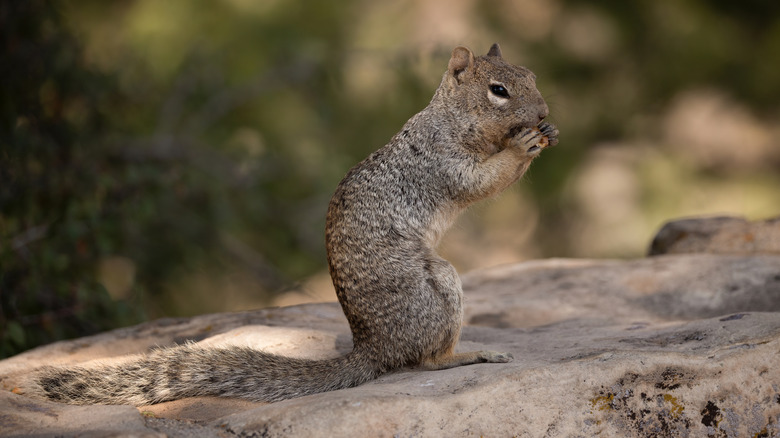
I know what you're thinking: The most dangerous animal in the Grand Canyon, one of the USA's most iconic destinations full of hundreds of animals from eagles to elk, is a squirrel? Those cute little fuzzy things that stuff their cheeks full of nuts and wave their fluffy little tail around as they hop between trees? Yes, those — park rangers on Facebook even describe these little buggers as "unforgiving and ferocious." However, while it's true that squirrel bites happen in the Grand Canyon at an "exponentially higher frequency than injuries from any other animals," most bites are more annoying and painful than anything else (via Slate).
That said, there is always a small risk of contracting a disease. In the immortal words of Michael Scott from "The Office" when he spots an employee feeding a squirrel: "[The squirrel] is happy because he's insane." Squirrels could very well be infected with rabies or the deadly Hantavirus, and can even carry fleas that are known to transmit the bubonic plague. Yes, you read that right — the plague! But as one Grand Canyon clinician told Slate, transmission of diseases between squirrels and humans at the park remains rare.
How to coexist peacefully with rock squirrels in the Grand Canyon
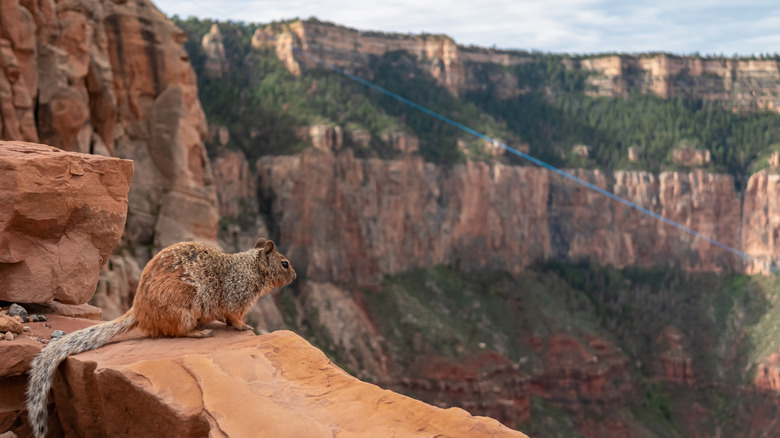
To keep yourself (and the animals) safe, there are a lot of safety rules it's imperative that visitors to the Grand Canyon follow. As the National Park Service says, when it comes to wild animals, "the best relationship is a long-distance relationship." Keep at least half the length of a bus between yourself and small animals like squirrels, two buses between larger animals like elk, and as much space as possible when it comes to bears and other predators.
Another thing to avoid doing is treating animals like pets, and this especially applies to cute little squirrels (although the rare tourist has been known to approach baby bison or even full-grown ones, hoping for a snuggle or at least a picture). This means no petting and especially no feeding. In fact, feeding animals can be so dangerous and harmful for both humans and the animals themselves that it's outlawed in every single national park. Not only does feeding the animals disrupt their systems, it also causes them to become more comfortable around humans, rely on them for food, or even become aggressive (read: rock squirrels). The last thing you want to bring home from the Grand Canyon is a scar from a squirrel attack, or worse yet, a deadly disease. So, keep your hands and food to yourself as you wander one of the best U.S. national parks for hiking, and don't forget to keep your trash to yourself, too (and follow all posted signs to the letter).