Tourist Attractions in St. Augustine, FL
On Florida's northeast coast, St. Augustine is the nation's oldest permanently occupied European settlement, founded by the Spanish in 1565. Its name is forever associated with the Spanish explorer Ponce de Leon and his fabled search for the Fountain of Youth. Today, many of the city's top attractions and things to do relate to this rich history.
Tourists can visit attractions ranging from archaeological digs that have unearthed Native American artifacts to a well-preserved Spanish fort and the museum collections displayed in a late 19th-century grand hotel.
Throughout these historic sites, costumed interpreters bring their eras to life with demonstrations of everything from colonial cooking to musket firing and early surgery. These make St. Augustine especially appealing to families traveling with children, and tourists will find plenty of unique places to visit here.
Begin with our list of the top attractions and things to do in St. Augustine.
- Explore Castillo de San Marcos
- St. Augustine Lighthouse & Maritime Museum
- Stroll St. George Street
- Fort Matanzas National Monument
- Go to the Beach
- St. Augustine Alligator Farm Zoological Park
- Tour Flagler College
- St. Augustine Pirate and Treasure Museum
- Lightner Museum
- Ponce de Leon's Fountain of Youth Archaeological Park
- Old Jail Museum
- Colonial Quarter
- Ripley's Believe It or Not Museum
- Sail aboard the Schooner Freedom
- The Lincolnville Museum and Cultural Center
- Ximenez-Fatio House Museum
- Oldest Wooden Schoolhouse
- Spanish Military Hospital Museum
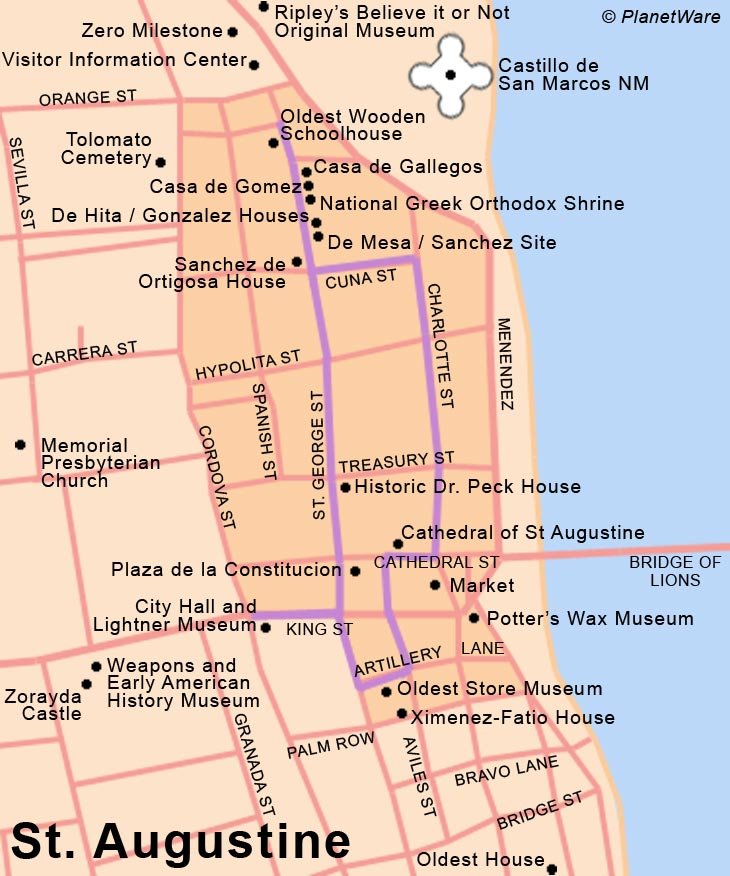
- Map of Attractions & Things to Do in St. Augustine, FL
- Saint Augustine, FL - Climate Chart
Explore Castillo de San Marcos
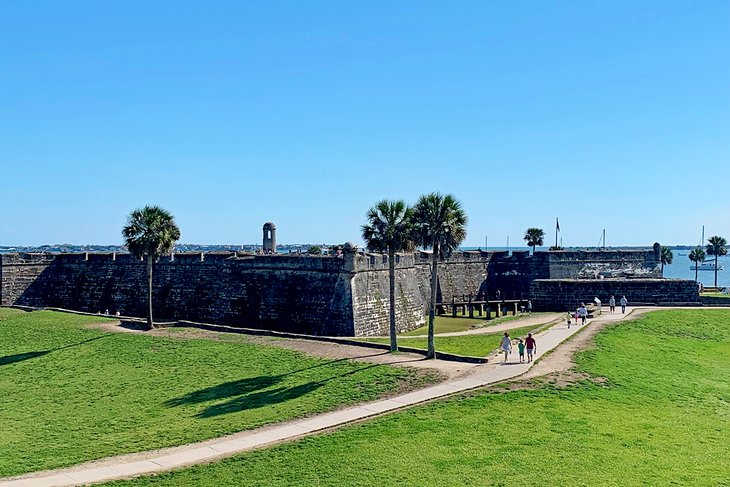
The Castillo de San Marcos National Monument is one of the most prominent tourist attractions in town and one of the most historically significant. The massive fort sitting on Matanzas Bay in downtown St. Augustine is the oldest masonry fortification in the United States.
The defense structure took the Spanish 23 years to build, from 1672 to 1695. They used native beach stone, called coquina, to construct thick fireproof and impenetrable walls that were able to withstand multiple attacks from British troops, including the massive fire in 1702 that wiped out the rest of the city.

During the American Revolution, it was used as a prison by the military, and in the late 19th century, it was used as a prison for Native Americans until its closure in 1900. There are impressive views of the water and the city from the gun decks, and special events are often held in the interior courtyard.
You can walk around the exterior of the fort for free, but for the best experience you should take a tour guided by a park ranger to learn about why this structure was essential to the protection of the Florida coast. The fort's design is known as a bastion system or "star fort." You can learn about why this design, with various levels of construction, was essential to its defense capabilities.
Address: 1 South Castillo Drive, St. Augustine, Florida
Official site: https://www.nps.gov/casa/index.htm
St. Augustine Lighthouse & Maritime Museum
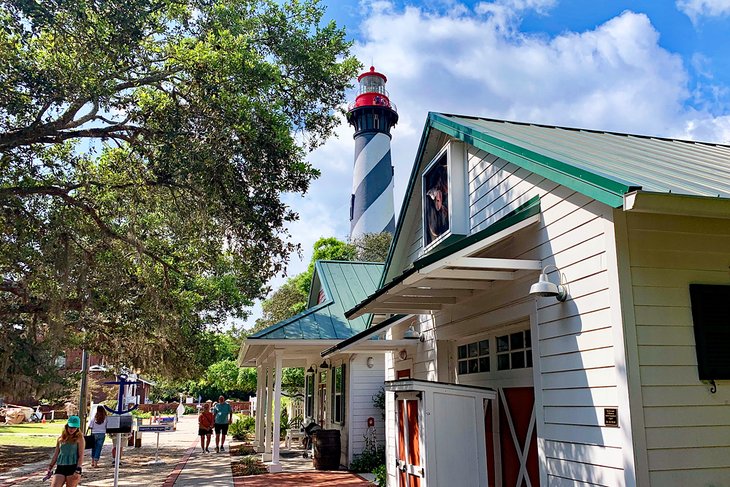
The tall spiral-striped lighthouse is St. Augustine's oldest standing brick structure, built in 1871-1874 to replace the original wooden watchtower. During World War II, the Coast Guard used it to keep watch over the shore, and it is considered the first permanent navigational aid in North America.
After being vandalized, the lighthouse and its original Fresnel lens, made of 370 glass prisms cut by hand, were restored, and the museum's proceeds make its upkeep possible. Atop the 219 steps, standing at 165 feet above sea level, the beacon light is still in operation and uses the original beehive-shaped prism, which stands at 12 feet tall and 6 feet in diameter.
The site is also home to one of the only field schools for underwater archaeology. Students of all ages come here to learn by exploring an actual shipwreck in the water below.
Address: 100 Red Cox Road, St. Augustine, Florida
Official site: http://www.staugustinelighthouse.com
Stroll St. George Street
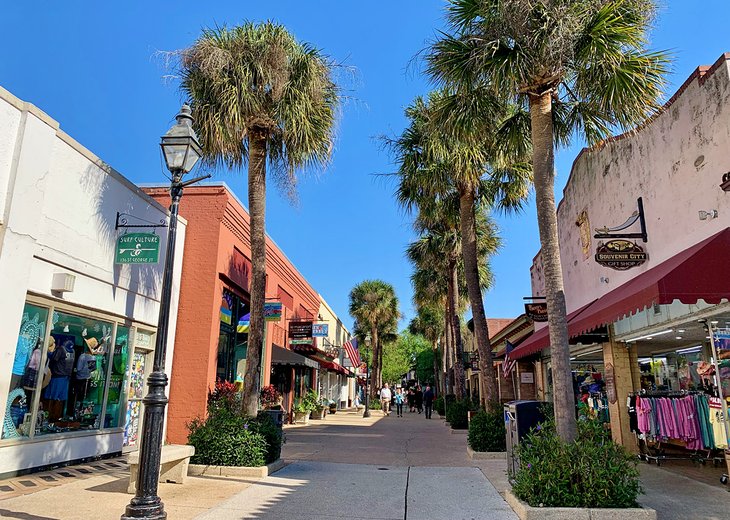
If you want to be where the action is or are looking for outstanding shopping in St. Augustine, then a stroll along St. George Street is where to start. The brick streets are lined with endless small eateries, boutique shops, historical structures, and quaint courtyards.
Walk the full length of St. George Street to enjoy the true local vibe as outdoor musicians fill the air with a cheerful ambience and restaurants like St. Augustine Seafood Company offer memorable outdoor dining beneath the lighted canopy of oak trees.
Nighttime along St. George Street is another kind of experience, when the historic buildings and trees are illuminated, and the Colonial Oak Music Park comes alive with free music and a family-friendly atmosphere under the stars.
Fort Matanzas National Monument
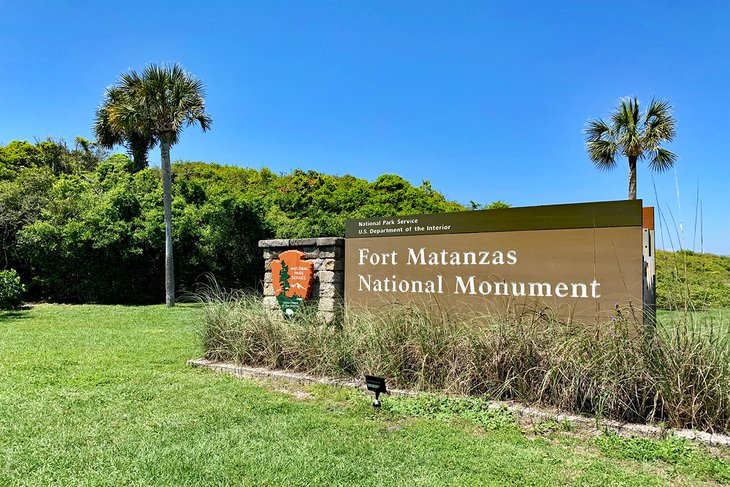
Fort Matanzas National Monument is one of the most important historical structures in St. Augustine. It was constructed in 1740-42 by Spanish settlers in an attempt to fend off British ships approaching the vulnerable Matanzas Inlet. The fort and tower are made from local coquina shells and a pine foundation, giving it stability in the marshy ground below it.
This is one of the best free things to do in St. Augustine, and you can easily spend several hours at the site. A nature trail accessible from the visitor center parking lot winds through the park and forest that surrounds the oldest section of the barrier island.
Take a ride on the ferry to see Fort Matanzas up close and learn about Rattlesnake Island. There are several scheduled trips each day.
The living history park often features reenactments and musket demonstrations for visitors to learn about colonial life and the soldiers of the 18th century.
Just across the street, you can access the beach for swimming and relaxing by the ocean.
Address: 8635 State Road A1A South, St. Augustine, Florida
Official site: https://www.nps.gov/foma/planyourvisit/hours.htm
Go to the Beach
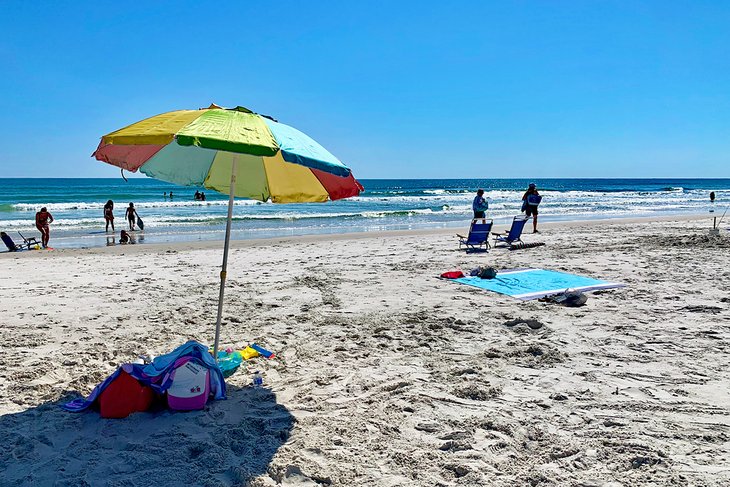
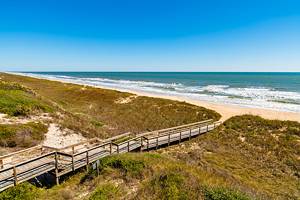
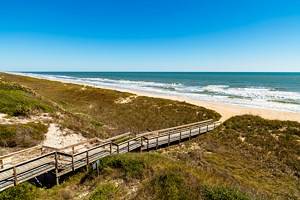
St. Augustine's 42 miles of beautiful beaches are an irresistible draw for tourists, whether it's to bask in the Florida sunshine, revel in the lively surf, or explore the natural wonders and wildlife of the shore and tidal wetlands. You'll find waters perfect for surfing, fishing, kayaking, sailing, and boogie boarding, and plenty of beachside facilities.
One of the most popular places to visit is the 1,600-acre Anastasia State Park across Matanzas Bay from downtown St. Augustine. In addition to miles of beach, you'll find the Old Spanish Coquina Quarries, where the coquina stone used to build Castillo de San Marcos, listed on the National Register of Historic Places, was mined.
Some of the other unique beaches to experience in St. Augustine are the GTM Beach at the Guana Tolomato Matanzas National Estuarine Research Reserve, which is a protected area with lots of stunning natural scenery, and Ponte Vedra Beach, where you can find fossilized sharks' teeth in the sand.
St. Augustine Alligator Farm Zoological Park
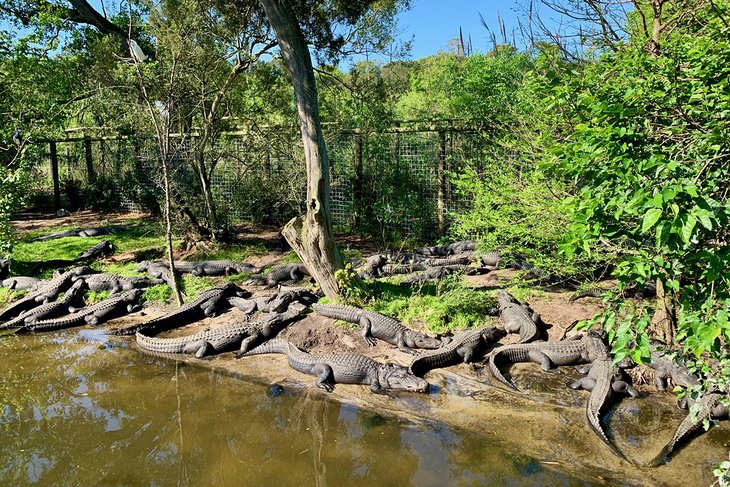
Visiting the St. Augustine Alligator Farm Zoological Park is one of the most exciting things to do in St. Augustine with kids – including teenagers – and is always a big hit with the whole family.
The park prides itself in being the only one of its kind with all living crocodile species in residence. Alligator Lagoon, Oasis on the Nile, and the Land of Crocodiles are some of the best areas of the park to view a variety of young and old alligator and crocodile species.
The most famous resident in the park is Maximo, an Australian saltwater crocodile weighing in at 1,250 pounds. You can view Maximo from above the water and below in an underwater viewing area to get a better look at his over 15-foot body.
The park is also home to a variety of other animals, including exotic birds, several types of snakes, and five species of monkeys. Visitors can see the animals in their habitats and also enjoy a variety of wildlife shows, which provide entertaining and fascinating background on the animals and their care.
One of the most exciting areas to experience, especially for photographers in the spring, is the bird rookery, where you can observe many nesting species. Get up close to the activity from the boardwalk to watch snowy egrets, roseate spoonbills, tricolored herons, white ibis, and other species build their nests. You can also observe the chicks hatching.
More adventurous tourists will love the park's zipline course, which spans several of the habitats, from alligators to tropical birds.
Address: 999 Anastasia Blvd. St. Augustine, Florida
Official site: www.alligatorfarm.com
Tour Flagler College
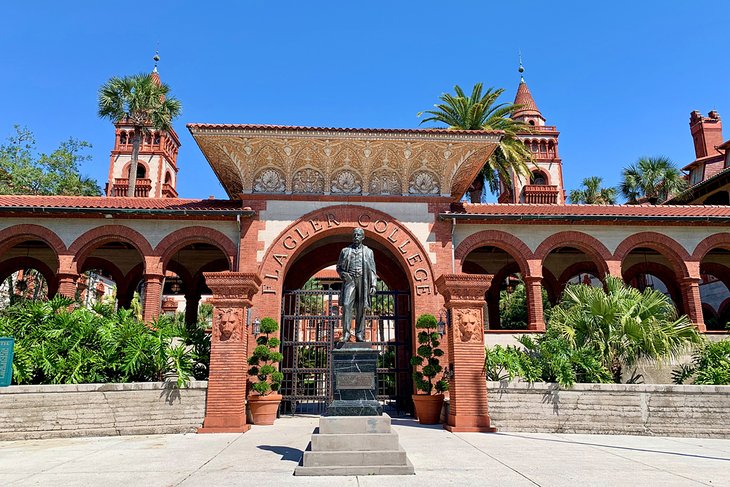
St. Augustine is a pedestrian-friendly city with sidewalks and crosswalks, making it easy to get around, especially around Flagler College. The campus is a great place to take a stroll to soak in the stunning landscaping and historic buildings.
The centerpiece of the campus is Ponce de Leon Hall. In 1888, Henry Flagler built the Spanish Renaissance structure as the Hotel Ponce de Leon, one of several resorts he built in Florida. The building is now a National Historic Landmark and one of the most stunning pieces of architecture in the city.
You can take a Historic Tour of Flagler College with the purchase of a ticket. There are two tours per day, where you will learn behind-the-scenes details about Henry Flagler and his contributions to St. Augustine, and see intricately restored details in the historic hotel, like the dining room that is decorated with 79 Tiffany stained-glass windows.
Address: 59 St. George Street, St. Augustine, Florida
Official site: https://www.flagler.edu
St. Augustine Pirate and Treasure Museum
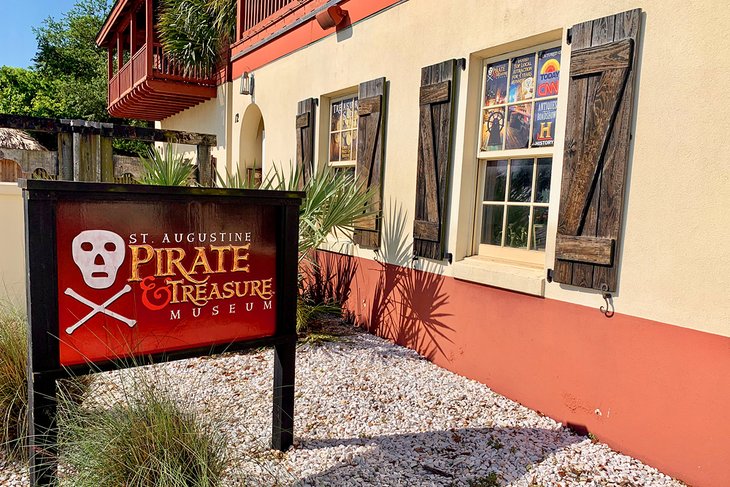
The pirate museum encourages guests to let out their inner pirate by transporting them back more than three centuries to the hub of Caribbean pirate activity in Port Royal, Jamaica. Among the exhibits are the world's oldest pirate treasure chest and the oldest known "wanted" poster.
The Red Sea Pirates exhibit contains a 17th-century Khanjarli dagger and the artifacts from shipwrecks of these notorious bandits. Visitors can learn to tie nautical knots and even steer the ship from the main deck. In the Hollywood Pirates exhibit, you can even see Captain Jack Sparrow's sword.
Address: 12 S. Castillo Drive, St. Augustine, Florida
Official site: http://thepiratemuseum.com
Lightner Museum
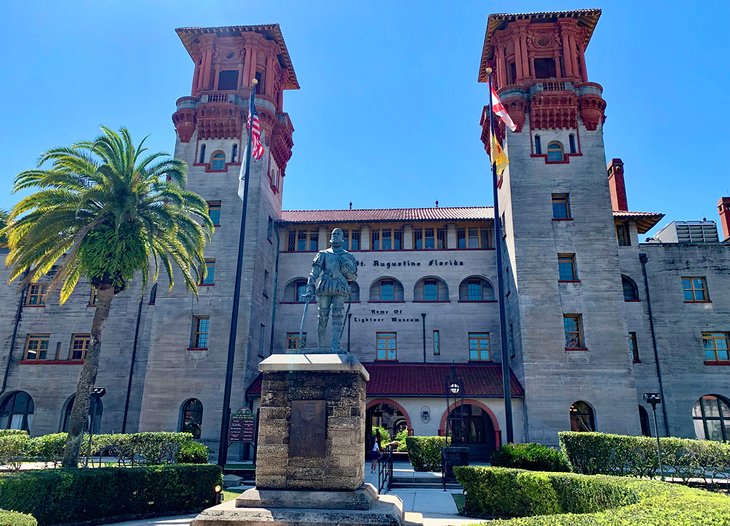
One of the country's best collections of 19th-century decorative and fine arts is displayed in the four floors of the former Alcazar Hotel built in 1888 by Henry Flagler. The collections are eccentric, and although they include Tiffany glass, fine furniture and porcelains, sculpture, and paintings, they also include shrunken heads, mechanical musical instruments, a mummy, cigar labels, and curiosities such as human hair art.
Flagler's hotel was the marvel of its era, the 1890s, filled with fashionable guests who danced in its grand ballroom and swam in the world's largest indoor swimming pool. Outside the museum, walk the beautiful manicured gardens and courtyard with a koi pond, which are excellent locations for photos.
After you explore Lightner Museum, have lunch at the elegant Alcazar Café located inside the old indoor swimming pool. Enjoy homemade fare in the bistro-style café accompanied by live music in an unforgettable setting.
Address: 75 King Street, St. Augustine, Florida
Official site: https://lightnermuseum.org/
Ponce de Leon's Fountain of Youth Archaeological Park
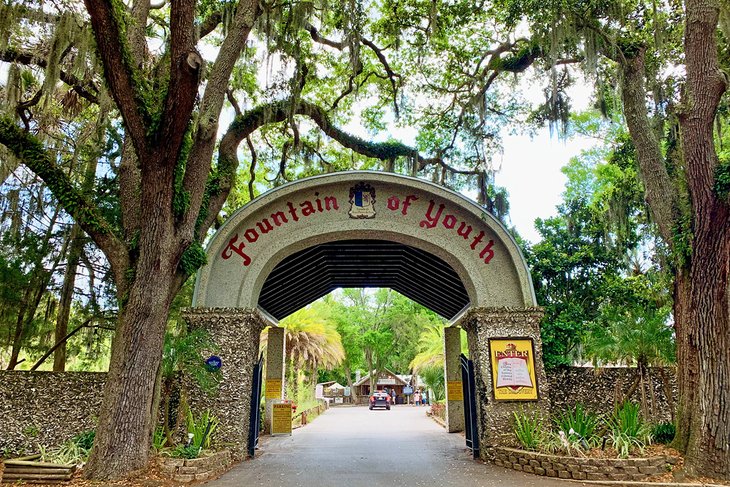
The 15-acre park along the Matanzas River is named for the explorer's famed freshwater spring. It is a working archaeological site, which focuses not only on the first Spanish settlers but also on the native Timucuans. Parts of a replica village were constructed on the original site, including a home and a meeting house.
Artifacts from excavations are on display, and reenactments depict native life and traditional crafts. There are beautiful views from the watchtower, as well as along the Riverwalk, and throughout the park, you can feed the beautiful peacocks.
This site is also home to the First Mission of Nombre de Dios, originally built in 1587 by Franciscan Friars. The original building was lost, however the replica was carefully built using authentic materials and methods.
The Navigator's Planetarium has hourly shows that describe the navigation methods used by the first European explorers and even show guests exactly what the sky looked like the night before Ponce de Leon and his crew arrived here. If you get sleepy from the stargazing, the cannon demonstration will surely wake you in a hurry.
Address: 11 Magnolia Ave, St. Augustine, Florida
Official site: www.fountainofyouthflorida.com
Old Jail Museum
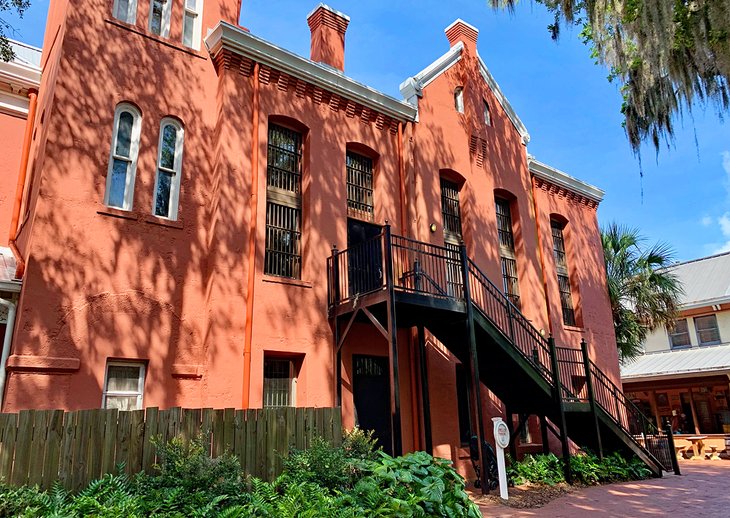
The Old Jail Museum is a fun place to visit in St. Augustine for both kids and adults. It is listed on the National Register of Historic Places and has many interesting stories relating to its history and the infamous prisoners that were housed here in the 19th and 20th centuries.
The Old Jail was financed by Henry Flagler to help free up land that he wanted in St. Augustine to build one of his luxury hotels. The stories about the prisoners and the time period come to life with costumed figures who share the important history of the jail in an entertaining way.
You can take a tour of the museum to get a close look at the artifacts and history.
Address: 167 San Marco Ave, St. Augustine, Florida
Colonial Quarter
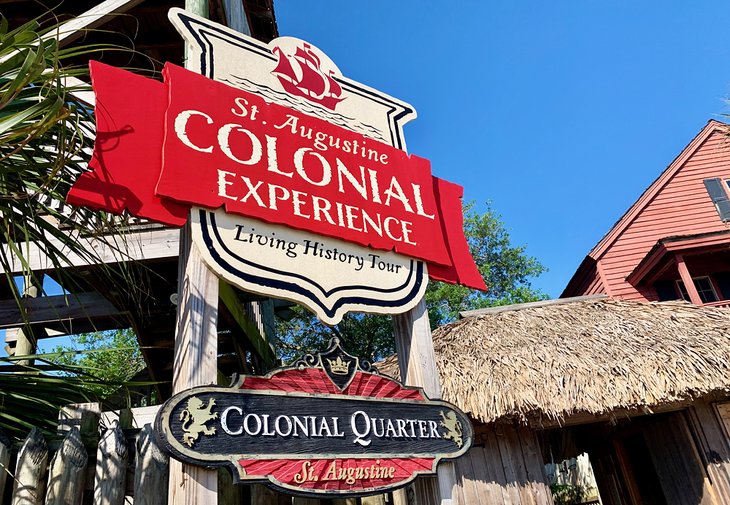
In the Historic District, the Colonial Quarter is a living history museum that lets visitors step back in time and see what St. Augustine was like from the 16th through the 18th centuries. The "First City" is home to a shipbuilding project, where they are constructing a replica of a 16th-century caravel, the kind used by Juan Ponce de Leon and other explorers of his time.
The Spanish-fortified town depicts 17th-century life, complete with a blacksmith shop and hourly musket drills. For a good view of the town, climb the replica of an early watchtower. The 18th-century Garrison town features a typical home of a Spanish soldier and a leatherwork shop with hands-on interactive exhibits.
The last area, referred to as the 14th Colony, has a print shop and fully restored British colonial home from the 1740s, the De Mesa-Sanchez House. For those traveling with a canine friend, the Colonial Quarter welcomes polite pets.
Address: 33 St. George Street, St. Augustine, Florida
Official site: www.colonialquarter.com
Ripley's Believe It or Not Museum
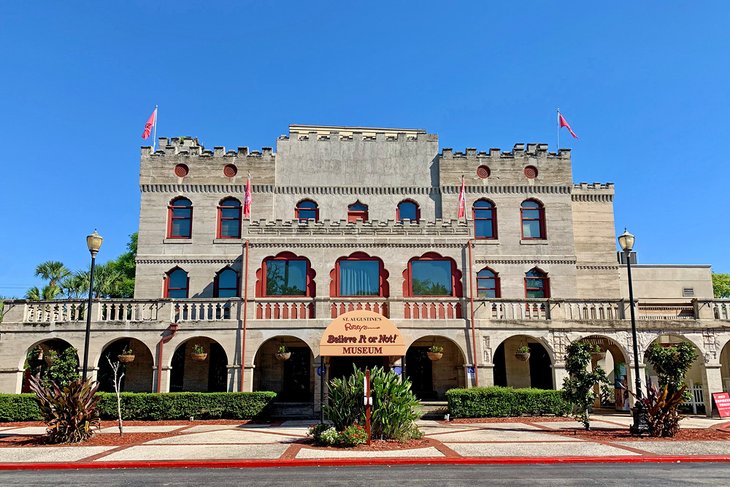
The former Castle Warden Hotel, in the historic district, now houses 800 exhibits of Robert Ripley's collection of curiosities. Since 1950, the "Odditorium" has mystified, shocked, and amused guests with its eclectic displays of the strange and unusual.
Here, you will find anything from historical artifacts to the bizarre and grotesque, including real shrunken heads and a motorcycle made of actual bones. The "Space Oddities" gallery displays items as small as a set of crayons carved into Star Wars characters and as big as a giant replica of the international space station made entirely of matchsticks.
If all this isn't strange enough, keep an eye or ear out for the ghosts of two women who purportedly died in a fire while staying at the hotel. Ripley's also operates the Red Train Tours, guided open-air tours to visit the city's major sites.
Address: 19 San Marco Avenue, St. Augustine, Florida
Official site: www.ripleys.com/staugustine
Sail aboard the Schooner Freedom
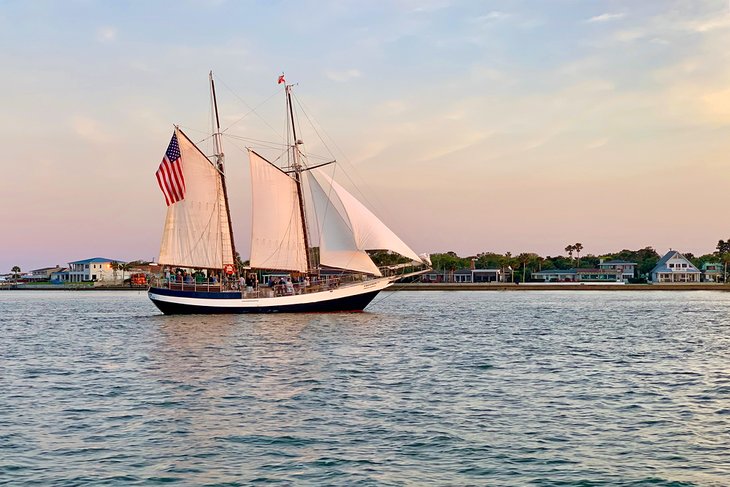
A sunset sail on board the Schooner Freedom is one of the best ways to see St. Augustine and experience the city from the water. Besides feeling the ocean breeze on your face as you quietly sail through the water, you will enjoy seeing the marine life, including dolphins and sea birds on the trip.
A sail on the Schooner Freedom is unique because it is a replica of a 19th-century blockade runner, built to exact specifications. It is a 76-foot-long, double-masted, topsail schooner.
You can relax on board as you watch the crew expertly handle the intricacies of this stunning boat. While a rare occurrence, if the winds are just right, you might just be able to sail to the mouth of the open ocean.
Address: 111 Avenida Menendez, St. Augustine, Florida
Official site: www.schoonerfreedom.com
The Lincolnville Museum and Cultural Center
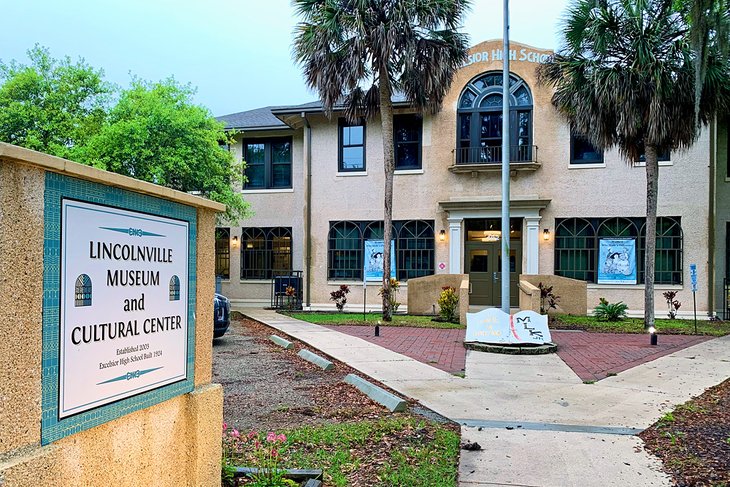
Step into a powerful cultural immersion at the Lincolnville Museum & Cultural Center, which chronicles 450 years of African American history in St. Augustine. The small museum is in the city's Lincolnville Historic District, which was settled by emancipated slaves after the Civil War.
The building housing the museum is the former historic Excelsior High School, founded in 1925, which was the first public high school for African American students in St. Augustine. There are several rooms of exhibits, including a Civil Rights room and a Cultural room featuring artifacts from prominent African American entertainers who spent time in St. Augustine.
Address: 102 Martin Luther King Avenue, St. Augustine, Florida
Official site: https://www.lincolnvillemuseum.org
Ximenez-Fatio House Museum
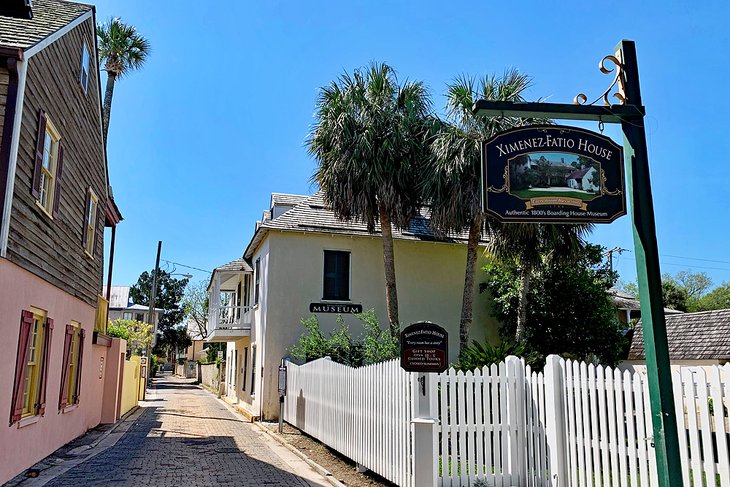
This fully restored original structure was built with native coquina in 1798, for a merchant named Ximenez. It was later purchased and turned into one of the first businesses owned and operated entirely by a woman - Miss Fatio's Boarding House.
It was a stop for St. Augustine's first tourists and was known for its high standards and "reputable clientele." It still houses the original beehive oven, where meals were prepared for travelers and military officers on leave from the nearby fort. This meticulously authentic site is staffed with guides who explain the details of daily life in the 1800s.
Address: 20 Aviles Street, St. Augustine, Florida
Official site: http://ximenezfatiohouse.org
Oldest Wooden Schoolhouse
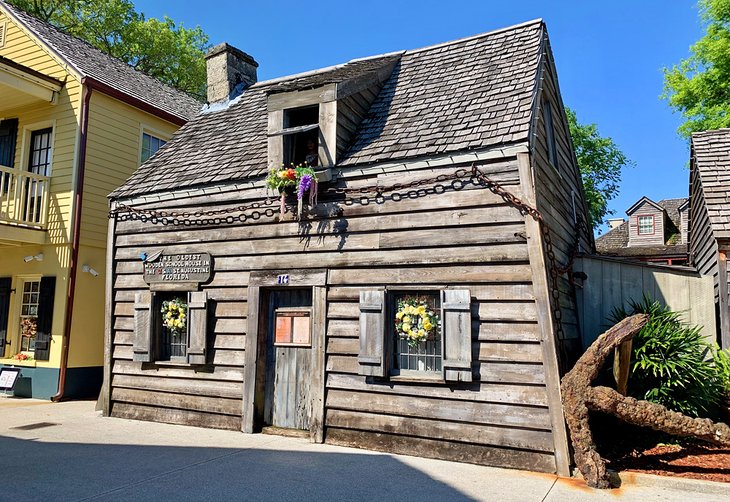
Built soon after the fire set by the British raid in 1702 of cypress and red cedar wood held together by hand-made nails and wooden pegs, this is the oldest surviving wooden structure in the city. In 1788, it was made into a co-ed schoolhouse, and today displays some of the original books and supplies used by students nearly three centuries ago and through the early 1900s.
Animatronic students and the schoolmaster describe a typical day, then visitors can tour the detached kitchen and the garden, where there is a 250-year-old pecan tree. The schoolhouse is in the Minorcan quarter near the Old City gates.
Spanish Military Hospital Museum
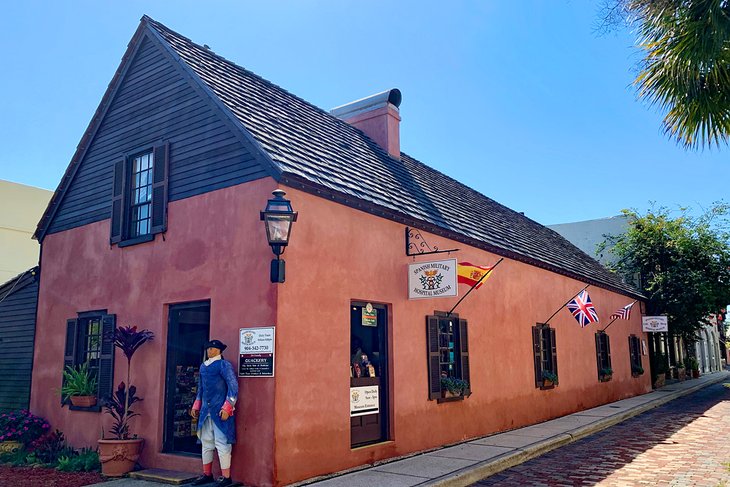
The Spanish Military Hospital Museum is located on Avilles Street, the oldest street in the United States. The original structure was built during the Spanish Colonial period, and the authentically reconstructed building is on the same site, re-creating the hospital as it would have been in 1791.
Guided tours introduce visitors to displays of antique medical equipment and surgical instruments, and one lucky guest from each group gets to be the "patient" in a demonstration of surgical procedures. There is also a garden and apothecary, where visitors learn about traditional medicines and the herbal origins of modern medications.
Address: 3 Aviles Street, St. Augustine, Florida
Official site: http://spanishmilitaryhospitalmuseum.com
Map of Attractions & Things to Do in St. Augustine, FL
Saint Augustine, FL - Climate Chart
| Average minimum and maximum temperatures for Saint Augustine, FL in °C | |||||||||||
| J | F | M | A | M | J | J | A | S | O | N | D |
| 18 8 | 19 8 | 22 12 | 25 14 | 28 18 | 31 22 | 32 23 | 31 23 | 29 22 | 26 18 | 23 13 | 19 9 |
| PlanetWare.com | |||||||||||
| Average monthly precipitation totals for Saint Augustine, FL in mm. | |||||||||||
| 80 | 73 | 98 | 67 | 79 | 134 | 114 | 150 | 164 | 116 | 57 | 72 |
| Average minimum and maximum temperatures for Saint Augustine, FL in °F | |||||||||||
| J | F | M | A | M | J | J | A | S | O | N | D |
| 65 46 | 67 47 | 72 53 | 77 58 | 82 65 | 87 71 | 89 73 | 88 73 | 85 72 | 79 64 | 73 56 | 67 49 |
| PlanetWare.com | |||||||||||
| Average monthly precipitation totals for Saint Augustine, FL in inches. | |||||||||||
| 3.2 | 2.9 | 3.9 | 2.6 | 3.1 | 5.3 | 4.5 | 5.9 | 6.5 | 4.6 | 2.2 | 2.8 |
More Related Articles on PlanetWare.com
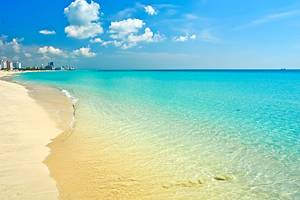
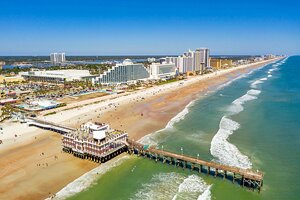
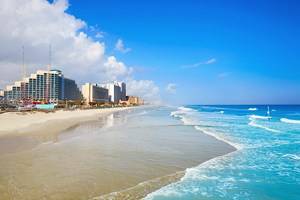
Exploring Atlantic Florida: Florida's east coast may not face the warm waters of the Gulf of Mexico, but it is still home to some of the best beaches in Florida. The city of Daytona Beach, with 23 miles of sandy beaches, offers plenty of great tourist attractions including races and events at Daytona International Speedway, world-class golf, and a classic Boardwalk lined with shops, food, and amusements.
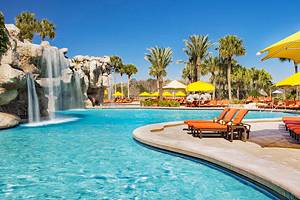
Orlando Excursion: St. Augustine is among the top day trip destinations from Orlando, but tourists can easily make a day or two in Orlando part of their St. Augustine vacation itinerary. Just under two hours by car from St. Augustine, Orlando is known for its iconic theme parks, including family-favorites like Walt Disney World, Sea World, and Universal Studios.