19 Top-Rated Tourist Attractions in Savannah, GA
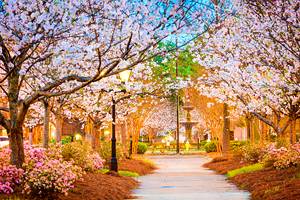
Savannah is the embodiment of the idyllic Southern city, with grand old mansions, green parks with ornate fountains and huge moss-draped trees, and cobbled streets along the waterfront. These all combine to provide a beguiling charm and make it one of the highlights of Georgia.
Savannah lies on the Atlantic coast at the mouth of the Savannah River, directly on the border with South Carolina. It was the first town in North America to be laid out on a regular plan, part of which was a large number of lovely historic squares dotted throughout the city.
The city was spared from destruction at the hands of Union troops at the end of the Civil War, and as a result, it is full of rare examples of original Southern architecture. Today, Savannah is a bustling modern city that retains its historic charm while welcoming tourists to experience all it has to offer.
Begin your sightseeing adventure with our list of the top attractions in Savannah, Georgia.
- 1. Bull Street & the Savannah Historic District
- 2. Forsyth Park
- 3. Bonaventure Cemetery
- 4. River Street
- 5. Cathedral of St. John the Baptist
- 6. Owens-Thomas House & Slave Quarters
- 7. National Museum of the Mighty Eighth Air Force
- 8. Telfair Academy of Arts and Sciences
- 9. Squares of Savannah
- 10. Juliette Gordon Low Birthplace
- 11. Ralph Mark Gilbert Civil Rights Museum
- 12. First African Baptist Church
- 13. Fort McAllister State Historic Park
- 14. Old Fort Jackson
- 15. City Market
- 16. Wormsloe Historic Site
- 17. Webb Military Museum
- 18. Skidaway Island State Park
- 19. Ships Of The Sea Maritime Museum
- Where to Stay in Savannah for Sightseeing
- Tips and Tours: How to Make the Most of Your Visit to Savannah
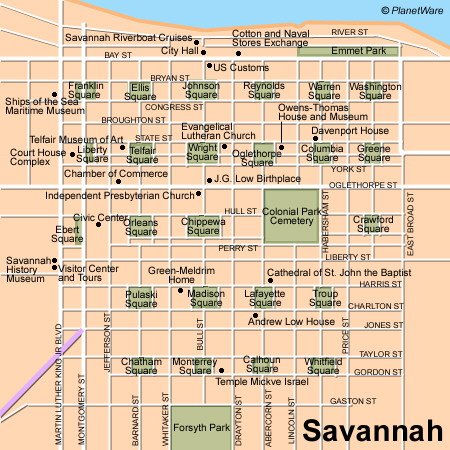
- Map of Tourist Attractions in Savannah, GA
- Savannah, GA - Climate Chart
1. Bull Street & the Savannah Historic District
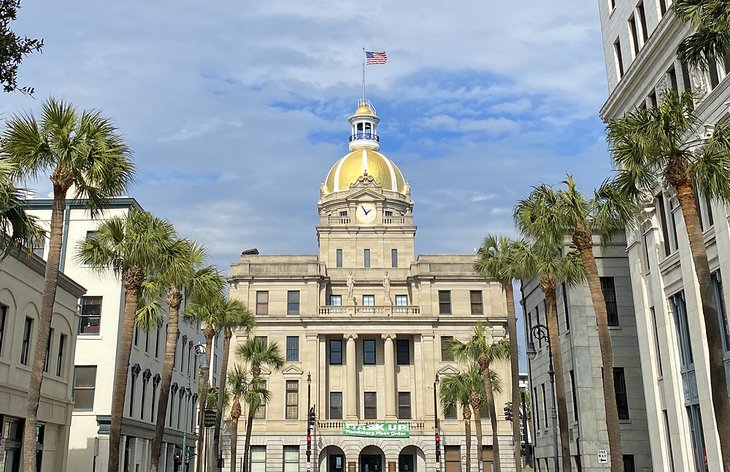
The best way of getting to know the impeccably preserved Savannah Historic District is to take a stroll along Bull Street and the side streets that extend in either direction. The starting point is City Hall, built in 1905, at the intersection of Bull and Bay Streets. Opposite City Hall is the U.S. Customs House, built in 1852 on the site of the colony's first public building.
To the south of this is Johnson Square, the first public square laid out in the newly planned town, with the Christ Episcopal Church built in 1838 on the site of the colony's first church of 1733. There are many historic squares to explore in this section of Savannah, so take your time to explore, camera at the ready.
Along this stretch are numerous coffee shops and restaurants, some with outdoor tables that are perfect for people-watching.
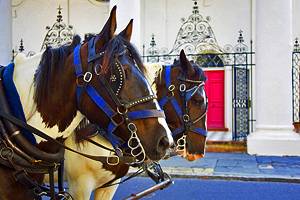
You can also enjoy Bull Street from the comfort of a horse-drawn carriage. A number of reputable companies provide these excursions, including Savannah Carriage Tours, which offers 45-minute rides that include up to eight of the city's most elegant squares. Also fun are the handy Savannah Hop-on Hop-off Trolley Tours, where you can learn a little history while sightseeing and gathering ideas about places to explore in greater detail later.
2. Forsyth Park
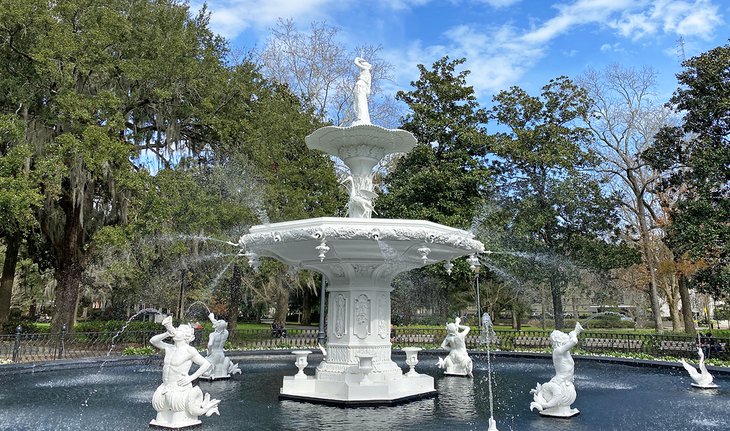
Forsyth Park is the largest and most visited park in Savannah. Created in the mid-19th century at a time when large parks were extremely fashionable in American cities, it remains a magnet for tourists and locals alike.
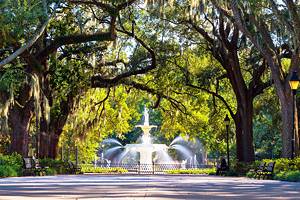
The park's most important feature is its large cast-iron fountain. Added to the park's north end in 1858, it has remained the primary feature of this 30-acre green space ever since, with several periods of restoration, including the most recent major restoration in the late 1980s.
In the spring, the park puts on a great display of color when the azaleas are in full bloom. Within the park are a number of notable public amenities including a visitor center and Band Shell, along with a café, snack bar, and tennis courts.
Forsyth Park is also a lovely area to walk, with large shady trees and many pleasant paved paths to explore. Surrounding the park are a number of interesting old buildings that provide an elegant backdrop and set the scene for no end of memorable photos.
Whenever I visit Forsyth Park, I head back to the Historic District following one of the less-traveled routes such as Barnard or Montgomery Streets, or even one of the less-traveled north-south side streets. They're safe, and letting your curiosity get the better of you will lead to no end of pretty corners of the city you may not otherwise have experienced.
Address: 2 W Gaston Street, Savannah, Georgia
3. Bonaventure Cemetery
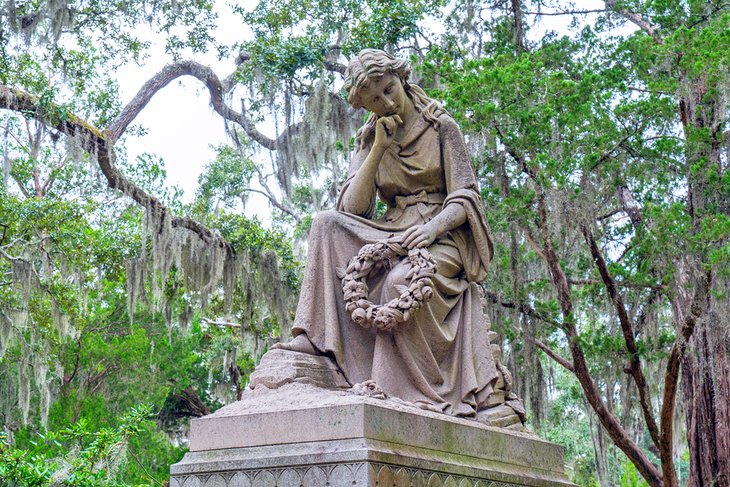
Bonaventure Cemetery is one of the best-known historic cemeteries in the country, loved for its sprawling Victorian layout and beautiful stonework monuments. The grounds are spectacular, with massive oak trees draped with hanging moss. If the setting looks familiar, it may be because it was featured as a setting for the novel and film Midnight in the Garden of Good and Evil.
The cemetery covers more than 100 acres, and its historic district is more than 14 acres and is home to graves from as early as 1846. In addition to stunning marble tombs, the cemetery is the final resting place for nearly 1,300 veterans of the Civil War, the Spanish-American War, and other conflicts.
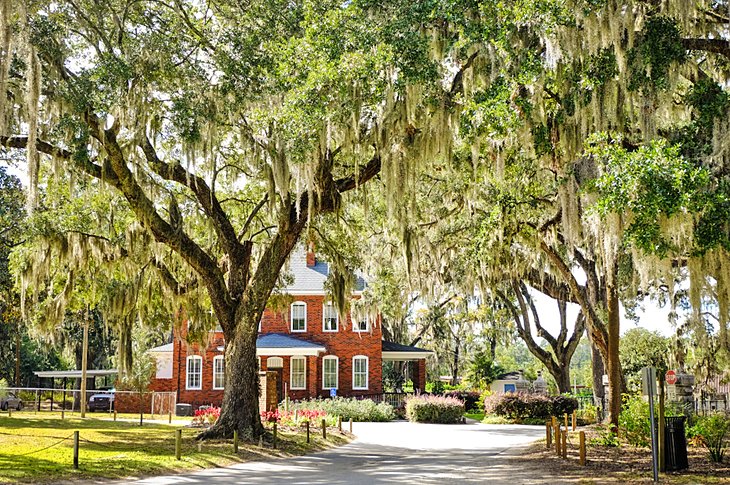
A rewarding way to visit the cemetery is on a Bonaventure Cemetery Tour. Guided by a local historian and author, you'll hear fascinating stories about the cemetery and the famous people who were laid to rest here.
Address: 330 Bonaventure Road, Savannah, Georgia
4. River Street
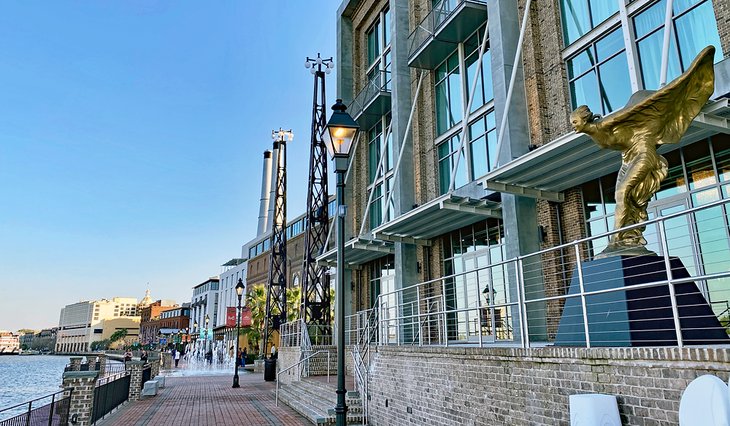
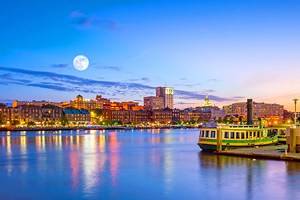
Iron steps lead down from Factors Walk to Savannah's historic riverfront district, an always bustling area along River Street that features well-preserved old warehouses, many of them now occupied by shops, restaurants, and hotels.
At this popular area to visit day or night, a recent multi-million-dollar expansion has added even more fun things to do on the south bank of the Savannah River. The luxurious new JW Marriott Savannah Plant Riverside District hotel and a state-of-the-art music venue, Plant Riverside, at the west end of River Street greatly expanded the offerings, adding new dining experiences and a cluster of high-end shops and galleries.
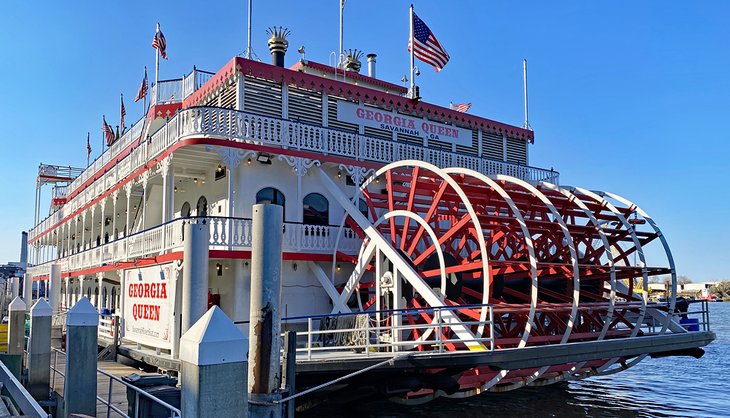
Excellent views of the port and suspension bridge can be had from here or from Hutchinson Island. An ideal way to get the best Riverfront photo ops is by taking the free ferry that brings you to the island and back, a ride that is particularly lovely in the evening. Another option is to take a trip aboard the Georgia Queen, a replica riverboat that offers dinner cruises along the Savannah River.
5. Cathedral of St. John the Baptist
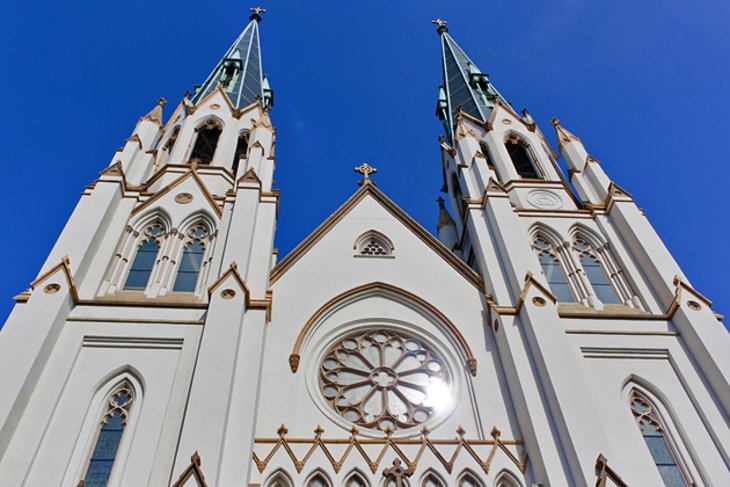
The Cathedral of St. John the Baptist in Savannah was built in the 1870s and then rebuilt in 1899 after a severe fire. It took more than a decade to redecorate the new cathedral. The building again underwent restoration work in the 1950s and 60s, and more work was done in the 80s and 90s.
The interior is a delight, with marble railings and floors and a marble altar. The main altar, carved in Italy, weighs 9,000 pounds and is certainly impressive. Join one of the docent-led tours to learn more from an expert well-versed in the church's history.
The Cathedral of St. John the Baptist is also well-known for its incredible Renaissance-style murals and a pipe organ with 2,308 pipes. Above the organ is the Great Rose Window, with panels radiating out from the images of St. Cecilia in the middle.
Address: 222 East Harris Street, Savannah, Georgia
6. Owens-Thomas House & Slave Quarters
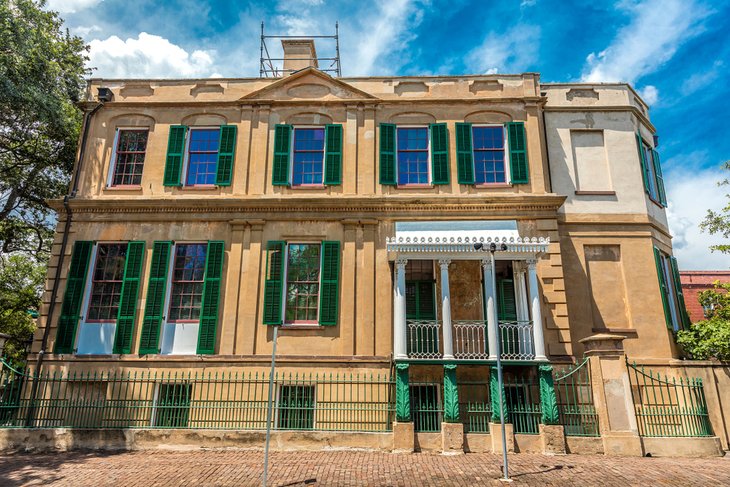
The Owens-Thomas House & Slave Quarters is Savannah's most important historic home thanks to its dedication to looking at the lives of the enslaved people who worked and lived here. The Slave Quarters are just part of the exhibits, which look at daily life for the 14 enslaved workers who ran the home, worked the grounds, and raised the children.
Tours of the home discuss the complicated nature of relationships between the slave owners, children, and slaves themselves, and encourage visitors to continue to ask questions after they leave. The home is a National Historic Landmark and is operated by the Telfair Museums.
Address: 124 Abercorn Street, Savannah, Georgia
7. National Museum of the Mighty Eighth Air Force
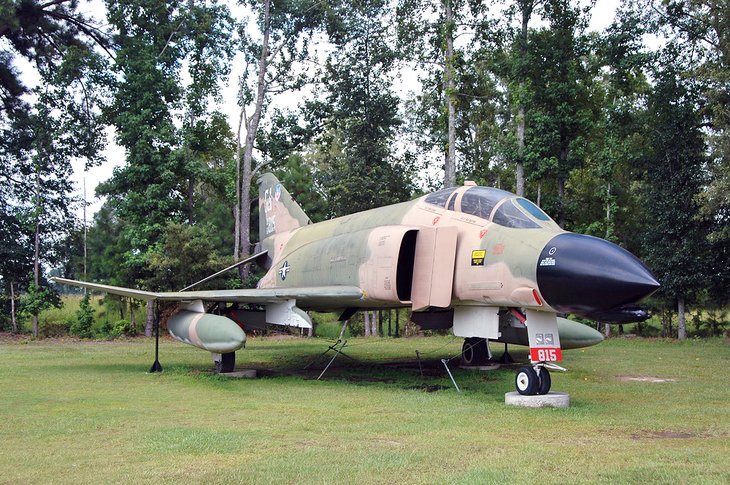
The National Museum of the Mighty Eighth Air Force, located just outside Savannah, is one of the nation's top museums dedicated to World War II history. In addition to a memorial and extensive information about the Eighth Air Force regiment, the museum has many historic exhibits that explore various phases of the conflict.
The tour begins with an introduction to Germany in the wake of WWI and a look at how the Nazi regime was able to rise to power with the use of propaganda. Exhibits also include films about life as a bomber pilot and a re-created airfield, as well as dioramas and interactive exhibits.
Museum collections include a B-17 Flying Fortress and other WWII aircraft, as well as scale models. There are also extensive displays containing the personal stories and belongings of members of the Mighty Eighth.
Address: 175 Bourne Avenue, Pooler, Georgia
8. Telfair Academy of Arts and Sciences
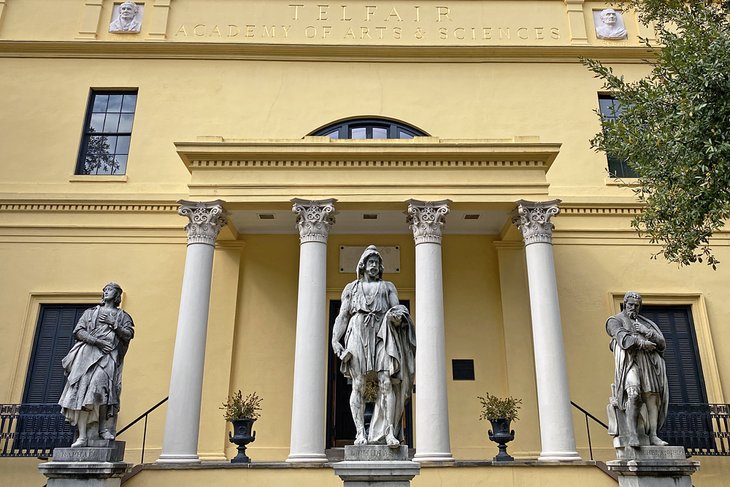
The Telfair Academy of Arts and Sciences, more commonly called the Telfair Museum of Art, has been operated by the Georgia Historical Society since it opened in 1886, and it is the oldest art museum in the state. Art Collections include European and American works in a variety of media with a focus on 19th- and 20th-century art.
Among the featured artists are Robert Henri, George Luks, and Childe Hassam. The museum is also home to a sculpture gallery and rotunda added by architect Detlef Lienau. The building that houses the museum, a 200-year-old mansion designed in the Neoclassical Regency style, is equally impressive.
The museum includes 19th-century period rooms and offers a self-guided audio tour that focuses on the architecture. Guided tours are also available, free of charge, and delve into the museum's history and details about its content.
Address: 121 Barnard Street, Savannah, Georgia
9. Squares of Savannah
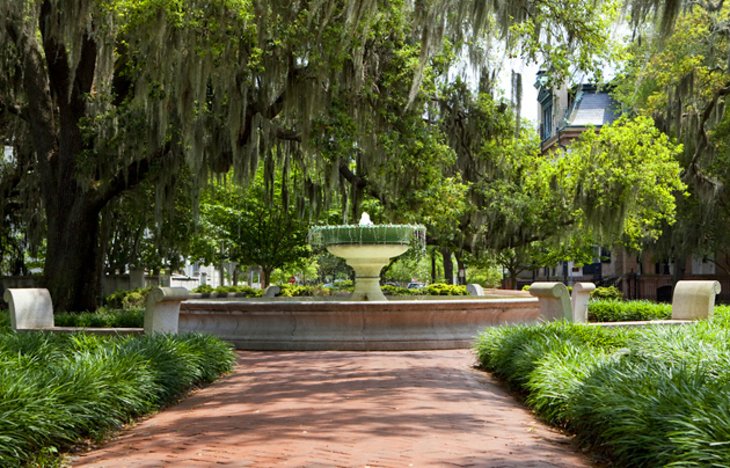
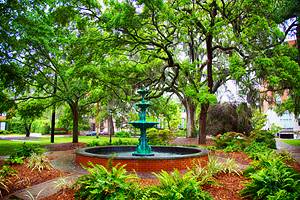
Savannah's many public squares are one of its most attractive qualities, especially on a hot city afternoon when you need a spot of shade and a few moments with nature. These are the best places to visit in Savannah for peace and relaxation.
Several of the most popular squares are located along historic Bull Street, including Chippewa Square, which is known for its appearance in the film Forrest Gump; the city's largest and oldest Johnson Square; and Madison Square, which is conveniently close to shopping and dining.
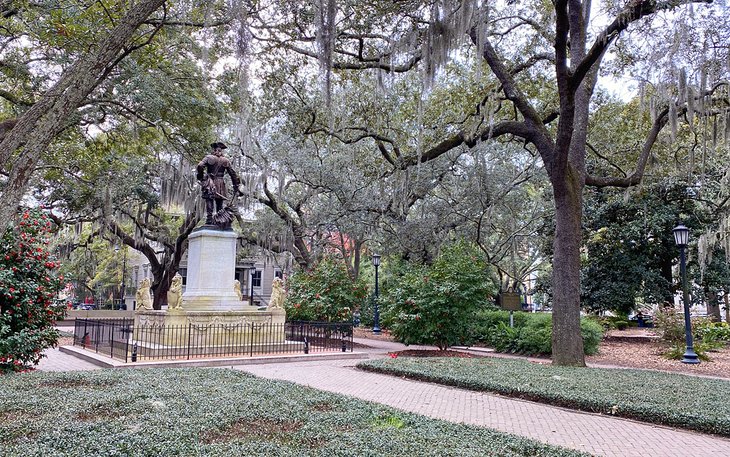
Ellis and Franklin Squares are adjacent to the bustling City Market, and Ellis is home to a giant chess set, as well as a lovely fountain and shaded tables.
Crawford Square, located at McDonough and Houston streets, has recreational facilities, including a gazebo and basketball court. Although smaller than most, Columbia Square is a peaceful respite within the surrounding city life.
Other popular squares can be found along Barnard Street, including Chatham Square at Wayne Street, Orleans Square behind the Savannah Civic Center, and Pulaski Square at the intersection of West Macon, which is known for its tremendous live oaks.
10. Juliette Gordon Low Birthplace
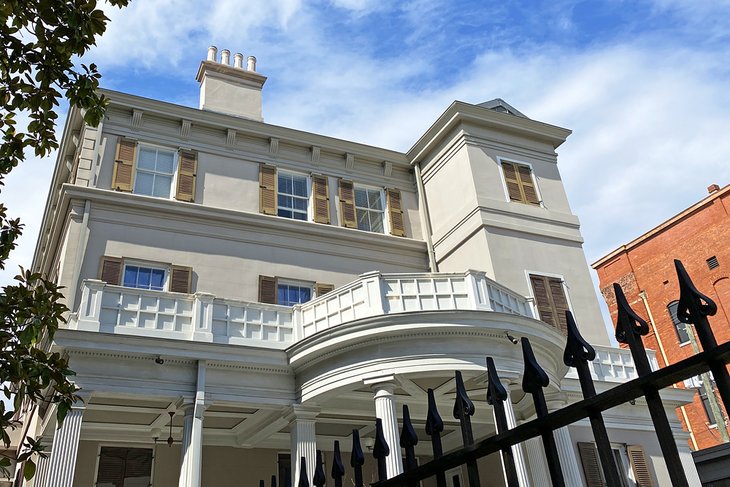
The birthplace of Juliette Gordon Low, a founder of the Girl Scouts of the USA, was built in 1821. Her family home, which was the first National Historic Landmark in Savannah, has been restored to how it looked in the 1880s and furnished with many original Gordon family pieces.
In the Gallery are some of Gordon's original artworks, as well as some of the family's furnishings and memorabilia. Some of the collections on display in the house include jewelry, photographs, and written material.
The house offers great insight into the lifestyle of the family and of the era. It also describes the achievements of Juliette Gordon Low and the history of the Girl Scouts which is a very popular destination for scout troops of all ages.
Address: 10 East Oglethorpe Avenue, Savannah, Georgia
11. Ralph Mark Gilbert Civil Rights Museum
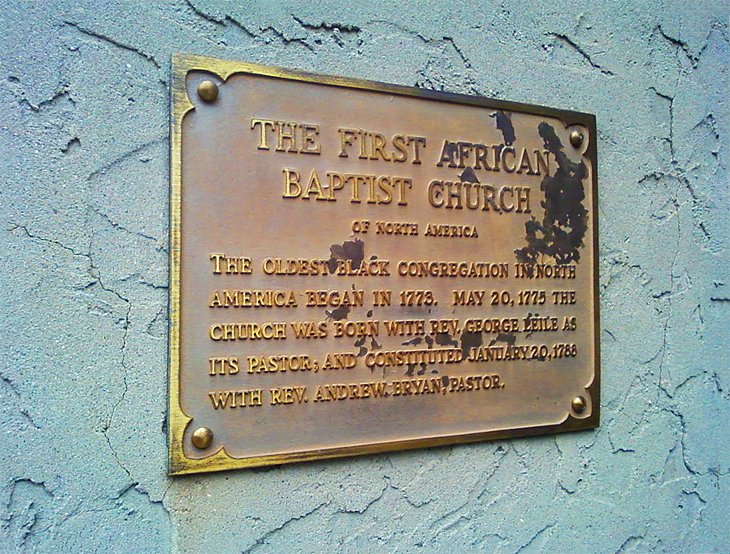
The Ralph Mark Gilbert Civil Rights Museum is named for the man who is credited with being the father of the civil rights movement in Savannah. Dr. Ralph Mark Gilbert was a pastor at the First African Baptist Church in Franklin Square and the president of the NAACP in Savannah for eight years.
The museum itself honors Dr. Gilbert and his important roles and also explores the long and arduous path that African Americans have endured from the first slaves in Georgia to the present day. Exhibits include photographs, personal stories, little-known facts, a reading room, and interactive displays, as well as a film.
The museum is located in the former home of the Wage Earners Savings and Loan Bank, significant as being one of the earliest and largest banks for African-Americans.
Address: 460 Martin Luther King, Jr. Blvd., Savannah, Georgia
12. First African Baptist Church
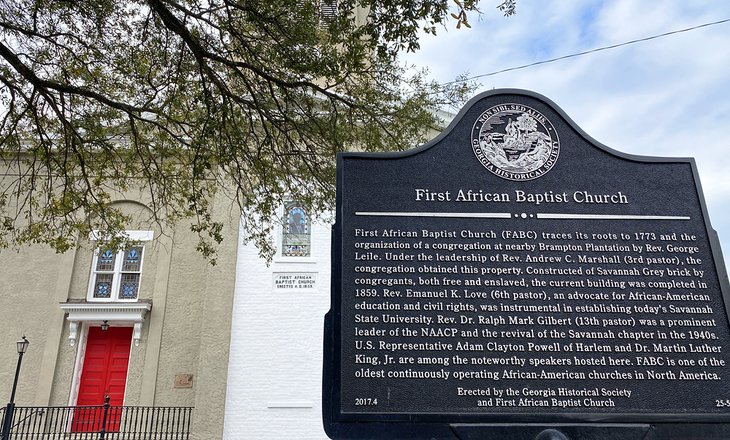
Separated from the always bustling City Market area by Franklin Square on Montgomery Street, the First African Baptist Church has been a place of worship and sanctuary for Savannah's African American population since 1859. Built by both free African Americans and slaves allowed to work on it after toiling in the fields, it has the distinction of being the first brick building to be owned by Georgia's black community.
Interesting features include a series of holes set in the sanctuary's floor that, while designed to look like a decorative flourish, actually served as air holes for escaped slaves hiding in the small space below. The church also played an important role in the Underground Railroad, and later in the Civil Rights Movement.
An excellent museum traces the church's history back even further to 1773, confirming its status as North America's first black Baptist congregation. The museum also displays related artifacts, including church records, handmade quilts, and photos. Guided tours of both the church and the museum are available.
Address: 23 Montgomery Street, Savannah, Georgia
13. Fort McAllister State Historic Park
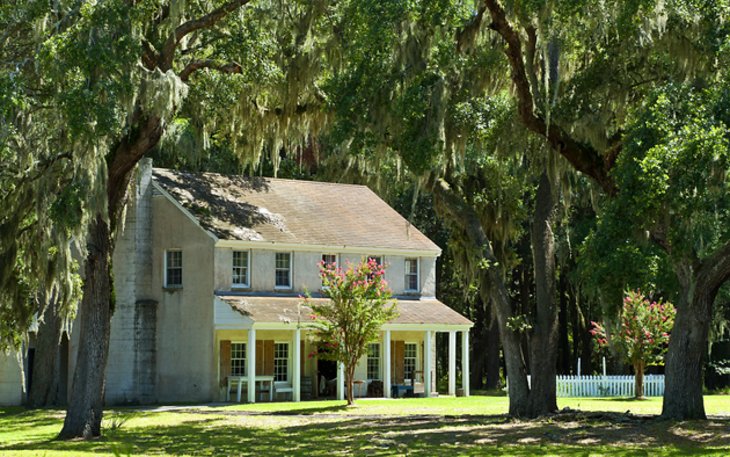
Fort McAllister, now a State Historic Park, was used during the Civil War and contains some of the best-preserved earthwork fortifications of the Confederacy. It is an excellent example of coastal defenses during this time period.
On the grounds are cannons and other military operational items, as well as a Civil War museum with interesting displays and information. Despite its historical significance, many people also visit the park simply for the recreational opportunities and the natural beauty.
The park is located on the Great Ogeechee River south of Savannah and offers such activities as camping, hiking, fishing, and picnicking in a lovely treed area. There are a limited number of cabins available for rent.
Trails offer places to walk or bike and there is some children's equipment. Since winter months can be cool and midsummer can be blazing hot, spring and fall are generally the best times to visit.
Address: 3894 Fort McAllister Road, Savannah, Georgia
14. Old Fort Jackson
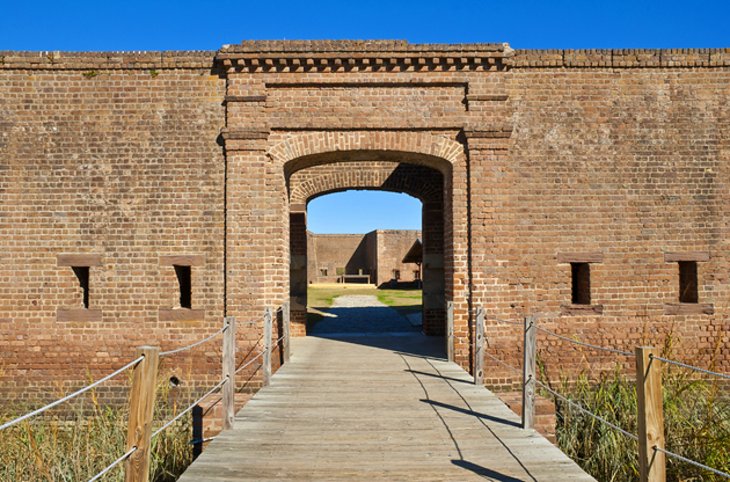
Old Fort Jackson is the oldest standing fort in the state of Georgia. The original brick fort, one of only a few Second System fortifications still left standing in the United States, was begun in 1808.
The fort was manned during the War of 1812 and was also active during the Civil War. Today, it is a National Historic Landmark, preserved and managed by the Coastal Heritage Society. On display at the fort are various exhibits on military history. The fort also features cannon firing demonstrations.
Address: 1 Fort Jackson Road, Savannah, Georgia
15. City Market
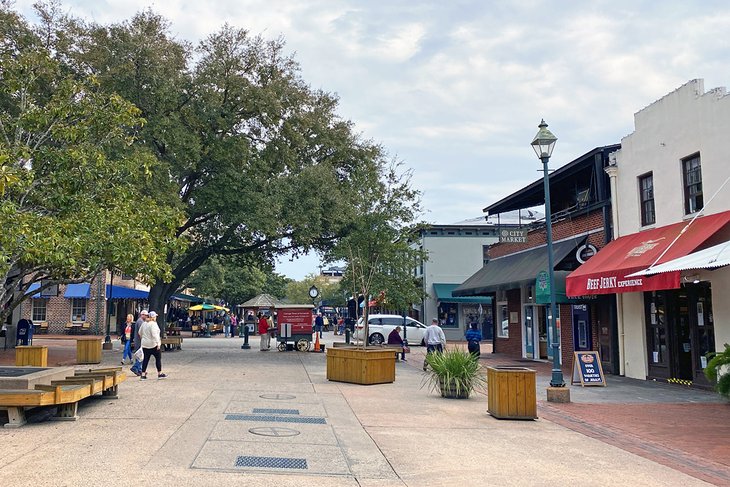
Savannah's City Market is a favorite among both locals and tourists for its numerous things to do and upbeat atmosphere. Here, you can find working artist studios; plenty of dining options, from quick bites to full-service restaurants; and a variety of entertainment, from local musicians to nationally known artists.
This is also a prime shopping destination, home to a wide variety of boutiques, an old-fashioned country store, a sweet shop with homemade candy, and even an entire store for dogs.
Location: Between Ellis Square and Franklin Square, Savannah
16. Wormsloe Historic Site
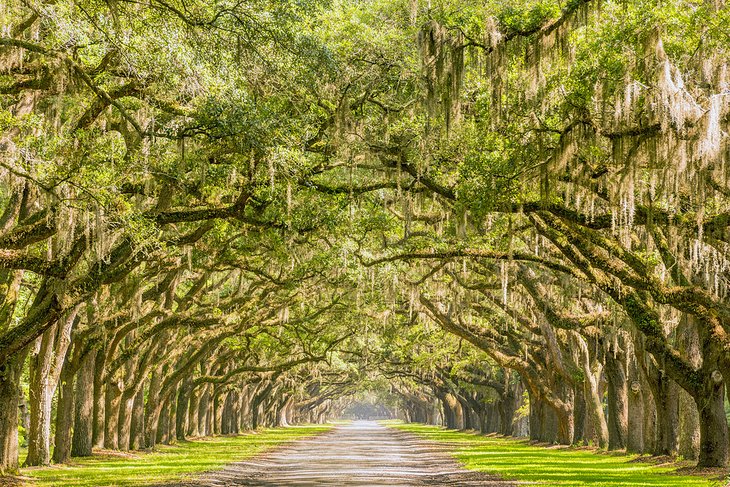
If you are looking for a bit of peace and quiet outside the city center, head to Wormsloe Historic Site. As you pass through the historic gate, you'll find a wide walkway and other trails winding their way under sprawling live oaks draped with moss.
The trails take you past the "Tabby" and other buildings of this one-time plantation owned by one of Georgia's founders. The site is an excellent day trip for families. Costumed docents will interact with your family and tell you about what they are working on and the history of Wormsloe.
The site is spread out over 822 acres and is a mix of forest, marsh, and former farmlands.
Address: 601 Skidaway Road, Savannah, Georgia
17. Webb Military Museum
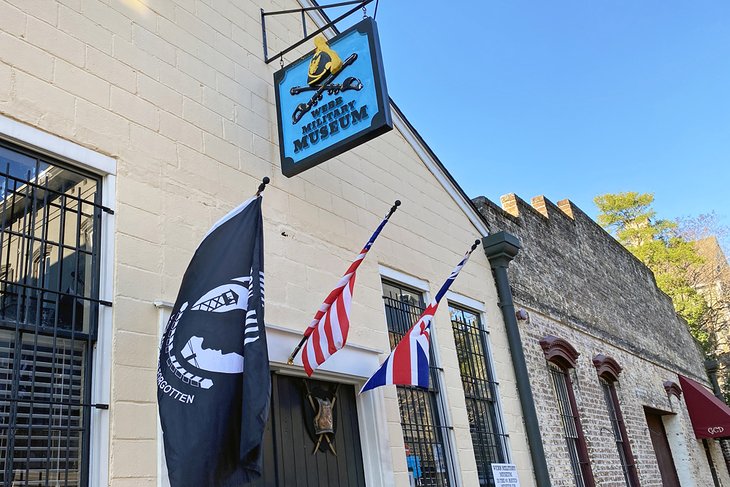
History enthusiasts will enjoy a visit to the Webb Military Museum, located in historic downtown Savannah. Here, you can view a variety of military artifacts that cover all branches and conflicts, from the Civil War right through to the modern day.
Highlights of the museum's large private collection include numerous military uniforms, helmets and headgear, medals, artifacts, and memorabilia related to conflicts within the US and abroad. Guided tours can be arranged with advance notice, and a shop selling related souvenirs is located on the premises.
Address: 411 E York Street, Savannah, Georgia
18. Skidaway Island State Park
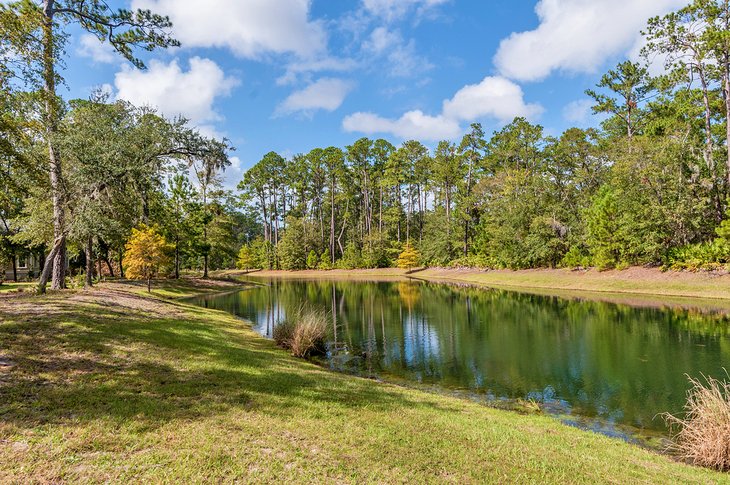
Ideally located only a short distance from downtown Savannah is Skidaway Island State Park. The park is great for those who are traveling in an RV or prefer to camp, as opposed to staying in Savannah's pricey downtown hotels.
The park is home to wildlife, including deer, raccoons, and wading birds. Scenic walking trails lead through typical coastal flora to lookouts with views of the Skidaway Narrows.
Set peacefully under live oaks with hanging Spanish moss are 87 sites suitable for RVs or tents. All sites have electricity, and a few sites have sewer service as well. Also available are three cabins complete with beds, a kitchen, bathrooms with showers, and air conditioning.
Address: 52 Diamond Causeway, Savannah, Georgia
19. Ships Of The Sea Maritime Museum
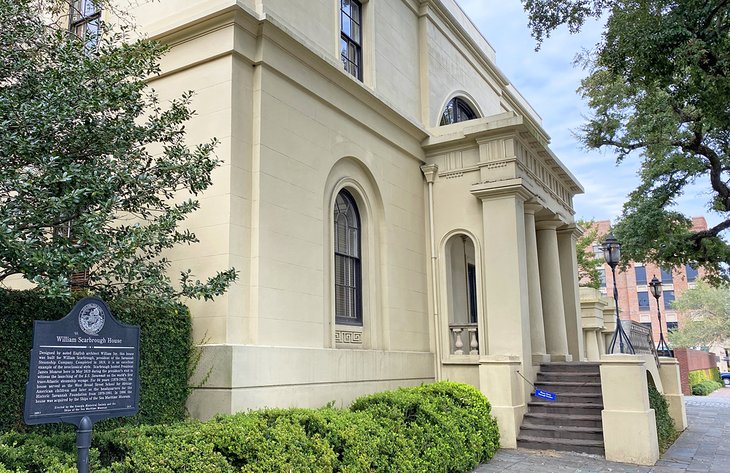
Another great Savannah attraction that's within a short stroll of the historic downtown district is the Ships Of The Sea Maritime Museum. Set in the lovely, early-19th century William Scarbrough House, this fascinating museum preserves Savannah's rich maritime history.
Highlights include a large collection of scale model replicas of vessels with connections to the city and its river port, along with artifacts, paintings, and photos. Interesting displays also tell the story of the home's original resident, William Scarbrough, who made and later lost his fortune as the owner of the Savannah Steamship Company. Other displays deal with the Civil War period and Savannah's role in the slave trade.
In addition to informative guided tours, the Ships of the Sea Museum features an array of fascinating programming related to the city's maritime history. These include regular lectures and talks, educational programs for young and old alike, as well as art shows and workshops. A gift shop is also located on-site, and guided tours are available.
The museum is also home to one of the best, and quietest, gardens in Savannah. It's free to enter, and as the historic district's largest private garden, it offers a pleasant sanctuary from the crowds visiting the Historic District across the street. All plant species here are native to Georgia, with most examples being available at the time the garden was originally laid out in the 1800s. A later addition was the official Savannah weather station, the kiosk of which can still be seen today.
Address: 41 Martin Luther King Jr. Blvd., Savannah, Georgia
Where to Stay in Savannah for Sightseeing
To fully appreciate Savannah's genteel Southern charm, historical squares, moss-draped oak trees, antebellum mansions, great restaurants, and quaint shops, it's best to stay right downtown, in the Historic District. The waterfront and Bull Street are the two main tourist focal points of this area, so staying within walking distance of either of these is preferable. Below are some highly-rated hotels in good locations:
Luxury Hotels:
- On Lafayette Square in the Historic District, the Hamilton-Turner Inn is a beautiful 1873 mansion and was featured in the movie, Midnight in the Garden of Good and Evil. This charming inn features 17 individually designed suites, with high ceilings, four poster beds, claw-foot tubs, and other fine antique furnishings.
- With a fabulous location along the waterfront, The Bohemian Hotel Savannah Riverfront, Autograph Collection is an elegant hotel in a romantic 18th-century building, with views over the water and the Historic District.
- Another great choice for those wanting to be close to the action on River Street is the brand-new JW Marriott Savannah Plant Riverside District. Occupying the city's old power plant, the hotel has a unique museum-like quality that appeals to all ages.
- The 4-star River Street Inn is a classy boutique hotel set in an old cotton warehouse dating from 1817. Featuring chic rooms, many with superb views over the Savannah River, this great hotel is just steps away from Bull Street and the Historic Savannah district.
- In the heart of the old city, steps from Bull Street, the Eliza Thompson House is a boutique hotel with a true Southern feel. Built-in 1847, the property consists of a main house and carriage house, with 25 individually designed rooms, a lovely courtyard patio, and lush gardens. For something a little more contemporary but equally enticing, The Kimpton Brice Hotel is the best bet.
Mid-Range Hotels:
- On the edge of the Historic District, near Emmet Park and overlooking the riverfront, the Homewood Suites by Hilton Savanah Historic District/Riverfront has a rooftop pool and patio.
- The Marshall House, dating from the mid-19th century, is a small, delightful hotel, with an awesome location near the excellent shopping on East Broughton Street.
- Overlooking Savannah's famous Forsyth Park is the Forsyth Park Inn, a historic Queen Victoria mansion with high ceilings, huge doors, and quaint indoor and outdoor sitting areas. This is a B&B, serving a full gourmet breakfast.
Budget Hotels:
- True budget hotels are found a short distance outside the city center. La Quinta Inn & Suites and Super 8 by Wyndham both offer basic, comfortable rooms and are an easy 15-minute drive from the Historic District.
Tips and Tours: How to Make the Most of Your Visit to Savannah
- Sightseeing by Trolley: One of the most convenient ways to get the most out of your sightseeing is the Savannah Hop-on Hop-off Trolley Tour, which gives you flexibility while getting to all of the city's top tourist attractions. A well-versed guide will provide fascinating commentary about the city's history and culture as the trolley makes its route along 15 stops, including major sites like Forsyth Park, the Juliette Gordon Low Birthplace, and City Market.
- Walking Tour: The 90-minute Savannah Walking Tour gives tourists the opportunity to take in the beauty of Savannah at a slower pace while learning about the city's rich history as a strategic port and center of colonial government. Beginning in the beautiful Reynolds Square, the tour explores Savannah Historic District's many landmarks, both the well-known and those known only to locals.
- Cemetery Tour: Tourists who are looking for a meaningful visit to the city's famous cemetery will want to book one of the Bonaventure Cemetery Journeys with Shannon Scott, local historian, author, and storyteller. During the two-hour tour of this magnificent cemetery, tourists will learn about Victorian burial traditions, artwork and symbolism within the cemetery, and other fascinating details.
Map of Tourist Attractions in Savannah, GA
Savannah, GA - Climate Chart
| Average minimum and maximum temperatures for Savannah, GA in °C | |||||||||||
| J | F | M | A | M | J | J | A | S | O | N | D |
| 16 3 | 18 5 | 22 8 | 26 12 | 29 16 | 32 20 | 33 22 | 32 22 | 30 19 | 26 13 | 22 8 | 17 4 |
| PlanetWare.com | |||||||||||
| Average monthly precipitation totals for Savannah, GA in mm. | |||||||||||
| 100 | 74 | 93 | 84 | 92 | 139 | 153 | 183 | 129 | 79 | 61 | 71 |
| Average monthly snowfall totals for Savannah, GA in cm. | |||||||||||
| 0 | 1 | 0 | 0 | 0 | 0 | 0 | 0 | 0 | 0 | 0 | 0 |
| Average minimum and maximum temperatures for Savannah, GA in °F | |||||||||||
| J | F | M | A | M | J | J | A | S | O | N | D |
| 60 38 | 64 41 | 71 47 | 78 53 | 84 61 | 90 68 | 92 72 | 90 71 | 86 67 | 78 56 | 71 47 | 63 40 |
| PlanetWare.com | |||||||||||
| Average monthly precipitation totals for Savannah, GA in inches. | |||||||||||
| 4.0 | 2.9 | 3.6 | 3.3 | 3.6 | 5.5 | 6.0 | 7.2 | 5.1 | 3.1 | 2.4 | 2.8 |
| Average monthly snowfall totals for Savannah, GA in inches. | |||||||||||
| 0.1 | 0.3 | 0 | 0 | 0 | 0 | 0 | 0 | 0 | 0 | 0 | 0.1 |