State & National Parks in Washington
Author Brad Lane lives in the Pacific Northwest and considers Washington his favorite destination. He's visited all of Washington's National Parks and many state park units.
Washington state, in the Pacific Northwest of the United States, is one of the most adventure-endowed states in the nation. Sprawled throughout its many state and national parks are landscapes like glaciated mountains, active volcanoes, accessible hot springs, alpine lakes, and an abundance of wildlife.
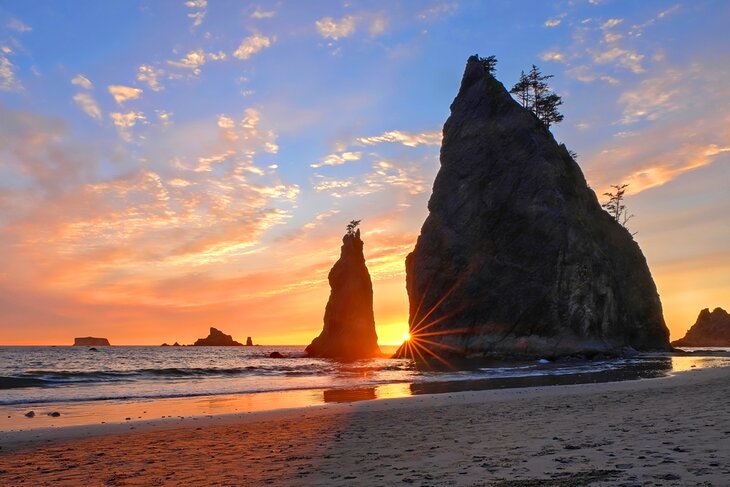
Washington's National Parks—Rainier, Olympic, and the North Cascades—deserve the millions of visitors they receive each year. However, don't skip out on Washington state parks, which pack in just as much adventure and sightseeing, and rank among the top tourist attractions in Washington state.
Whether you're looking for places to visit for a little adventure, or maybe a multi-day excursion, or even a view to remember for years to come, check out our list of the best state and national parks in Washington.
Mount Rainier National Park
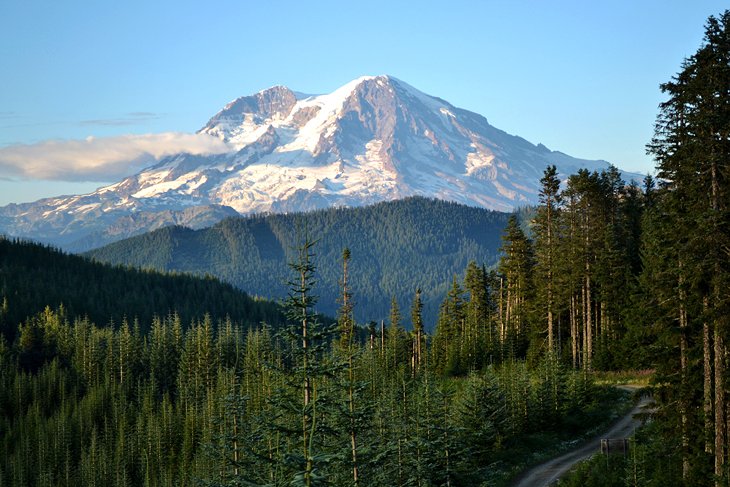
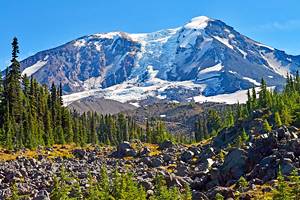
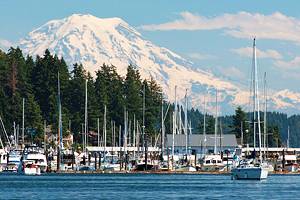
Standing 14,410 feet above sea level, Mount Rainier is the most iconic peak in the state of Washington.
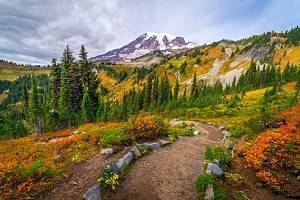
The national park surrounding this active volcano is one of the most scenic in the nation. In spring, summer, fall, and winter, you can find visitors exploring the subalpine meadows, alpine lakes, and rugged peak in Mount Rainier National Park.
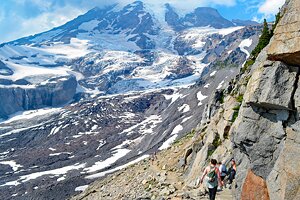
The park encompasses over 350 square miles, including 260 miles of hiking trails. The mountain itself features 25 glaciers. With so much space to explore, the biggest question for your trip next is, where to begin?
Hiking is the best way to explore the park's natural areas, and the diversity of hiking trails caters to every level of experience. The park is generally split into six different hiking regions, including the aptly named Paradise Area. Here, the Skyline Loop Trail offers a great introduction to the mountain with variable-distance loops.
Another popular hike is the Naches Peak Loop near the White River Entrance on the park's east side. And, the world-famous Wonderland Trail encircles the entire base of Mount Rainier, offering a 93-mile bucket-list backpacking trip.
Bicycling is popular on the park roads. September and October are some of the best months to ride when the roads are less busy. No mountain biking is allowed in Mt. Rainier National Park.
Camping: Mount Rainier offers plenty of spots to pitch a tent. Four designated campgrounds are available. These camping spots can often be filled completely in the busy summer months.
Other Places to Stay: For a less primitive overnight experience, visitors have a wide range of lodging options such as the historic Paradise Inn within the park. Accommodations outside of the park, like the Copper Creek Inn, offer more modern accommodations close to park entrance gates.
Address: 39000 State Route 706 E, Ashford, Washington
Olympic National Park
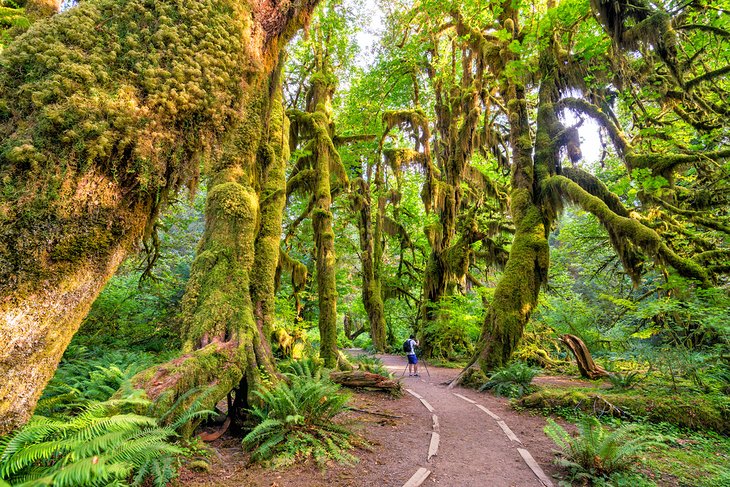
Olympic National Park protects nearly a million acres of wilderness on the Olympic Peninsula in Western Washington. Perhaps best known for its large regions of temperate rainforest, including the popular Hoh Rainforest, Olympic National Park also contains glaciated mountains and wild coastline. This diversity of ecosystems in the park lends to a wide range of things to do.
Activities: The park's many rivers, lakes, and wild coast lend to fishing and boating opportunities throughout the year. For land lovers, Olympic National Park offers enough backpacking and hiking trails to keep your feet moving forward for a lifetime.
Hurricane Ridge is one of the most accessible mountain areas within the park. It can also be the most popular. But with an extensive trail system stemming throughout the area, it's not difficult to find your own private spot to explore.
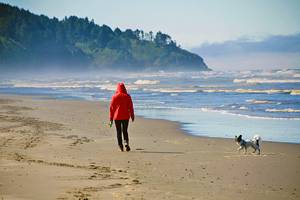
Same goes for the coastline of Olympic National Park. While places like Rialto and Ruby Beach are popular, chances are the most life you'll see is in the tide pools brimming with exotic sea creatures.
For larger adventures, Mount Olympus is primed for experienced mountaineers. This glaciated peak is accessible on the 17.4-mile Hoh River Trail, which can be done on an overnight backpacking trip. Backpacking in Olympic National Park, in general, embodies a kid-in-a-candy-shop mentality with the variety of routes to explore.
Best Time to Visit: It's always important to plan for the weather in Olympic National Park. With such a diversity of regions, climates can vary drastically from one spot to the other. The best time to visit Olympic National Park is typically July through August when things warm up after a wet spring.
A few of the best campgrounds in Olympic National Park include the Kalaloch Campground on the coast and the Heart O' the Hills Campground near Hurricane Ridge. The national park operates over a dozen campgrounds within park boundaries.
Olympic National Park also offers four lodges within the park boundaries, including the scenic and stimulating Sol Duc Hot Springs Resort.
Address: 3002 Mt. Angeles Road, Port Angeles, Washington
Accommodation: Lodging Options for Olympic National Park
North Cascades National Park
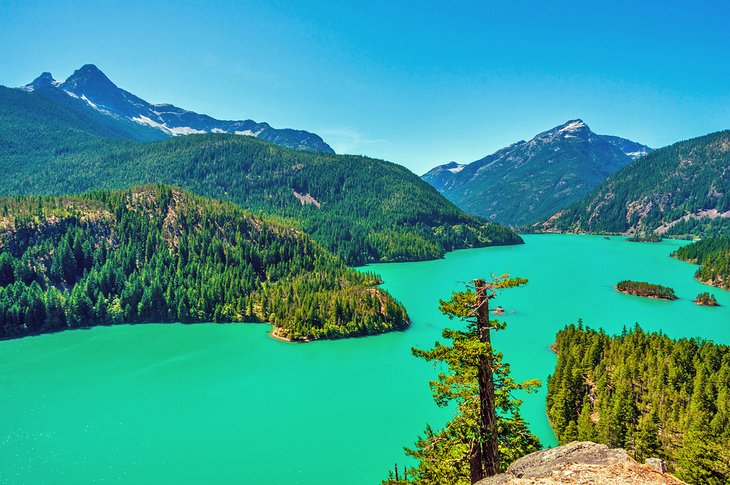
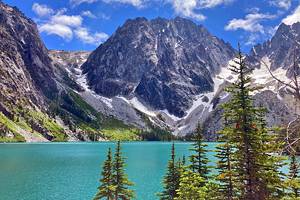
North Cascades National Park and the two adjoining National Recreation Areas, Ross Lake and Lake Chelan, make up the North Cascades National Park Complex. These public spaces cover more than two million acres of rugged mountain scenery on the northern border of western Washington.
Over 90 percent of the North Cascades National Park Complex is designated as the Stephen Mather Wilderness, which protects a vast amount of the forest from the surrounding logging and mining industry.
The rugged nature of North Cascades National Park makes many of the scenic vistas and attractions a little harder to access. The hard work of multi-day hiking or ferry-boat riding into North Cascades National Park is worth the effort, and within its boundaries lies some of the most dramatic mountain scenery many will see in their lifetime.
How to Get Here: North Cascades National Park is accessible in two ways: driving along highway 20, better known as the North Cascades Scenic Byway. The other route includes catching the Lady of the Lake Ferry across Lake Chelan and entering from the scenic village of Stehekin. Both modes of travel astound with Cascade peaks and vibrant Northwest hues of green and blue.
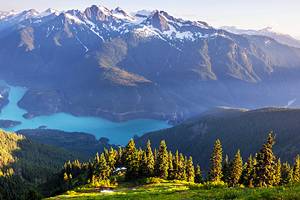
A must-see stop for those traveling on Highway 20 is the Diablo Lake Overlook. Other scenic stops on Highway 20 include Lake Shannon and the western town of Winthrop in the Methow Valley.
Hiking: In addition to roadside attractions on Highway 20, North Cascades National Park Complex also offers more than 400 miles of hiking trails, including the last section and northern terminus of the 2,600-mile Pacific Crest Trail.
For a family-friendly hike, the paved quarter-mile Washington Pass Overlook Trail provides amazing views of Liberty Bell Mountain not far from the highway, and the popular, 7.2-mile Maple Pass Loop provides different challenges and views throughout the year, including golden larch trees in the fall and blossoming wildflowers in the summer.
For all your educational needs in the North Cascades, it's worth checking out the North Cascades Institute near Ross Lake. This nature facility offers hands-on and overnight facilitation for cultural and ecological learning opportunities, and there are plenty of excellent campgrounds in North Cascades National Park.
Address: 810 State Route 20, Sedro-Woolley, Washington
Deception Pass State Park
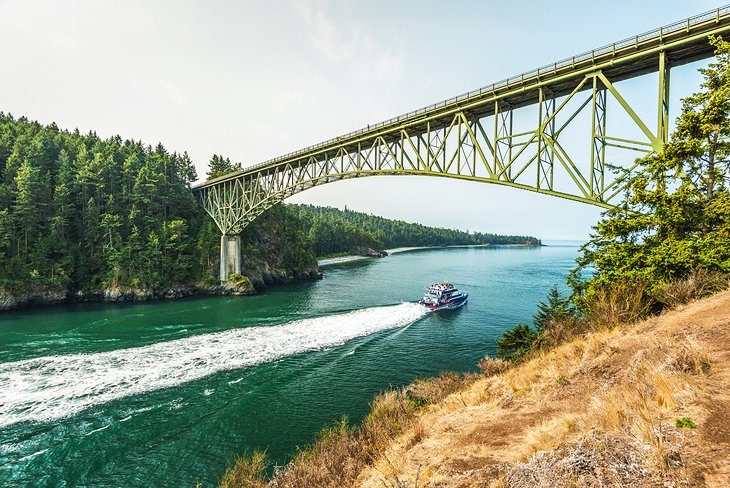
Deception Pass State Park is Washington's most popular state park, with more than two million visitors a year. It also offers numerous outlets to explore the surrounding Puget Sound area.
The state park stretches between the northern tip of Whidbey Island and Fidalgo Island, connected by an iconic high bridge over the Deception Pass waterway.
Much of the amenities and access to Deception Pass State Park is attributed to the workings of the Civilian Conservation Corps (CCC), who in the 1930s built most of the park's infrastructure. Today, visitors learn about the history of the CCC at the Civilian Conservation Corps Interpretive Center in the Bowman Area of the park.
Things to Do: While the history of the park and the CCC is interesting, the wide range of recreational activities really draws a crowd throughout the year. The park contains a rugged shoreline, as well as stunning inland landscapes. Fishing is popular at Cranberry Lake, and boat ramps are available at Cornet Bay. Many tourists have also been known to spend hours exploring the tide pools at Rosario Beach.
Hiking is found in abundance in the old-growth forests of Deception Pass State Park. Spectacular hiking trails like the Sand Dunes Interpretive Trail and portions of the Pacific Northwest National Scenic Trail wander throughout the area. Be sure to keep your eyes out for the wildlife that abounds, including orcas in the water and seabirds in the air.
There are many good places to camp at Deception Pass State Park, including three right at the park, which offer tent sites and electrical hookups. Cranberry Lake Campgrounds usually has the most availability. If you prefer to spend your nights indoors, the Cornet Bay Retreat Center offers 16 cabins available to rent, plus a main lodge and recreation hall.
A primitive cabin is available on the nearby Ben Ure Island within Deception Pass State Park for more adventurous outings. This castaway cabin is only accessible by non-motorized water transportation.
Address: 41229 WA-20, Oak Harbor, Washington
Lake Wenatchee State Park
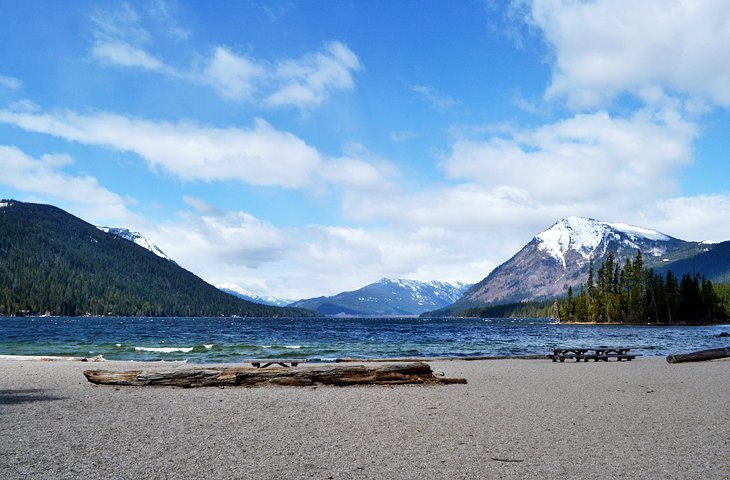
Lake Wenatchee State Park is a popular destination for Washington residents and tourists alike, located only 12 miles away from the Bavarian-themed town of Leavenworth,
It's not just the scenic views of Lake Wenatchee and the impressive Dirtyface Peak overlooking the waters that draw a crowd, but the park's wide range of recreation also entices visitors throughout the year.
Things to Do: While the winter months cater to skiers with groomed cross-country ski trails, the summer months lure the most visitors. Swimming and boating are popular on the lake, and boat rentals are available at the park. Bicycling, hiking, and horseback riding are popular inland activities.
Camping: Lake Wenatchee State Park offers more than 150 tent sites within two different campgrounds for overnight visits. The state park also features more than 40 spots to park and plug in an RV or motor home.
Winter camping, including heated showers and restrooms, is also available for those who like to brave the cold.
Address: 21588 SR 207, Leavenworth, Washington
Read More: Things to Do in Wenatchee, WA
Palouse Falls State Park
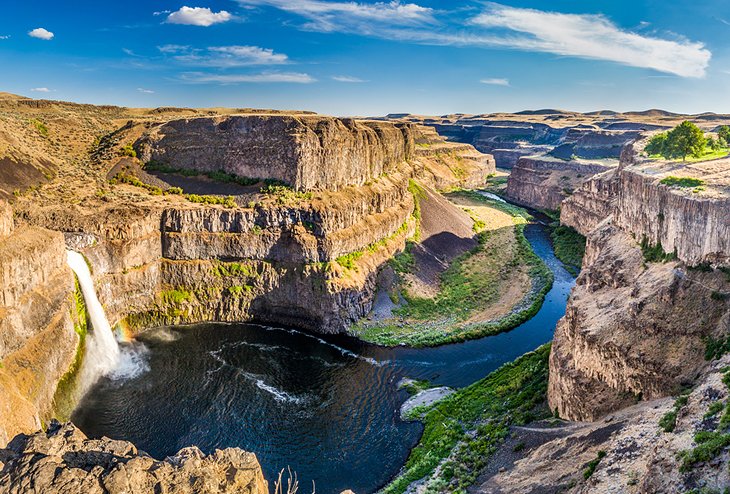
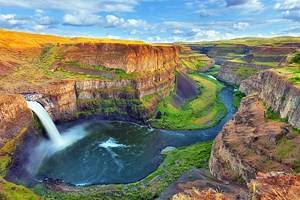
Palouse Falls State Park, in the southeast corner of Washington, is named after its iconic main attraction, the 198-foot Palouse Falls waterfall. While this scenic waterfall is one of the most beautiful waterfalls in Washington and the park's main attraction, many visitors also travel here for the chance to surround themselves with nature.
Interpretive plaques line the hiking trail, which makes its way through the area next to the falls, explaining the rich geological and cultural history of the falling water. Visitors are afforded several vantage points of Palouse Falls with a short walk. Palouse Falls State Park features tent-only camping sites for those interested in spending the night.
Palouse Falls is a bit out of the way and isn't necessarily the most popular state park in Washington. For that reason, it's a great place to find harmony and have personal time in the high-desert landscape.
Plan to arrive before the break of dawn if traveling in the summer, as mid-day temperatures can be extreme.
Address: Palouse Falls Road, LaCrosse, Washington
Lime Kiln Point State Park
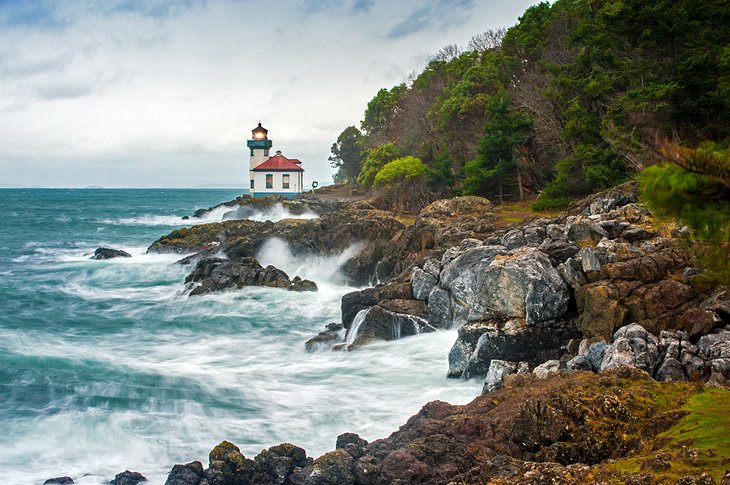
Lime Kiln Point State Park is on the west side of San Juan Island in far northwest Washington State.
It's commonly referred to as "Whale Watch Park," and is regarded as one of the best places to spot whales in the world. The best chance to see these massive mammals is from May to September.
Things to Do: Lime Kiln Point State Park also offers plenty to do outside of whale-watching season. While exploring this 36-acre, day-use state park, and admiring the craggy coastline it encompasses, it's hard to miss the historic lighthouse overlooking the shore. This photogenic lighthouse is worth the travel alone.
The Lime Kiln Point Interpretive Center at the park offers interpretive information about the different wildlife you're bound to see during your visit to this amazing state park.
Lime Kiln is day-use only, with San Juan County Park offering the nearest camping.
Address: 1567 Westside Road, Friday Harbor, Washington
Read More: Things to Do in the San Juan Islands, WA
Larrabee State Park
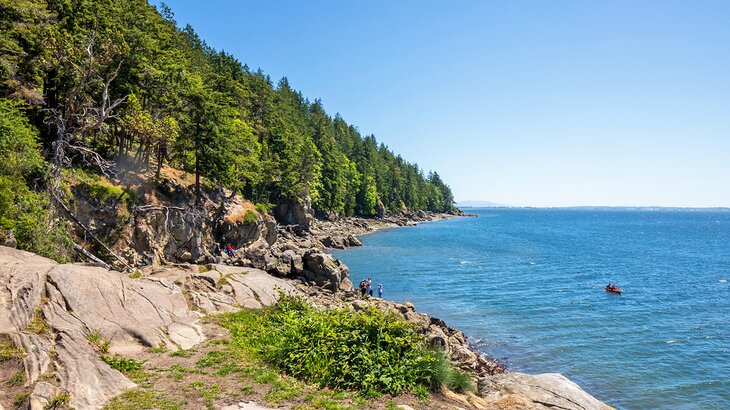
Larrabee State Park, just south of Bellingham in Northern Washington, is touted as Washington's first state park. It encompasses over 27,000 acres of the seaside Chuckanut Mountains.
This elevation offers unparalleled views of Samish Bay and the San Juan Islands. And, with other landscapes like freshwater lakes and dense Douglas-fir forests, it also offers a wide range of recreation, including some of the best hiking near Bellingham.
Coastal Activities: The shoreline is a common place to visit in Larrabee State Park, lining the entire 21-mile Chuckanut Drive. Boating, fishing, swimming, and diving are popular activities at this skinny expanse where the mountains meet the sea.
Inland activities are also popular, including hiking, mountain biking, and staying the night at one of the park's 80-plus campgrounds.
Gingko Petrified Forest State Park
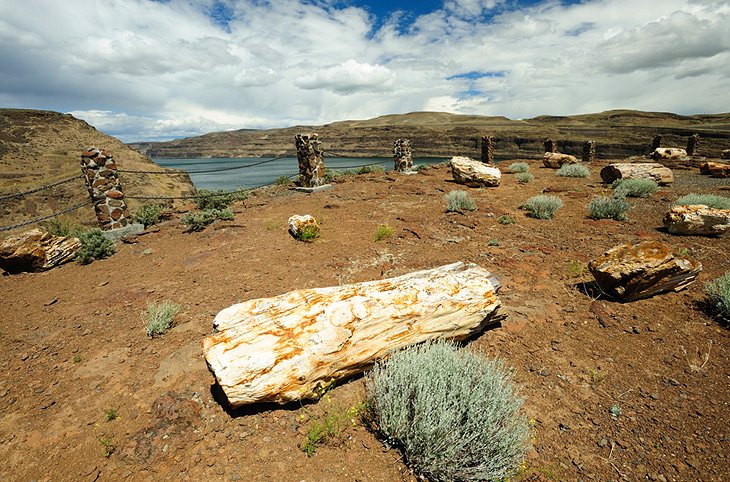
On the shores of the Wanapum Reservoir along the Columbia River, this unique Eastern Washington State Park contains one of the most diverse collections of petrified wood found anywhere in the nation. The discovery of this petrified forest led to the creation of the state park in the 1930s. The area is also a National Natural Landmark.
Things to Do: Visitors to the Gingko Petrified Forest State Park witness the amazing collection of petrified wood throughout the park and within the Interpretive Center. The Trees of Stone Interpretive Trail provides a 1.25-mile hike lined with undisturbed petrified logs in their natural setting. The entire park also offers excellent views of the surrounding Columbia River.
Camping is available near Ginkgo Petrified Forest State Park. All 50 full hookup sites at the adjoining Wanapum Recreation Area commonly fill up during the nearby Gorge Amphitheater concert season throughout the summer and shoulder months. Campsites are located near access points to Wanapum Lake.
Address: 4511 Huntzinger Road, Vantage, Washington
Cape Disappointment State Park
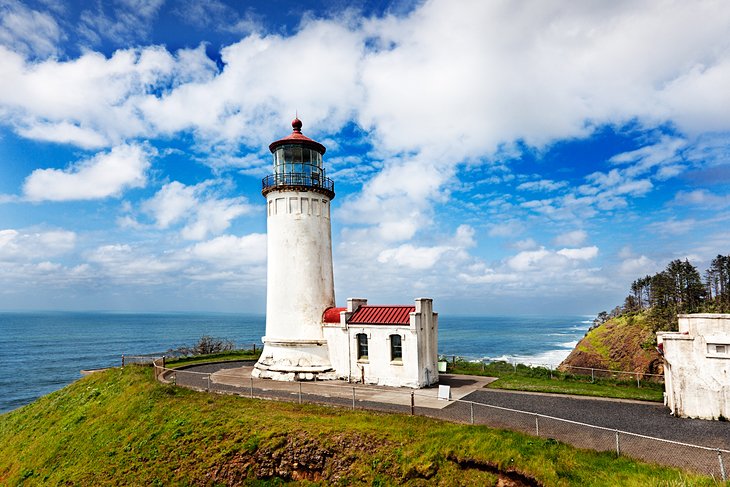
Cape Disappointment State Park is a great place to explore the Washington coast and the significant cultural history of the area. This state park is named after an unsuccessful voyage by Captain James Meares to find the Columbia River.
Today, the state park unsuccessfully lives up to its name, and features two scenic lighthouses, including the photogenic North Head Lighthouse overlooking 27 miles of ocean beach.
Hiking Trails: Visitors find an abundance of hiking trails at Cape Disappointment. Several trails lead to the bluffy coastline and offer plenty of whale-watching opportunities. Other routes in the park tour the historic lighthouses and navigate inland through the lush landscape of the park.
While visiting, it's worth stopping by the Lewis and Clark Interpretive Center, perched atop a 200-foot cliff within the park. The interpretive center showcases the U.S. Corps of Discovery and their incredible voyage to the nearby Pacific Ocean.
The neighboring city of Long Beach, WA offers a preferred place to beach vacation nearby.
Address: WA-100, Ilwaco, Washington
Birch Bay State Park
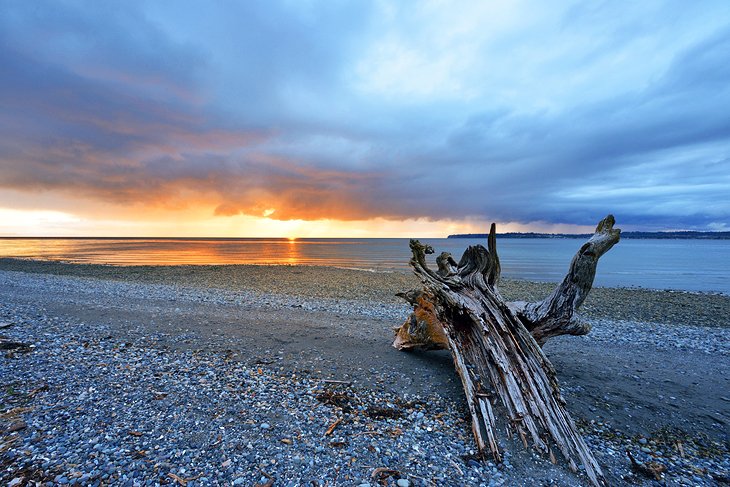
Twenty miles north of Bellingham and just a few miles south of the Canadian Border, Birch Bay State Park is a relatively small state park in Washington at 194 acres.
Things to Do: The park offers plenty of seashore to explore along Birch Bay and expansive views of the Cascade Mountains and the Canadian Gulf Islands. Visitors enjoy the abundant benches found in the park for a scenic picnic by the seashore.
Camping is also available at Birch Bay State Park, with more than 140 sites that facilitate tents and RVs. Standard camping amenities, including restrooms, showers, and a trailer dump station are also available.
Address: 5105 Helweg Road, Blaine, Washington
Manchester State Park
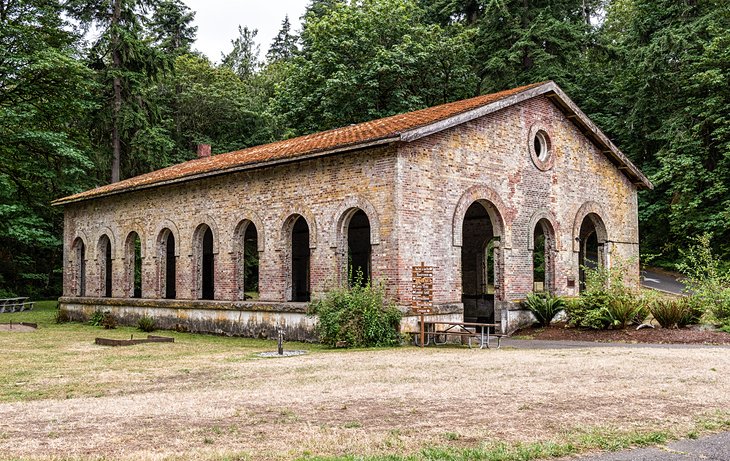
Manchester State Park is across Puget Sound from Seattle, on the Kitsap Peninsula. This scenic state park was originally constructed as a fort to protect Puget Sound and the nearby Bremerton Naval Shipyard in the early 1900s.
Evidence of this defensive history is still found in Manchester State Park (once known as Fort Middle Point), particularly in the abandoned torpedo warehouse that now serves as a covered picnic shelter.
A popular thing to do here is walking along the shoreline that comprises the park's eastern border. This part of the park has excellent views of Rich Passage and the surrounding Puget Sound, including nearby Bainbridge Island. It also offers a special glimpse into the natural world of Washington and the history that surrounds it.
Address: 7767 E. Hilldale Road, Port Orchard, Washington
Sun Lakes-Dry Falls State Park
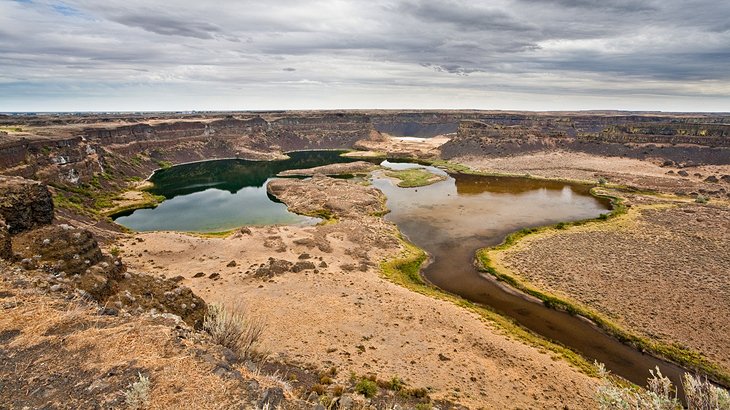
Sun Lakes-Dry Falls State Park is a geological wonder waiting to be explored in the high-desert landscapes of eastern Washington.
Today, Sun Lakes-Dry Falls stands as a skeleton of one of the biggest waterfalls in geological history. It is also a testament to the impressive acts of nature that formed much of the scenery in Eastern Washington, Idaho, and Montana.
At more than 3.5 miles wide, with a 400-foot drop, Dry Falls would have dwarfed Niagara Falls in its prime. In present times, it provides tourists with plenty of sightseeing opportunities and things to do. Boating on the remaining lakes and tributaries left behind by the glacial movements is one of the popular activities.
Hiking the well-maintained 15 miles of trails in the park is also a fun thing to do.
The Visitor Center at the park features informative exhibits about the history and creation of Sun Lakes-Dry Falls.
The park also features the Sun Lakes Park Resort, where comfortable rooms offer a space to spend the night.
Address: 34875 Park Lake Road NE, Coulee City, Washington
Map of Washington - Best State & National Parks
More Related Articles on PlanetWare.com
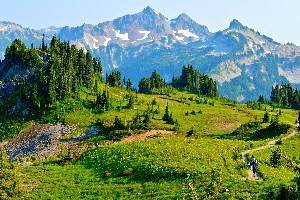
Hiking and Camping in Washington: For more to explore in Washington, the state's best hiking trails are in national parks, national forests, and cities across the state. Likewise, the top campgrounds in Washington deliver with a wide range of landscapes including waterfalls and volcanic craters.
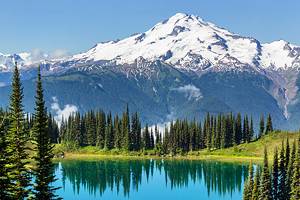
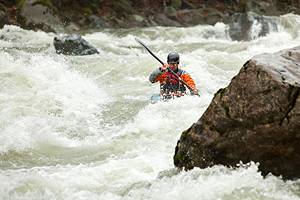
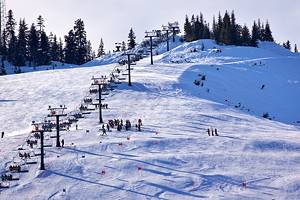
Other Washington Wonders: The state of Washington delivers with many natural wonders. The best hot springs in Washington steam with outdoor appeal. The top white water rafting and kayaking adventures in Washington also highlight the wild side of the state. For winter adventures, our guide to Washington ski resorts have you making turns in no time.