18 Top-Rated Tourist Attractions in Hollywood, CA
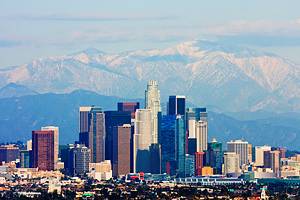
Hollywood lies about eight miles northwest of downtown Los Angeles in the foothills of the Santa Monica Mountains, the home of the famous Hollywood sign. Hollywood is the birthplace of the American film industry, its name eliciting images of wealth and fame. It is filled with attractions that celebrate the entertainment industry and its larger-than-life persona, from behind-the-scenes tours at Universal Studios to high-end shopping and people-watching on the Sunset Strip and Hollywood Boulevard.
Most tourists come to Hollywood to experience the glamour and excitement of Tinseltown while keeping a hopeful eye open for celebrity sightings, but you will also find a variety of natural and cultural attractions and things to do, including hiking, horseback riding, and museums. Find the best places to visit with our list of the top tourist attractions in Hollywood, California.
See also: Where to Stay in Hollywood: Best Areas & Hotels
- 1. Walk of Fame
- 2. Hollywood Sign
- 3. Universal Studios Hollywood
- 4. La Brea Tar Pits and Museum
- 5. Hollywood Boulevard
- 6. Griffith Observatory
- 7. Catch a Show at the Hollywood Bowl
- 8. Griffith Park
- 9. Take a Tour of the Warner Brother's Studio
- 10. Sunset Strip
- 11. Celebrity Photo Ops at Madame Tussauds & the Hollywood Wax Museum
- 12. Hike with Celebs in Runyon Canyon
- 13. Hollyhock House
- 14. Catch a Flick at the Dolby Theatre
- 15. The Hollywood Museum
- 16. Capitol Records Building
- 17. TCL Chinese Theatre
- 18. Museum of Illusions
- Where to Stay in Hollywood for Sightseeing
- Map of Tourist Attractions in Hollywood, CA
- Hollywood - Climate Chart
1. Walk of Fame
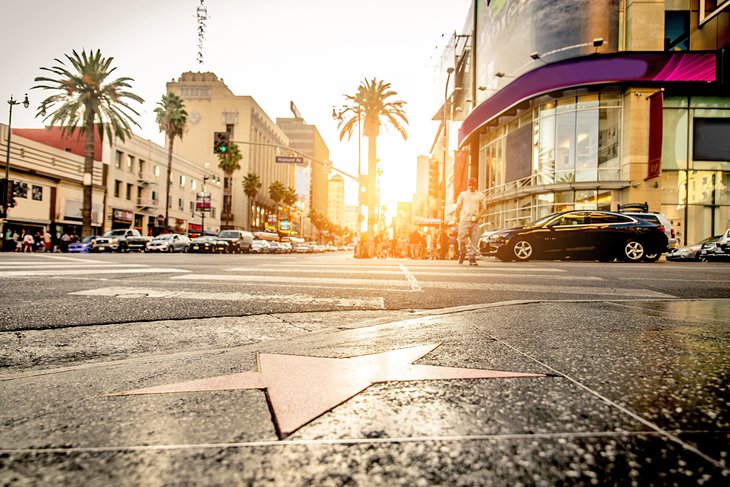
The famous Hollywood Walk of Fame runs along Hollywood Boulevard and Vine Street. Here, Hollywood's most recognized faces and names are represented by bronze-rimmed stars dedicated and laid in the sidewalk. Honorees include prominent actors, musicians, directors, personalities, and other important people from the areas of motion picture, TV, radio, recording, and live theater/performance. Stars are still being added, and new nominees are announced each June. Today, there are about 2,500 stars on the sidewalks, with a small number added each year.
Official site: www.walkoffame.com
2. Hollywood Sign
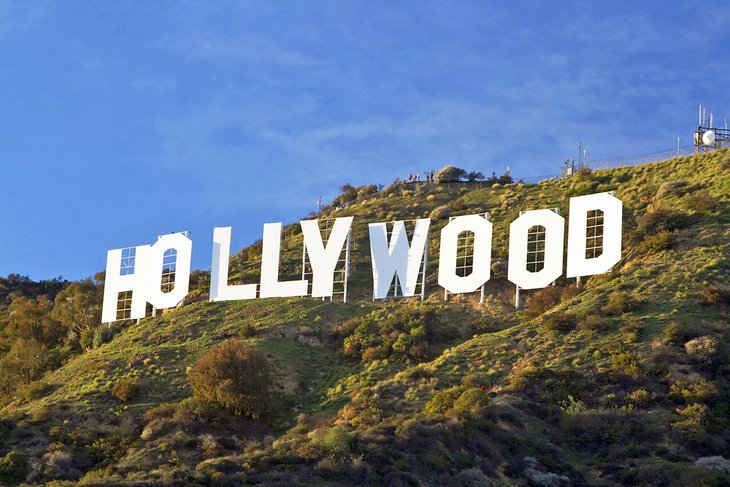
The famous hillside Hollywood sign is perhaps the most iconic site in California. The original sign was built in the 1920s to advertise a new residential development named Hollywoodland. It was never intended to be a permanent sign and eventually fell into disrepair. Rebuilt in 1978, it was changed to say simply "Hollywood" and soon became a recognized symbol of the city.
When the sky is clear, the sign is visible from several vantage points during the day, but that can be a rarity. The best way to see the sign is on a hike or horseback ride through the Hollywood Hills, and the guides know right where to go. The folks at Sunset Ranch are a treasure trove of information about other great places to view the Hollywood sign, and tourists can explore the trails around the ranch via guided horseback tour.
Another excellent option is this 2.5-hour hiking tour of the Hollywood Hills through Griffith Park. Highlights include Hollywood Sign photo ops, a visit to the Griffith Observatory, and the chance to visit numerous filming locations.
Official site: www.hollywoodsign.org
3. Universal Studios Hollywood
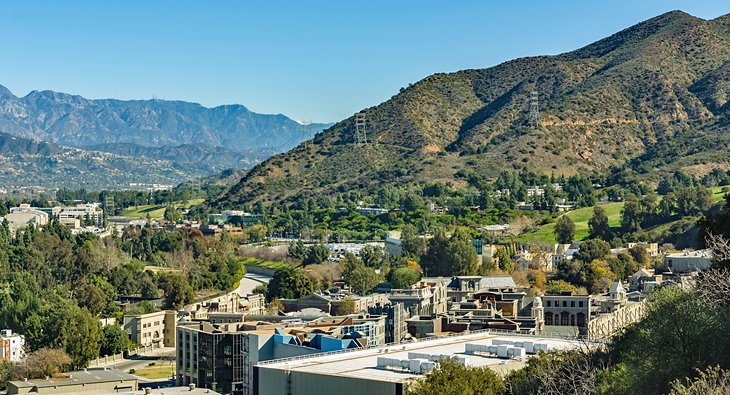
Universal Studios Hollywood is one of Hollywood's biggest family tourist attractions. The site is divided into several areas, including a theme park, working studio, and the Universal City Walk, an area of restaurants and shops.
The park offers some of the most innovative and interesting theme park rides to be found anywhere in the United States. There are several classic rides, but new rides are being developed all the time, based on popular movies and TV shows. One of the most popular areas of the park is the Wizarding World of Harry Potter, complete with Hogwarts, Diagon Alley, and Hogsmeade, where even Muggles can fully embrace magic.
The Universal Studio Tour is the most exciting aspect of the park, a must-do for film-lovers. Here, visitors get to take a trip behind the camera and see what goes into making a Hollywood film extravaganza. The tour involves riding a tram throughout the backlots and former movie sets of classics like War of the Worlds, Bates Motel, and Wisteria Lane. The tour's finale is an immersive experience within the Fast & the Furious world where tourists can feel the heat from explosions and the thrill of the action.
For a bite to eat, some shopping, or to catch a movie, wander over to the pedestrian-only City Walk, where there are dozens of restaurants, cinemas, comedy clubs, and even indoor skydiving.
Address: 100 Universal City Plaza, Universal City, California
Official site: www.universalstudioshollywood.com
4. La Brea Tar Pits and Museum
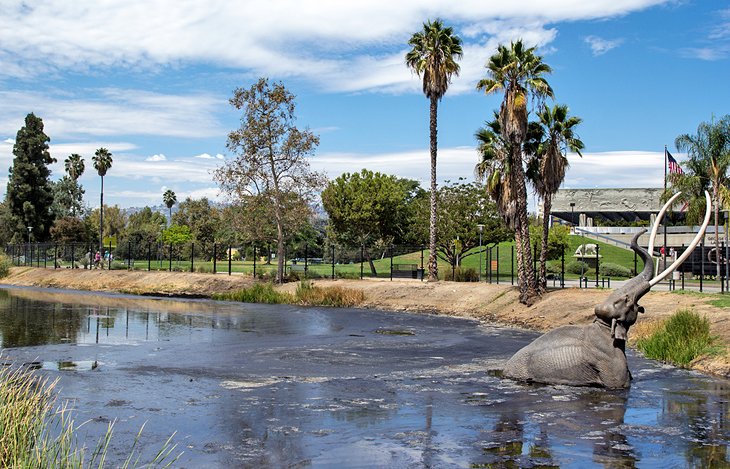
Tens of thousands of years ago, sticky tar (natural asphalt) created pools in the ground, which trapped a variety of large and small animals. Preserved within the substance, over time their remains became fossils, which now help to shed light on these extinct species, some of which have been frozen in place for nearly 50,000 years.
The La Brea Tar Pits are located within Hancock Park, easily recognized by the population of life-size prehistoric animal replicas in the Pleistocene Garden just outside the George C. Page Museum. The museum was created to educate the public about the fossils found in the many excavation sites, as well as encourage interest in the science and methods of paleontology. Exhibits include the remains of many types of animals, from a prehistoric mammoth and Smilodon (better known as the saber-toothed tiger) to a horse, bison, and even a condor.
Address: 5801 Wilshire Blvd., Los Angeles, California
Official site: https://tarpits.org/
5. Hollywood Boulevard
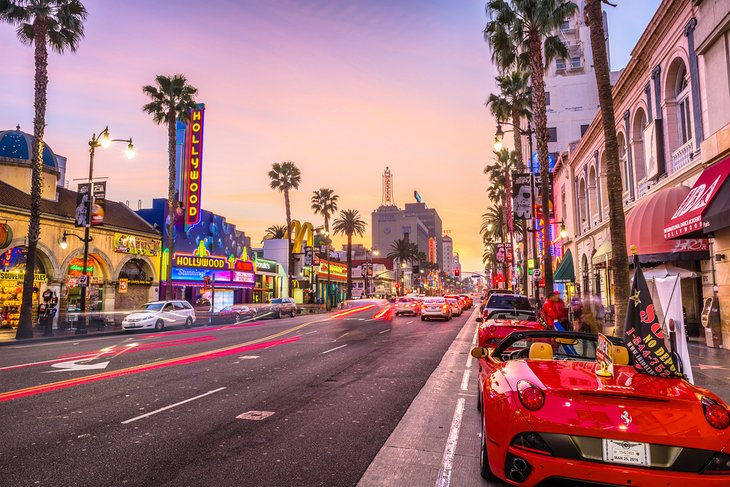
If you are looking for things to do at night in Hollywood, this is the place to come. Hollywood Boulevard is the main east-west axis, and it has been compared with New York's Broadway because of its entertainment and nightlife. However, instead of theaters, Hollywood has extravagant cinemas, such as the Chinese and Egyptian Theaters, built originally by Sid Grauman in the twenties.
Hollywood Boulevard is probably most famous for the Hollywood Walk of Fame and the Kodak Theatre, which is the home of the Academy Awards, where the Oscars are awarded each year. This street is mostly about the night scene, when these famous places are lit up, and throngs of people come down here to walk around.
There are several top-rated restaurants in this area, so you may want to combine a walk along the boulevard with a dinner out.
6. Griffith Observatory
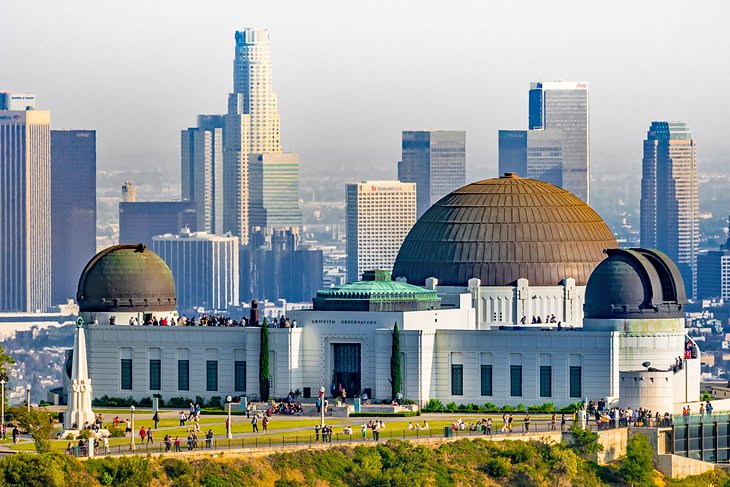
The Griffith Observatory, located on a hill overlooking Griffith Park, is home to a wide array of telescopes, as well as a planetarium and exhibits. Its crowning jewel is the Zeiss telescope, a historic 12-inch refracting telescope, which is open to use by the public. Visitors are also welcome to use this to stargaze, or borrow one of the observatory's portable telescopes to use on the lawn. Thanks to the elevated position of the observatory and grounds, the sky is often less obscured by the light and thick air of the city.
The planetarium and exhibit halls offer a wide range of presentations and educational programs throughout the year, including night sky shows and exhibits about space exploration. The front lawn is a stunning attraction in itself, adorned with a model of the solar system with orbital paths marked out in bronze on the sidewalk. There is also a grand statue dedicated to six influential astronomers, including Galileo and Isaac Newton.
Address: 2800 E. Observatory Road, Los Angeles, California
Official site: www.griffithobservatory.org
7. Catch a Show at the Hollywood Bowl
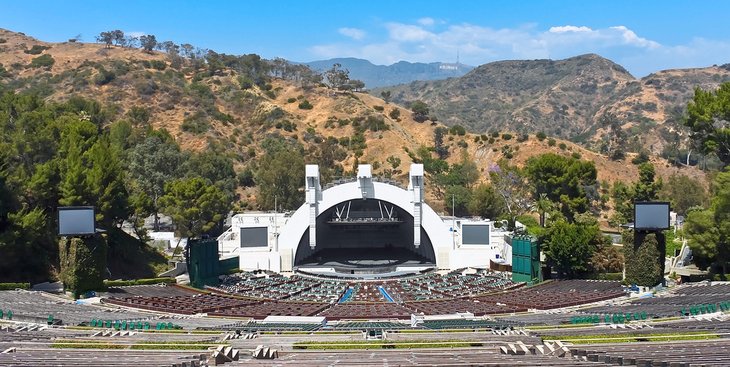
The Hollywood Bowl is an outdoor concert area set in a natural amphitheater, which has been hosting performers from around the world for over 100 years. Built in the 1920s in Bolton Canyon, the Bowl eventually grew into the enormous venue that it is today, capable of seating 20,000 people and accommodating another 10,000 standing. The stage has presented artists from all genres, including both theater and musical performances.
Among legendary guests are Ella Fitzgerald, Danny Elfman, Stevie Wonder, the Beatles, Garth Brooks, John Williams, and many, many more. It is also home to the Los Angeles Philharmonic Orchestra, which performs here throughout the summer months with its "Symphonies Under the Stars." Tourists can also visit the Hollywood Bowl Museum, a place where music and history lovers can learn more about this landmark and its cultural significance.
Address: 2301 N Highland Ave, Los Angeles, California
Official site: www.hollywoodbowl.com
8. Griffith Park
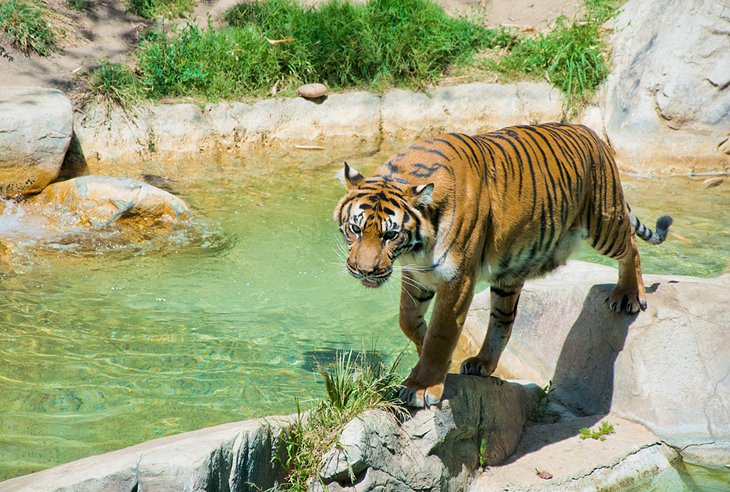
In the same way that tourists could easily spend days exploring New York's Central Park, the 4,200-acre Griffith Park is full of attractions and activities. Best known as the home of the Griffith Observatory and for the park's proximity to the Hollywood sign, there are plenty more things to do and see at L.A.'s biggest park.
One of the most popular family attractions is the L.A. Zoo, home to animals from around the world, including Masai giraffe, koalas, lemurs, and elephants. Younger kids will love visiting the park's Merry-go-Round; taking a pony ride; and taking a trip through history on the miniature train ride, which takes passengers through a Native American village and an old west town. Train enthusiasts will not want to miss Steamers Railroad Museum and the Travel Town Museum, dedicated to scale models and steam trains respectively.
Nature lovers will find a retreat from the bustle of Hollywood city life among the miles of hiking trails, with plenty of places to explore. Fern Dell trail is home to over 50 species of tropical plants, and the zoo is home to a Botanical Garden. Visitors also enjoy seeing Bronson Caves, a location used in numerous films and TV shows, including the original Batman series. Other park attractions and activities include horseback riding, golf, performances at the Greek Theater, and the Autry National Center, a museum dedicated to the history of the American West.
Official site: www.laparks.org/griffithpark
9. Take a Tour of the Warner Brother's Studio
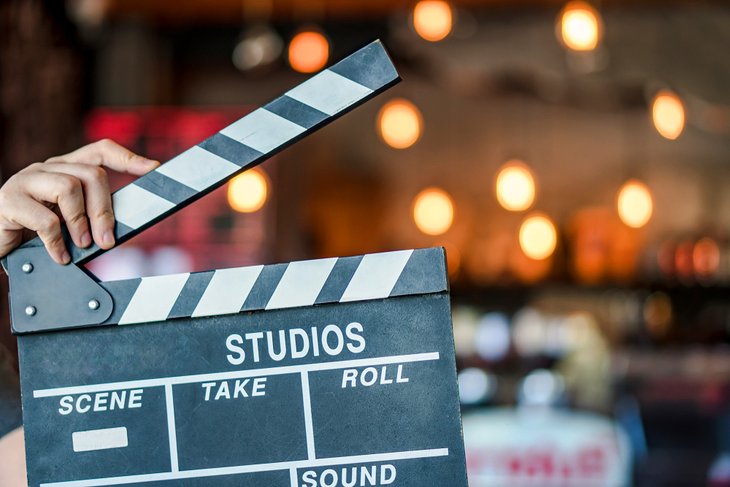
A tour of the backlots at Warner Brothers is a literal walk down TV and cinema's memory lane, allowing visitors to step inside the magic and feel what it's like for their favorite actors.
Visitors get the chance to see the actual sets, including some of the most featured fictional settings in Hollywood. Gilmore Girls fans can see Stars Hollow on "Mid-West Street," a set that has been used in almost 400 shows and films for over 80 years, while Pretty Little Liars fans will recognize the Brownstone Street lot.
Fans of the long-running show Friends can take selfies on the couch at Central Perk, or pose on the iconic fountain from the show's opening credits. Big Bang Theory fans can walk inside Sheldon's apartment, knock on its door in front of the ever-broken elevator, or even check out the Caltech physics department cafeteria.
The studio tour also includes opportunities to see authentic costumes and interact with their favorite props, like the Sorting Hat from Harry Potter. There is also a fully interactive exhibit where visitors can see exactly what goes into the process of making a film, start to finish.
Address: 3400 W Riverside Drive, Burbank, California
Official site: www.wbstudiotour.com
10. Sunset Strip
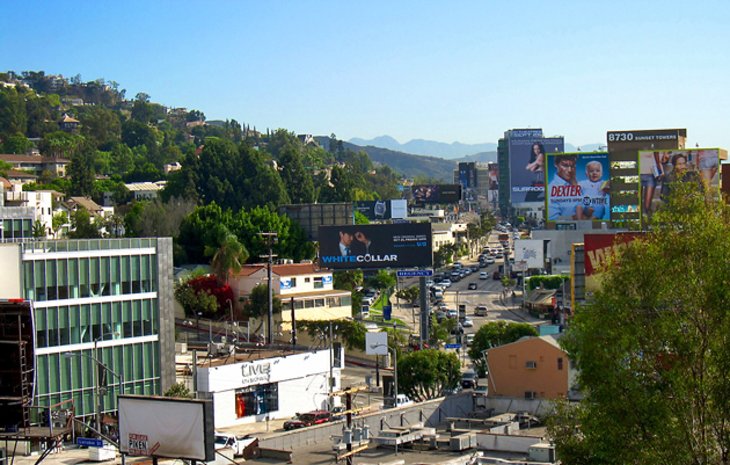
Located in West Hollywood, the famous Sunset Strip is a portion of Sunset Boulevard. This area, between Hollywood and the high-end neighborhoods of Beverly Hills, is very eclectic, with restaurants, retail, and entertainment venues towered over by huge billboards. At night, the street comes to life, with neon signs and throngs of people walking the streets or cruising the strip. It is not the glitzy high-end street it once was, but it still has plenty of character.
The Sunset Strip is still a place to see and be seen; where famous people sometimes hang out and those waiting to be discovered congregate. Some Hollywood celebrities do live in the area. If you are planning on visiting, you may want to simply walk the strip and have a look around, do some shopping, and have a meal. However, the busy and exciting time, with the best chance to see celebrities is in the evening.
Official site: http://thesunsetstrip.com/
11. Celebrity Photo Ops at Madame Tussauds & the Hollywood Wax Museum
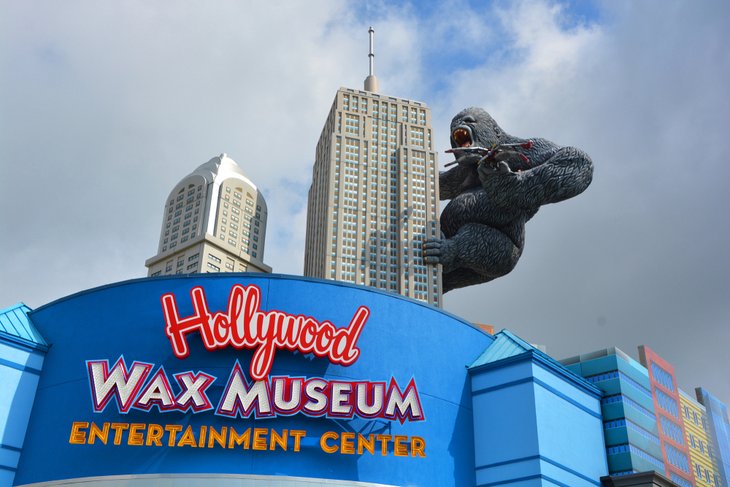
Tourists are unlikely to get the chance for a selfie with a movie star while visiting Hollywood, but they have a few options for the next best thing. The realistic figures artfully created and presented at Madame Tussauds and the Hollywood Wax Museum are more than happy to pose for a pic or let you enact a favorite film scene. At Madame Tussauds, visitors can have a virtual reality experience and go on a time travel mission, and at Hollywood Wax Museum, guests can get dressed up in costumes and use props to really get into character.
Other nearby family favorites include the Guinness Book of World Records Museum, where you can attempt record-breaking challenges, and Ripley's Believe-it-or-Not, where you can see the famous shrunken heads and other bizarre items, like a portrait of Michael Jackson made entirely of candy.
Official site: www.hollywoodwaxmuseum.com
12. Hike with Celebs in Runyon Canyon
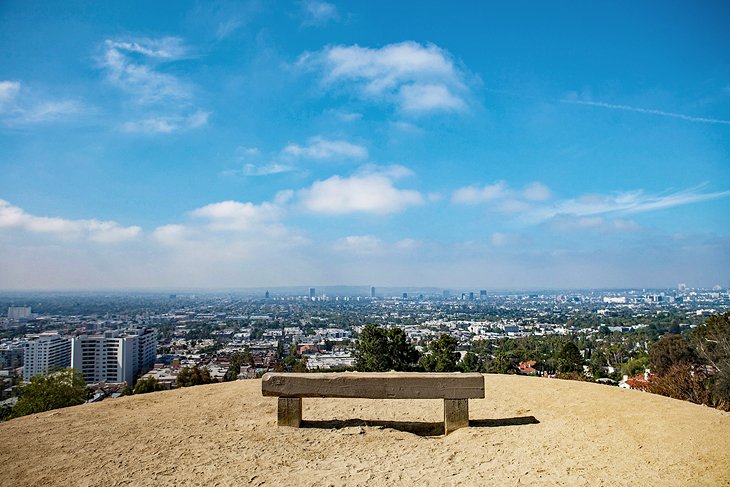
Even if hiking isn't your thing, tourists hoping to catch a glimpse of a celebrity in their native environment will want to make an exception and take a hike in Runyon Canyon. The path, which runs north/south through Runyon Canyon Park from Hollywood's Fuller Avenue to Mulholland Drive, is convenient to the city's residential areas and therefore a common place for celebrities to run off some steam, and Runyon's off-leash dog park is equally popular.
Runyon Canyon Road is the easiest of the routes to take, a wide and relatively smooth path that is maintained as a fire road but closed to traffic. For a more challenging hike, the Star Trail is a good option, and more ambitious and experienced hikers can try the Hero Trail, a more difficult path that leads to the park's highest point, Indian Rock.
13. Hollyhock House
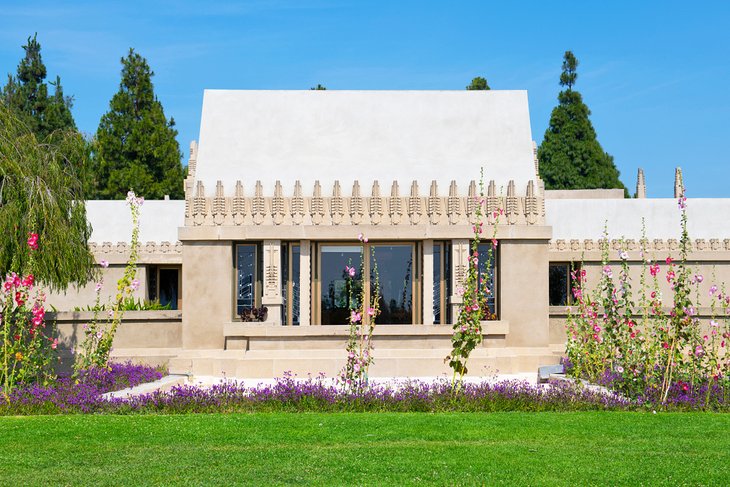
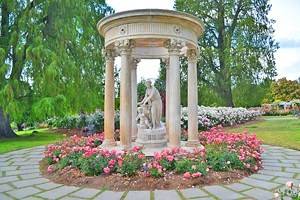
Fans of Frank Lloyd Wright's architectural achievements will want to visit Hollyhock House, designed by Wright and two proteges by commission of oil heiress Aline Barnsdall. Part of a larger art complex on Olive Hill now named Barnsdall Art Complex, the Hollyhock House was Barnsdall's residence and was completed in 1921.
Docent-led tours are available by advance reservation, but most tourists enjoy the building via self-guided tour. A guide book is provided, and there are docents available to answer questions and provide more information about the home and its unique design. The home is at the center of Barnsdall Art Complex, which is located in East Hollywood and considered a Los Angeles Historic-Cultural Monument.
Address: 4800 Hollywood Blvd, Los Angeles, California
Official site: www.barnsdall.org/hollyhock-house
14. Catch a Flick at the Dolby Theatre
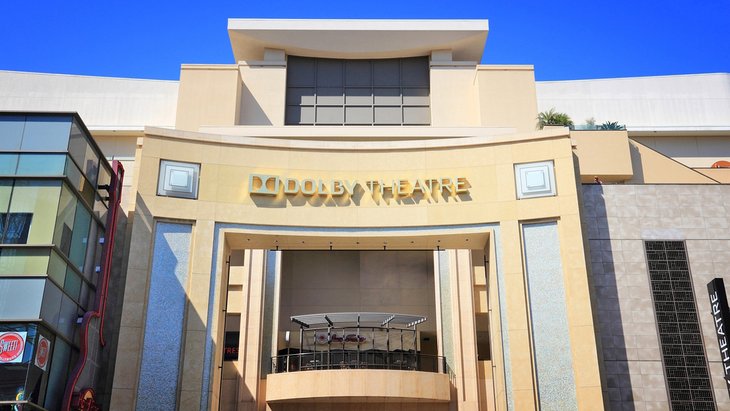
Located within the gigantic shopping and dining complex Hollywood & Highland, the Dolby Theatre is an iconic venue, which has hosted the Academy Awards and music awards. It has also hosted numerous musical, theatrical, and artistic performances, including touring Broadway shows, the American Ballet Theater, fashion shows, and musical concerts from orchestras to Steven Tyler.
Even if you don't see a show here, a tour of the building will let you admire the stunning architecture and décor of the lobby and audience seating area, known for its Italianate influences. Tours are available daily, and visitors can learn about the building's history and see the highlights.
Address: 6801 Hollywood Blvd, Hollywood, California
Official site: https://dolbytheatre.com/
15. The Hollywood Museum
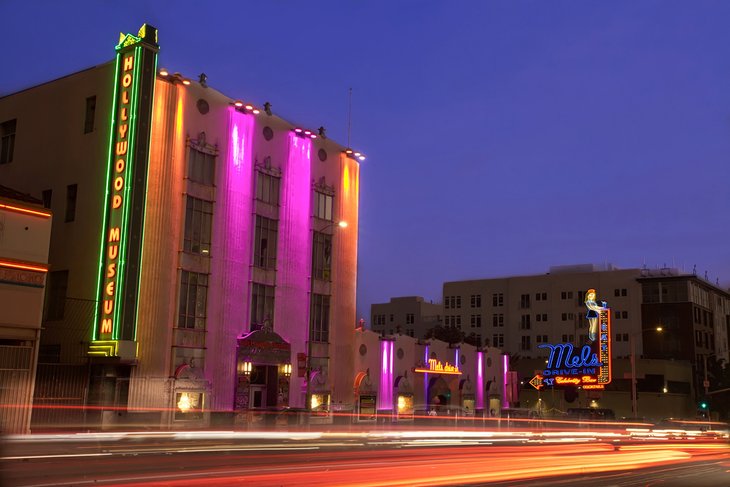
With four floors of exhibits, the Hollywood Museum houses an extensive collection of Hollywood memorabilia, most of which focuses on its early years and the film industry's golden age. Located in the historic building that once held legendary Max Factor's studios, the museum's architecture is a celebration of "Hollywood Regency" Art Deco. Several of the original makeup studios, innovative and ground-breaking in their time, have been restored to their former states for tourists to enjoy.
Classic cinema enthusiasts will enjoy the authentic setting and appreciate the numerous exhibits dedicated to Tinseltown's greatest, from Cary Grant's Rolls Royce to a tribute to Marylin Monroe. In addition to thousands of photographs, costumes, props, memorabilia, and personal items, the museum features a basement exhibit dedicated to "all things creepy and scary," where you can step into some of Hollywood's scariest sets, like Hannibal Lecter's jail cell.
Address: 1660 N. Highland Ave, Hollywood, California
Official site: www.thehollywoodmuseum.com
16. Capitol Records Building
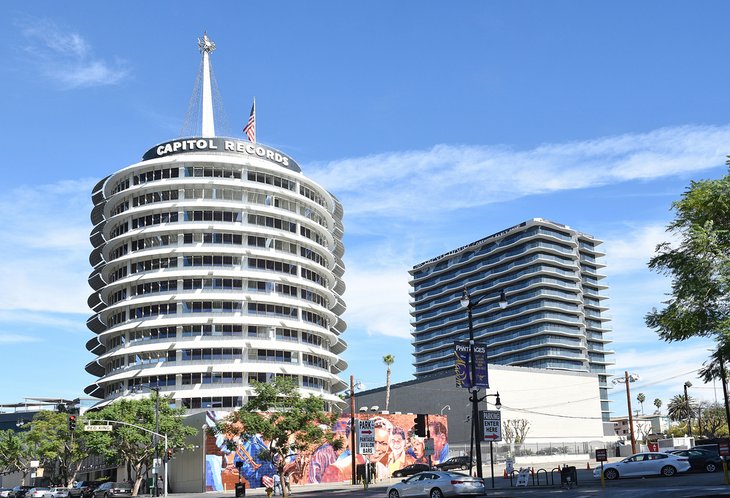
The unique Capitol Records Building is a circular shaped multi-story building built in 1956. Designed by Welton Becket, it was intended to look like a stack of vinyl records sitting on a turntable, complete with a spindle on top. Today's younger generation of music fans may not recognize what it was meant to look like, but the building is an iconic landmark in Hollywood that has been featured in films and television since it first pierced the skyline.
In addition to being an architectural feature, the Capitol Records Building has earned its place as a historic landmark as well. Home to Capitol Records' recording studio, some of the world's most talented artists have laid their tracks here, including Frank Sinatra, Nat King Cole, and the Beach Boys. On its south wall, a 1972 mural by local artist Richard Wyatt pays tribute to the artists and clubs that made Hollywood a center for innovative jazz.
17. TCL Chinese Theatre
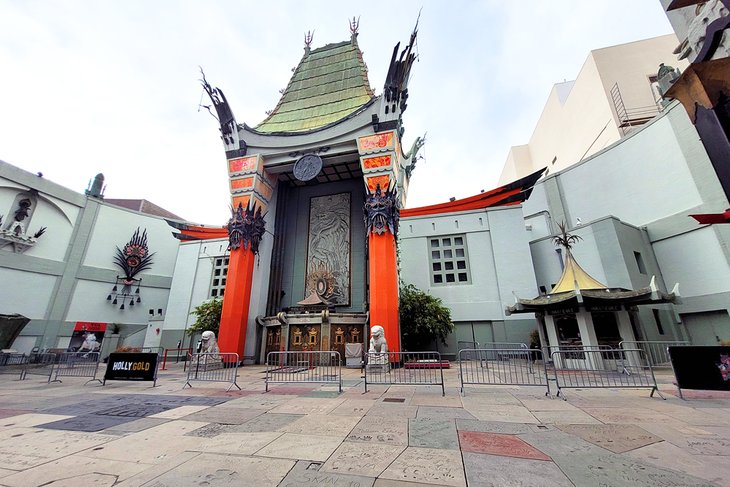
Also known as Grauman's Chinese Theatre, the Chinese Theatre was built by Sid Grauman in 1927 and has had many names over the years. After the last change of hands, the theater became known as the TCL Chinese Theatre. This famous theater features Chinese design and decoration, and has hosted three Academy Awards ceremonies, as well as film premiers for major hits, including the Star Wars franchise launch in 1977.
It is perhaps best known for the "autograph collection" of famous footprints and handprints in the forecourt, an honor bestowed upon various celebrities. In addition to hands and feet, you can find tracks made by the lovable VW bug Herbie's tires, as well as imprints from the wands of Harry Potter, Hermione Granger, and Ron Weasley.
Address: 6925 Hollywood Boulevard, Los Angeles, California
Official site: www.tclchinesetheatres.com
18. Museum of Illusions
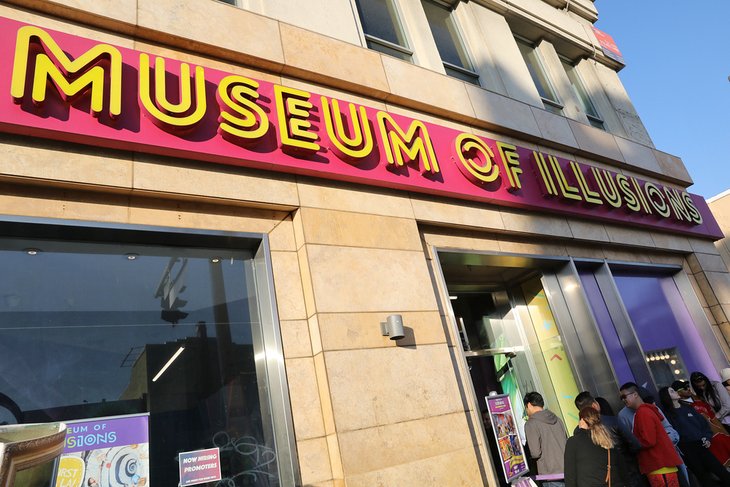
Hollywood's Museum of Illusions is a favorite for families with kids and teens, full of chances to snap perfect Instagram-ready photos. Photography is encouraged here, an imaginative space where visitors can interact with the exhibits to bring home larger-than-life memories. The museum's main exhibit is its collection of 3D illusions that can put you on center stage, walking the red carpet, in the middle of an African Safari, or balancing on the ledge of a skyscraper.
At the Giant House, visitors can pose with oversize everyday items, from a massive high heel shoe to a slice of pizza bigger than a doorway. The Upside-Down House is just what it sounds like - visitors can get their photo taken dancing on the ceiling or defying gravity while doing the dishes, with seven rooms to explore. The museum's newest addition is Smash It, an area where museum guests can get their frustration out by literally smashing items in a safe space.
Address: 6751 Hollywood Blvd, Los Angeles, California
Official site: https://laillusions.com/
Where to Stay in Hollywood for Sightseeing
Luxury Hotels:
- One of the trendiest places to stay in Tinseltown is Dream Hollywood, a four-star luxury hotel located in the heart of the city, just a few blocks form the Walk of Fame and the Capitol Records Building. Guests can easily get to and from tourist attractions with the complimentary car service, then unwind after a day of sightseeing at the rooftop pool and grill.
- The Hollywood Roosevelt is another four-star luxury hotel, a historic Hollywood landmark, which has been called home by many of the industry's greatest actors. It has its own nostalgic charm, with a 60s-style poolside lounge, vintage game parlor with bowling lanes, 24-hour burgers, and, of course, an excellent restaurant.
Mid-Range Hotels:
- The Mama Shelter Los Angeles is a good mid-range boutique hotel, with trendy rooms in bright, vibrant colors. It's centrally located between Hollywood and Sunset Boulevards, and just a five-minute walk from the Hollywood Walk of Fame. The hotel has two restaurants on-site, as well as a rooftop lounge that offers great views of the Hollywood sign.
- On the same block, convenient to the top Hollywood attractions, Hollywood Celebrity Hotel has affordable rates and homey guest rooms. Kitchenette suites are available for families and longer stays, and the staff provides personal service.
Budget Hotels:
- Close to Griffith Park, the Cara Hotel has budget rates and friendly service, with the added (and valuable) bonus of free guest parking. Amenities include a pool and hot tub, self-service laundry, in-room fridge, and free Wi-Fi.
- Another great budget option in the Griffith Park area is the Hollywood City Inn, which also has free parking and Wi-Fi, as well as an outdoor pool and in-room fridge and microwave.
Map of Tourist Attractions in Hollywood, CA
Hollywood - Climate Chart
| Average minimum and maximum temperatures for Los Angeles, CA in °C | |||||||||||
| J | F | M | A | M | J | J | A | S | O | N | D |
| 20 9 | 21 10 | 21 11 | 23 12 | 24 14 | 27 16 | 29 18 | 29 19 | 28 18 | 26 16 | 23 12 | 21 9 |
| PlanetWare.com | |||||||||||
| Average monthly precipitation totals for Los Angeles, CA in mm. | |||||||||||
| 85 | 94 | 80 | 21 | 8 | 2 | 0 | 3 | 8 | 9 | 27 | 49 |
| Average minimum and maximum temperatures for Los Angeles, CA in °F | |||||||||||
| J | F | M | A | M | J | J | A | S | O | N | D |
| 68 48 | 70 50 | 70 52 | 73 54 | 75 58 | 80 61 | 84 65 | 85 66 | 83 65 | 79 60 | 73 53 | 69 48 |
| PlanetWare.com | |||||||||||
| Average monthly precipitation totals for Los Angeles, CA in inches. | |||||||||||
| 3.3 | 3.7 | 3.1 | 0.8 | 0.3 | 0.1 | 0 | 0.1 | 0.3 | 0.4 | 1.1 | 1.9 |
More Related Articles on PlanetWare.com
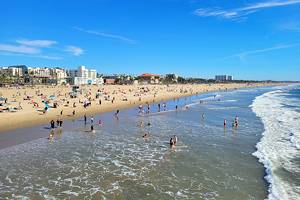
More in Los Angeles: Hollywood is the most famous area of Los Angeles, California's largest metropolitan area. In addition to plenty of big-city tourist attractions, Los Angeles is home to some beautiful beaches, including the famous Santa Monica, Malibu, and Huntington Beaches.
San Diego Sights: Farther down the coast, close to the Mexican border, San Diego is a smaller city but has plenty to offer, from Mission Beach to historic sites like Mission Basilica San Diego de Alcala and the Midway Aircraft Carrier Museum. If you are visiting as a family, be sure to see our article on Things to Do in San Diego with Kids.