Tourist Attractions in Kansas
The midwestern state of Kansas is most famously known as the backdrop for the American film classic The Wizard of Oz, but the Sunflower State has so much more to explore than what most people know from the movie.
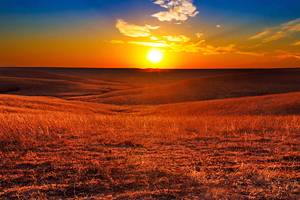
As the 15th largest state by size, Kansas is rooted in agriculture, as evidenced by the endless fields of wheat and corn, and the tallgrass prairies, which remain one of the state's most important natural attractions.
A strong Native American history is proudly showcased in displays like the Keeper of the Plains and the Mid-America All-Indian Center in Wichita.
While Kansas has a tranquil, historical, and natural ambience, the state also immerses visitors in the authentic flavor of the wild west by preserving historical areas like Boot Hill and Fort Larned, which have changed little since Buffalo Bill came through in the 1800s.
Kansas is also a great place to visit for art and music lovers, as well as those who thrive on speed and adventure. Catch a race at the Kansas Speedway or daydream about becoming a daredevil at the Evel Knievel Museum.
Learn more about the best things to do with our list of the top tourist attractions in Kansas.
Botanica, The Wichita Gardens
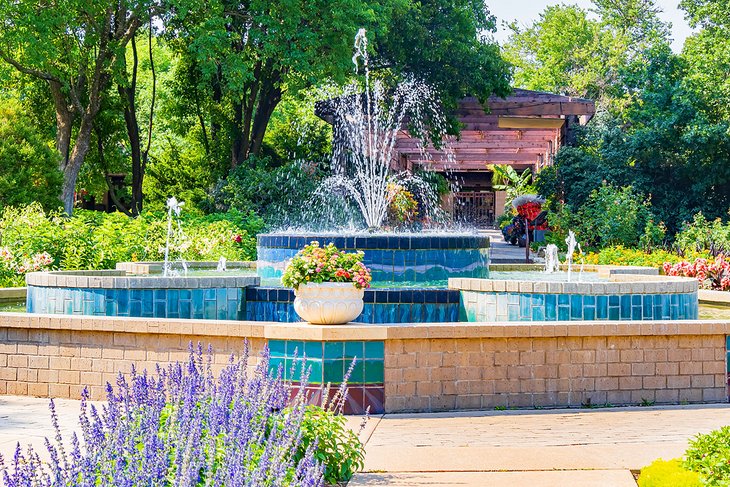
Visiting Botanica, The Wichita Gardens is one of the top things to do in the city of Wichita. The gardens celebrate horticulture in a magnificent manner.
Open year-round, the facility has nearly 30 themed gardens to explore. Try a walk into the imaginative and educational Downing Children's Garden to experience the Monster Woods exhibit or watch kids play in the treehouse.
Stroll through the Shakespeare Garden to see plants and flowers representative of the Elizabethan era. Enjoy the Butterfly gardens and the Koi pond pavilions as you walk the 17-acre site, taking in the beauty of the landscape, the sculptures, and more than 4,000 species of plants.
Address: 701 Amidon Street, Wichita, Kansas
Official site: http://www.botanica.org/
Kansas State Capitol, Topeka
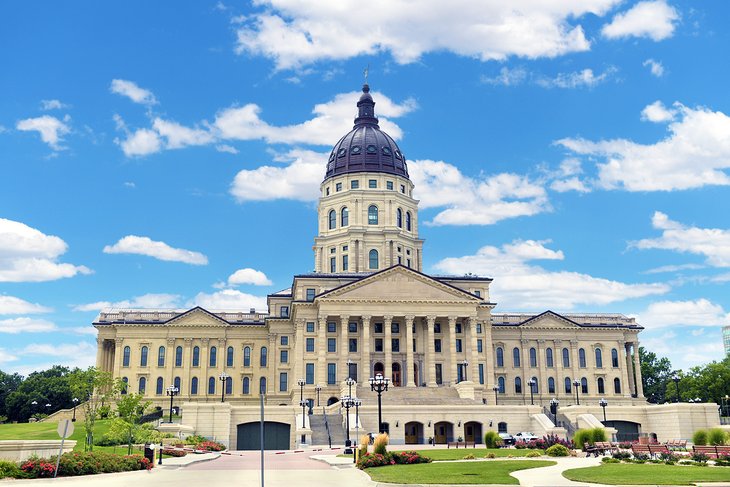
Brush up on your Kansas knowledge with a walk through the Kansas State Capitol in Topeka.
This capitol complex covers about 20 acres in the heart of downtown and is considered a treasure among architectural enthusiasts. The French Renaissance-style building took 37 years to complete after the first stone was set in 1866.
The murals, sculptures, and regular programs at the capitol are always captivating, but for a truly unique experience take the free Dome Tour. This is for visitors who are physically capable of walking up the 296 steps for a close-up view of the dome and a spectacular panoramic view of Topeka from the top.
Address: SW 10th and SW Jackson, Topeka, Kansas
Official site: http://www.kshs.org/capitol
Sedgwick County Zoo, Wichita
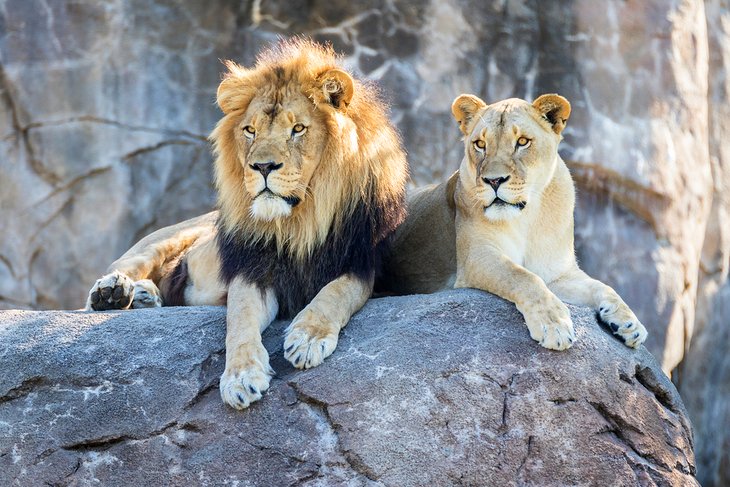
One of the top attractions for families in the state of Kansas is the Sedgwick County Zoo in Wichita.
Children will be thrilled with over 3,000 animals across 400 species. Highlights include elephants, gorillas, lions, chatty kookaburras, and even tigers.
You can tour the zoo on foot or take the free tram, which runs on the hour with ongoing narration. If you find yourself at the zoo on a weekend, an even better option is to take the boat tour, which leaves every half hour (additional fee).
Animal interactions are available and include spending time with penguins, rhinos, tortoises, and others for an additional fee. The easiest, and cheapest, animal interaction is giraffe feeding. These gentle giants slowly extend their long necks down to you and grab the vegetables from your hand with their giant tongues.
Address: 5555 W Zoo Boulevard, Wichita, Kansas
Official site: https://scz.org/
Eisenhower Presidential Library, Museum, and Boyhood Home, Abilene
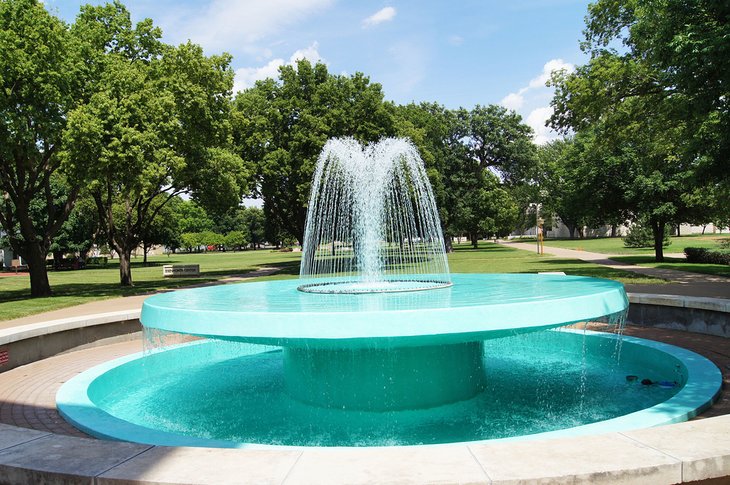
Even if you know nothing or very little about President Dwight D. Eisenhower, a visit to his boyhood home and Presidential Library while sightseeing in Abilene will make you appreciate his contributions to American politics and society.
The complex features five buildings: The Presidential Library with exhibits and research archives; a museum; a visitor center, which sits on the site of Eisenhower's former elementary school; a meditation building; and his boyhood home.
The museum has recently been updated to include the latest interactive exhibits. Now you'll be able to hear and see Ike and Mamie speak about the causes closest to their hearts. Be sure to look in the gift shop for unique politically themed gifts and some replica "I Like Ike" campaign memorabilia from the 1952 Presidential election.
Address: 200 SE 4th Street, Abilene, Kansas
Official site: http://www.eisenhower.archives.gov/#
Tallgrass Prairie National Preserve
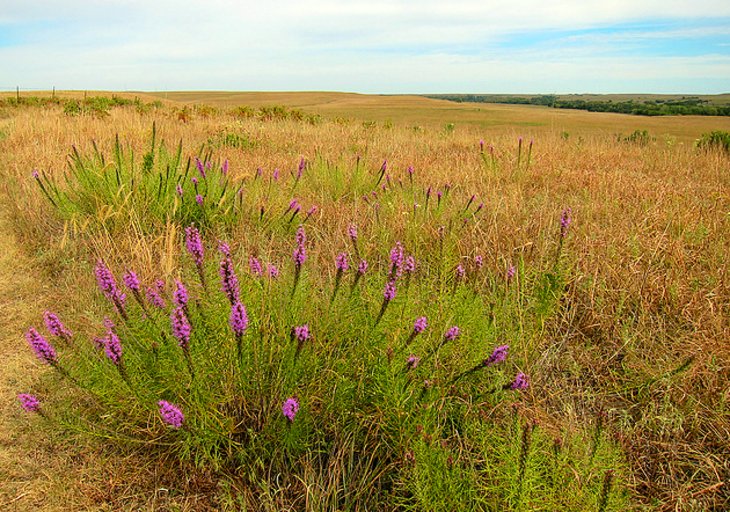
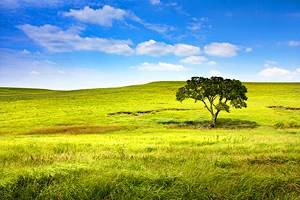
Have you ever wondered what the American West looked like before farms with orderly fields of corn and wheat? If so, plan a visit to the Tallgrass Prairie National Preserve in the Kansas Flint Hills.
With less than four percent of America's original 170 million acres of land left as tallgrass prairie, this location is one of the only places to visit in America to experience the majesty of this unique ecosystem in its original form.
You can take a bus tour, a self-guided cell phone tour, or hike the area at your leisure. One of the most special ways to experience the tallgrass prairie and its ties to America's heartland is during one of the special events that are scheduled throughout the year. One of the most popular is an open-air symphony concert.
Location: 2 miles north of Strong City on K-177, Kansas
Official site: http://www.nps.gov/tapr/index.htm
Cosmosphere
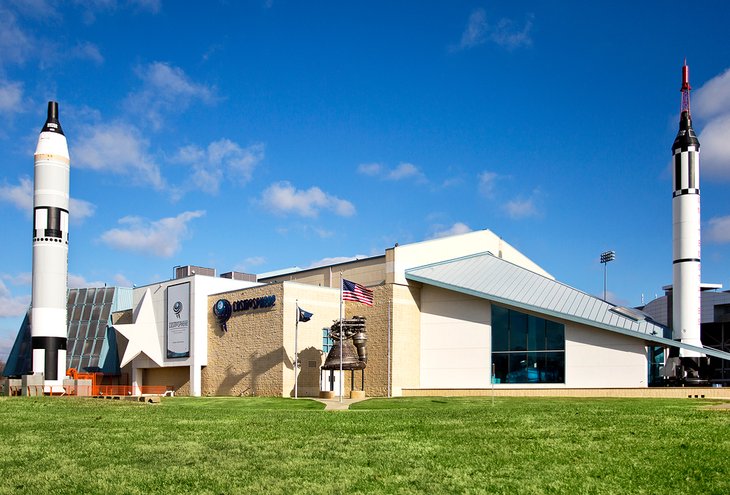
One of the most popular family attractions in Kansas is Cosmosphere in Hutchinson, which is focused on space education. This facility has hands-on experiences to help visitors relate to the advancements in space exploration.
Dr. Goodard's Lab is popular with kids as they engage in live demonstrations showing the power of rockets. Younger kids have their own section of the museum at CosmoKids, which is filled with interactive play experiences teaching about things like gravity.
Take in one of the daily shows at the Justice Planetarium with a full sensory experience. Through the immersive projection shows, learn about how the night skies change with the seasons as well as the efforts underway to make traveling to Mars a reality someday.
There is also a Digital Dome theater that shows 4K documentaries throughout the week.
Address: 1100 N Plum Street, Hutchinson, Kansas
Official site: https://cosmo.org
Boot Hill, Dodge City
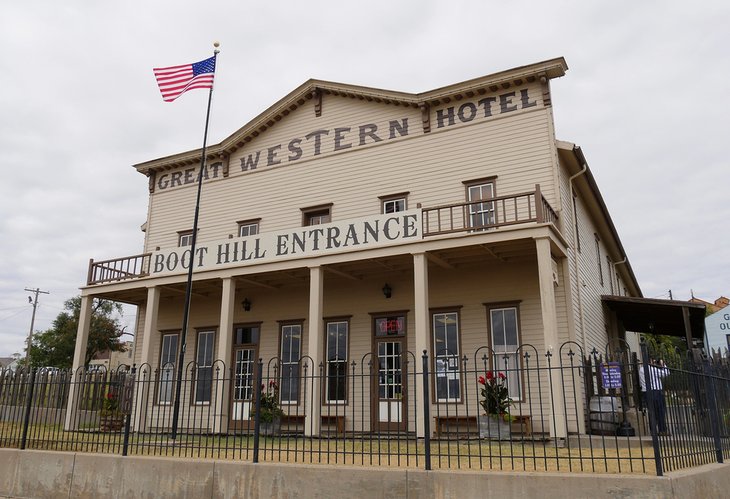
Do you want to experience what the Wild West was like during the 1800s? Then plan a visit to Boot Hill in Dodge City, where things have changed very little since 1870.
The Boot Hill Museum has thousands of artifacts and photographs depicting Dodge City in its early years, from businesses to the social scene.
To put things into perspective, take a stroll through some of the historic buildings like the schoolhouse and Fort Dodge Jail. Get a glimpse into what the General Store and local Saloon were like in the early 1900s.
The best time to visit is when there are special events, like the re-enactment street shootout of the Boot Hill Gunfighters, which takes place twice a day in the summer.
Address: 500 W. Wyatt Earp Boulevard, Dodge City, Kansas
Official site: http://www.boothill.org
Evel Knievel Museum, Topeka
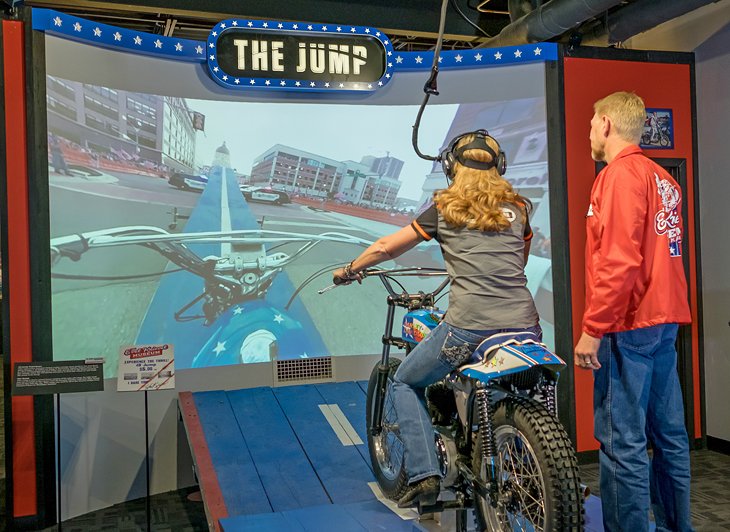
There was only ever one true American daredevil–Evel Knievel–who wowed audiences with his death-defying motorcycle stunts.
The Evel Knievel Museum is located in the Historic Harley-Davidson store in Topeka, with an impressive collection of artifacts and information about the legendary stuntman.
The building has two stories of collections, which range from Evel Knievel's motorcycles and helmets to colorful costumes. If you have ever wanted to be like the daredevil, you can try the 4-D jump experience or the Broken Bones interactive display to get the full scope of what living life on the edge is like.
Address: 2047 SW Topeka Boulevard, Topeka, Kansas
Official site: http://evelknievelmuseum.com
Spencer Museum of Art, Lawrence
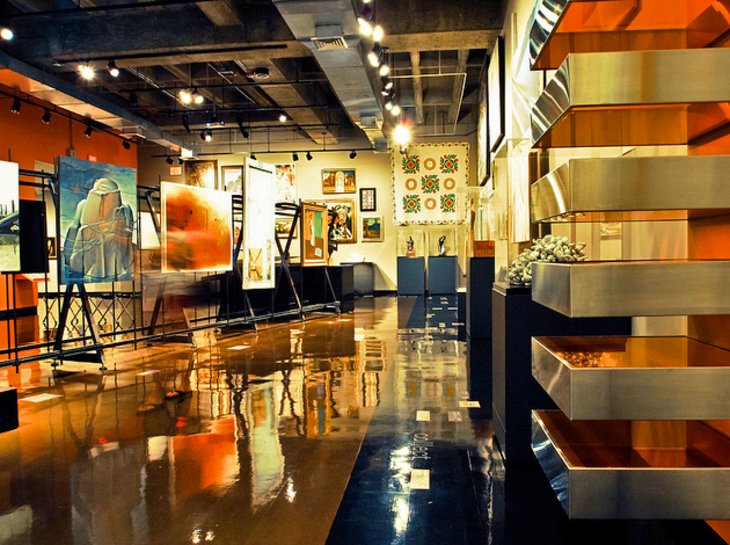
What makes the Spencer Museum of Art unique for art lovers is that it is the only art museum in the state that houses more than 45,000 pieces in all forms of media. The collection is located on The University of Kansas in Lawrence, so it has an academic slant that cross-connects art and experience in an interdisciplinary way.
The permanent collections include African, Asian, European, American, Latin American, and Native American art among others. There are regular changing exhibitions that focus on various artists and mediums, as well as visitor programs throughout the year to engage art connoisseurs on a deeper level.
Address: 1301 Mississippi Street, Lawrence, Kansas
Official site: http://www.spencerart.ku.edu/
Flint Hills Discovery Center, Manhattan
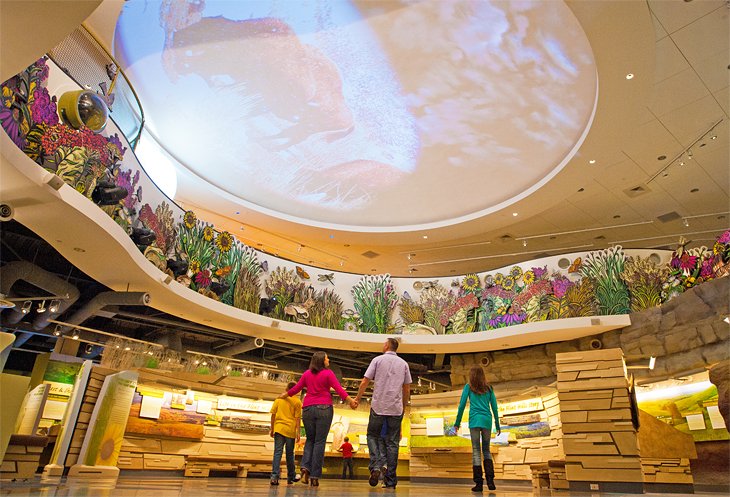
One of the most fascinating interactive centers in Kansas is at the Flint Hills Discovery Center in Manhattan.
While the center focuses on the history of the Flint Hills, it is actually a deep lesson on some of America's most fundamental nature, wildlife, inventions, and pop culture. The museum is part science and part culture, with exhibits that look at things like conservation of the North American bison and the ecosystem in the tallgrass prairies.
Catch a showing in the Immersive Experience Theater, where you will feel the winds of the Flint Hills blowing your hair as you watch the film on the history and evolution of the area.
Be sure to step out on the rooftop terrace for a panoramic view of the city and wrap up your visit with a bite to eat or purchase a locally made gift at the nearby Blue Earth Plaza.
Address: 315 S. 3rdStreet, Manhattan, Kansas
Official site: : https://www.flinthillsdiscovery.org/
Monument Rocks
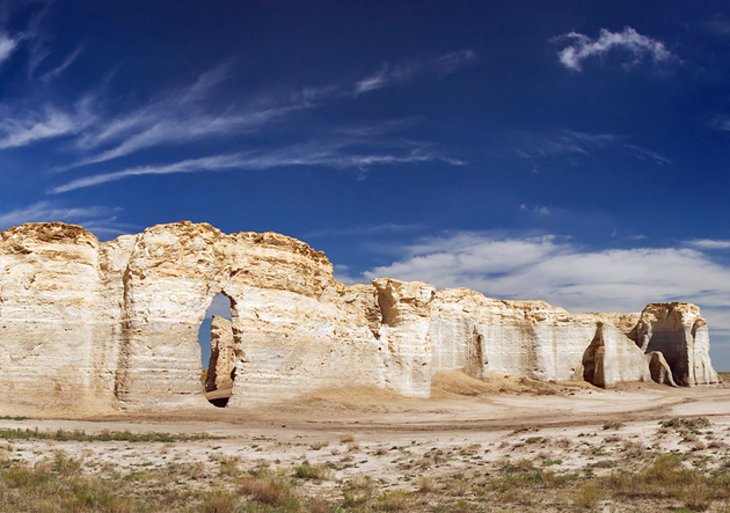
Seeing the natural formations at Monument Rocks is one of the best ways to fully appreciate the natural beauty that exists in Kansas. This National Landmark is also called the Chalk Pyramids. While they sit back a distance from the highway, you can still see them.
The formations are located about 20 miles south of Oakley in western Kansas and are accessible near US-83, where you will find a few signs for the turnoff. It is believed that the massive formations developed over 80 million years ago, when the area was underwater. Definitely take your camera!
Fort Larned National Historic Site
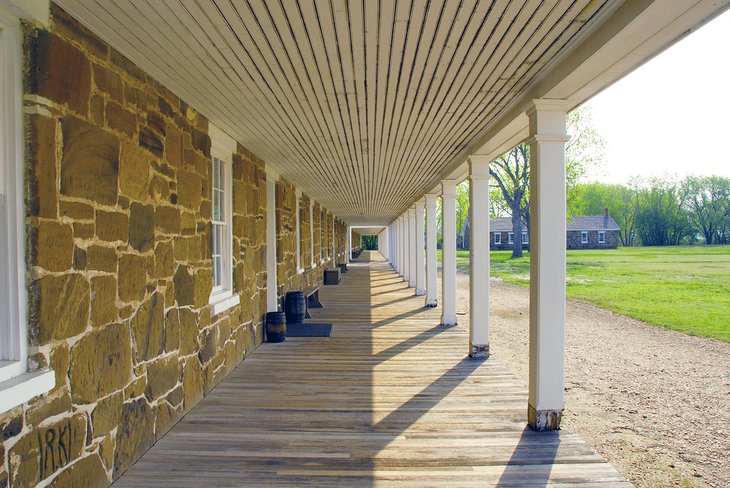
Military history buffs will appreciate a visit to the Fort Larned National Historic Site in Larned.
The site is set up like an 1860s army post called the "Guardians of the Santa Fe Trail," which housed troops. The site has a fort and other buildings that have been preserved from when Buffalo Bill came through the area.
The complex is a thorough education on the Indian Wars, which are an important part of American history. You'll find exhibits and educational programs, but the most exciting way to visit is during a re-enactment and one of the scheduled living history events.
Address: US Highway 156, Larned, Kansas
Official site: http://www.nps.gov/fols/index.htm
Keeper of the Plains and Mid-America All-Indian Center, Wichita
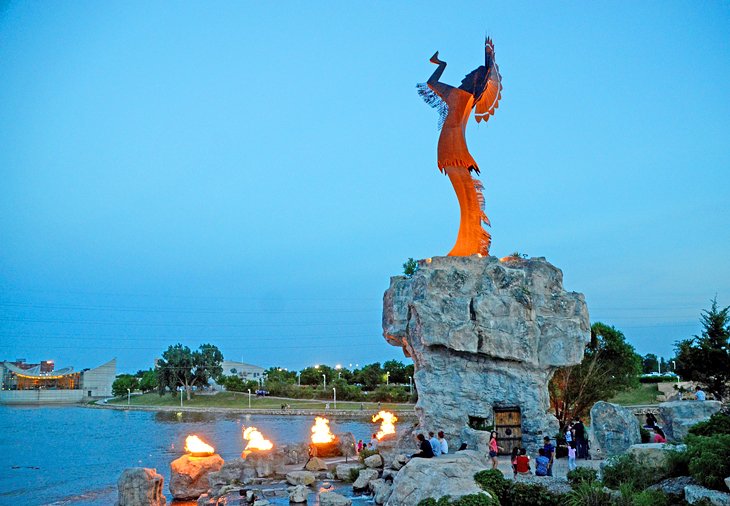
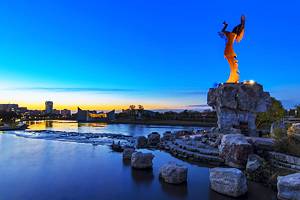
Native American roots run deep in Kansas, and to get an understanding of their importance, visit the Keeper of the Plains statue at Keeper Plaza in Wichita.
The 44-foot-tall Keeper of the Plains steel statue stands over the public plaza, where the Big and Little Arkansas rivers merge through downtown. The land in the area is sacred to Native Americans, and the plaza commemorates the important history and role that Native Americans have in the area.
Stroll around the plaza and make your way to the Mid-America All-Indian Center to learn more about the Native American culture. The must-see event at the plaza is the "Ring of Fire" spectacular display, which takes place nightly for 15 minutes. Times change in the summer and fall.
Address: 650 North Seneca Street, Wichita, Kansas
Kansas Speedway
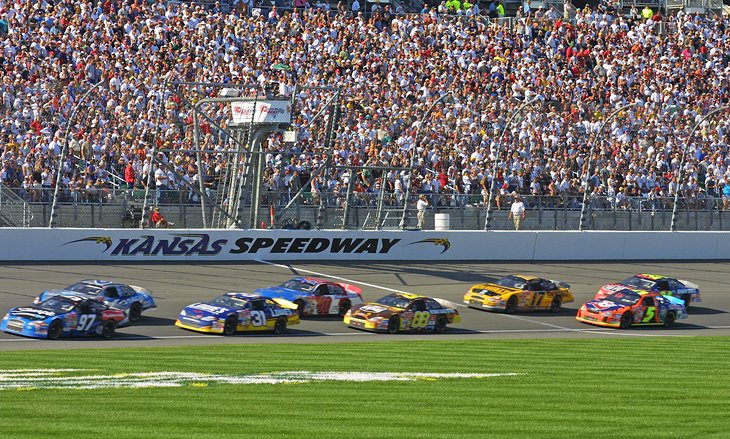
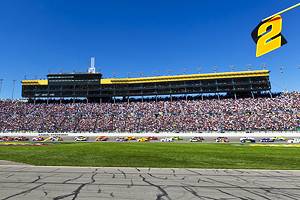
Fulfill your need for speed at the Kansas Speedway in Kansas City.
The speedway is known for its spectacular fan experience, with more than 200 motorsports events throughout the year. The track hosts NASCAR touring series races and special events throughout the year, including concerts.
Race fans can try a garage experience or get pre-race passes that get you up close to the drivers and track. The ultimate fans can keep an eye out for the Richard Petty Driving Experience, which is available at the track a few times a year.
Address: 400 Speedway Boulevard, Kansas City, Kansas
Official site:http://www.kansasspeedway.com
Overland Park Arboretum & Botanical Gardens
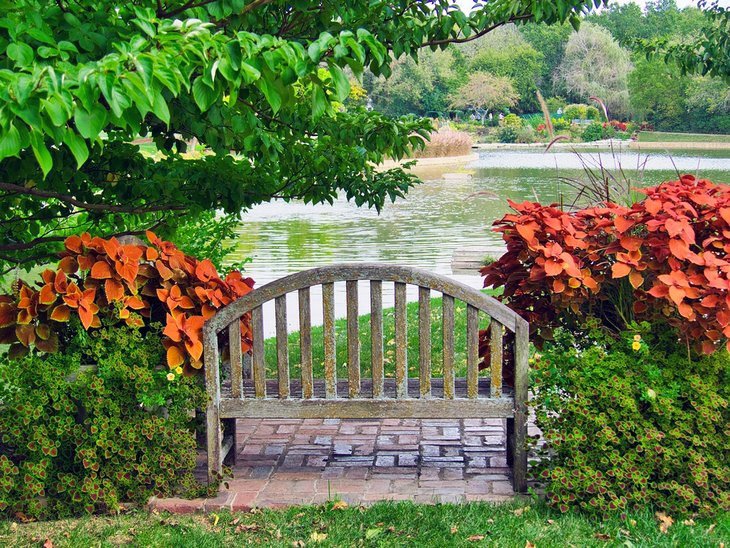
The beautiful landscape at the Overland Park Arboretum and Botanical Gardens is one of the top experiences in the state. Located close to Kansas City, there are more than 300 acres that transition from gardens to open prairies and water.
Nature enthusiasts can print a map and seek out the variety of gardens to identify some of the 1,700 species of plants. Some of the notable gardens are the International Sculpture Garden, the Children's Garden, the Xeriscape Garden, and the Train Garden where you can enjoy the view from the deck of a caboose.
Most people enjoy taking a self-guided tour of the grounds, but daily guided tours are available for a fee. Make a full day out of your visit and plan for a hike on the arboretum's six miles of trails where you can experience more of the diverse ecosystems that the center supports. A highlight is the bridge system suspended over the Blue River tributary.
Address: 8909 W. 179th Street, Overland Park, Kansas
Official site: https://www.opkansas.org/recreation-fun/arboretum-botanical-gardens/
OZ Museum
Fans of the classic movie The Wizard of OZ will enjoy the OZ Museum in Wamego, which is dedicated to everything related to the pop culture classic. Get lost along the yellow brick road inside as you explore the exhibits, with more than 2000 artifacts on display.
The museum has collected historical information from the making of the movie and its characters. It has also preserved iconic memorabilia, including a commissioned pair of Dorothy's famous ruby red slippers, which are covered in more than 3,500 Swarovski crystals.
More than 100 years of OZ-related history is housed in the exhibit halls, from books and music to board games. Some of the more whimsical exhibits include a replica of the Haunted Forest sign made famous in the film and set props used for the munchkin house. You will also see rare items like production notes that were used for filming.
Address: 511 Lincoln Avenue, Wamego, Kansas
Official site: https://ozmuseum.com