15 Top-Rated Day Trips from Athens
Some of the Greece's top tourist attractions are within easy reach of Athens. Fascinating historical monuments, spectacular natural scenery, and peaceful spiritual retreats can be visited on day trips from Greece's capital city.
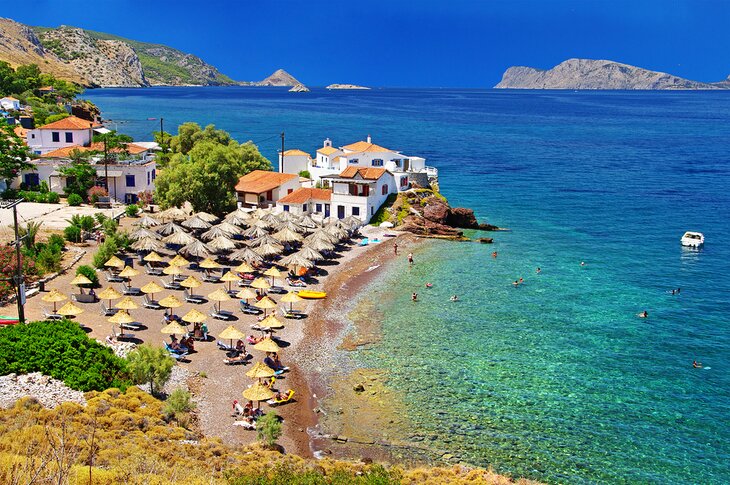
Just a short drive or bus ride from the city are the UNESCO-listed Monastery of Daphne, the inspiring Kaisariani Monastery, the hiker's paradise of Mount Parnitha, and the gorgeous Lake Vouliagmeni on the Athens Riviera coastline.
Other destinations are slightly further afield and merit staying overnight, especially Metéora, where amazing monasteries spring forth from a mystical landscape, and Nafplio, a romantic seaside town that is a perfect base for visiting archaeological sites in Mycenae and Epidaurus.
Any of these excursions would make a fantastic addition to your Greece vacation itinerary. Discover the best places to visit and plan your adventures with our list of the best day trips from Athens.
- 1. Delphi
- 2. Metéora
- 3. Mycenae: The Legendary City of Greek Mythology
- 4. Athens Riviera (Coast of Apollo)
- 5. The Islands of Aegina, Poros, and Hydra
- 6. Corinth
- 7. The Romantic City of Nafplio
- 8. The Ancient Theater of Epidaurus
- 9. The Monastery of Daphni
- 10. Monastery of Kaisariani
- 11. Ancient Cult Mysteries at Eleusis
- 12. Piraeus: An Ancient Harbor, Modern Port, and Ferry Terminus
- 13. Lake Marathon
- 14. Mystras
- 15. Mount Parnitha
- Map of Day Trips from Athens
1. Delphi
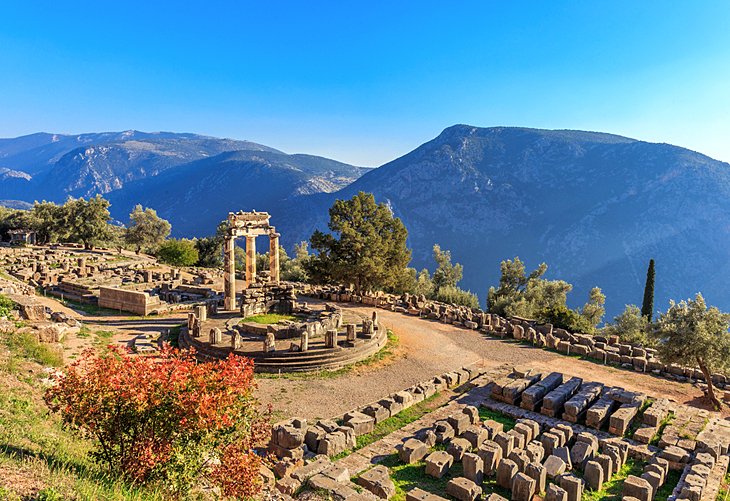
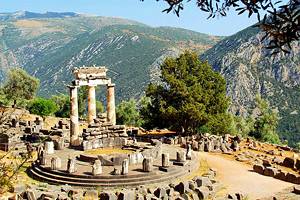
In an enchanting natural setting between two craggy peaks of Mount Parnassus, the archaeological ruins of Delphi have a magical quality. At this legendary site during Classical antiquity, an oracle shared advice and prophecies.
This intriguing UNESCO-listed World Heritage Site was one of the most important religious centers in Greece in the 6th century BCE (on par with the Island of Delos). During ancient times, pilgrims came to hear the oracle of Apollo (a prophetess believed to channel the words of the god Apollo) speak at Delphi's Temple of Apollo.
Among the highlights of visiting Delphi is walking along The Sacred Way that leads up to the Temple of Apollo. This route gives visitors a sense of the pilgrimage path once used to enter the hallowed Sanctuary of Apollo, a complex of several monuments.
The Archaeological Museum of Delphi displays objects uncovered at the archaeological site and is considered one of the world's best collections of ancient Greek artifacts, dating from the Mycenaean period to Late Antiquity. Highlights include the Classical-era bronze Charioteer of Delphi statue, the 6th-century BCE Sphinx of Naxos (lion's body with bird wings and a woman's head), and sculpted treasuries (reliefs) that reveal mythological scenes. The museum also has a gift shop and a cafeteria.
Delphi is 180 kilometers from Athens, and it's possible to visit it as a day trip, although the drive takes about 2.5 hours. For those who have the time, an overnight trip is more relaxing, but for travelers spending only one day in Delphi, the best way to see all the essential places is by taking an organized excursion.
The Delphi Day Trip from Athens is recommended because it features a walking tour through the archaeological site, led by a knowledgeable guide who shares insights about the ancient monuments and history. This tour also includes a visit to the Archaeological Museum.
2. Metéora
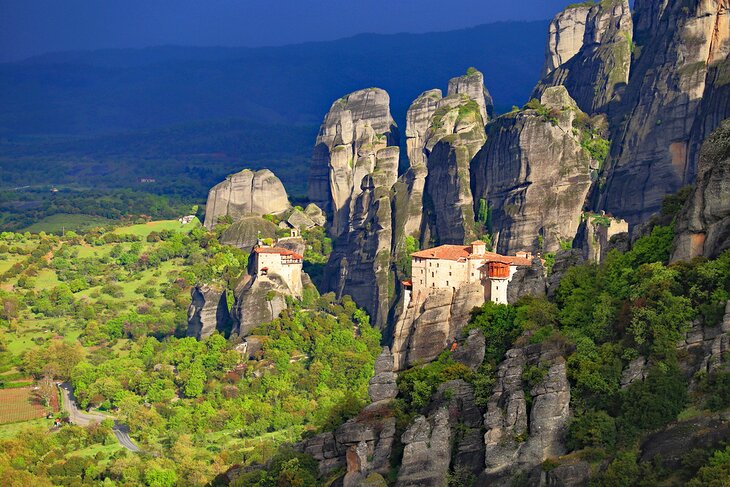
Breathtakingly surreal and serenely spiritual, the Metéora monasteries spring forth from a dreamy landscape of rocky cliffs in the Plain of Thessaly.
The first hermits came to this far-removed corner of Greece at least as early as the 9th century to withdraw from the world and contemplate divinity. Christian Orthodox monks began building monasteries here in the 14th century and continued establishing monasteries until the 16th century.
Originally 24 monasteries stood at this astonishing location, built onto the edges of vertiginous cliffs or perched on sheer sandstone formations reaching 300 meters to over 500 meters in elevation. With their exalted heights and almost mystical inaccessibility, the Metéora monasteries seem to soar towards heaven and reflect the human striving for holiness.
Currently only a small group of monks and nuns live and worship at the six remaining Metéora monasteries that are still active. Today, Metéora draws more tourists than spiritual seekers, as this designated UNESCO World Heritage Site is an extremely popular travel destination. The six working monasteries (including two convents) at the site are open to the public.
Standing on a high rock formation, the Holy Monastery of Great Meteoron (Holy Monastery of the Transfiguration of Christ) presides over the landscape and affords phenomenal views. Founded in the 14th century, the Great Meteoron Monastery is the largest monastery at Metéora. Highlights include 16th-century frescoes and a collection of Greek Orthodox religious icons and Byzantine-era manuscripts.
The Monastery of Varlaám, founded in the 14th century and built in the 16th century, is the second largest monastery in Metéora. Accessible by a pedestrian staircase, this monastery has a magnificent domed church decorated with exquisite frescoes. The monastic complex also includes a museum of reliquaries (in the former refectory), dormitory quarters, and a small wood-roofed chapel.
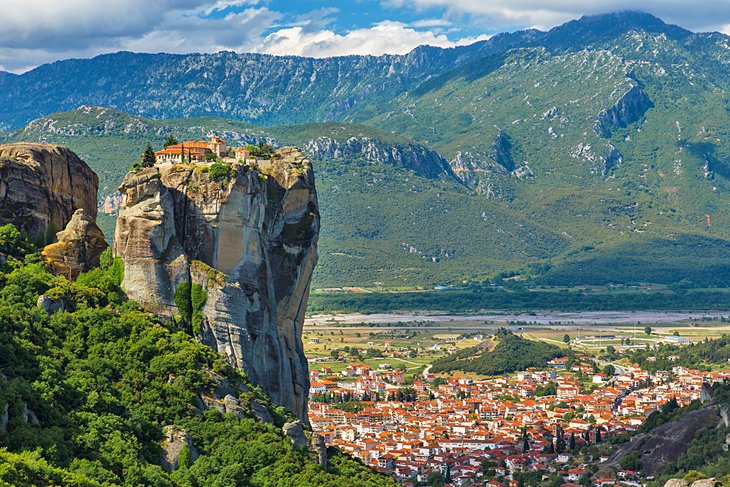
Clinging to a steep precipice as if suspended in midair, the glorious 15th-century Monastery of Holy Trinity is the most inaccessible; it's reached by a pedestrian pathway that leads to a staircase of 300 steps. This monastery boasts the most spectacular location of Metéora, which was used as a film set in For Your Eyes Only (a 1981 movie) when James Bond scaled the cliffside.
The Monastery of Saint Nicholas of Anapafsas, dating to the 14th century, features a tiny low-domed church decorated with precious murals created in 1527 by Theophanes Strelitzas, a monk from the island of Crete. These frescoes are considered among the finest examples of post-Byzantine painting in Greece.
One of the most striking sights in Metéora, the 16th-century Monastery of Roussanou comprises several buildings that crown sheer pinnacles. Now a convent, the Monastery of Roussanou is home to a small community of around 15 nuns. From the Monastery of Roussanou, visitors can take in views of the other Metéora monasteries and the dramatic landscape.
In a vantage point that offers superb panoramas of the valley and the mountains, the Monastery of Saint Stephan (another convent) is the easiest of the monasteries to access because it is reached by a footbridge rather than steps.
Tourists who have enough time can hike from one monastery to the next.
Metéora is a long journey from Athens (about 350 kilometers away) whether traveling by train, bus, or car, so it can be difficult to fit in as a day trip. For the easiest and best experience at Metéora, a guided excursion is the way to go. Travelers get the most out of a well-organized tour, such as the Meteora Day Trip by Train from Athens that allows for visits to three monasteries, led by a guide who explains the unique history of each monastery.
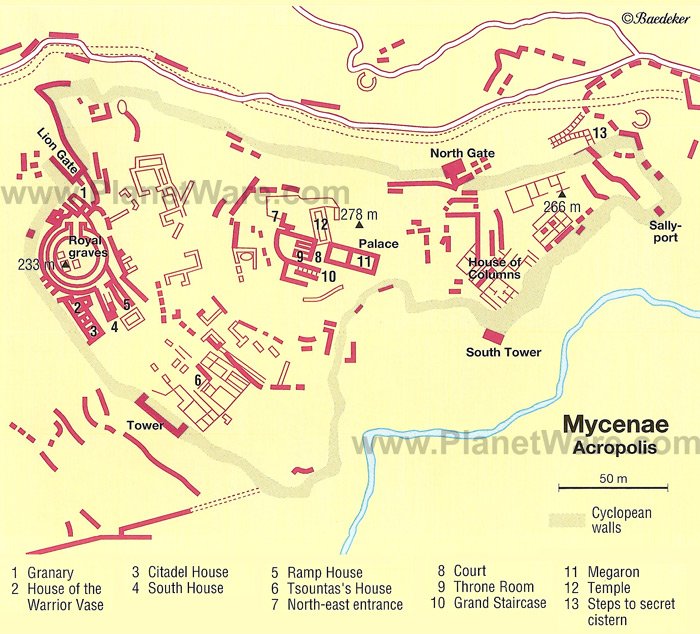
3. Mycenae: The Legendary City of Greek Mythology
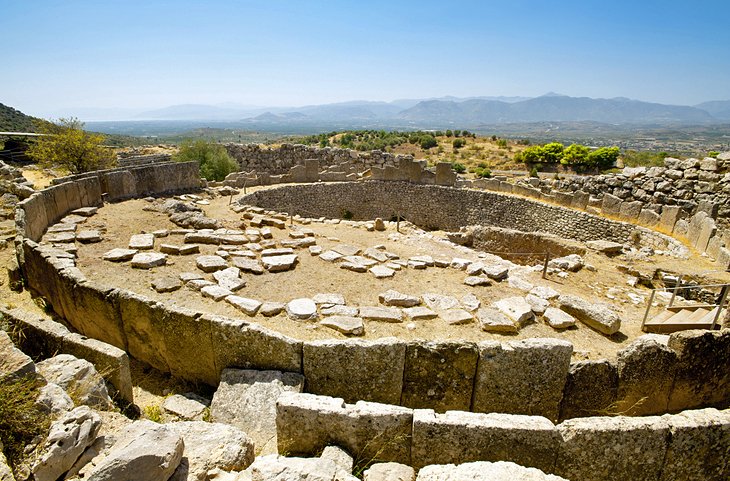
The real-life location of the city of Agamemnon in Greek mythology (often mentioned by Homer), the archaeological ruins of Mycenae are 120 kilometers from Athens and about 25 kilometers from Nafplio.
Mycenae dates to the Bronze Age, when the fortified citadel at this hilltop settlement was an important center of ancient Mycenaean civilization, especially in the 14th and 13th century BCE. The earliest archaeological fragments uncovered here date to the 15th century BCE, considered the Prehistoric Period.
Visitors can see remains of ancient palaces, fountains, ramparts, and the famous Lion's Gate and "Tomb of Agamemnon" (also called the "Treasury of Atreus"). Many of the ruins are remarkably well-preserved considering their antiquity.
To get the most out of a visit to this incredible archaeological site, a guided tour is the best option. The full-day Mycenae and Epidaurus Day Trip departs from Athens, and stops in Mycenae, Nafplio, and Epidaurus. The visit to Mycenae includes a walking tour led by an expert in ancient Greek history, who illuminates the significance of the Mycenae ruins and tells interesting stories.

4. Athens Riviera (Coast of Apollo)
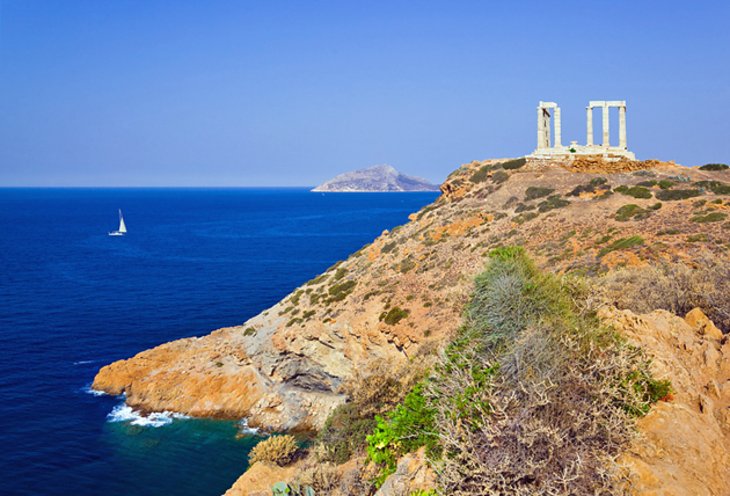
This lovely stretch of coastline begins just a few kilometers outside of Athens and extends for approximately 100 kilometers (a two-hour drive) until reaching Cape Soúnion. This area has many archaeological ruins, as well as pampering spas, five-star hotels, traditional restaurants, golf courses, beach clubs, sailing clubs, and yacht marinas.
During summertime, vacation-goers luxuriate in the balmy weather, go for strolls along palm-fringed seaside esplanades, and bask in the sunshine on well-maintained beaches.
Highlights of the Athens Riviera include the seaport of Lavrio; the mesmerizing Lake Vouliagmeni, therapeutic natural hot springs with underwater caves; and the impressive Doric-style Temple of Poseidon (dating to the 5th century BCE), which stands majestically on a steep crag at Cape Soúnion overlooking the sparkling emerald-blue waters of the Mediterranean.
It's easy to visit many of the attractions along the Athens Riviera by using public transportation; the tram leaves from Syntagma Square in the Athens city center.
The most delightful way to discover the Athens Riviera is by taking an organized tour. The Cape Soúnion and Temple of Poseidon Half-Day Trip departs from Athens for a scenic drive along the coastline, winding along the stunning coastal cliffs until arriving at the Temple of Poseidon. At the archaeological site, tourists can explore the ruins, take photos, and admire the ravishing sea view that extends all the way to the Island of Kea on a clear day.
5. The Islands of Aegina, Poros, and Hydra
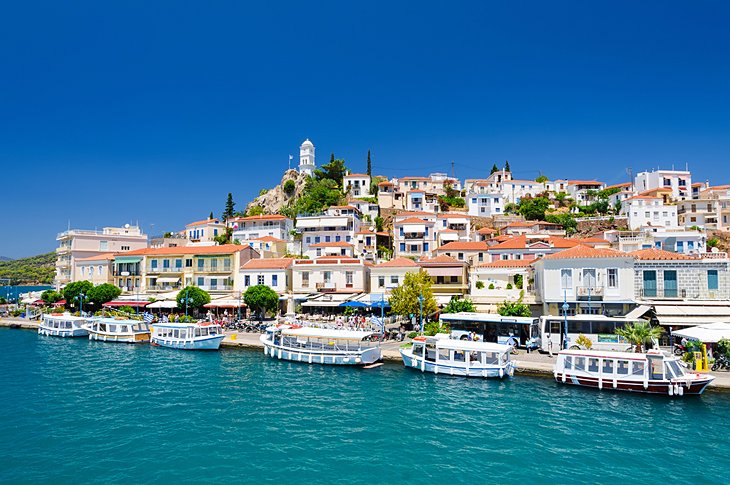
Surrounded by the calm blue waters of the Saronic Gulf, the islands of Aegina, Poros, and Hydra are easy day-trip destinations for tourists based in Athens. All three islands are accessible by ferry boats from the port at Piraeus (12 kilometers from Athens).
The Island of Aegina, the closest to Athens (a 40-minute ferry ride from Piraeus), is famous for the Temple of Athena Aphaia, which is one of the best-preserved ancient temples in Greece. Other must-see attractions include the ancient ruins of the Temple of Apollo and the Archaeological Museum with a famous 6th-century BCE sculpture of the Aegina Sphinx.
Known for its beautiful sandy shoreline and crystal-clear waters, the Island of Poros (a one-hour ferry ride from Piraeus) is ideal for family summer vacations and weekend trips from Athens. Highlights include the waterfront town of Poros and the seaside village of Askeli with tourist-friendly beaches, cafés, and restaurants.
Slightly farther from Athens but still an easy day trip, the Island of Hydra is an enchanting destination, where donkeys are the only means of public transportation. Narrow cobblestone streets and pedestrian alleyways add to the old-world feel. The island's capital, Hydra Town, features an attractive and bustling harbor. The island also has a small fishing village with good seafood tavernas, a scenic coastal walking path, and calm sheltered beaches.
Each of the islands merits a visit, but because of the limited ferry schedule, it's only logistically feasible to visit one of the islands on a day trip if traveling by ferry.
One way to see all three islands in a day (and much easier than traveling by ferry from Piraeus) is the Hydra, Poros, and Aegina Day Cruise. This full-day cruise departs in Athens and stops at all three islands. Sufficient time is allowed on each island for taking leisurely strolls, visiting the historic monuments, browsing souvenir shops, and relaxing at outdoor cafés. This cruise also includes lunch and a traditional Greek music and dance performance.
Read More: Top-Rated Greek Islands
6. Corinth
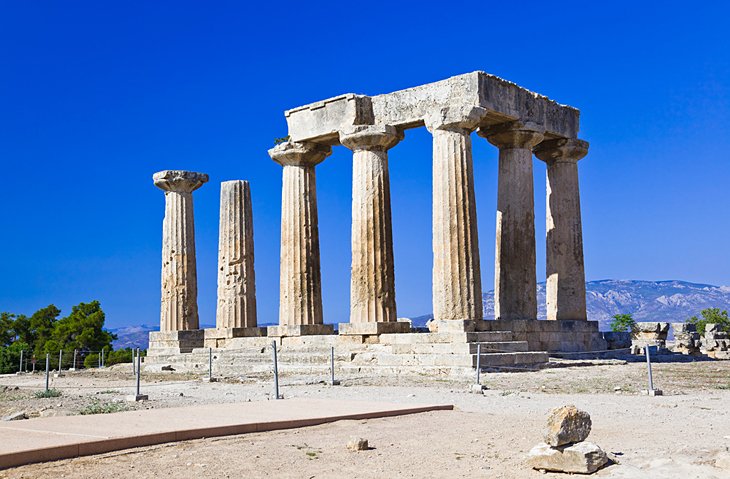
About 85 kilometers (a one-hour drive) from Athens and 40 kilometers (a 35-minute drive) from Mycenae, Corinth is a modern port town with a bustling waterfront scene and a wide selection of things to do, including plenty of shops, restaurants, and cafés.
For tourists, the main attraction is the Ancient Corinth archaeological site (nine kilometers outside the modern town). Standing on the highest point in Ancient Corinth, the iconic Temple of Apollo (dating to the 5th century BCE) appears from a distance to dominate the landscape. Upon closer observation, the temple's massive Doric columns give a sense of the monument's original scale and grandeur.
Most of the other ruins at the site date to the 1st century CE (during the era of Roman rule), including the forum, bathhouse, theater, the temple of Octavia, and the healing sanctuary of Asklepios.
Many of the objects excavated at the archaeological site are now on display at the nearby Archaeological Museum of Ancient Corinth. This museum displays an extensive collection of antiquities, including pottery, mosaics, and statues. The ancient Roman mosaic floors and sculpted busts are especially noteworthy.
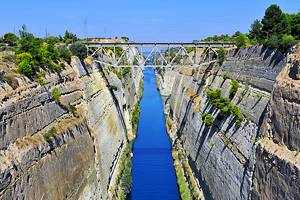
To truly appreciate the ancient ruins and artifacts, the best option is to go on a guided tour. One recommendation is the Corinth Half-Day Trip from Athens, which begins with a scenic drive along the Saronic Gulf and stops briefly at the Corinth Canal before arriving at Corinth for a tour of the archeological site and the Archaeological Museum of Ancient Corinth. The half-day trip concludes by stopping at a seaside village before returning to Athens.
7. The Romantic City of Nafplio
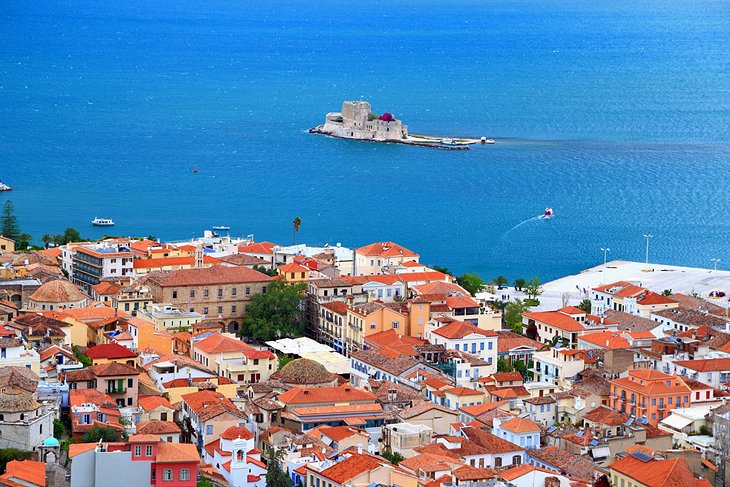
In a sheltered bay on the Argolic Gulf, this picturesque seaport is full of old-world romance. Nafplio exudes lively Mediterranean ambience in every corner of the town, but especially in its waterfront cafés and atmospheric alleyways.
Boasting a rich heritage, Nafplio dates back to the Prehistoric Era with the Argonautic Expedition and the Trojan War. Later, the conquering Romans, Byzantine Empire, Venetians, and Ottoman Turks left their mark in a plethora of ancient monuments: impressive Venetian fortresses, elaborate Ottoman fountains, and domed Turkish mosques.
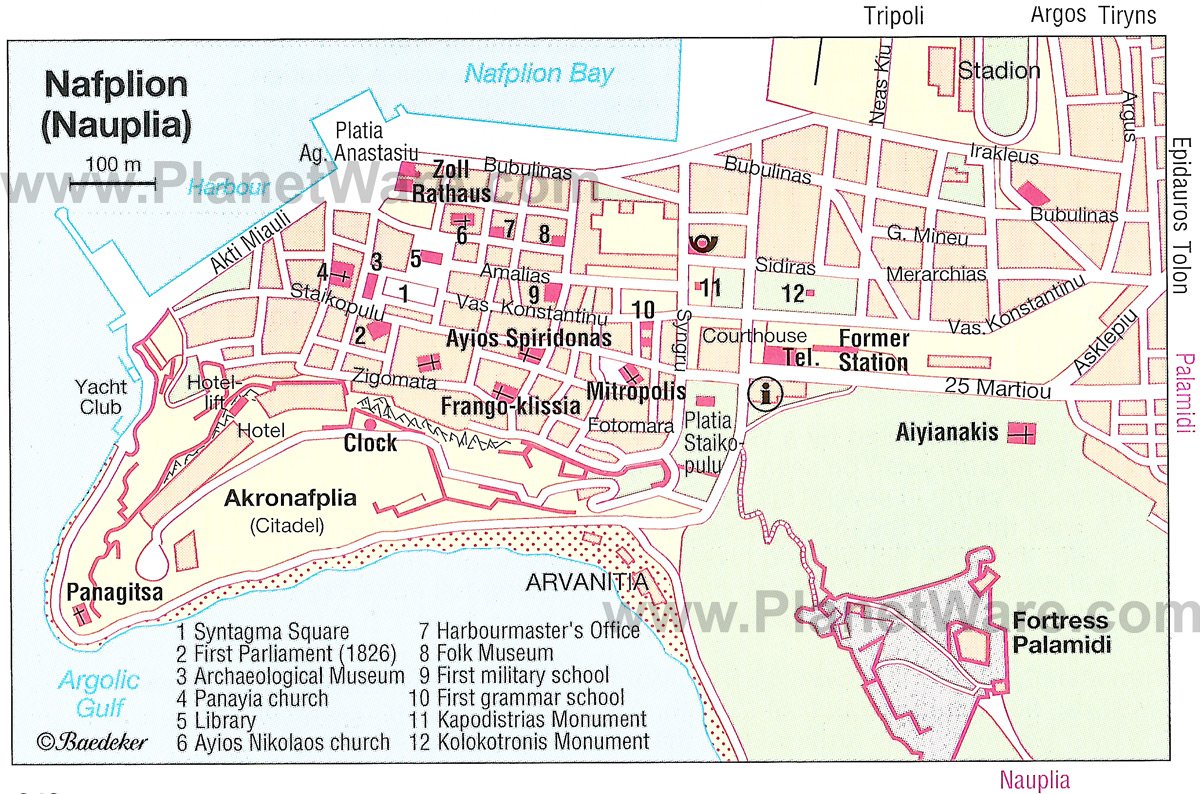
At the city's center is the Italianate Syntagma Square, lined with historic buildings. Another top attraction is the Palamidi Castle, presiding over a hilltop more than 200 meters above sea level. It's a rewarding trek up to the castle, but it requires a walk of nearly 1,000 steps.
Another castle is even more inaccessible, the Venetian Bourtzi Fortress on the islet of Agioi Theodoroi, which can only be reached by boat during the tourism season, but is still a popular destination and the most-photographed landmark of Nafplio. The Bourtzi Fortress hosts the Summer Music Festival in June.
Nafplio is about 136 kilometers from Athens in Greece's Peloponnese region. It's a great base for spending a few days to visit the archaeological sites in Mycenae (21 kilometers away) and Epidaurus (35 kilometers away).
Another ancient town worthy of a detour is Argos (12 kilometers from Nafplio), which has an excellent Archaeological Museum. Outside of the town are excavated ruins that include ancient Roman baths (thermae), a marketplace (agora), the Temple of Aphrodite (Venus), and a Hellenistic-era theater with seating for an audience of 20,000 spectators (making it among the largest in ancient Greece).
The Ancient Theater of Argos is still in use today, when it becomes the venue for the Summer Festival of Argos-Mycenae from June through August. Attending a music concert or dance performance under a starry night sky at this spacious and beautifully designed ancient theater is among the most memorable things to do while on vacation in Greece.
8. The Ancient Theater of Epidaurus
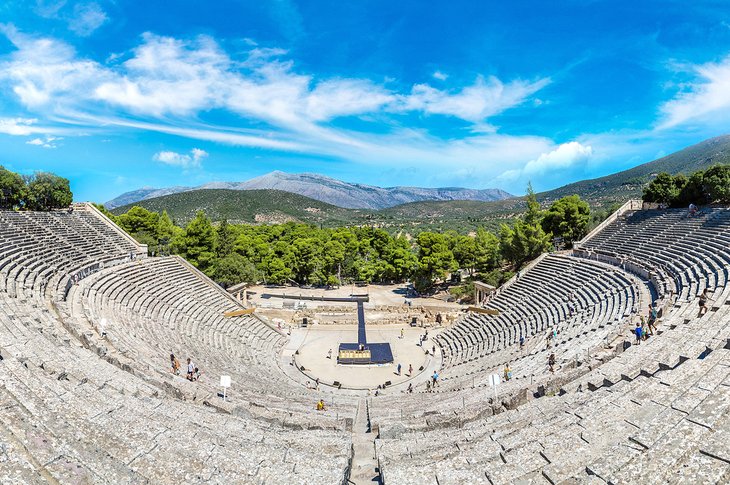
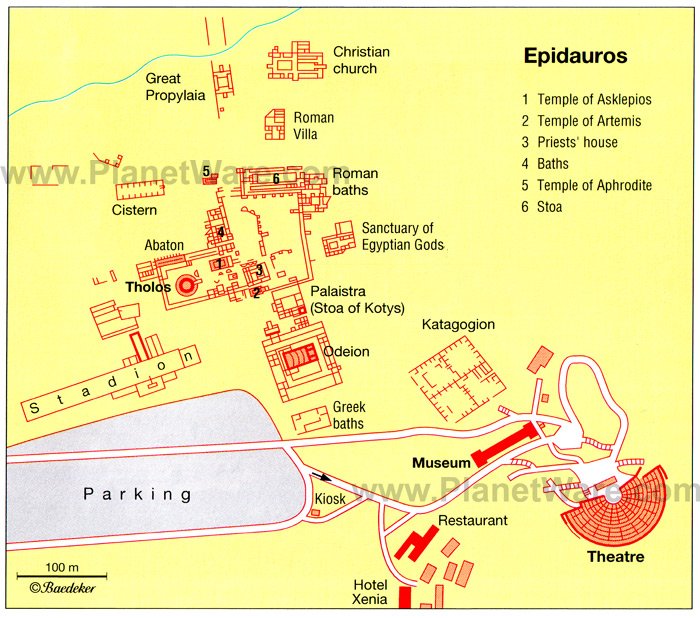
This pleasant seaside town on the Saronic Gulf is about a three-hour drive from Athens and a 30-minute drive from Nafplio. The main tourist draw of Epidaurus is the well-preserved Ancient Theater (near the ancient Sanctuary of Asklepios), which dates from the 4th century BCE.
Visitors can easily imagine the Greek dramas that were performed here more than two millennia ago, especially during the Athens Epidaurus Festival (in June, July, and August) when the Ancient Theater is a venue for performances of ancient Greek drama.
The Athens Epidaurus Festival also presents contemporary and avant-garde music; theater and dance performances are held at the Little Theater (also from the 4th-century BCE) of Epidaurus. Other festival events take place at the Odeon of Herodes Atticus, an ancient theater in Athens.
Those who'd like to learn more about Epidaurus' ancient history will appreciate the Archaeological Museum, located within the Sanctuary of Asklepios archaeological site. The museum displays architectural elements that were discovered at the Sanctuary of Asklepios, as well as pottery, statues, coins, and other objects uncovered at the archaeological site.
For an enjoyable and educational visit to Epidaurus, try an organized excursion such as the Mycenae and Epidaurus Day Trip. This guided tour departing from Athens features a scenic drive along the Saronic Gulf and visits to the archaeological sites in Mycenae and Epidaurus, where a knowledgeable guide shares historical details that help bring the ancient ruins to life.
9. The Monastery of Daphni
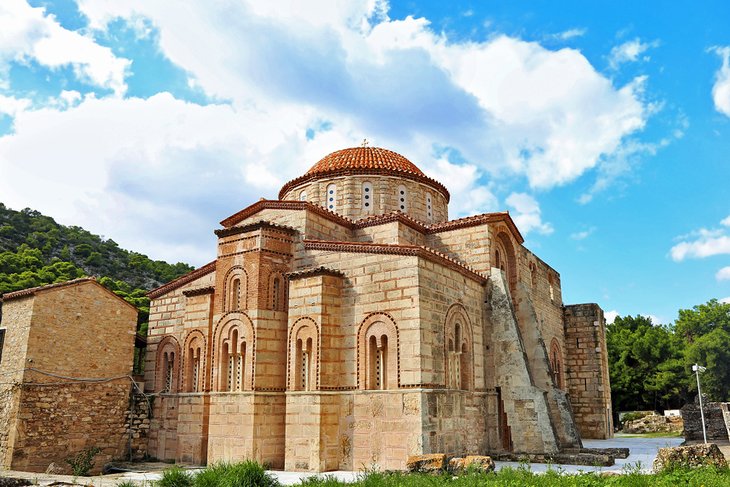
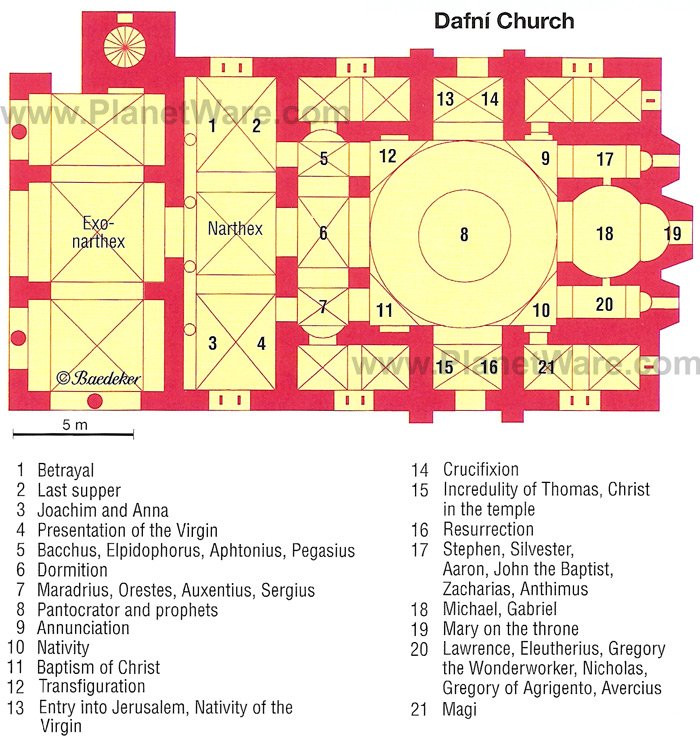
The Monastery of Daphni is tucked away in a serene natural setting, only about 10 kilometers from Athens city center. In ancient times, this location was the site of the Temple of Apollo, to whom the laurel (daphne) was sacred, explaining the origin of the monastery's name. The pagan shrine was converted to an early Christian monastery, which was replaced by the present monastery in 1080.
Listed as a UNESCO World Heritage Site, the monastery is renowned for its gilded 11th-century mosaics adorning the church interior. The glittering sanctuary is considered one of the finest Byzantine churches in Greece, on par with the monasteries of Hosios Loukas near Delphi and Nea Moni of Chios. Next to the monastery's cloister is a pleasant courtyard.
10. Monastery of Kaisariani
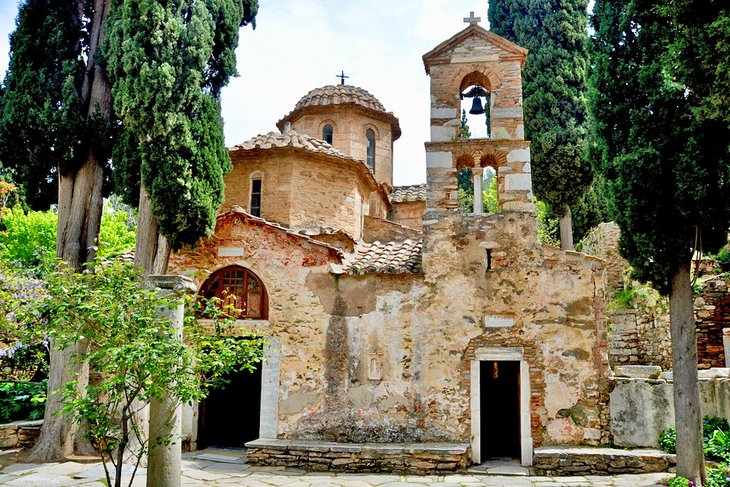
Only eight kilometers from Athens, the Kaisariani Monastery is nestled in a forest at the foot of Mount Hymettos. A parkland surrounds the monastery, providing welcome shade and fragrance with its pine trees, cypresses, Mediterranean shrubs, and aromatic flowers.
Monks once used the monastery's property for beekeeping and growing medicinal herbs. The grounds feature a natural spring that previously channeled water to the ancient Roman Temple of Aphrodite, which stood on this site.
The pure waters of the Kaisariani Spring were (and continue to be) credited with healing powers, particularly for women who wish to bear children. This water flows from a fountain shaped like a ram's head (with its mouth functioning as the spout) in the courtyard of Kaisariani Monastery.
In harmony with the restful surroundings, the monastery's 11th-century Byzantine church features a simple harmonious design. The cross-in-square layout with a central dome is typical of Byzantine architecture. Intricately detailed 17th-century frescoes adorn the interior.
After admiring the church, tourists should spend time wandering the extensive grounds, perhaps sitting under a shady tree in quiet reflection or having lunch at one of the picnic areas. Visitors may also relax at the monastery's small café in the forest or venture out onto the walking trails. The scenic paths afford sweeping panoramas of Athens in the distance and the surrounding countryside.
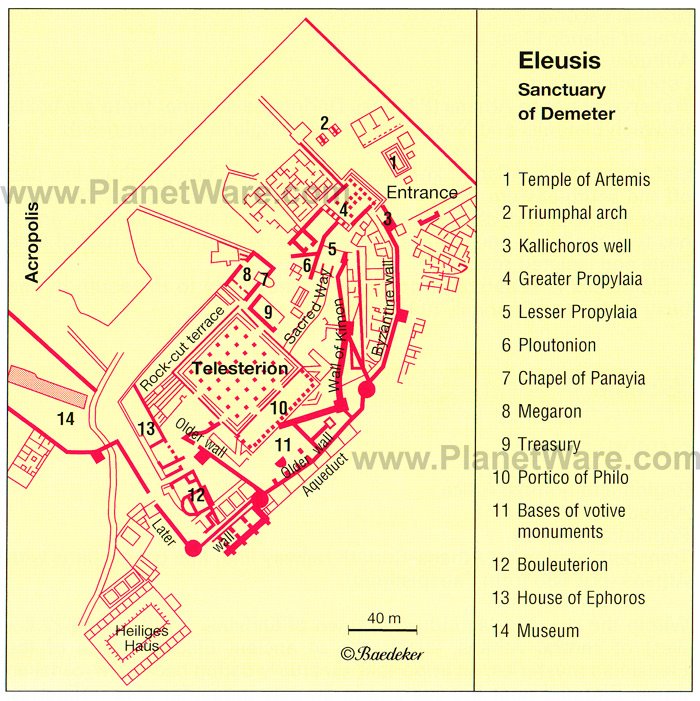
11. Ancient Cult Mysteries at Eleusis
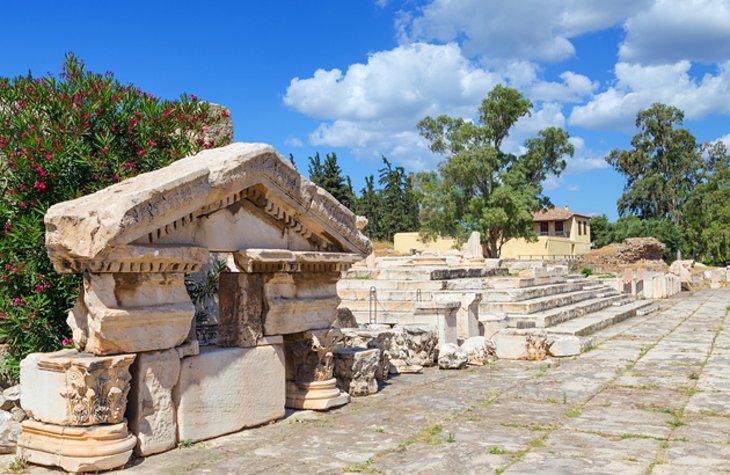
This archaeological site gives visitors an insight into the famous Eleusinian Mysteries, the secret religious rites of the Mycenaean era (15th-century BCE to 13th century BCE). At Eleusis (21 kilometers from Athens), tourists can see the ruins of the ancient sanctuaries associated with the Eleusinian Mysteries, including the Sanctuary of Demeter that dates back to the 14th century BCE.
The Eleusinian Mysteries cult arose out of the myth of the goddess Demeter, who lamented the loss of her daughter Persephone, abducted by Hades, god of the Underworld. According to the legend, Demeter went to Eleusis where she was reunited with Persephone. Since then, Demeter was venerated here as the Fertility Goddess to ensure bountiful harvests.
The Eleusinian Mysteries (mystai) were performed annually around September and October to honor the goddess Demeter for providing fertile crops. These religious rites included a procession from Athens to Eleusis, followed by ritual baths in the sea, three days of fasting, and mysterious (and still unknown) recitations.
12. Piraeus: An Ancient Harbor, Modern Port, and Ferry Terminus
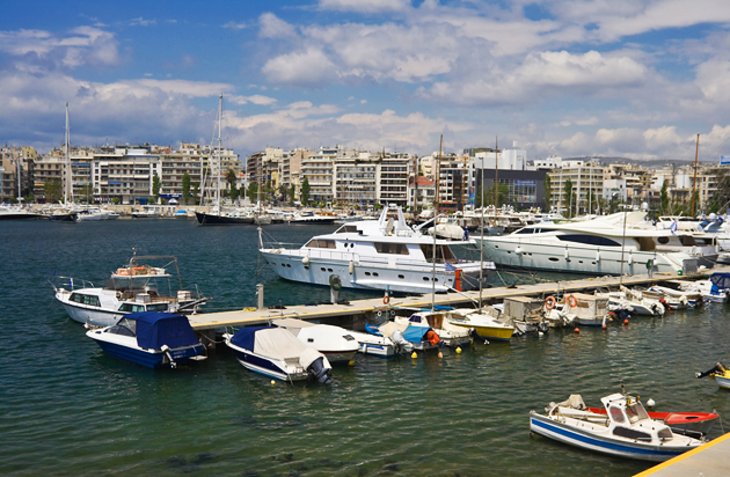
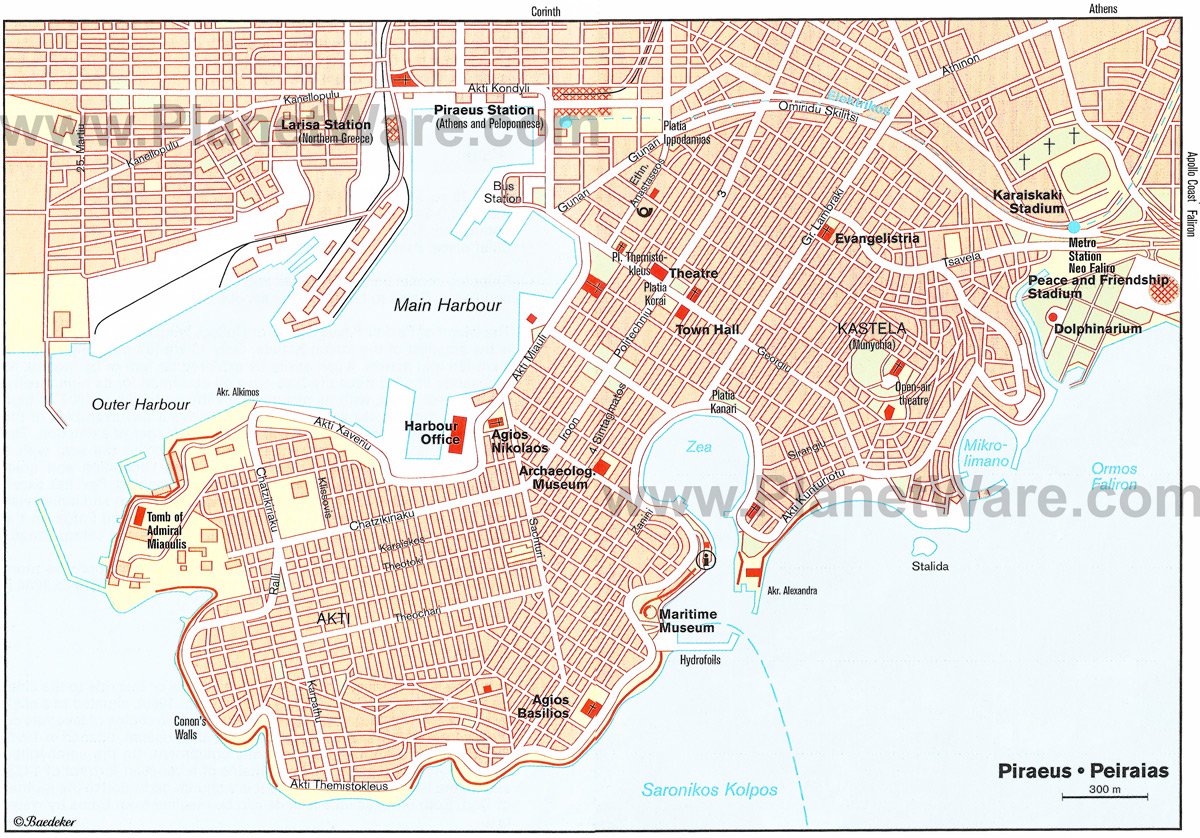
Greece's largest modern port, Piraeus boasts more than 2,000 years of history. The fortified port was developed by Themistocles in the 5th century BCE as a commercial harbor for Athens (12 kilometers away).
Piraeus is still Athens' main commercial port and is one of the busiest seaports in the Mediterranean, as the departure point for ships sailing to Europe and the Near East. Travelers embarking on a tour around the Greek Islands will most likely begin at the Central Port in Piraeus, which is the starting point for ferry routes to all of the Aegean Islands.
Although many travelers quickly pass through Piraeus en-route to their next destination, the town does have some tourist appeal. The main attractions are the restaurants and shops at Zea Marina (Pasalimáni Harbor), the Archaeological Museum, the seafood taverns at the Mikrolimano fishing harbor, and the charming hilltop neighborhood of Kastella. During summertime, cultural events and performances are held at an outdoor theater in Kastella.
13. Lake Marathon
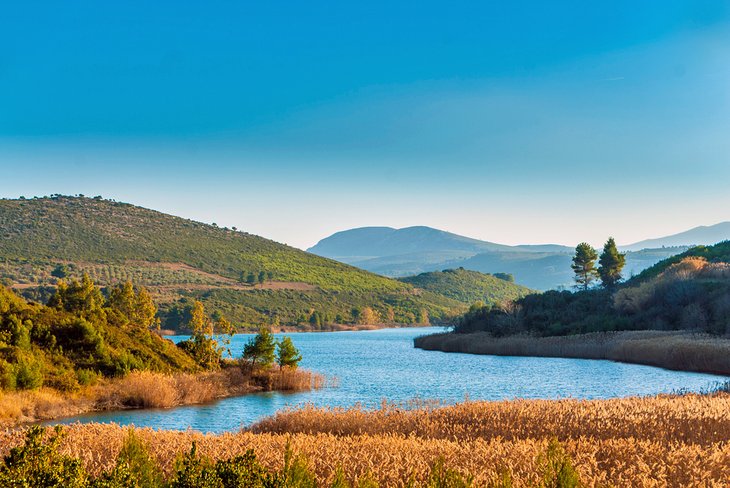
Amid the olive groves and vine-covered hills outside of Athens (45 kilometers away), this tranquil lake was formed by a dam constructed between 1926 and 1931 to create a reservoir of fresh water.
The reservoir, known as Lake Marathon, is 38 kilometers from Athens and is the city's main source of water supply. Bathing and boating are not allowed, but the area is ideal for taking nature walks, relaxing outdoors, or enjoying picnics on sunny days.
Lake Marathon is eight kilometers west of the Marathon village, on the road to the Church of Ayios Stéfanos. Marathon was celebrated in antiquity as the place where Theseus killed the bull of Marathon and the scene of the first great battle between the Greeks and Persians in 490 BCE.
14. Mystras
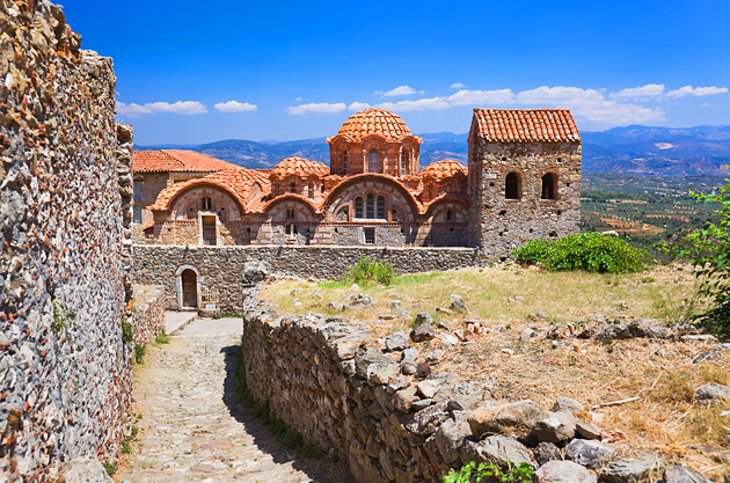
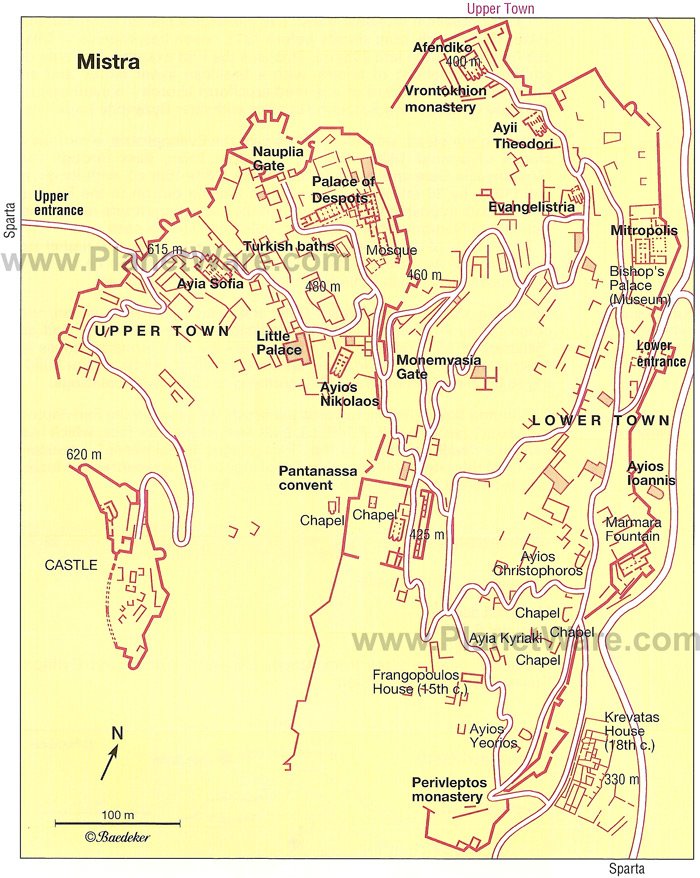
About 218 kilometers from Athens and 10 kilometers from Sparta, in a striking location jutting from the slopes of the Taygetos mountain range, the ruins of medieval Mystras (Mistra) are a UNESCO World Heritage Site. Called the "castle city," this captivating walled town provides a glimpse of life in the late Byzantine period (13th-15th centuries).
The best place to begin a tour is on the hilltop, where the remnants of a Byzantine fortress stand. This medieval castle was constructed in 1249 by Prince William of Villehardouin. From this vantage point, one can admire panoramic views of the countryside.
Other highlights include the Palace of Despots, a complex of (mainly Byzantine-era) buildings that overlook the Valley of Evrotas and the Plain of Sparta; the elegant and vibrantly adorned Pantánassa Monastery (still a working convent); and the more secluded Perívieptos Monastery with its intricate masonry work and delicate Byzantine fresco paintings.
Mystras also has several other Byzantine churches with exceptional frescoes that represent a flourishing of Byzantine religious art from the 13th to early 15th century.
The Archaeological Museum of Mystras presents an extensive collection of Byzantine paintings, sculptures, jewelry, and religious icons. Located in the courtyard of the Saint Demetrius Cathedral, the museum delights visitors with its peaceful setting and splendid views.
While in the area, tourists should visit the Archaeological Museum of Sparta (12 kilometers from Mystras), which displays objects found at nearby archaeological sites. The collection covers a wide range of time periods, from the Neolithic era through Classical antiquity until the late Roman period.
South of Sparta (30 kilometers away) is the village of Krokeés, which in ancient times was important for its quarries of Lapis Lacedaemonius, a dark green volcanic stone used to construct public baths.
15. Mount Parnitha
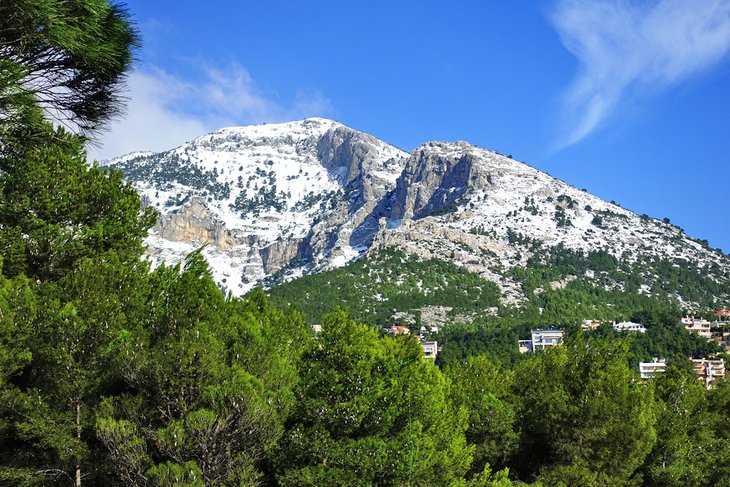
Only 40 kilometers (about a one-hour drive) from the Athens city center, Mount Parnitha in Central Greece offers a wonderful escape to nature. This idyllic area attracts visitors who want to breathe in the fresh air and soak up the unspoiled scenery of refreshing pine forests.
To reach the Mount Parnitha National Park, drive from Athens' outlying suburb of Achárnes. The scenic road winds its way up to the mountain with numerous sharp bends. The highest mountain peak in Greece at 900 meters above sea level, Mount Parnitha has sensational hiking trails that traverse a densely wooded landscape.
A convenient base for those spending a few days exploring the National Park is the Mpafi Mountain Refuge. From this secluded spot, adventurous hikers can begin a climb to the summit of Mount Parnitha and then indulge in the refuge's homemade cuisine and rustic overnight accommodations.