Tourist Attractions & Places to Visit in Winnipeg
Author Michael Law grew up in Winnipeg. He and his wife, author Lana Law, lived in the city for many years and return every year.
Winnipeg is known internationally as the home of the Winnipeg Jets, the city's NHL team, but nationally, it is also appreciated for its outstanding arts and cultural scene. Locals, known informally as "Peggers," enjoy a very active cultural life, with everything from drama and ballet to concerts and opera on offer. More recently, the city has gained recognition for the addition of its newest major attraction, the impressive Canadian Museum for Human Rights.
Equidistant from the Atlantic and Pacific oceans, Winnipeg is the heart of central Canada. The city's extreme climate of hot summers and cold winters means the range of things to do in Winnipeg varies by season. Whether you're soaking up the sun at a summer festival or skating down a frozen river trail, there is always something to discover.
For ideas on where to start your visit, see our list of attractions and places to visit in Winnipeg.
The Forks
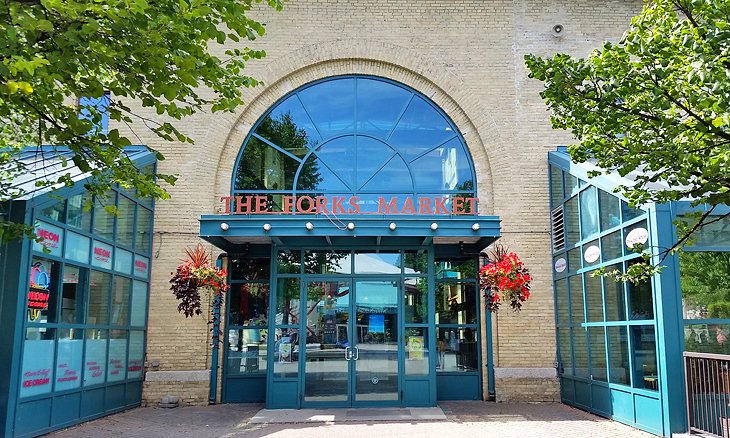
Highlights: Restaurants, unique shops, and a fresh food market housed in a historical building
Set at the historic junction of the Red and Assiniboine Rivers, The Forks is a year-round destination for locals and tourists. While it's always busy during the warmer months, this is a fun place to visit in summer or winter, with indoor and outdoor activities.
The Forks is a shopping and entertainment district set in a number of historic buildings. The site was once a railway repair facility, and over the years, the various buildings have been meticulously restored to house a mix of interesting shops, restaurants, and museums.
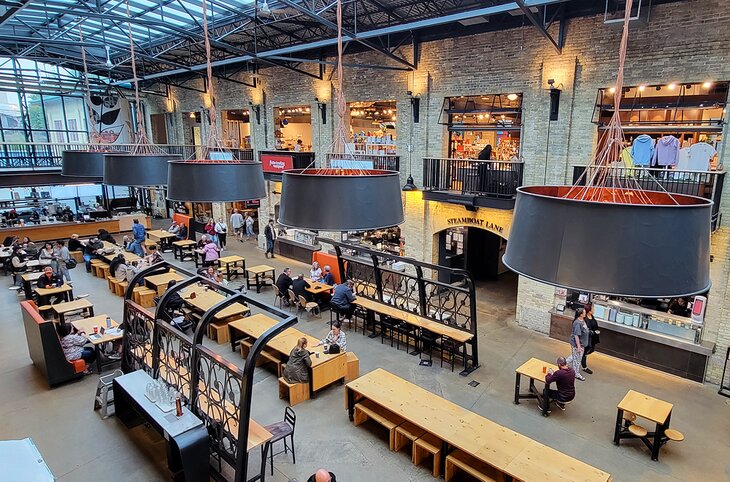
The main building is The Forks Market, where the highlight is the food vendors who cook up all kinds of tasty dishes. Grab a fresh-baked pastry or loaf of bread at Tall Grass Prairie, pick up an expertly cooked steak at Simon's Steaks, sample a variety of ethnic foods, or treat yourself to a frozen dessert or cup of coffee.
Fruit and vegetable sellers set up in the main hall in season, and stores are found on two levels. You can also walk up the lookout tower to get a bird's-eye view over the river and the city.
Right next door to this is the Johnston Terminal Building, another historic building and a great place for shopping, especially if you're looking for unique items. Stop in at Manitobah Mukluks for Indigenous-inspired products or head to Distant Caravans to discover exotic clothing and designs. This is just a sample of the types of stores you'll find here.
The lower level of the Johnston Terminal Building is a huge Antique Mall (JT Antiques and Vintage).
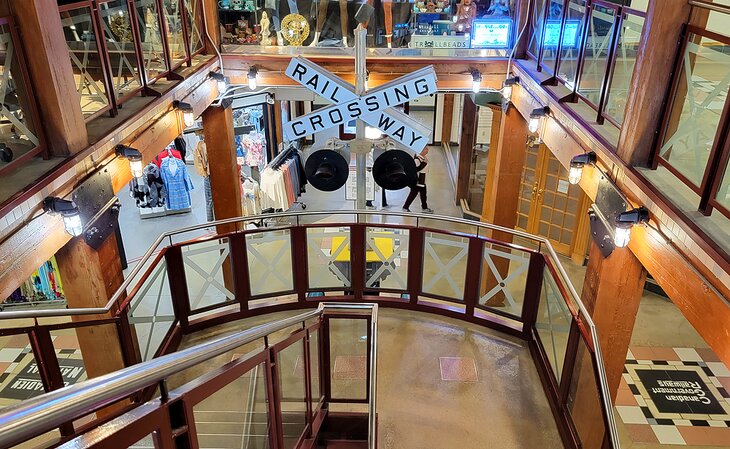
In summer, people come to The Forks to enjoy indoor and outdoor dining or play on the river. The Riverwalk is a pleasant walking trail along the riverfront, which will take you over to another of Winnipeg's key attractions, the Legislative Building.
In winter, one of the most popular things to do is to skate at The Forks ice-skating rink or on the frozen river. You can rent a pair of skates and skate along the Nestaweya River Trail, which starts at The Forks and runs along the Red and Assiniboine Rivers. Dotted along the river trail, you'll find unique, architect-designed warming huts. Exploring these temporary art installations is a fun activity in itself as you skate or walk the trail. You'll also find public fire pits scattered around the grounds.
Canadian Museum for Human Rights
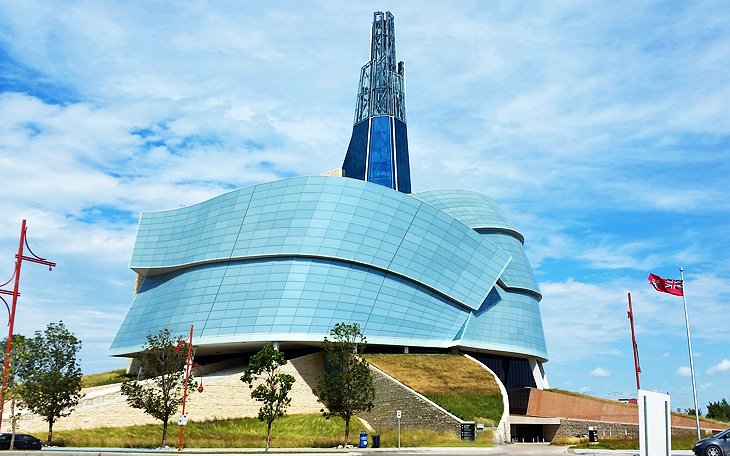
Highlights: Eleven galleries showcasing human rights history housed in an architecturally stunning building
This recent addition to Winnipeg's cultural scene, The Museum of Human Rights, has become the city's state-of-the-art architectural landmark. The museum is known both for its spectacular building design and its unique concept of presenting human rights stories.
Rather than focusing on artifacts, this is a museum of ideas. Visitors ascend through a series of glowing, crisscrossing alabaster ramps, moving through 11 powerful and interactive galleries. Each gallery uses cutting-edge technology, film, and personal stories to explore human rights concepts, struggles, and triumphs from Canadian and international perspectives.
At the top is the soaring Israel Asper Tower of Hope, which offers breathtaking panoramic views of the city and a quiet space for contemplation.
From the very beginning, the museum has proved controversial in many ways, but it is no doubt an important Canadian cultural institution.
Address: 85 Israel Asper Way, Winnipeg, Manitoba
The Manitoba Museum
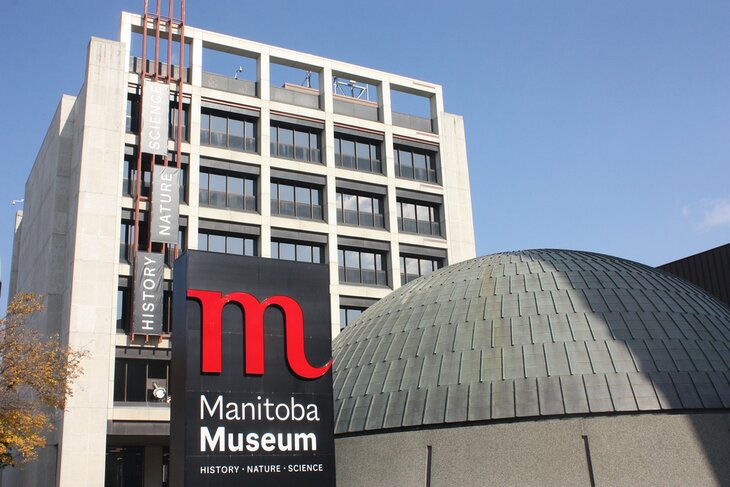
Highlights: Fossils, a 17th-century sailing ship, a planetarium, and interactive exhibits
The Manitoba Museum is primarily devoted to the cultural and natural history, offering a glimpse into the province's diverse landscapes and rich human history. The nine permanent galleries showcase the best of what the province has to offer, and the highly interactive Science Gallery and Planetarium introduce the vastness of the night sky on its domed screen.
Highlights of the museum include a 95-million-year-old Pliosaur fossil, a display that recreates the northern lights, and a recreated Hudson Bay fur trading post. You can also wander down a bustling Winnipeg street scene from the 1920s, or stand in a thundering herd of bison on the prairie.
One of the most famous exhibits is the Nonsuch, a 17th-century replica ketch sailing ship. You can climb on board and explore all areas of the ship to see the hardships of the brave souls who crossed the Atlantic way back when. The museum is located downtown, not far from the Exchange District.
Address: 190 Rupert Ave, Winnipeg
Assiniboine Park & The Assiniboine Park Zoo

Highlights: One of Canada's best zoos, a mini steam train, and the Leo Mol Sculpture Gardens
Assiniboine Park is Winnipeg's oldest park, encompassing 445 hectares of grassy lawns, mature trees, cultural facilities, and an English garden.
The Assiniboine Park Zoo is located within its grounds and is home to a wide variety of animals, flora, and fauna. Special emphasis is given to creatures of the northern latitudes, including a significant number of polar bears, though there are also some exotic species such as the Siberian tigers and red kangaroos.
Another attraction in the park is the Leo Mol Sculpture Garden. Here, you'll find an extensive collection of his brass pieces created using the lost-wax method of sculpture. His beautiful works of art are arranged in a magnificent, colorful garden complete with water features and mature trees.
Located in the same area is the Leo Mol Gallery, a restored schoolhouse where the artist created many of his works. The interior of the building has additional pieces along with a display showing how the lost-wax method works.
If you are traveling with youngsters, a fun thing to do in Assiniboine Park is to ride the 4-8-2 miniature steam train. The train runs along a narrow-gauge track and leaves from an area just west of the Pavilion building. The train runs daily throughout the summer and on weekends in September and October. The fee to ride is very modest.
Looking for a bit of nature? To the south, a large nature reserve adjoins the park, where deer and other animal sightings are common.
Address: 55 Pavilion Crescent, Winnipeg, Manitoba
Legislative Building
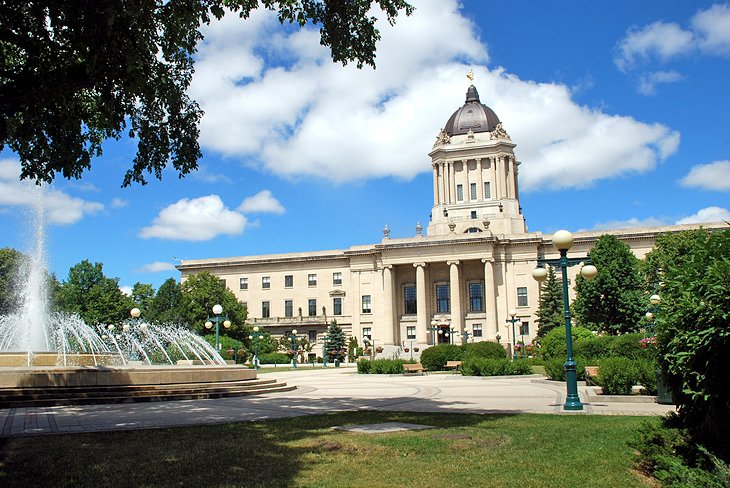
Highlights: A spectacular early 20th-century building, the Golden Boy statute, and lush gardens
Dominating the skyline along the Assiniboine River, the Manitoba Legislative Building is the seat of the provincial government, but also one of the city's most fascinating architectural treasures. Constructed from local Tyndall stone and Italian marble, this grand Neoclassical building (built in 1919) is crowned by one of Winnipeg's most famous symbols.
Atop the 72-meter dome is a statue known as the Golden Boy, a four-meter-high bronze weighing five tons and plated with 23.5-carat gold. A torch in his right hand and a sheaf of wheat on his left arm symbolize Manitoba's enduring agricultural prosperity.
Unique features of the building include hidden hieroglyphics, Freemason symbols, and secret numerical codes. Tours are offered weekly and are led by an architectural historian.
The lavish grounds feature statues, monuments, and manicured gardens
Address: 450 Broadway, Winnipeg, Manitoba
Experience the Festival du Voyageur
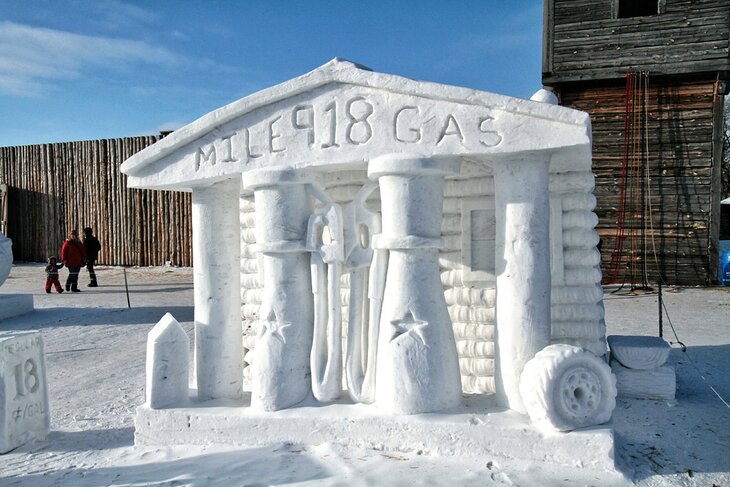
Highlights: Live music, dancing, celebrations, French Canadian food, and wacky contests
Festival du Voyageur is Winnipeg's most popular winter festival. Taking place in February, this event celebrates the traditions of the French Voyageurs — the fur traders of early Canada. This 10-day festival also offers Winnipeggers a chance to embrace and enjoy the cold. This is traditionally the coldest time of the year, when daytime highs can sometimes hover around -20 Celsius.
The festival includes entertainment and events for children and adults, with activities in French and English.
The heart of the festival is held in Whittier Park, located in the historic French Quarter of St. Boniface. Here, large heated tents pulse with live music, from traditional fiddle tunes to modern Francophone rock. The air is filled with the scent of classic food like tourtière (meat pie) and maple taffy rolled fresh on snow.
Make sure you don't miss the stunning ice and snow sculptures, one of the highlights of the festival. Another festival tradition is the beard-growing contest. Participants have 10 weeks prior to the festival to grow their best beard in four categories.
Complete with quirky traditions like the annual beard-growing contest, the Festival du Voyageur is a must-do if you are in the city at this time.
Winnipeg Art Gallery
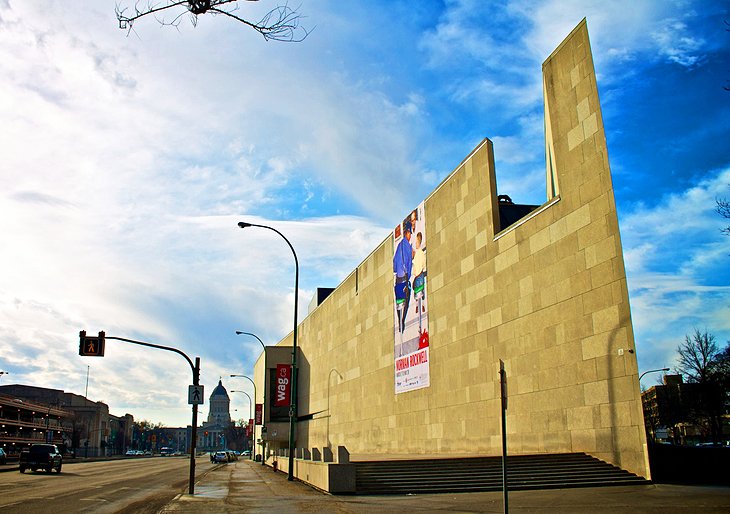
Highlights: An artwork collection of 25,000 pieces, an exceptional collection of Inuit Art
Housed in a very modern building shaped like the bow of a ship, the Winnipeg Art Gallery possesses 27,000 pieces spread across collections of classic and contemporary art by Canadian, American, European, and Inuit artists.
In 2021, the former Inuit Art Gallery was transformed with the addition of Qaumajuq, a breathtaking centre dedicated to Inuit art and culture. This architecturally stunning 40,000-square-foot building showcases over 12,000 pieces of Inuit Art and houses the largest public collection of contemporary Inuit art in the world.
The craftsmanship of the Inuit is on display throughout the gallery, but the most impressive area is the three-story-high Visible Vault, a glass-encased showcase displaying thousands of intricate carvings in stone and bone. The light-filled galleries allow you to explore powerful stories of the North through prints, textiles, and sculptures.
Seamlessly connected is the original WAG building, an iconic modernist landmark known for its extensive collection of Canadian and Manitoba art.
The Winnipeg Art Gallery is Western Canada's oldest art gallery and frequently hosts events and a wide range of artists, from poets to jazz musicians. Be sure to check out the very unique triangular rooftop sculpture garden for views over the city. The gallery is located downtown and is not far from The Forks.
Address: 300 Memorial Blvd, Winnipeg
The Exchange District National Historic Site
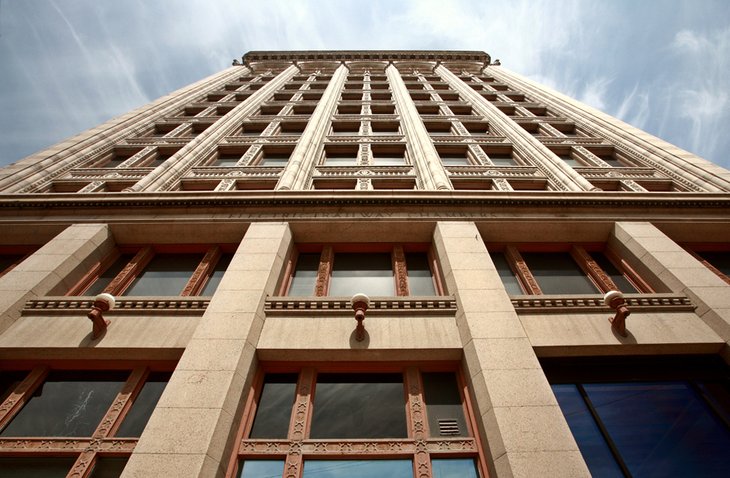
Highlights: Trendy restaurants, shops, and galleries housed in turn-of-the-century buildings
Turn-of-the-century Victorian and Edwardian commercial architecture define Winnipeg's Exchange District, its name a reflection of the many financial institutions that sprang up in Winnipeg between the 1880s and 1920s.
More recently, the Exchange District has seen a revival, with old warehouses, banks, and business premises being converted into usable buildings housing a variety of establishments. The cobblestone lanes and wide sidewalks are now lined with independent boutiques, restaurants, and contemporary art galleries.
The Exchange District is also a focus for the city's cultural life, with an impressive selection of venues including the Pantages Playhouse Theatre, Royal Manitoba Theatre Centre, and Manitoba Centennial Centre.
Old Market Square is the unofficial heart of the area and the site of various events and festivals in the summer months. Among these are the TD Winnipeg International Jazz Festival and the Winnipeg Fringe Theatre Festival.
Fort Whyte Alive
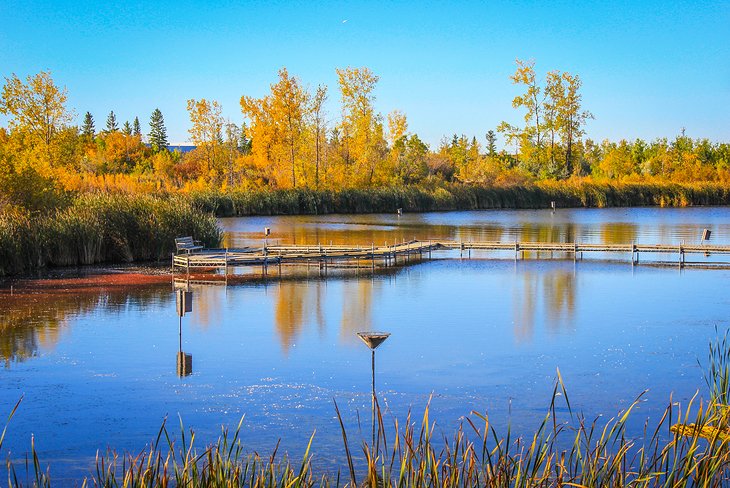
Highlights: Bison, prairie dogs, lakes for paddling, and an interpretive center
Spread over 660 hectares, Fort Whyte Alive is known for its five lakes, grassy parkland, and bog boardwalks. This remarkable four-season facility offers an escape into the wild without ever having to leave the city, providing a vital connection to Manitoba's iconic prairie landscape.
The interpretive center is home to an aquarium and nature exhibits, including burrowing owls. Outdoors, the main attraction is the bison herd, which you can watch from viewing mounds as they graze in the pasture. You can also visit the bird-feeding stations, see the sod house, or watch the antics of the prairie dogs at the prairie dog town.
Fort Whyte Alive has seven kilometers of walking and cycling trails, and sailing and paddling courses are taught in the summer on the small lakes. In the winter, a giant ice-skating rink, toboggan run, and cross-country ski trails are available for those keen to get outside and enjoy the cooler temperatures.
Address: 1961 McCreary Road, Winnipeg, Manitoba
Royal Canadian Mint
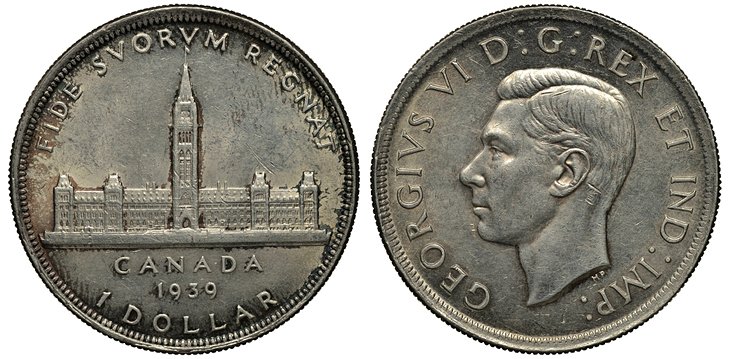
Highlight: A rare chance to see how money is made
The Royal Canadian Mint produces coins not just for Canada, but for a number of other countries as well.
Housed in a spectacular triangular glass building that rises dramatically from the prairie landscape, this state-of-the-art production plant is a marvel of technology and precision engineering. This single facility produces every coin used in Canada—every nickel, dime, quarter, loonie, and toonie.
You can take a guided tour to see the whole process. From an enclosed walkway, you look over the factory floor and watch as massive presses stamp blank metal discs into shiny new currency at incredible speeds. The tour features interactive exhibits that bring the story of money to life and even offers the chance to hold a solid gold bar.
The on-site museum does an excellent job of showing visitors the ancient history of how coins and currency first started. The ultra-modern building also contains a tropical garden and fountain. Reservations for the 45-minute tours are recommended.
Corydon Avenue
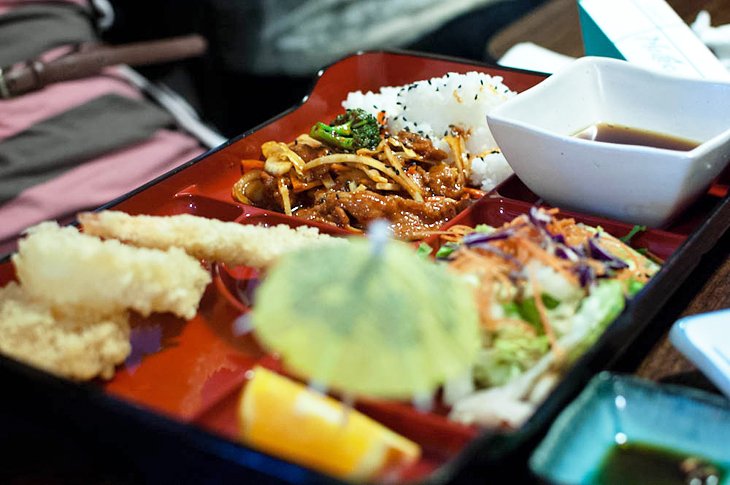
Highlights: Restaurants, some with sunny patios, offering cuisines from around the world
Known affectionately as Winnipeg's "Little Italy," this bustling tree-lined street is where locals come to unwind, catch up on the latest trends, and enjoy some downtime, especially in summer.
When the weather turns warm, this bustling street transforms into a vibrant, seemingly miles-long patio, renowned for its energetic atmosphere. Rows of sunny patios from dozens of restaurants, cafés, and gelaterias spill onto the sidewalks. While its heritage is Italian (and you'll still find some of the city's best pasta and gelato here), the avenue now offers a diverse range of culinary experiences with restaurants serving cuisine from around the globe.
Small, trendy shops with the latest unique fashions will pique your interest. Also of note is the street art — eight large metal figures on display each summer represent the countries of Spain, Greece, Argentina, Japan, Ukraine, Italy, France, and Scotland.
Concerts take place most Friday and Saturday nights and feature a diverse selection of musicians. The main area is along Corydon Avenue from Daly Street to Harrow Street, and parking can be a bit challenging.
St. Boniface Cathedral
Highlights: A unique mix of historical and modern architecture
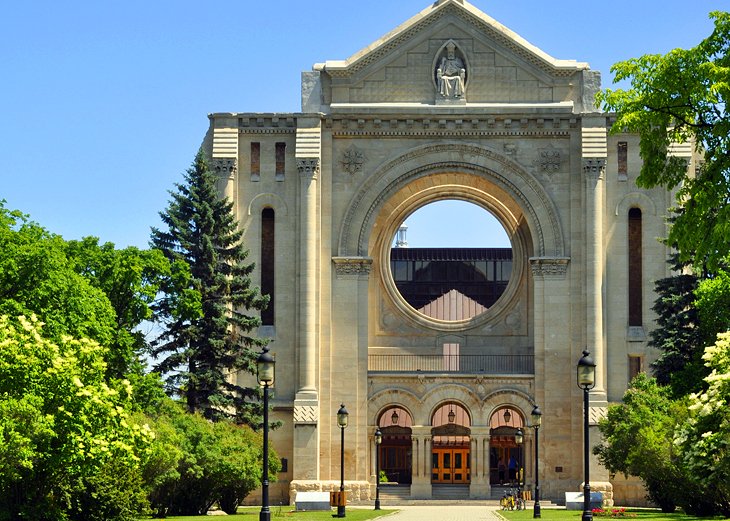
The St. Boniface Cathedral is a key historical and architectural landmark in Winnipeg's predominantly French St. Boniface neighbourhood. A place of worship has been here since 1818, but the current building includes the ruins of a large basilica that was completed in 1908. This basilica was mostly destroyed by a fire in 1968.
Designed by Franco-Manitoban architect Étienne Gaboury, the present cathedral uniquely integrates the preserved stone façade and walls of the 1908 building with modern construction elements of wood, glass, and weathering steel. This juxtaposition creates a striking visual testament to the site's rich history.
The grounds also house Western Canada's oldest Catholic cemetery, where Métis leader Louis Riel is interred. The cathedral remains an active parish and a Provincial Heritage Site.
The nearby St. Boniface Museum, the oldest building in Winnipeg, was constructed in 1846 for the Grey Nuns and was the first convent, hospital, girls' school, and orphanage in the Canadian West. After restoration in 1967, it became a museum documenting the history of Manitoba's French minority.
Address: 180 Cathédrale Ave, Saint-Boniface, Manitoba
Manitoba Children's Museum
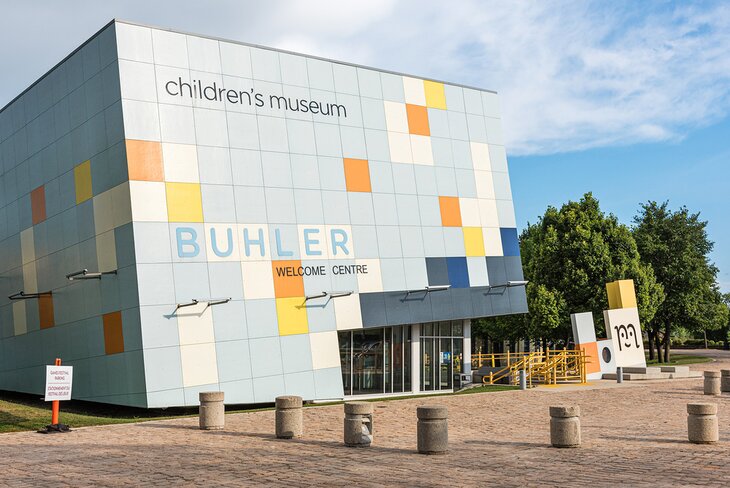
Highlights: Twelve interesting and interactive galleries that kids love, plus traveling exhibits
The Manitoba Children's Museum is housed in a state-of-the-art facility located at The Forks. Inside this unique building, you'll find 12 interactive permanent galleries, which will appeal to children of all ages.
The galleries feature an array of interactive attractions popular with all ages. Step into the Milk Machine, where a colossal cow-shaped cube invites you to explore its whimsical interior. Venture over to the Engine House, where curious young minds can manipulate an exciting assortment of gears and levers, bringing mechanical wonders to life.
Ascend the magnificent Lasagna Lookout—a breathtaking five-story climbing structure that offers both adventure and a fantastic view from the top. In the Illusion Tunnel, mind-bending optical challenges play tricks on your senses. The Splash Lab encourages hands-on water experiments, sparking creativity and fun. And, for those with very young children, the Tot Spot is a cozy sanctuary designed exclusively for toddlers, filled with age-appropriate activities.
In addition to the permanent galleries, the museum also hosts travelling exhibits and has special events around key dates like Halloween and Christmas.
Address: 45 Forks Market Rd, Winnipeg, Manitoba
Manitoba Centennial Centre

Highlights: The city's cultural heart, home to classical music, opera, and ballet performances
Winnipeg's cultural heart beats strongly at the Manitoba Centennial Centre, an ideal destination for an evening out, especially as the city's winter chill begins to set in and the days get shorter. This impressive complex is home to the majestic Centennial Concert Hall, the expansive Manitoba Museum, and the esteemed John Hirsch Mainstage at the Manitoba Theatre Centre.
The Concert Hall is the premier venue for Winnipeg's most celebrated performing arts organizations, including the Royal Winnipeg Ballet, the Winnipeg Symphony Orchestra, and the Manitoba Opera.
Around the building, attractive fountains and sculptures embellish lovely terraced gardens.
Address: 555 Main Street, Winnipeg
Riel House National Historic Site
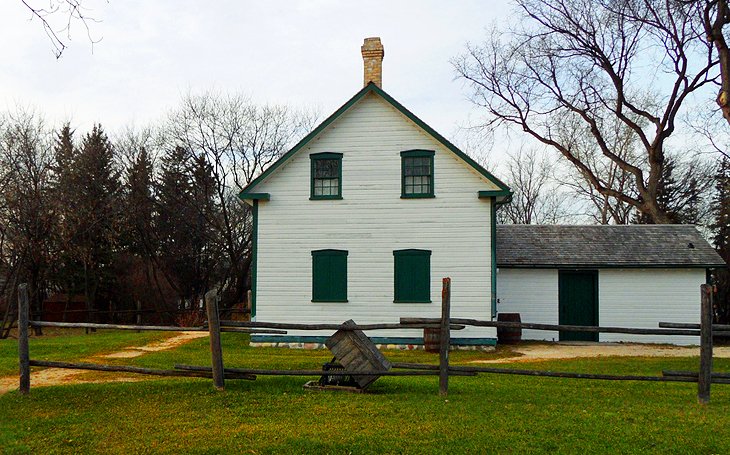
Highlight: A restored Red River-frame home from the late 19th century
Riel House is the meticulously restored family home of Louis Riel, a pivotal figure in Canadian history who led the Métis people and founded the province of Manitoba. This historical site provides a unique glimpse into the social, economic, and cultural aspects of life for the Lagimodière and Riel families as they lived in 1886.
The house itself is a significant example of the Red River-frame style, a common architectural design for early settler homes in the Manitoba region. Riel's descendants continued to live in this house until 1969, preserving its connection to the family's legacy.
Riel House is open seasonally in the summer, June, July, and August only.
Address: 330 River Road, Winnipeg, Manitoba
Kildonan Park
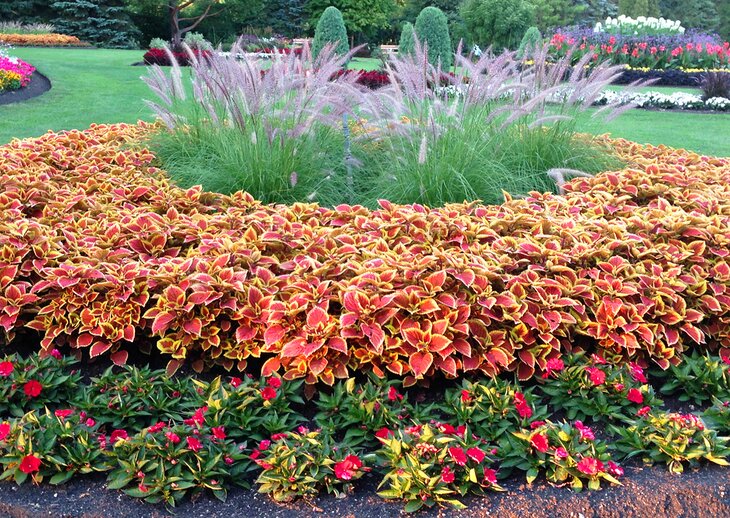
Highlights: A massive outdoor pool, theater performances in the summer, and recreation trails
Established in 1909, this 99-acre park features picturesque landscapes with some of Manitoba's oldest and largest trees, formal gardens, and 2.7 kilometers of winding pathways along the Red River. It even has a Witch's Hut depicting scenes from Hansel and Gretel.
Kildonan Park is also home to Canada's longest-running open-air theater, Rainbow Stage. Other tourist attractions include an outdoor, Olympic-sized swimming pool with slides and a splash pad. The park also has an 18 hole golf course.
Address: 2015 Main Street, Winnipeg, Manitoba
Prairie Dog Central Railway
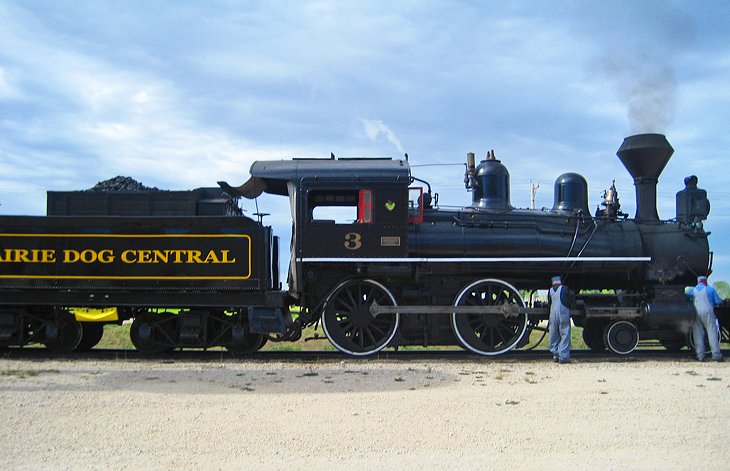
Highlight: A ride through the prairies on a restored steam locomotive train
The Prairie Dog Central is a fully restored, steam-powered locomotive offering trips from Winnipeg to Grosse Isle. The train consists of vintage coaches, some dating to the early 1900s, which carry visitors on a 60- to 75-minute journey, before returning to Winnipeg.
The train runs regularly from May through September but also offers various themed excursions, some of which fall outside the normal operating season. Some of these include train robberies, Halloween events, and more.
Living Prairie Museum & Interpretive Centre
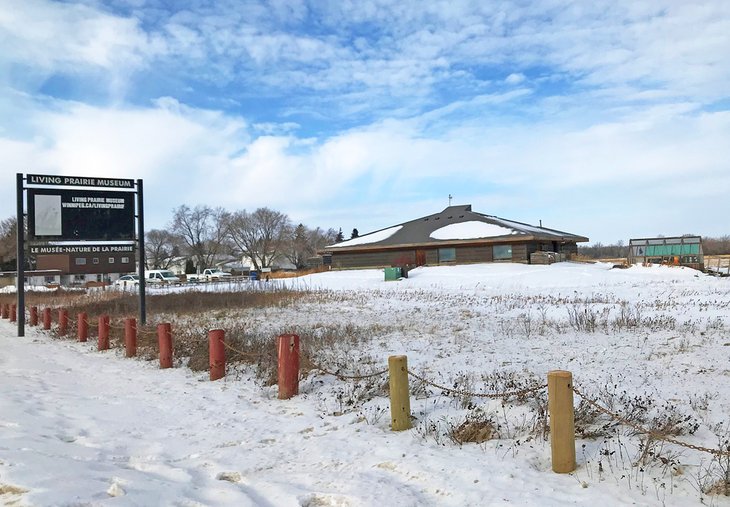
Highlights: Displays showcasing the history of the prairies, plus an outdoor interpretive walk
The 30 acres of the Living Prairie Museum lands preserve one of the few remaining vestiges of tall grass prairie land. It harbors 150 species of native grasses and wildflowers and has an excellent interpretive center. A second-story platform allows visitors to gaze out at the preserved prairie — a now greatly diminished ecosystem that once covered one million square kilometers throughout North America.
The museum has a self-guided trail that winds its way throughout the area. Grab a pamphlet and stop along the way at the numbered posts to learn more about the flora and fauna surrounding you.
Address: 2795 Ness Ave, Winnipeg, Manitoba
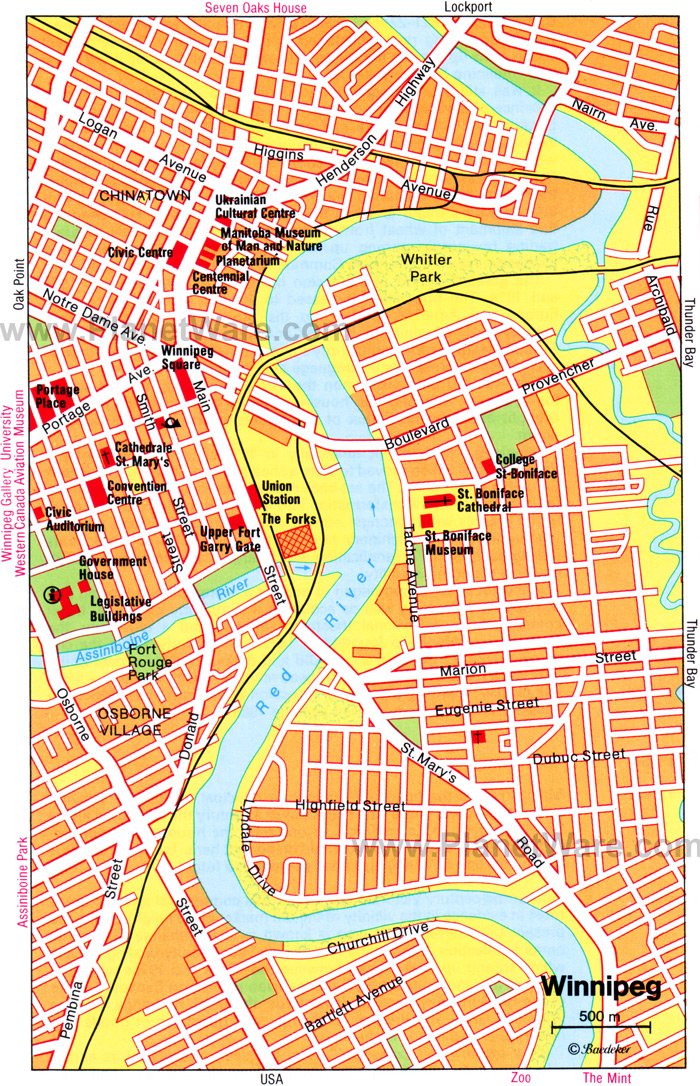
Map of Attractions & Things to Do in Winnipeg
Best Time to Visit Winnipeg
Without a doubt, the best time to visit Winnipeg is in the summer. The months of July and August are the best, with guaranteed warm weather and sunny days. The city and parks are green and lush. Also at this time, the city is alive with festivals and events, including Folklorama and the Red River Exhibition.
June is also a good time to visit, with warm temperatures and exceptionally long days. The sun doesn't set until nearly 10pm. September is also good — you'll get the added bonus of seeing the leaves change color as the month progresses.
May is okay; the last two weeks see the trees and flowers bloom and the trees burst forth with their leaves. October sees the occasional burst of warm weather, but the days get shorter quickly, and the nights are cold.
Winter in Winnipeg is brutally cold. Most years it starts in November and doesn't end until late April.
More Related Articles on PlanetWare.com
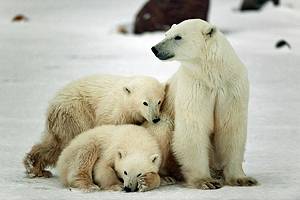
Manitoba: Although this province is often overlooked by travelers exploring Canada, Manitoba offers some experiences you simply won't find in other parts of the country. Before you begin your trip, be sure to see our article on the top attractions in Manitoba. In summer, some of the most popular destinations are the lakes in Manitoba, where you can fish, lounge on a beach, or set up for a night or two at a campground. The parks are another hot spot, where you can enjoy many of these same activities.
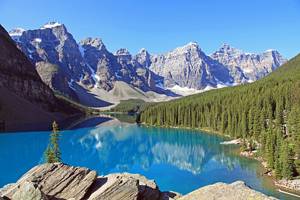
Canada: Where should Manitoba fit into your trip to Canada? For ideas on where to go and what to see from, as Canadians like to say, coast to coast to coast, have a look at our article on top Canada itineraries.