

8 Old-School American Cities That Will Transport You Back To The 1970s
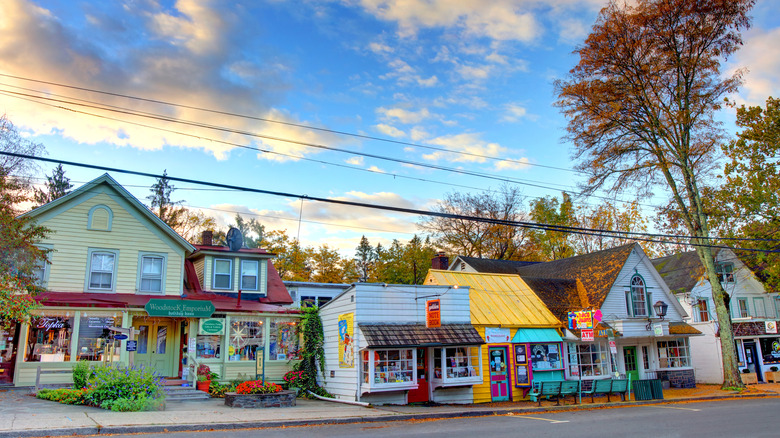
The 1970s was a period of transformation, and five decades later, traces of the era's disco, bell-bottoms, platform shoes, and glam remain scattered across America. Think neon-lit streets, retro arcades, historic music venues, and architectural landmarks. We've rounded up eight of the country's old-school cities that still summon the funky spirit of the '70s that helped shape modern American culture.
During the 1970s, cities across the U.S. were changing as cultural movements redefined how people lived. The decline of industrial production in some places and the emergence of late-modern architectural styles dramatically reshaped the streets, buildings, and landscapes within the places we live in and travel to today. The 1970s also ushered in a new era of entertainment and innovation. For example, in 1972, Pong became the first commercially successful video game, sparking a cultural phenomenon that would transform leisure and popular culture around the world. As such, arcades soon began appearing in shopping centers, theaters, and boardwalks. The '70s was also a period that celebrated live music, LGBTQ+ rights, and automobile culture. If you're feeling nostalgic for this decade's greatest hits, take a tour through any of the cities on this list, and you'll be transported right back to where it all went down.
Portland, Oregon
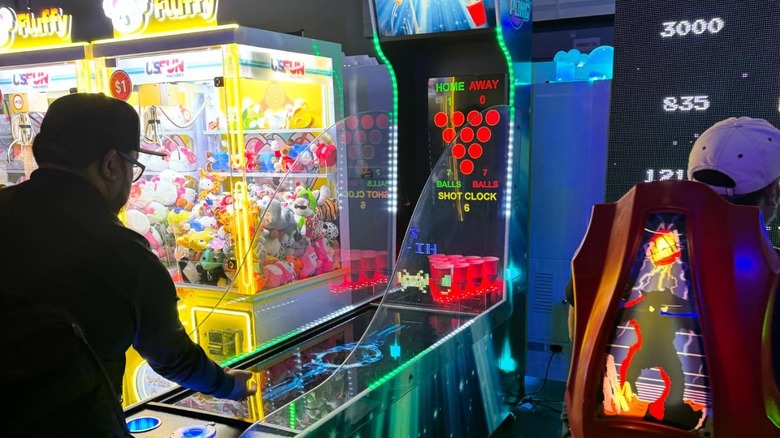
Portland is known for being a clean city, but perhaps is less commonly known for being a world-class mecca of retro gaming. Every year in September or October, the city hosts the massive Portland Retro Gaming Expo, where people gather for a weekend of classic, old-school gaming — a culture that spread worldwide through its commercial success starting in the 1970s. At the heart of the expo is Retrocade, a 30,000-square-foot arcade with old-school cabinets, pinball machines, and consoles. When the expo's not in town, you can find arcades sprinkled throughout the city, such as Retro Game Bar.
San Francisco, California
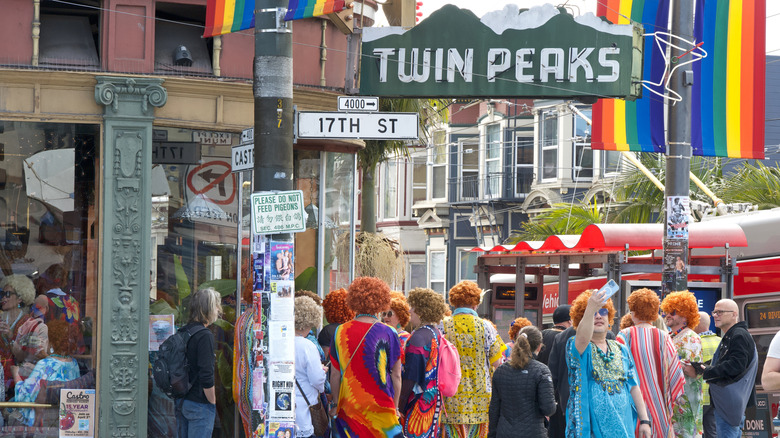
If America's gay rights movement of the 1970s had a West Coast hub, it might be the Castro District of San Francisco. This neighborhood is where Harvey Milk came to prominence as California's first openly gay elected official. The Twin Peaks Tavern, located in a 19th-century building with floor-to-ceiling windows, opened in the early 1970s and became a historic gathering place for gay residents. Today, Harvey Milk Plaza and the Twin Peaks Tavern remain important sites, and the neighborhood offers many other ways to learn about the remarkable role it played during that decade.
Woodstock, New York
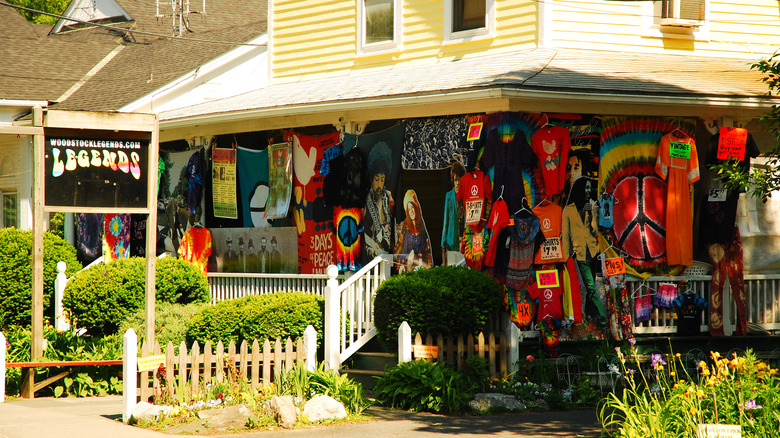
Contrary to popular belief, the world-famous 1969 Woodstock music festival was not actually held in Woodstock. Instead, it took place in nearby Bethel. Even so, the whimsical spirit of the late 1960s and '70s counterculture is still alive and well in Woodstock today. Tinker Street, Woodstock's main street, is the place to go to stock up on nostalgic memorabilia, including vintage clothing and accessories. The Woodstock Artists Association & Museum is a great place to see how the homegrown arts scene of 1970s Woodstock continues to support and showcase artists across disciplines.
Seligman, Arizona
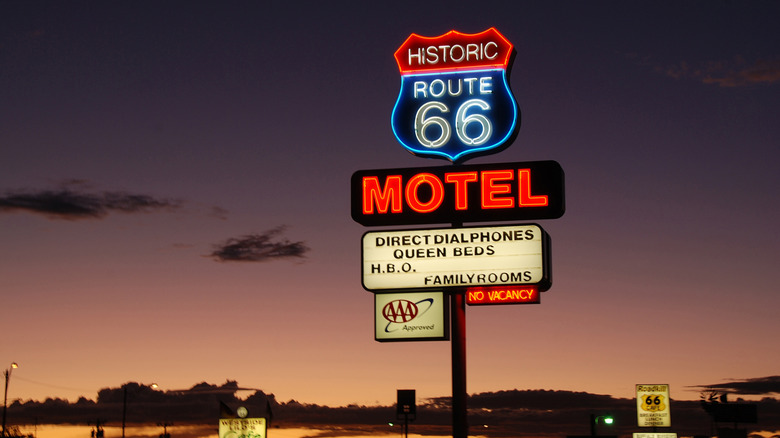
There are few places that honor American automobile culture like this small city in Arizona. Business in Seligman grew because of its key location along the iconic Route 66, until the highway's decline in the late 1970s. Soon, a group of Seligman locals went out of their way to ensure the legacy of this historic transportation route was enshrined and celebrated. Today, Seligman is a destination that transports visitors to another time. It's home to a drive-in burger joint, vintage gift shops, retro diners, classic cars, and neon signs.
Palm Springs, California
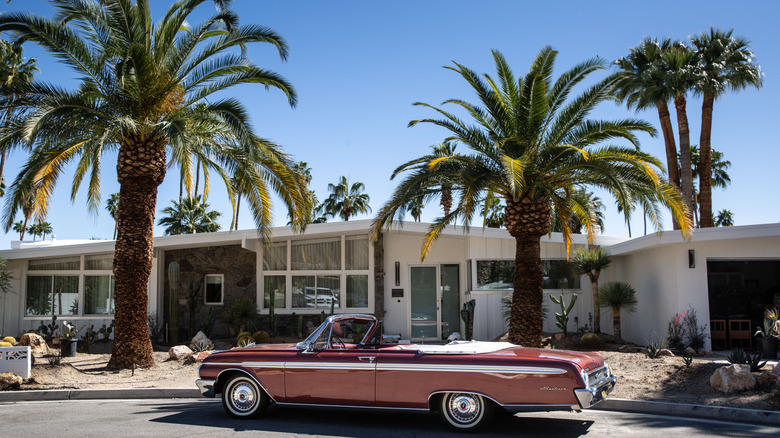
Considered the home of mid-century modern design, Palm Springs showcases architecture built in the 1970s. The look tends to merge the geometric forms of post-war modernism with rugged, organic elements of the American West. Think flat or low-slung rooflines and floor-to-ceiling glass. Visitors to Palm Springs can still see retro homes and buildings designed by renowned architects including Charles Du Bois, Donald Wexler, E. Stewart Williams, and John Lautner throughout the city. Modernism Week is held every February to celebrate the art of yesteryear, another reason Palm Springs is one of the best winter destinations in California.
Las Vegas, Nevada
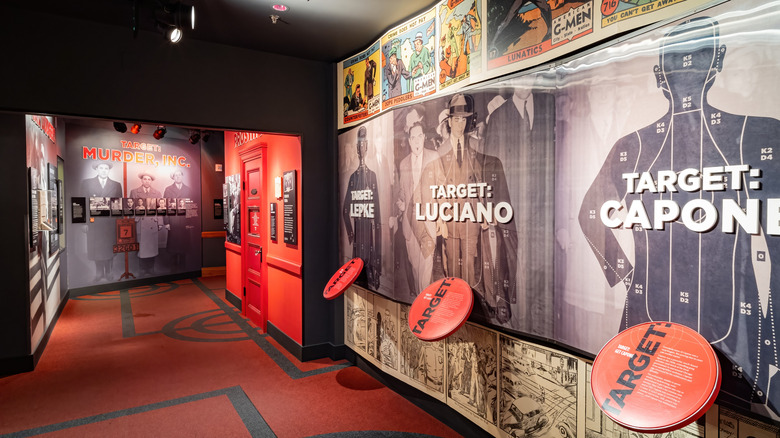
By the 1970s, the recreation hub of Las Vegas was already a well-established destination for entertainment, and the lore around it continued to grow. "Fear and Loathing in Las Vegas," published in 1971, highlights the city's 1970s counterculture movement. Today, Las Vegas showcases that era in many of its attractions. For example, the Neon Museum collects vintage signs from Las Vegas's mid-century heyday. Additionally, The Mob Museum, housed in a 1933 former federal courthouse, preserves the turbulent history of Las Vegas, including the transition away from mob-influenced casino control that took shape through the 1970s.
Gary, Indiana
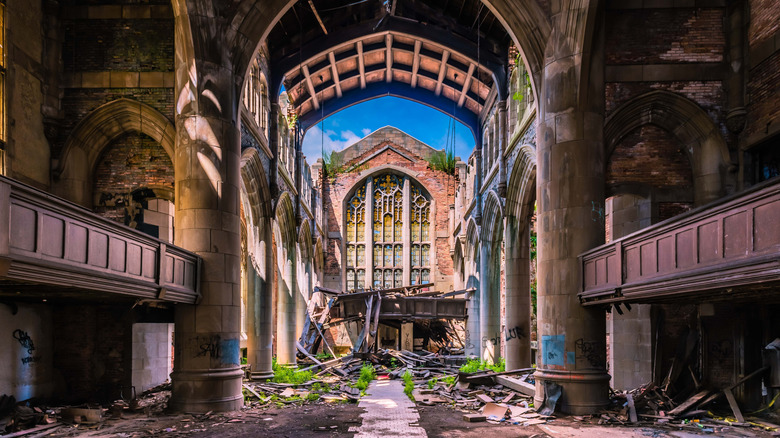
Following a global recession in the steel market, many of Gary, Indiana's institutions and neighborhoods were totally devastated. In the '70s, many businesses and community gathering spaces closed their doors, and buildings were left abandoned. Since then, local preservation and revitalization efforts have been launched. The city offers tours to the public of some of its historic sites as a way to raise funds for revitalization, as well as an urban exploration and activist group called Decay Devils. It's a bittersweet way to witness a decade that changed Gary forever.
Austin, Texas
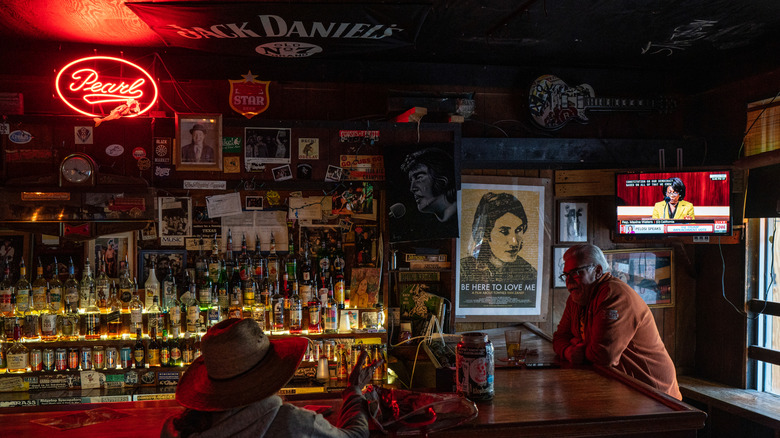
The "Live Music Capital of the World" keeps it as weird today as it did in the 1970s. Many of its music venues were a meeting place for hippies, cowboys, and outcasts. The Armadillo World Headquarters is one such institution, which had its heyday in the '70s, serving beer alongside musical acts. Although the original building was demolished, it made a striking comeback in 2024 in the form of branded events to celebrate and preserve its legacy. Hole in the Wall is another such venue, established in 1974, launching artists such as Spoon, The Gourds, and Shakey Graves.