

Florida's Largest Lake Has Officially Been Ranked The Dirtiest In America
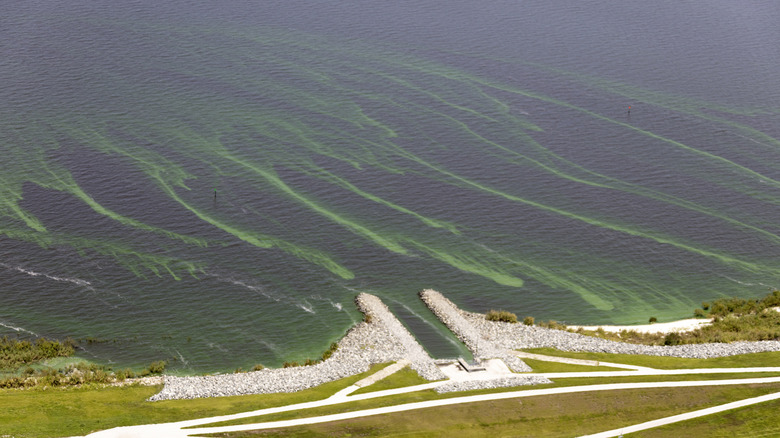
A lake vacation can be absolute bliss, but there is one lake in the Sunshine State that you may want to avoid visiting, at least for now. Florida's largest lake, which is the 730-square-mile Lake Okeechobee, was ranked the dirtiest lake in the U.S. in a 2025 report from Lake.com, although a newer 2026 report gave that distinction to Utah's Great Salt Lake. The site reports that the lake contains lead, as well as the second-highest level of turbidity on the list, making the water cloudy, and notes high phosphorus levels that cause algae growth. Lake Okeechobee is a big part of the water supply for the area and a popular spot for recreation, making the report even more upsetting.
In fact, in October 2026, the Florida Department of Health issued an alert due to the "presence of harmful blue-green algae toxins" in certain locations. Blue-green algae are common bacteria in the freshwater of Florida, according to the alert, and they can discolor water and make it smell unpleasant. The warm climate, still water, and sunshine may sound lovely for a vacation, but those conditions can contribute to algae blooms. The toxins produced, the report states, can be harmful to both humans and their pets, as well as the animals in the lake.
The Department of Health report advises against drinking, swimming, wading, or boating in water with a visible bloom and recommends washing clothing and skin if you contact water with algae or water that has an unpleasant odor. People are also cautioned to keep pets and livestock away, avoid cooking or washing dishes with contaminated lake water, and rinse fillets from healthy fish with tap or bottled water before cooking them thoroughly. They advise not eating shellfish at all if there is a bloom.
More about the bloom and Lake Okeechobee
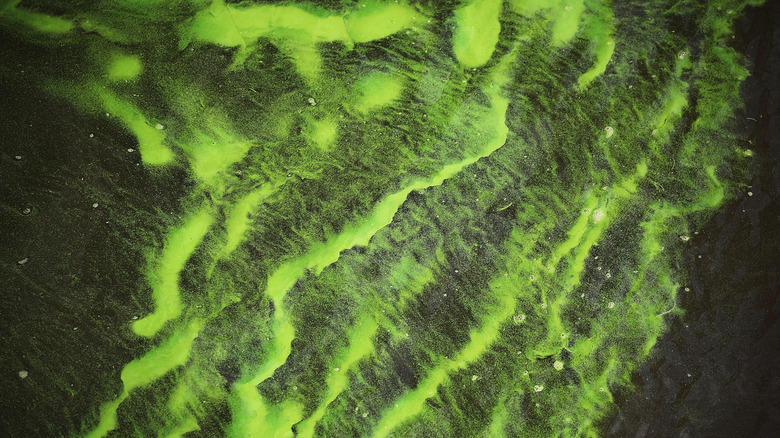
Algae blooms can be fueled by runoff, sewage, and fertilizer, and can cause respiratory issues and skin irritation. Part of the issue is that this lake is shallow, averaging around nine feet deep. It's also affecting surrounding areas like the Saint Lucie River, the Caloosahatchee River, and nearby communities, as the Army Corps of Engineers releases water into those rivers. According to a report from Gulf Coast News in August 2025, tests found that the water is six times above the human safety threshold. The news crew brought water samples from around the lake to algae expert Dr. Barry Rosen, and the closer the samples were to the lake, the worse they were, with several different kinds of toxins found, including one that affects the liver.
The large body of water sits just north of the Everglades in southern Florida, about 62 miles from West Palm Beach and 120 miles northwest of Miami (which may be getting a second airport hub if you want to visit there instead). Lake Okeechobee may be a place where people love to boat and fish, but it can also be dangerous for reasons beyond the contamination. This body of water is also home to a large population of American alligators. That can be an issue for hikers on the 1,300-mile Florida National Scenic Trail, part of which goes around the lake, or those camping nearby. It's also home to numerous snakes, with 34 native species and several introduced species found in the surrounding region. That means it's not your best choice for swimming either. Finally, here is a list of the top 10 cleanest lakes in the U.S., which you may be happier to visit. In the 2025 ranking, the top spot went to a stunning Great Lake that is perfect for swimming and recreation.