

The Most Turbulent Flight Route In North America For 2026 Is Shorter Than You'd Think
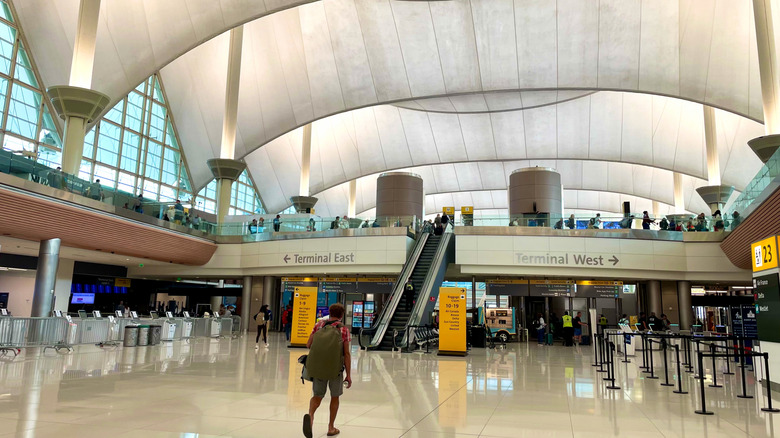
Denver International Airport (DEN) is one of the most interesting airports to land at during a layover, but if you're going onto Jackson Hole Airport (JAC) in Wyoming next, you may be in for a bumpy ride. According to the website Turbli, the route between Denver and Jackson Hole is the most turbulent one in North America as of 2026 (based on 2025 data). In fact, it's the only American route on the global top 10 list of turbulent routes. It's a surprisingly short flight to have taken the top spot, generally lasting less than two hours. However, a flight between these two airports may feel longer if turbulence makes you uncomfortable, nervous, or nauseated.
To come to this conclusion, Turbli used its turbulence forecast archive and looked at turbulence on available flight tracks. The website explains that this is measured in the eddy dissipation rate, or EDR, and that turbulence is ranked from "light" (0 to 20 EDR) to "extreme" (80 to 100 EDR). The Denver to Jackson Hole route, which is just under 405.8 miles long, has an average EDR of 18.18, though that is the same rating as the second North American route on the top 10 list, which flies between Albuquerque (ABQ) and Denver. In fact, Denver is on the list five times, while Jackson Hole appears twice.
Other turbulent routes and how to deal with turbulence
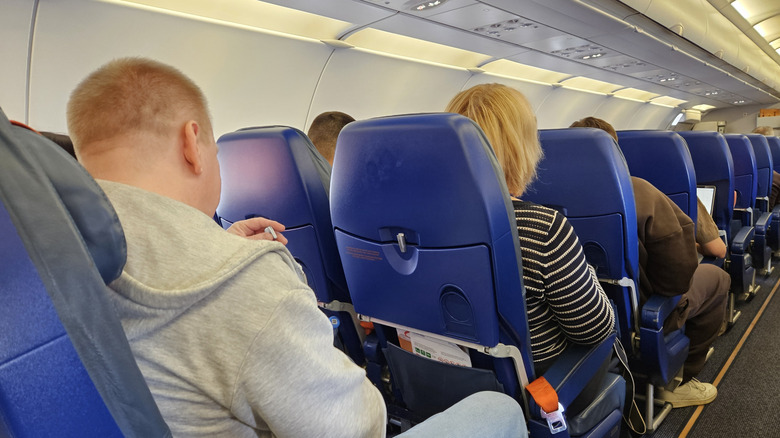
Another North American city to watch out for when flying is Salt Lake City, with Salt Lake City International Airport (SLC) tying with Denver with five mentions in the top 10 list. Meanwhile, Turbli reports that the most turbulent flight route in the world is between Mendoza International Airport (MDZ) in Argentina and Santiago, Chile (SLC). The Denver-Jackson Hole route is No. 10 on the international list.
If you're a nervous flier, there are some things you can do to stay calm during turbulence. First, learning about what causes turbulence can make you feel less afraid. According to the Federal Aviation Administration (FAA), turbulence is air movement that can come from several sources, including jet streams, mountains, storms, and different air temperatures — and it's a common occurrence during flights. Keeping your seat belt buckled when you're not standing up is a good way to help keep you safe, even if turbulence gets rough. Follow instructions from flight attendants and pilots given over the intercom. Keep your children buckled in, too, and make sure kids under 2 are in the right child seat.
It's a good idea to avoid caffeine, which can make anxiety worse, and speak to a flight attendant about your worries, as they may be able to help you feel better. Breathing exercises and distraction are other ways to help get you through turbulence. Additionally, try to stay calm while you're still in the airport. Signs of nervousness are among the behaviors the TSA watches for with eagle eyes. Finally, if you do fly into Jackson Hole, Wyoming, note that it's right near the dramatic landscape of Grand Teton National Park, a location worth making time for.