

One Of America's Longest Hiking Trails Offers 4,800 Miles Of Scenic Outdoor Adventure
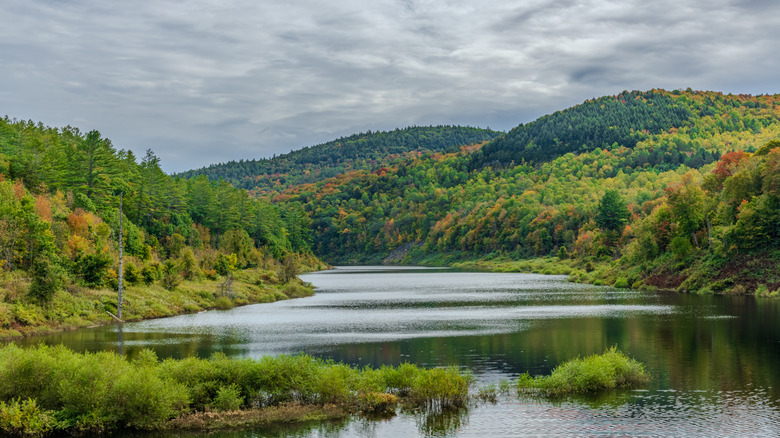
If you're into hiking, you likely choose vacation spots where you can really stretch your legs and explore the local scenery. But what if you're really into hiking? Like, so into it that you want to spend days on a trail, wandering through forests and past lakes and rivers? Well, if you appreciate the beauty of the American Northeast and Midwest, you may want to tackle the North Country Trail.
Stretching for about 4,800 miles, this trail is the longest National Scenic Trail in the United States, taking you through eight states: Vermont, New York, Pennsylvania, Ohio, Michigan, Wisconsin, Minnesota, and North Dakota. Because it's so long, it's impossible to explore the entire trail in a single visit. Instead, you have to be strategic about where you'll get on and off, including where to stay overnight and how many miles to hike per day. If you want a manageable goal to get you started, you can hike 100 miles within a year and earn a patch from the North Country Trail Association.
Overall, since the trail covers so much territory, we won't try to discuss every leg of the journey. Instead, we'll review the main route and discuss tips and tricks to help you get the most out of your expedition. So, get ready to pack your bag and hit the trail!
A brief overview of the North Country Trail
The trail begins in the Green Mountain National Forest in Vermont, which can also serve as a suitable starting point for your journey. As you make your way west, you'll hike through New York's renowned, breathtakingly beautiful Adirondacks. Then, you'll venture past the Finger Lakes before heading down into the Allegheny National Forest in Pennsylvania.
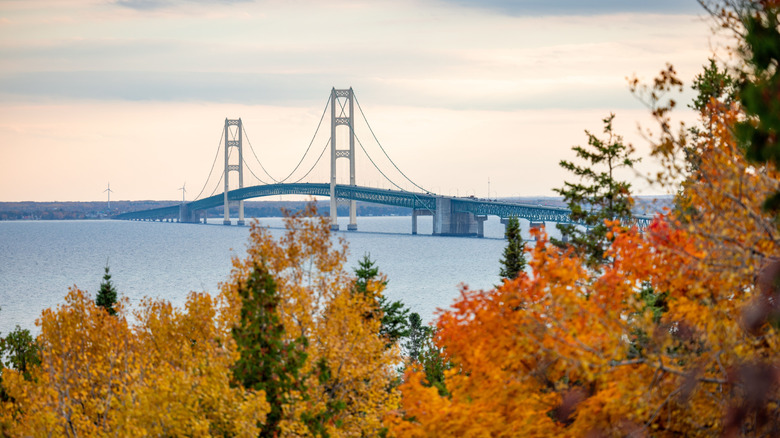
In Ohio, the route diverts south, taking you close to the Ohio River, Wayne National Forest, Cincinnati, and Dayton, before heading straight up into Michigan. After crossing through the western side of the "Mitten" of Michigan, you'll cross the Mackinac Bridge and explore the Upper Peninsula. Here, you'll stick to the shoreline of Lake Superior, the Great Lake with the cleanest water. The trail follows the lake through Wisconsin and into Minnesota, passing by the city of Duluth before taking you next to the U.S.-Canadian border. From there, it makes a sharp turn west and meanders through northern Minnesota before crossing into North Dakota. Finally, the trail winds through central North Dakota, finishing at Lake Sakakawea on the Missouri River.
Overall, the North Country Trail passes through two national wildlife refuges, three Great Lakes, four national parks, 10 national forests, and 57 state parks. Additionally, the terrain varies greatly between regions, from the flat prairies and grasslands of North Dakota to the rugged mountains and valleys of New York and Vermont. No matter what kind of natural scenery you prefer, you can find it along the trail.
Making the most of your trail expedition
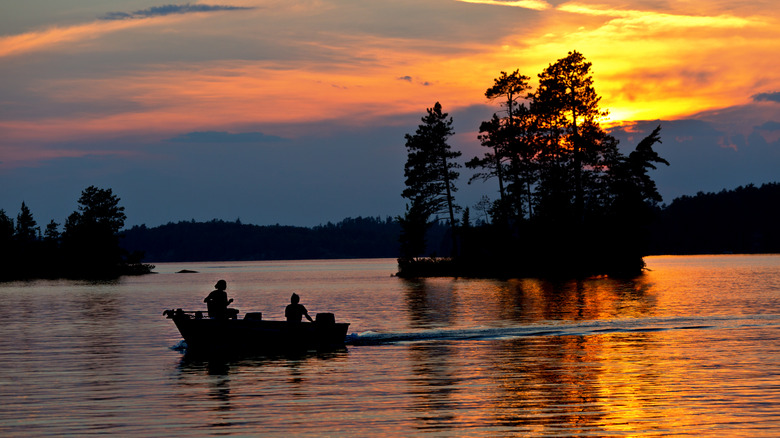
As we mentioned, it's impossible to hike the entire North Country Trail unless you're planning on taking at least seven months to a year to travel from one end to the other. So, it's better to pick shorter sections to explore, based on your interests and hiking ability. Also, keep in mind your fitness level, and consider how many miles you can realistically hike in a single day. The average person can traverse about 10 to 15 miles in a day, depending on various factors. You must also think about whether you're trying to cover as much ground as possible or want to stop and appreciate the scenery by taking breaks regularly. And don't forget about the travel time to reach a trailhead, especially if you don't already live in one of these states.
Another critical factor is the weather. The North Country Trail crosses through climates that experience ice, snow, and frigid temperatures during the winter, so it's best to travel outside of these months. Plus, since you'll be passing through many wild areas, you can either view flowers and plants in bloom during the spring or marvel at the changing leaves during autumn. During the summer, it may be best to travel in areas next to water so you can cool off when the temperatures rise.
Finally, if you want to stay on the trail for multiple days, consider where you can camp overnight. Since the trail passes through public parks and forests, camping is often allowed, but you'll likely need reservations. Additionally, depending on where you are on the trail, you may not be close to any cities or towns, so make sure to pack extras of the top five camping essentials so you're always prepared. Overall, the more you plan ahead, the smoother your hike will be.