

Here's The Right Way To Pack Luggage To Avoid Additional TSA Screening
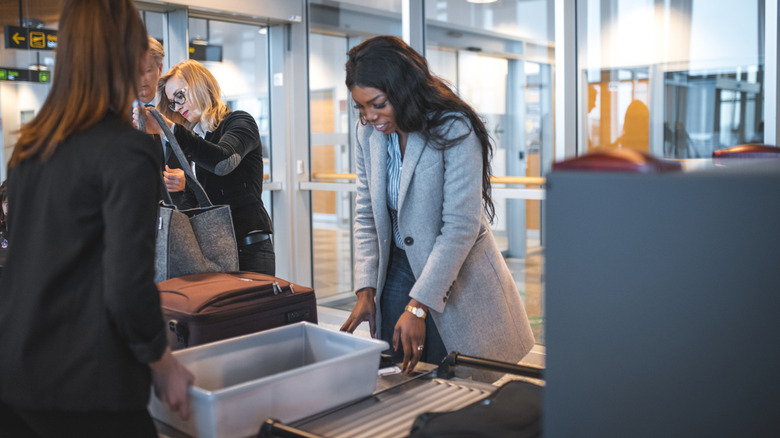
You know those people who are running like maniacs through the airport to catch their flight? Many of them likely got held up in security. Nobody wants to be that person, starting their trip by unpacking half a suitcase at airport security. While there's no foolproof way to guarantee that TSA won't take a closer look at your luggage, better packing can make your bags easier to screen. The basic principle is simple: Pack so that the contents of your luggage are easy to identify.
It's helpful to know generally what TSA is on the lookout for and what its standard procedures are for screening luggage. TSA doesn't routinely open every checked bag; most are cleared through screening equipment. However, items that raise security concerns may be pulled aside for a closer inspection. Packing prohibited or restricted items, or densely packed and difficult-to-identify contents, can increase the likelihood of additional screening.
Luggage rules also aren't identical for every type of bag. Carry-ons have particular restrictions that don't apply to checked luggage, especially when potentially hazardous items and liquids are involved. Here are some helpful tips on how to pack with those distinctions in mind.
Keep it simple and organized
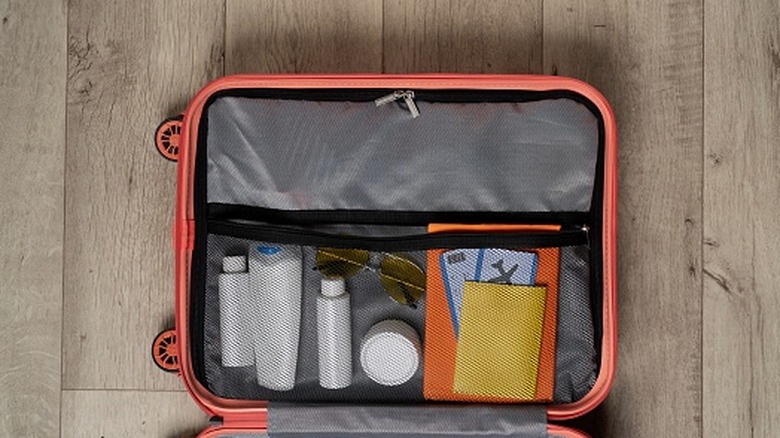
The messier your packing, the more it stands out at security. Messy luggage makes it more difficult for TSA security technology to assess whether there's a threat inside. A tangled jumble of clothes, wires, and bottles might just be what flags agents to inspect your luggage further — which means digging into that tangled mess. To avoid that, use one of the many popular strategies out there for organized packing. This not only helps you breeze through security, but is also just a great habit to build as a traveler.
For example, consider adopting the rolled clothing technique, or opt for the viral 333 packing method to avoid overpacking. Some seasoned travelers advise that using mesh organizing compartments is another useful trick. It doesn't really matter which approach you use. The goal is to pack clothing and other belongings in a reasonably orderly way. Avoid filling every available space with loose objects. Keeping similar items together also makes it easier to identify what you're carrying if your bag needs to be opened for inspection.
Pay particular attention to how you pack anything that could be mistaken for a prohibited or hazardous item. Tools, sporting equipment, aerosols, or other unusual objects can have specific baggage requirements, or just stand out. When possible, keep these in a separate, easily accessible area inside your luggage so they can easily be removed and replaced by an agent who needs to inspect them.
Handle electronics and batteries the smart way
Electronics deserve a little extra planning, since the rules depend on both the device and its battery. The FAA says to keep devices containing lithium batteries, such as laptops, tablets, cameras, and phones, in carry-on baggage when possible. This is because such batteries pose a fire hazard, and if not properly handled or stored, they can easily catch fire when overheated. Storing such a flammable object in the cargo hold means putting it out of easy reach to extinguish if it does indeed catch fire.
For these reasons, spare lithium batteries, including power banks and portable chargers, must be taken in carry-on baggage. And, in case it's not obvious, never pack a damaged or recalled lithium battery or battery-powered device — this is a huge safety hazard.
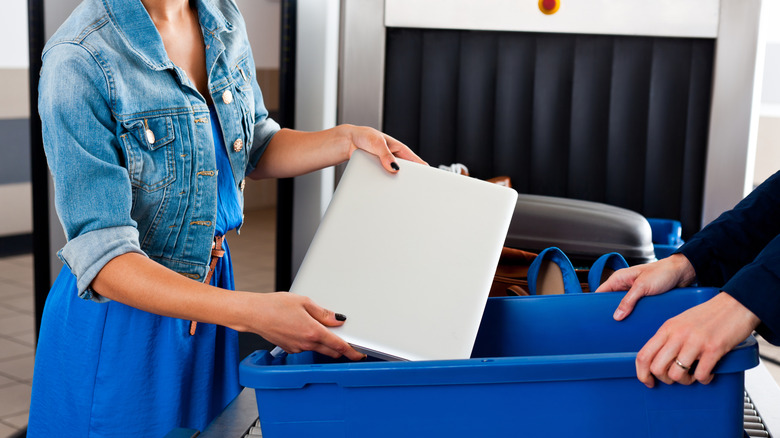
Remember, too, that you may need to remove electronics when passing through security. So, if you're packing a laptop or another large electronic device in a carry-on, place it somewhere you can easily reach without dismantling the entire suitcase. TSA's travel checklist specifically recommends packing large electronics on the top layer of a carry-on. It helps to keep cords organized, rather than loose and tangled, too. A neat electronics pouch can make a big difference when you're asked to remove something. There's also always the option of ditching electronics altogether and packing like a low-tech traveler.
Yes, you can pack food (with exceptions)
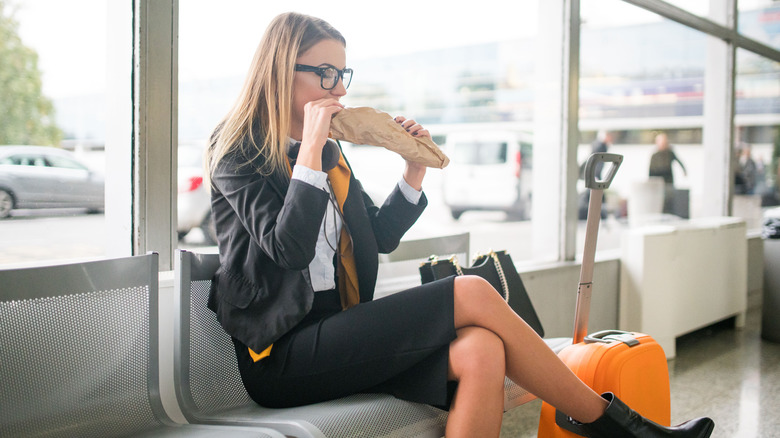
Interestingly, you can actually make it through TSA security with some luxury food items. Food is generally allowed through TSA security, but it can get flagged if not well packed. Solid foods – sandwiches, snacks, bread, baked goods, candy, cereal, meat, and many cheeses — can generally travel in either carry-on or checked baggage. When packing food, the most important thing to consider is food that might be considered liquids or gels. Foods like yogurt, hummus, creamy cheese, soup, sauces, and spreads, for example, are subject to the "3-1-1" rule when packed in a carry-on: 3.4 ounces or less per container, placed in one clear, quart-sized plastic bag, limited to one bag per person.
Fresh fruits and vegetables are also generally allowed through TSA checkpoints in both carry-on and checked baggage when you're traveling within the continental United States. However, there are important exceptions for travelers flying from U.S. islands and territories: Passengers traveling from Hawaii, Puerto Rico, or the U.S. Virgin Islands to the U.S. mainland cannot bring most fresh fruits and vegetables because of the risk of spreading invasive plant pests. International travelers should be even more cautious. TSA's security rules determine what can pass through the airport checkpoint, but customs and agricultural authorities can impose separate restrictions on what food may enter a country. Before packing fresh produce for an international trip, check the destination's rules rather than assuming that an item permitted by TSA will be permitted through customs.
Generally, for carry-on food, place contents in a clear pouch or container, and keep it toward the top of your bag. This is especially useful if you're carrying several different foods or a meal for the flight. You don't need to remove permitted food automatically, but having it together means you can quickly take it out if an officer asks you to.
Pack your carry-on thoughtfully
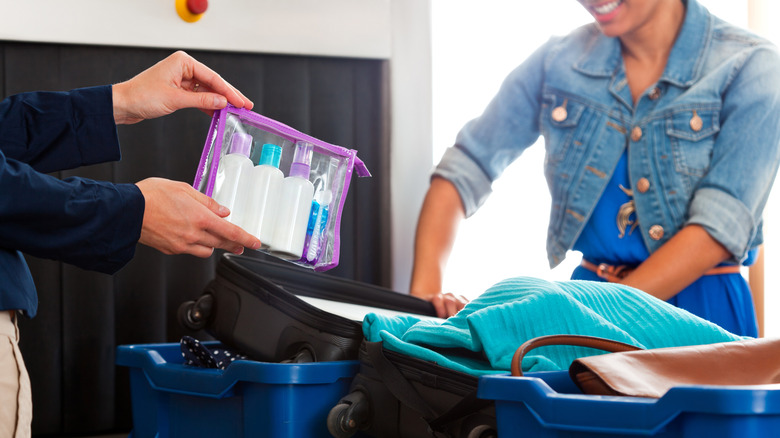
Carry-on luggage is subject to different rules and procedures than checked luggage, and TSA engages with it slightly differently. Don't treat your carry-on as just a smaller version of your checked suitcase. The TSA's own packing checklist recommends organizing items in layers and keeping the 3-1-1 liquids bag within reach. Depending on the checkpoint and screening technology in use at your particular airport, you may also be asked to remove certain electronics or other items. What's most important is making items accessible and easy to remove and put back, if needed.
Keep in mind that not every toiletry has to be squeezed into a tiny container in your carry-on. If you won't need it during the flight, consider putting it in your checked bag when permitted. This can make the carry-on easier to screen and eliminates the need to deal with oversized liquid containers at the checkpoint. Also, there are exceptions to the liquids rule including for things like medically necessary liquids, baby formula, and duty-free purchases. Perhaps the most common way people end up breaking the rule is not actually by carrying oversized toiletries, but by forgetting that they're carrying a large bottle full of water. Don't forget to empty yours and refill it once you're on the other side of the checkpoint.
Don't pack mystery items
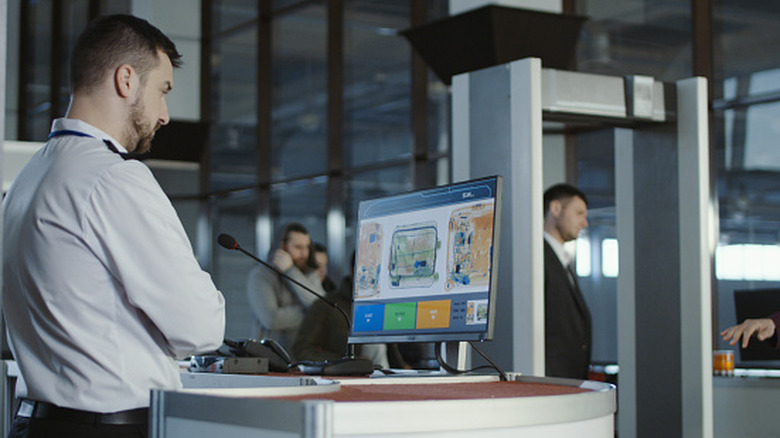
Don't be that person who packs a full bag of unlabeled, mysterious powder into their carry-on. Whether it's protein powder, powdered makeup, a drink mix, or powdered medication, keep it in its original packaging. Keep in mind that TSA enforces specific weight restrictions on powders in carry-on luggage, too. Anything over 12 ounces (roughly equivalent to the weight of a can of soda) can require additional screening.
Another piece of advice to keep in mind, especially around the holidays, is to leave gifts unwrapped until you reach your destination. Dense wrapping can flag the item as a concern. If TSA decides to inspect the contents, wrapped packages may have to be opened — and TSA will certainly not be offering to re-wrap it. Consider using a gift bag, which makes it easier to access the item. (Snow globes also often cause problems during the holidays, so it's best to pack them in checked luggage.)
Medications may also raise flags in the security line. Passengers aren't legally required to pack medicine in their original prescription bottles, but some states have conflicting rules. It's generally recommended to bring original prescription bottles with you, when possible, to speed up the screening process.