

The Best State For National Park Adventures Isn't Alaska Or Utah
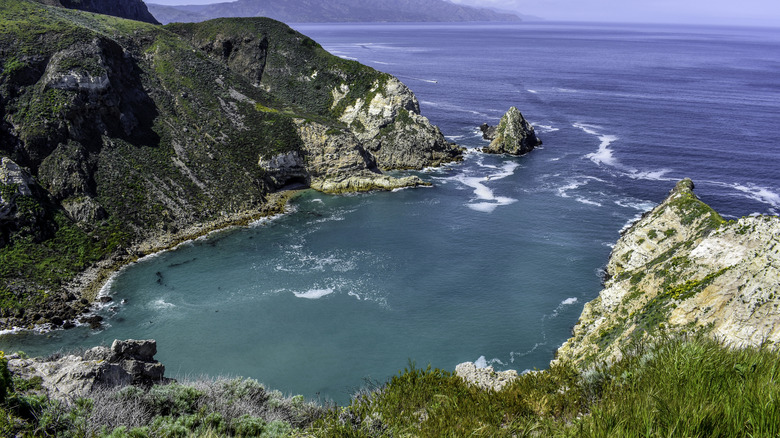
One of the best things about visiting California is that the state is so huge and covers so many different environments. From world-class beaches to mountains to deserts and canyons, the Golden State offers diverse scenery to appeal to anyone's tastes. But if you really want to dive into the natural world of California, you may want to check out one of the state's nine national parks. They are, in alphabetical order: Channel Islands, Death Valley, Joshua Tree, Kings Canyon, Lassen Volcanic, Pinnacles, Redwood, Sequoia, and Yosemite.
While people may think Alaska or Utah are the top states for national parks, with options like Denali or Zion, California boasts the most parks in total — although, in the case of Alaska, not by much, as the Last Frontier only has one fewer park within its borders. Still, with so many options, it can be hard to decide exactly where to go.
If you're looking for impressive forests, Redwood or Sequoia national parks may make you feel downright tiny. For those who prefer more arid, desert environments, Death Valley and Joshua Tree are perfect contenders. Or, if you're trying to explore California's coastline, Channel Islands National Park is an excellent choice. So, let's break down what you can expect at these parks and how to make the most of your adventure.
Breaking down California's national parks by the numbers
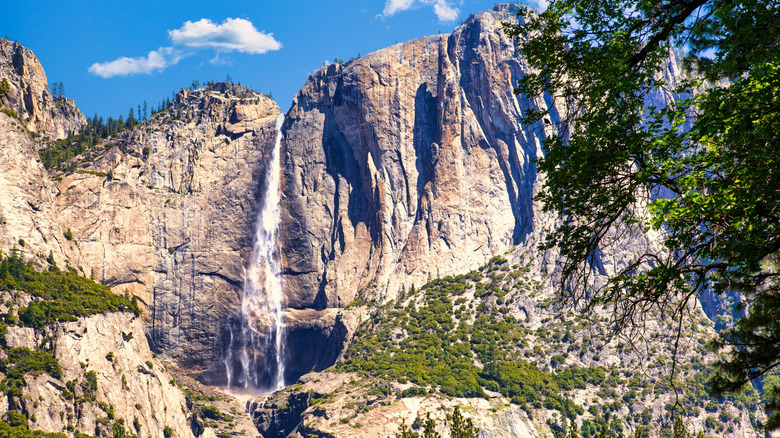
Because each of California's national parks showcases unique scenery and landscapes, it's hard to rank them objectively. That said, some are more popular than others, according to official visitor counts. Yosemite is the state's most visited and most famous park, thanks in part to its breathtaking, towering waterfalls. Over 4 million people visit every year, and for a while, the park used a timed reservation system to avoid overcrowding. At the time of this writing, the system is no longer enforced. While this technically makes it easier to check the place out, keep in mind that it can get crowded quickly, especially on weekends, so it's best to plan accordingly and arrive as early as possible.
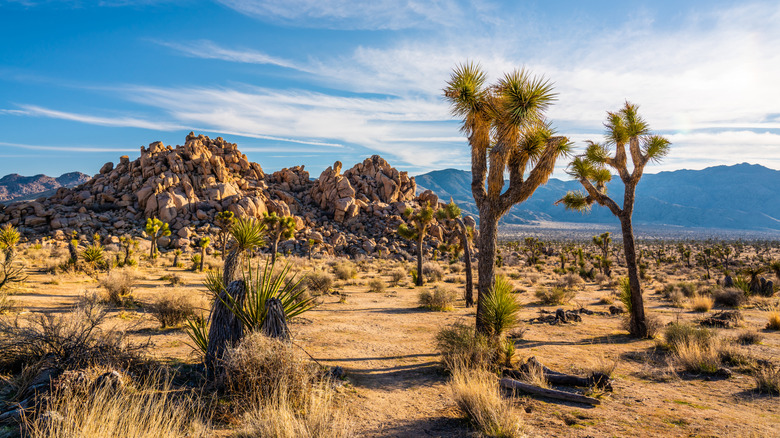
Next on the list is Joshua Tree National Park, which receives about 3 million people a year. The peak travel season is between October and May, since the summer months can get sweltering. But if you're really looking to brave the heat, you can head to Death Valley, which receives over 1 million visitors each year. Stretching over 3 million acres, this desert often breaks temperature records during the summer, so you need to prepare yourself before venturing out. Death Valley is also one of the best national parks for stargazing, thanks to its pristine sky with low light pollution.
On the flip side, if you're trying to avoid crowds, you can start your journey with lesser-visited parks. Geology lovers will appreciate going to Pinnacles or Lassen Volcanic National Park. Besides attracting fewer crowds, they also feature incredible rock formations, including canyons, caves, and peaks.
How to see multiple California national parks in one trip
Given that California's national parks are spread out across the state, it's likely impossible to hit them all in a single trip. Instead, to visit multiple spots, you can group them by region. In the north, you can visit Redwood and Lassen Volcanic National Park, which are about four hours apart by car. Because they're far from major travel hubs, you'll likely need to fly to a smaller, more regional airport. For example, the Rogue Valley International Airport (MFR) in Medford, Oregon, accepts flights from a handful of cities, including Portland, Seattle, and LA. It's about two hours north of Redwood National Park and three and a half hours from Lassen.
In central California, you can technically visit five parks in one trip, depending on how long you're in the area. Pinnacles is the closest to the travel hub of San Francisco, which is just about two hours north. From there, it's about three and a half hours northwest to reach Yosemite, then two and a half hours south to Kings Canyon, which is next to Sequoia. In fact, the National Park Service even bundles both parks into the same website since they're adjacent. Finally, while Sequoia and Death Valley are close, there is no road connecting them. So, the trip is over four and a half hours as you head south around the Sequoia National Forest.
In Southern California, there are the final two parks. First, there's the "Galapagos of North America," aka Channel Islands, which is about an hour west of LAX by boat. However, because there are five islands to explore and a mile of ocean between each of them, you'll need to plan multiple days to see them all. Lastly, Joshua Tree is just an hour from Palm Springs International Airport (PSP) if you don't want to drive over three hours through LA traffic from LAX.