

The Dangerous Health Risk Cruise Passengers Should Never Ignore
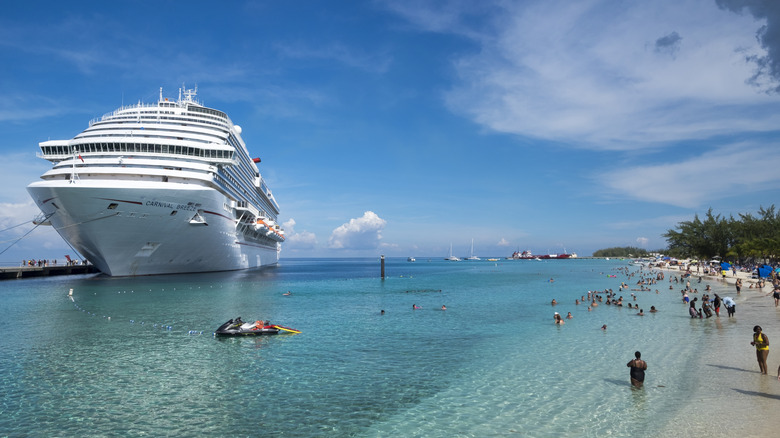
Taking a cruise can be a magical experience. You get to travel to far-off locales and bond with strangers in a way only a shared vacation allows. It can also make you forget your everyday stresses and responsibilities. While you should embrace the experience as fully as you can, there are still precautions you need to take for your health and safety. In particular, if you're not cautious about sun exposure, you're not only looking at a possible, painful sunburn — you're putting yourself at risk for skin cancer. While you may be prepared to keep yourself safe from deadly diseases on cruise ships, like bacterial infections or measles outbreaks, prolonged sun exposure can be just as dangerous if ignored.
According to the Skin Cancer Foundation, 20% of Americans will develop skin cancer by age 70. These cancers are often seen in areas that are most exposed to the sun's UVA and UVB rays, like your face, shoulders, and arms, as well as areas you may not think about when you put on sunscreen, like your ears, lips, and scalp. The American Cancer Society says that no UV rays are safe, meaning you should be using sun protection whenever you're exposed to the sun. You can still get burned through clouds, and the risk is higher the closer you are to the equator (where you may be going on a cruise). While pale-skinned people may have a higher risk, the organization reminds us that everyone is at risk and should take precautions. That means packing sunscreen and remembering to use it, whether you're sitting by the pool or simply strolling the cruise deck with your loved ones.
How to lower your risk of sun damage and skin cancer while on a cruise
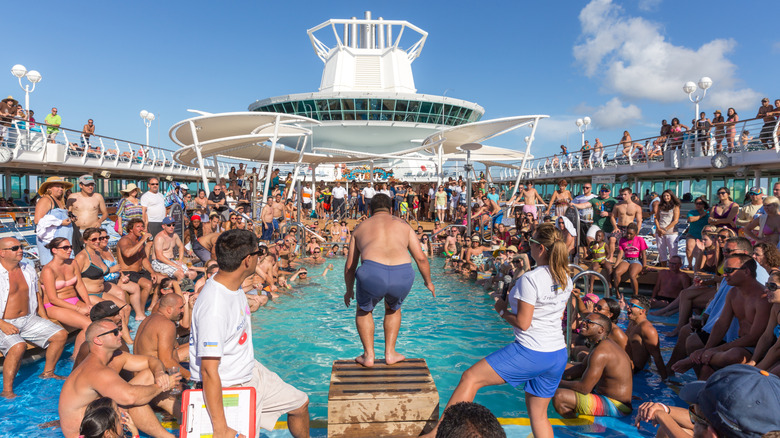
One thing that you may not be aware of is that some medications can increase your sensitivity to the sun. They include drugs like antibiotics, antihistamines, diuretics, retinoids and alpha-hydroxy acids (in prescription and over-the-counter skincare products), statins, oral contraceptives, and estrogens. Even over-the-counter pain medications like ibuprofen and naproxen can have this effect. You can find a list of medications that may increase sun sensitivity on the U.S. Food & Drug Administration (FDA) website here.
There are a few ways you can help reduce sun damage while on a cruise. First, if you can, avoid exposure when the sun is at its height in the middle of the day. Apply a broad-spectrum sunscreen 30 minutes before exposure and a water-resistant one if you're swimming. The Skin Cancer Foundation recommends an SPF (sun protection factor) of 30 or higher, though if you're being active on the deck or in the pool, 50 or higher is a better idea. You should reapply every two hours, or more often if you're sweating a lot. Set an alarm on your phone as a reminder, particularly if you're distracted or enjoying some adult beverages. (Overconsuming alcohol on a cruise comes with its own dangers, besides the risk of sunburn.) Try a sunscreen stick for your lips and around your eyes so it doesn't run and make them sting. A wide-brimmed hat and UV-cutting fabrics can also be helpful. Finally, if you're planning to take a cruise, make sure you're aware of the popular leisure activity that could get you banned for life.