

Rick Steves Cautions Travelers To Avoid This Common Itinerary Mistake In Europe
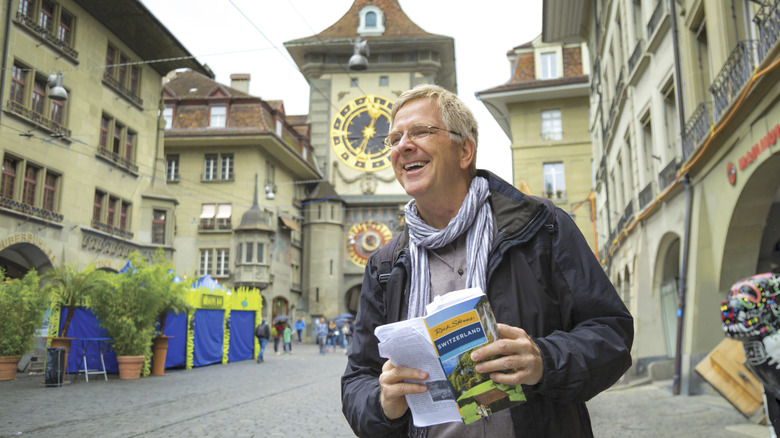
Europe is a big place, and certain major cities spanning the continent call out to international travelers. London, Paris, Lisbon, and Rome, among others, are all bucket-list cities on many explorers' itineraries. But travel writer and TV host Rick Steves cautions travelers to avoid one big mistake when planning their trips: forgetting to mix in visits to smaller cities and villages between stops in major metropolises. "Alternate intense big cities with villages and countryside," Steves suggests on his website. Sure, a trip to Rome will ensure you see all the iconic historic and cultural sites. But the travel guru writes that "judging Italy by Rome alone is like judging America by New York City." Besides, sometimes you want to get away from the busy and bustling city. Smaller villages and towns show even more of a country's personality. That's why Steves recommends the ancient Italian hill town of Tivoli, outside of Rome, for a quiet retreat.
Of course, it's still important to match those lesser-known destinations to your interests, Steves notes. Major cities are full of art, museums, and well-marketed tourist stops that appeal to many travelers. However, Steves recommends ditching certain "zones" to have an authentic European getaway. Doing some research before a vacation can help travelers determine which less-populated areas best suit their interests away from the bigger attractions.
Rick Steves recommends mixing in smaller European cities to expand your cultural palate
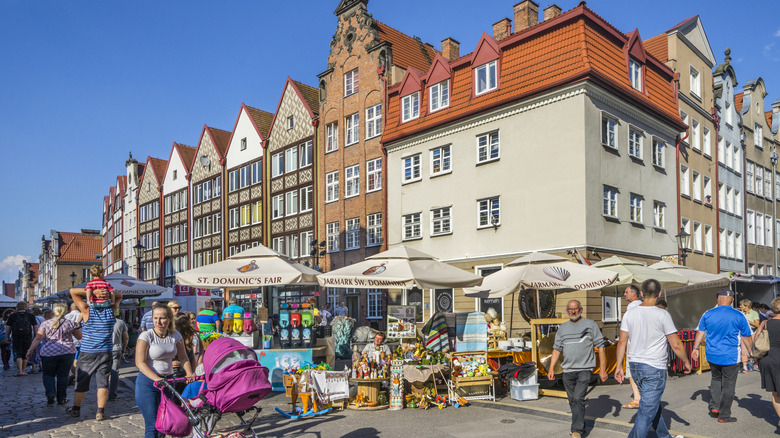
Rick Steves says spending some time in Europe's "second cities" is a way to have a more authentic cultural experience. Fortunately, countless small villages and towns dot Europe's landscape, and many are easy to reach from their larger neighbors, Steves points out. Planning transportation while building your trip's itinerary long before you step foot on your first airplane is a good way to ensure you spend more time enjoying your travels rather than panicking over how to get to your next stop.
Scheduling a train ride to Potsdam from Berlin, for example, can offer an opportunity to explore a different side of German culture. The same can be said for day trips from Barcelona, Spain. The coastal city of Sitges, for instance, is less than an hour away and offers 17 different beaches to explore.
Mapping your route and creating a timeline before you embark on your adventure is also advantageous, Steves says. The pre-planning can help you focus on those lesser-known sites that fall along your predetermined route. Wherever you stop, Steves recommends hotel stays of at least two nights. This gives travelers a full day of uninterrupted sightseeing. Establishing a home base of sorts also makes day-tripping easier and more time-efficient, depending on local transportation options.