

This Top Caribbean Destination Of 2026 Boasts Epic Beaches, Food, And Tax-Free Shopping
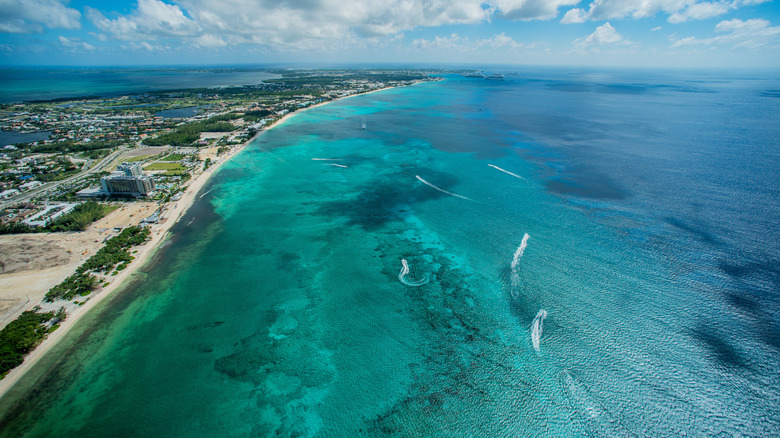
When one thinks of the Cayman Islands in the Caribbean, images of crystal blue waters, marine life, and miles upon miles of sandy beaches spring to mind. The Caribbean is home to some of the most beautiful islands on the planet, after all. The Cayman Islands' most popular beach is Seven Mile Beach on the main island of Grand Cayman, which is regularly recognized among the best beaches in the Caribbean. There's also Rum Point Beach, ideal for snorkelers and boaters, and the quiet, romantic beaches on Grand Cayman's East End.
Beaches are certainly the main draw to the Cayman Islands (there are nearly 100 miles of beach across the islands' combined shores). But this group of three British-owned islands offers much more to vacationers. Namely, visitors can mix their beach exploration with incredible culinary delights and shopping trips without the burden of taxes. (The islands' status as a tax-neutral jurisdiction means there are no hidden fees at checkout, which helps save money and avoids costly surprises. Instead of sales tax, the territories rely on revenue generated by tourism fees, financial transactions, and work permits.)
These perks are among the many reasons the Cayman Islands are such a travel hotspot and have been called the Caribbean's top destination for family travel, according to a 2026 Amadeus–CHTA Caribbean Travel Trends report (via Caribbean Journal). Family travel to the island was up 9% between 2025 and 2026, higher than any other Caribbean spot, the report notes.
The Cayman Islands are small islands with huge menus

For what they lack in size, the Cayman Islands more than make up for in cuisine. Often dubbed the "culinary capital" of the Caribbean, the islands boast more than 200 restaurants, spanning a range of tastes for the culinarily curious. Restaurants offering world-class dining are becoming an important part of the vacation experience, and Caribbean flavors like coconut and plantains are easily found at restaurants throughout the islands. But with the influence of more than 140 nationalities, Mexican, Japanese, French, Spanish, and Italian flavors are also a common find in local restaurants. And while shellfish and conch dishes are local delicacies, foodie fare isn't only limited to what's caught in the ocean. Jerk chicken and Cayman-style beef are among many options for diners with a more land-lover-focused palate.
Incredibly, that no-tax benefit also spills into dining establishments in the Cayman Islands. However, diners may see an additional fee tacked onto the bill at the end of the meal, because a 15% to 20% service charge is often included when dining out. That service fee serves as a tip for the restaurant staff and means that tipping isn't always necessary, unless the service was exceptional.
The Cayman Islands offer a variety of attractions for the whole family
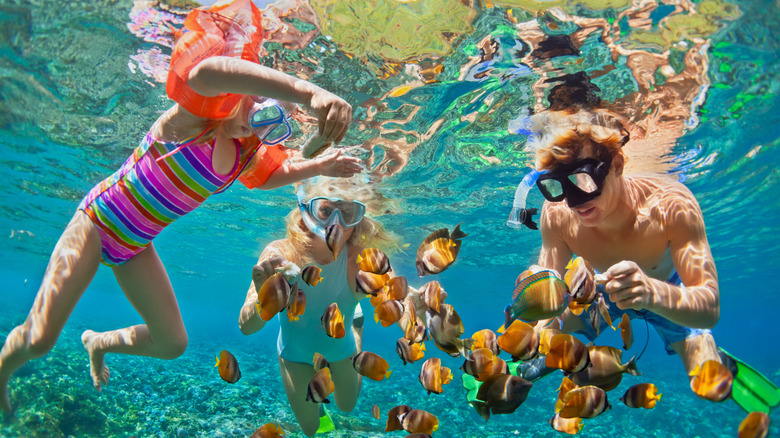
As noted above, the beaches of the Cayman Islands are the main draw to the tropical destination. But there's much more to do than simply walk the sandy shores of the islands here. The Cayman Islands also offer a variety of family-friendly entertainment, like its charters to Stingray City, an excursion that allows visitors to get into the water and close to the friendly fish. The Cayman Turtle Centre is another popular option, allowing members of the family to have a close encounter with the marine residents.
Another draw for tourists are the family-focused resorts throughout the island. Many offer on-site events, kid-friendly dining options, and easy access to the white beaches the destination is known for. Even getting to the Cayman Islands is easy. One of the most common paths to Grand Cayman involves a layover in Miami, which may soon offer a second major airport hub. Flights from Miami to Grand Cayman are only about two hours long. With a variety of festivals, cookouts, and themed weeks all throughout the year, tourists are discovering that there's really no bad time to visit the tropical paradise.